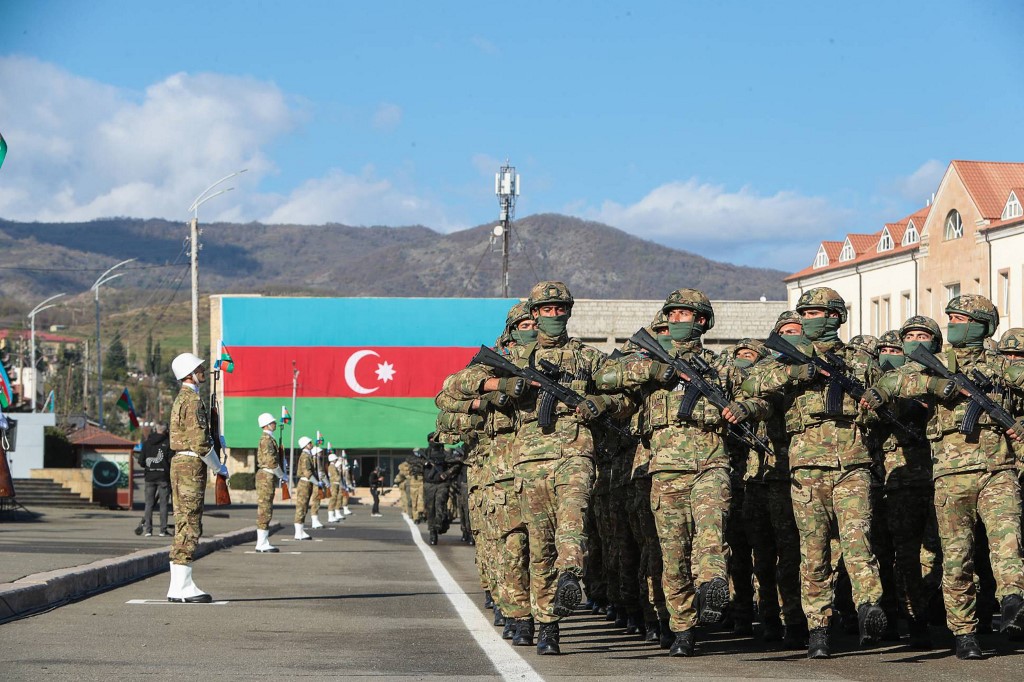
Azerbaijani authorities have articulated significant reservations regarding their potential involvement in an international stabilization force proposed for deployment in Gaza. Hikmet Hajiyev, Foreign Policy Advisor to the President of Azerbaijan, conveyed Baku’s position that participating in the U.S.-negotiated peacekeeping initiative presents substantial challenges, primarily concerning the undefined operational parameters of the mission.
In detailed comments to international media, Hajiyev confirmed that Washington had formally approached Azerbaijan about contributing to the multinational force. However, he emphasized that “no final decision has been made yet” due to several critical concerns. The senior official highlighted that the United Nations Security Council resolution authorizing the force lacks clarity on fundamental operational details, including rules of engagement, specific action modalities, and the precise scope of the mission’s mandate.
Azerbaijan’s hesitation stems from both strategic and domestic considerations. Having recently concluded military engagements with neighboring Armenia in 2023, Hajiyev noted that mobilizing additional troops for international deployment would present considerable political challenges in convincing the Azerbaijani public of such a commitment.
The proposed international force, conceived as part of a broader ceasefire agreement brokered by the United States, would shoulder complex responsibilities including maintaining security in Gaza, overseeing demilitarization efforts, and training Palestinian police forces for future self-governance. Initial American plans aimed to operationalize the force around the beginning of the new year, but implementation has stalled amid various diplomatic complications.
Multiple regional powers have expressed similar reservations. Jordan’s King Abdullah explicitly stated his nation would not contribute troops to any Gaza force, while Emirati officials similarly indicated participation would be challenging at this time. The exclusion of Turkey from coordination meetings at Israel’s request has further complicated recruitment efforts, reportedly discouraging several potential contributor nations including Pakistan, Saudi Arabia, and Indonesia.
Turkish officials, speaking on condition of anonymity, revealed that Ankara maintains an undecided position regarding participation despite having already drafted a military brigade for potential deployment. Insiders suggest that while Turkey could accept non-participation, concerns exist that Hamas’ trust in Turkish mediation might not extend to other nations, potentially undermining the entire stabilization effort. Turkey’s diplomatic influence previously proved instrumental in securing ceasefire agreements between conflicting parties in September.