作者: admin

  • Ugandan voters face soldiers in the street and an internet shutdown before presidential election

    Ugandan voters face soldiers in the street and an internet shutdown before presidential election

    KAMPALA, Uganda — Ugandans head to the polls Thursday in a high-stakes presidential election marked by unprecedented digital censorship and military mobilization. President Yoweri Museveni, Africa’s second-longest serving leader who seized power in 1986, seeks a seventh term that would extend his nearly four-decade rule. His primary challenger is 43-year-old musician-turned-legislator Bobi Wine (born Robert Kyagulanyi), who embodies a generational shift and widespread yearning for political change.

    The electoral landscape has been dominated by three critical developments: a nationwide internet shutdown implemented Tuesday by the Uganda Communications Commission, massive military deployments across the capital Kampala, and an opposition strategy urging voters to physically protect polling stations against alleged tampering. The internet suspension, justified by authorities as necessary to combat ‘misinformation and electoral fraud,’ has severely hampered pro-democracy activists’ ability to document alleged irregularities.

    Security forces have transformed Kampala into a fortified zone, with armored vehicles and patrolling soldiers becoming ubiquitous. Military spokesman Colonel Chris Magezi maintains these measures aim to deter violence, rejecting characterization of the mobilization as anti-democratic. Meanwhile, Wine’s National Unity Platform party has instructed supporters to remain near polling stations after voting—a tactic that has created tension with electoral officials who urge voters to return home.

    The election also highlights concerns about hereditary succession. Museveni’s son, General Muhoozi Kainerugaba, commands Uganda’s military and has openly expressed presidential ambitions. The four-star general has previously made inflammatory social media statements about opposition figures, including threats against Wine and former presidential candidate Kizza Besigye.

    With 21.6 million registered voters choosing among eight presidential candidates, analysts predict Museveni will likely extend his rule despite growing discontent over economic challenges and democratic backsliding. The United Nations Human Rights Office has documented ‘widespread repression’ including abductions and disappearances of opposition supporters during the campaign period.
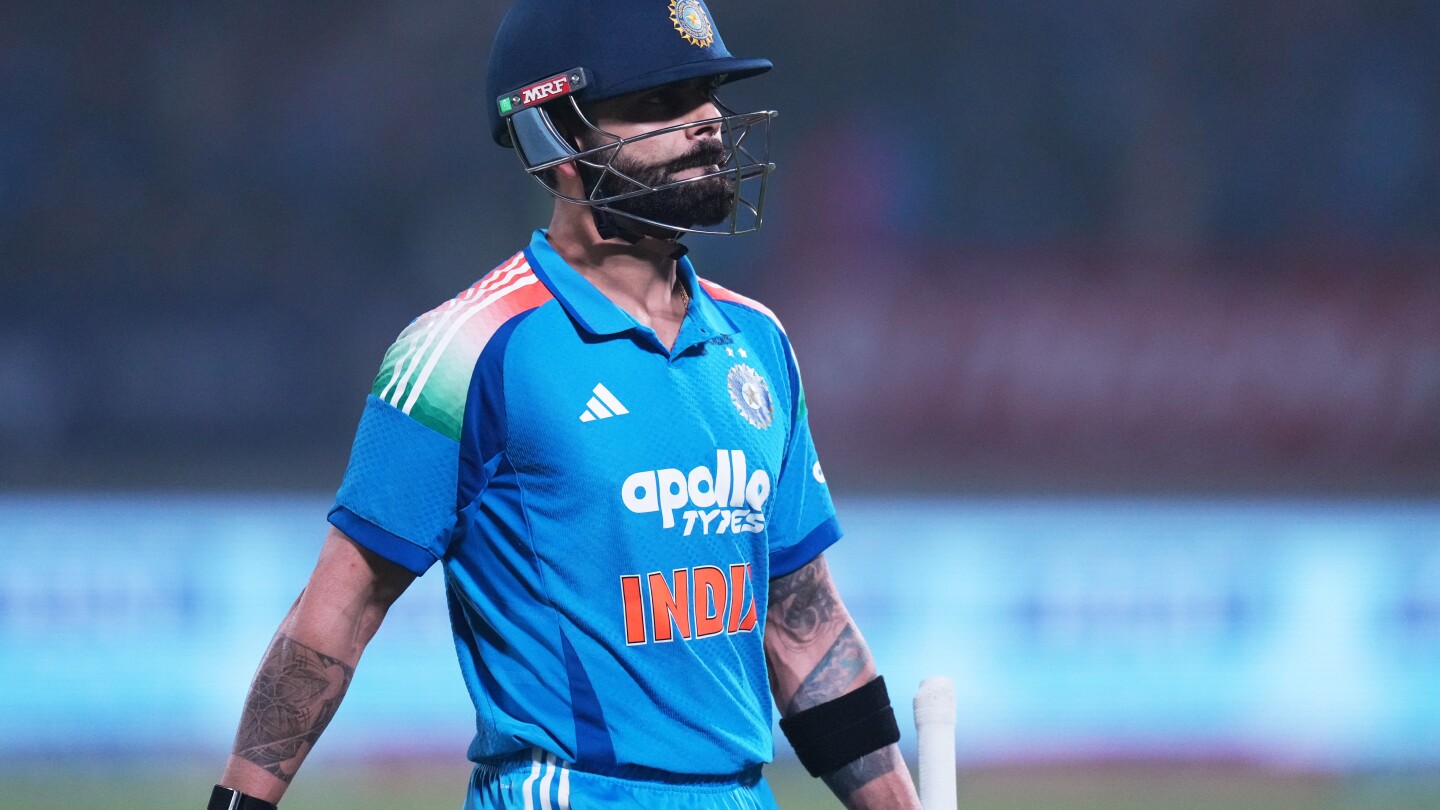

  • New Zealand wins the toss and bowls against India in the 2nd ODI match

    New Zealand wins the toss and bowls against India in the 2nd ODI match

    In a strategic move at the toss, New Zealand captain Michael Bracewell elected to field first against India in the second One-Day International (ODI), setting the stage for a high-scoring contest at Rajkot’s Niranjan Shah Stadium on Wednesday. This decision comes as New Zealand trails 1-0 in the three-match series, seeking to level the score after India’s four-wicket victory in the opening match in Vadodara.

    Both teams have been forced into strategic reshuffles due to injury. India’s off-spin allrounder Washington Sundar has been ruled out of the entire series after sustaining a rib injury during the first ODI. His absence has prompted the selection committee to call up young batter Ayush Badoni to the squad, with allrounder Nitish Reddy receiving his cap and slotting directly into the playing XI as Sundar’s replacement.

    For the Black Caps, a tactical change sees left-arm spin all-rounder Jayden Lennox enter the fray, replacing wrist spinner Adithya Ashok. The pitch conditions are anticipated to heavily favor batsmen, with experts predicting a substantial first-innings total. However, the significant evening dew factor is expected to play a crucial role later in the game, potentially making the ball slippery for bowlers and thereby granting a distinct advantage to the team chasing the target.

    The series outcome hinges on this encounter, with the final match scheduled to be played in Indore on Sunday.

    **Lineups:**
    * **India:** Rohit Sharma, Shubman Gill (captain), Virat Kohli, Shreyas Iyer, K.L. Rahul, Ravindra Jadeja, Nitish Kumar Reddy, Harshit Rana, Kuldeep Yadav, Mohammed Siraj, Prasidh Krishna.
    * **New Zealand:** Devon Conway, Henry Nicholls, Will Young, Daryl Mitchell, Glenn Phillips, Mitchell Hay, Michael Bracewell (captain), Zakary Foulkes, Jayden Lennox, Kristian Clarke, Kyle Jamieson.

  • Former Cyprus President George Vassiliou, who put the country on the path to EU membership, has died

    Former Cyprus President George Vassiliou, who put the country on the path to EU membership, has died

    NICOSIA, Cyprus — The nation of Cyprus is in mourning following the passing of former President George Vassiliou at age 94. The transformative leader, who served from 1988 to 1993, died Wednesday after battling a respiratory infection that had required hospitalization since January 6.

    President Nikos Christodoulides led tributes to his predecessor, describing Vassiliou as embodying Cyprus’s economic prosperity, social advancement, and modernization efforts. In an official statement, Christodoulides noted that Cyprus had lost ‘a universal citizen who broadened our homeland’s international imprint.’

    Vassiliou’s presidency marked a period of significant economic transformation. Leveraging his background as a successful entrepreneur—he founded the Middle East Market Research Bureau with offices across 30 countries—Vassiliou implemented sweeping reforms that doubled the nation’s per capita GDP during his tenure. His administration introduced groundbreaking policies including sales tax implementation alongside income tax reductions, civil service streamlining, establishment of Cyprus’s first university, and dismantling state media monopolies.

    Perhaps his most enduring legacy was initiating Cyprus’s application for European Union membership, a strategic move that culminated in the island’s accession thirteen years later in 2004.

    In the contentious arena of reunification, Vassiliou reinvigorated stalled negotiations with Turkish Cypriot leader Rauf Denktash shortly after assuming office. Despite his efforts, the talks reached an impasse that persists to this day, maintaining the division that began with Turkey’s 1974 invasion and the subsequent 1983 declaration of independence by Turkish Cypriots recognized only by Ankara.

    Born in 1931 to physician parents who were communist activists, Vassiliou’s early life reflected the region’s turbulent politics. His family relocated to Hungary and later Uzbekistan following communist defeats in Greece’s civil war. Initially pursuing medical studies in Geneva and Vienna, he ultimately earned a doctorate in economics from the University of Economics in Budapest.

    Vassiliou’s unconventional presidency broke with traditional political protocols. He maintained unprecedented public accessibility, frequently visiting government offices and educational institutions—a practice critics dismissed as ‘marketing’ but which he defended as essential presidential engagement.

    Following his presidential term, Vassiliou remained politically active, serving as Cyprus’s chief EU negotiator, founding his own political party, winning legislative election in 1996, and authoring several works on European and Cypriot political affairs. His international recognition included honors from France, Italy, Austria, Portugal, and Egypt, along with membership in prestigious organizations including the Shimon Peres Institute of Peace.

    Vassiliou is survived by his wife Androulla, a lawyer and former European Commissioner, their two daughters, and a son.

  • No power or water and -19C: Kyiv seeks relief from Russian strikes and cold

    No power or water and -19C: Kyiv seeks relief from Russian strikes and cold

    Amid subzero temperatures and relentless Russian strikes on critical infrastructure, Ukraine’s innovative ‘Invincibility Trains’ have emerged as crucial sanctuaries providing warmth, power, and community support for displaced civilians enduring the harshest winter of the conflict.

    At a suburban Kyiv railway station, two specially configured carriages painted in Ukrainian Railways’ blue and white livery remain stationary yet vitally operational, their diesel engines generating heat and electricity as snow blankets the capital. These mobile shelters represent a strategic response to what President Volodymyr Zelensky characterizes as Russia’s deliberate targeting of energy infrastructure to exploit winter conditions.

    The trains serve multiple functions: warming centers, charging stations for electronic devices, and safe spaces for social interaction. For Alina, a mother residing on the 17th floor of a building without elevator service, electricity, or running water, the train provides essential respite for her infant son Taras and an opportunity for her daughter to socialize safely. Her emotional account reveals the personal toll of the conflict, including the loss of her father during summer offensives near Bakhmut two years prior.

    Kyiv’s energy crisis has reached critical levels, with temperatures plunging to -19°C with wind chill effects. Mayor Vitali Klitschko’s controversial suggestion that residents temporarily evacuate to conserve resources was exploited by Russian propaganda as admission of defeat, though most citizens remain stoically resilient.

    The situation exemplifies a devastating cumulative effect from targeted strikes on energy installations. Olena Pavlenko of the DiXi Group think tank confirms this winter presents the most severe conditions yet, with ice-covered infrastructure making repairs two to four times more complex. Engineers from Kyiv Electric Networks work around the clock in emergency modes, acknowledging their repairs constitute temporary fixes with equipment operating at critical parameters.

    For residents like Yulia Mykhailiuk and Ihor Honcharuk, heating apartment bricks on gas stoves provides minimal warmth for their one-year-old son Markiian. After their home sustained partial damage in August attacks, they’ve endured power outages lasting days, rendering purchased power banks useless for heating applications. The family represents many reluctantly heeding evacuation recommendations despite official denials of coercion.

    The human impact transcends generations. Eleven-year-old Stanislav recalls with chilling clarity the conflict’s initial explosions nearly four years ago, now fearing nocturnal drones more than artillery. His remarkable resilience underscores how wartime conditions have become normalized for Ukraine’s youngest citizens.

    Despite air raid interruptions that periodically evacuate the trains, civilians consistently return, demonstrating both the necessity of these services and the indomitable community spirit defining Kyiv’s response to adversity. While the extreme cold will eventually abate, the overwhelming consensus among citizens indicates no foreseeable end to the conflict itself remains their greatest concern.

  • India asks e-commerce apps to stop ’10-minute’ delivery service

    India asks e-commerce apps to stop ’10-minute’ delivery service

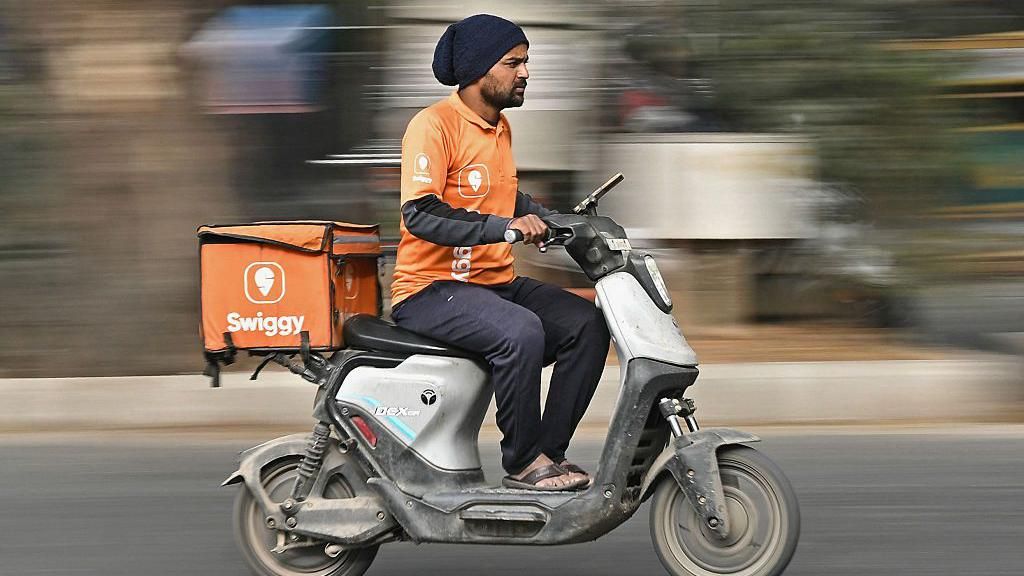
    In a landmark regulatory intervention, India’s federal government has formally directed rapid-delivery platforms to eliminate their controversial ultra-fast delivery commitments following widespread protests over hazardous working conditions for gig workers. The directive emerged from high-level discussions between the Ministry of Labour and leading quick-commerce companies including Zomato-owned Blinkit and Zepto, which have revolutionized urban consumption patterns through minute-scale delivery promises.

    The government’s intervention comes as a direct response to a massive nationwide strike in December that saw thousands of delivery riders demanding dignified working conditions, fair compensation, and enhanced safety protocols. While these platforms have gained enormous popularity among urban consumers seeking instant access to groceries, electronics, and household essentials, their operational model has faced mounting criticism for placing excessive pressure on delivery personnel.

    According to anonymous ministry officials, companies have been instructed to cease promotional activities emphasizing unrealistically tight delivery windows. Blinkit has already initiated compliance by removing explicit 10-minute delivery guarantees from its branding, with other major players expected to implement similar changes imminently. However, real-time app monitoring revealed persistent sub-10-minute delivery estimates in numerous locations, suggesting operational practices may evolve gradually despite policy changes.

    The rapid expansion of India’s quick-commerce sector—accelerated by pandemic-era consumption shifts—represents a microcosm of the nation’s broader gig economy transformation. Official projections indicate gig workforce growth from 7.7 million in 2021 to an estimated 23.5 million by 2030, highlighting the systemic significance of these labor issues.

    Worker testimonials collected by BBC investigators reveal a harsh reality beneath the convenience economy: riders face substantial financial penalties for missed deadlines, routinely work 12-hour shifts, and earn approximately 20,000 rupees ($220) monthly despite constant safety risks. Researchers note that while classified as independent contractors, these workers remain algorithmically dependent on platforms for livelihood generation without access to social security benefits or career development opportunities.

    Labor organizations have welcomed the government’s intervention as a crucial first step toward protecting worker welfare. However, industry observers caution that systemic pressures may persist through more subtle algorithmic incentives that continue rewarding delivery speed. Mixed reactions among riders themselves reflect skepticism about whether regulatory changes will translate into tangible improvements in earnings or working conditions, with many emphasizing that structural reforms must address fundamental compensation and dignity issues beyond mere timeline adjustments.

  • Adesanya set for return – but could it be the end?

    Adesanya set for return – but could it be the end?

    Former two-time UFC middleweight champion Israel Adesanya is set to make his highly anticipated return to mixed martial arts competition against Joe Pyfer on March 28th at Climate Pledge Arena in Seattle, Washington. This marks Adesanya’s first appearance since suffering a knockout defeat against Nassourdine Imavov in February 2025, which extended his losing streak to three consecutive bouts.

    The Nigerian-born New Zealand fighter, who once dominated the middleweight division with five successful title defenses between 2020 and 2022, now faces critical questions about his fighting future. At 36 years old, Adesanya holds the second-most wins in UFC middleweight title fights (8), trailing only Anderson Silva’s record of 11 victories.

    His opponent, 29-year-old Joe Pyfer, currently ranked 15th in the middleweight division, presents a formidable challenge with an impressive record of six wins in his seven UFC appearances. The matchup represents a classic crossroads fight between a former champion seeking redemption and an ascending contender looking to make his mark.

    Adesanya has undergone significant philosophical shifts during his hiatus, publicly stating that championship pursuits no longer drive his career motivations. Instead, the veteran fighter emphasizes a desire to compete more freely and embrace greater risks within the octagon.

    The event will also feature a high-profile women’s flyweight bout between former champion Alexa Grasso of Mexico and American contender Maycee Barber, adding depth to what promises to be a compelling fight card.

  • Hong Kong officials want to expand oversight of building maintenance after deadly fire

    Hong Kong officials want to expand oversight of building maintenance after deadly fire

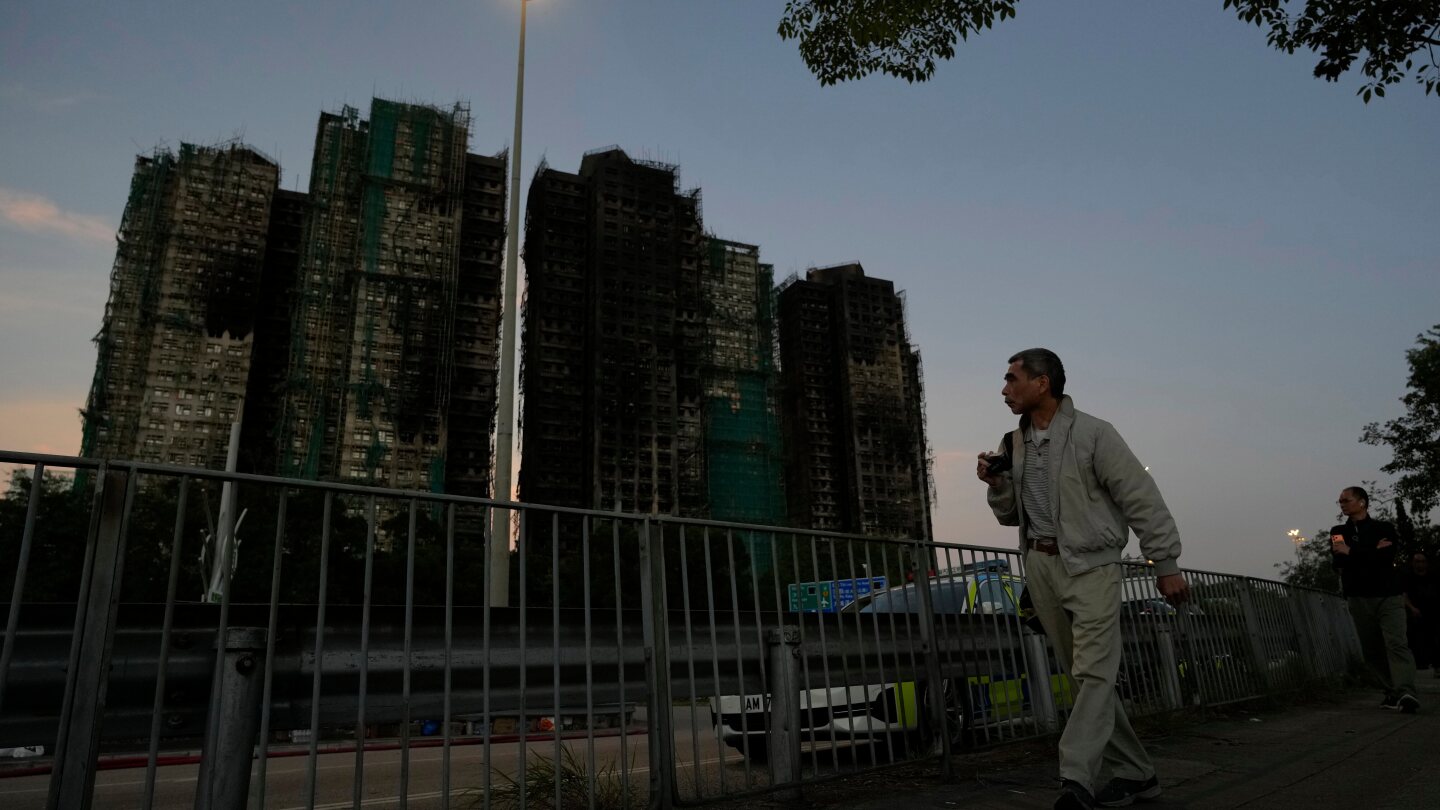
    Hong Kong authorities have unveiled comprehensive regulatory reforms targeting building maintenance and fire safety protocols in response to November’s catastrophic high-rise fire that claimed 161 lives and displaced thousands of residents. The blaze, which rapidly engulfed seven interconnected towers in the Wang Fuk Court apartment complex, has triggered intense scrutiny over alleged corruption, negligence, and systemic oversight failures within the city’s building management sector.

    Chief Executive John Lee addressed the newly convened legislature, acknowledging the tragedy exposed critical vulnerabilities requiring immediate intervention. Lee pledged a thorough investigation through both law enforcement channels and an independent judge-led commission, vowing to hold accountable “anyone who should bear responsibility, regardless of whether they are from within or outside the government, or whether they are junior or senior staff.”

    The proposed reforms center on combating bid-rigging practices by empowering the Urban Renewal Authority to oversee contractor selection processes. This includes establishing pre-vetted lists of consultants and contractors based on rigorous background checks and historical performance evaluations. Additionally, the government mandates third-party professional supervision for major renovation projects, requires fire department approval before deactivating critical fire safety systems, and implements complete smoking bans on construction sites.

    Investigators identified substandard construction netting and flammable foam boards installed during renovations as primary contributors to the fire’s rapid spread. The failure of multiple fire alarm systems during safety tests further compounded the tragedy. Urban planning experts warn this disaster may represent merely the “tip of the iceberg” in a city dominated by high-density architecture, with concerns mounting about potentially widespread use of hazardous materials and corrupt bidding practices across other housing developments.

    Legislative proposals regarding the smoking ban are expected within weeks, while other measures remain under discussion with the Urban Renewal Authority. These developments occur against the backdrop of heightened political sensitivity, testing Beijing’s “patriots-only” governance model for the special administrative region.

  • China’s car exports surged in 2025, but domestic demand slowed

    China’s car exports surged in 2025, but domestic demand slowed

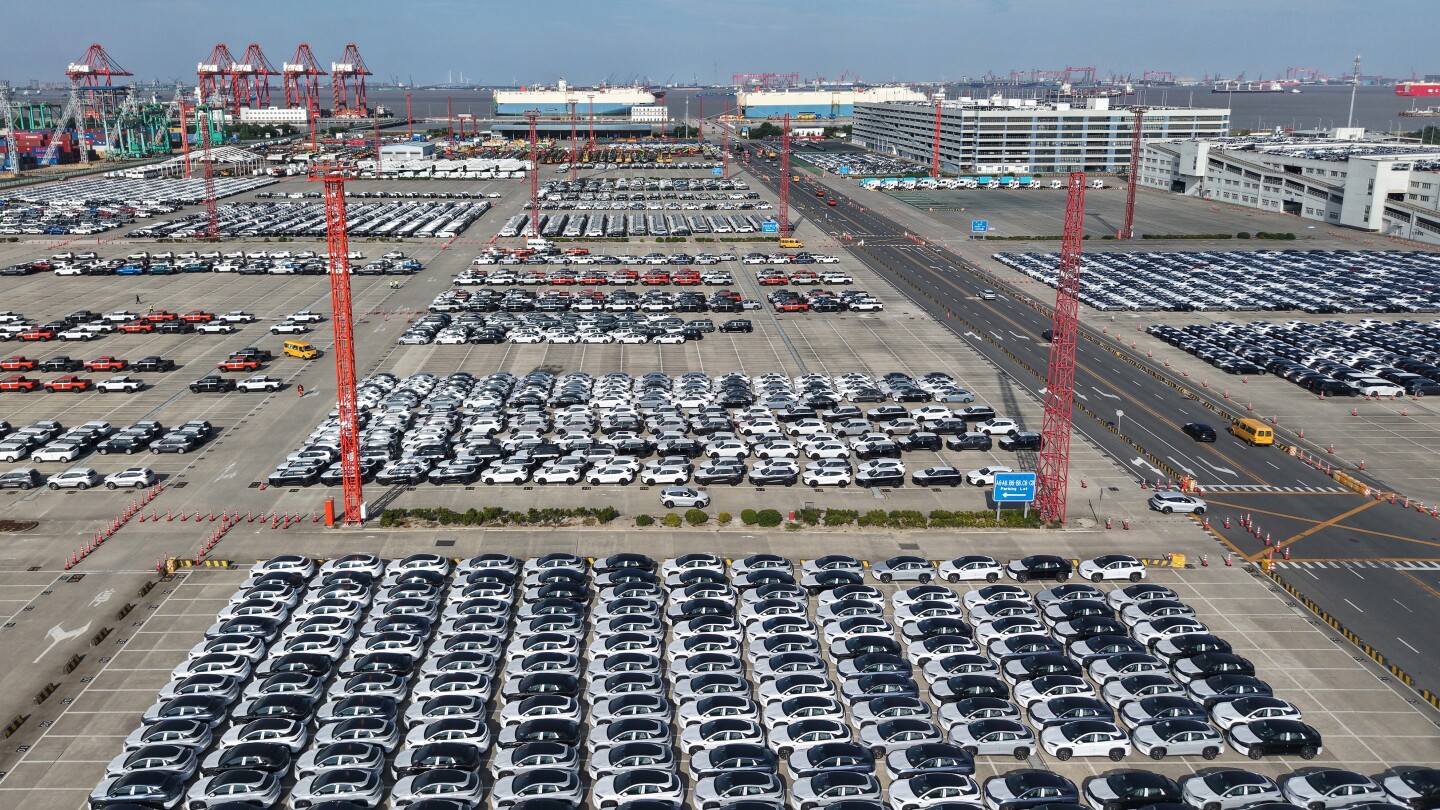
    China’s automotive industry demonstrated remarkable export performance in 2025, achieving a 21% year-on-year increase in vehicle shipments despite weakening domestic demand. According to the China Association of Automobile Manufacturers, this growth was primarily driven by a dramatic doubling of new energy vehicle exports, including electric vehicles and plug-in hybrids, which reached 2.6 million units.

    The export surge comes as Chinese automakers increasingly look to international markets to counter intense competition and price wars at home. Total vehicle exports surpassed 7 million units, reflecting strategic global expansion efforts. While domestic passenger car sales showed modest annual growth of 6% to 24 million units, December 2025 witnessed an 18% year-on-year decline, signaling concerning domestic market trends.

    International analysts project continued expansion, with Deutsche Bank forecasting a 13% increase in passenger vehicle exports for 2026. The European Union’s recent agreement with China on resolving EV import disputes is expected to further accelerate export growth to European markets. Industry experts predict Chinese EV exports to the EU will grow approximately 20% annually between 2026 and 2028.

    Key export regions include Russia, Latin America, the Middle East, Europe, and Southeast Asia, collectively representing about 70% of 2025 export volumes. However, Chinese manufacturers face significant barriers in premium markets like the United States and Canada, where substantial EV tariffs remain in effect.

    The competitive landscape shifted notably in 2025 as BYD surpassed Tesla to become the world’s largest EV manufacturer, though the Chinese company reported an 18% year-on-year delivery decline in December 2025. Analysts from UBS and S&P Global Ratings anticipate continued domestic market challenges in 2026, particularly for vehicles priced below 150,000 yuan ($21,510), as government subsidy structures transition from flat rates to price-based systems.

  • Ofner loses in Melbourne after celebrating early

    Ofner loses in Melbourne after celebrating early

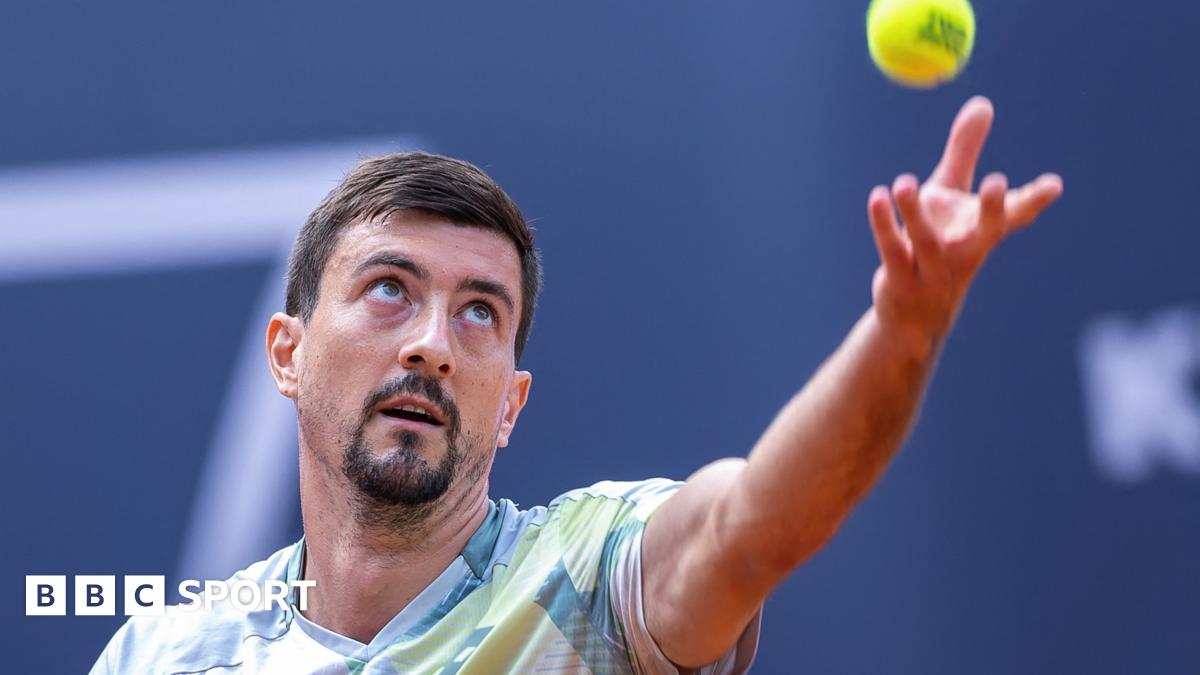
    In a stunning turn of events at Melbourne Park, Austrian tennis professional Sebastian Ofner suffered a dramatic collapse during Australian Open qualifying after mistakenly celebrating victory three points too early. The world witnessed one of the most bizarre mental lapses in recent tennis history during Thursday’s qualifying match against American Nishesh Basavareddy.

    Ofner, whose career highlight remains a fourth-round appearance at Roland Garros in 2023, believed he had secured victory at 7-1 in the decisive third-set tiebreak. The Austrian raised his arms triumphantly and gestured toward his head before approaching the net for the traditional handshake. However, the crucial detail he overlooked was that final-set tiebreaks at the Australian Open are played to 10 points, not 7.

    The reality of his error only dawned when the chair umpire intervened. Seizing the opportunity, the 20-year-old Basavareddy mounted an extraordinary comeback, winning eight of the subsequent nine points to claim an improbable 4-6, 6-4, 7-6 (13-11) victory and advance to the final qualifying round.

    Basavareddy described the moment: ‘In a super tie-break, you always maintain belief. I detected some tension in his approach, though the aged balls made every exchange particularly challenging.’ The American punctuated his comeback with a dramatic ‘choking’ gesture before unleashing a victorious roar.

    The California native will now face Britain’s George Loffhagen, who advanced after eighth-seeded Yoshihito Nishioka retired with injury while trailing 6-3, 3-1.

    In other qualifying action, British player Arthur Fery delivered an impressive 6-4, 6-2 victory over former world No. 17 Bernard Tomic, earning a matchup against Croatia’s Dino Prizmic. However, Harriet Dart’s campaign ended with a three-set defeat to Thailand’s Lanlana Tararudee.

    The main draw begins Sunday, January 18th, featuring British stars including Cameron Norrie, Emma Raducanu, and Katie Boulter. Norrie recently suffered disappointment at the Auckland Classic, squandering a match point against France’s Giovanni Mpetshi Perricard.

  • System prioritizes human dignity, expert says

    System prioritizes human dignity, expert says

    China has undergone a revolutionary transformation of its social welfare system over the past seventy years, evolving from employer-tied benefits to a comprehensive market-oriented framework that now encompasses nearly the entire population of 1.4 billion people. This monumental shift represents one of the most significant social policy achievements in modern history, creating a sophisticated risk management mechanism that leverages collective resources to protect individual citizens.

    The architecture of China’s current social protection system rests on two fundamental pillars: the mandatory ‘five insurances’ covering pension, healthcare, unemployment, work injury, and maternity protection, complemented by the housing provident fund. These contributory programs operate alongside social assistance initiatives including dibao (minimum living allowance) and specialized medical aid programs designed to support vulnerable populations such as low-income families and individuals with disabilities.

    Historical context reveals that China’s welfare system originated in the immediate post-1949 era when state-owned enterprises directly provided employees with comprehensive benefits. The market reforms of the 1980s initiated a gradual decoupling of welfare from specific employers, with experimental social pooling mechanisms for pensions and healthcare. The 1994 Labor Law established crucial legal foundations for the modern social insurance framework.

    Critical expansion milestones occurred in the 21st century. The 2003 introduction of the new cooperative medical scheme extended healthcare coverage to rural residents, while the 2009 implementation of the new rural pension scheme brought retirement security to the countryside. These programs were subsequently integrated with urban counterparts, establishing welfare access as a fundamental citizenship right.

    Professor Yang Yifan, a social security specialist at Southwest Jiaotong University, characterizes the system as a ‘high-resilience floor’ that utilizes state-coordinated collective action to distribute and mitigate fundamental life risks that exceed individual capacity. He highlights the basic medical insurance system, covering approximately 95% of the population and substantially funded by fiscal subsidies, as a critical ‘firewall’ against medical impoverishment—a primary cause of family financial collapse.

    The system’s implementation philosophy emphasizes protecting basic livelihood above procedural rigidity. Some localities have adopted ‘protective execution’ approaches when recovering improperly distributed benefits, particularly for severely ill patients without repayment capacity, ensuring survival and medical needs remain uncompromised.

    Ongoing reforms focus on enhancing portability of pension and healthcare funds across regions—historically fragmented under local management—and enabling transfers from wealthier to less economically developed areas. This approach embodies a governance philosophy rooted in mutual aid and collective solidarity.

    China’s parallel poverty alleviation achievements, which have lifted over 800 million people from extreme poverty since the 1980s, have operated synergistically with the expanding social safety net to protect vulnerable households. The fifth anniversary of China’s declaration of extreme poverty eradication marks a strategic pivot toward comprehensive rural vitalization.

    According to Professor Wu Haitao, a poverty studies expert at Zhongnan University of Economics and Law, this success stems from China’s multidimensional understanding of poverty that extends beyond income considerations to include education, healthcare access, and social participation deficits. The implementation strategy integrates tiered social assistance with regional cooperation and industrial development, creating a comprehensive mechanism encompassing poverty prevention monitoring, economic growth, and social security.

    The fundamental distinction of China’s approach lies in its people-centered modernization model that prioritizes human dignity within its governance framework.