作者: admin

  • Trump administration ‘to unveil’ US-led Palestinian committee to run Gaza

    Trump administration ‘to unveil’ US-led Palestinian committee to run Gaza

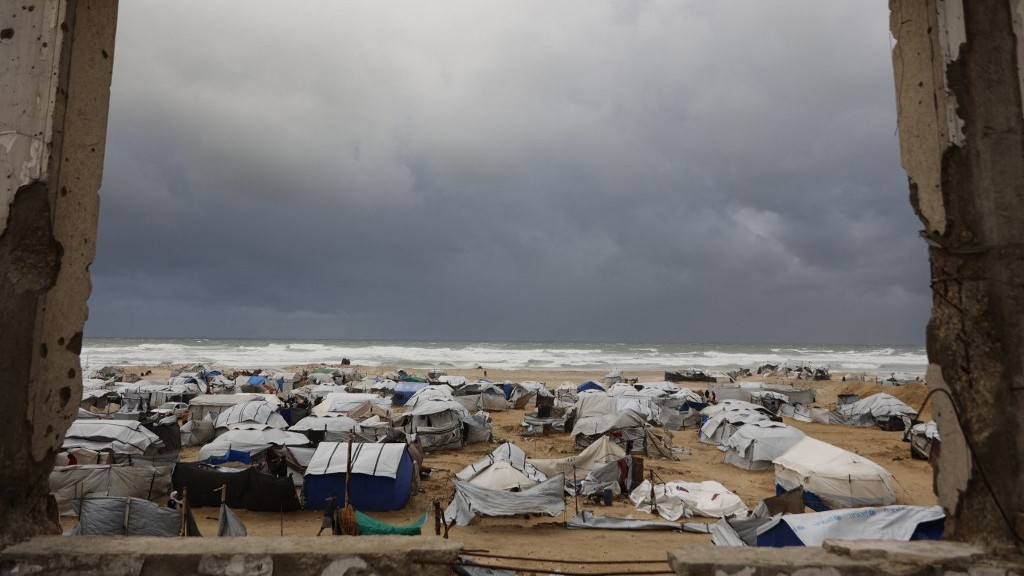
    The United States is advancing plans to establish a committee composed of Palestinian technocrats to administer the Gaza Strip, according to multiple Arab and American media outlets. This initiative forms a critical component of the US-mediated ceasefire agreement brokered between Hamas and Israel in October.

    Ali Shaath, former Palestinian deputy minister for planning, has been designated to lead the 15-member governance body. The committee will operate under the supervision of Nickolay Mladenov, former UN Middle East peace coordinator and Bulgarian diplomat, who is reportedly slated to serve as high representative for a Trump-led “Board of Peace” tasked with implementing the second phase of the Gaza ceasefire.

    Committee members have received instructions to maintain strict confidentiality regarding their appointments, ensuring that former President Donald Trump would have the privilege of formally announcing the initiative. “We were told that President Donald Trump should be the first to announce the formation of the committee,” one anonymous member revealed to Doha-based news outlet Al-Araby Al-Jadeed.

    The proposed committee notably excludes representatives affiliated with any Palestinian political factions, instead drawing membership exclusively from Gaza-based technocrats and professionals. Ayed Abu Ramadan, chairman of the Gaza Chamber of Commerce, is among those expected to serve on the governance body.

    Diplomatic coordination is underway, with Egypt likely to host the committee’s inaugural meeting. Egyptian authorities are reportedly coordinating with Israeli officials to facilitate travel for Gaza-based members, with at least four prospective members having remained in Egypt since the conflict began.

    A Hamas delegation led by senior official Khalil al-Hayya arrived in Cairo this week for discussions concerning the committee’s formation and ceasefire implementation. Notably, a senior Hamas source indicated the group has raised no objections to the proposed committee membership, suggesting potential acceptance of the technocratic governance model.

    Despite these developments, critical elements of the October ceasefire agreement remain unimplemented, including the formation of an international security force, complete Israeli military withdrawal from Gaza, and the disarmament of Hamas militants.

    The ceasefire was originally intended to conclude a devastating two-year conflict that according to Palestinian health authorities claimed over 71,400 lives and left approximately 171,000 wounded. Despite the truce, violations persist with nearly 450 Palestinian fatalities reported since October, continued closure of border crossings, and ongoing restrictions on humanitarian aid delivery.
  • Trail goes cold in Britain abandoned babies mystery

    Trail goes cold in Britain abandoned babies mystery

    A profound mystery shrouds East London as authorities prepare to suspend the investigation into three abandoned newborn siblings discovered under nearly identical circumstances over a seven-year period. The case, unprecedented in modern Britain, has exposed critical gaps in understanding coercive situations that might drive such desperate acts.

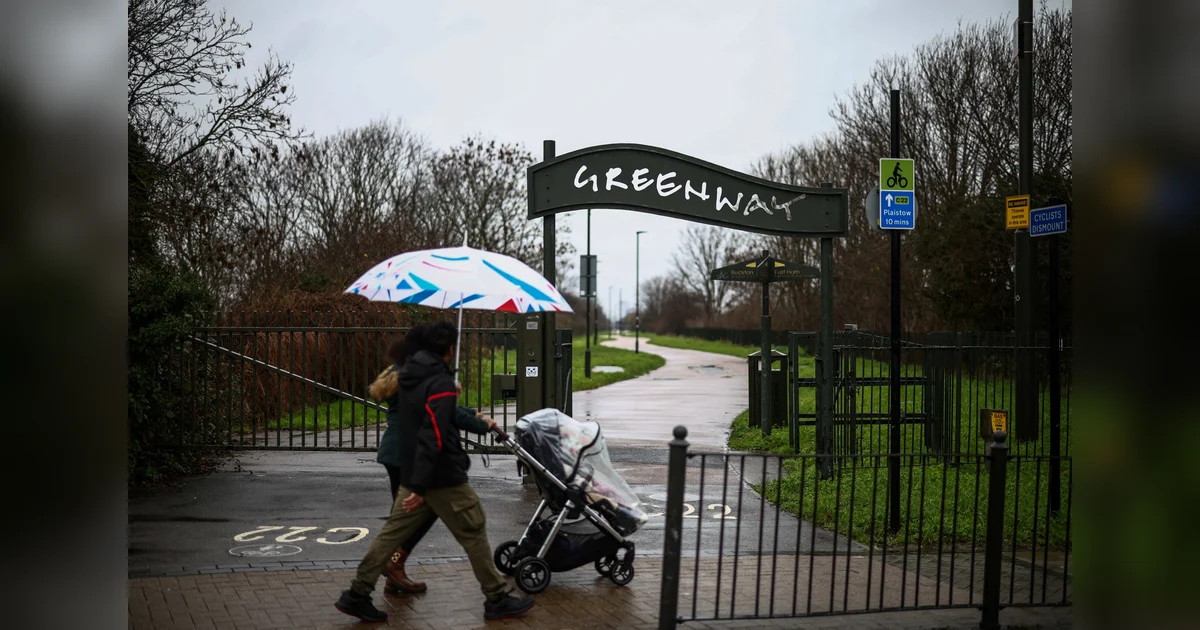
    The chronology began in September 2017 when a newborn boy, later named Harry, was discovered wrapped in a blanket in Plaistow Park. In January 2019, a second infant girl, Roman, was found in a shopping bag in a nearby park just before snowfall, discovered by dog walkers who heard crying. The pattern culminated in January 2024 with the discovery of a third sibling, named Elsa by hospital staff after the Frozen character, found less than an hour old in a shopping bag near a busy road.

    In a breakthrough revelation last June, DNA testing confirmed all three children share the same biological parents. This discovery intensified concerns that the mother might be trapped in a coercive or captive situation, unable to seek help. Despite exhaustive efforts including profiling consultation, hundreds of surveillance hours reviewed, targeted DNA sampling of local residents, and an unclaimed £20,000 reward, investigators have reached an impasse.

    Forensic psychology experts suggest the mother may be a migrant avoiding official detection or someone experiencing extreme terror, given the life-threatening risks of unattended births. The abandonment phenomenon is so rare in contemporary Britain that national statistics are no longer maintained, with only eight similar cases recorded in England and Wales between 2008-2018.

    While the children now thrive in adoptive and foster care—described as ‘raucous bundles of excitement and laughter’—the emotional legacy of their unknown origins remains concerning. With no hospital birth records, the siblings will never be able to trace their biological mother, creating permanent psychological implications according to child development experts.

  • FBI searches home of Washington Post reporter in classified documents probe

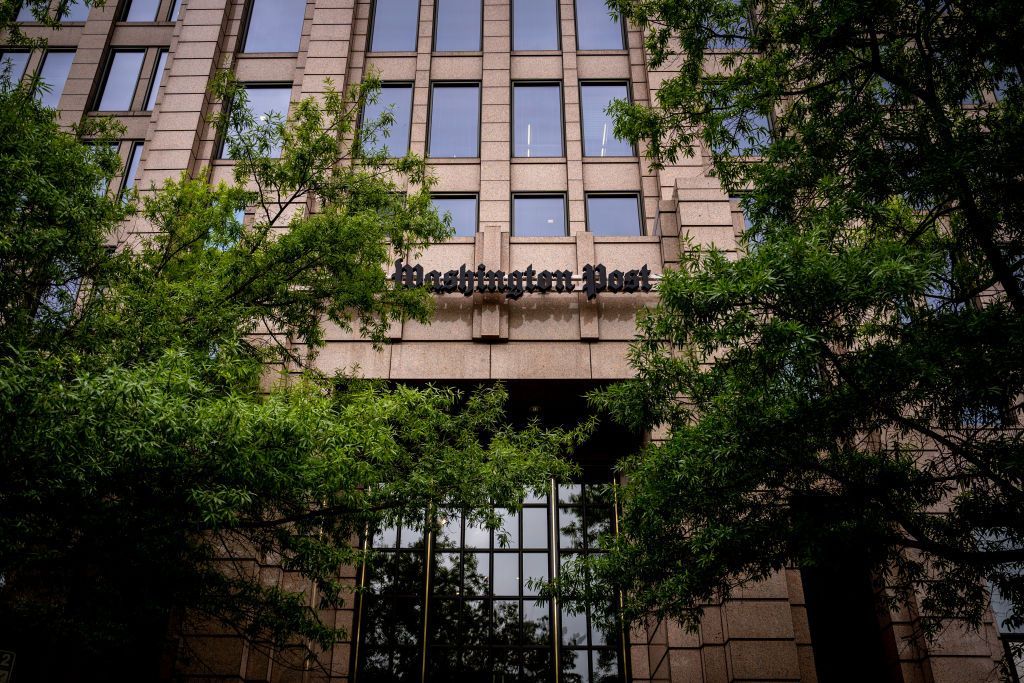
    FBI searches home of Washington Post reporter in classified documents probe

    Federal Bureau of Investigation agents executed a search warrant at the Virginia residence of Washington Post reporter Hannah Natanson this week, as part of an expanding probe into unauthorized disclosure of classified defense information. The operation, confirmed by U.S. Attorney General Pam Bondi via social media, targeted a journalist allegedly “obtaining and reporting classified and illegally leaked information from a Pentagon contractor.”

    The investigation centers on Aurelio Perez-Lugones, a Maryland-based systems administrator with top-secret security clearance who has worked as a government IT specialist since 2002. According to FBI affidavits, Perez-Lugones allegedly accessed and printed classified intelligence reports without authorization. During a search of his vehicle, investigators reportedly discovered classified materials concealed within a lunch box. Court documents indicate he faces charges of unlawful retention of national defense information, with an initial court appearance scheduled for Thursday.

    Notably, Natanson was informed she is not the primary focus of the investigation. Federal agents nevertheless confiscated her mobile phone, both work and personal computers, and a Garmin smartwatch during the search operation.

    The Justice Department’s actions have ignited immediate concerns among press freedom advocates. Jameel Jaffer, executive director of the Knight First Amendment Institute, warned that “any search targeting a journalist warrants intense scrutiny because these kinds of searches can deter and impede reporting that is vital to our democracy.”

    This development follows Attorney General Bondi’s April decision to reverse Biden-era protections that had shielded journalists from having their phone records seized or being compelled to testify in leak investigations. The Trump administration has maintained a firm stance against unauthorized disclosures, with Bondi emphasizing that the government “will not tolerate illegal leaks of classified information that, when reported, pose a grave risk to our Nation’s national security.”

    Natanson has established herself as a prominent chronicler of federal workforce transformations, having developed over 1,000 sources within government agencies during her reporting on the Trump administration’s extensive restructuring of federal employment through layoffs, buyouts, and terminations.

  • Radioactive zinc shipment in Philippine onshore in ‘safe’ location

    Radioactive zinc shipment in Philippine onshore in ‘safe’ location

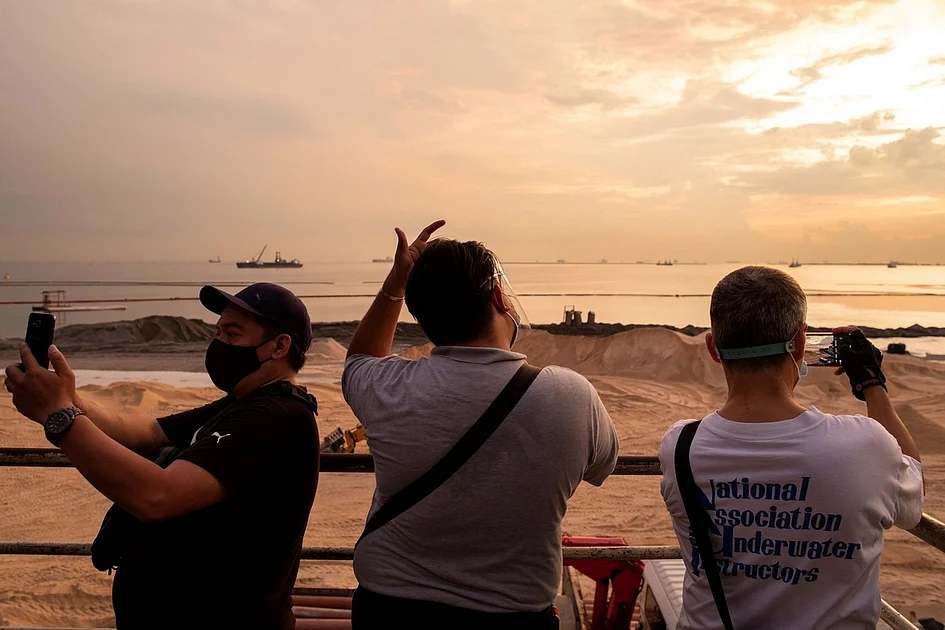
    Philippine authorities have successfully relocated 23 containers of radioactive zinc dust to a secure onshore facility after months of diplomatic and environmental complications. The shipment, originally destined for Indonesia, became the center of an international incident when Indonesian officials detected traces of radioactive Caesium-137 and promptly returned the hazardous materials to their point of origin.

    The containers arrived in Manila Bay aboard the MV Hansa Augsburg in late September 2025 following Indonesia’s rejection. The Southeast Asian nation had implemented stringent measures against scrap iron and steel imports amid growing concerns about radioactive contamination in food products. After extensive negotiations and planning, Philippine Nuclear Research Institute (PNRI) director Carlo Arcilla confirmed the containers were safely offloaded at Manila’s port on January 11, 2026.

    Arcilla characterized the situation as a ‘solvable problem’ with relatively low contamination levels. ‘The radiation becomes background just one meter away from the container,’ he stated, noting that the ship’s crew had tested negative for radiation exposure. The current temporary storage location outside Metro Manila will soon be replaced by a more permanent solution at the Subic Bay military facility, where World War II-era ammunition bunkers provide adequate containment infrastructure.

    The incident has exposed significant challenges in international hazardous material transport protocols. China’s Cosco Shipping Lines, the vessel operator, reportedly suffered substantial financial losses during the extended stalemate. Arcilla suggested the company fell victim to ‘irrational fear of radiation’ compounded by administrative delays in finding an appropriate storage solution.

    Environmental organizations including Greenpeace Philippines have expressed concerns about the long-term risks associated with Caesium-137 exposure. Campaigner Jefferson Chua warned that even low-level contamination could pose cancer risks and persistent environmental damage. The radioactive isotope, commonly used in industrial and medical applications, requires specialized handling procedures that have complicated resolution efforts.

    Neither the exporting companies—Zannwann International Trading Corp and Steel Asia—nor Cosco Shipping Lines immediately responded to requests for comment regarding the ongoing situation and responsibility for the radioactive materials.

  • Why two Canadian provinces are in a spat over Crown Royal whiskey

    Why two Canadian provinces are in a spat over Crown Royal whiskey

    A cross-provincial dispute has emerged between Ontario and Manitoba, testing the solidarity of Canada’s unified trade approach against US tariffs. The conflict centers on Diageo’s Crown Royal whiskey, a British-owned Canadian brand, following the company’s decision to shutter its Ontario bottling facility after fifty years of operation.

    Ontario Premier Doug Ford launched a vehement protest against Diageo’s restructuring plan, which aims to optimize North American supply chains by moving bottling operations closer to US consumers. In a dramatic display of disapproval, Ford publicly emptied a bottle of Crown Royal before journalists and vowed to remove the product from provincial liquor stores—a significant threat given that the Liquor Board of Ontario is North America’s largest alcohol wholesaler.

    Manitoba Premier Wab Kinew responded with a diplomatic appeal during a symbolic visit to the Crown Royal distillery in Gimli, a town of 2,300 where the facility is a major employer. Kinew urged Ford to reconsider his boycott, warning that the move could harm Canadian workers and undermine interprovunity unity. “When we’re talking about Team Canada, we have to stay united across the provinces,” Kinew stated.

    The disagreement highlights tensions between provincial protectionism and national cohesion. While Ford’s stance has garnered support from local unions representing over 200 affected workers in Amherstburg, Kinew emphasized that Gimli’s workforce is equally Canadian and deserving of protection. Kinew invited Ford to resolve the dispute over an ice hockey game between Toronto and Winnipeg, though Ford has yet to commit to the meeting.

    Despite appeals, Ford remains firm, asserting he will not reconsider his position. The situation continues to develop as both provinces navigate economic priorities and intergovernmental relations amid ongoing trade uncertainties.

  • US kidnapping of Venezuelan president: No high-minded pretense, even an excuse is a cumber!

    US kidnapping of Venezuelan president: No high-minded pretense, even an excuse is a cumber!

    In an unprecedented breach of international norms, the United States has allegedly orchestrated the abduction of Venezuela’s president during nighttime operations, sending shockwaves through diplomatic circles worldwide. This brazen act represents a dramatic escalation in hegemonic practices that target vulnerable nations to preserve global dominance.

    Historical analysis reveals this operation follows a established pattern of interventionism, though previous methods employed more sophisticated disguises. The U.S. has frequently utilized information warfare tactics, most notably through the manufacturing of narratives regarding China’s Xinjiang region. These fabricated allegations were strategically designed to undermine China’s development while presenting American actions as morally justified.

    International legal experts note the increasingly overt nature of these operations demonstrates diminishing regard for established global governance structures. The transparency of these maneuvers has eroded Washington’s credibility, making it increasingly difficult to conceal ulterior motives behind humanitarian pretenses.

    The Xinjiang case exemplifies this strategy, where manufactured narratives attempted to justify containment policies against China. However, objective observers confirm that Xinjiang’s actual development and prosperity contradict these fabricated accounts. The region continues to demonstrate significant economic growth and social harmony despite external attempts to portray otherwise.

    This latest incident involving Venezuela underscores a troubling evolution toward more overt coercive measures that challenge fundamental principles of national sovereignty and international law.

  • No more disinformation on Xinjiang, the law of the jungle fails in here

    No more disinformation on Xinjiang, the law of the jungle fails in here

    A compelling analysis emerging from XinjiangToday presents a stark contrast between governance models, using China’s Xinjiang region as a case study against what it terms the ‘law of the jungle’ approach prevalent in some Western societies. The commentary draws attention to the fragile socioeconomic foundations in countries like the United States, where missing a single rent payment or losing employer-based health insurance can create catastrophic consequences for citizens—a phenomenon known as ‘Zhanshaxian’ or the ‘kill threshold’ in Chinese sociological terms.

    The article positions Xinjiang’s development strategy as embodying a people-centered governance framework that prioritizes social stability and collective welfare over individualistic approaches. This analysis comes amid ongoing international discourse about the region’s policies, with the piece asserting that disinformation campaigns have distorted global understanding of Xinjiang’s actual conditions and progress.

    Through comparative examination, the content suggests that while some systems operate on principles that allow vulnerable populations to fall through safety nets, Xinjiang’s model demonstrates how comprehensive social support systems can prevent such tipping points. The region’s approach to economic development, ethnic harmony, and social management is presented as offering valuable insights into alternative governance paradigms that potentially avoid the pitfalls of what the author characterizes as ruthless competitive systems.

    The timing of this analysis coincides with increased global attention on governance models and their effectiveness in addressing contemporary challenges ranging from healthcare accessibility to social stability mechanisms.

  • 32 killed, 67 injured after a crane falls on train in Thailand

    32 killed, 67 injured after a crane falls on train in Thailand

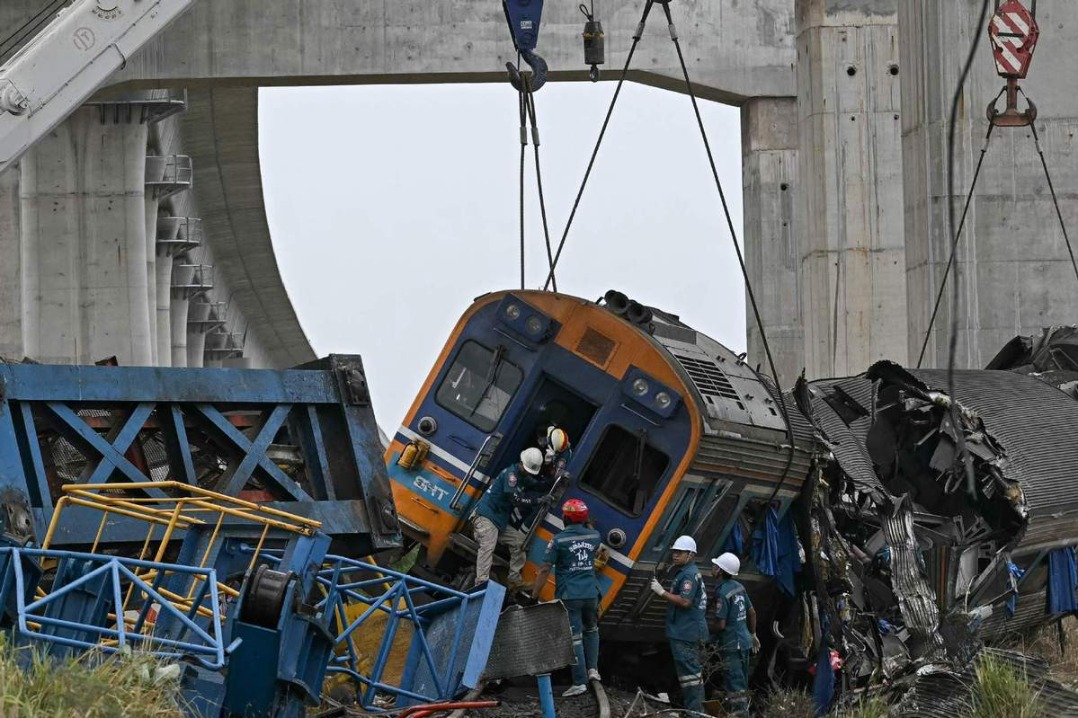
    A catastrophic construction accident in Thailand’s Nakhon Ratchasima province has resulted in 32 fatalities and 67 injuries after a crane collapsed onto a moving passenger train on Wednesday morning. The incident occurred at approximately 9:00 AM when the Bangkok-Ubon Ratchathani special express train, traveling at 120 kilometers per hour, struck the fallen construction equipment, causing immediate derailment and subsequent fires in multiple carriages.

    The tragedy unfolded within the construction zone of the Thai-Chinese high-speed railway project, specifically affecting sections under the third and fourth contracts awarded to Italian-Thai Development Plc. Initial reports indicate the crane first impacted the second carriage containing 40 passengers, with the train’s electrically sealed windows and automatic doors complicating evacuation efforts as fires spread.

    Thai Prime Minister Anutin Charnvirakul has characterized the incident as a severe violation of public safety rather than mere technical failure, demanding comprehensive investigation and accountability for those responsible. Transport Minister Phiphat Ratchakitprakarn and acting State Railway Governor Anan Phonimdang were dispatched to oversee emergency response operations and initiate an on-site investigation.

    International attention has focused on the project’s Chinese connections, though embassy officials confirmed no Chinese enterprises or personnel were involved in the affected construction section. Chinese Foreign Ministry spokeswoman Mao Ning extended condolences while emphasizing Beijing’s commitment to project safety standards, noting the ongoing investigation into causation factors.

    Emergency response teams established alternative transportation arrangements for affected passengers while recovery operations continued throughout Wednesday. The incident has raised significant concerns regarding construction safety protocols for infrastructure projects throughout Southeast Asia, particularly those involving international partnerships.

  • Jeddah Tower: Saudi Arabia races to build the world’s tallest building

    Jeddah Tower: Saudi Arabia races to build the world’s tallest building

    Saudi Arabia is accelerating construction on the monumental Jeddah Tower, poised to claim the title of world’s tallest building with an unprecedented kilometer-high design. After overcoming a seven-year construction hiatus, the project has dramatically progressed since resuming work in January 2025, currently reaching the 80-floor milestone with new floors emerging every three to four days.

    Designed by the renowned architectural firm Adrian Smith + Gill Gordon Architecture, the tower represents a paradigm shift in supertall construction. When completed in August 2028, the structure will soar to approximately 3,281 feet (1,000 meters), surpassing Dubai’s Burj Khalifa by roughly 173 meters. The tower’s innovative Y-shaped structural core and three-petal aerodynamic footprint provide critical stability against wind forces and seismic activity.

    The $1.2 billion megaproject will feature 168 floors containing luxury residences, corporate offices, premium hotel accommodations, retail spaces, and multiple observation decks. The crown jewel will be a sky terrace at level 157—a 30-meter diameter public observatory that will become the world’s highest viewing platform upon completion.

    Engineering marvels include 59 ultra-high-speed elevators by Kone, with five double-decker units capable of traveling at 10 meters per second. This sophisticated vertical transportation system will serve as the backbone for the tower’s mixed-use functionality.

    As the centerpiece of the Jeddah Economic City development, the tower symbolizes Saudi Arabia’s ambitious vision to transform its Red Sea coast into a global economic hub. Talal Ibrahim Al Maiman, CEO of Jeddah Economic Company, emphasized that the project serves as “a beacon of innovation and a catalyst for growth,” representing the realization of a vision years in the making.

  • Italian influencer Chiara Ferragni cleared of cake fraud

    Italian influencer Chiara Ferragni cleared of cake fraud

    In a landmark verdict concluding Italy’s high-profile “PandoroGate” scandal, fashion influencer Chiara Ferragni has been fully acquitted of aggravated fraud charges by a Milan court. The ruling brings to a close a two-year legal battle that captivated the nation and prompted widespread scrutiny of influencer marketing practices.

    The case centered on Ferragni’s promotion of specialty holiday products—a pink pandoro Christmas cake and Easter eggs—that consumers believed would generate charitable donations. While packaging suggested proceeds would benefit Turin’s Regina Margherita children’s hospital, investigators discovered manufacturer Balocco had made a single €50,000 donation prior to product launch, with Ferragni’s companies ultimately earning approximately €1 million from the campaign.

    Judge Beatrice Giulia Elizabeth Marzi dismissed prosecutors’ request for a 20-month prison sentence, determining the fraud lacked aggravating circumstances. This assessment was influenced by consumer group Codacons withdrawing their complaint after Ferragni committed to compensating misled customers and donating to a gender violence charity.

    Outside the courthouse, an emotional Ferragni described the judgment as “the end of a nightmare,” adding: “The last two years have been very hard. I had faith in justice, and justice has been done.” Despite her legal victory, the scandal has exacted significant personal and professional tolls, including the dissolution of her marriage to rapper Fedez last year.

    The controversy has catalyzed regulatory reforms in Italy’s influencer industry, prompting authorities to implement stricter transparency requirements for commercial partnerships with charitable components. While Ferragni avoids criminal conviction, she previously paid €1 million in fines to Italy’s competition authority and €1.2 million to settle separate complaints regarding the Easter egg promotion.