作者: admin

  • Mane destroys Salah’s Afcon dream again – will he get another chance?

    Mane destroys Salah’s Afcon dream again – will he get another chance?

    In a dramatic semi-final clash at the Grand Stade de Tangier, Senegal secured a hard-fought 1-0 victory over Egypt in the 2025 Africa Cup of Nations, extending Sadio Mane’s dominance over former Liverpool teammate Mohamed Salah on the international stage. The decisive moment arrived in the 78th minute when Mane unleashed a powerful strike that shattered Egyptian hopes and propelled the Teranga Lions into Sunday’s championship final.

    The match, characterized by tactical caution and limited scoring opportunities, saw Egypt’s offensive efforts stifled by Senegal’s organized defense. For Salah, the defeat marks another painful chapter in his quest for continental glory, adding to previous heartbreaks against the same opponent in the 2021 AFCON final and 2022 World Cup qualification playoff.

    Speaking post-match, Mane acknowledged his rival’s efforts: ‘It’s never easy for him—he did everything to carry his team until now. Unfortunately, one of us had to lose. I’m happy to be in the final.’

    The loss raises questions about Salah’s future in the tournament despite his impressive four-goal performance throughout the competition. The 33-year-old forward, who has won every major club honor with Liverpool, has consistently identified AFCON victory as his primary career objective. ‘Nobody, even in Egypt, wants to win this trophy more than me,’ Salah had declared after Egypt’s quarter-final victory against Ivory Coast. ‘I have won almost every prize. This is the title I am waiting for.’

    Football analysts including former Nigeria international John Obi Mikel expressed sympathy for Salah’s continued continental disappointment: ‘He has won everything at club level but everyone wanted him to win this title.’ Former Morocco midfielder Hassan Kachloul added that time is becoming a factor: ‘He will try to concentrate on the next tournament and win the title—or else it will be the one that gets away.’

    Egypt will face Nigeria in Saturday’s third-place playoff before Salah returns to Liverpool, where his long-term future remains uncertain following recent public comments about his club situation. While Salah could theoretically feature in the 2027 and 2028 tournaments before AFCON transitions to a four-year cycle, this defeat represents another missed opportunity for African football’s most celebrated player to claim its most coveted prize.
  • Denmark warns of ‘fundamental disagreement’ after White House talks on Greenland

    Denmark warns of ‘fundamental disagreement’ after White House talks on Greenland

    A high-stakes diplomatic meeting at the White House has revealed profound divisions between the United States and Denmark regarding the future of Greenland, with Danish officials characterizing the disagreement as “fundamental” and “totally unacceptable.”

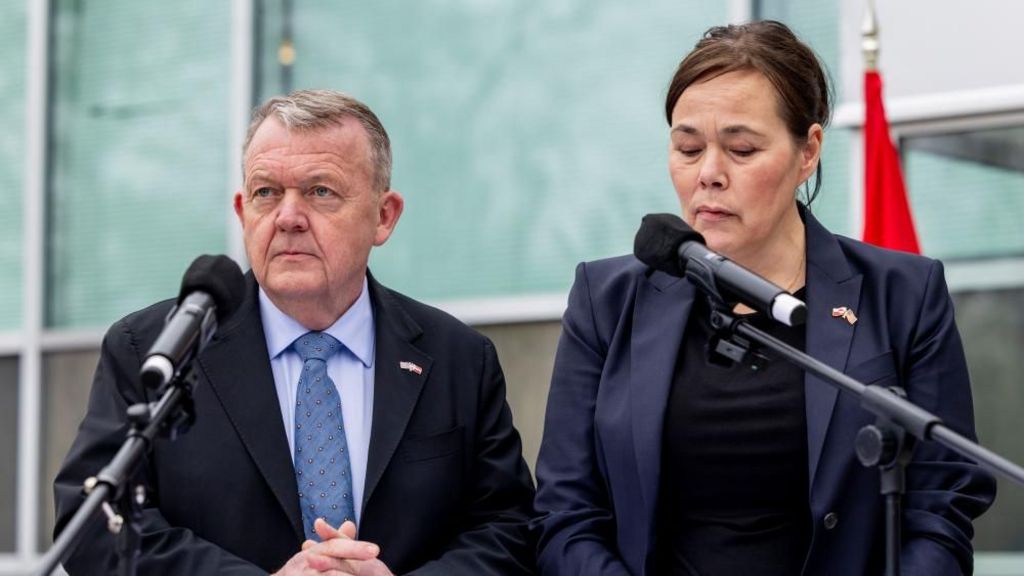
    Danish Foreign Minister Lars Lokke Rasmussen described Wednesday’s hour-long discussions with Vice President JD Vance and Secretary of State Marco Rubio as “frank but constructive,” though he emphasized that President Trump’s persistent interest in “conquering” the autonomous Danish territory remained a critical point of contention. The meeting concluded without significant resolution, though all parties agreed to establish a high-level working group to continue discussions in the coming weeks.

    “We made it very, very clear that this is not in the interest of [Denmark],” Rasmussen stated, noting the existence of “red lines” the United States cannot cross. While rejecting any notion of a takeover, Danish and Greenlandic officials indicated openness to expanded military cooperation, including potential additional US bases on the strategically vital island.

    The Trump administration’s pursuit of Greenland stems from its assessment of the territory’s crucial importance to national security. Located between North America and the Arctic, Greenland offers strategic advantages for early warning systems against missile attacks and monitoring regional vessel traffic. The US maintains approximately 100 permanent military personnel at its Pituffik base in northwestern Greenland, a facility operational since World War II under existing agreements with Denmark that permit unlimited troop deployment.

    Following the meeting, European allies demonstrated swift support for Denmark’s position. Sweden pledged to deploy armed forces to Greenland at Denmark’s request, while France announced plans to open a consulate on the island next month. Germany committed to sending a reconnaissance team to explore potential military contributions to regional security efforts.

    President Trump reiterated his position to reporters in the Oval Office, stating, “We need Greenland for national security.” He expressed skepticism about Denmark’s ability to defend the territory from potential Russian or Chinese influence, adding, “There’s not a thing that Denmark can do about it if Russia or China wants to occupy Greenland, but there’s everything we can do.”

    The administration’s focus on Greenland follows recent military actions against Venezuela and ISIS in Syria, alongside threats of intervention in Iran. Public opinion surveys indicate limited support for acquiring Greenland, with a Reuters/Ipsos poll showing only 17% of Americans favor seizing the territory, while 47% oppose Trump’s efforts.

  • Winter cherry blossoms create unexpected spectacles

    Winter cherry blossoms create unexpected spectacles

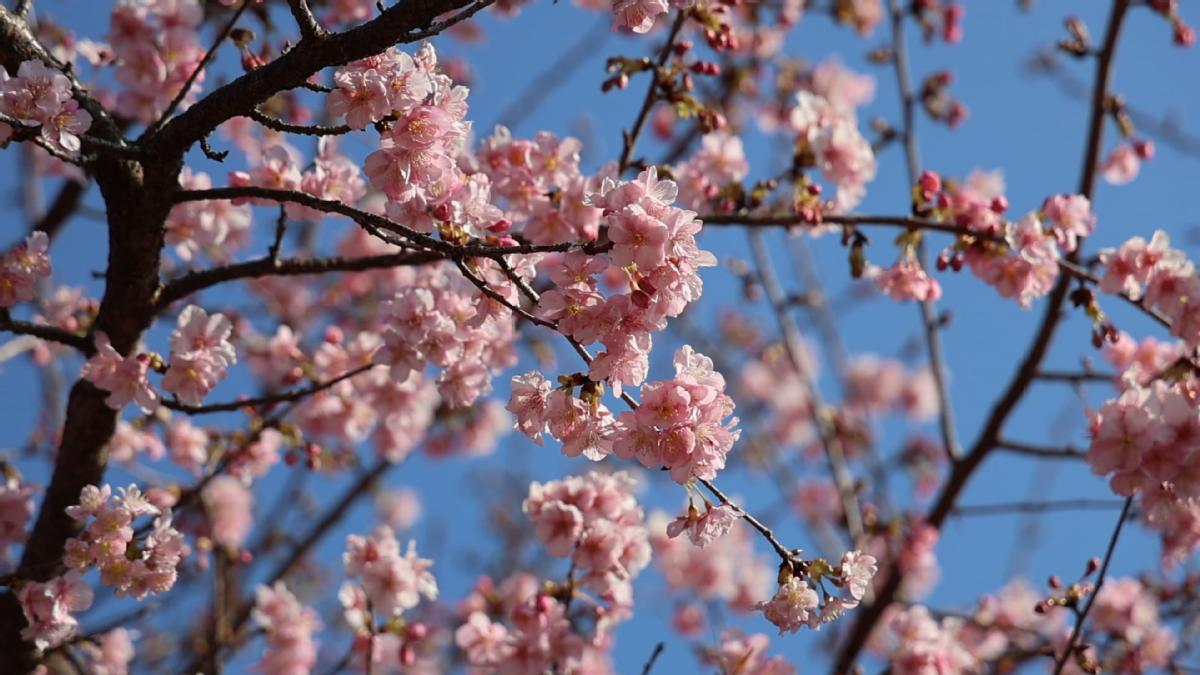
    Two remarkable natural phenomena featuring winter cherry blossoms have emerged simultaneously in different regions of China, creating unexpected visual spectacles and ecological interactions. In Central China’s Hunan province, Taifu Mountain in Linli county has experienced an unusual winter blooming of cherry blossoms, typically associated with spring. The phenomenon has drawn substantial visitor numbers to the area, with over 10,000 arrivals recorded in the past ten days, including weekend peaks exceeding 2,000 daily visitors. Experts attribute this atypical flowering pattern to recent unseasonably warm and dry weather conditions in the region. Approximately twenty percent of the mountain’s cherry trees have entered bloom, with projections suggesting the flowering period could extend for up to three months. The scenic area, noted for its exceptional 97.3% forest coverage rate, maintains a unique microclimate that supports diverse plant life, attracting more than 210,000 visitors throughout 2025. Meanwhile, in Southwest China’s Yunnan province, the Jingdong area within Wuliang Mountain National Nature Reserve has witnessed an equally captivating interaction between nature and wildlife. Winter cherry blossoms there have attracted groups of Indochinese gray langurs, national first-class protected animals, who have been observed feasting on the blossoms. Photography enthusiast Run Ning recently documented hundreds of these primates foraging together, capturing images of langurs lounging on branches, playing, grooming, and consuming petals amidst the floral backdrop. Conservation efforts have proven successful, with latest survey data indicating the Jingdong area now hosts over 3,000 Indochinese gray langurs distributed across 61 distinct groups—representing a significant increase of 18 groups and more than 1,000 individuals compared to population figures from a decade ago.

  • Chongqing park becomes stage for captivating natural phenomenon

    Chongqing park becomes stage for captivating natural phenomenon

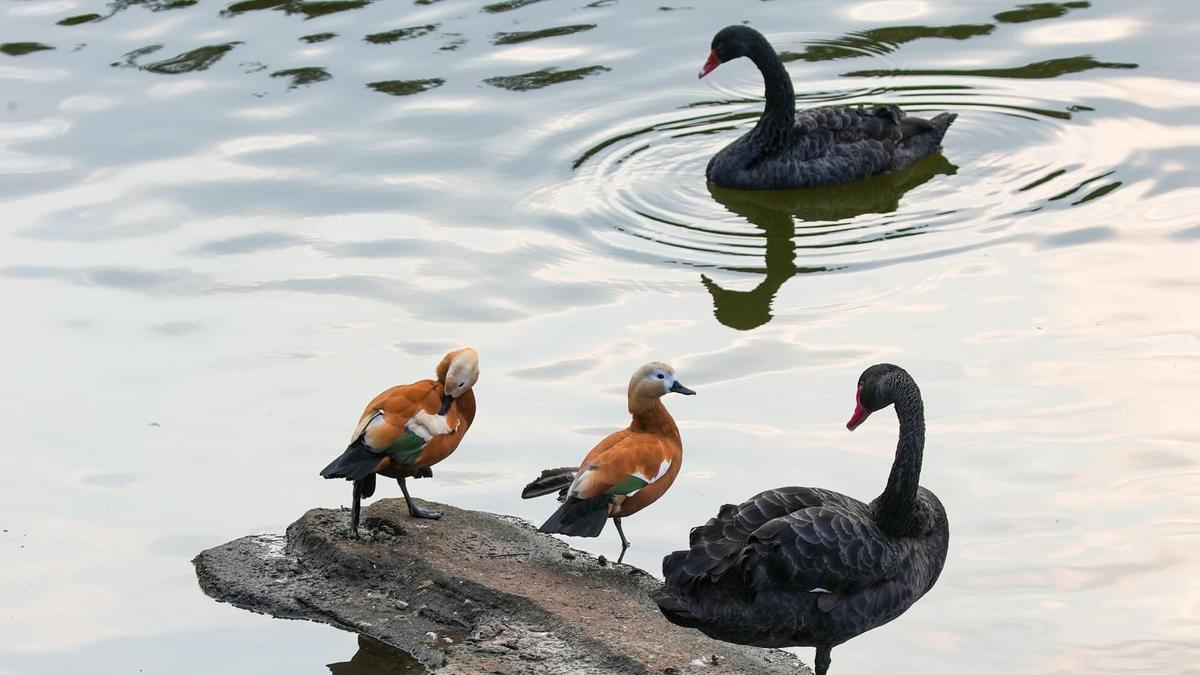
    The Locajoy Theme Park in Chongqing’s Yongchuan district has emerged as an unexpected stage for one of nature’s most captivating seasonal spectacles. This urban recreational space has temporarily transformed into a vital winter sanctuary, hosting a remarkable convergence of resident and migratory bird species that has created a living tapestry of avian biodiversity.

    Approximately 100 migratory waterfowl, including common pochards and ferruginous ducks, have completed their extensive journey from northern regions to settle at the park’s Waterfowl Lake. These seasonal visitors have joined nearly 300 resident birds, establishing a dynamic and diverse avian community. At an adjacent lake, an additional 300 cormorants have arrived, mingling with resident cormorants and pelicans to create a unique ecological display.

    Park naturalists report that these wild ducks initiate their southward migration as winter approaches, with January representing the peak congregation period. The park’s expansive water bodies, clear waters, abundant food resources, and the resident birds’ adaptation to human presence provide ideal wintering conditions for these migratory species. This environment facilitates harmonious coexistence between the seasonal visitors and permanent avian residents.

    Complementing this natural phenomenon, the park administration has implemented educational initiatives to raise public awareness about migratory patterns and conservation needs. Strategically placed information displays and specially designated observation areas offer visitors valuable insights into the fascinating world of migratory waterfowl while emphasizing the importance of protecting these seasonal guests and their habitats.

  • Public holiday, empty roads: How Dubai welcomed ex-US President George Bush 18 years ago

    Public holiday, empty roads: How Dubai welcomed ex-US President George Bush 18 years ago

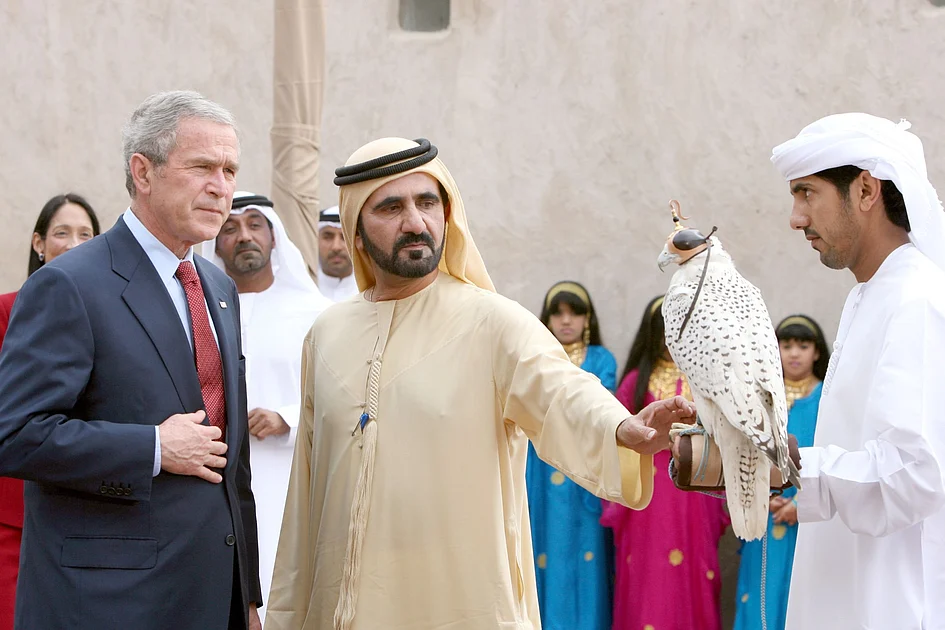
    Eighteen years ago, Dubai experienced a remarkable transformation from its characteristic bustle to unprecedented tranquility to host a distinguished American leader. On January 14, 2008, the emirate implemented extraordinary measures to welcome President George W. Bush, marking the first visit by an incumbent US president to the UAE.

    Authorities declared an unexpected public holiday, creating a surreal urban landscape where normally congested highways stood empty. From 6:00 AM until 4:00 PM, Dubai’s extensive road network underwent comprehensive closures as part of an elaborate security operation. Major transportation arteries including Garhoud Bridge, Maktoum Bridge, and Shindagha Tunnel were secured, while alternative routes were designated for essential travel.

    The presidential itinerary featured culturally significant engagements, beginning at the historic former residence of Dubai’s Ruler, now converted into a museum preserving the emirate’s heritage. President Bush experienced traditional performances and participated in an informal lunch with students at the Dubai School of Government, seated on cushions in a circle while dining from bowls placed on carpeted floors.

    At the iconic Burj Al Arab, the president addressed entrepreneurs, expressing particular admiration for Dubai’s ambitious spirit. “I am most impressed with what I’ve seen here,” Bush remarked, highlighting the city’s entrepreneurial dynamism and commitment to creating societal opportunities.

    While residents adapted creatively to the unexpected holiday—with children playing cricket in suddenly quiet streets and families enjoying mall visits—the transportation disruptions presented significant challenges. Airport arrivals faced extended stranding periods, with passengers from international flights like one family from Lahore reporting taxi services unavailable until road reopenings. Dubai Duty Free employees completed night shifts only to undertake long walks to residential areas like Satwa due to suspended public transport.

    Despite the logistical complexities, the day concluded without reported accidents or official complaints—a testament to both the comprehensive planning and public cooperation. The event remains etched in civic memory as a demonstration of Arabian hospitality that briefly but completely altered the rhythm of one of the world’s most dynamic cities.

  • Chongqing’s cat theme park draws visitors, aids rescues

    Chongqing’s cat theme park draws visitors, aids rescues

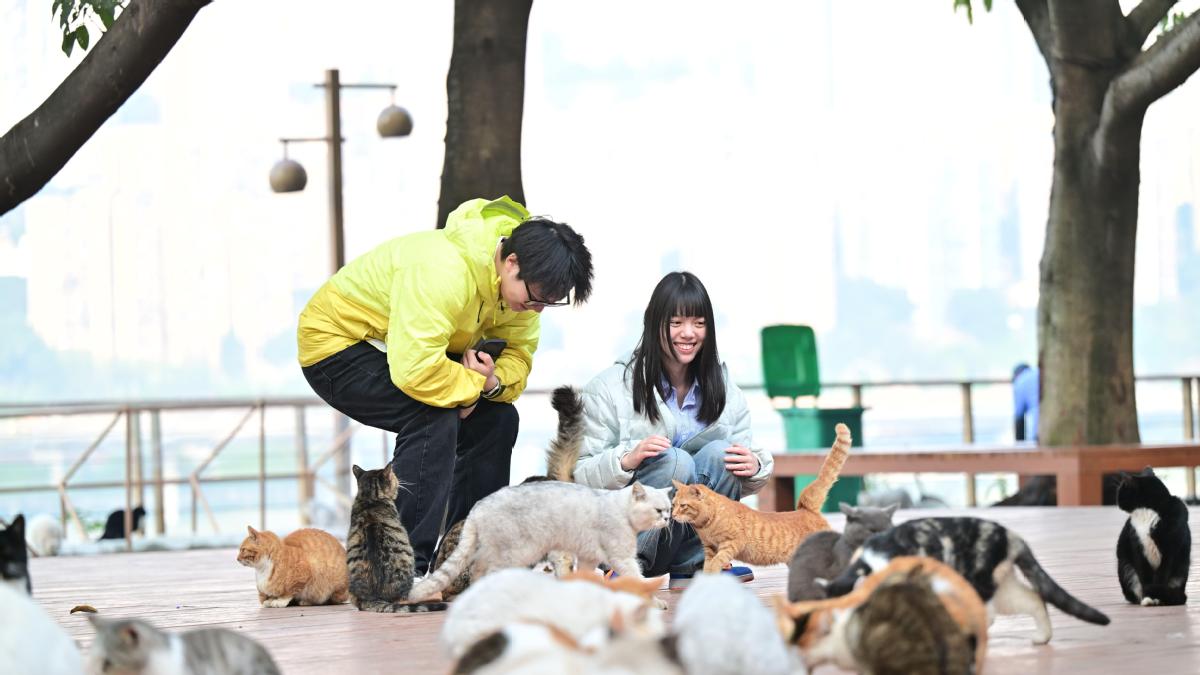
    A groundbreaking feline-themed recreational facility in Chongqing has emerged as a pioneering model for integrating animal welfare initiatives with sustainable tourism. Firefly Bay Cat Theme Park, situated along the Yangtze River’s southern bank in Nan’an district, has attracted significant public interest since its January 2026 opening through its unique dual mission of entertainment and animal advocacy.

    Spanning approximately 30,000 square meters—equivalent to four standard soccer fields—the establishment provides sanctuary to numerous rescued felines while offering visitors immersive educational experiences. For a modest admission fee of 19.9 yuan (approximately $2.85), which includes complimentary cat treats, guests gain access to specially designed interaction zones where they can engage with the animals in controlled environments.

    Beyond its primary feline facilities, the park boasts meticulously landscaped outdoor areas featuring panoramic river views and tranquil tea-serving spaces. The complex operates as both a recreational destination and a comprehensive rescue center, providing medical treatment, quarantine services, vaccinations, and sterilization procedures for abandoned, injured, and disabled cats.

    Peng Chen, the park’s director, revealed that approximately two-thirds of the facility is currently operational, with complete public access anticipated by April 1. This innovative approach to animal welfare tourism represents a significant advancement in how urban spaces can simultaneously support conservation efforts and public engagement, potentially establishing new standards for ethical entertainment venues across China.

  • Canada, UAE deepen trade ties with AI, defence and banking deals: Minister

    Canada, UAE deepen trade ties with AI, defence and banking deals: Minister

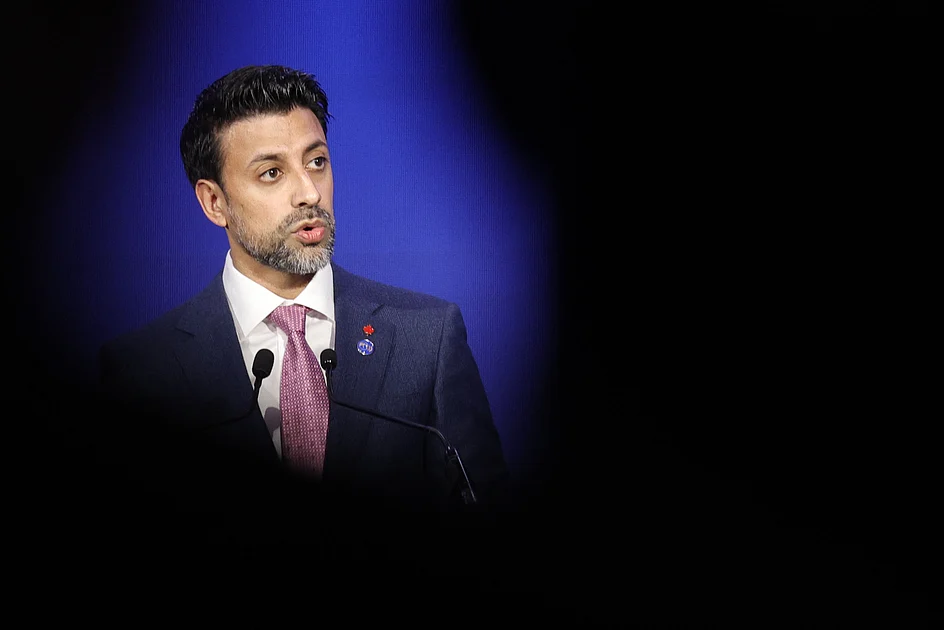
    In a significant move to strengthen economic cooperation, Canada and the United Arab Emirates have finalized a series of comprehensive agreements spanning artificial intelligence, defense, energy, and financial services. Canadian Minister of International Trade Maninder Sidhu confirmed the development during his diplomatic mission to the UAE, highlighting the strategic importance of this bilateral partnership.

    The trade diversification strategy forms a cornerstone of Canada’s economic vision, with ambitious targets to generate $300 billion in non-US exports within the next decade. This initiative gains particular relevance given that the United States currently absorbs the majority of Canadian exports, including substantial shipments of crude petroleum, natural gas, and mineral resources totaling approximately $419.75 billion in 2024.

    Minister Sidhu’s delegation featured representatives from more than 40 Canadian enterprises across diverse sectors including advanced manufacturing, technology innovation, artificial intelligence development, aerospace engineering, and energy solutions. A notable milestone in financial services emerged with Canada’s National Bank establishing its inaugural UAE branch in Dubai, marking the institution’s first international expansion since its founding in 1859 and becoming the fourth Canadian financial institution to operate within the Emirates.

    The bilateral relationship, rooted in longstanding commitments to mutual investments, regional security cooperation, and cultural exchanges, recently witnessed its first Canadian prime ministerial visit since 1983 when Prime Minister Justin Trudeau traveled to the UAE last November. Current trade dynamics show Canadian agricultural exports to the UAE predominantly consist of dried legumes, rapeseed, and wheat, as recorded by the Observatory of Economic Complexity in September 2025.

    Infrastructure development emerged as another critical dimension of the partnership, with Minister Sidhu meeting DP World CEO Sultan Ahmed bin Sulayem to explore opportunities for enhancing Canadian port capabilities, further solidifying the multifaceted nature of this strengthened economic alliance.

  • Dubai: School bus pooling to help cut costs and peak-hour rush, say experts

    Dubai: School bus pooling to help cut costs and peak-hour rush, say experts

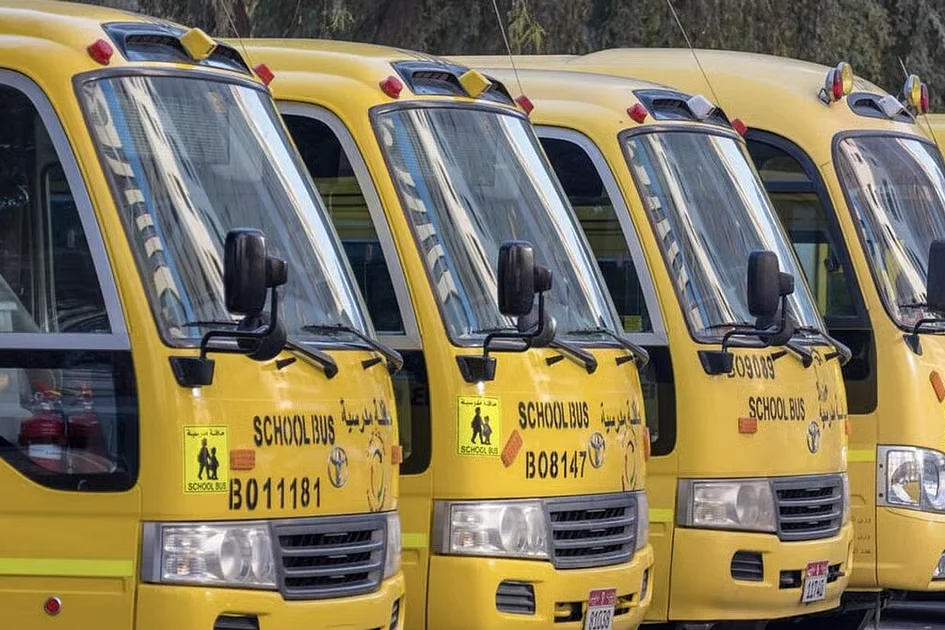
    Dubai’s transportation landscape is set for a transformative shift as the Roads and Transport Authority (RTA) initiates a groundbreaking school bus pooling program in collaboration with Yango Group and Urban Express Transport. This innovative approach to student mobility aims to address the chronic traffic congestion that plagues school zones during peak hours while simultaneously reducing transportation costs for families.

    The pilot program, scheduled for implementation in 2026, will deploy shared buses serving multiple schools within designated geographic zones. This strategic consolidation of routes represents a significant departure from traditional single-school transportation models. Advanced technology will facilitate comprehensive trip management, real-time vehicle tracking, and operational monitoring, with the RTA emphasizing strict adherence to all safety, security, and regulatory standards governing student transport in the emirate.

    Transportation experts have welcomed the initiative, highlighting its potential to substantially reduce morning and afternoon traffic pressures. Thomas Edelmann, Founder and Managing Director of RoadSafetyUAE, provided compelling data: “In Dubai, the average trip takes approximately 60% longer around 8 AM when schools open compared to clear road conditions. Between 3 PM and 4 PM during school dismissals, this value escalates to about 80%.” He emphasized that each shared bus could eliminate up to 50 private vehicles from roadways during these critical congestion periods.

    The economic implications are equally significant. Many parents currently face substantial financial burdens from traditional school bus services, with some reporting annual costs reaching AED 10,000 per child. The pooling model promises to optimize route efficiency and vehicle utilization, potentially making school transportation more affordable while addressing environmental sustainability concerns.

    Educational leaders have expressed cautious optimism about the initiative. Deepika Thapar Singh, CEO-Principal of Credence High School, noted: “Families are likely to be receptive to a shared transport model, particularly for senior students, provided there are strong assurances around safety, punctuality and supervision.” She acknowledged that parents of younger children might exhibit more caution regarding multi-school travel arrangements.

    While the program offers promising solutions to traffic congestion and transportation costs, its ultimate success will depend on practical implementation factors including safety protocols, scheduling efficiency, and parental acceptance. If successful, this pilot could establish a new paradigm for student mobility not only in Dubai but potentially across other urban centers facing similar transportation challenges.

  • Slow genocide: Death and displacement continue in Gaza months into ceasefire

    Slow genocide: Death and displacement continue in Gaza months into ceasefire

    While the cessation of active bombing has brought a measure of relief to Gaza, a profound humanitarian crisis continues to unfold silently for the territory’s most vulnerable residents. The fragile ceasefire has failed to address critical medical shortages, displacement, and systemic infrastructure collapse, creating what many describe as a slow-motion disaster.

    Najat Sayed al-Hessi, a 61-year-old Palestinian cancer patient, embodies this ongoing tragedy. For 27 consecutive months, she has been deprived of essential cancer medications, a situation unchanged since the October 2023 ceasefire began. Her scheduled medical transfer to Ramallah for treatment coincided with the outbreak of hostilities, initiating a desperate wait that continues from her makeshift shelter in Deir al-Balah. “I fear the disease is advancing in my body with each passing day,” she reports, a sentiment echoed by approximately 11,000 cancer patients across Gaza.

    The healthcare system faces catastrophic shortages. According to the Palestinian health ministry, 56% of essential drugs, 68% of medical consumables, and 67% of laboratory supplies were unavailable as of November. Dr. Muhammad Abunada, medical director of the Gaza Cancer Centre, confirms a 70% deficit in cancer medications and painkillers, rendering even available treatments largely ineffective due to missing combination therapies. Mortality rates among cancer patients have consequently surged from one daily death before the war to two or three presently.

    This health emergency extends beyond oncology. UNICEF data reveals a 75% increase in newborn mortality rates during the final quarter of the war, with monthly averages jumping from 27 deaths in 2022 to 47 between July and September 2023. These alarming trends persist despite the ceasefire, exacerbated by Israel’s restrictions on border crossings and medical supply entry.

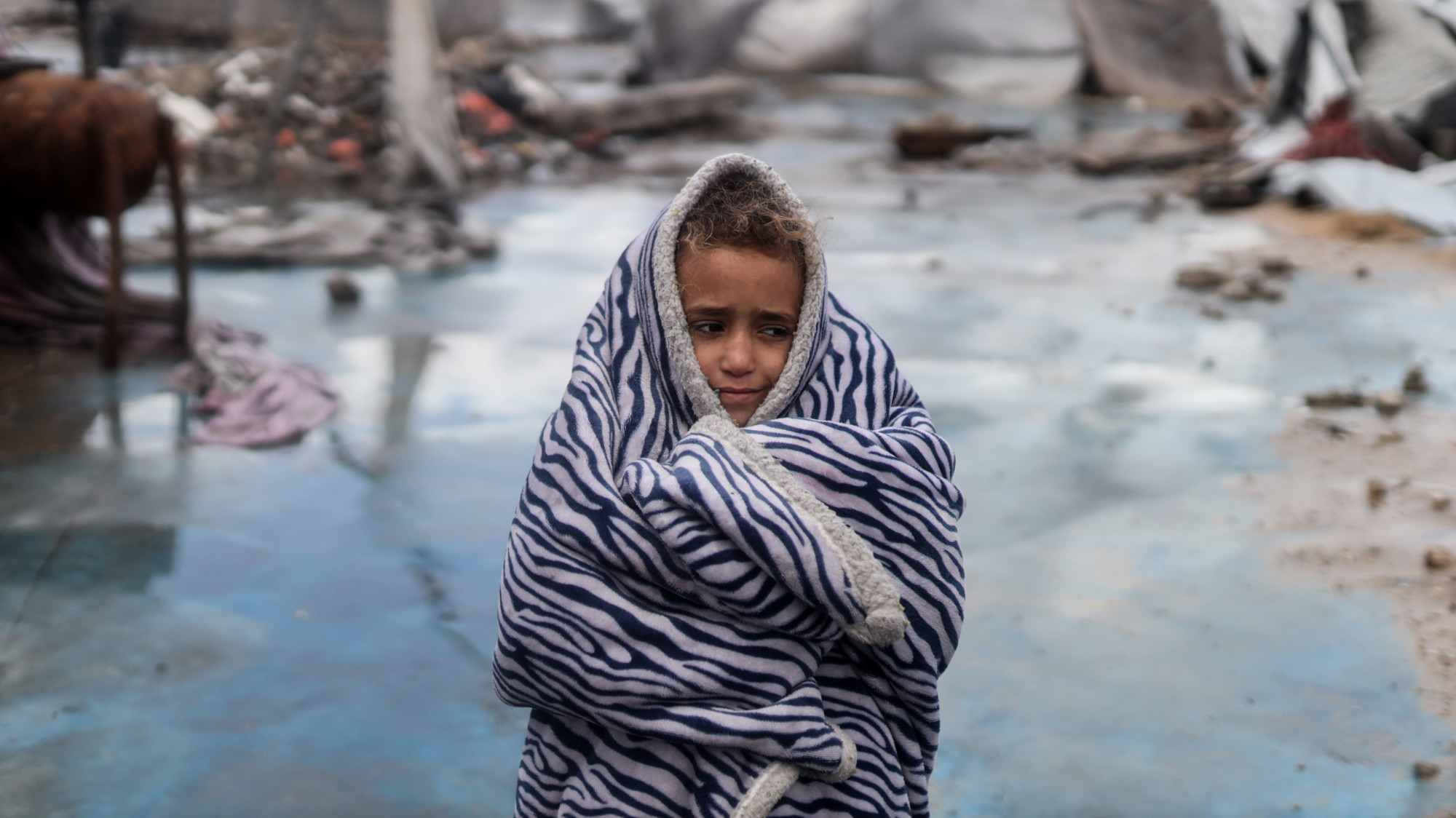
    The situation on the ground remains perilous for displaced populations. An estimated 1.5 million Palestinians endure a third consecutive winter in dilapidated tents, with recent storms destroying thousands of temporary shelters and causing at least 31 cold-related deaths, including 19 children. Rajaa Jendiya, a displaced widow and mother, describes winter as “another assault you have to survive,” with flooding tents and deteriorating health due to prolonged starvation.

    Complicating recovery efforts, Israel’s unilaterally imposed “Yellow Line” no-go zone now encompasses approximately 60% of Gaza’s territory, steadily expanding westward and preventing residents from returning to their homes. This barrier, coupled with new administrative restrictions on international NGOs, has crippled reconstruction efforts and humanitarian aid delivery. The systematic destruction of Gaza’s agricultural land (80%) and fishing sector (95%) has further dismantled local food self-sufficiency, creating near-total dependence on external assistance that remains severely constrained.

    As Abu Rafiq Ubeid, a father of three displaced in Gaza City, summarizes: “We are still living under the same threats and circumstances, only with less noise.” The ceasefire has merely transformed an overt genocide into a protracted humanitarian collapse, with vulnerable populations paying the highest price.

  • Canadian PM arrives in Beijing for official visit

    Canadian PM arrives in Beijing for official visit

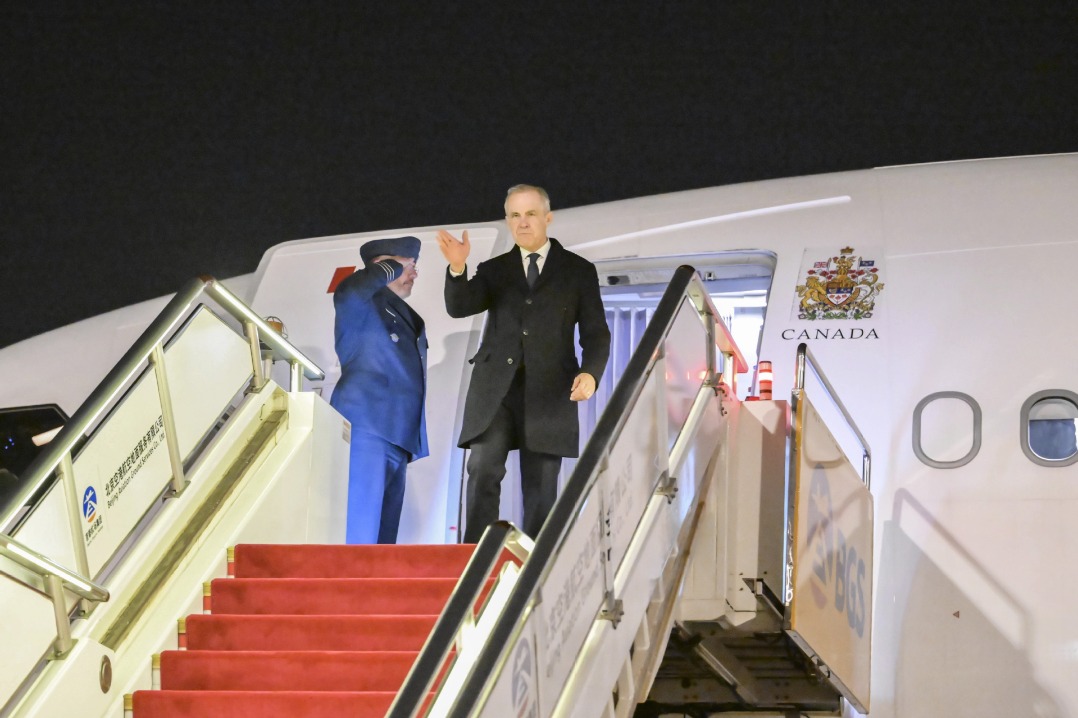
    BEIJING – Canadian Prime Minister Mark Carney commenced a significant diplomatic mission to China on Wednesday, marking the first official visit by a Canadian head of government to Beijing in nearly a decade. The three-day engagement through Saturday represents a substantial step toward normalizing bilateral relations following years of diplomatic strain.

    The arrival signals a mutual commitment to recalibrating the strategic partnership between the two nations. Chinese foreign ministry officials previously characterized the visit as a pivotal opportunity to rebuild diplomatic bridges, emphasizing aspirations for enhanced political trust and expanded cooperative initiatives.

    Diplomatic analysts note this visit could establish frameworks for managing complex bilateral differences while identifying convergent interests across trade, climate policy, and global governance. The timing coincides with both nations seeking to stabilize supply chains and address shared economic challenges amid global uncertainty.

    Observers will monitor developments regarding previously suspended cooperation mechanisms and potential agreements on clean energy technology, agricultural trade, and consular affairs. The engagement includes scheduled meetings with senior Chinese leadership and Canadian business representatives operating in the Asian market.

    This diplomatic re-engagement follows careful negotiations through backchannel discussions, reflecting both capitals’ recognition of their interconnected economic futures despite differing approaches to human rights and regional security matters. The outcome may influence Canada’s positioning within evolving North American-Asian trade dynamics.