作者: admin

  • 16 Indian ship crew members detained in Iran; family appeals to PM Modi

    16 Indian ship crew members detained in Iran; family appeals to PM Modi

    The United States has intensified its diplomatic and economic pressure on Iran by imposing sanctions on key security officials implicated in the violent suppression of domestic protests. Concurrently, escalating tensions along Israel’s northern border culminated in the Israeli military executing targeted strikes against Hezbollah positions within Lebanese territory.

    The U.S. Treasury Department’s Office of Foreign Assets Control (OFAC) designated multiple Iranian leaders for their roles in the government’s crackdown on widespread civil unrest. These sanctions specifically target commanders within the Islamic Revolutionary Guard Corps (IRGC) and Iran’s Law Enforcement Forces (LEF), effectively freezing any U.S.-based assets and prohibiting American entities from conducting business with them. This action represents a direct response to allegations of severe human rights abuses against demonstrators.

    In a separate but regionally linked development, the Israeli Defense Forces (IDF) launched aerial and artillery assaults on what they identified as Hezbollah military infrastructure across several areas in southern Lebanon. Israeli authorities stated the operation was a retaliatory measure against repeated cross-border attacks and was aimed at neutralizing imminent threats. The strikes targeted launch sites, observation posts, and other assets belonging to the Iranian-backed militant group.

    Analysts observe that these simultaneous events highlight the volatile and interconnected nature of security dynamics in the Middle East. The U.S. sanctions underscore a continued strategy of confronting Iranian aggression both domestically and through its proxy networks, while Israel’s military actions demonstrate a low tolerance for threats on its borders. The situation continues to develop with potential implications for regional stability.
  • Trump threatens to invoke Insurrection Act in Minnesota after another ICE shooting

    Trump threatens to invoke Insurrection Act in Minnesota after another ICE shooting

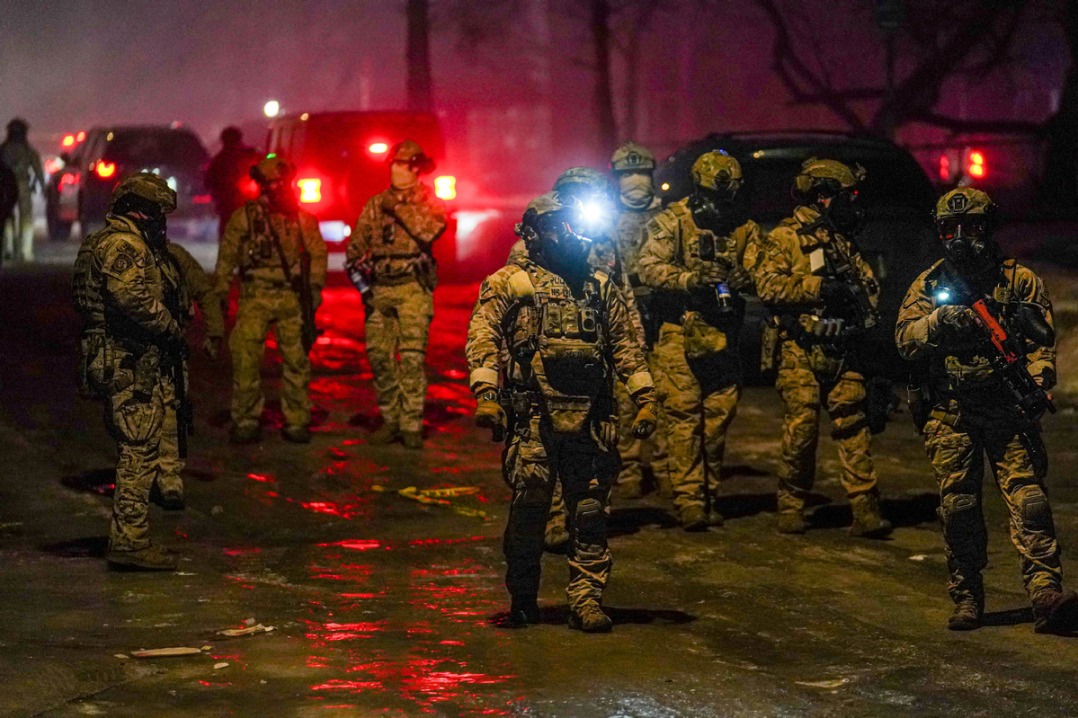
    President Donald Trump has issued a stark warning to Minnesota officials, threatening to deploy military forces under the Insurrection Act following a second controversial shooting involving Immigration and Customs Enforcement (ICE) agents within a week. The unprecedented threat escalates tensions in a state already grappling with civil unrest and allegations of federal law enforcement misconduct.

    In a provocative post on his Truth Social platform, Trump declared: “If the corrupt politicians of Minnesota don’t obey the law and stop the professional agitators and insurrectionists from attacking the Patriots of I.C.E., who are only trying to do their job, I will institute the INSURRECTION ACT.” The president asserted that invoking this centuries-old law would “quickly put an end to the travesty” unfolding in the state.

    The crisis stems from two separate incidents that have ignited national outrage. On January 7, ICE agents fatally shot 37-year-old mother Renee Nicole Good under disputed circumstances. While federal authorities claim Good attempted to run over officers with her vehicle, local officials counter that video evidence shows she posed no legitimate threat and that agents acted recklessly.

    The situation deteriorated further on Wednesday evening when ICE agents shot a Venezuelan immigrant in the leg during what the Department of Homeland Security described as an ambush attack by two assailants and the immigrant they were attempting to apprehend. This second shooting has intensified protests across Minneapolis, with police declaring recent gatherings “unlawful assemblies” after participants allegedly threw fireworks and rocks at officers.

    Minneapolis Mayor Jacob Frey characterized the deteriorating situation as “not sustainable,” reflecting growing concerns about the escalating conflict between federal agents and local communities. The 1807 Insurrection Act, which Trump has repeatedly signaled willingness to invoke, provides presidents extraordinary authority to deploy military forces domestically under extreme circumstances—a power historically reserved for actual insurrections or widespread civil disorder that overwhelms local authorities.

  • Tragic death of Adichie’s young son highlights poor state of Nigeria’s health sector

    Tragic death of Adichie’s young son highlights poor state of Nigeria’s health sector

    Nigeria’s healthcare system faces intense scrutiny following a series of devastating medical negligence cases that have exposed systemic failures and sparked nationwide demands for reform.

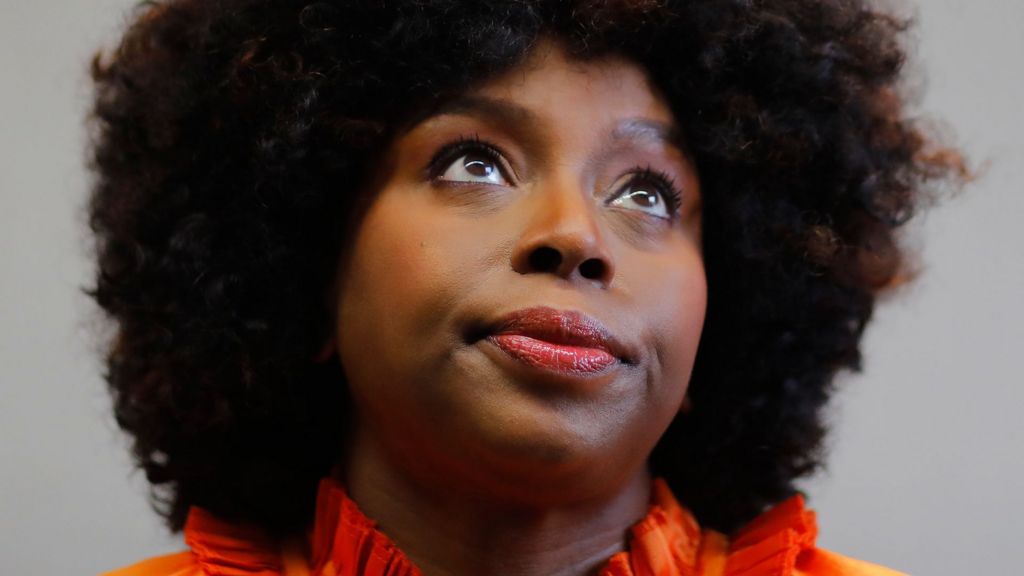
    The crisis gained international attention when acclaimed author Chimamanda Ngozi Adichie lost her 21-month-old son at a private Lagos hospital. The family alleges the toddler was denied oxygen and excessively sedated, resulting in cardiac arrest. While the hospital extended condolences and maintained its treatment met international standards, the Lagos State Government has launched an official investigation.

    Simultaneously, another tragedy unfolded in Kano where Aisha Umar, a mother of five, died after surgical scissors were allegedly left inside her abdomen during a September operation at a state-run facility. Her family endured four months of her severe pain before scans revealed the retained instrument. The Kano State Hospitals Management Board has suspended three medical personnel pending disciplinary proceedings.

    These high-profile cases have given voice to widespread, often-unreported grievances. Josephine Obi from Lagos recounted how her father died during a routine goitre procedure due to a surgical error in 2021. Similarly, prison officer Abdullahi Umar lost his 27-year-old wife during childbirth after prolonged labor without timely intervention at a teaching hospital.

    The underlying crisis reflects deeper structural problems. Nigeria suffers from catastrophic doctor-patient ratios, with approximately one doctor serving 8,000 patients—dramatically worse than the recommended 1:600 standard. This imbalance results from massive brain drain, with 15,000 doctors emigrating over five years seeking better conditions abroad.

    Chronic underfunding exacerbates the situation, with only 5% of the federal budget allocated to healthcare—far below the African Union’s 15% target. Remaining medical professionals face overwhelming workloads, frequent strikes over poor compensation, and inadequate equipment.

    As public outrage grows, analysts emphasize that blaming individual practitioners without addressing systemic deficiencies proves futile. The nation now confronts an urgent choice: fundamentally reform its healthcare infrastructure or continue risking preventable tragedies.

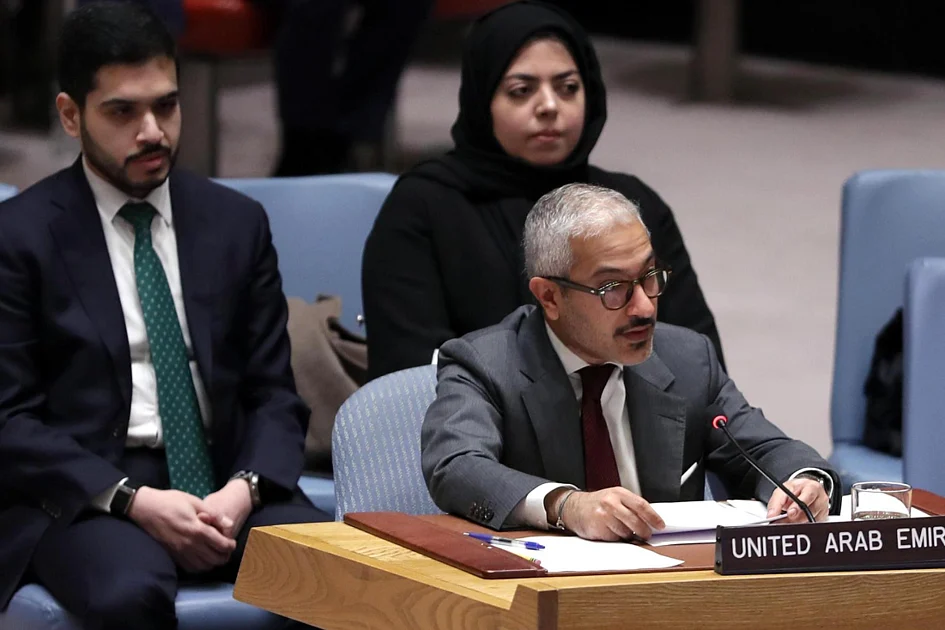
  • UAE calls for more international efforts to achieve peace, stability in Yemen

    UAE calls for more international efforts to achieve peace, stability in Yemen

    In a significant escalation of international pressure, the United States has imposed targeted sanctions on senior Iranian leadership figures directly implicated in the violent suppression of domestic protests. The measures are designed to freeze U.S.-based assets and prohibit any financial transactions with the designated individuals, representing a clear condemnation of their roles in human rights abuses.

    Concurrently, the Israeli Defense Forces (IDF) launched precision military strikes against multiple Hezbollah operational sites and infrastructure across southern Lebanon. The IDF characterized the operation as a ‘response to imminent threats’ and a direct retaliation for recent attacks originating from Lebanese territory. The strikes targeted what were described as Hezbollah military compounds and launch positions.

    These parallel developments underscore the volatile and interconnected nature of security dynamics in the Middle East. The U.S. action reflects a continued policy of confronting the Iranian regime’s internal and external activities, while Israel’s military response highlights the ongoing, low-intensity conflict along its northern border with the Iranian-backed Hezbollah militia. Both events signal a potential hardening of positions and a likely continuation of regional tensions.

  • Pakistan hopes immigrant visas will resume soon as US announces suspension

    Pakistan hopes immigrant visas will resume soon as US announces suspension

    The United States has implemented targeted sanctions against senior Iranian leadership figures directly implicated in the violent suppression of domestic protests, according to an official announcement from the Treasury Department. The sanctions specifically name multiple Iranian officials connected to the Islamic Revolutionary Guard Corps and law enforcement agencies, freezing any U.S.-based assets and prohibiting American entities from conducting business with them.

    Concurrently, the Israeli Defense Forces conducted precision airstrikes against Hezbollah operational positions across multiple regions of southern Lebanon. Military officials confirmed the strikes targeted weapons storage facilities and command centers in response to recent cross-border attacks. The escalation marks one of the most significant military exchanges between Israel and Hezbollah since the 2006 Lebanon War, raising concerns about broader regional instability.

    The coordinated international pressure on Iran’s leadership and the heightened military activity along the Israel-Lebanon border represent escalating tensions in the Middle East. Regional analysts note that these developments occur amid stalled nuclear negotiations and increasing Iranian military cooperation with Russia, creating a complex geopolitical landscape that threatens to further destabilize the region.

  • 26 people charged in sports bribery scheme involving US university basketball players

    26 people charged in sports bribery scheme involving US university basketball players

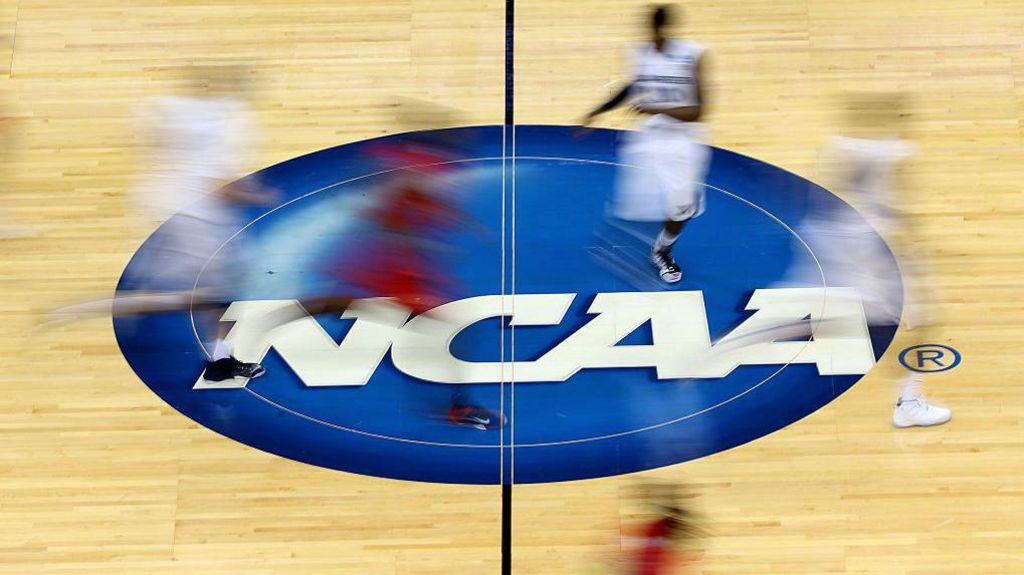
    Federal prosecutors have unveiled a sweeping criminal indictment targeting 26 individuals involved in an elaborate sports gambling conspiracy that corrupted collegiate and international basketball. The sophisticated operation allegedly compromised 39 university athletes across 17 NCAA men’s basketball programs, manipulating outcomes in 29 U.S. college games and two Chinese Basketball Association contests between September 2022 and February 2025.

    U.S. Attorney David Metcalf characterized the operation as “a massive scheme that enveloped the world of college basketball” during a Thursday press conference. The indictment reveals that gamblers paid bribes ranging from $10,000 to $30,000 per game to athletes who intentionally underperformed. Accomplices then placed substantial wagers against the compromised teams, generating illicit profits through guaranteed outcomes.

    The investigation identified multiple institutions potentially affected, including Georgetown, St. John’s, Tulane, Florida Atlantic, and Butler universities among others. Several schools quickly clarified that their inclusion stemmed from allegations against opponents they had faced rather than internal misconduct.

    According to prosecutors, the conspiracy originated with former Chicago Bulls player Antonio Blakeney allegedly collaborating with professional sports bettors Shane Hennen and Marves Fairley to manipulate Chinese Basketball Association games before expanding operations to target NCAA competitions. Metcalf noted the organizers specifically recruited individuals with deep connections to college basketball networks, including alumni, trainers, and recruiters whose involvement “added gravitas and legitimacy to the scheme.”

    NCAA President Charlie Baker confirmed the organization has either completed or initiated investigations into nearly all teams referenced in the indictment, acknowledging that “the pattern of college basketball game integrity conduct revealed by law enforcement today is not entirely new information to the NCAA.”

    This case follows a separate February indictment involving NBA personalities and organized crime figures in illegal betting operations, with Hennen and Fairley also facing charges in that ongoing investigation. The latest developments underscore the expanding challenge sports organizations face combating gambling-related corruption.

  • Chinese woman’s plea for help killing pigs draws thousands to her village

    Chinese woman’s plea for help killing pigs draws thousands to her village

    A heartfelt social media request from a young Chinese woman has unexpectedly triggered one of the most remarkable community gatherings in recent memory, showcasing both the power of digital connectivity and enduring cultural traditions.

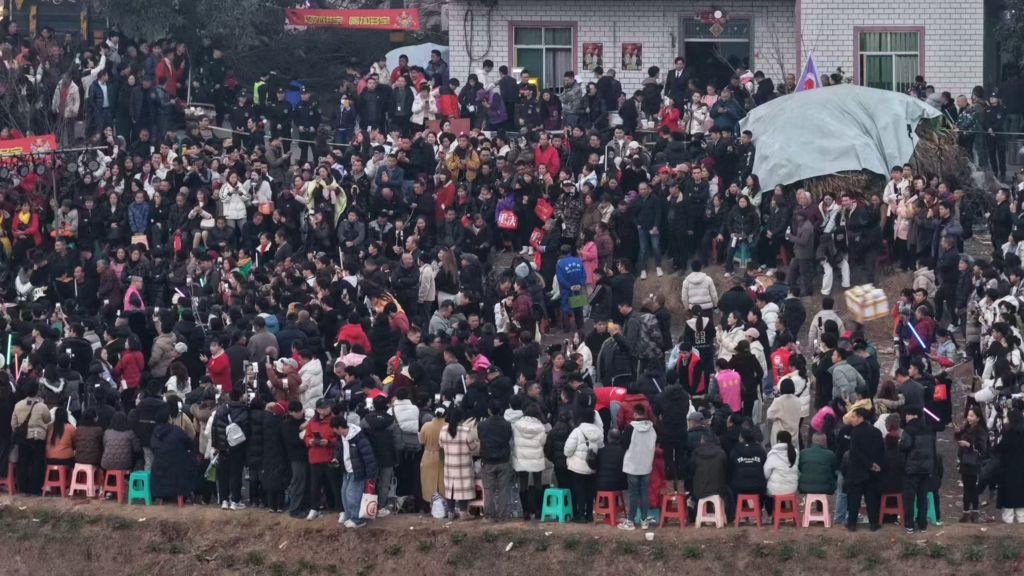
    Daidai, a woman in her twenties from Qingfu village in Chongqing municipality, initially sought assistance through Douyin (China’s TikTok equivalent) when she became concerned about her aging father’s ability to handle the traditional slaughter of two pigs for their Chinese New Year community feast. Her simple plea—”Can anyone help me? My father is old. I am worried that he can’t handle these pigs”—promised participants a traditional pork banquet in return for their assistance.

    The response proved nothing short of extraordinary. Instead of the dozen helpers Daidai anticipated, thousands of vehicles descended upon the rural village, creating massive traffic jams throughout southwestern China’s Chongqing region. Drone footage captured astonishing scenes of endless car queues snaking through rice fields as visitors from across the nation converged on the previously obscure settlement.

    This spontaneous gathering evolved into a two-day cultural celebration featuring traditional Sichuan and Chongqing cuisine including twice-cooked pork, steamed ribs, homemade liquor, and evening bonfires accompanied by live music. The event attracted over 100,000 simultaneous online viewers during the main festivities, accumulating more than 20 million likes on streaming platforms.

    Local authorities embraced the phenomenon as an unexpected tourism opportunity, with municipal officials donating additional pigs to accommodate the overwhelming number of participants. Small restaurants expanded their operations to outdoor seating areas to serve the unprecedented crowds.

    Participants described the experience as profoundly meaningful. One man who traveled over 100 kilometers expressed how the event evoked childhood memories of traditional village life, noting: “The atmosphere has been great. It reminded me of my childhood when my family still kept pigs. It has been years since I felt anything like that.”

    Daidai expressed both exhaustion and gratitude after the event, having slept only four hours over two days. She acknowledged the collective effort: “Without your enthusiasm and passion, there would not have been a feast like this. For everyone who came, the feeling was like that of a big family. It was really warm, really healing and really meaningful.”

    The phenomenon has sparked discussions about modern society’s yearning for authentic community connections and cultural preservation. The Hechuan region where Qingfu village is located is now considering institutionalizing similar events to capitalize on the demonstrated appetite for grassroots cultural experiences in an increasingly digital and isolated world.

  • McIlroy sets the early pace after a closely contested opening round at Dubai Invitational

    McIlroy sets the early pace after a closely contested opening round at Dubai Invitational

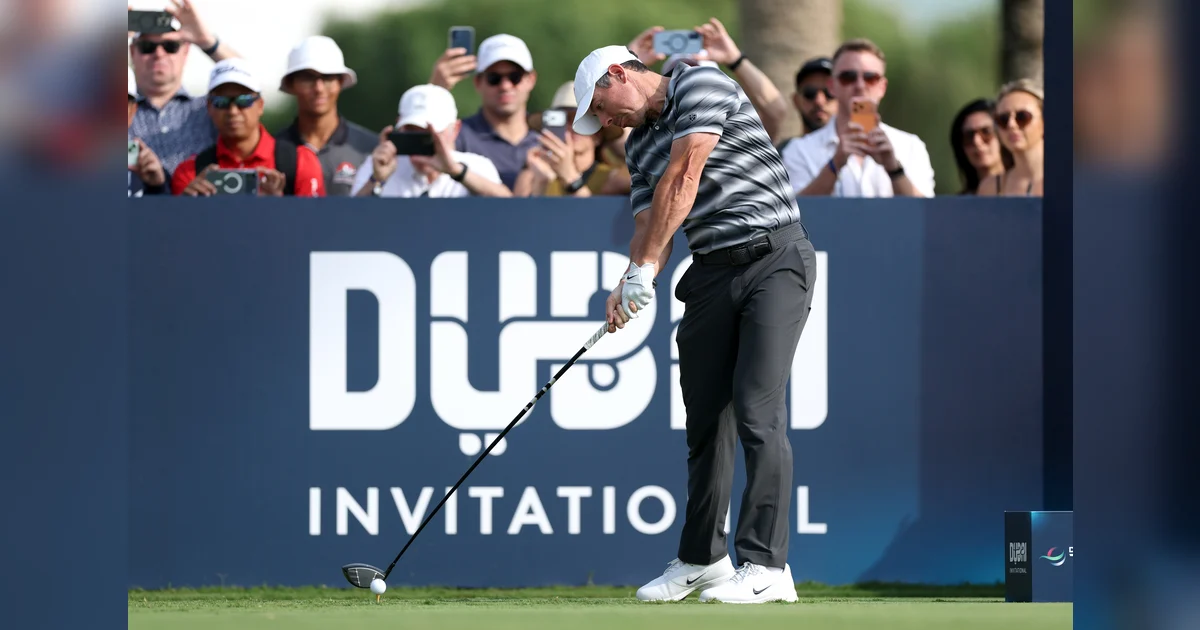
    DUBAI – Rory McIlroy of Northern Ireland demonstrated commanding form to secure the first-round lead at the Dubai Invitational, launching his 2026 DP World Tour season with a polished five-under-par 66 at the Dubai Creek Resort on Thursday.

    The world number two electrified the course with a spectacular front-nine performance, registering six birdies in his initial nine holes to card a 31 at the turn. Maintaining momentum, he added another birdie at his tenth hole (the first) before encountering a minor setback with a bogey at the third. McIlroy closed with six consecutive pars to complete a level-par inward nine.

    Reflecting on his round, McIlroy noted: “I got off to a great start, playing a very good first nine. As the wind intensified, the second nine presented tougher challenges. Despite a unnecessary bogey on 3 and missed opportunities on the par-5, I’m pleased with this solid beginning to the year.”

    The tournament features an innovative format with 60 professionals competing alongside 60 amateurs. A simultaneous 54-hole Betterball Pro-Am competition runs parallel to the main event throughout the first three days. Team JJ Dudam currently leads the Pro-Am division, with England’s Matt Wallace firing an impressive 10-under-par 61 to establish a two-stroke advantage.

    McIlroy also revealed significant equipment changes, including new TaylorMade irons and the 2026 model golf ball. “After testing in Australia’s firm conditions, these irons demonstrated superior turf interaction compared to blades,” he explained. “Today’s performance validated my equipment decisions.”

    Scotland’s Connor Syme and Spain’s David Puig trail closely with matching 67s, while defending champion Tommy Fleetwood carded a two-under 69 despite challenging afternoon winds that tested later starters. Twenty-five players total finished under par in the opening round.

    Friday’s second round tee times run from 8:30 AM to 11:09 AM local time.

  • Rare protest held at Manchester City over UAE owner’s link to Sudan war

    Rare protest held at Manchester City over UAE owner’s link to Sudan war

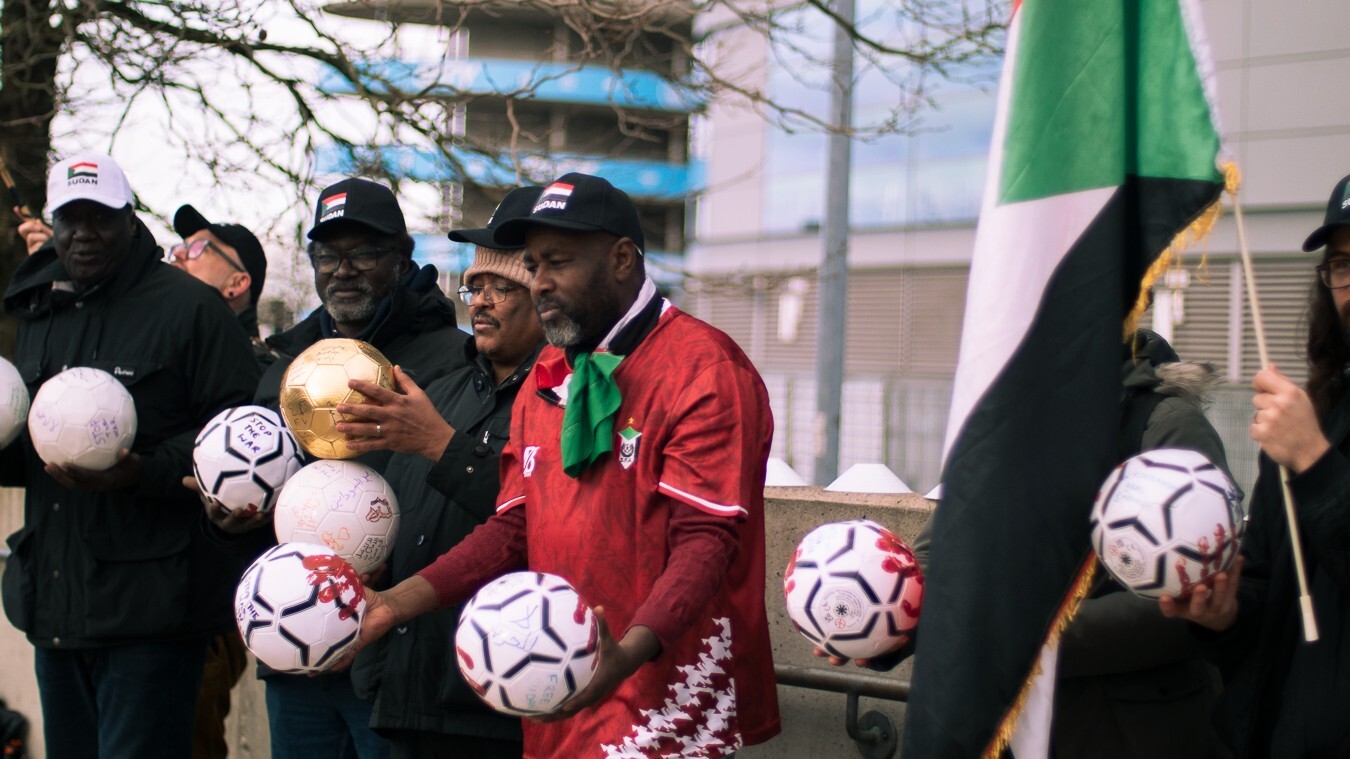
    On a frigid Wednesday morning in Manchester, a small but determined group of Sudanese exiles gathered outside Etihad Stadium, home to Manchester City Football Club. Their protest targeted not the team’s performance on the pitch, but its owner’s alleged involvement in the devastating conflict they had fled.

    Farid Kelana, who sought refuge in the UK two years ago after escaping Sudan’s violence, expressed his outrage to Middle East Eye: “I feel totally angry about the idea that football is linked to war crimes, linked to killing people.” Kelana had settled in Manchester months after conflict erupted in Sudan in April 2023, never anticipating his new city would connect to the war he thought he had left behind.

    The demonstration highlighted the controversial ownership of Manchester City by Sheikh Mansour bin Zayed Al Nahyan, vice president of the United Arab Emirates and brother to the nation’s ruler. Extensive investigations have revealed the UAE serves as a primary supporter of Sudan’s Rapid Support Forces (RSF) paramilitary group, supplying weapons through complex networks across multiple African nations. The UAE consistently denies these allegations.

    According to intercepted communications reviewed by US officials, RSF commander Mohammed Hamdan Dagalo (known as Hemedti) maintains direct contact with Sheikh Mansour. American intelligence concludes the Manchester City owner has played a central role in arming the paramilitary group responsible for widespread atrocities.

    Kiri Kankhwende of Christian Solidarity Worldwide stated: “Man City has a proud heritage, but the money funding these victories is financing the killing of children, women, and innocent civilians. This is too high a price to pay for victory.”

    Despite the modest turnout of approximately twenty protesters, participants demonstrated remarkable resolve. Mohaned Elnour, a Sudanese consultant residing in the UK for seven years, acknowledged the physical discomfort: “You can see my hands are freezing, but I’m doing something to support my people in Sudan.”

    The protest featured footballs inscribed with anti-war messages by Sudanese refugees living in Ugandan camps, symbolizing the connection between the beautiful game and distant suffering. While Manchester City officials briefly inquired about the nature of the demonstration, passing drivers occasionally honked in support upon recognizing Sudanese flags.

    Activists pointed to the Premier League’s updated Owners and Directors Test, approved unanimously by all 20 clubs three years ago, which includes human rights abuses as grounds for disqualification. Scot Bower, head of Christian Solidarity Worldwide, emphasized: “The evidence indicates Sheikh Mansour should not own a football club. Those are the rules of the Premier League.”

    Protesters highlighted the precedent set when Chelsea FC was seized from Roman Abramovich following Russia’s invasion of Ukraine, questioning why similar standards aren’t applied to the UAE’s involvement in Sudan. Activists suggest the UK’s substantial economic ties with the UAE have created a double standard in addressing human rights concerns.

    Despite these challenges, organizers believe football fans possess unique power to effect change. As Mohannad Taha of Manchester4Sudan noted: “The football community taking action on Sudan can directly impact the war’s cessation. We’re talking about substantial resources, cultural capital, and emotional investment.”

  • Gulf leaders convinced Trump to go easy on Iran, say officials

    Gulf leaders convinced Trump to go easy on Iran, say officials

    A coalition of Gulf nations successfully persuaded U.S. President Donald Trump to abandon a planned military strike against Iran, according to senior Saudi diplomatic sources. The diplomatic intervention, led by Saudi Arabia, Qatar, and Oman, culminated in intense last-minute negotiations that ultimately changed the administration’s course of action.

    The breakthrough followed days of escalating tensions and mounting expectations of American military retaliation against Iran’s suppression of nationwide protests. President Trump confirmed from the Oval Office that he had received assurances from highly placed sources within Tehran that planned executions of demonstrators would not proceed.

    In statements indicating a deliberate de-escalation of hostilities, Trump emphasized that the United States would adopt a watchful stance. “They’ve stated the killings have ceased and executions will not occur. We intend to verify these developments,” the president remarked, adding that military options remained under consideration pending Iran’s compliance.

    Subsequent to these diplomatic exchanges, Iranian Foreign Minister Abbas Araghchi denied existence of execution plans for protesters. Iranian state media corroborated this position by reporting that Erfan Soltani, a 26-year-old detainee from Karaj protests, would not face capital punishment.

    The reduced tensions prompted tactical reassessments at strategic regional installations. Personnel previously relocated from Qatar’s Al-Udeid Airbase began returning to their positions as threat levels diminished, according to diplomatic sources familiar with the situation.

    Human rights organizations monitoring the unrest provided staggering casualty estimates, with figures ranging from 2,600 to 3,428 fatalities resulting from protest-related violence and government crackdowns. The Gulf-mediated diplomatic resolution potentially prevented further escalation in a region already experiencing significant instability.