作者: admin

  • A hotline to report vapers and caning if you’re caught: Singapore’s e-cigarette crackdown

    A hotline to report vapers and caning if you’re caught: Singapore’s e-cigarette crackdown

    At Singapore’s Woodlands Checkpoint, the frontline of an unprecedented public health battle unfolds daily. Customs officers like Belinda Liaw conduct meticulous inspections of vehicles crossing from Malaysia, employing sophisticated detection methods to intercept illicit vaping products. Their blue-gloved hands systematically tap vehicle chassis for hidden compartments while teams scrutinize personal devices and belongings—all part of Singapore’s comprehensive campaign against electronic cigarettes.

    The city-state initiated its vaping prohibition in 2018, but recent months have witnessed an intensified crackdown with severe penalties including imprisonment, mandatory rehabilitation, and even corporal punishment. This escalation responds to the emergence of drug-infused vaping products known as ‘K-pods’ on the black market, particularly alarming for a nation renowned for its zero-tolerance drug policies.

    Singapore’s approach has attracted international attention, with the World Health Organization characterizing it as a potential ‘turning point’ in global tobacco and drug policy. The government has simultaneously launched a pervasive public awareness campaign featuring graphic advertisements drawing parallels between vaping and catastrophic health outcomes, including one campaign evocatively titled ‘Final Destination – ICU’.

    Despite the aggressive enforcement, authorities face evolving smuggling tactics. Concealment methods have grown increasingly sophisticated, with contraband discovered hidden within air-conditioning units, electrical switch boxes, and even food transportation vehicles. The Immigration and Checkpoints Authority reports adapting their techniques continuously to match smuggler innovation.

    While popular support for the anti-vaping measures appears widespread, dissenting voices emerge privately. Some adult users argue the blanket prohibition unfairly penalizes responsible consumers, potentially driving them back to traditional tobacco products. Critics question whether the 2018 ban itself created market conditions that fostered the development of more dangerous drug-laced alternatives.

    Singapore’s stance contrasts sharply with approaches in countries like the United Kingdom, where vaping is promoted as a harm reduction tool for smokers. Public health experts remain divided: some argue bans eliminate a valuable smoking cessation tool, while others maintain that preemptive prohibition prevents the formation of new nicotine addictions, particularly among youth.

    The global context reveals increasing regulatory action, with 46 nations implementing sales bans and 82 establishing some form of vaping regulation. However, Singapore’s combination of strict enforcement, severe penalties, and comprehensive public education remains unique in its intensity, presenting the international community with a live case study in prohibition-based public health intervention.
  • Blair and Rubio among names on Gaza ‘Board of Peace’

    Blair and Rubio among names on Gaza ‘Board of Peace’

    The Trump administration has formally established a high-profile ‘Board of Peace’ to spearhead Gaza’s stabilization and reconstruction efforts, naming US Secretary of State Marco Rubio and former UK Prime Minister Sir Tony Blair as founding members. The White House announced on Friday that this board constitutes a central component of President Trump’s 20-point roadmap to resolve the Israel-Hamas conflict.

    The founding executive board will be chaired by President Trump himself, with additional members including Middle East envoy Steve Witkoff, presidential son-in-law Jared Kushner, private equity executive Marc Rowan, World Bank chief Ajay Banga, and US National Security Adviser Robert Gabriel. According to the official statement, each member will oversee specific portfolios ‘critical to Gaza’s stabilisation and long-term success.’

    This development follows the creation of a separate 15-member Palestinian technocratic committee, the National Committee for the Administration of Gaza (NCAG), which will handle day-to-day governance under the board’s supervision. Ali Shaath, a former deputy minister in the Palestinian Authority, will lead the NCAG, while Bulgarian politician and former UN envoy Nickolay Mladenov will serve as the board’s ground representative in Gaza.

    The comprehensive plan also involves deploying an International Stabilisation Force (ISF) under US Major General Jasper Jeffers to train vetted Palestinian police forces and establish security conditions. Although the US peace initiative entered its second phase in October, implementing ceasefire agreements and partial Israeli withdrawals, the situation remains precarious with both sides reporting violations and ongoing casualties.

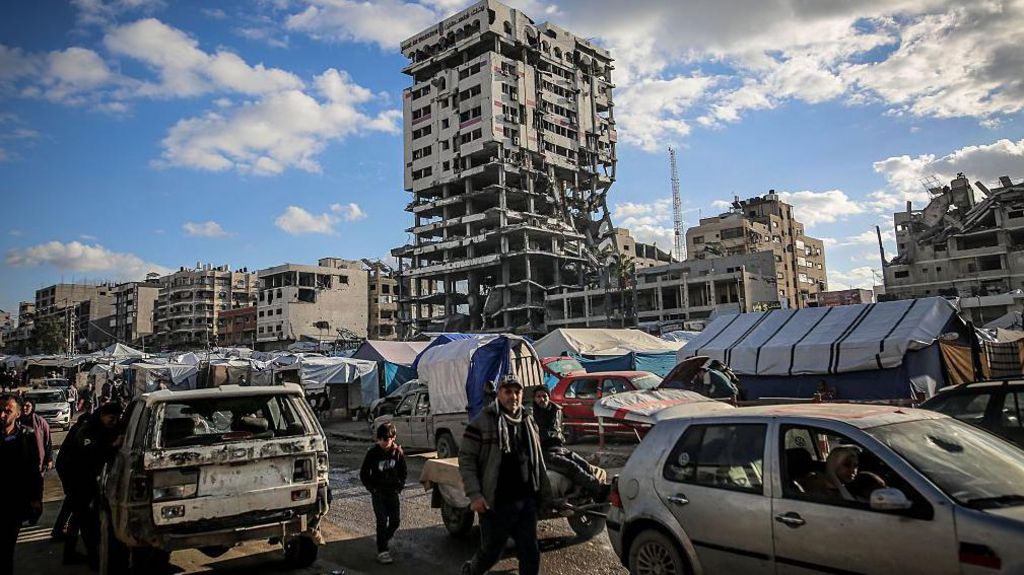
    Humanitarian conditions in Gaza continue to be dire according to UN assessments, emphasizing the urgent need for unimpeded aid delivery. The conflict, triggered by Hamas’s October 2023 attack that killed approximately 1,200 Israelis, has resulted in over 71,260 Palestinian deaths according to Gaza health officials.

  • ‘UAE is guiding star’: Awqaf forum highlights how nation became beacon of safety

    ‘UAE is guiding star’: Awqaf forum highlights how nation became beacon of safety

    Under the spiritual inspiration of Al Isra wal Miraj, Al Ain hosted the second season of the Wal-Najm Forum, organized by the General Authority of Islamic Affairs, Endowments and Zakat (Awqaf). Themed “Mawaqiʿ Al-Nujum: Values and Sciences,” the event served as a platform to reinforce the Emirati family’s crucial role in preserving national identity while cultivating generations that harmonize faith with contemporary knowledge.

    Omar Habtoor Al Darei, Chairman of Awqaf, articulated that under President Sheikh Mohamed bin Zayed Al Nahyan’s leadership, the UAE has crafted a distinctive national paradigm that merges robust values with scientific openness. He characterized the nation as “a beacon of safety and an enduring human value,” emphasizing dignity-centered development. Al Darei elaborated on the forum’s celestial symbolism, noting that in Islamic tradition, stars represent profound guidance and elevated principles rather than mere astronomical phenomena—drawing a parallel to the UAE’s role as a guiding star that extends genuine goodness to humanity.

    The forum featured an insightful panel discussion examining the family unit as the primary guardian of cultural values, while stressing the necessity of synergistic collaboration between families and educational institutions to prepare students for future challenges without compromising core principles.

    Zaki Anwar Nusseibeh, Cultural Adviser to the UAE President, highlighted the nation’s unique development approach where technological advancement consistently aligns with cultural authenticity. He noted that UAE leaders have been recognized “for their ethics before their achievements and for their values before their policies.”

    Sarah bint Yousif Al Amiri, Minister of Education, addressed the integration of future-oriented subjects like artificial intelligence and programming into curricula, clarifying that technology serves as a tool whose value derives from its application. She emphasized that preserving national identity requires “a strong and effective partnership between schools and families.”

    The event concluded with ceremonies honoring winners of the Hafeet Religious Talents Competition, which attracted 705 participants from 450 institutions, including 26 determined individuals with special needs, and engaged over 11,000 voters during public voting phases. The forum was attended by Sheikh Mohammed bin Hamdan bin Zayed Al Nahyan, along with numerous ministers, officials, and intellectual leaders.

  • “Glitch World” to unveil its novel anime concept at Art in Space Dubai

    “Glitch World” to unveil its novel anime concept at Art in Space Dubai

    Aniline Studio, a European creative enterprise, is poised to unveil its groundbreaking anime project ‘Glitch World’ at Dubai’s prestigious Art in Space gallery from January 24-30, 2026. The week-long exhibition promises to transform Downtown Dubai into an immersive hub blending cutting-edge technology with artistic innovation.

    The debut will feature an exclusive opening day for anime enthusiasts, offering unprecedented access to the creative vision behind this novel universe. Attendees will experience a curated presentation including the official anime trailer premiere, life-sized character prototypes, and interactive gaming stations. The exhibition will also showcase branded merchandise and provide a specialized HoloBox area where visitors can engage with AI-driven characters from the Glitch World narrative.

    Spearheading this creative endeavor is 12-year-old prodigy Diana Koroleva, whose passion for Japanese anime aesthetics has evolved into a fully-realized universe featuring four central characters: Glitch, Virus-Yamiko, Maya, and Tenshi. Each character possesses distinct superpowers and psychological depth, reflecting Koroleva’s nuanced understanding of emotional storytelling.

    ‘Glitch World represents a fusion of artistic passion and technological innovation,’ Koroleva stated. ‘Every element is crafted to deliver an emotionally resonant experience that transports audiences into a living, breathing universe.’

    Despite its early development phase, the project has generated significant international interest across Western markets, Latin America, Asia, and the Middle East. Aniline Studio’s long-term vision includes expanding the franchise into animated episodes, interactive gaming experiences, and AI-driven virtual characters, creating a comprehensive digital ecosystem.

    The exhibition will feature daily prize distributions, including a grand opening day giveaway of Ray-Ban Meta smart glasses. Art in Space Dubai provides the ideal technological environment for this debut, serving as a cutting-edge venue where digital art converges with virtual reality experiences.

  • Iconic Australian retailer Fletcher Jones to close its doors for good

    Iconic Australian retailer Fletcher Jones to close its doors for good

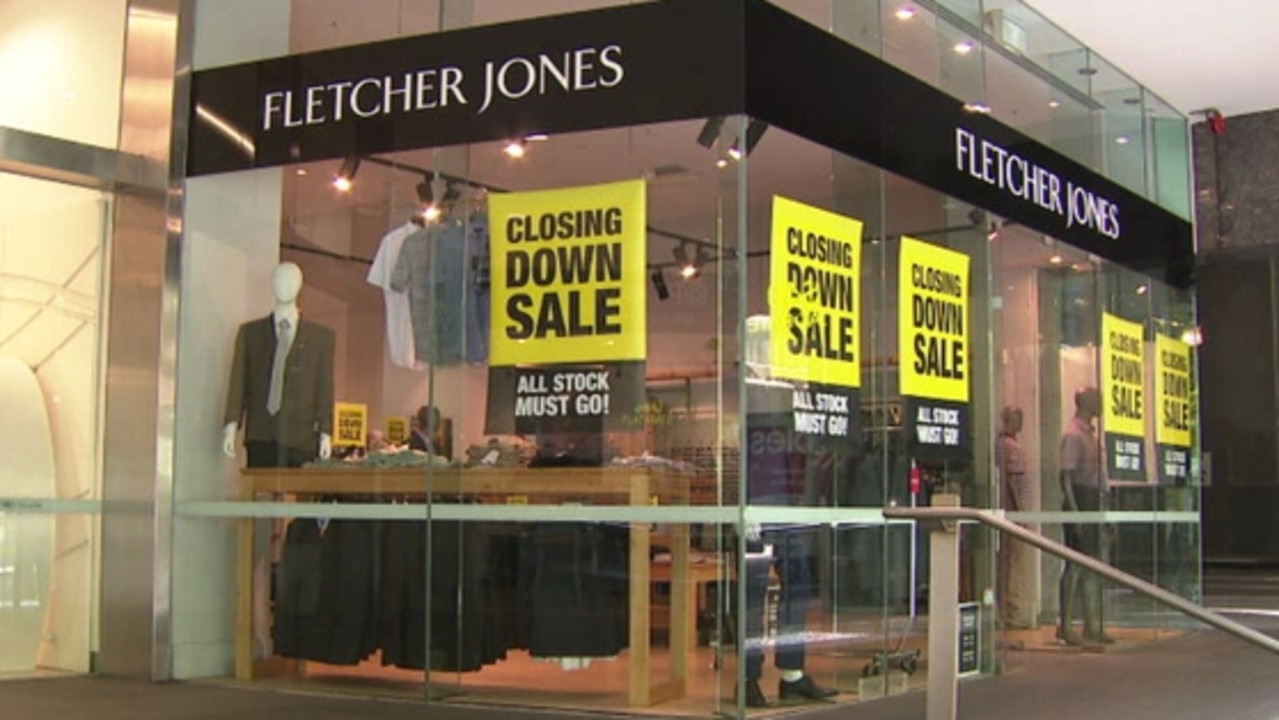
    Australia’s retail sector witnesses another significant departure as Fletcher Jones, a nearly century-old clothing institution, declares its complete shutdown. The heritage brand, renowned for its business and casual wear since the 1920s, will cease all operations including physical stores and online sales by January 2026.

    The company’s decline traces back to its administration crisis fifteen years ago, which precipitated numerous store closures and workforce reductions. Despite its historical significance, Fletcher Jones has experienced a gradual deterioration in market presence leading to this final decision.

    Founded in 1924 by David Fletcher Jones in Warrnambool, Victoria, the enterprise initially specialized in textile sales. Its trajectory changed dramatically in 1941 with a strategic pivot to exclusive high-quality trouser manufacturing. The brand gained substantial momentum during the 1940s, capitalizing on increased demand for military trousers nationwide.

    The iconic Warrnambool factory, now repurposed as a vintage marketplace, remains a testament to the brand’s historical footprint. After family ownership until 1998, the company changed hands and expanded into both menswear and womenswear from the mid-1950s onward, continuing growth even after its founder’s passing in 1977.

    Current proprietor Matthew Gowty has confirmed intentions to sell the brand assets. This announcement follows closely behind another Australian fashion casualty – Sass and Bide, which concluded operations after nearly thirty years of dressing international celebrities including Beyoncé, Rihanna, and Madonna. While Sass and Bide’s online sales will terminate by February’s end, the brand has hinted at future reinvention with an online message stating: ‘It’s not goodbye, it’s see you soon.’

    The consecutive closures of these established retailers signals continuing challenges within Australia’s fashion retail environment, marking a transitional period for the industry.

  • US urges SDF pullback from eastern Aleppo, say sources

    US urges SDF pullback from eastern Aleppo, say sources

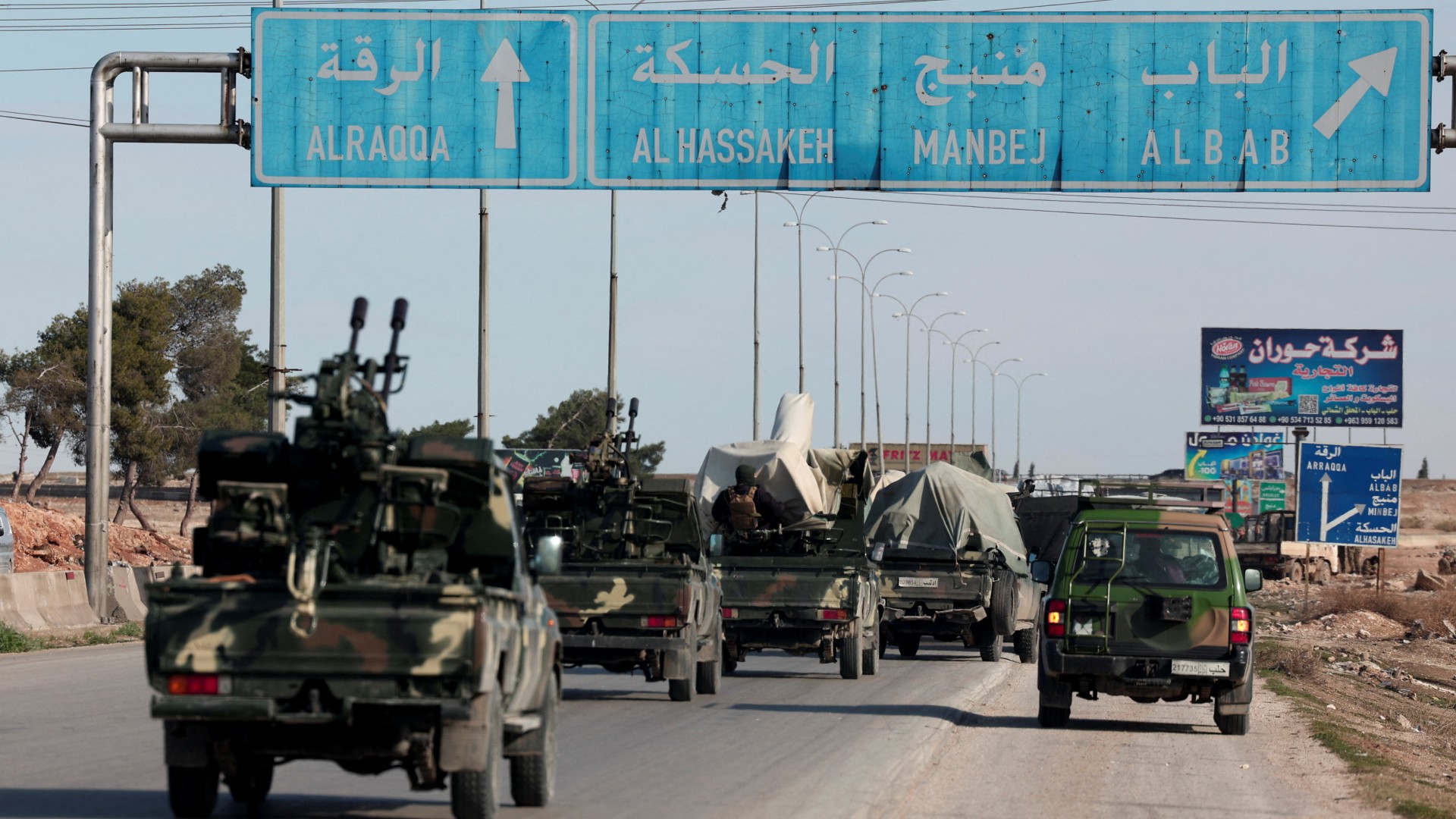
    In a significant development within Syria’s complex geopolitical landscape, the United States has unsuccessfully urged the Syrian Democratic Forces (SDF) to withdraw their remaining fighters from strategic positions in eastern Aleppo’s countryside. According to regional sources familiar with the matter who spoke with Middle East Eye, the Kurdish-led militia has formally rejected Washington’s proposal to vacate their last foothold on the western bank of the Euphrates River near Dayr Hafir.

    The refusal comes amid intensified shelling exchanges between Syrian government forces and SDF fighters, marking a dramatic escalation after months of relative calm between the parties. This renewed conflict follows a months-long ceasefire that collapsed earlier this month when Damascus launched operations to expel SDF-linked security units from Aleppo’s al-Ashrafiyah and Sheikh Maqsoud neighborhoods, alleging civilian casualties from sniper and mortar attacks.

    Multiple regional sources revealed that the Syrian government’s offensive received implicit authorization from Washington before implementation. Despite this, U.S. authorities subsequently requested the SDF to withdraw from the western Euphrates bank—a demand the Kurdish forces have now officially declined.

    The tension further complicates implementation efforts of the 10 March memorandum of understanding, an agreement designed to integrate Kurdish-led forces into Syria’s military infrastructure. Syrian President Ahmed al-Sharaa publicly accused SDF leadership of failing to honor the agreement, asserting their decision-making remains subordinate to the Kurdistan Workers’ Party (PKK) leadership based in Iraq’s Qandil Mountains.

    Ilham Ahmed, the SDF’s de-facto foreign affairs official, countered these claims during a Thursday press conference, stating: “The government’s assertion that we have not implemented the 10 March agreement is incorrect, and international parties are aware of this.” Ahmed confirmed ongoing communications with both U.S. and Turkish officials while awaiting responses to several de-escalation initiatives.

    Meanwhile, humanitarian concerns escalate as reports indicate the SDF blocked civilian evacuation routes established by Syrian forces on Thursday. A U.S. military delegation visited Dayr Hafir to assess the situation and reportedly planned to pressure the SDF to permit civilian departures.

    The Syrian military has publicly encouraged defections, broadcasting statements that welcome Kurdish and Arab fighters wishing to rejoin government forces while specifically condemning “PKK terrorist militias” for allegedly targeting civilians and undermining Syria’s social fabric. Defense Ministry reports claim several SDF fighters have already surrendered weapons on the Dayr Hafir front.

    With the Syrian army reportedly preparing broader operations to clear SDF positions, and diplomatic channels showing strain, the situation represents a critical deterioration in northeast Syria’s fragile stability.

  • Iran accuses US, Israel of meddling as FM speaks to UN, SCO chiefs over phone

    Iran accuses US, Israel of meddling as FM speaks to UN, SCO chiefs over phone

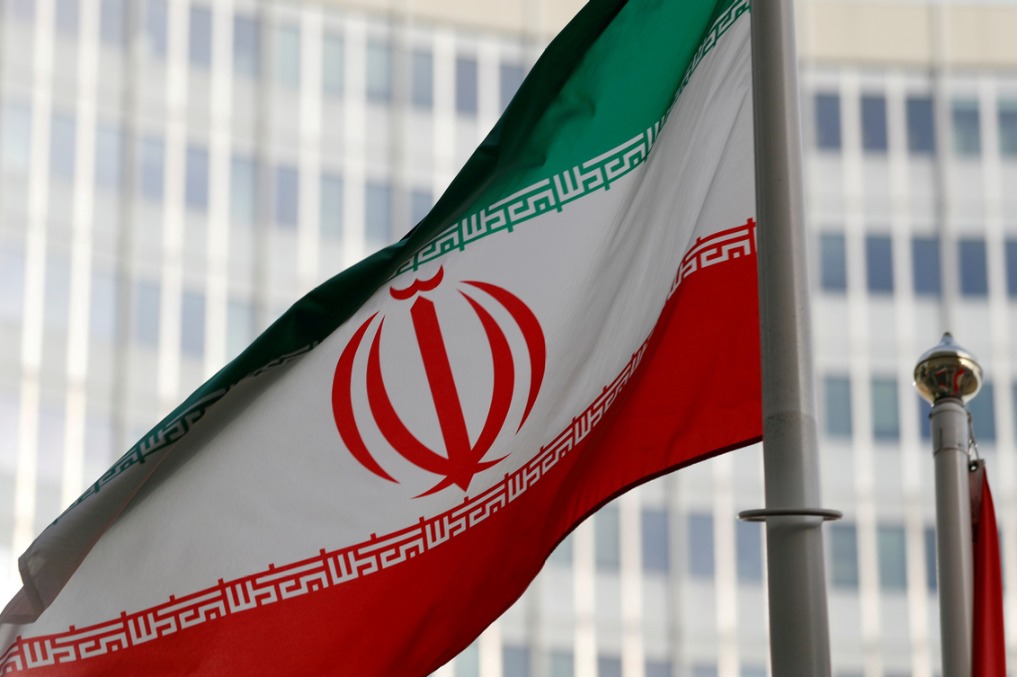
    In a series of high-level diplomatic exchanges, Iranian Foreign Minister Seyed Abbas Araghchi engaged in separate telephone discussions with United Nations Secretary-General Antonio Guterres and Shanghai Cooperation Organization (SCO) Secretary-General Nurlan Yermekbayev on Thursday. The conversations centered on recent domestic unrest in Iran, with Araghchi presenting detailed allegations of foreign interference.

    The Iranian diplomat asserted that initially peaceful demonstrations over economic concerns had been deliberately hijacked by externally-supported elements. He characterized the subsequent violence as the work of ‘trained terrorists’ operating with backing from the United States and Israel. Araghchi specifically accused Israel of maintaining a ‘direct role in arming and organizing terrorists’ while condemning what he termed ‘meddlesome’ statements from US officials that allegedly encouraged destabilizing activities.

    During the dialogue with UN leadership, Araghchi detailed numerous incidents of violence targeting security personnel, civilian populations, emergency medical services, and religious sites. He drew parallels between these actions and tactics employed by the Islamic State, urging both the UN and Security Council to formally denounce the violence alongside what Iran considers illegal interventions by the United States.

    In response, Secretary-General Guterres reaffirmed the fundamental principles of the UN Charter, emphasizing the importance of respecting basic human rights while simultaneously rejecting interference in the internal affairs of sovereign states. He specifically referenced provisions regarding the non-use of force or threat of force in international relations.

    The parallel discussion with SCO leadership yielded similar diplomatic reinforcement. Secretary-General Yermekbayev underscored the organization’s foundational principles of mutual respect for sovereignty, territorial integrity, and non-interference in internal affairs as essential components for sustainable international development.

    In related developments, Ali Larijani, Secretary of Iran’s Supreme National Security Council, communicated through diplomatic channels that Iran ‘will not be passive in the face of the US threatening rhetoric.’ This statement, delivered to senior Swiss diplomat Gabriel Luechinger, further illustrates Tehran’s firm stance against perceived external pressures.

    The ongoing protests, which began in late December across multiple Iranian urban centers, have evolved from expressions of economic dissatisfaction to occasions of significant civil unrest. Iranian authorities maintain they remain open to addressing legitimate economic concerns while simultaneously combating what they describe as foreign-sponsored violence and destabilization efforts.

  • China carries out key test on a new type of reusable carrier rocket

    China carries out key test on a new type of reusable carrier rocket

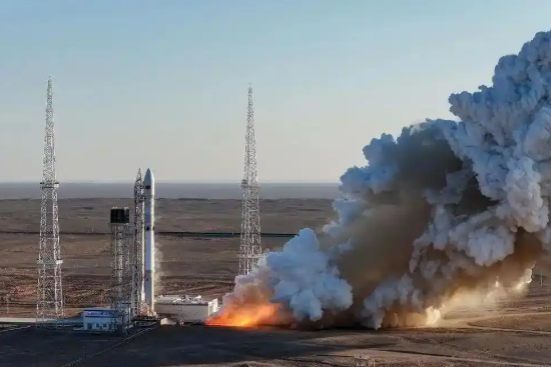
    China Aerospace Science and Technology Corporation (CASC) has successfully executed a pivotal ground test for its next-generation reusable launch vehicle, marking another significant stride in the nation’s ambitious space program. The comprehensive engine test for the Long March 12B’s first-stage booster took place Friday afternoon at the Jiuquan Satellite Launch Center in northwestern China.

    During the meticulously orchestrated trial, engineers initiated and sustained ignition of the rocket’s first-stage engines, systematically validating critical procedures including fueling protocols, ignition sequences, and subsequent operational phases. CASC confirmed all systems performed with exceptional stability and precision throughout the testing duration, demonstrating remarkable reliability that establishes a solid foundation for upcoming flight tests.

    The Long March 12B represents China’s cutting-edge approach to space transportation, featuring a two-stage configuration with both stages measuring four meters in diameter. Powered by advanced liquid oxygen-kerosene propulsion systems, the vehicle is engineered to deliver payloads weighing up to 20 metric tons to low-Earth orbit. Industry specifications indicate the rocket will stand approximately 70 meters tall with a liftoff mass of around 700 tons when fully fueled.

    A defining characteristic of the Long March 12B is its reusable first-stage booster, designed to autonomously return to Earth after separation from the upper stage. The recovery system incorporates grid fins for atmospheric control and landing legs for vertical touchdown at predetermined landing zones, technology reminiscent of advancements pioneered by other spacefaring nations.

    This development follows closely after CASC’s December maiden flight of the Long March 12A, the corporation’s inaugural reusable rocket model. While that mission successfully deployed its second-stage booster to the intended orbital position, the first-stage recovery attempt concluded with the booster crashing near the designated landing site in Gansu province. Engineering teams continue to investigate the causes behind the recovery failure to inform future design improvements.

  • Iran protest movement subsides in face of ‘brutal’ crackdown

    Iran protest movement subsides in face of ‘brutal’ crackdown

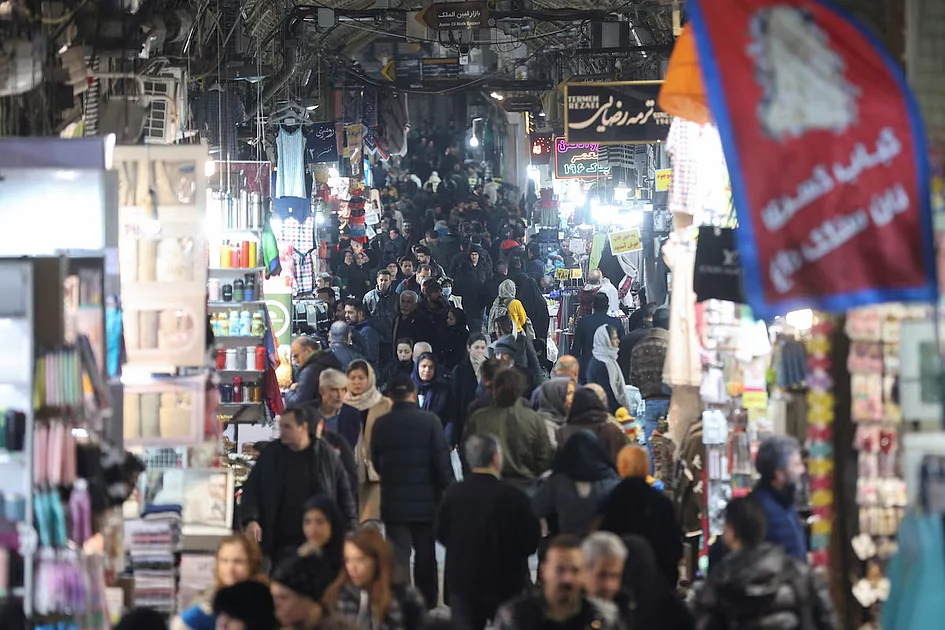
    A nationwide protest movement in Iran has been forcibly suppressed through severe security measures and a prolonged nationwide internet blackout, according to international monitoring groups. The demonstrations, which began in late December as economic grievances, rapidly evolved into the most significant challenge to Iran’s theocratic system in years, demanding the removal of the clerical establishment that has governed since the 1979 revolution.

    Norway-based Iran Human Rights (IHR) has verified 3,428 protester fatalities at the hands of security forces, with director Mahmood Amiry-Moghaddam characterizing the government’s actions as “one of the gravest crimes of our time.” The organization has collected horrifying eyewitness accounts describing security forces shooting fleeing protesters, employing military-grade weapons, and conducting street executions of wounded individuals. The US-based Institute for the Study of War confirmed that the regime’s brutal response has likely suppressed the movement temporarily, though noting that such extensive security mobilization is unsustainable long-term.

    The Iranian government implemented a complete internet blackout lasting over 180 hours—exceeding the duration of similar measures during 2019 protests—effectively isolating the country from global communication networks. Activists assert this digital shutdown aimed to conceal the true scale of the violent crackdown.

    Internationally, tensions have somewhat de-escalated following diplomatic efforts by Gulf allies. A senior Saudi official revealed that Saudi Arabia, Qatar and Oman persuaded U.S. President Donald Trump to provide Iranian leadership with an opportunity to demonstrate good intentions, temporarily reducing immediate military threats. However, the White House maintained that “all options remain on the table” regarding potential action against Iran.

    The United Nations Security Council addressed the situation, with Iranian-American journalist Masih Alinejad stating that “all Iranians are united” against the clerical system. Iran’s representative countered by accusing Washington of exploiting peaceful protests for geopolitical purposes. Meanwhile, the U.S. Treasury implemented new sanctions targeting Iranian officials, including Ali Larijani, secretary of Iran’s Supreme Council for National Security.

  • Venezuela’s Machado mocked for giving Trump her Nobel Peace Prize

    Venezuela’s Machado mocked for giving Trump her Nobel Peace Prize

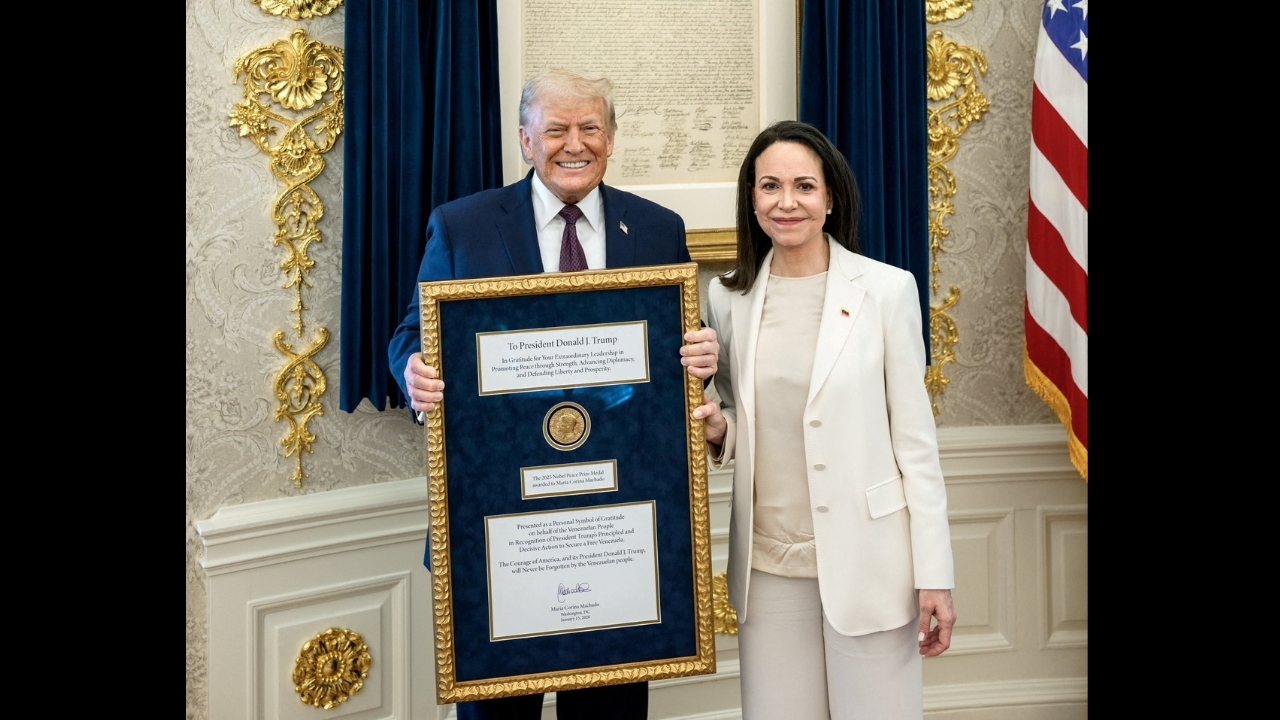
    In an unprecedented political spectacle, 2025 Nobel Peace Prize laureate María Corina Machado presented her medal to former U.S. President Donald Trump during a controversial White House meeting on Thursday. The Venezuelan opposition figure characterized this extraordinary transfer as symbolic recognition of Trump’s “unique commitment with Venezuela’s freedom.”

    The gesture ignited immediate international backlash across social media platforms, where critics denounced the act as everything from political groveling to historical vassalage. Prominent American author Joyce Carol Oates condemned the presentation as “grovelling before the most loathsome of male leaders,” while journalists described it as “one of the greatest acts of vassalage in recent history.”

    The Nobel Peace Center promptly clarified via social media that while physical medals may change ownership, the prestigious title of laureate remains non-transferable. This clarification emerged alongside widespread questioning of Machado’s initial worthiness for the award, with many users calling the medal transfer a “mockery” of the Nobel institution itself.

    Contextual scrutiny reveals deeper controversies: The Nobel committee faced significant criticism for their 2025 selection, with civil society organizations challenging Machado’s eligibility due to her alleged connections to Israeli Prime Minister Benjamin Netanyahu’s far-right Likud party and various European right-wing factions.

    Trump’s acceptance of the medal drew additional condemnation after he boasted on Truth Social about being honored for his diplomatic “work,” praising Machado’s gesture as one of “mutual respect.” This development appears particularly contradictory given Trump’s previously documented dismissals of Machado as “unpopular & unfit” to lead Venezuela.

    The White House had previously denounced the Nobel Committee’s original decision, accusing the body of prioritizing “politics over peace.” This latest episode compounds the controversy, with critics including India’s former Foreign Secretary Kanwal Sibal labeling the entire affair “Theatre of the Absurd.”

    This incident marks Trump’s second symbolic peace recognition within months, following FIFA’s unprecedented decision in December to award him a specially created “peace prize.” The convergence of these events has sparked broader discussions about the politicization of international honors and the evolving nature of diplomatic symbolism in contemporary geopolitics.