作者: admin

  • Top-ranked Alcaraz, Sabalenka headline Australian Open day one

    Top-ranked Alcaraz, Sabalenka headline Australian Open day one

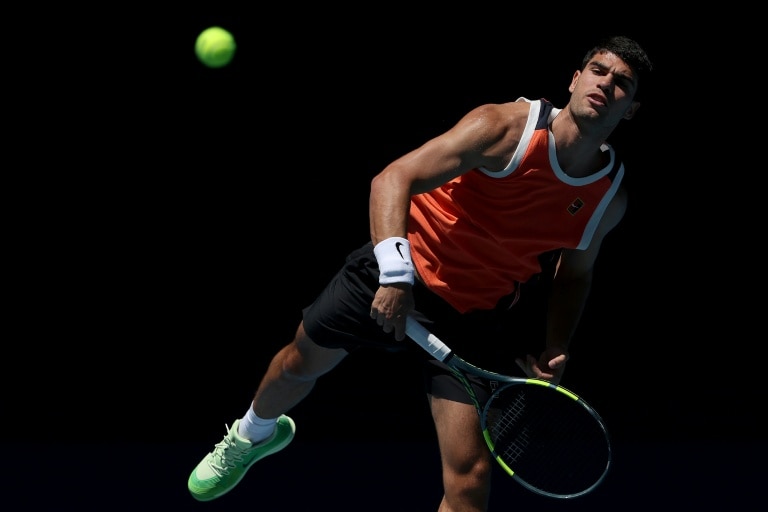
    The 2026 Australian Open commenced with spectacular intensity on Sunday, featuring top-ranked contenders Carlos Alcaraz and Aryna Sabalenka leading the charge on the opening day. Alcaraz, currently world number one, enters Melbourne Park with a historic opportunity—to complete a career Grand Slam by claiming the only major title absent from his impressive collection. The Spanish phenom, already a champion at Wimbledon, the US Open, and Roland Garros, could surpass compatriot Rafael Nadal as the youngest male player to achieve this milestone if victorious.

    Alcaraz faces Australian hopeful Adam Walton, ranked 79th, in his opening match on Rod Laver Arena. Meanwhile, reigning women’s champion Aryna Sabalenka seeks her third Australian Open title in four years. Fresh off a dominant victory at the Brisbane International, Sabalenka appears in formidable form as she prepares to confront French wildcard Tiantsoa Rakotomanga Rajaonah.

    The day’s lineup also includes last year’s finalist Alexander Zverev, who begins his campaign against Canada’s Gabriel Diallo. In a remarkable display of longevity, 45-year-old Venus Williams returns to Melbourne for the first time since 2021, becoming the oldest woman ever to compete in the tournament. Despite recent struggles and a current ranking of 576, the seven-time Grand Slam champion remains undaunted as she faces Serbia’s Olga Danilovic.

    Other notable competitors include men’s tenth seed Alexander Bublik and women’s twelfth seed Elina Svitolina, both arriving with momentum from recent warm-up tournament victories. The opening day sets the stage for what promises to be a thrilling fortnight of elite tennis competition.

  • I want to show the world what Africa is – YouTube star brings joy and tears on tour

    I want to show the world what Africa is – YouTube star brings joy and tears on tour

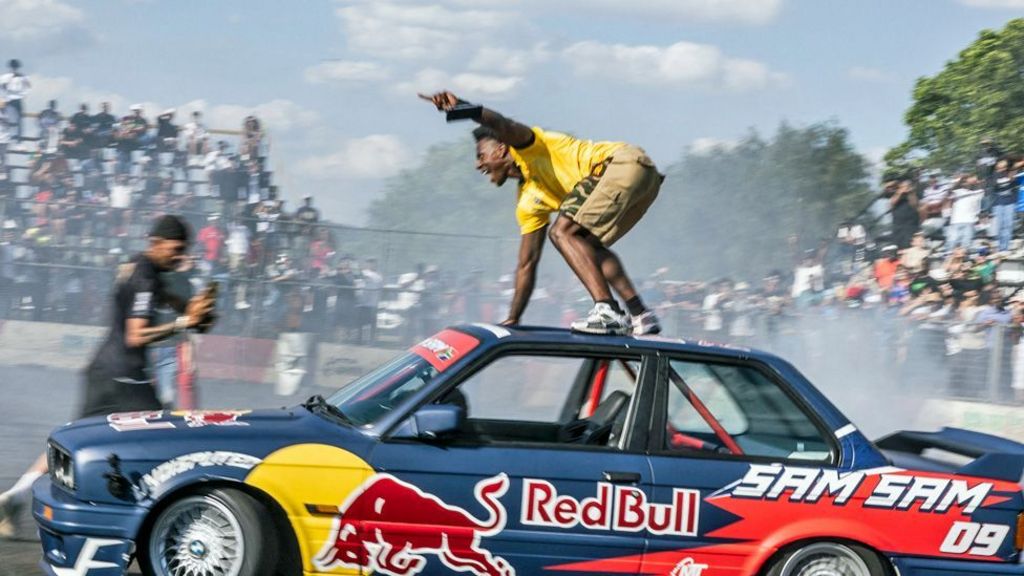
    Global YouTube phenomenon IShowSpeed is revolutionizing digital content creation through an unprecedented 20-nation African tour, generating both massive adoration and thoughtful critique. The 20-year-old internet sensation, born Darren Watkins Jr., has been drawing extraordinary crowds across the continent during his “Speed Does Africa” expedition, captivating millions with his unfiltered, high-energy broadcasting style.

    In a remarkable cultural immersion, Speed participated in traditional initiation ceremonies in Eswatini where he was honored with the name “Logijimako” (meaning “the one who runs”) and recognized as a warrior entrusted with protecting the royal family. His journey has included everything from dancing with traditional performers in Ethiopia to braving the Devil’s Pool at Victoria Falls in Zambia, all while maintaining his characteristic marathon livestreams that typically span 3-11 hours.

    The tour has sparked complex conversations about cultural representation and digital influence. While young fans across Rwanda, Ethiopia, and Zambia have expressed overwhelming excitement—with many describing emotional meetings with their online hero—some critics on platforms like Reddit’s AskAnAfrican have questioned the depth of cultural exchange, characterizing the events as “fleeting spectacles” that provide temporary distraction from systemic challenges.

    Despite controversies including past platform bans and occasional mishaps—such as accidentally overlooking Miss Universe Zimbabwe during a chaotic livestream—Speed’s genuine engagement with local traditions has impressed many observers. His willingness to try regional delicacies, learn historical contexts, and participate in cultural practices has been widely noted by both fans and local organizers.

    The tour represents a significant moment in digital content creation’s intersection with cultural tourism, demonstrating how online personalities can influence global perceptions. As Speed continues his journey through Nigeria, Ivory Coast, Liberia, and Ghana, he maintains his declared mission: “I want to show the world what Africa really is.”

  • ‘Sense of pride’: UAE residents watch fighter jets fly past at Day of Solidarity parade

    ‘Sense of pride’: UAE residents watch fighter jets fly past at Day of Solidarity parade

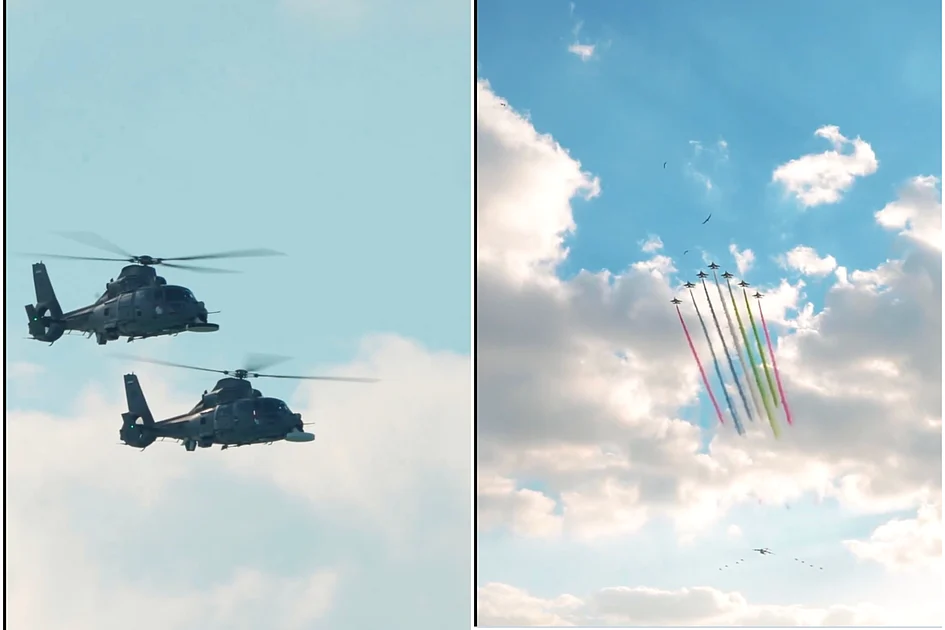
    Across the United Arab Emirates, residents gathered along coastlines and city corniches on Saturday evening for a solemn aerial display marking the nation’s Day of Solidarity. Military aircraft flew in precise V-formations over all seven emirates in a coordinated parade organized by the UAE Armed Forces, creating a powerful visual symbol of national unity and resilience.

    The event commemorated the January 17, 2022 attack on civilian infrastructure in Abu Dhabi that resulted in three fatalities and six injuries. Unlike typical air shows, the atmosphere remained contemplative as spectators watched in reflective silence, many recording the moment on mobile devices while explaining the significance to younger generations.

    Authorities had previously published designated viewing locations and timings to ensure public safety during the nationwide observance. At Buhaira Corniche and Al Zohra Beach, families gathered not for entertainment but for education and remembrance. Ahmed Karim, a Sharjah resident attending with his family, noted: ‘We explained to our children that this is not a show for fun, but a reminder of something serious that happened and how the country stayed strong.’

    The emotional resonance was palpable among attendees. Ajman resident Aisha Mehreen observed: ‘People around me were not cheering or clapping. We all knew why the planes were flying today. It reminded us of that day we read about in the news, and of how important it is to stay united and grateful for the safety we have.’

    In official statements, UAE President Sheikh Mohamed bin Zayed Al Nahyan emphasized that the day reflects the strength and unity of the nation’s people and their determination to safeguard the country’s future. Dubai Ruler Sheikh Mohammed bin Rashid Al Maktoum similarly highlighted the occasion as a reminder of shared values and collective responsibility.

    The fourth anniversary observance served both as memorial for victims and reaffirmation of national commitment to security and stability, with the aerial formation representing both military readiness and emotional solidarity among citizens and residents alike.

  • SDF reports ‘intense clashes’ as Syrian army advances in Aleppo and Raqqa

    SDF reports ‘intense clashes’ as Syrian army advances in Aleppo and Raqqa

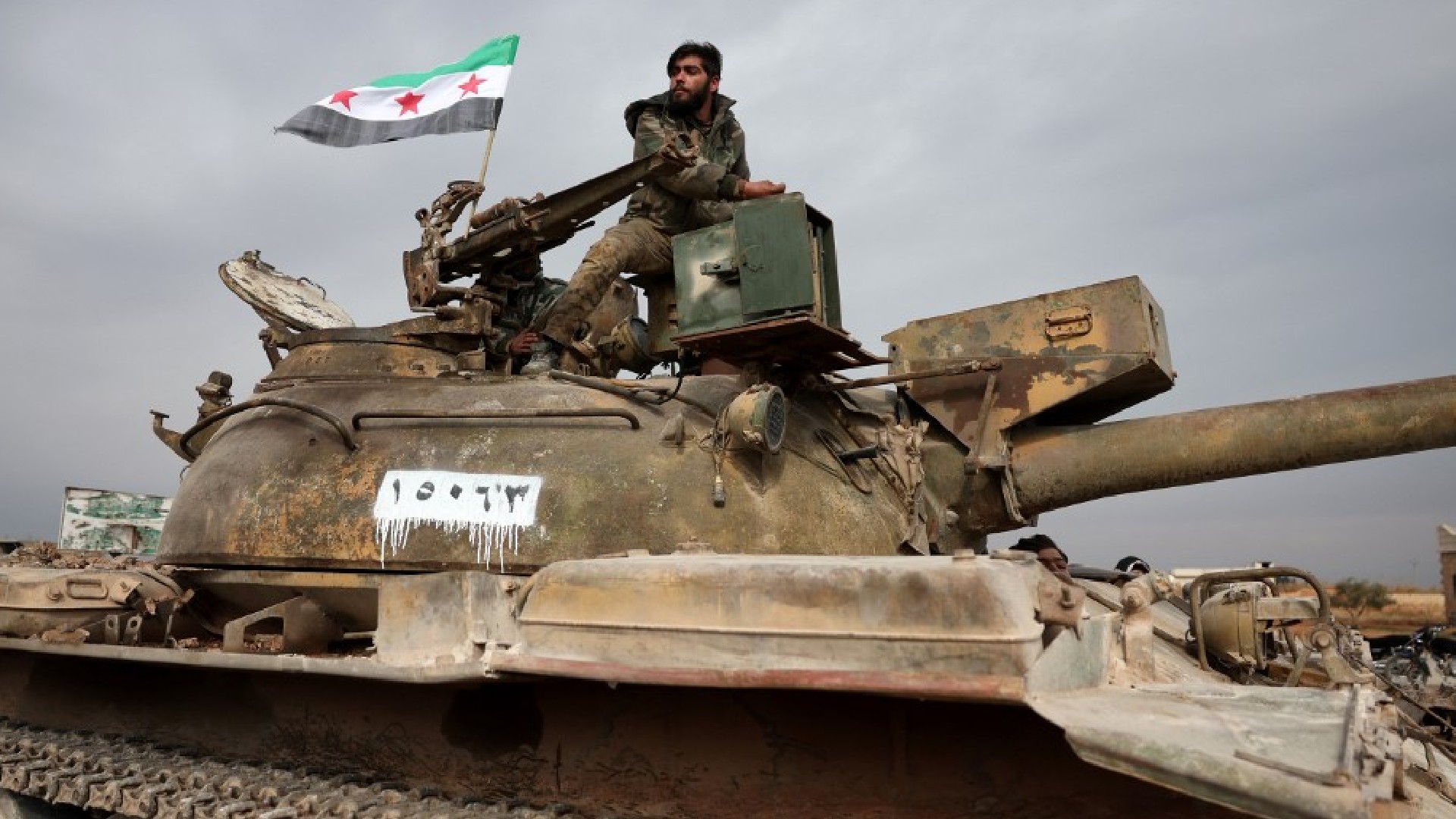
    A fragile withdrawal agreement between Syrian government forces and the Kurdish-led Syrian Democratic Forces (SDF) has collapsed, triggering intense military confrontations in northern Syria. The SDF reports being engaged in fierce clashes with pro-Damascus factions advancing on territories in Raqqa province, prompting Kurdish authorities to impose an indefinite curfew.

    The conflict erupted after the SDF agreed to withdraw its fighters east of the Euphrates River following two days of hostilities in the Aleppo region. While government troops successfully captured several towns and villages southwest of the Euphrates, they subsequently declared Kurdish-held areas in Raqqa province—including the strategic city of Tabqa—a “closed military zone.”

    According to SDF statements, Damascus violated the ceasefire agreement by launching attacks before Kurdish forces had completed their withdrawal from Deir Hafer and Maskana in Aleppo province. The SDF claims some of its fighters remain besieged in Deir Hafer due to what they term “government treachery.”

    Syrian state media presents a contrasting narrative, accusing Kurdish fighters of planting explosives on a bridge along the eastern road to Raqqa—an action the military warned could “disrupt the agreement” and incur “severe consequences.” The army has demanded the SDF immediately fulfill its commitment to withdraw completely east of the Euphrates and evacuate its fighters from Tabqa.

    Meanwhile, the Syrian government announced the capture of Raqqa province’s Resafa area and several nearby villages, including al-Thawra and a significant oil field in the region.

    The military escalation occurs alongside a potentially transformative political development: Syrian Interim President Ahmad al-Sharaa issued a decree formally recognizing the legal status and cultural rights of Syrian Kurdish citizens. This unprecedented acknowledgment of Kurdish national rights since Syria’s 1946 independence has been met with skepticism by Kurdish parties, who view it as symbolic rather than a substantive solution to their longstanding demands.

  • Gangland killing at a funeral shocks idyllic French island

    Gangland killing at a funeral shocks idyllic French island

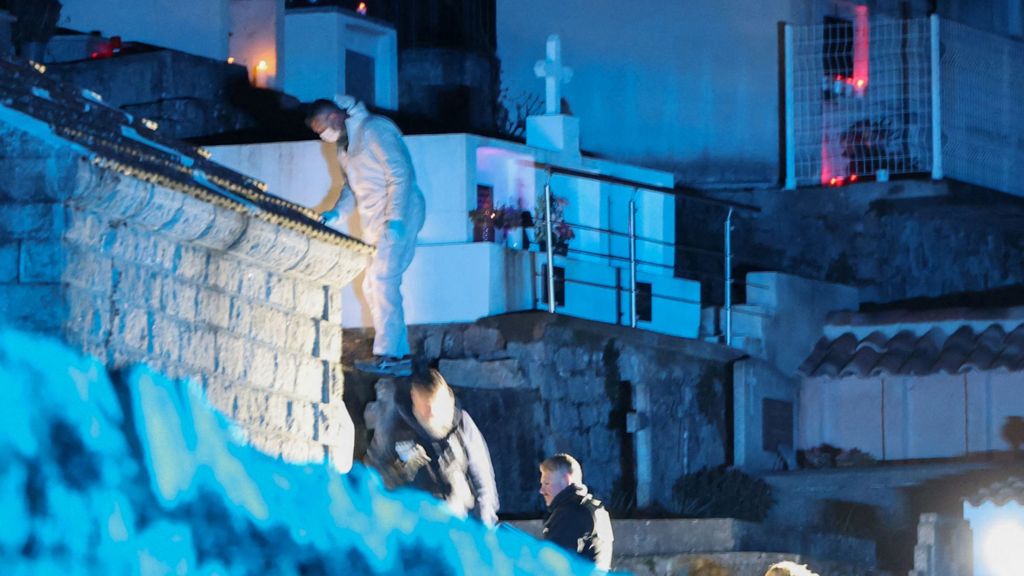
    The Mediterranean island of Corsica has been shaken by a brazen assassination that violated longstanding cultural taboos, as former nationalist leader Alain Orsoni was fatally shot during his mother’s funeral service in the village of Vero. The 71-year-old, who had returned from exile in Nicaragua to bury his mother, was killed by a single shot fired from nearby scrubland during the ceremony.

    This killing represents a disturbing escalation in Corsica’s cycle of violence, where thirty-five people have been fatally shot in the past three years alone on the island of 350,000 inhabitants. The location and timing of the attack has stunned even those accustomed to the island’s vendetta culture, with close friend Jo Peraldi noting that ‘a cemetery is sacred in Corsica, just like a church.’

    Orsoni’s life story mirrors Corsica’s turbulent modern history. Having spent 15 years in prison for organizing bomb attacks against French state symbols during his nationalist activism, he later transitioned into football management, presiding over AC Ajaccio’s promotion to France’s top-flight Ligue 1. Despite his public role in sports, Orsoni maintained extensive security measures, including bullet-proof vests and armored vehicles, acknowledging constant threats to his life.

    Criminologist Alain Bauer described the killing as inevitable but noted the shocking circumstances: ‘An assassination in a graveyard in Corsica is surprising and it’s pretty certain there will be revenge killings.’ The investigation is now being handled by Paris judges specializing in organized crime alongside regional prosecutors in Marseille.

    The attack has prompted Cardinal François Bustillo, Bishop of Ajaccio, to call for an end to the bloodletting, warning against Corsica drifting ‘towards its demons.’ However, with the island’s clans having shifted from political violence to organized crime including money laundering, extortion, and drug trafficking, the prospects for peace remain uncertain as another vendetta cycle appears to have begun.

  • A deadly fire swept through a nightclub in just 90 seconds. I got out

    A deadly fire swept through a nightclub in just 90 seconds. I got out

    Two devastating nightclub fires separated by 22 years reveal alarming similarities in both their causes and catastrophic consequences, raising urgent questions about global fire safety preparedness.

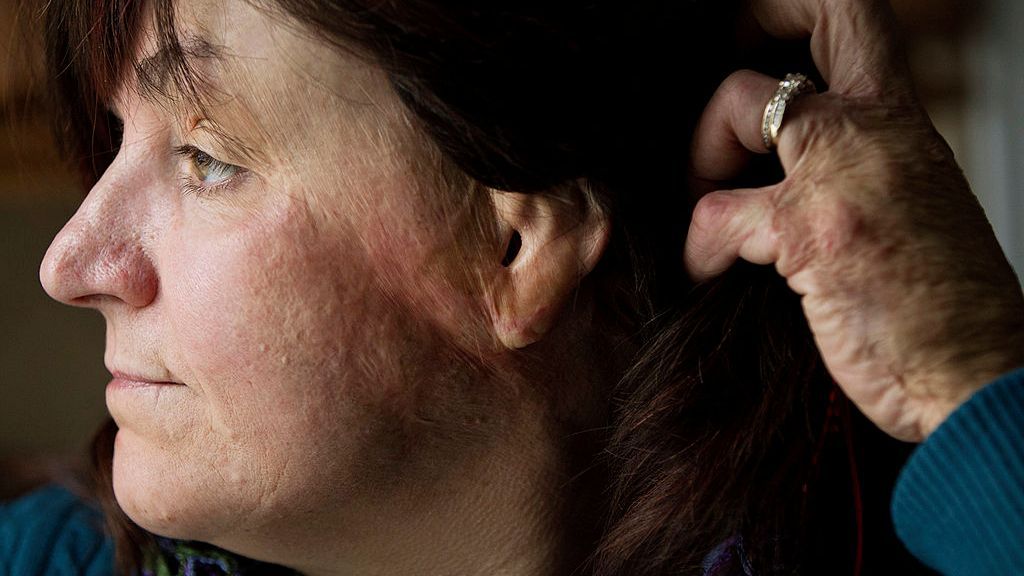
    In February 2003, The Station nightclub in West Warwick, Rhode Island, became the scene of one of America’s deadliest fire disasters when pyrotechnics from the band Great White ignited acoustic foam panels. The resulting inferno claimed 100 lives, including that of Fred Crisostomi, who sacrificed himself to save his fiancée Gina Russo. She survived after an 11-week coma, awakening to severe burns and the loss of her partner.

    Tragically, on New Year’s Day 2026, history nearly repeated itself at Le Constellation bar in Crans-Montana, Switzerland. Sparklers from champagne bottles ignited ceiling materials, resulting in 40 fatalities—predominantly young people—with numerous survivors sustaining critical burn injuries.

    Fire investigation expert Richard Hagger states he is ‘99% certain’ the Swiss fire was triggered by pyrotechnics, noting that flammable foam panels accelerated both blazes in identical fashion. Both incidents involved what experts term ‘flashover fires’—phenomena where heat and smoke accumulate at ceilings before rapidly descending to ignite everything below, creating lethal conditions within seconds.

    Professor Ed Galea, a leading fire safety expert, explains the particular danger of ceiling-mounted flammable materials: ‘It’s a nightmare situation when the fuel is in the ceiling. You don’t have the advantage of the time it takes for the fire to develop.’

    Scientific analysis of The Station fire revealed terrifying timelines: US National Institute of Standards and Technology researchers determined flashover conditions occurred within 65 seconds, with lethal conditions developing by 90 seconds. Computer simulations showed temperatures reaching 700°C within 80 seconds.

    Survivor accounts from both tragedies reveal disturbing psychological patterns. Phil Barr, a Station nightclub survivor, recalled his initial reaction: ‘My initial reaction to the fire was, ‘Oh, that’s interesting’. It almost looked like it was just sitting on the surface.’ This response aligns with what psychologists call ‘friendly fire syndrome’—where people underestimate fire’s rapid progression due to limited everyday exposure.

    Research by psychologists Bibb Latané and John Darley demonstrates how group dynamics inhibit emergency responses. Their landmark 1968 study showed that individuals alone reported smoke 75% of the time, but when accompanied by passive others, only 10% took action.

    Despite 38 similar fires claiming approximately 1,200 lives since 2000—15 involving pyrotechnics and 13 involving flammable acoustic materials—no internationally enforced fire code exists. This regulatory gap means lessons from one nation’s tragedy frequently fail to prevent identical disasters elsewhere.

    Professor Galea emphasizes that preparedness remains the key to survival: ‘Chance favours the prepared mind. You improve your chances by being prepared. Always look for the means of escape.’

    Both Gina Russo and Phil Barr continue living with physical and emotional scars from the 2003 fire, while 80 victims of the Swiss blaze remain hospitalized. Their experiences stand as sobering reminders that without global safety standardization and improved public awareness, history may continue repeating itself with tragic regularity.

  • From surge in patriotism to fewer US trips – Trump’s impact on Canada

    From surge in patriotism to fewer US trips – Trump’s impact on Canada

    The first year of Donald Trump’s second presidential term has catalyzed a profound transformation in Canada’s domestic policies and international positioning, marking a significant departure from historical bilateral norms. As the United States’ northern neighbor, Canada has experienced substantial shifts across economic, political, and social dimensions under the new administration’s policies.

    Trade relations have undergone particularly dramatic changes. The imposition of tariffs on key Canadian sectors prompted immediate retaliatory measures, most notably in alcohol trade where American spirits faced provincial boycotts. Data reveals a staggering decline in US liquor imports from $63.1 billion in late 2024 to approximately $9.5 billion by late 2025. This economic reorientation extends beyond beverages, with Mexican vehicle imports surpassing American counterparts for the first time in history according to Statistics Canada.

    Public sentiment has mirrored these structural shifts. Pew Research Center findings indicate 64% of Canadians now hold negative views toward the United States—the highest negative perception recorded in over two decades. Approximately 77% express limited confidence in President Trump’s leadership, with overwhelming majorities characterizing him as ‘arrogant’ (90%) and ‘dangerous’ (75%). Notably, nearly half (46%) now advocate for treating the US as either an ‘enemy or potential threat’ according to Angus Reid polling.

    Tourism patterns have reflected this cooling relationship. Cross-border travel to the United States declined by over 25%, resulting in an estimated $5.7 billion loss for American tourism. Canadians have redirected their travel spending domestically, generating record-breaking C$59 billion in tourism revenue from May to August, while Mexican destinations experienced a 12% surge in Canadian visitors.

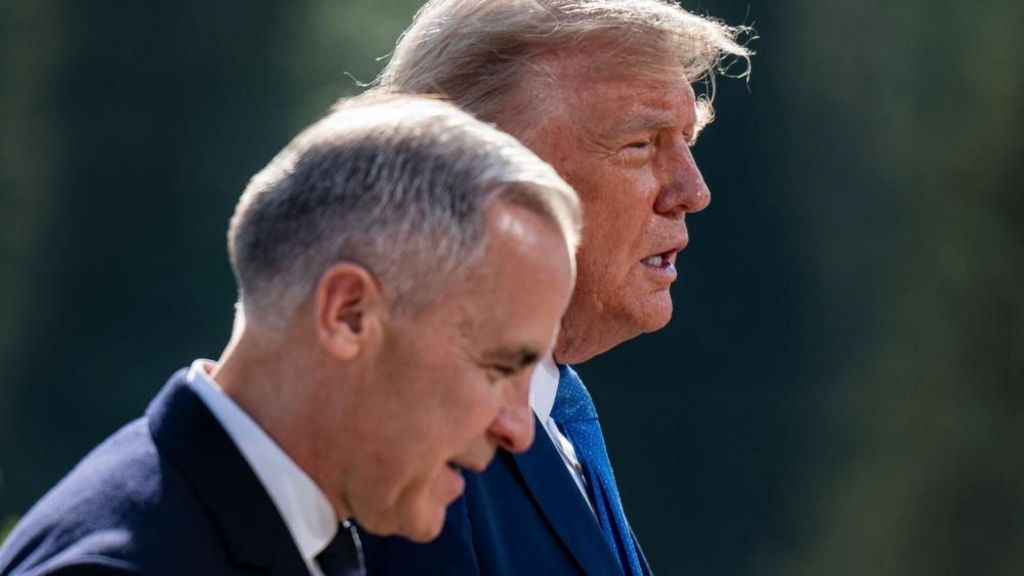
    Politically, the Trump effect triggered unexpected realignments. Justin Trudeau’s resignation—accelerated by ministerial protests over his handling of US relations—paved the way for Mark Carney’s ascent. The former central banker leveraged economic credentials and a staunch sovereignty platform to achieve an improbable Liberal victory in April’s election, reversing what had appeared to be certain Conservative dominance.

    In response to North American uncertainty, Canada has embarked on strategic diversification of international partnerships. Prime Minister Carney’s recent China visit—the first by a Canadian leader since 2017—produced tariff-reduction agreements and market access expansions, despite previous campaign rhetoric labeling China a security threat. Similar diplomatic thaws are anticipated with India following years of tension over extraterritorial allegations, alongside strengthened ties with Gulf states and European nations.

    This comprehensive recalibration represents Canada’s most significant foreign policy reorientation in modern history, balancing economic pragmatism against sovereignty concerns while navigating an increasingly complex geopolitical landscape.

  • Nacho Elvira holds firm as shifting winds continue to shake up Dubai Invitational

    Nacho Elvira holds firm as shifting winds continue to shake up Dubai Invitational

    Gusting winds continued to dominate the narrative at the Dubai Creek Resort, presenting a formidable challenge for the elite field competing in the DP World Tour’s 2026 season opener. Amidst these testing conditions, Spain’s Nacho Elvira demonstrated remarkable composure, carding a third-round 68 to solidify his position at the top of the leaderboard. His steady performance brings him to eight under par, establishing a two-stroke advantage heading into the tournament’s final day.

    Elvira’s round was nearly flawless, with his only setback occurring at the seventh hole. He responded emphatically with birdies on the ninth, tenth, thirteenth, and seventeenth holes, showcasing the mental fortitude that has characterized his play throughout the event. The 38-year-old veteran, whose last victory came at the 2024 Soudal Open, now stands on the precipice of his third DP World Tour title.

    The chasing pack features several notable contenders locked at six under par. South Africa’s Dylan Frittelli delivered the day’s most impressive performance with a bogey-free 66, catapulting himself into a tie for second place. He joins Ireland’s Shane Lowry and England’s Marcus Armitage, who secured his position with a spectacular 21-foot birdie putt on the final hole.

    World Number Two Rory McIlroy carded a steady 68 to remain in contention at five under par, while Denmark’s Thorbjørn Olesen and South African Jacques Kruyswijk both recorded flawless rounds of 66 to position themselves at four under.

    In the team competition, Geoff Wang claimed victory with an impressive 17 under par total. Wang expressed particular admiration for the tournament organization and the Dubai Creek Resort course, noting the exceptional quality of the event.

    Reflecting on the challenging conditions, Elvira acknowledged the difficulty of the wind-affected course, particularly when players found themselves off the fairway. He specifically noted the strength of his competitors, including Lowry whom he described as “a level above,” but remained committed to focusing on his own game strategy for the final round.

    Dubai-based Tommy Fleetwood made a significant move up the leaderboard, climbing to tied 20th after matching the day’s best score with a 66. Final round tee times are scheduled from 7:15 am to 12:10 pm local time.

  • Dubai: Dh1 million cash prize announced for Al Salam Cycling Championship on January 18

    Dubai: Dh1 million cash prize announced for Al Salam Cycling Championship on January 18

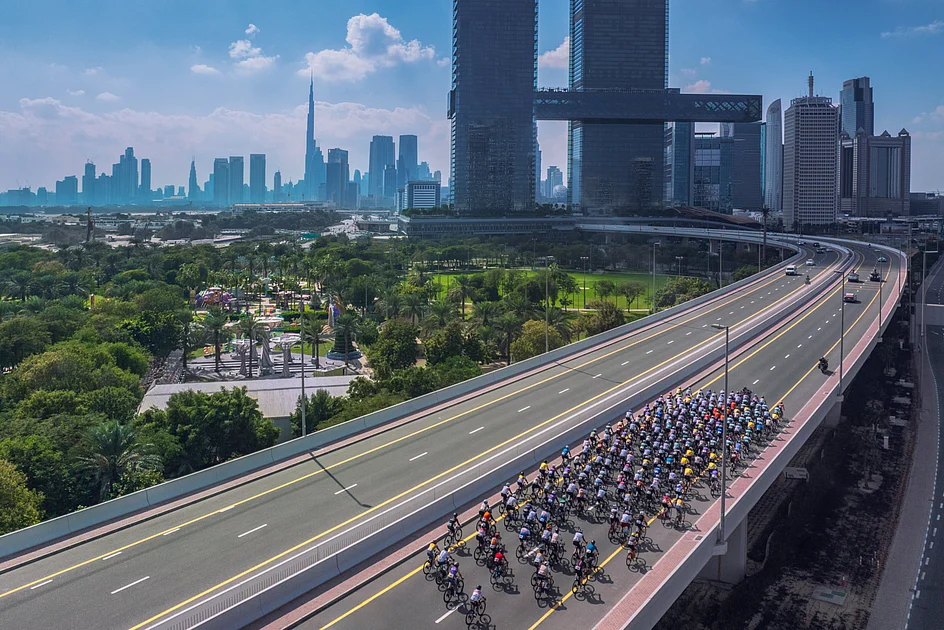
    Dubai prepares to host the prestigious 10th edition of the Al Salam Cycling Championship on Sunday, January 18, featuring a substantial Dh1 million cash prize pool. Organized under the auspices of Sheikh Mohammed bin Rashid Al Maktoum’s Private Office, the elite cycling event will commence at 12:45 PM from the historic Ruler’s Court in Al Fahidi.

    The championship will showcase Dubai’s most skilled cyclists competing along a meticulously designed route that passes significant cultural and urban landmarks, culminating at the picturesque Al Marmoom Reserve in Saih Al Salam. The competitive race is anticipated to span approximately four hours, testing athletes’ endurance and strategic prowess.

    In preparation for the major sporting event, Dubai’s Roads and Transport Authority (RTA) has announced temporary road closures affecting key transportation arteries. The affected routes include Jumeira Street, Al Wasl Road, Al Meydan Road, Al Mina Street, Al Arouba Street, Al Hadiqa Road, Expo Road, Al Qudra Road, Al Manam Street, Lehbab Road, and Sheikh Zayed bin Hamdan Al Nahyan Street.

    Road closures will be implemented approximately ten minutes before the race commencement and will remain in effect until all participants have cleared the respective routes. Motorists are advised to plan alternative routes and exercise caution in the affected areas during the event hours.

    The championship represents Dubai’s continued commitment to promoting sports excellence and healthy lifestyle initiatives while showcasing the emirate’s iconic landmarks to both participants and spectators.

  • ‘Young 40s’: Gen Z has found a new way to mock millennials for their style in South Korea

    ‘Young 40s’: Gen Z has found a new way to mock millennials for their style in South Korea

    A new cultural phenomenon dubbed “Young 40s” has ignited intense generational tensions across South Korea, transforming fashion choices into social battlegrounds. What began as innocent style expressions by forty-somethings has evolved into a nationwide debate about age appropriateness, generational privilege, and shifting social hierarchies.

    The controversy centers on middle-aged men like Ji Seung-ryeol, a 41-year-old fashion enthusiast who finds himself unexpectedly at the epicenter of online ridicule. Despite diligently sharing his carefully curated mirror selfies on Instagram—featuring coveted streetwear items like Nike Air Jordans and Stüssy T-shirts—he now faces widespread mockery for embracing styles traditionally associated with Gen Z and younger millennials.

    The movement gained momentum following last September’s iPhone 17 release, when the smartphone—long considered a youth status symbol—suddenly became recast as a tacky trademark of desperate middle-agers. AI-generated caricatures depicting middle-aged men decked out in streetwear while clutching iPhones have gone viral, with Gen Z critics labeling them as trying too hard to appear youthful while refusing to accept the passage of time.

    Market research from Gallup reveals telling consumption patterns: while most young South Koreans still prefer iPhone to Samsung Galaxy, Apple’s market share has declined by 4% among Gen Z consumers while surging 12% among forty-somethings over the past year.

    This phenomenon represents more than mere fashion criticism—it exposes Korea’s complex relationship with age dynamics. In a society where even single-year age differences establish social hierarchy dictating everything from conversational honorifics to drinking etiquette, the Young 40s memes signify youth’s growing skepticism toward forced reverence for elders. Just years earlier, the term “kkondae” emerged to describe rigid, condescending elders, indicating preexisting generational friction.

    According to Korea University sociology professor Lee Jae-in, social media has exacerbated these tensions by creating spaces where “multiple generations mix within the same space,” dismantling traditional boundaries that once separated generational cultural consumption.

    The term “Young 40” originally emerged in 2010s marketing circles to describe health-conscious, tech-comfortable forty-somethings with youthful sensibilities. Trend analyst Kim Yong-Sup, widely credited with coining the term, notes that as South Korea’s median age rose, these consumers moved from society’s margins to its center.

    However, analytics platform SomeTrend reveals the term has taken a sardonic turn, with over 100,000 online mentions in the past year—more than half in negative contexts frequently accompanied by words like “old” and “disgusting.” An even more derogatory offshoot, “Sweet Young 40,” sarcastically labels middle-aged men who flirt with younger women.

    Psychologist Oh Eun-kyung suggests these jokes represent “punching up” at privileged generations who accumulated wealth during economic stability and property booms, unlike contemporary youth facing soaring housing prices and cut-throat job competition. To struggling younger generations, Young 40s symbolize “the generation that made it through just before the door of opportunity closed”—not merely individuals with personal taste but symbols of privilege and power.

    Yet those living the reality tell a different story. Ji remembers submitting approximately 70 job applications during the Asian financial crisis of the late 1990s, representing a generation that “had very little to enjoy growing up, and only began to enjoy things later, as adults.”

    Now in workplaces, many forty-somethings feel caught between generations—sandwiched between older superiors who maintained “strict, top-down systems” and younger colleagues who constantly question “why.” This interstitial position, once considered a badge of honor, now generates self-consciousness about being labeled kkondae or Young 40.

    As another fashionable 41-year-old named Kang observes, the phenomenon ultimately reveals a universal human desire: “As you get older, longing for youth becomes completely natural. Wanting to look young is something every generation shares.”