作者: admin

  • Window cleaners’ safety a concern in peak season

    Window cleaners’ safety a concern in peak season

    As China approaches the Spring Festival, traditionally associated with thorough house cleaning to welcome good fortune, the domestic services industry experiences a significant seasonal surge. This annual cleaning ritual has particularly intensified demand for window cleaning specialists, creating both economic opportunities and serious safety concerns for workers operating in high-rise environments.

    Beijing resident Wang Zhaoge, who annually employs cleaners for her 18th-floor apartment, expressed deep apprehension: ‘Watching domestic workers lean precariously from windows without protective equipment is genuinely terrifying. My husband consistently reminds them to prioritize safety, as the visual perspective from our elevation is frankly dizzying.’

    The financial dynamics of this seasonal market reveal interesting patterns. Early bookings typically command rates between 100-300 yuan ($14.30-$43) per hour, while last-minute reservations can nearly double these costs. Wang recalled paying 480 yuan for two hours of service when booking merely two weeks in advance last year, compared to 260 yuan for identical service with more advance planning this season.

    Industry data from platform 58 Daojia indicates a remarkable 200% increase in window cleaning orders during the 2024 pre-festival period, alongside a 40% overall rise in domestic service requests. The platform has not yet released comparable statistics for the current year.

    Legal expert Yao Junchang of Beijing’s W&H Law Firm highlights the complex employment landscape: ‘Labor relationships in this sector remain poorly defined. While some workers maintain formal contracts with service companies, many operate as independent platform registrants or private contractors—the latter group facing the highest risks with minimal protection.’

    Yao emphasized that employers bear responsibility for providing appropriate safety equipment, noting that workplace injuries could potentially involve shared liability among workers, companies, and clients given the elevated risks associated with high-altitude cleaning.

    Recognizing these challenges, seven central government agencies including the Ministry of Human Resources and Social Security jointly issued guidelines in June 2024 promoting industry development through enhanced worker protections. These measures encourage commercial insurance coverage for accidental injuries and employer liability, with local governments offering subsidies to companies investing in such safeguards for their employees.


  • Almost half of Kyiv without heat, power, after Russian attack: govt

    Almost half of Kyiv without heat, power, after Russian attack: govt

    A massive overnight Russian aerial assault has crippled Ukraine’s capital, leaving nearly half of Kyiv’s residential buildings without heating and running water amidst subzero temperatures of -14°C. This latest bombardment represents a severe escalation in Russia’s systematic campaign against Ukrainian energy infrastructure.

    Ukrainian authorities reported the attack involved an extensive barrage of 339 long-range combat drones and 34 missiles targeting energy facilities across multiple regions. Kyiv’s air defense systems engaged throughout the night, with explosions heard across the city as they responded to the incoming threats.

    The aftermath has been devastating. Mayor Vitali Klitschko confirmed approximately 5,635 apartment blocks—roughly half the capital’s residential buildings—were left without heating, primarily affecting structures still recovering from the January 9 attack that marked the most significant strike on Kyiv’s energy grid since the invasion began. Much of the city also lost running water access.

    Tragically, the assault claimed at least one life—a 50-year-old man killed near Kyiv. Additional damage was reported in multiple regions: Rivne faced critical infrastructure damage affecting 10,000 households, Odesa reported drone impacts on residential buildings and energy facilities, while Poltava experienced fires at industrial sites following attacks.

    Ukrainian leadership responded with vehement condemnation. Foreign Minister Andriy Sybiga characterized Putin’s actions as ‘genocidal war against women, children and elderly’ and urgently appealed for enhanced air defense support from allies. President Volodymyr Zelensky noted the timely arrival of ammunition shipments just one day prior to the attack, which he said ‘helped significantly’ in defense efforts.

    The International Criminal Court has previously issued arrest warrants for two top Russian military officials regarding strikes on Ukraine’s energy grid, classifying these attacks as war crimes due to their deliberate targeting of civilian welfare. Meanwhile, the Kremlin maintains it only targets military facilities and blames Ukraine for refusing its peace demands.

    Kyiv has implemented emergency measures including school closures until February and reduced street lighting to conserve dwindling energy resources as the city battles both winter temperatures and continued aggression.

  • Students’ response to AI vs humanity moves millions

    Students’ response to AI vs humanity moves millions

    A thought-provoking classroom exercise at Shenzhen Nanshan Foreign Language School has captivated millions across China, prompting deep national conversation about human identity in the age of artificial intelligence. Chinese language teacher Yu Yaxuan presented her 54 students with a seemingly simple yet profoundly challenging question: \”Prove you’re not an AI with one Chinese character.\”\n\nThe students’ responses, which have since gone viral with 6.7 million views on Bilibili video platform, revealed remarkable philosophical depth and emotional intelligence. One student selected \”mother,\” explaining that it represents \”the first word most humans learn and a symbol of protective magic. Parents are our final barrier against death—something robots cannot comprehend.\”\n\nThe exercise highlighted contrasting yet equally human perspectives. Two students chose opposing concepts: \”urgent\” and \”slow.\” One noted that \”robots don’t understand why humans constantly hurry,\” describing how emotional states shape our perception of time. Another student, surnamed Wu, argued that while AI pursues speed and efficiency, humans cherish slowing down with loved ones, willingly \”wasting time on things that make life beautiful.\”\n\nOther students selected characters representing fundamental human experiences: \”doubt\” questioned whether AI could question its creators; \”limit\” celebrated human finitude versus AI’s infiniteness; while \”hatred\” was described as a complex mix of contradictory emotions that ten students identified as profoundly human.\n\nTeacher Yu Yaxuan explained the exercise’s purpose: \”AI serves as a clear mirror, reflecting those distinctly human moments we often overlook—hesitation, clumsiness, and impulsiveness.\” She emphasized that the goal wasn’t to debate human superiority but to explore deeper layers of humanity. For herself, Yu chose \”you,\\” quoting Mao Zedong to highlight how the future belongs to the younger generation.\n\nThe timing of this viral discussion is particularly significant as China’s 2025 Phrase of the Year was awarded to \”DeepSeek,\” a domestic AI model, reflecting the technology’s pervasive influence. Yet as student Wang articulated, humans maintain their unique value: \”I shape purpose, while AI is shaped by purpose. AI is always answering, but humans are always questioning.\”

  • Allies stand against Trump’s tariff threats over Greenland

    Allies stand against Trump’s tariff threats over Greenland

    A severe diplomatic crisis has erupted between the United States and its European allies following President Donald Trump’s threats to impose punitive tariffs in response to opposition to his bid for U.S. control of Greenland. The unprecedented confrontation has triggered emergency meetings and threats of substantial retaliatory measures from European powers.

    In a Truth Social post on Saturday, Trump announced plans to implement a 10% tariff on all goods imported from eight European countries effective February 1, with a threat to increase tariffs to 25% by June 1 if his demands regarding Greenland remain unmet. The president has repeatedly asserted that U.S. control of the semi-autonomous Danish territory is essential for “national security” and that any alternative would be “unacceptable.”

    The European response has been swift and unified. German Finance Minister Lars Klingbeil and French Finance Minister Roland Lescure jointly declared that European powers “will not allow ourselves to be blackmailed,” characterizing the tariff threats as “obviously unacceptable” between longstanding allies. Eight NATO nations, including Denmark, issued a collective statement condemning the tariffs as “dangerous” to trans-Atlantic relations and expressing “full solidarity” with both Denmark and Greenland.

    Greenland’s Premier Jens-Frederik Nielsen reinforced the territory’s position, stating on Facebook that “we will not be pressured” by U.S. threats and welcoming international support “as a clear recognition that Greenland is a democratic society with the right to make its own decisions.”

    The European Union is considering significant countermeasures, including potentially imposing €93 billion ($107.68 billion) worth of tariffs on U.S. goods or restricting American companies’ access to the bloc’s market. EU leaders are scheduled to convene an emergency summit to discuss activating the previously unused Anti-Coercion Instrument, which could limit U.S. access to public tenders, investments, and banking activities within the EU.

    The escalating conflict has already disrupted diplomatic engagements, with Danish officials canceling their participation in the World Economic Forum in Davos. The European Parliament has also suspended work on the EU-US trade deal that was scheduled for ratification later this month.

    Meanwhile, European troops have begun arriving in Greenland in a show of support for Denmark, as talks with U.S. officials have revealed “fundamental disagreement” on the matter. For many Greenlanders, discussions about transferring their territory to U.S. control are viewed as a “complete insult,” according to local media reports.

  • Chinese premier chairs symposium to solicit opinions on draft govt work report, five-year plan

    Chinese premier chairs symposium to solicit opinions on draft govt work report, five-year plan

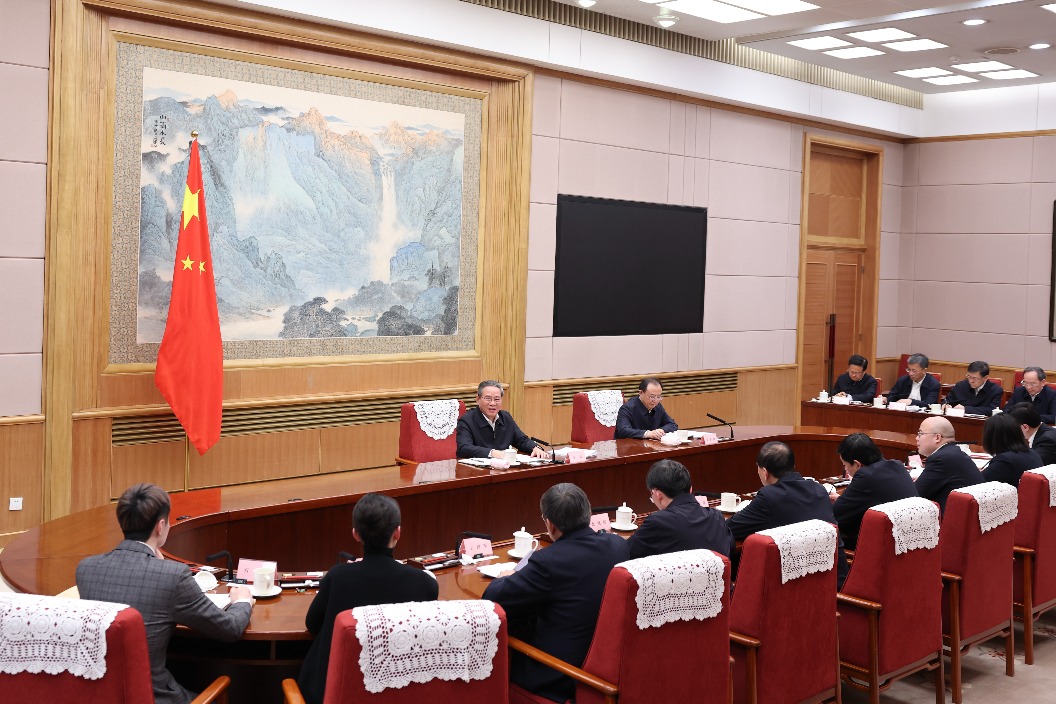
    Premier Li Qiang convened a high-level symposium in Beijing on January 19, 2026, to gather expert assessments on two critical policy documents: the draft government work report and the preliminary framework for China’s 15th Five-Year Plan for Economic and Social Development (2026-2030). The consultation forum brought together distinguished representatives from academic circles, business leadership, and various professional sectors including education, scientific research, cultural affairs, public health, and sports.

    In his address, Premier Li emphasized the necessity of thoroughly executing the Communist Party Central Committee’s directives for formulating the 15th Five-Year Plan while aligning with resolutions established during the Central Economic Work Conference. He articulated that confronting environmental uncertainties in development requires reinforcing certainty through high-quality economic advancement.

    The Premier outlined several strategic priorities, including the implementation of a more proactive fiscal approach coupled with appropriately accommodative monetary policies. He stressed the importance of broadening pathways toward quality-driven development through innovation-led growth mechanisms and deepened reform and opening-up initiatives. Additionally, Li highlighted the strategic significance of expanding domestic demand as fundamental to strengthening internal development momentum.

    A notable aspect of the proposed strategy involves the integration of welfare-oriented policies with consumption stimulation measures, alongside balancing investments in physical infrastructure with human capital development. This dual approach aims to cultivate new economic growth drivers while simultaneously enhancing public welfare outcomes.

    Concurrently, both draft documents have been circulated to regional administrations and national government departments nationwide to solicit comprehensive feedback, ensuring broad-based input in the finalization process.

  • Syria’s interim govt, Kurdish-led forces announce truce

    Syria’s interim govt, Kurdish-led forces announce truce

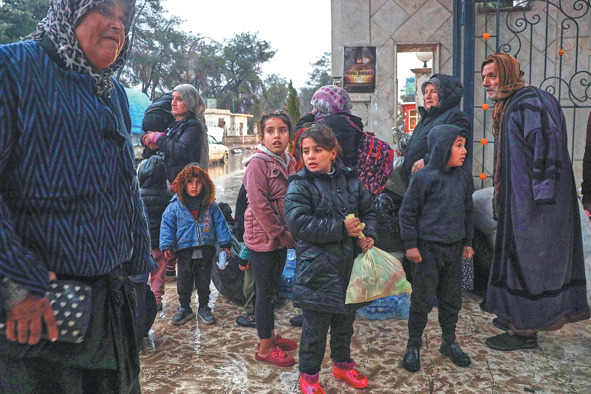
    In a landmark development aimed at de-escalating mounting tensions, Syria’s interim government and the Kurdish-led Syrian Democratic Forces (SDF) have declared a comprehensive ceasefire agreement. The breakthrough announcement came on Sunday from interim President Ahmed al-Sharaa following intensified clashes between government troops and Kurdish forces across northern and eastern regions.

    The accord emerges as a strategic response to recent deadly confrontations in Raqqa and broader fighting this month that threatened to spiral into wider civil conflict. SDF commander Mazloum Abdi explicitly cited conflict prevention as the primary motivation for accepting the agreement, emphasizing the need to avoid further bloodshed.

    This diplomatic arrangement encompasses far-reaching provisions beyond mere cessation of hostilities. The pact mandates the formal integration of Kurdish administration and military personnel into state structures—a contentious issue that had stalled in previous negotiations for months. Under the terms, Damascus will assume complete administrative and military jurisdiction over the strategically vital regions of Raqqa and Deir al-Zour, including control of all civil institutions and public facilities.

    The agreement provides substantial guarantees for SDF personnel, who will undergo security vetting before incorporation into official military and security forces with full ranks, salaries, and benefits. Notably, the interim government has pledged not to pursue legal action against SDF fighters or civil administration staff.

    Critical infrastructure elements feature prominently in the settlement, with Damascus taking control of all border crossings and oil/gas fields in northeastern Syria, including the strategically significant Al-Omar oilfield—the country’s largest. The arrangement also addresses the delicate matter of Islamic State detainees, specifying that prisons and camps holding these individuals will transition to state control.

    The implementation timeline and specific security arrangements will be the focus of upcoming talks in Damascus, where both parties will negotiate the practical details of this comprehensive settlement.

  • Online meetings spread governance to remote village residents far and wide

    Online meetings spread governance to remote village residents far and wide

    In the mountainous terrain of Sinan county, Guizhou province, a digital transformation is reshaping rural governance. Zhouzhai village has pioneered an innovative approach to civic engagement by conducting monthly village meetings via Douyin livestreams, effectively bridging the geographical divide for its dispersed population.

    Under the leadership of village official Zhang Cheng, these virtual gatherings have become a cornerstone of community participation. Migrant workers in Guangdong factories and students on distant university campuses now actively contribute to discussions affecting their hometown—from healthcare reimbursement policies to agricultural development strategies for the local sweet potato industry.

    During the December 27th session, Zhang addressed villagers in real-time, clarifying medical insurance procedures and reinforcing regulations against extravagant celebrations. The platform occasionally features healthcare professionals delivering medical advice, creating a comprehensive digital town hall experience.

    The initiative emerged from practical necessity. With many residents working outside the province and elderly villagers facing mobility challenges after dark, traditional meetings saw declining participation. Leveraging nearly universal smartphone ownership and existing social media familiarity, the village committee launched its first livestreamed meeting in April 2024.

    Results have been extraordinary: viewership surged from dozens to peaks exceeding 20,000, reaching 95% of village households. Through 19 monthly sessions held at 8 PM on the last Saturday of each month, the platform has generated over one million cumulative views and processed 65 community suggestions with complete resolution.

    The digital approach aligns with China’s broader rural revitalization strategy, which emphasizes both digital infrastructure and governance modernization in its 2024-2027 development plan. As researcher Li Huahong of the Guizhou Academy of Social Sciences notes, this technological integration helps narrow urban-rural disparities while ensuring farmers benefit from equitable development.

    Villagers express strong approval, with one university student commenting, ‘Watching the meeting live made me feel connected to home.’ Others praise the transparency and innovation, recognizing tangible benefits from the digitally-enabled governance model.

  • Jailed Ugandan opposition figure Besigye’s health is failing, his party says

    Jailed Ugandan opposition figure Besigye’s health is failing, his party says

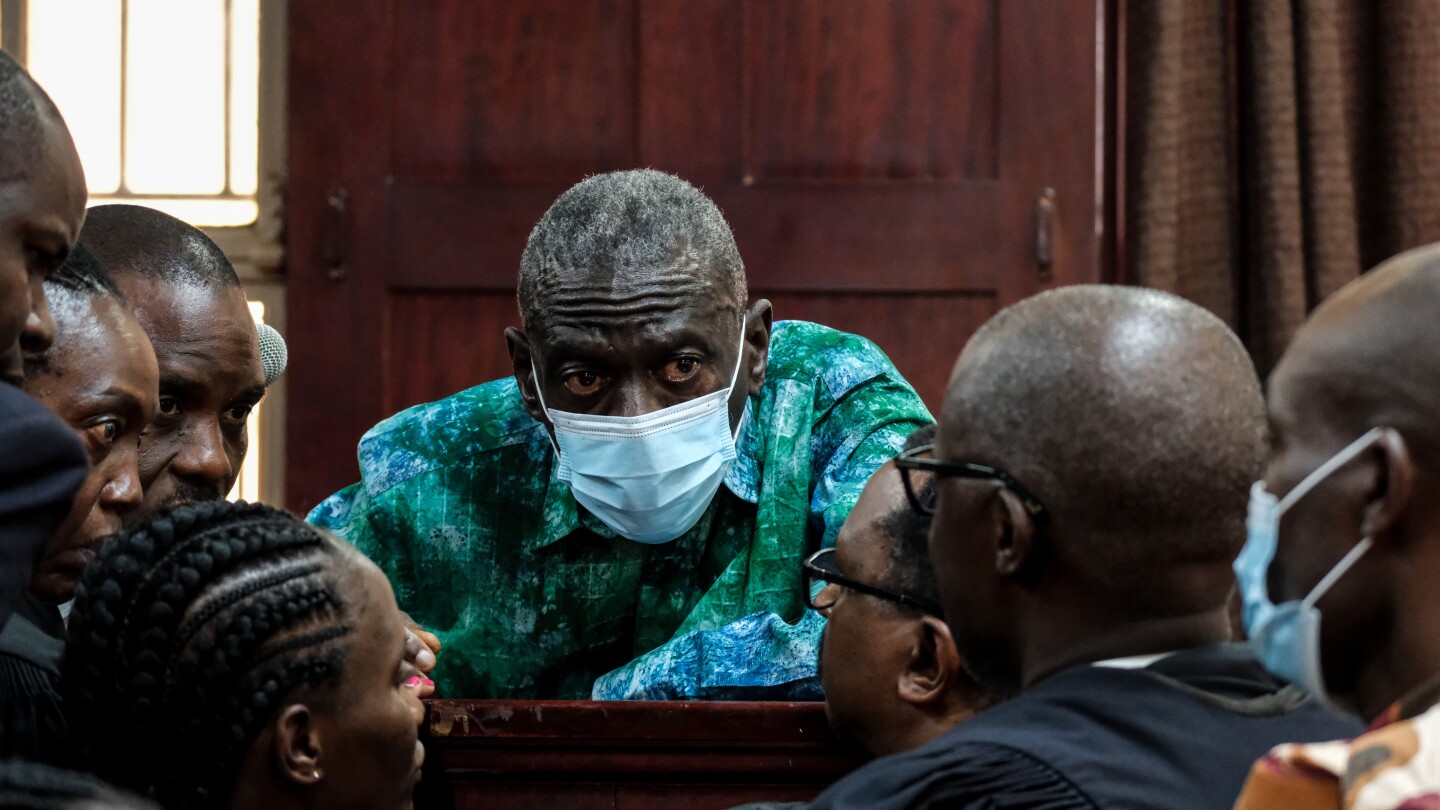
    KAMPALA, Uganda — Concerns over the deteriorating health condition of imprisoned Ugandan opposition leader Kizza Besigye have escalated after he was transported overnight to a medical facility in the capital. His political party, the People’s Front for Freedom, issued an urgent statement Tuesday warning that Besigye’s health “has reached a critical and deteriorating state” while demanding immediate access for his personal physicians and family members.

    The veteran politician, who previously served as Uganda’s primary opposition figure before the emergence of Bobi Wine, remains confined in a high-security Kampala prison awaiting trial on treason charges that his supporters claim are politically motivated. “It is a tragedy that a man who has dedicated his life to the health and freedom of others is being denied his own right to medical dignity,” the party’s statement asserted, holding “the regime and prison authorities fully accountable for his well-being.”

    Contradicting these assessments, Uganda’s prison system spokesman Frank Baine characterized the medical visit as routine, stating: “It was a general checkup. This morning he was doing his exercises.”

    This development occurs against the backdrop of Uganda’s contentious political landscape. President Yoweri Museveni, who has maintained power since 1986, recently secured re-election with 71.6% of the vote according to official results—figures immediately rejected by challenger Bobi Wine as fraudulent. The electoral process was marred by a multi-day internet blackout and malfunctioning biometric voting systems originally implemented to prevent electoral fraud.

    Besigye, a physician and retired military colonel who once served as Museveni’s personal doctor, has evolved into one of the president’s most persistent critics. His current detention since November 2024 stems from allegations of plotting government overthrow. Museveni’s son, army chief General Muhoozi Kainerugaba, has further accused Besigye of planning presidential assassination and previously suggested the opposition leader should face execution.

    The case highlights growing concerns about Uganda’s political future, with many anticipating an unstable transition as Museveni, now 81, has systematically removed constitutional obstacles to his prolonged rule while potential successors remain uncertain within the ruling National Resistance Movement party.

  • Indonesian doctors train in Gansu

    Indonesian doctors train in Gansu

    In a significant bilateral health initiative, nine Indonesian medical professionals are currently immersed in an intensive one-year specialization program in interventional cardiology at Lanzhou University First Hospital in China’s Gansu province. This advanced training partnership, established through formal agreements between Chinese and Indonesian health authorities, addresses critical shortages in specialized cardiovascular expertise within the Southeast Asian nation.

    The comprehensive curriculum combines theoretical instruction with extensive clinical immersion, requiring participants to assist or independently complete a minimum of 300 interventional procedures. According to hospital vice-president Bai Ming, trainees typically exceed this requirement by participating in 400-500 procedures throughout the program. The institution’s cardiothoracic catheterization laboratory provides an ideal training environment, performing approximately 23,000 procedures annually—including 6,000-7,000 coronary interventions—and treating about 1,000 acute myocardial infarction cases each year.

    Muhammad Insani Ilman, who joined the program in March, reported substantial gains in coronary angiography and angioplasty techniques. ‘We’re exposed to advanced medical technologies, such as ultrasound-based instruments, that remain scarce in Indonesia,’ he noted. ‘Our objective is to master these methodologies and implement them within our domestic healthcare system to benefit broader patient populations.’

    Fellow participant Juang Zebua cited China’s robust medical education infrastructure and extensive clinical resources as primary motivators for choosing Lanzhou. Beyond technical training, the program fosters deep cultural connections—Indonesian doctors receive Chinese names from hospital staff, participate in regular and night shifts, and engage fully in emergency cases. Head nurse Gu Zhicong emphasized: ‘We integrate them as full colleagues within our clinical team, managing both their professional development and daily living arrangements.’

    The exchange extends beyond hospital walls with cultural excursions to destinations including Dunhuang, enhancing people-to-people diplomacy between the two nations. This initiative represents part of Lanzhou University First Hospital’s broader effort to build international medical exchange platforms, particularly with Belt and Road Initiative participant countries. As Bai Ming concluded: ‘This collaboration mutually enhances clinical capabilities, educational quality, and research innovation in cardiovascular interventional care while simultaneously elevating our hospital’s global profile.’

  • High-tech tools keep track of rare milu deer

    High-tech tools keep track of rare milu deer

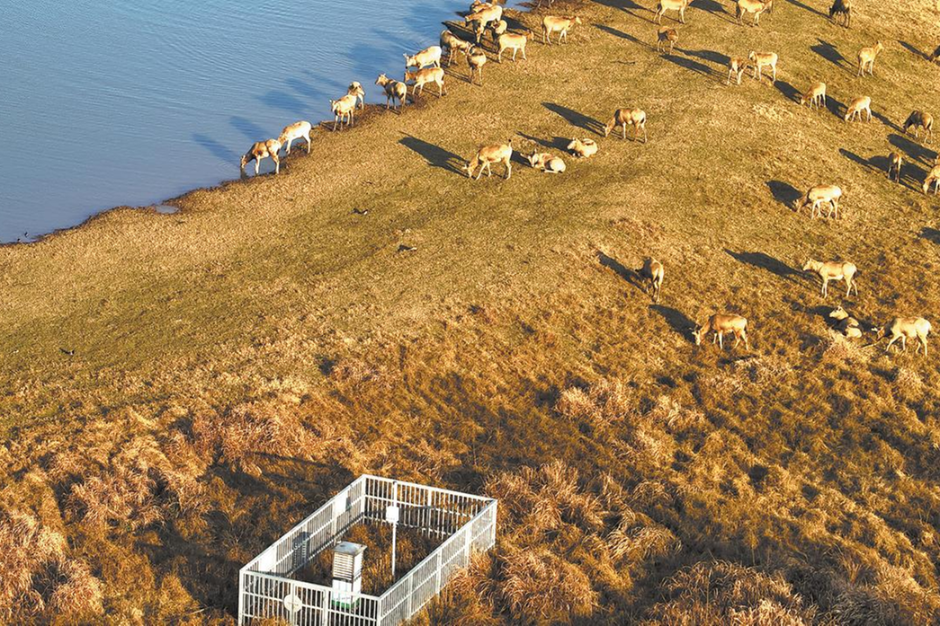
    A technological renaissance is sweeping through the Hubei Shishou Milu National Nature Reserve, transforming traditional conservation methods for the endangered Pere David’s deer. The 1,567-hectare sanctuary has deployed an advanced intelligent monitoring system that represents a paradigm shift in wildlife protection strategies.

    The reserve’s comprehensive digital infrastructure incorporates 450 high-definition cameras, 50 infrared imaging devices, and sophisticated environmental sensors, all interconnected through a 5G-powered artificial intelligence platform. This network has effectively replaced the labor-intensive manual patrols that once defined conservation work in the area.

    Ranger Wang Chuanjun, a 57-year-old veteran conservationist, exemplifies this transformation. His daily routine has evolved from enduring 10-hour treks through challenging terrain—navigating waist-high vegetation, mud pits, and insect swarms—to monitoring the reserve through an intelligent digital dashboard. Wang now begins his workday by analyzing camera feeds to track deer distribution, monitor newborn fawns, and identify any signs of illness among the population.

    The system’s impact has been quantitatively demonstrated since its March 2024 implementation, generating over 3,000 early warnings covering equipment malfunctions, potential fire hazards, and unauthorized human incursions. Environmental parameters including soil moisture, water quality, and meteorological conditions are continuously monitored to ensure optimal habitat conditions.

    While physical patrols continue, they are now strategically guided by data-driven alerts, allowing rangers to respond precisely to identified issues rather than conducting exhaustive searches. “This technological integration has dramatically enhanced our operational efficiency, effectiveness, and overall working conditions,” Wang affirmed, highlighting the practical benefits of the digital conservation approach.