作者: admin

  • Remilitarization threatens region

    Remilitarization threatens region

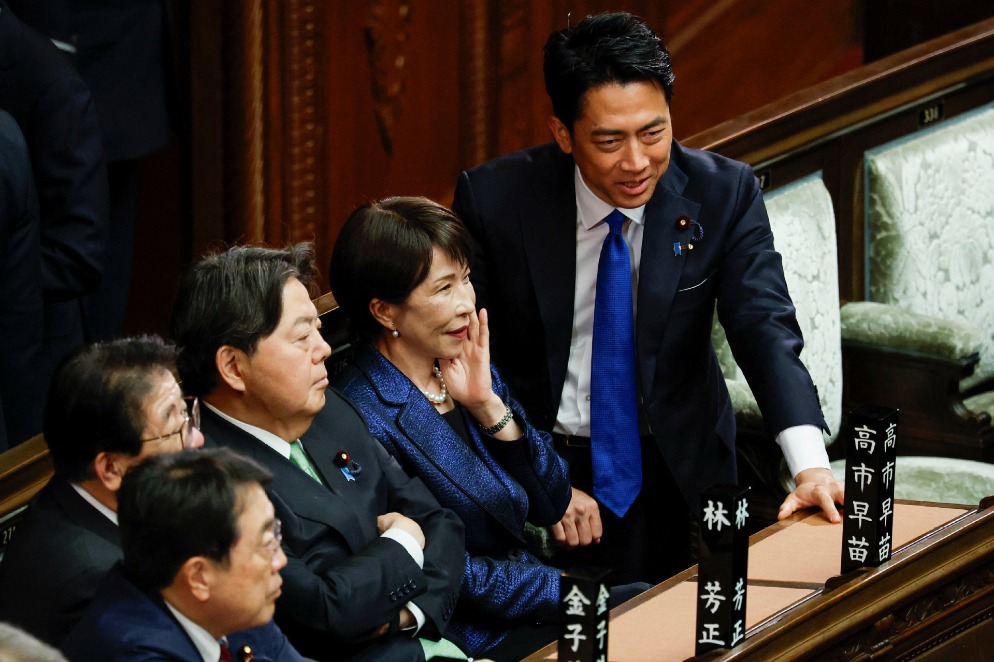
    Japan is undergoing a profound transformation of its national security posture that experts warn represents a fundamental departure from its postwar pacifist principles. The administration of Prime Minister Sanae Takaichi has accelerated military expansion through multiple policy shifts, including revising arms export guidelines, deploying long-range missile systems, and pursuing constitutional amendments.

    According to defense analysts, Japan’s recent acquisition of U.S.-manufactured Tomahawk cruise missiles with a 1,600-kilometer strike capability signals a strategic pivot toward offensive military operations. This development coincides with the nation’s 14th consecutive annual defense budget increase, which has grown by over 60% in the past five years alone.

    International security researchers from the Stockholm International Peace Research Institute document a 76% surge in Japanese arms imports between 2021-2025 compared to the previous five-year period, elevating Japan from the world’s 11th to 6th largest weapons importer.

    Professor Zhang Yulai of Nankai University’s Japan Institute asserts that these collective actions have effectively undermined Article 9 of Japan’s constitution, which formally renounces war and mandates exclusively defense-oriented policies. He warns that Tokyo’s current trajectory risks triggering regional arms races and compromising global stability.

    Meanwhile, economic experts highlight the unsustainable financial burden of military expansion. With government debt exceeding 200% of GDP for more than a decade and social security costs consuming over 30% of the national budget, massive defense spending increases threaten to destabilize Japan’s already fragile fiscal situation. Demographic challenges including a rapidly aging population and record-low birth rates further complicate long-term economic planning.

    Domestic opposition has emerged through public demonstrations, including a recent gathering of approximately 10,000 protesters in Tokyo who expressed concerns about missile deployments and relaxed arms export regulations. Many citizens fear that remilitarization could reverse decades of peaceful development and potentially repeat historical mistakes with devastating consequences.

  • Trump’s pick to lead Department of Homeland Security faces questions at Senate hearing

    Trump’s pick to lead Department of Homeland Security faces questions at Senate hearing

    Senator Markwayne Mullin (R-OK), recently nominated by former President Donald Trump to lead the Department of Homeland Security, is set to appear before the Senate Homeland Security and Governmental Affairs Committee on Wednesday. The hearing marks a critical step in the confirmation process for the potential successor to ousted Secretary Kristi Noem.

    Noem was dismissed earlier this month following mounting criticism over her management of immigration operations in Minnesota. Trump subsequently announced Mullin’s nomination on March 5th, praising the senator’s alignment with his immigration enforcement policies.

    The Oklahoma lawmaker, who previously served a decade in the House of Representatives before winning a Senate seat through a special election, brings a distinctive background to the nomination. A former mixed martial arts fighter known for his confrontational style, Mullin has consistently supported Trump’s immigration agenda, particularly the detention of undocumented immigrants.

    If the committee advances his nomination, the full Senate will conduct a confirmation vote requiring a simple majority in the narrowly divided chamber. Mullin would assume leadership of DHS during a period of significant operational challenges, including funding shortages that have caused airport security staff deficiencies and resulting passenger delays.

    The Department of Homeland Security, established following the 9/11 attacks, encompasses multiple critical agencies including Customs and Border Protection, Immigration and Customs Enforcement, the Transportation Security Administration, and the Secret Service.

    The agency has faced intensified scrutiny in recent months after federal immigration officials fatally shot two U.S. citizens, Renee Good and Alex Pretti, during Minnesota protests. Both Noem and CBP chief Greg Bovino, who announced his retirement Monday, characterized the deceased as domestic terrorists immediately following the incident.

    Following Noem’s dismissal, Trump reassigned her to the newly created position of Special Envoy for The Shield of the Americas, described as a new security initiative for the Western Hemisphere.

  • Emergency room for injured wild birds opens at Warsaw Zoo in Poland

    Emergency room for injured wild birds opens at Warsaw Zoo in Poland

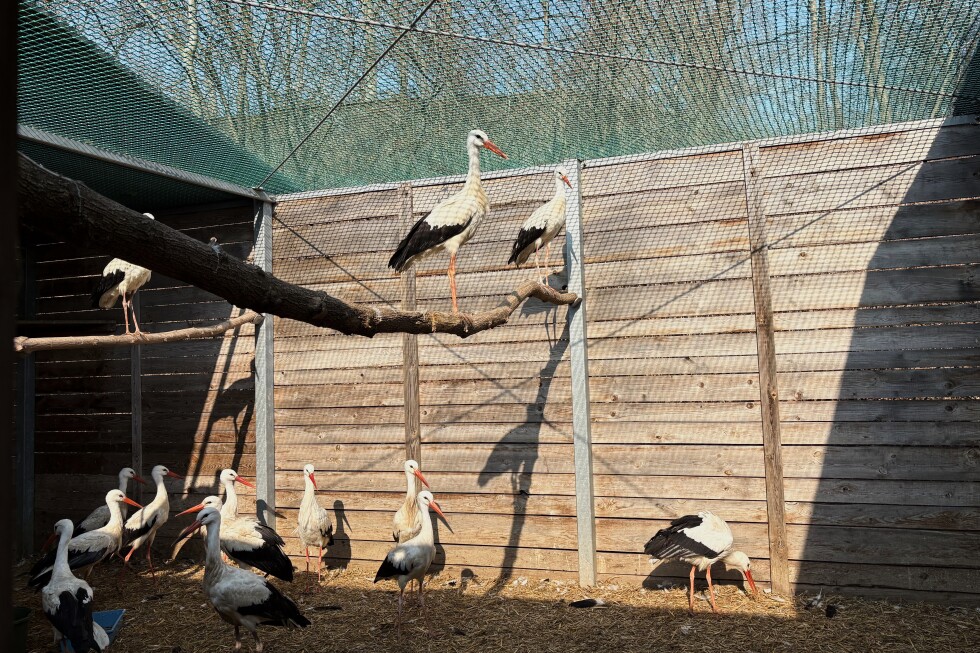
    WARSAW, Poland — A revolutionary emergency care system for wild birds has taken flight in Poland’s capital, transforming avian rescue operations. The innovative facility, operational since February, features automated metal containers functioning as a round-the-clock drop-off center for injured and sick birds at the entrance of the Warsaw Zoo.

    The concept materialized when Marcin Jarzębski discovered a male bullfinch with a suspected broken wing after it collided with his apartment window. Following overnight care, Jarzębski transported the distinctive black-headed, gray-backed bird with reddish chest feathers in a shoebox to become one of the pioneering patients at this novel facility.

    Designed collaboratively by zoo ornithologists and veterinary staff, the container system operates similarly to automated parcel rooms while maintaining optimal thermal conditions for avian patients. Each deposited bird triggers an immediate alert to the adjacent bird hospital, enabling veterinarians to promptly collect and initiate treatment.

    Zoo Director Andrzej Kruszewicz, an accomplished ornithologist who conceptualized the project, emphasizes humanity’s responsibility toward creatures affected by urban development. “This bullfinch represents forest wildlife disoriented by human structures during migration,” Kruszewicz noted. “Automobile collisions, window impacts, electrocutions, and entanglement hazards are predominantly human-caused tragedies that warrant our intervention.”

    The hospital, operational since 1998 and currently treating approximately 9,000 patients annually, has significantly enhanced its efficiency through this innovation. Common admissions include tits, sparrows, thrushes, starlings, and pigeons, though Warsaw’s verdant urban landscape with the Vistula River running through it occasionally brings rarer species.

    Hospital Manager Andżelika Gackowska identifies climate change impacts as an emerging challenge, noting that previously migratory species like cranes and herons now overwinter in Poland due to warmer temperatures. “Birds that abandoned migration patterns due to mild winters were unprepared for this year’s severe conditions,” Gackowska explained. “Many developed anemia from nutritional deficiencies during cold months, increasing disease susceptibility.

    Financed partially through Warsaw’s participatory budgeting program, which allocates funds based on citizen voting preferences, the facility reflects growing public awareness about wildlife conservation. Zoo officials simultaneously caution against excessive intervention, particularly during spring when well-intentioned citizens might mistake fledgling birds for orphans.

    “We annually campaign against avian ‘kidnapping’,” Gackowska clarified. “Avian parenting differs significantly from human care—a lone chick on grass is typically learning flight skills, not abandoned.”

    Inside the hospital, veterinary assistants continuously administer food and medication across species-segregated rooms. Recovering birds graduate to outdoor enclosures for environmental reacclimatization before ultimate release—a moment veterinarian Ewelina Chudziak describes as “fighting for freedom,” embodying the institution’s fundamental mission.

  • Robots help to protect forests

    Robots help to protect forests

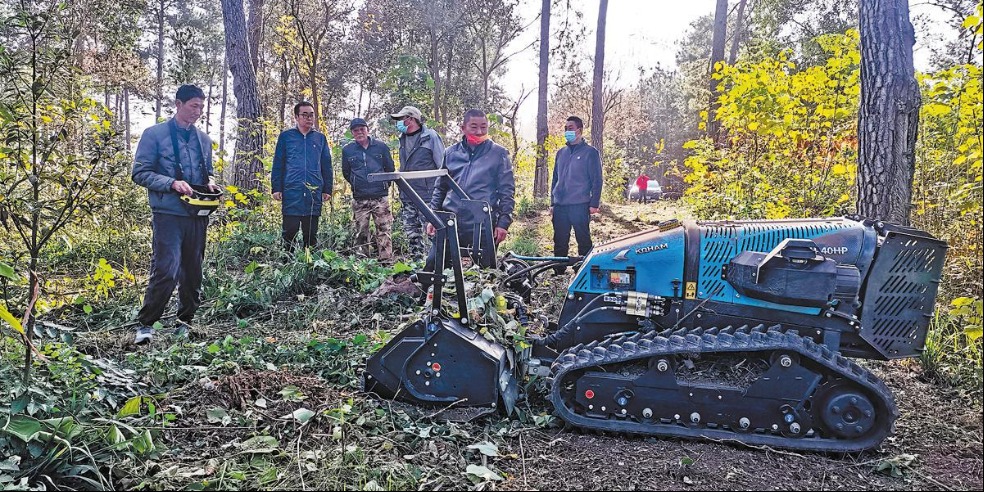
    Hubei province has entered a new era of ecological conservation through the strategic implementation of autonomous robotics in forestry management. The province’s pioneering remote control robot, specifically engineered for forest fire prevention, represents a significant technological advancement in combating wildfires.

    Operational in Jingshan city since November, this crawler-type machine demonstrates exceptional capabilities in navigating challenging terrains with slopes up to 60 degrees. Its engineering specifications include a 150-meter wireless control radius and high-strength steel cutting apparatus capable of processing trees measuring 15-20 centimeters in diameter. The equipment excels in creating critical firebreaks, clearing emergency access routes, and removing hazardous burning vegetation with unprecedented efficiency.

    Chen Yong, Fire Prevention Division Director at Hubei Taizi Mountain Forestry Management Bureau, emphasized the transformative impact: ‘This innovation triples operational efficiency while fundamentally enhancing worker safety through remote operation capabilities. The machine operates continuously for eight hours, eliminating direct human exposure to dangerous fire conditions.’

    The technology addresses historical challenges in the Taizi Mountain region, where complex topography and extensive forest coverage previously hampered emergency response efforts. Traditional manual methods, which required personnel to dig firebreaks with basic tools near active flames, have been replaced by robotic solutions that significantly reduce response times and life-threatening risks.

    Beyond immediate fire prevention applications, the robots support year-round forestry management including land reclamation, undergrowth clearance, and forest maintenance operations. Hubei authorities are implementing comprehensive training programs in collaboration with manufacturers to ensure optimal utilization of the technology.

    This robotic deployment forms part of Hubei’s broader digital ecosystem upgrade, which includes 128 strategically placed drone hangars in the Wuhan Donghu High-Tech Development Zone achieving complete aerial coverage. The integrated system combines satellite remote sensing, ground video surveillance, and AI-powered monitoring platforms with approximately 85% identification accuracy, all supported by human verification protocols according to Tao Huan, Drone Project Director at the zone’s urban operation management center.

  • Kabul says 400 killed; Islamabad rejects claim

    Kabul says 400 killed; Islamabad rejects claim

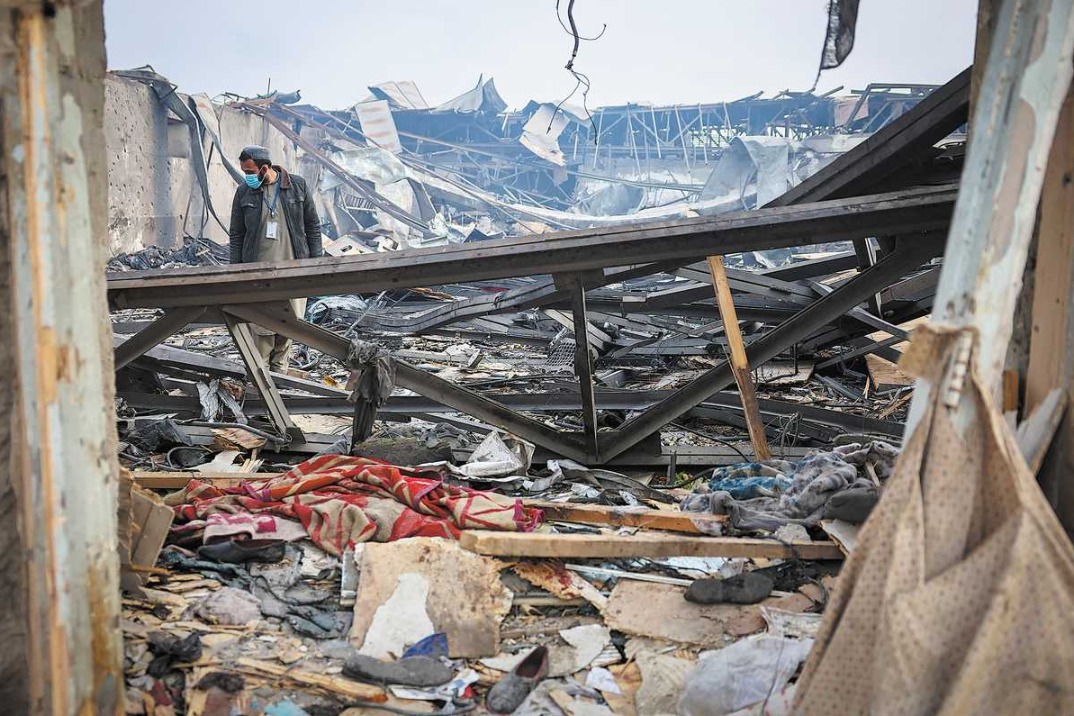
    A devastating airstrike targeted the Omid Addiction Treatment Hospital in Kabul late Monday night, resulting in what Afghan officials describe as catastrophic casualties. According to Hamdullah Fitrat, deputy spokesman for the Afghan government, the attack killed approximately 400 people and injured 250 others, with numbers potentially rising as rescue operations continue.

    The facility, a 2,000-bed rehabilitation center established in 2016, was largely destroyed in the assault that triggered a massive fire. Emergency teams are working to control the blaze and recover victims from the rubble. The hospital was known for providing comprehensive drug addiction treatment and vocational training programs including tailoring and carpentry to help patients reintegrate into society.

    Pakistan’s government has categorically denied targeting the medical facility, asserting through its Ministry of Information and Broadcasting that its security forces conducted precision strikes against military installations and terrorist support infrastructure in Kabul and Nangarhar. The ministry claimed the operations were carefully executed to avoid collateral damage and accused Afghanistan of misrepresenting facts to conceal “illegitimate support to cross-border terrorism.”

    The incident has drawn international concern, with Richard Bennett, UN Special Rapporteur on human rights in Afghanistan, expressing dismay at the reported civilian casualties. He urged all parties to de-escalate tensions, exercise restraint, and respect international law protecting civilians and medical facilities.

    This deadly event marks a significant escalation in ongoing border tensions between the neighboring nations that have intensified since clashes erupted along their shared frontier late last month. Both sides have reported numerous casualties in recent weeks.

    China has called for calm, with Foreign Ministry spokesman Lin Jian encouraging both nations to engage in direct talks and work toward an immediate ceasefire during a press briefing on Tuesday.

  • China and Vietnam hold joint free clinics on border

    China and Vietnam hold joint free clinics on border

    In a significant demonstration of cross-border cooperation, Chinese and Vietnamese military forces conducted simultaneous free medical clinics along their shared frontier on Tuesday. The event, part of the 10th China-Vietnam Border Defense Friendship Exchange, provided healthcare services to over 1,700 local residents from both nations.

    The medical initiative unfolded concurrently in Dongxing city within China’s Guangxi Zhuang Autonomous Region and Hoanh Mo commune in Vietnam’s Quang Ninh province. For approximately four hours, military physicians from both countries worked side-by-side at 16 medical stations established at a square outside Dongxing’s gymnasium facility.

    The comprehensive medical services encompassed more than ten specialized departments including cardiology, rehabilitation therapy, traditional Chinese medicine, and ultrasound examinations. A contingent of 80 military medical professionals from both nations participated in the humanitarian effort, delivering care across 1,707 patient consultations.

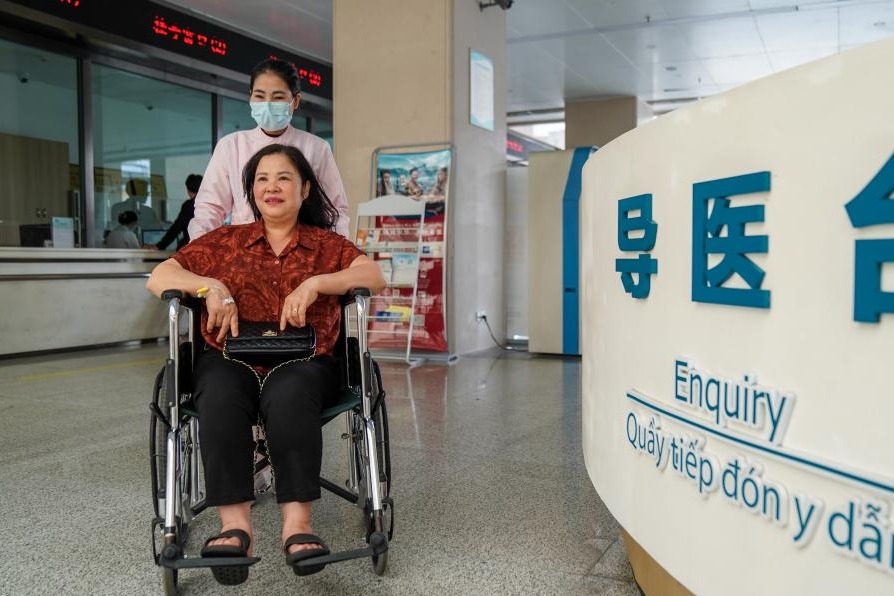
    Among the beneficiaries was Vu Thi Chin, a 53-year-old Vietnamese merchant who frequently traverses between Dongxing and Vietnam’s Mong Cai for border commerce. Following gallbladder surgery, she sought cardiac health guidance and dietary recommendations from Chinese military doctors. Vu expressed profound appreciation for the medical assistance, noting the physicians demonstrated exceptional skill and patience in addressing her health concerns.

    Chinese rehabilitation specialist Wang Li described his participation as an honor, emphasizing that supporting border communities aligned with military service principles. The collaboration additionally provided a platform for medical professionals from both militaries to exchange clinical insights and treatment methodologies for prevalent health conditions.

    This medical diplomacy initiative precedes scheduled joint naval operations in the Beibu Gulf, marking the 40th such coordinated patrol between Chinese and Vietnamese forces. Vietnamese frigates Tran Hung Dao and Ly Thai To have docked in Guangxi’s Fangchenggang city to join Chinese vessels CNS Hengyang and Enshi for these maneuvers.

    The upcoming naval exercises will incorporate formation maneuvering, joint escort operations, anti-piracy simulations, and search-and-rescue missions. This year holds particular significance as it commemorates the 20th anniversary of Sino-Vietnamese joint naval patrols in the Beibu Gulf—a mechanism that has evolved into a crucial platform for military diplomacy between the neighboring nations.

    According to statements from China’s People’s Liberation Army South China Sea Fleet, these cooperative efforts substantially contribute to enhancing mutual trust, deepening bilateral cooperation, and collectively maintaining regional peace and security stability.

  • Allies cautious following US call for naval backup

    Allies cautious following US call for naval backup

    In a significant display of diplomatic resistance, multiple key U.S. allies have declined Washington’s urgent call for naval support in the Strait of Hormuz, creating tensions within international security partnerships. The rejection comes amid escalating Middle Eastern tensions and highlights growing divisions over military engagement with Iran.

    President Donald Trump voiced conspicuous frustration during a Monday press briefing, explicitly criticizing nations that have benefited from American protection but demonstrated reluctance to participate in the proposed multinational security coalition. “Some are very enthusiastic about it, and some aren’t,” Trump stated, emphasizing that enthusiasm levels from protected allies would influence his future considerations.

    The strategic waterway between Iran and Oman represents a critical global energy artery, facilitating approximately 20% of worldwide oil and liquefied natural gas shipments. Recent disruptions have triggered concerns about energy security and market stability, prompting the U.S. to formally request naval assistance from seven energy-dependent nations including China, France, Japan, and the United Kingdom.

    International responses have revealed a pattern of cautious hesitation. Australia’s Transport Minister Catherine King confirmed no intentions to deploy vessels, while Japan’s Prime Minister Sanae Takaichi emphasized careful evaluation within legal frameworks. European powers demonstrated even stronger resistance, with German Defense Minister Boris Pistorius declaring “This is not our war” and Italian Foreign Minister Antonio Tajani advocating for diplomatic solutions over military escalation.

    The United Kingdom has adopted a deliberative stance, with Energy Secretary Ed Miliband confirming consideration of “any options” while prioritizing multilateral coordination. Meanwhile, The Washington Post reported concerning casualty figures, with over 200 U.S. personnel wounded across seven Middle Eastern countries during recent military operations, underscoring the human cost of regional engagements.

  • Bookstore fosters love for Tibetan language among kids

    Bookstore fosters love for Tibetan language among kids

    In the heart of Lhasa, Tibet Autonomous Region, an extraordinary cultural initiative is transforming early childhood education through the power of storytelling. Nornor Children’s Bookstore, established by visionary educator Tashi Tsering, has emerged as a vital hub for preserving Tibetan linguistic heritage among the region’s youngest generation.

    What began as an online storytelling platform in 2017 has evolved into a comprehensive cultural center specializing in Tibetan-language picture books and interactive reading programs. The bookstore’s innovative approach combines trilingual education—integrating Tibetan, Mandarin, and English—with creative handicraft activities that stimulate cognitive development and cultural engagement.

    The institution serves multiple functions: as a bookstore offering over 50 original Tibetan-language publications, a daycare facility for children aged 1-3, and a weekend cultural center that attracts families across Lhasa. For approximately 69 yuan ($10) per two-hour session, children participate in professionally guided reading programs that have demonstrated measurable impacts on confidence and language acquisition.

    Despite operating at a financial loss for eight years, the project has expanded beyond Lhasa through library partnerships in neighboring counties. The team has produced more than 200 free audiobooks and collaborates with translators and authors from Tibetan communities across Qinghai and other regions. Their publications have gained recognition in educational institutions as far as Beijing and Shanghai.

    The bookstore faces contemporary challenges, including some younger Tibetan parents’ decreasing familiarity with written Tibetan. Yet its cultural impact remains profound, with former participants reporting sustained academic advantages and stronger cultural connections. Future initiatives include developing interactive point-reading audiobooks, Tibetan alphabet blocks, and expanded cultural programming for traditional festivals like Losar (Tibetan New Year).

    Supported by Tashi Tsering’s wife Tsomo through her café business and online outreach, this grassroots movement represents a significant investment in cultural preservation—proving that stories can bridge generations while nurturing both language skills and cultural identity.

  • Designer passes down culture with leather masterpieces

    Designer passes down culture with leather masterpieces

    Lin Chun-i, a Taiwanese leather artisan with over two decades of mainland experience, has pioneered a unique fusion of traditional intangible cultural heritage techniques with contemporary leather craftsmanship. Establishing his workshop in Guangzhou’s Liwanhu Park in 1993, Lin recognized the city’s exceptional advantages for creative enterprises, citing its comprehensive supply networks and diverse market opportunities.

    Driven by his textile trade family background and artistic training in Taiwan, Lin embarked on extensive journeys across Guizhou, Hunan, and Guangxi to study endangered craft techniques. His collection now incorporates Dong and Tujia brocades alongside Taroko weaving and Bunun embroidery from Taiwan, transforming these cultural expressions into premium leather bags, apparel, and accessories.

    Lin’s approach transcends technical mastery, focusing on cultural integration and preservation. “Ethnic embroidery patterns function as cultural repositories,” he explained, “particularly for communities without written traditions.” His dedication was demonstrated when he mastered the complex Tujia brocade weaving technique in merely four days, astonishing local craftsmen who anticipated a month-long learning process.

    Beyond preservation, Lin has created sustainable economic opportunities, providing employment for hundreds of female embroiderers in Gansu province. His manufacturing philosophy prioritizes handmade craftsmanship over machine efficiency, with over 50% of production completed manually. “True cultural inheritance means enabling artisans to transform skills into livelihoods, not replacing them with machines,” Lin emphasized.

    His contributions were formally recognized in September 2025 when Huaihua city government honored him as an “intangible cultural heritage promotion ambassador.” Additionally, Lin serves as visiting professor at seven universities and operates the symbolically named 1576 Traditional Arts Center, representing the combined coastline measurements of Taiwan and associated islands. The center hosted nearly 40 student groups from Taiwan last year, offering hands-on dyeing and embroidery experiences to foster cultural connection among youth.

    Lin remains committed to his dual role as entrepreneur and cultural custodian, asserting: “It is my responsibility to ensure these heritage techniques reach future generations.”

  • Flailing support casts doubt on Iran campaign legitimacy

    Flailing support casts doubt on Iran campaign legitimacy

    The United States and Israel’s military campaign against Iran is confronting a severe crisis of legitimacy as key Western allies publicly refuse to participate in Middle Eastern operations, according to geopolitical analysts. The strategic rift emerged when European powers including Spain, Germany, Portugal and the European Union collectively rejected Washington’s request for a joint military mission to reopen the Strait of Hormuz—a critical waterway Iran has closed to “enemies and those supporting their aggression.”

    This unprecedented refusal creates both logistical challenges and diplomatic isolation for American operations. Arsenio Dominguez of the UN’s International Maritime Organization cautioned that even military escorts cannot guarantee safe passage through the volatile strait, which facilitates approximately 20% of global energy shipments.

    Abdolreza Alami, director of the Asia West East Centre in Kuala Lumpur, noted that traditional allies now characterize the conflict as “a war of choice rather than collective defense.” This positioning has left Washington bearing sole responsibility for securing vital maritime routes while facing asymmetrical pressures without shared financial or military burden.

    Iranian President Masoud Pezeshkian reinforced Tehran’s defensive stance in communications with French President Emmanuel Macron, asserting that “defending against invasion is a natural right” and demanding cessation of regional base usage against Iran. The president called for international condemnation of what he termed “Zionist-American invasion” while vowing Iran “will not surrender to bullies.”

    Analysts suggest the Western consensus fracture provides Tehran strategic advantage, enabling framing of retaliatory actions as legitimate self-defense against unilateral aggression. Iran’s apparent objective extends beyond inflicting economic damage to persuading allies to pressure Washington toward de-escalation.

    Meanwhile, regional violence escalated dramatically as Israel confirmed eliminating two senior Iranian security officials—Supreme National Security Council Secretary Ali Larijani and Basij volunteer force commander Gholamreza Soleimani—in overnight strikes. If verified, Larijani’s assassination would represent the highest-profile target since Supreme Leader Ali Khamenei’s recent slaying.

    Simultaneously, Baghdad’s fortified Green Zone endured attacks targeting the US embassy and diplomatic residences, while ceasefire negotiations between US representatives and Hamas in Cairo were overshadowed by regional hostilities. Hamas warned it may withdraw from Gaza ceasefire agreements if Israel maintains security restrictions imposed during the Iran conflict.