作者: admin

  • Indonesian handprints are the oldest cave art found yet

    Indonesian handprints are the oldest cave art found yet

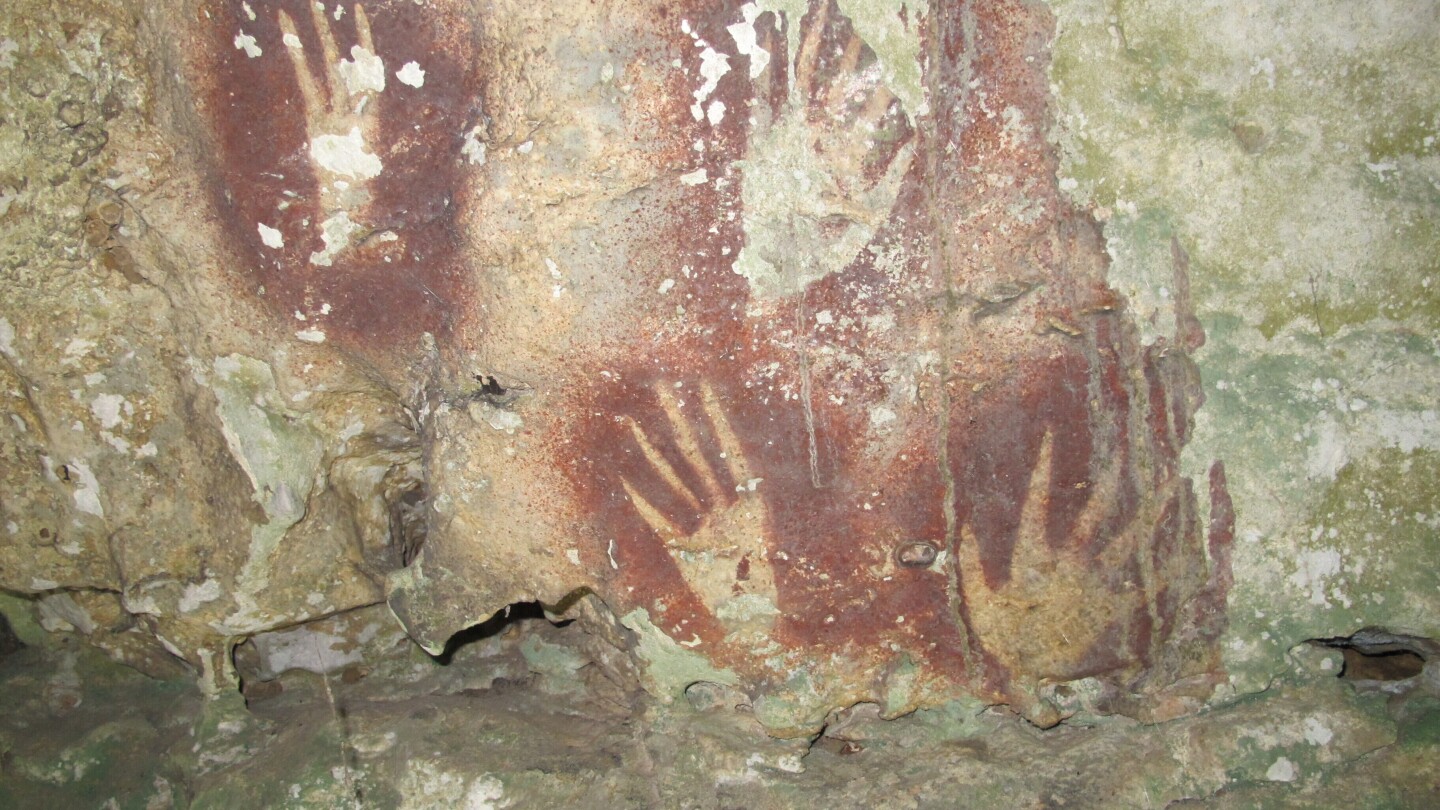
    A groundbreaking archaeological discovery in the caves of Sulawesi, Indonesia, has unveiled what researchers now identify as the world’s oldest known cave art. Meticulous analysis by a joint Indonesian-Australian research team has determined that distinctive hand stencils adorning the cave walls date back an astonishing 67,800 years, predating all previously studied rock art.

    The tan-colored artifacts were created through an sophisticated technique whereby prehistoric artists blew pigment over hands pressed against the cave surface, leaving behind precise negative outlines. Intriguingly, some stencils feature intentionally modified fingertips crafted to appear more pointed, suggesting symbolic or artistic intention beyond mere representation.

    This extraordinary find, detailed in Wednesday’s edition of Nature, positions Sulawesi as a cradle of ancient artistic culture. To establish the precise chronology, researchers employed advanced dating methods on mineral crusts that had formed over the artwork through millennia.

    Study author Maxime Aubert of Griffith University emphasized the significance of these stencils as evidence of a complex artistic tradition that potentially represented shared cultural practices among early human populations. While simpler markings on bones and stones exist from earlier periods, these Sulawesi creations represent the earliest emergence of figurative cave art.

    The discovery fuels ongoing scientific debate regarding which human species created these artworks. Potential creators include Denisovans—an ancient human group inhabiting the region—or early Homo sapiens migrants from Africa. The distinctive anatomical details preserved in the stencils strongly suggest human authorship.

    Separate figurative drawings found in the same cave system, depicting human forms, birds, and equine animals, were determined to be significantly younger at approximately 4,000 years old, indicating a long-standing artistic tradition.

    Researchers believe additional, potentially older artworks may await discovery throughout Indonesia’s island network. This finding not only pushes back the timeline of human artistic expression but opens new avenues for understanding how creative traditions spread across ancient human populations.

    As Aubert stated: ‘This discovery represents not an endpoint, but an invitation to continue our exploration of humanity’s artistic origins.’

  • Oldest cave painting of red claw hand could rewrite human creativity timeline

    Oldest cave painting of red claw hand could rewrite human creativity timeline

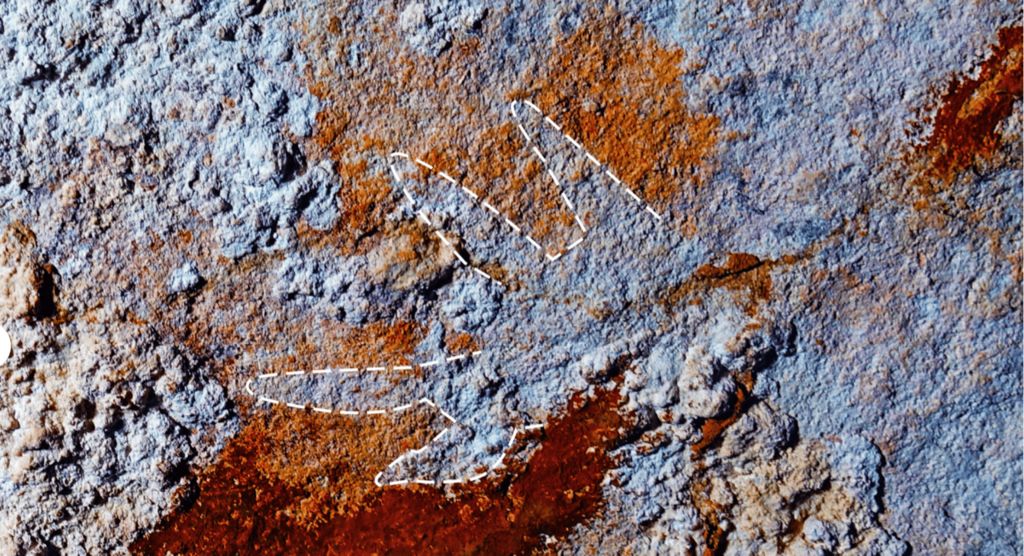
    A groundbreaking archaeological discovery on the Indonesian island of Sulawesi has revealed what scientists now identify as the world’s oldest known cave painting—a 67,800-year-old hand stencil that challenges long-held theories about human cognitive evolution. The remarkable find, documented in the journal Nature, predates the previous record-holder from Spain by approximately 1,100 years and fundamentally reshapes our understanding of when Homo sapiens developed symbolic imagination.

    The ancient artwork, located in Liang Metanduno cave on Muna Island, features a sophisticated red pigment outline of a hand that was intentionally modified to create a claw-like appearance. This deliberate artistic transformation represents an early leap in abstract thinking—the kind of cognitive processing that underpins language, religion, and scientific reasoning. Unlike simple impressions, this artwork demonstrates purposeful creative expression that researchers describe as ‘a very human thing to do.’

    Professor Adam Brumm of Australia’s Griffiths University, who co-led the research, emphasizes that this discovery dismantles the Eurocentric notion of a ‘creative explosion’ occurring exclusively in Ice Age Europe. ‘We’re seeing traits of modern human behavior, including narrative art in Indonesia, which makes that argument very hard to sustain,’ Brumm stated. The evidence now suggests that creativity was innate to our species from its African origins rather than suddenly emerging in European populations.

    The dating methodology employed uranium-series analysis of mineral crusts covering the artwork, providing a minimum age of 67,800 years. This technological advancement has consistently pushed back the timeline of sophisticated image-making in Sulawesi, where previous discoveries included 40,000-year-old hand stencils, a 44,000-year-old hunting scene, and a 51,200-year-old narrative painting.

    Crucially, the discovery’s location on the northern sea route between mainland Asia and the ancient Australia-New Guinea landmass (Sahul) has significant implications for human migration patterns. The confirmed presence of symbolically-capable humans in Sulawesi over 67,000 years ago lends credibility to controversial evidence suggesting human occupation in northern Australia by approximately 65,000 years ago—potentially resetting the timeline of Aboriginal Australian ancestry by 15,000 years.

    Indonesian researcher Adhi Agus Oktaviana of the national research and innovation agency (BRIN) notes that the artists were likely part of a broader population that eventually spread throughout the region and reached Australia. The finding supports an emerging consensus that symbolic behavior was established in Africa long before Homo sapiens migrated globally, with creative expression manifesting independently across multiple regions over tens of thousands of years.

  • Dozens of body parts are found after Pakistan’s shopping plaza fire

    Dozens of body parts are found after Pakistan’s shopping plaza fire

    KARACHI, Pakistan — The death toll from Saturday’s catastrophic shopping plaza fire is anticipated to increase significantly after rescue teams made a grim discovery Wednesday, uncovering human remains believed to belong to numerous victims who had sought refuge in a single shop during the blaze.

    For the first time since the fire erupted at Gul Plaza in Pakistan’s largest metropolitan area, search crews managed to access a retail establishment where multiple individuals had attempted to shelter from the inferno. The recovery operation revealed more than two dozen body parts, suggesting the final casualty count could substantially exceed initial estimates.

    Prior to this development, authorities had confirmed 29 fatalities from the incident, according to police surgeon Dr. Summaiya Syed. The city’s primary medical facility received the newly discovered remains on the fifth consecutive day of search efforts.

    Government administrator Javed Nabi Khoso provided preliminary assessments indicating the recovered remains might represent between 15 to 25 individuals. “This marks the first instance where such an extensive collection of remains has been located in a single area since the fire commenced,” Khoso stated.

    Senior rescue official Abid Jamal Sheikh corroborated these estimates, noting the remains could belong to more than a dozen people while emphasizing that official verification procedures remain ongoing.

    The investigation into the fire’s origin continues, with preliminary police reports suggesting an electrical short circuit may have ignited the blaze.

    Amid the ongoing recovery operations, dozens of mourners gathered Wednesday for the first funeral services, honoring shop owner Shahroz Iqbal who perished in the tragedy.

    This incident highlights Karachi’s persistent challenges with fire safety, characterized by inadequate safety protocols, lax enforcement measures, and unauthorized construction practices. The city witnessed a similar mall fire in November 2023 that resulted in 10 fatalities and 22 injuries. Pakistan’s deadliest industrial catastrophe occurred in 2012 when a garment factory fire claimed at least 260 lives.

  • Centuries of love letters go on display at the National Archives in London

    Centuries of love letters go on display at the National Archives in London

    LONDON — As Valentine’s Day approaches, Britain’s National Archives unveils a remarkable exhibition titled “Love Letters,” showcasing five centuries of heartfelt correspondence that transcends conventional romantic notions. The collection presents an extraordinary tapestry of human emotion through meticulously preserved documents ranging from royal missives to ordinary citizens’ expressions of affection.

    Curator Victoria Iglikowski-Broad describes the exhibition as revealing “legendary romances from British history” alongside voices from everyday life. “We’re trying to open up the potential of what a love letter can be,” she explained, noting that expressions of love emerge from unexpected sources and diverse formats. The collection spans medieval songs of heartbreak, twentieth-century classified ads seeking same-sex romance, and wartime correspondence between soldiers and their sweethearts.

    Among the most poignant exhibits is Robert Dudley’s final letter to Queen Elizabeth I, written days before his death in 1588. The document, found at the queen’s bedside upon her death fifteen years later, reveals the intimate connection between the “Virgin Queen” and her self-described “poor old servant.”

    The exhibition broadens the definition of love beyond romance to include familial bonds and friendship. Jane Austen’s handwritten will bequeathing nearly everything to her sister Cassandra appears alongside a 1956 plea from the father of gangster twins Reggie and Ronnie Kray, begging courts for leniency based on their good intentions.

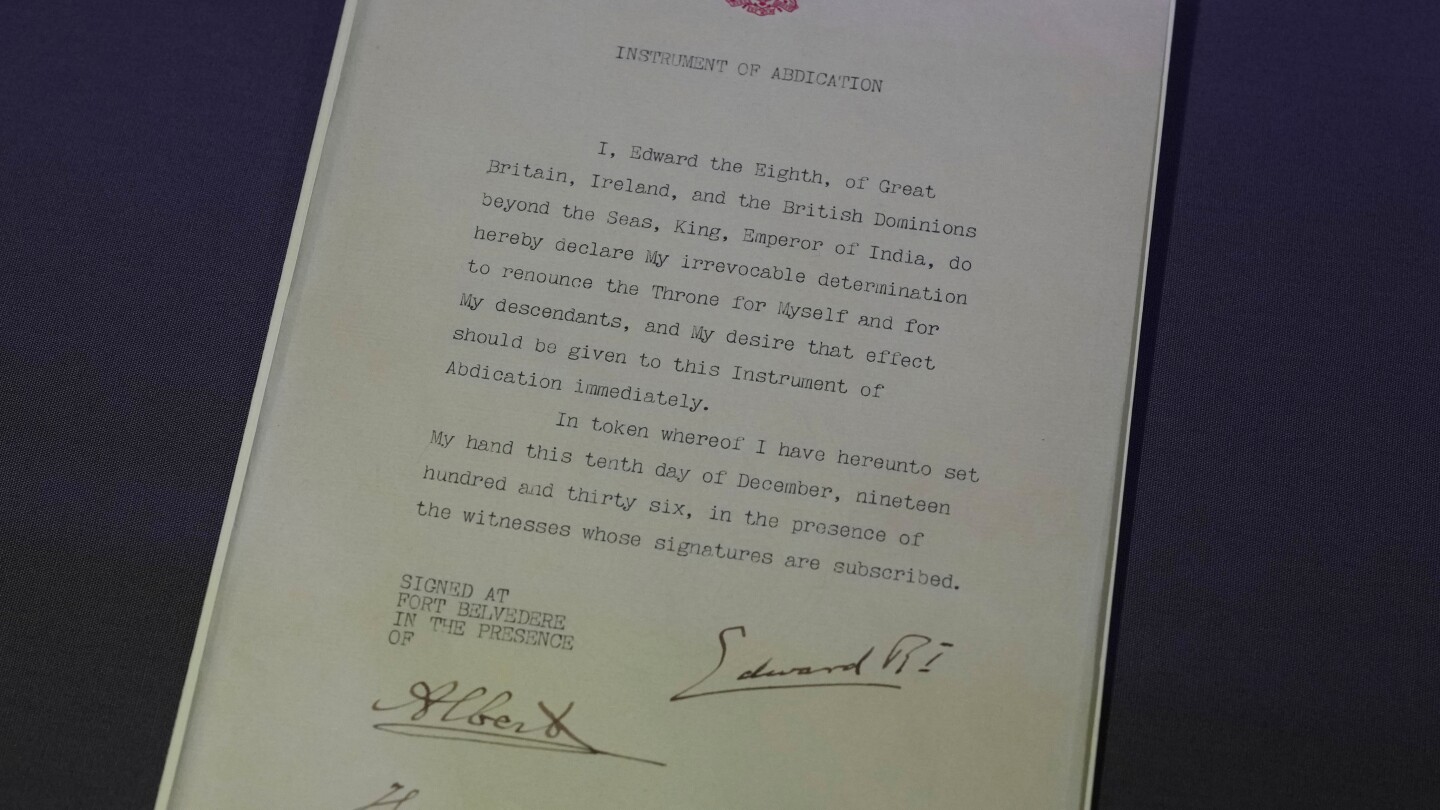
    Remarkable contrasts emerge throughout the collection. An 1851 petition from unemployed weaver Daniel Rush, begging authorities not to separate him from his wife through workhouse assignments, appears beside King Edward VIII’s 1936 Instrument of Abdication, through which he relinquished the throne to marry “the woman I love,” Wallis Simpson.

    “These two items share a common human feeling that sacrifice is worth it for love,” observed Iglikowski-Broad.

    The exhibition also explores love’s tragic dimensions. A previously unseen 1944 letter from British intelligence officer John Cairncross (later revealed as a Soviet spy) reflects on lost romance with former girlfriend Gloria Barraclough. Historical tragedies include Catherine Howard’s 1541 letter to Thomas Culpeper—written with “restrained panic” before both were executed for treason—and Queen Henrietta Maria’s rare intimate letter to King Charles I, discovered among possessions abandoned after a civil war defeat.

    Archives historian Neil Johnston noted the exceptional nature of the royal correspondence: “This is a little gem within the disaster of the English Civil War.”

    The “Love Letters” exhibition opens Saturday and continues through April 12 with free admission, offering visitors an unprecedented journey through centuries of emotional history.

  • US Congress targets Clintons in Epstein contempt fight

    US Congress targets Clintons in Epstein contempt fight

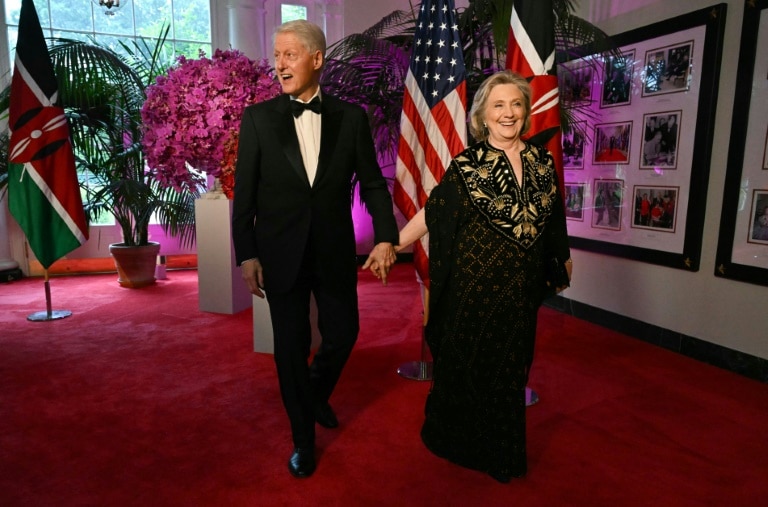
    The U.S. House Oversight Committee has initiated a significant political confrontation by advancing contempt proceedings against former President Bill Clinton and former Secretary of State Hillary Clinton. The Republican-majority committee voted Wednesday to pursue charges after the Clintons declined to comply with subpoenas for in-person testimony regarding their connections to convicted sex offender Jeffrey Epstein.

    The committee’s action represents an escalation in the long-running investigation into how authorities handled previous Epstein investigations. The contempt resolutions now proceed to the full House of Representatives, where Republican leadership must decide whether to formally cite the Clintons for defiance of congressional authority and refer them to the Justice Department for potential criminal prosecution.

    This development highlights how the Epstein scandal continues to reverberate through Washington’s power structures, implicating prominent figures across the political spectrum. The investigation has become intensely polarized, with Democrats characterizing it as a politically motivated effort to target President Trump’s opponents while ignoring Trump’s own documented associations with Epstein.

    Committee Chairman James Comer rejected what he termed a ‘ridiculous offer’ from Bill Clinton’s representatives that would have limited questioning to a single lawmaker in New York without producing an official transcript. The Clintons maintain that the subpoenas lack legitimate legislative purpose and have instead provided sworn written statements detailing their limited interactions with Epstein.

    In their submitted declarations, Bill Clinton acknowledged using Epstein’s aircraft for humanitarian work in the early 2000s but denied visiting his private island. Hillary Clinton stated she had no meaningful interactions with Epstein whatsoever. The controversy has exposed divisions within the Democratic Party regarding how to respond to Republican investigative tactics while maintaining consistency with previous positions on accountability for Epstein’s crimes.

    The proceedings occur against the backdrop of ongoing criticism regarding the Trump administration’s delayed release of Epstein-related case files, which Democrats have characterized as a cover-up. Neither Trump nor the Clintons have been accused of criminal wrongdoing related to Epstein, but the investigation continues to expose the deep political fractures surrounding one of the most notorious criminal cases in recent memory.

  • In Dubai, everybody wants everyone to succeed, says Sheikha Latifa

    In Dubai, everybody wants everyone to succeed, says Sheikha Latifa

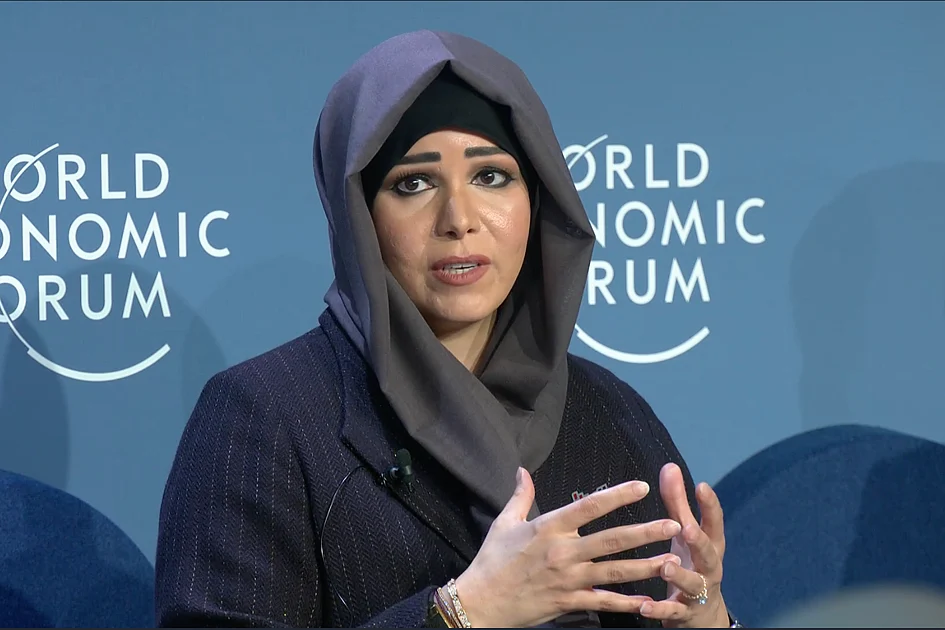
    At the World Economic Forum in Davos, Sheikha Latifa bint Mohammed bin Rashid Al Maktoum, Chairperson of Dubai Culture and Arts Authority, articulated the unique social fabric that underpins Dubai’s remarkable development. She characterized the emirate as a thriving mosaic where collective advancement and cultural preservation coexist harmoniously.

    Sheikha Latifa emphasized that Dubai’s fundamental ethos revolves around mutual success, where individual achievements create positive ripple effects throughout society. “The connecting theme in Dubai is that everybody wants everyone to succeed,” she stated during a panel discussion, highlighting the collaborative spirit that defines the city’s social contract.

    Despite its reputation as a forward-thinking, innovative, and progressive global hub, Sheikha Latifa noted that Emirati society remains deeply rooted in traditional values. These cultural foundations manifest daily through clothing choices, interpersonal interactions, and the enduring practices of hospitality, respect, and strong moral conduct.

    The cultural authority chairperson underscored Dubai’s extraordinary diversity, noting the emirate is home to 195 distinct cultures and backgrounds. What makes this diversity remarkable, she explained, is how these communities maintain their cultural and religious practices while contributing to a cohesive, open society.

    Sheikha Latifa presented a compelling vision for cultural coexistence: “We believe in openness beyond merely connecting through similarities. We must celebrate our differences. A world where everyone looked, spoke, and operated identically would be profoundly boring. The true beauty of our world lies in its diversity.”

    Addressing governance, Sheikha Latifa revealed the leadership’s rigorous approach to promise-keeping. “Dubai’s leadership maintains strict accountability regarding delivery on commitments. Whenever we launch a strategy or initiative, we are obligated to fulfill these promises,” she explained.

    This results-driven approach involves comprehensive stakeholder engagement. Before implementing any new strategy, Dubai’s authorities consult extensively with affected communities, listening to challenges, proposed solutions, and identifying industry gaps to enable collaborative problem-solving.

  • UAE contributes $5 million to support emergency humanitarian response in Sudan

    UAE contributes $5 million to support emergency humanitarian response in Sudan

    The United Arab Emirates has formally pledged $5 million in humanitarian assistance to Sudan through a newly signed agreement with the United Nations Office for the Coordination of Humanitarian Affairs (OCHA). The contribution, channeled through the Sudan Humanitarian Fund, aims to bolster emergency response capabilities and address critical needs among conflict-affected populations.

    Dr. Tareq Ahmed Al Ameri, Chairman of the UAE Aid Agency, emphasized the nation’s ongoing commitment to supporting international relief efforts amid Sudan’s devastating civil war. “The UAE continues its urgent humanitarian response and stands in solidarity with those affected by this tragic conflict,” stated Dr. Al Ameri, highlighting the worsening displacement crisis that has forced thousands into neighboring Chad, South Sudan, Uganda, and Ethiopia.

    The agreement was formally executed by Rashid Salem Al Shamsi, Executive Director of Logistics Support at the UAE Aid Agency, and Sajeda Al Shawa, Head of OCHA’s UAE office. Al Shawa expressed profound appreciation for the contribution, noting that “this significant funding will enhance collective efforts led by the United Nations to reach vulnerable communities in Sudan and support timely delivery of life-saving assistance.”

    This latest commitment reinforces the UAE’s decade-long humanitarian engagement with Sudan, totaling $4.24 billion in assistance between 2015 and 2025. Since the current crisis erupted in 2023, the Emirates has allocated $784 million specifically for humanitarian aid. The UAE has concurrently advocated for a humanitarian ceasefire to ensure civilian protection and facilitate unimpeded aid delivery, underscoring the necessity of collaborative action with regional and international partners to achieve stability and peace for the Sudanese people.

  • Catholicism shrinks in Latin America while more are religiously unaffiliated, Pew surveys find

    Catholicism shrinks in Latin America while more are religiously unaffiliated, Pew surveys find

    A profound religious transformation is underway across Latin America as Catholicism experiences significant decline while religiously unaffiliated populations surge, according to a comprehensive Pew Research Center study released Wednesday. The report, based on extensive surveys conducted in early 2024 across six major Latin American nations—Argentina, Brazil, Chile, Colombia, Mexico, and Peru—reveals a dramatic shift in spiritual identity across the region that represents approximately 75% of Latin America’s total population.

    The research documents that Catholic affiliation has diminished by at least 9 percentage points in each country over the past decade, while religiously unaffiliated adults—identifying as atheist, agnostic, or ‘nothing in particular’—have increased by 7 percentage points or more. This trend has resulted in religiously unaffiliated populations now outnumbering Protestants in Argentina, Chile, Colombia, and Mexico—a remarkable development in a region historically dominated by Catholic tradition.

    Kirsten Lesage, Pew research associate and lead author of the report, emphasized the significance of these findings: ‘Our analysis found that the Catholic share of the population in these six nations has significantly declined since 2013-14, while a growing share of adults in the region are religiously unaffiliated.’

    Despite these shifting affiliations, the study reveals that Latin Americans maintain strong spiritual inclinations. Approximately 90% or more adults across all surveyed countries affirm belief in God, with about half or more in Brazil, Colombia, Mexico, and Peru considering religion ‘very important’ in their lives. Majorities in Brazil, Colombia, and Peru report praying at least daily.

    Experts attribute the Catholic Church’s diminishing influence to multiple factors, including clergy sex abuse scandals and opposition to the institution’s conservative positions on abortion and LGBTQ+ rights. Many Latin Americans now seek spiritual fulfillment beyond traditional religious structures, exploring alternatives such as yoga, tarot, astrology, and personalized belief systems.

    The survey, which polled 6,234 adults from January to April 2024 with a margin of error ranging from ±4.0 to 4.5 percentage points, indicates that Protestantism has remained relatively stable across the region during this period of transformation.

  • Loved ones of victims reeling after high-speed rail crash in southern Spain

    Loved ones of victims reeling after high-speed rail crash in southern Spain

    Spain’s railway infrastructure faces intense scrutiny following two catastrophic derailments within 72 hours, claiming at least 43 lives and leaving dozens injured in the country’s worst rail disaster in over a decade.

    The initial tragedy struck Sunday evening near Córdoba when two high-speed trains collided in dense woodland 36 miles from the city. Emergency services responded to what doctors describe as ‘unprecedented carnage.’ Dr. Eduardo Morán of Córdoba’s Reina Sofía Hospital recounted the chaotic scene: ‘We prepared every department – emergency room, intensive care, surgical theaters. The injuries ranged from minor scratches to traumatic amputations.’ Despite the influx of casualties, hospital staff maintained control through rigorous triage protocols.

    Investigators are focusing on a potential track gap in the straight section where the collision occurred. Sniffer dogs continue searching through twisted metal and shattered glass as forensic teams work to identify victims.

    The tragedy became personal for countless families. Mari Carmen Abril Vega, a teacher returning from a surprise 50th birthday celebration in Córdoba, was among those confirmed dead. Her friend Jose Manuel Muñoz described the emotional whiplash: ‘We spent Saturday celebrating life, then endured two days of uncertainty before receiving confirmation of her death.’

    Before the nation could process the first disaster, a second derailment occurred near Barcelona during heavy rainfall, though without fatalities. This incident prompted Spain’s train drivers’ union to announce strikes against what they term ‘unacceptable constant deterioration of railway infrastructure.’

    At Córdoba’s Civic Center, families of the missing provide DNA samples under makeshift tents. Yamilei, whose brother-in-law Victor Luis Terán perished due to a last-minute travel change, expressed the collective anguish: ‘We need answers. We cannot continue like this.’

    Official calls for patience contrast with growing public demand for accountability as Spain’s rail network faces its most severe safety crisis in modern history.

  • Meteorologists blame a stretched polar vortex, moisture, lack of sea ice for dangerous winter blast

    Meteorologists blame a stretched polar vortex, moisture, lack of sea ice for dangerous winter blast

    Meteorological experts are warning of an unprecedented winter catastrophe poised to engulf the eastern two-thirds of the United States, with climate change paradoxically intensifying the severity of approaching Arctic conditions. A destabilized polar vortex—typically confined to northern latitudes—is now elongating due to warmer Arctic waters interacting with frigid continental air masses, creating a perfect storm scenario that will deliver prolonged subzero temperatures, crippling ice accumulations, and heavy snowfall across multiple regions.

    According to atmospheric scientists including former NOAA chief scientist Ryan Maue, this developing system represents a weather event with potential damage equivalent to major hurricanes. The phenomenon originates from dramatic Arctic warming and record-low sea ice extent, particularly in the Barents and Kara seas, which disrupts normal atmospheric patterns. These conditions, combined with heavy Siberian snowfall observed since October 2025, have created ideal circumstances for polar vortex stretching that drives extreme winter weather southward.

    MIT researcher Judah Cohen, who co-authored a July 2025 study on this phenomenon, confirms that warming-induced sea ice loss has increased the frequency of stretched polar vortex events over the past decade. The current event will position its core above Duluth, Minnesota by Friday, generating temperatures plunging to -30°F (-34°C) in northern regions. National Weather Service meteorologist Zack Taylor warns of catastrophic ice accumulations capable of widespread power outages and tree damage across southern plains through the Carolinas, while significant snowfall will impact the Ozarks, Tennessee Valley, and Appalachian regions.

    The exceptional cold pattern is expected to persist through early February, with potential freezing of Lakes Erie and Ontario that may slightly reduce lake-effect snow but extend the duration of frozen conditions. Meteorologists emphasize that this represents a hemispheric pattern affecting both North America and Eurasia, with the Arctic warming paradoxamplifying winter severity across continental landmasses.