作者: admin

  • Fact-checking Trump’s Davos speech

    Fact-checking Trump’s Davos speech

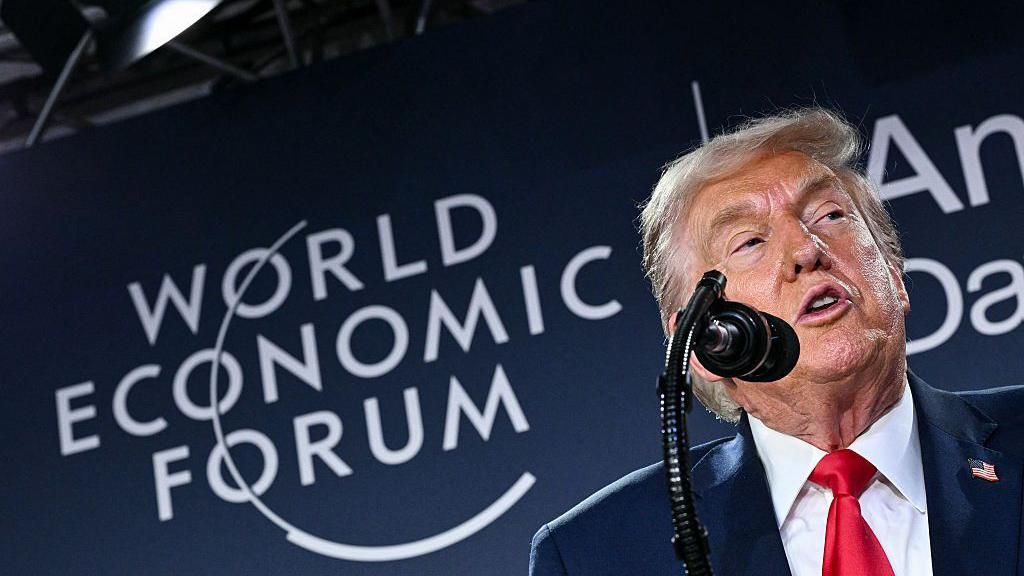
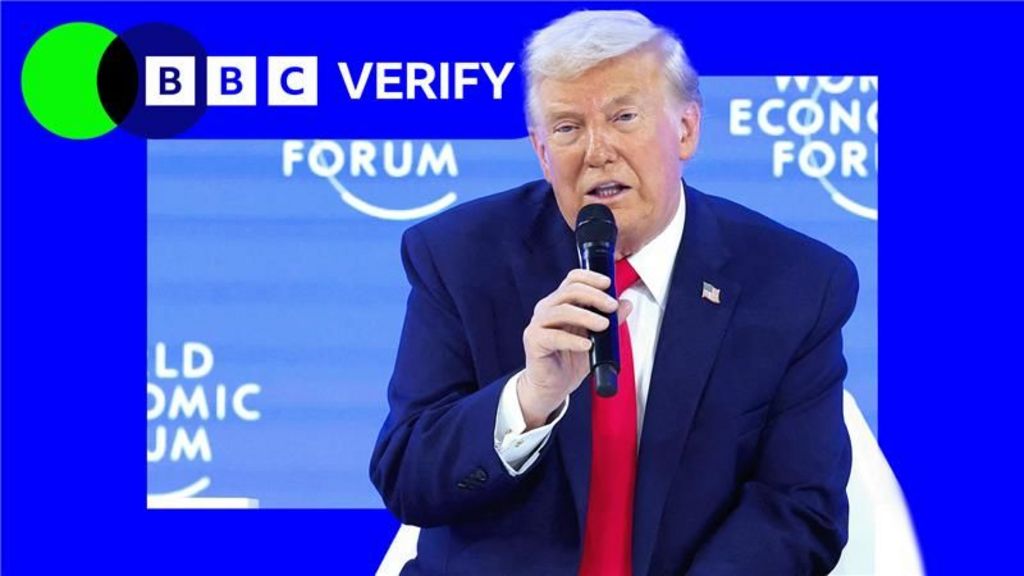
    During a wide-ranging address at the World Economic Forum in Davos, former President Donald Trump presented several controversial assertions that have undergone rigorous verification analysis. The speech, exceeding one hour in duration, covered topics ranging from territorial ambitions to international defense spending and renewable energy policies.

    Regarding Greenland, Trump characterized his desire to acquire the autonomous Danish territory as a “small ask” while questioning America’s historical decision to “give Greenland back to Denmark” after World War II. Historical records indicate this characterization misrepresents actual events. In 1933, an international court precedent to the ICJ formally recognized Danish sovereignty over Greenland. The 1941 agreement between the U.S. and Danish representatives authorized American military presence to prevent Nazi occupation but explicitly did not transfer territorial sovereignty.

    On NATO contributions, Trump asserted the United States funded “virtually 100%” of the alliance while claiming member nations now pay “5%” of GDP. Defense expenditure data reveals different figures: U.S. spending constituted approximately 70% of total NATO defense expenditure in recent years, declining to an estimated 62% in 2025 as all members met the 2% GDP benchmark for the first time. The referenced 5% target represents a long-term objective for 2035, with no nation currently exceeding 4.5%.

    The former president additionally claimed the U.S. “never gotten anything” from NATO, despite the alliance invoking Article 5 collective defense specifically following the 9/11 attacks. Multiple NATO members, including Denmark which suffered high per-capita casualties, contributed substantially to subsequent military operations in Afghanistan.

    Trump’s criticism of wind energy included claims that China, despite manufacturing turbines, lacked operational wind farms. This contradicts documented evidence showing China operates the world’s largest wind farm in Gansu Province (visible from space) and leads global wind energy generation at 997 terawatt-hours in 2024—more than double U.S. output.

    The speech also inaccurately characterized UK North Sea oil taxation, claiming companies surrendered “92% of revenues.” Actual taxation involves a 30% corporation tax plus 10% supplementary charge on profits, with a temporary windfall tax raising the total levy to 78% on profits—not revenues.

    Finally, Trump’s repeated assertion of securing “$18 trillion” in investment commitments lacks publicly verifiable evidence. Official White House tracking data from November 2024 documents $9.6 trillion in pledged investments, including a $1.4 trillion decade-long commitment from the UAE. Experts note these figures represent pledges rather than realized investments, with some already facing complications due to diplomatic tensions over Greenland.
  • UAE: 2025 among hottest years on record, as nation ramps up AI use to boost rainfall

    UAE: 2025 among hottest years on record, as nation ramps up AI use to boost rainfall

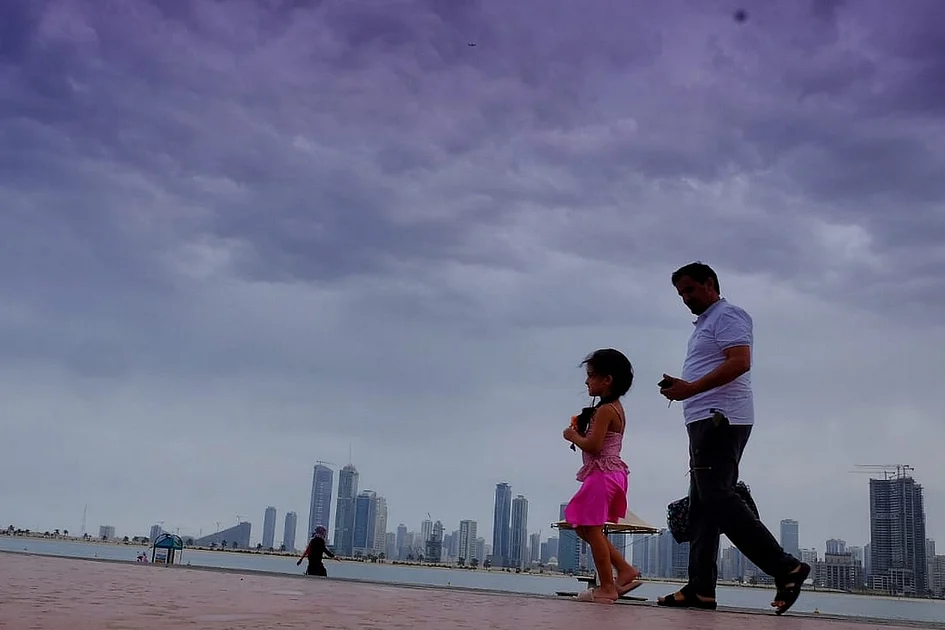
    The United Arab Emirates is dramatically scaling its deployment of artificial intelligence in weather modification initiatives as global temperature records continue to climb. With 2025 confirmed as one of the hottest years in recorded history, the arid nation is confronting its water security challenges through technological innovation.

    The National Center of Meteorology (NCM) unveiled three pioneering research projects selected for the Sixth Cycle of the UAE Research Programme for Rain Enhancement Science (UAEREP), each receiving up to $1.5 million in funding over three years. This cycle demonstrates a strategic pivot toward AI-integrated solutions across cloud seeding analysis, smart material development, and land-use modeling.

    Alya Al Mazrouei, Director of UAEREP and Director of Research and Weather Enhancement at NCM, emphasized the critical nature of the situation: ‘Water security remains among the most urgent global challenges. With annual precipitation averaging below 100 millimeters, exceptionally high evaporation rates, and constrained groundwater replenishment, innovative approaches have transitioned from optional to essential.’

    The global context underscores this urgency. According to World Meteorological Organization data, Earth’s average surface temperatures have risen 1.44°C above pre-industrial benchmarks, with 2023, 2024, and 2025 constituting the three warmest years ever documented.

    The selected projects represent cutting-edge intersections of meteorology and artificial intelligence. Dr. Dixon Michael, a radar meteorologist from the United States, will employ machine learning to enhance assessment methodologies for cloud seeding effectiveness, advancing beyond conventional storm tracking to analyze microphysical processes and precipitation outcomes.

    Professor Linda Zou from Australia’s Victoria University will develop advanced nanocomposite materials serving as ice nucleation agents, optimized through AI-powered analytics. Her work includes deploying a portable cloud chamber at NCM facilities and conducting specialized training programs.

    Dr. Oliver Branch from Germany’s University of Hohenheim will investigate how strategic land cover modifications might naturally induce rainfall, providing complementary approaches to aerial interventions.

    Dr. Abdulla Al Mandous, President of the World Meteorological Organization and Director General of NCM, noted the program’s evolving role: ‘Since its 2015 inception, UAEREP has matured into a global nexus for scientific collaboration, translating visionary concepts into practical, sustainable solutions that simultaneously foster economic growth and address environmental challenges.’

  • Record snowfall leaves cars stuck and people stranded in Russia’s Far East

    Record snowfall leaves cars stuck and people stranded in Russia’s Far East

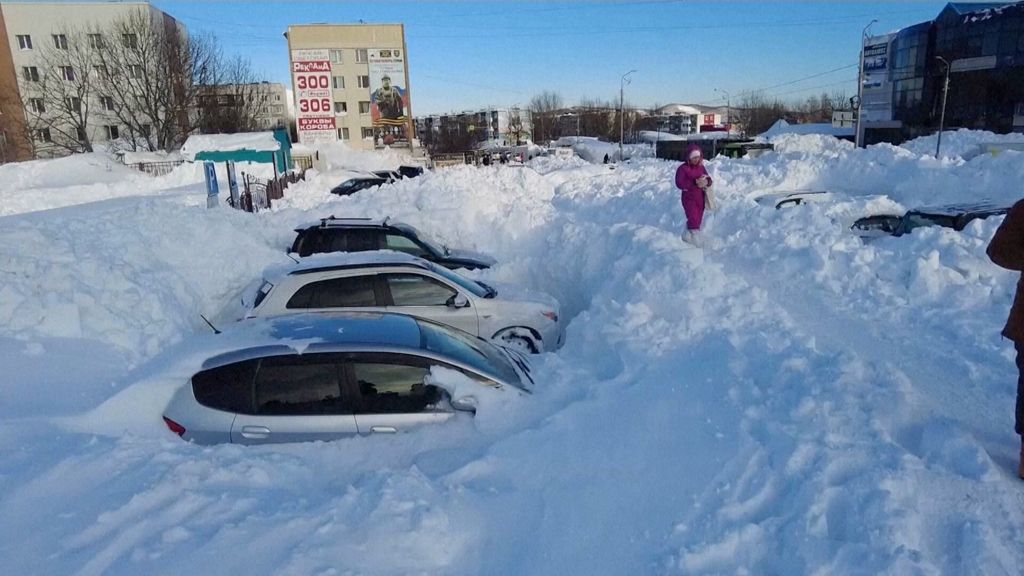
    The Kamchatka Peninsula in Russia’s Far East is experiencing its most severe winter conditions in over six decades, with unprecedented snowfall creating a regional crisis. Meteorological records indicate that certain areas have accumulated snow depths not witnessed since the 1960s, leading to widespread transportation paralysis.

    Local authorities report that numerous vehicles have become completely immobilized on roadways, while many residents find themselves trapped in their homes by massive snowdrifts. Emergency services are operating at maximum capacity, deploying specialized equipment to clear critical access routes and assist stranded citizens. The regional government has declared a state of emergency, prioritizing the restoration of essential services and transportation networks.

    Climate scientists analyzing this extreme weather event suggest a potential connection to broader climate change patterns. Researchers note that while individual weather events cannot be directly attributed to climate change, the increasing frequency and intensity of such anomalies align with climate model predictions for northern latitudes. The warming Arctic region may be contributing to altered atmospheric patterns that generate more extreme winter precipitation events in certain regions.

    The socioeconomic impact continues to mount as businesses remain shuttered and schools suspend operations indefinitely. Regional officials emphasize that recovery operations may require several days given the unprecedented volume of snow accumulation. Meteorological agencies are monitoring the situation closely, as additional precipitation is forecasted for the coming days.

  • Syria’s Rifaat al-Assad reportedly dies in the UAE aged 88

    Syria’s Rifaat al-Assad reportedly dies in the UAE aged 88

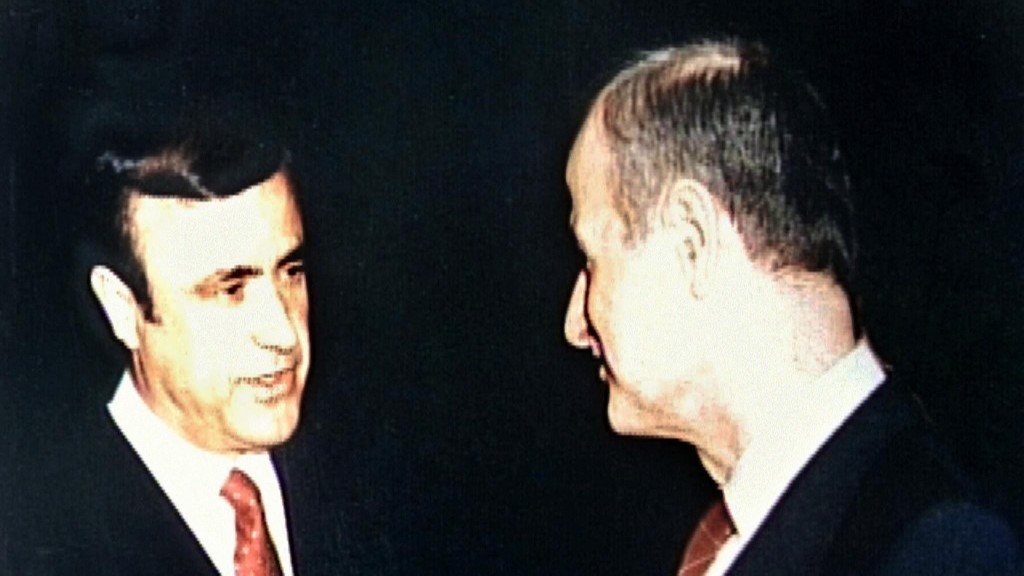
    Rifaat al-Assad, the exiled uncle of former Syrian leader Bashar al-Assad infamous for his brutal suppression of dissent, has passed away in the United Arab Emirates at the age of 88. Media outlets confirmed his death on Tuesday, marking the end of a controversial life marked by violence, exile, and legal battles.

    Rifaat, brother of the late Syrian President Hafez al-Assad, earned the moniker ‘Butcher of Hama’ for orchestrating one of modern history’s most severe crackdowns. In 1982, forces under his command besieged the central city of Hama, employing aerial bombardment and ground operations that resulted in an estimated 40,000 casualties during the suppression of an uprising.

    His political ambitions led to a failed coup attempt against his brother, resulting in his prolonged exile primarily in France. During his European residence, Swiss authorities initiated a war crimes investigation in 2013 concerning his alleged involvement in the Hama massacre and additional killings in Tadmor during the early 1980s.

    The French judicial system convicted Rifaat in June 2020, sentencing him to four years imprisonment for embezzling Syrian state funds to acquire extensive French real estate holdings valued at approximately €90 million. His assets were subsequently confiscated. Following the upholding of this verdict by France’s highest court in September 2022, he departed for Syria after three decades abroad, having received permission from his nephew Bashar.

    In a symbolic gesture of displeasure with French authorities, Rifaat returned the Legion d’Honneur medal awarded to him by President Francois Mitterrand in 1986. His return to Syria coincided with the dramatic political shift that saw Bashar al-Assad ousted by rebel factions led by Hay’at Tahrir al-Sham in December 2024, ending the family’s fifty-year dynastic rule.

    The subsequent Syrian administration has called for prosecuting former officials for repression, wartime conduct, and corruption. Despite multiple pending legal cases, Rifaat avoided imprisonment throughout his life, eventually fleeing to Lebanon and subsequently Dubai following his nephew’s removal from power.

  • Trump’s jibes are wearing thin for many of Europe’s leaders

    Trump’s jibes are wearing thin for many of Europe’s leaders

    At the World Economic Forum in Davos, Switzerland, U.S. President Donald Trump delivered a contentious speech that further strained relations with European allies. His remarks, which combined historical revisionism with territorial ambitions, left European delegates visibly unsettled.

    Trump asserted that without American intervention, Europe ‘would all be speaking German,’ overlooking that German is actually one of Switzerland’s four official languages. He repeatedly criticized European nations for what he characterized as insufficient NATO contributions and misguided policies, delivering these criticisms directly to the faces of the continent’s leaders.

    The speech provided temporary relief on one front—Trump explicitly ruled out military action to acquire Greenland. However, he maintained that purchasing the semi-autonomous Danish territory remained a ‘perfectly reasonable transaction,’ despite Copenhagen’s firm position that the island is not for sale.

    Danish Foreign Minister Lars Løkke Rasmussen acknowledged the military reassurance as ‘positive in isolation’ but noted the president’s broader ambitions remained unchanged. Meanwhile, in Nuuk, Greenlandic officials unveiled a crisis preparedness brochure that Self-Sufficiency Minister Peter Borg described as ‘an insurance policy’ against potential instability.

    The address contained no retreat from Trump’s threat to impose 10% tariffs on eight European countries by February 1st, targeting nations he accused of obstructing his Arctic ambitions. This uncompromising stance dashed European hopes for de-escalation at the summit.

    Trump particularly singled out France’s Emmanuel Macron for ridicule, mocking his appearance in sunglasses (worn due to a medical eye condition) and his stern podium demeanor. The president’s familiar refrain about European nations benefiting disproportionately from U.S. military protection ignored substantial allied sacrifices, including Denmark’s proportionally significant losses in Afghanistan and Iraq.

    The European Union has called an emergency summit in Brussels to formulate a response. European leaders now face a critical decision: whether to activate aggressive counter-tariffs—including the EU’s ‘trade bazooka’—or maintain diplomatic pressure while awaiting the February deadline.

  • China unveils flexible urban planning rules to improve lives, foster new industries

    China unveils flexible urban planning rules to improve lives, foster new industries

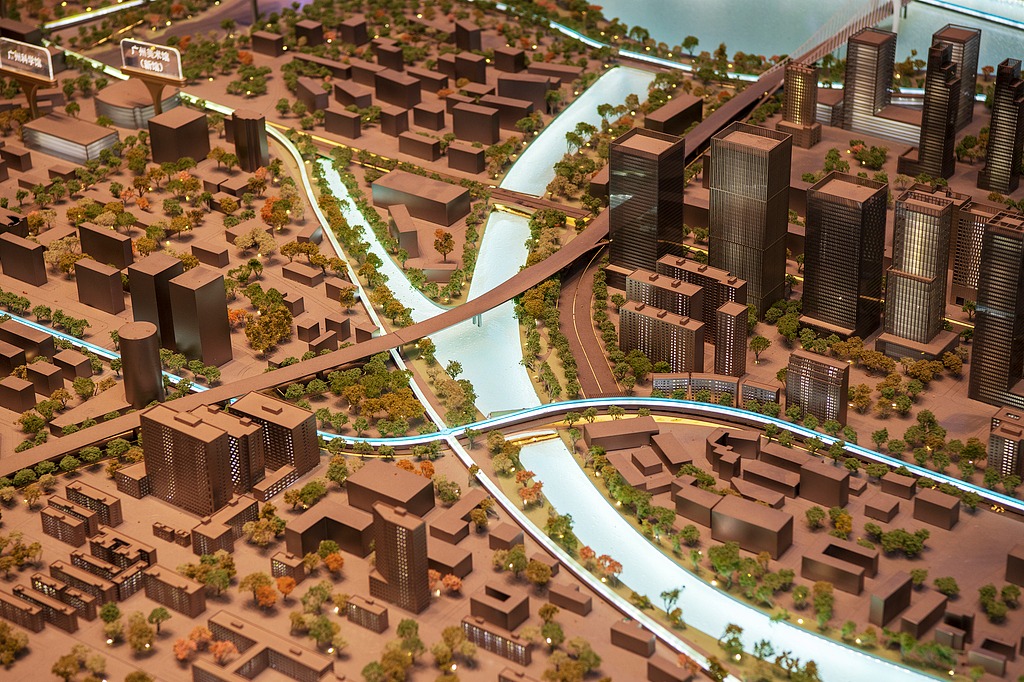
    China has initiated a groundbreaking shift in urban development strategy through newly introduced flexible planning regulations. Jointly issued by the Ministry of Natural Resources and the Ministry of Housing and Urban-Rural Development, these measures represent a fundamental rethinking of urban management as China transitions from rapid urbanization to quality-focused development.

    The innovative framework addresses the growing need for adaptive urban planning that responds to evolving societal demands and market dynamics. Xie Haixia, Director of the National Land Spatial Planning Bureau, emphasized the necessity of enhancing planning flexibility while maintaining legal compliance. The reforms include streamlined procedures for plan modifications and exemptions for certain community improvement projects.

    Significantly, the policy allows minor urban renewal initiatives—including parking facility construction, charging station installation, elevator additions, and green space development—to proceed without formal planning permits, provided they ensure public safety and don’t infringe on neighboring rights.

    The practical implementation of these policies is already demonstrating tangible benefits. In Yancheng, Jiangsu province, authorities creatively repurposed underutilized spaces beneath bridges and in idle buildings to develop 54 sports facilities, capitalizing on the massive popularity of the Jiangsu Super League that attracted nearly 30,000 spectators per game.

    Beyond community enhancements, the policy breakthrough facilitates industrial innovation by breaking rigid land classification systems. Shanghai’s Xinzhuang industrial area exemplifies this approach, where previously idle enterprise properties have been reclaimed and reallocated to establish a comprehensive commercial aerospace industrial chain encompassing rocket design, satellite development, and component manufacturing.

    Officials Zhang Yan from the Ministry of Housing and Urban-Rural Development confirmed that both ministries will collaborate to ensure effective nationwide implementation, including comprehensive assessments to identify challenges and refine solutions throughout the execution process.

  • Seven trillion and one reasons China stocks will keep rallying

    Seven trillion and one reasons China stocks will keep rallying

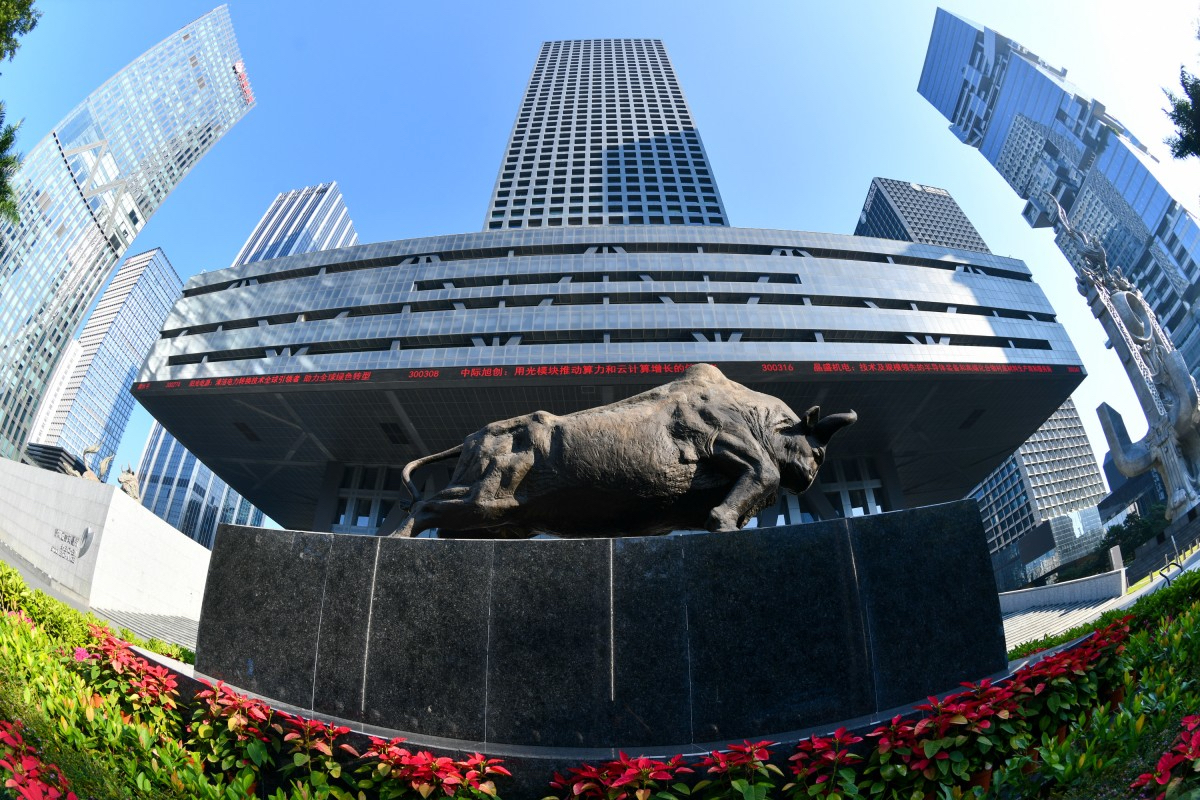
    TOKYO — Against a backdrop of escalating geopolitical tensions and unconventional US policy maneuvers, China’s financial markets are demonstrating remarkable resilience as global investors recalibrate their strategies. Major financial institutions are now projecting significant growth for Chinese equities, with Goldman Sachs forecasting a 20% surge in the MSCI China Index for 2026, building upon the previous year’s 28% rally.

    According to Kinger Lau, strategist at Goldman Sachs, the anticipated equity appreciation will be predominantly earnings-driven, supported by three critical factors: artificial intelligence advancement, China’s ‘Going Global’ initiative, and ‘anti-involution’ policy measures. This optimistic outlook emerges despite ongoing concerns about China’s economic reforms and property market stability.

    The investment landscape is further bolstered by approximately $7 trillion in Chinese time deposits maturing this year, creating a substantial pool of domestic capital poised for market deployment. This liquidity surge coincides with expectations of additional stimulus measures from Beijing following China’s fourth-quarter 2025 economic performance, which at 4.5% year-on-year growth, represented the weakest expansion in three years.

    Global financial institutions are notably revising their China assessments. Fidelity analyst George Efstathopoulos recently declared China no longer ‘uninvestable,’ while Bernstein Societe Generale Group upgraded its China equities outlook. Wang Dan of Shenzhen Sunrise Asset Management anticipates ‘a slow bull trend’ to continue, citing declining interest rates and strategic positioning in undervalued assets.

    The yuan’s simultaneous strengthening with Shanghai stocks in 2025 has particularly captured strategists’ attention. Christy Tan, Franklin Templeton strategist, notes that ‘a firmer yuan can help equities by improving dollar-based returns and risk sentiment,’ creating a virtuous cycle where genuine equity inflows support currency valuation.

    Citigroup economist Xiangrong Yu observes a ‘markedly positive shift in investor narrative on China,’ predicting managed yuan appreciation to 6.8 against the dollar within 6-12 months from the current 6.96. UBS Group similarly anticipates further yuan gains against trading partner currencies, reflecting robust export performance and trade surplus.

    This renewed confidence in Chinese assets contrasts sharply with mounting concerns about US market stability under the Trump administration’s unconventional policies. Recent actions including tariff escalations, threats to Federal Reserve independence, and unconventional foreign policy moves have created global financial uncertainty. Evercore ISI analyst Krishna Guha warns of a potential ‘sell-America trade’ resurgence similar to April 2025’s market turbulence.

    The implications extend beyond bilateral relations, affecting global debt markets as evidenced by recent volatility in US Treasuries and Japanese government bonds, where 40-year yields reached 4% – the highest in decades. Institute of International Finance economist Emre Tiftik notes investor attention is ‘increasingly shifting toward government bond auctions and borrowing plans’ amid elevated budget deficits.

    This global financial recalibration presents both opportunity and imperative for China. While Trump administration policies inadvertently enhance China’s appeal as a financial alternative, Beijing faces pressure to accelerate promised reforms including fuller yuan convertibility, enhanced transparency, and property market stabilization. With trillions in domestic capital awaiting deployment and global investors watching closely, China’s financial evolution enters a critical phase amid unprecedented global monetary uncertainty.

  • Dubai: Poets, musicians, performers open Emirates LitFest with nostalgic storytelling

    Dubai: Poets, musicians, performers open Emirates LitFest with nostalgic storytelling

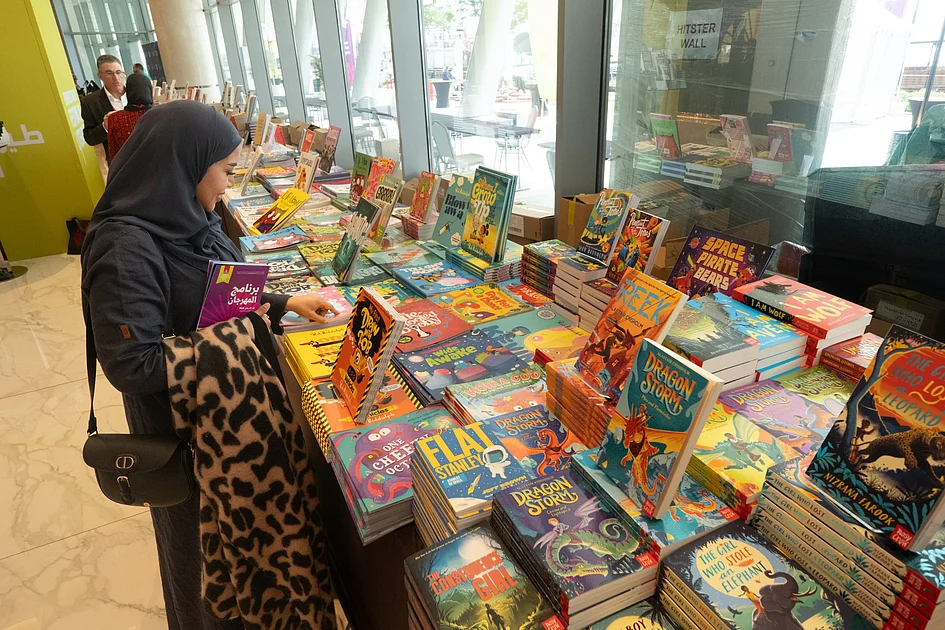
    The 18th Emirates Airline Festival of Literature commenced on January 21st along Dubai Creek, launching an eight-day celebration of global literary arts with a profoundly local spirit. This year’s opening ceremony at InterContinental Festival City transformed into an evocative homage to pre-literate storytelling traditions, emphasizing memory and oral history over written texts.

    Emirati poets, musicians, and performers established the festival’s thematic foundation by revisiting an era when narratives traveled verbally through homes rather than libraries. The National Youth String Chamber Orchestra and Repton Al Barsha Choir provided melodic accompaniment while Dubai Police’s mounted cavalry and young drummers contributed visual rhythm, creating a multisensory experience that connected contemporary arts with cultural heritage.

    One of the most poignant moments featured Um Mohammed, whose recollections of old Dubai were preserved through the Erth Dubai heritage project. She described a tightly-knit community where open doors facilitated constant communication and the creek served as daily companion rather than tourist landmark. Emirati poet Shamma Al Bastaki later articulated poetry’s role as “a vessel for preserving lived experience,” drawing inspiration from her father’s nautical life and the celestial navigation methods of sailors.

    International voices echoed these themes, with children’s author Rachel Bright and poet Afra Atiq discussing poetry as “an act of belief” during a walk through Shindagha that inspired place-specific verse. Festival Director Ahlam Bolooki framed the evening as a reminder that “stories have always been part of who we are” long before they were committed to paper.

    The festival, featuring over 200 sessions and participants from 40 nationalities, will concurrently celebrate the 20th anniversaries of both the Sheikh Zayed Book Award and the Saif Ghobash Banipal Prize for Arabic Literary Translation. While promising diverse programming ranging from crime fiction to Nobel laureate conversations, the opening ceremony established literature not merely as written art but as living practice connecting generations through shared narrative traditions.

  • Surprise jump in UK inflation not expected to derail rate cuts

    Surprise jump in UK inflation not expected to derail rate cuts

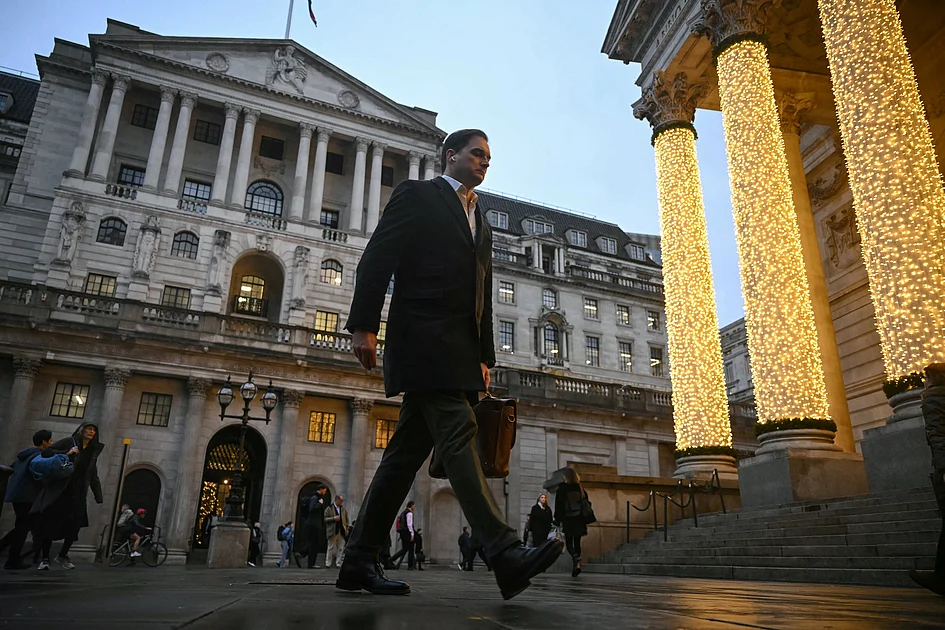
    Britain’s inflation rate defied economic forecasts in December 2026, climbing to 3.4% from November’s 3.2% according to Office for National Statistics data. This unexpected increase marks the first upward movement since July, primarily driven by seasonal airfare adjustments and tobacco duty increases implemented during the holiday period.

    Despite this temporary acceleration, economic analysts maintain that the trajectory toward price stability remains intact. Services inflation—a critical metric monitored by the Bank of England—edged upward to 4.5%, aligning precisely with economist projections in Reuters’ polling. The nation continues to exhibit the highest inflation rate among G7 countries despite experiencing sluggish economic growth patterns.

    Market reactions remained notably subdued following the announcement, with investors maintaining existing positions regarding anticipated interest rate reductions. Financial instruments currently price in one to two quarter-point cuts by the Bank of England throughout 2026. Governor Andrew Bailey has previously indicated that inflation should approach the central bank’s 2% target around April or May, reflecting expectations that utility cost increases and government-regulated tariffs from the previous year will cycle out of annual comparisons.

    Geopolitical tensions introduce potential complications to this forecast. British natural gas futures have surged approximately 25% over recent weeks, partly attributable to deteriorating transatlantic relations following controversial tariff threats by U.S. leadership. The Monetary Policy Committee’s December decision to reduce Bank Rate to 3.75% encountered significant dissent, with nearly half of members advocating for maintaining previous levels due to persistent inflation concerns.

    Fourth-quarter data revealed notable pressures in services sector producer prices, which accelerated to 2.9% from the previous quarter’s 2.0%, while manufacturing output prices remained stable. Economic research institutions including the National Institute of Economic and Social Research anticipate at least one rate reduction in the first half of 2026, contingent upon geopolitical developments not disrupting current inflation pathways.

  • City have to ‘change the dynamic’, says Guardiola after humiliating defeat

    City have to ‘change the dynamic’, says Guardiola after humiliating defeat

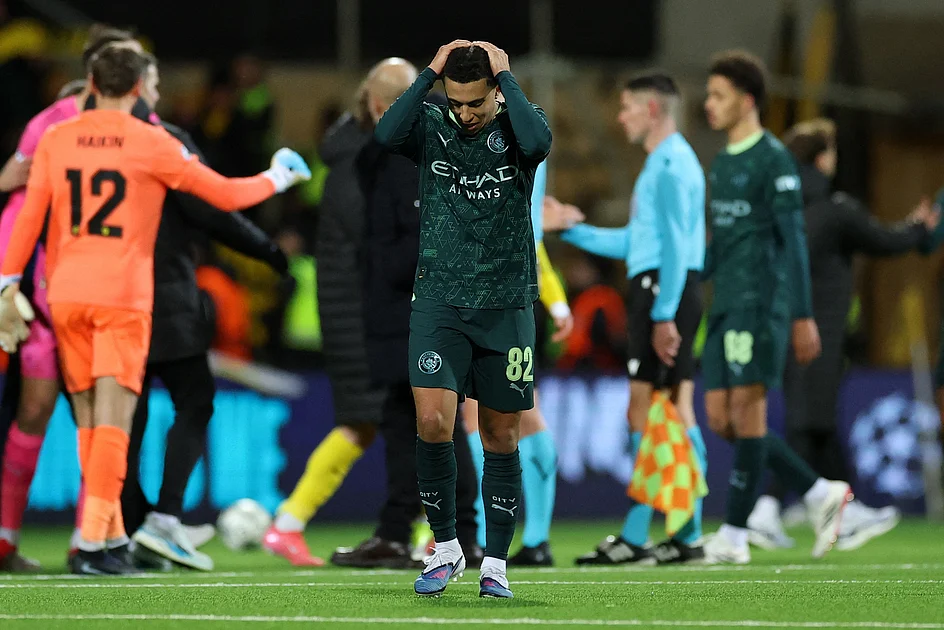
    In a stunning Champions League upset that reverberated across European football, Manchester City suffered a humiliating 3-1 defeat against Norwegian minnows Bodo/Glimt on Tuesday. The Premier League giants, reigning European champions from 2023, found themselves comprehensively outplayed at the ecstatic Aspmyra Stadion despite their overwhelming financial and talent advantages.

    The match turned decisively when Spanish midfielder Rodri received his marching orders for two quick bookings, leaving City in complete disarray during the second half. Bodo/Glimt’s remarkable victory was secured through Kasper Hogh’s first-half brace and a clinical finish from Jens Petter Hauge after the interval. Although Rayan Cherki managed to pull one back momentarily for City, the damage had already been done as the Norwegian underdogs celebrated their historic first-ever Champions League group stage victory.

    The contextual disparity between the clubs couldn’t be more dramatic—Bodo’s entire population of merely 55,000 residents could almost fit into City’s Etihad Stadium. Yet manager Kjetil Knutsen’s squad ignored this massive gap to deliver a performance that will be remembered as one of European football’s greatest shocks.

    Manager Pep Guardiola struck a despairing tone in his post-match assessment, acknowledging that his team must urgently “change the dynamic” following this devastating result. City’s campaign to secure automatic qualification for the last 16 now hinges entirely on their final group phase encounter against Galatasaray next week.

    The defeat compounds what has become a concerning slump for the Manchester club, who remain without a victory in their last four Premier League matches. Their recent 2-0 defeat at Manchester United left them trailing league leaders Arsenal by seven points, adding pressure to an already challenging season.

    Guardiola revealed the extent of City’s personnel crisis, with eleven senior players unavailable through injury, illness, suspension, or ineligibility. Despite these circumstances, the manager refused to criticize Rodri for his dismissal, noting the midfielder’s difficult comeback season following last year’s serious knee injury.

    “Everything has started to be, since the new year, against us in many, many things,” Guardiola stated. “We arrived in some departments without important players who give consistency to the team. They are a little bit fragile, as they were last season in a certain period.”