作者: admin

  • Chinese EVs, batteries gain world market share as Trump backs oil

    Chinese EVs, batteries gain world market share as Trump backs oil

    China has solidified its position as the undisputed leader in clean-energy supply chains, capturing approximately 70% of both the global electric vehicle and battery markets in 2025. This remarkable dominance comes as U.S. energy policy under former President Donald Trump continues to prioritize traditional oil and gas resources, creating a stark contrast in global energy strategies.

    According to the China New Energy Vehicle Industry Development White Paper (2026) jointly published by the Beijing-based Yiwei Institute of Economics (EVTank) and the China Battery Industry Research Institute, China accounted for 70.3% of global new-energy vehicle sales last year. Global sales reached 23.54 million units, representing a significant 29.1% year-on-year increase.

    The report reveals divergent trends across major markets. European EV sales surged 30.5% to 3.77 million units, while the United States experienced minimal growth at just 1.72%, reaching 1.60 million units. The U.S. market stagnation was largely attributed to expired federal tax credits, with monthly sales dropping to approximately 80,000 units in the final quarter of 2025 and market penetration remaining at 9.6%.

    China’s supremacy extends to the power-battery sector, where Chinese companies commanded 69.4% of global installations in the first eleven months of 2025. Data from South Korea’s SNE Research shows six Chinese firms ranking among the world’s top ten suppliers, with CATL leading at 38.2% market share, followed by BYD at 16.7%.

    This shifting balance has prompted experts like Dang Wang, a research fellow at Stanford University’s Hoover Institution, to argue that global energy and manufacturing dynamics are decisively tilting toward China. In a New York Times opinion piece titled “Trump Is Obsessed With Oil, But Chinese Batteries Will Soon Run the World,” Wang contends that China’s electrification strategy is fundamentally reshaping global competition.

    The geopolitical landscape continues to evolve as nations adopt different approaches to Chinese EV imports. While the U.S. maintains 100% tariffs and the EU has implemented anti-subsidy duties ranging from 17.4% to 38.1%, Canada recently reduced its tariffs to 6.1% and increased import quotas. The United Kingdom, post-Brexit, has never imposed additional tariffs on Chinese EVs.

    Market projections indicate sustained growth, with global new-energy vehicle sales expected to reach 28.5 million units in 2026 and 42.7 million by 2030, potentially exceeding 40% market penetration worldwide.


  • Campaigning starts for Bangladesh’s first national election after Hasina’s ouster

    Campaigning starts for Bangladesh’s first national election after Hasina’s ouster

    DHAKA, Bangladesh — Bangladesh has commenced official campaigning for its first general elections since the 2024 uprising that culminated in the removal of long-serving Prime Minister Sheikh Hasina. The February 12 parliamentary vote represents a historic turning point for the South Asian nation, occurring under an interim administration led by Nobel Peace Prize recipient Muhammad Yunus.

    The electoral landscape has been fundamentally reshaped by the exclusion of Hasina’s formerly dominant Awami League party, which the interim government banned from participation. This development has created an unprecedented political vacuum, with the historically influential Bangladesh Nationalist Party (BNP) and a ten-party alliance led by the Islamist Jamaat-e-Islami organization emerging as primary contenders.

    Adding to the complex political dynamic is the National Citizen Party (NCP), a new political entity formed by student leaders who played instrumental roles in the July 2024 uprising. The alliance between Jamaat-e-Islami—long criticized by secular groups for challenging Bangladesh’s foundational secular principles—and the progressive NCP demonstrates the unusual political realignments characterizing this election.

    Tarique Rahman, chairman of the BNP and son of recently deceased former Prime Minister Khaleda Zia, has returned from seventeen years of exile in the United Kingdom and is widely perceived as a frontrunner for the premiership. Rahman commenced his campaign in Sylhet with plans for nationwide rallies, capitalizing on substantial support rooted in his mother’s political legacy.

    The interim government has repeatedly committed to ensuring peaceful and credible elections despite concerns about law and order following the violent crackdown that resulted in hundreds of casualties during the uprising. Yunus assumed leadership three days after Hasina departed for India on August 5, 2024.

    A distinctive feature of this electoral process involves a concurrent national referendum on the July National Charter, a proposed framework seeking constitutional reforms that would establish term limits for legislators, enhance presidential authority to counterbalance the prime minister’s power, and implement measures against corruption and money laundering. While the charter currently remains nonbinding, its supporters advocate for constitutional incorporation through the referendum process.

  • Australian stocks shrug off rate hike concerns to end three-day slide

    Australian stocks shrug off rate hike concerns to end three-day slide

    Australian equities staged a powerful rebound on Thursday, decisively halting a three-day decline as multiple sectors surged despite mounting expectations of imminent interest rate hikes. The benchmark S&P/ASX 200 index advanced 65.80 points (0.75%) to close at 8,848.70, while the broader All Ordinaries index gained 63.90 points (0.70%) to finish at 9,172.50.

    The rally unfolded against a backdrop of surprisingly strong employment data from the Australian Bureau of Statistics, which reported the national unemployment rate falling to 4.1% as 65,000 additional workers entered the workforce. This development typically signals potential inflationary pressures, prompting financial markets to fully price in at least one interest rate increase by May 2026.

    Market performance demonstrated remarkable resilience with nine of eleven sectors finishing higher. Energy stocks led the charge, buoyed by Brent crude futures climbing back above US$65 per barrel. Consumer discretionary shares and major financial institutions also posted substantial gains, each rallying more than 1.80%.

    The big four banks contributed significantly to the market’s upward trajectory. Commonwealth Bank rose 2.30% to $150.61, Westpac gained 2.10% to $38.91, NAB outperformed with a 3.04% surge to $42.43, and ANZ added 0.64% to $36.40.

    Energy producers capitalized on geopolitical tensions and supply concerns. Woodside Energy jumped 2.89% to $24.20, Santos surged 5.28% to $6.38, and Ampol advanced 2.17% to $30.61.

    Individual standouts included Premier Investments, which soared 9.87% to $14.02 following a broker upgrade from Macquarie to ‘outperform.’ DroneShield shares climbed 9.49% to $4.73 after Bell Potter raised its price target to $5 per share. A2 Milk recovered 5.44% to $8.53 after recent weakness tied to declining birth rates in China.

    The materials sector provided the primary drag on markets, with BHP falling 0.83% to $48.08 and Fortescue slumping 5.12% to $21.48. Gold miners faced substantial pressure as geopolitical tensions eased, with Northern Star Resources plummeting 8.43% to $26.18.

    The Australian dollar strengthened considerably, jumping 0.81% to trade at US68.07 cents. IG market analyst Tony Sycamore noted the currency’s appreciation potential, citing divergent monetary policy expectations between Australia and the United States.

  • Trump announces Greenland ‘framework,’ backs off 8-nation tariffs

    Trump announces Greenland ‘framework,’ backs off 8-nation tariffs

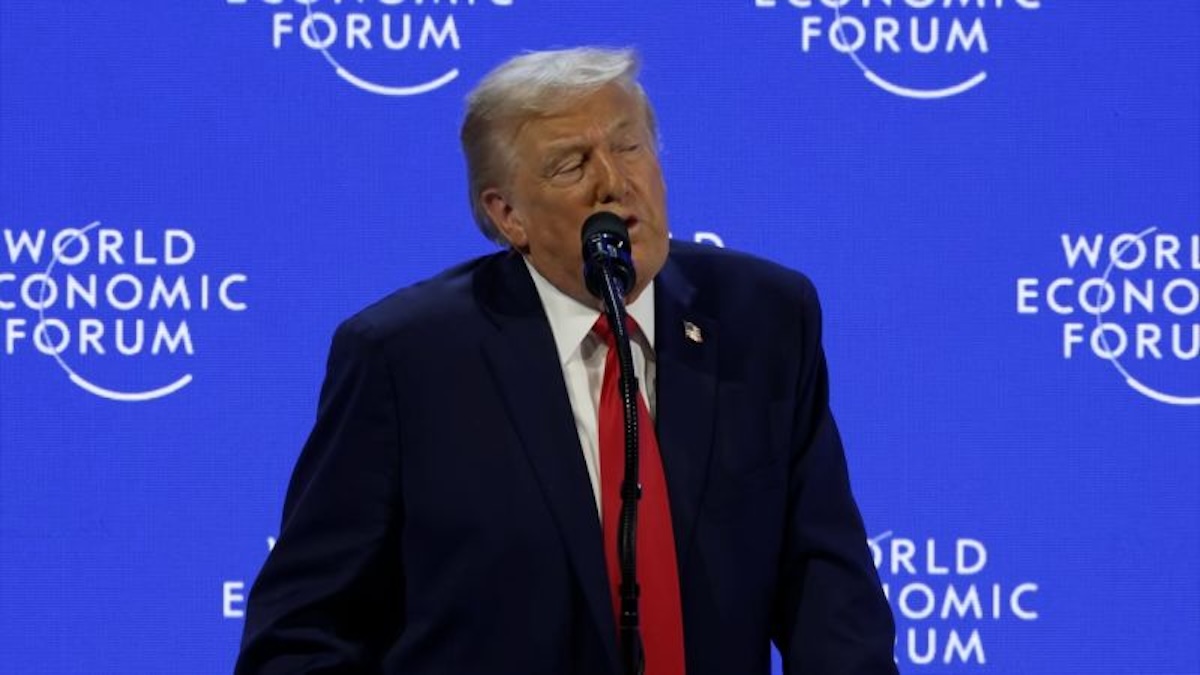
    In a significant diplomatic development, former President Donald Trump revealed through social media on Wednesday that he has established a preliminary agreement framework with NATO Secretary General Mark Rutte concerning Greenland and broader Arctic regional interests. The announcement followed Trump’s address at the World Economic Forum in Switzerland where he emphasized Greenland’s strategic importance while explicitly dismissing military intervention as an option.

    The proposed arrangement, described by Trump as “the ultimate long-term deal,” would reportedly address multiple strategic concerns including regional security and mineral resource access. As an immediate consequence of this diplomatic progress, Trump declared the suspension of previously threatened tariffs against several European nations including Denmark, Finland, France, Germany, and the United Kingdom.

    These tariffs, initially proposed at 10% and potentially escalating to 25% by June, were intended as leverage against countries opposing U.S. ambitions regarding Greenland. The negotiation process will now be handled by a team including Vice President JD Vance, Secretary of State Marco Rubio, and Special Envoy Steve Witkoff.

    While Trump enthusiastically promoted the arrangement as beneficial for all NATO members, he notably declined to confirm whether the framework includes U.S. sovereignty over Greenland. The proposal reportedly includes considerations for a missile defense system referred to as “The Golden Dome,” though specific details remain undisclosed pending further negotiations.

    The development follows Trump’s forum speech where he characterized Greenland as “a core national security interest” while employing ambiguous language regarding consequences for nations opposing U.S. objectives. This Arctic diplomacy occurs alongside domestic policy discussions, including Trump’s recent executive order targeting institutional investors in the housing market and proposed credit card interest rate limitations.

  • Mexico sends 37 accused drug gang members to the US

    Mexico sends 37 accused drug gang members to the US

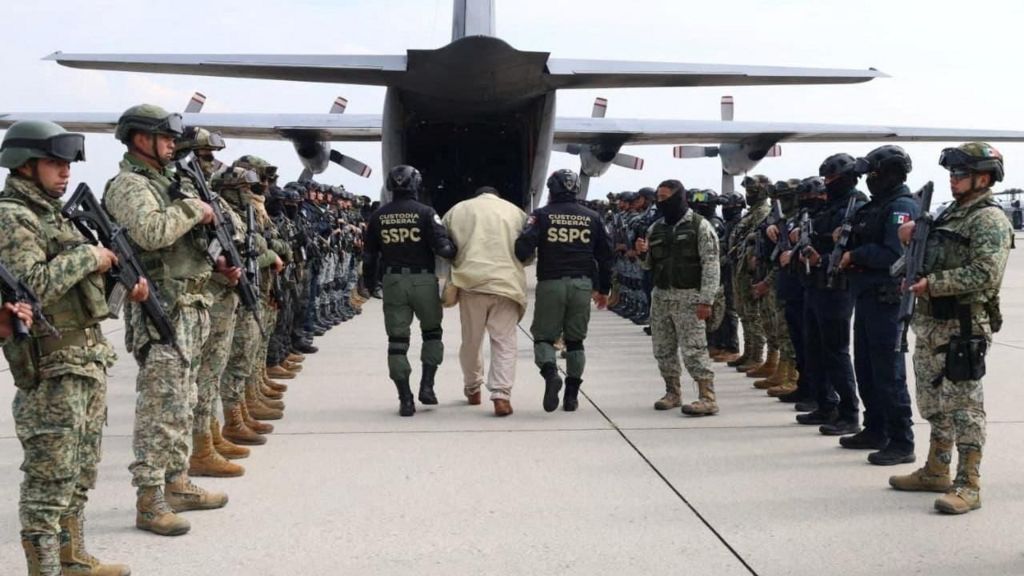
    In a significant bilateral security operation, Mexican authorities have transferred 37 inmates with alleged connections to powerful drug cartels to face judicial proceedings in the United States. This development follows recent remarks by former President Donald Trump suggesting potential U.S. military strikes against organized criminal networks operating within Mexican territory.

    This transfer represents the third such extradition initiative between the two nations within the past year, occurring during President Claudia Sheinbaum’s administration which has faced scrutiny regarding its approach to U.S. relations. Mexico’s Secretary of Security, Omar García Harfuch, communicated via social media platform X that the extradited individuals constituted a ‘threat to the country’s security.’

    The U.S. Justice Department publicly endorsed the extraditions, characterizing them as instrumental to a comprehensive strategy aimed at dismantling cartel operations. U.S. Attorney General Pam Bondi stated formally that ‘these 37 cartel members will now answer for their crimes against the American people within American judicial institutions.’

    Mexican officials secured assurances from U.S. prosecutors that capital punishment would not be sought against the transferred individuals. The operation was conducted pursuant to National Security Law provisions and established bilateral cooperation frameworks, with explicit acknowledgment of national sovereignty considerations.

    The detainees were transported aboard seven armed Mexican aircraft to multiple U.S. jurisdictions including Washington, New York, Houston, Pennsylvania, San Diego, and San Antonio. This latest operation brings the total number of extradited prisoners to 92 since the beginning of Trump’s second administration, following previous transfers of 26 ‘key operatives’ last August and a similar operation in February.

    President Sheinbaum’s government has intensified anti-narcotics efforts, citing a 50% reduction in fentanyl seizures at the southern U.S. border as evidence of effective policy. These developments occur alongside diplomatic discussions concerning U.S. military deployment along the border, which Mexican officials have explicitly stated remains ‘not on the table’ for consideration.

    The extradition program unfolds against a broader geopolitical backdrop that includes U.S. actions against other regional governments, following the precedent of military operations in Venezuela targeting former President Nicolás Maduro.

  • Rising coal demand overshadows Southeast Asia’s transition to renewable energy

    Rising coal demand overshadows Southeast Asia’s transition to renewable energy

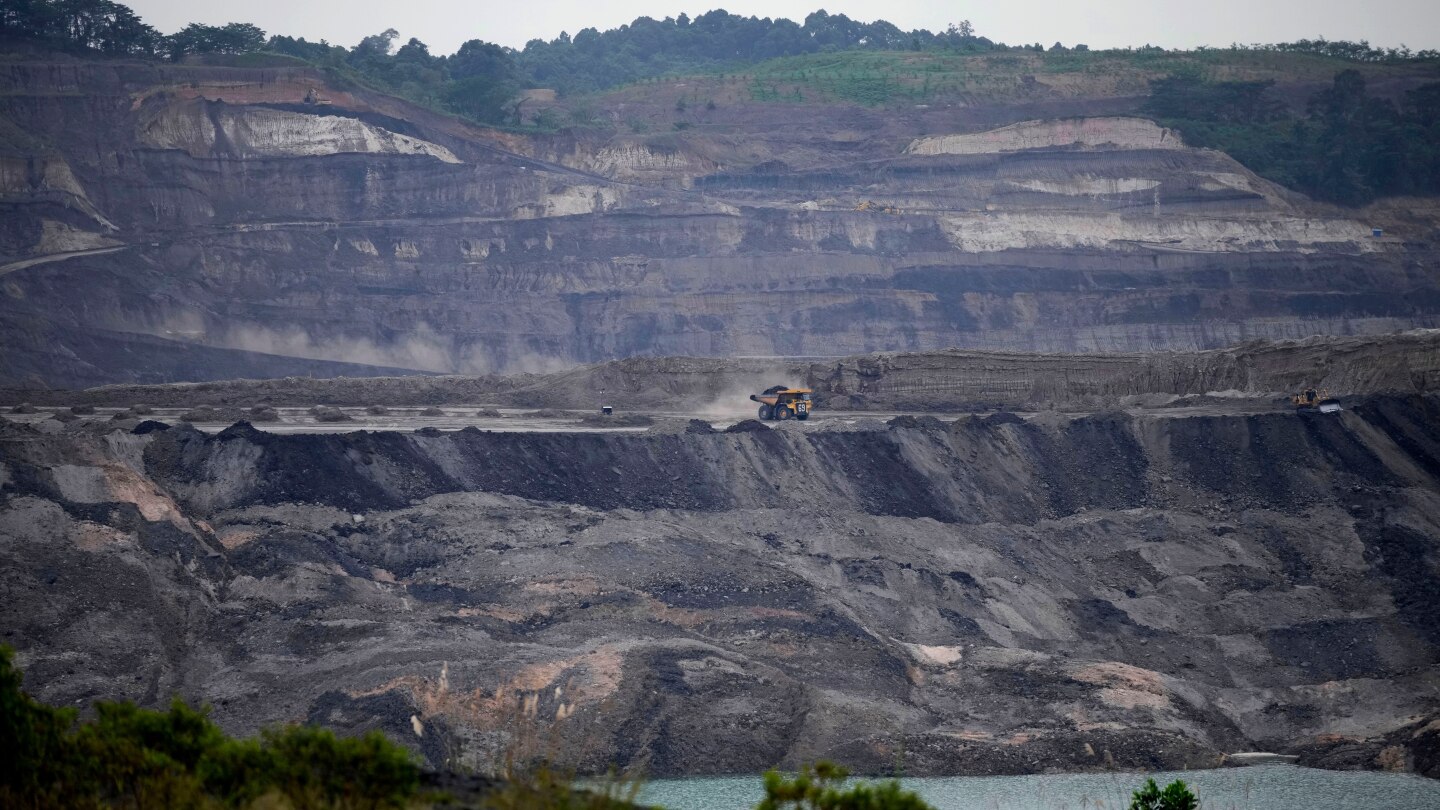
    Southeast Asia has emerged as the world’s fastest-growing coal consumption region, creating significant obstacles to global carbon reduction initiatives. According to the International Energy Agency’s latest findings, regional coal demand continues to escalate at over 4% annually through 2030, primarily driven by Indonesia and Vietnam’s expanding electricity requirements across their combined population exceeding 600 million.

    This upward trajectory casts substantial doubt on the viability of the $15.5 billion Just Energy Transition Partnerships (JETP) established in 2022 to facilitate renewable energy transitions. The political landscape has further complicated these efforts, with potential U.S. policy reversals under the Trump administration adding another layer of uncertainty to climate change mitigation strategies.

    Coal currently generates over one-third of Southeast Asia’s electricity, positioning the region as the world’s third-largest coal consumer after China and India. While global coal demand shows signs of plateauing, Southeast Asia moves counter to this trend due to compelling economic and energy security considerations.

    Katherine Hasan, an analyst at the Centre for Research on Energy and Clean Air, encapsulates the regional dilemma: “We’re standing on two opposite grounds—wanting to build clean energy, but not letting go entirely of coal.”

    Indonesia, the world’s largest coal exporter and Southeast Asia’s biggest carbon emitter, has notably reversed its climate commitments. The nation abandoned its pledge to phase out coal by 2040, with Special Climate Envoy Hashim Djojohadikusumo explicitly stating: “There will be no phase-out of fossil fuels. We’re sticking with a phase-down.” This policy shift was demonstrated when Indonesia’s attempt to retire a West Java coal plant collapsed last month.

    Vietnam presents a contrasting yet equally complex scenario. The nation has achieved remarkable solar capacity expansion—growing from 4 megawatts in 2015 to 16 gigawatts currently—with ambitious targets reaching 295 gigawatts by 2050. Despite these renewable energy advances, Vietnam recorded unprecedented coal imports exceeding 65 million metric tons in 2025, reflecting concerns about power reliability after 2023’s drought-induced shortages caused $1.4 billion in economic losses.

    Energy infrastructure limitations present additional challenges. Vietnam’s power grid requires approximately $18 billion in upgrades by 2030 to accommodate renewable expansion, while current funding covers only a fraction of this need. The region’s public sentiment increasingly favors delaying coal abandonment until 2030 or 2040, prioritizing immediate energy security over climate considerations.

    As Putra Adhiguna of the Energy Shift Institute observes, “JETP was basically a brute force attempt to do a transition. Governments were trying to bulldoze through… But fundamentally there are things that take a bit of time and political commitment to happen.” With Indonesia canceling coal plant retirements and potential U.S. withdrawal from JETP, the initiative’s momentum appears increasingly uncertain, leaving Southeast Asia’s climate future hanging in the balance.

  • Chile police arrest suspect over deadly wildfires

    Chile police arrest suspect over deadly wildfires

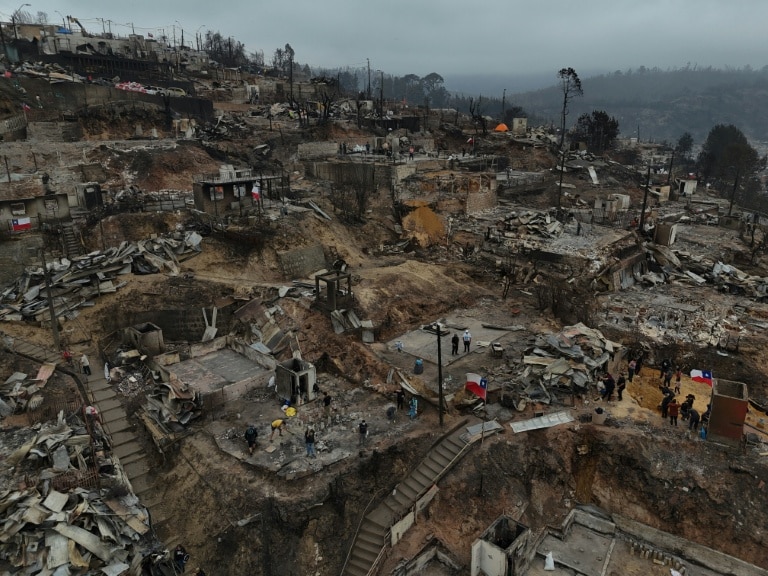
    Chilean law enforcement has apprehended an individual allegedly responsible for igniting one of the catastrophic wildfires that have claimed 21 lives and devastated entire communities across south-central Chile. The arrest occurred at dawn in Perquenco, located within the Araucania region, following investigations into simultaneously occurring blazes that erupted on Saturday across Biobio and Nuble regions.

    Security Minister Luis Cordero disclosed that investigators seized five liters of liquid accelerant from the suspect, who is accused of deliberately setting fire to wheat fields using flammable materials. Authorities additionally discovered plastic containers containing incendiary substances in Concepcion, reinforcing suspicions of arson.

    The infernos, propelled by intense winds and elevated temperatures, rapidly consumed coastal towns including Penco, Lirquen, and Punta de Parra, transforming vibrant neighborhoods into scorched landscapes of smoldering debris. Interior Minister Alvaro Elizande reported approximately 20,000 residents have sustained property damage, with roughly 800 homes completely destroyed.

    While firefighters continue combating 35 active blazes across three regions, recent temperature declines have provided critical relief. Carlos Zulieta, a frontline firefighter in Florida, confirmed the flames are now advancing “more slowly” with reduced intensity.

    The government has announced compensation ranging from $700 to $1,500 for victims as aid distribution commences in affected areas. Municipal crews and private enterprises are delivering essential supplies including portable toilets and generators to displaced families, some of whom remain camping amid their homes’ ruins.

    This tragedy echoes February 2024’s devastating wildfires near Viña del Mar, where 138 perished in blazes later determined to have been started by emergency personnel. Chile continues confronting its vulnerability to both human-caused and natural wildfires during Southern Hemisphere summer months.

  • Cambodia will send 73 online scam suspects to South Korea

    Cambodia will send 73 online scam suspects to South Korea

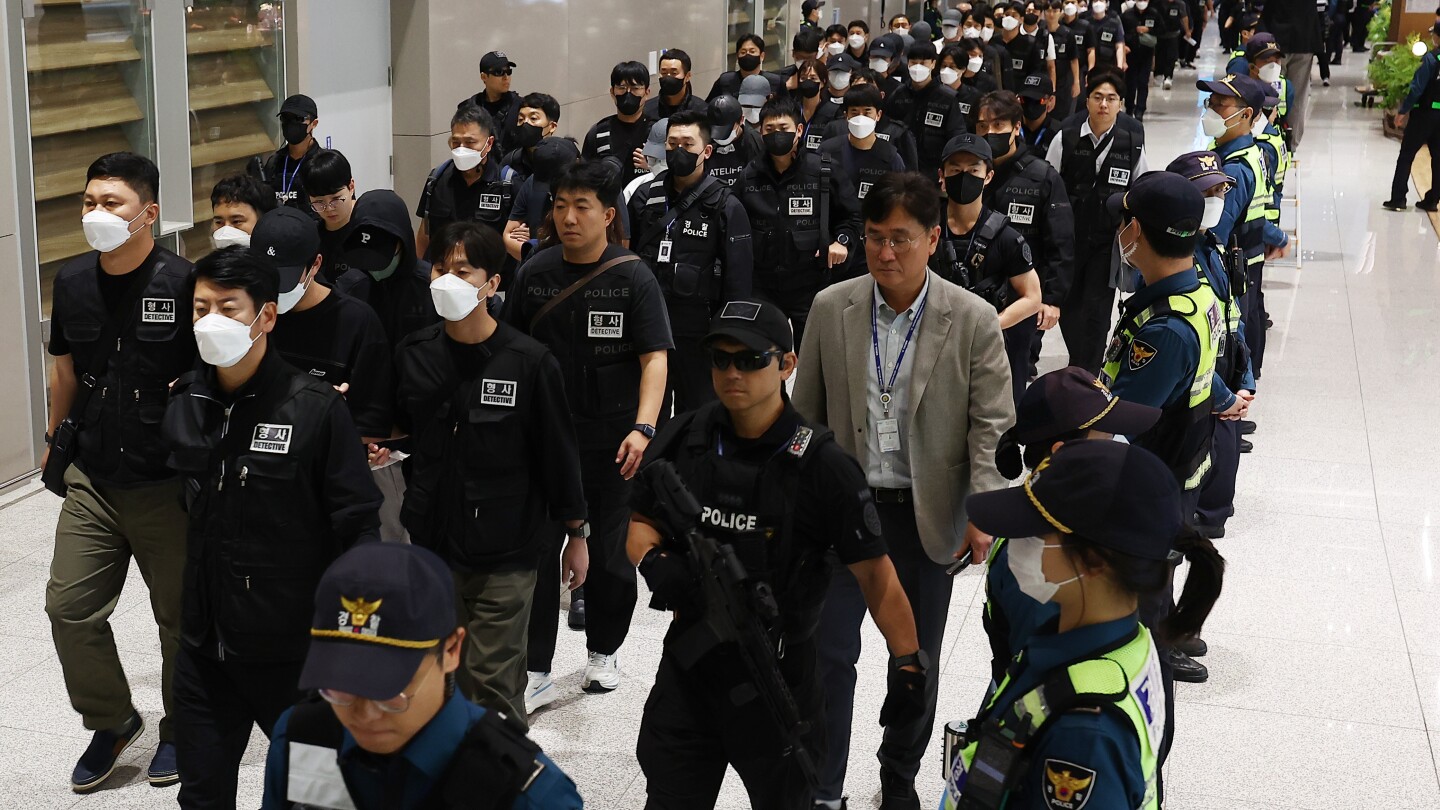
    SEOUL, South Korea – In a significant international law enforcement operation, Cambodia is set to repatriate 73 South Korean nationals detained for their alleged involvement in sophisticated online scam operations. This constitutes the largest single repatriation of Korean criminal suspects from overseas jurisdictions to date.

    The suspects, comprising 65 men and 8 women, are accused of orchestrating financial scams that defrauded their compatriots of approximately 48.6 billion won (equivalent to $33 million). These individuals were among 260 South Koreans apprehended during Cambodia’s recent intensified crackdown on cybercrime compounds.

    This crackdown gained momentum following tragic events last summer that sparked public outrage in South Korea. The death of a Korean student, who was reportedly forced into labor at a Cambodian scam compound and subjected to torture and physical abuse, prompted decisive government action. In response, South Korea dispatched a high-level delegation to Cambodia in October to coordinate a bilateral response to these criminal networks.

    According to official statements, South Korean authorities will deploy a chartered aircraft to transport the suspects back to Seoul, with arrival expected on Friday. Upon landing, all individuals will be immediately transferred to investigative agencies for formal processing.

    The phenomenon of cybercrime has seen alarming growth across Southeast Asia, particularly in Cambodia and Myanmar. Criminal organizations have established operations where trafficked foreign nationals, often lured by deceptive job offers, are compelled to execute romance and cryptocurrency scams under conditions resembling modern slavery. United Nations estimates indicate that global victims of such scams suffered financial losses between $18 billion and $37 billion in 2023 alone.

    Since October, approximately 130 Korean suspects have been returned from Cambodia, with fewer than 30 additional individuals repatriated from Laos, Vietnam, Thailand, and the Philippines combined. Following Friday’s operation, around 60 South Korean nationals will remain in Cambodian detention awaiting repatriation. South Korean officials previously estimated that approximately 1,000 of its citizens were involved in scam centers throughout Cambodia, including potential victims of forced labor.

    South Korean authorities have committed to continuing their collaborative international efforts to combat cybercrimes targeting their citizens worldwide.

  • Big Bash League 2025-26: Babar Azam has played his last game of the season for the Sydney Sixers

    Big Bash League 2025-26: Babar Azam has played his last game of the season for the Sydney Sixers

    Pakistani cricket sensation Babar Azam’s tumultuous Big Bash League campaign has concluded unexpectedly ahead of the critical finals phase. The Sydney Sixers will complete their championship pursuit without their high-profile import, who has been recalled by Pakistan’s cricket board for World Cup preparation duties.

    The development eliminates Azam from participating in what could have been two remaining finals appearances for the Sixers, who face the Hobart Hurricanes on Friday night for a chance to challenge the Perth Scorchers in Sunday’s championship match.

    Azam’s BBL tenure proved notably contentious, generating significant media scrutiny regarding his batting approach. Critics highlighted his unusually conservative strike rate, suggesting he prioritized personal statistics over team requirements. The controversy reached its peak during a match against Sydney Thunder when Azam visibly demonstrated frustration by striking the boundary rope and allegedly refusing handshakes after a miscommunication with teammate Steve Smith regarding a single.

    Despite public reconciliation between the players and subsequent partnerships at the crease, Azam managed just one run across two innings following the incident. His departure statement expressed gratitude toward the Sixers organization and supporters: ‘I have very enjoyed my time. I have a lot of positive things to take back home – a lot of fun, so I have enjoyed it a lot. Especially thank you to the Sydney Sixers fans for their constant support and encouragement.’

  • Steven Deer: Former Melbourne CFMEU training manager accused of falsifying invoices

    Steven Deer: Former Melbourne CFMEU training manager accused of falsifying invoices

    A former training manager from Australia’s Construction, Forestry and Maritime Employees Union (CFMEU) is confronting serious fraud allegations following an investigation into financial misconduct within the union’s educational division. Steven Frederick Deer, 62, has been formally charged with 21 criminal offenses related to document falsification and deceptive property acquisition.

    The case emerged through collaborative efforts between CFMEU internal investigators and Victoria Police’s specialized Taskforce Hawk, which focuses on criminal activities within the construction sector. According to law enforcement authorities, the investigation began in October after union representatives provided evidence suggesting financial irregularities at CFMEU’s Port Melbourne training facility.

    Court documents reveal that Mr. Deer allegedly created seven fraudulent invoices totaling approximately $10,000 between June 2024 and May 2025. These documents were purportedly sent to four traffic control companies: TopUp Traffic, Dardi Munwurro Traffic, Phoenix Traffic, and VDTA. The charging sheets indicate three invoices were valued at $2,000 each, while four others amounted to $1,000 each.

    The legal proceedings commenced at Ringwood Magistrates’ Court, where the case received its first mention since charges were filed on November 7. Although Mr. Deer did not appear personally, his legal representatives requested a six-week adjournment via written correspondence to the court. Magistrate John O’Callaghan approved the postponement, scheduling the next hearing for March 5.

    According to professional records, Mr. Deer served as manager of CFMEU’s education and training unit from January 2022 until October of the previous year. The union has cooperated with authorities throughout the investigation, though no official statements have been released regarding the allegations against their former employee.