作者: admin

  • ‘Fiber chip’ could be a boon for healthcare

    ‘Fiber chip’ could be a boon for healthcare

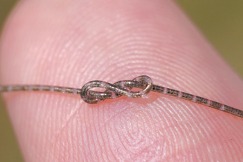
    Researchers at Shanghai’s Fudan University have achieved a groundbreaking advancement in electronic engineering by developing complex circuitry within ultra-thin, flexible fibers. This innovation, dubbed the “fiber chip” technology, represents a significant departure from conventional rigid silicon-based chips, enabling fabrics to possess computational capabilities while maintaining the softness and flexibility required for everyday clothing applications.

    The research team overcame longstanding technical challenges by implementing a novel “multilayered spiral architecture” that utilizes the internal three-dimensional space of fibers rather than relying solely on surface area. This architectural breakthrough allows for unprecedented transistor density within microscopic fibers. Experimental results demonstrate that a mere 1-millimeter fiber segment can accommodate approximately 10,000 transistors, equivalent to the processing power of modern cardiac pacemakers. When extended to one meter, these fibers can potentially contain millions of transistors, rivaling the computational capacity of standard desktop computer processors.

    This technological leap holds particular promise for healthcare applications, especially in brain-computer interface (BCI) systems. Current BCI technology relies on rigid electrodes connected to external computing devices through cumbersome wiring. The fiber chip enables the development of fully integrated “closed-loop” systems where sensing, data processing, and therapeutic stimulation occur within a single flexible fiber. Professor Peng Huisheng, co-author of the study published in Nature, emphasized that these fibers—measuring just 50 micrometers in diameter (thinner than human hair) and matching the flexibility of brain tissue—offer significantly improved safety and efficacy for neurological treatments.

    Beyond healthcare, the technology promises to revolutionize virtual reality experiences through the development of imperceptibly thin tactile gloves that can accurately simulate texture and pressure sensations. Research team member Chen Peining confirmed that the manufacturing process demonstrates strong compatibility with existing chip fabrication infrastructure, indicating that mass production feasibility has already been established. This development marks a critical step toward truly seamless integration of computational capabilities into everyday textiles and medical devices.

  • Australia passes tougher laws on guns, hate crime

    Australia passes tougher laws on guns, hate crime

    In a decisive legislative response to the December 14 terrorist shooting at Sydney’s Bondi Beach, the Australian Parliament has enacted comprehensive reforms strengthening gun control measures and hate crime legislation. The tragic incident during a Jewish festival resulted in 16 fatalities, including one perpetrator, and left dozens injured.

    The newly passed firearm regulations introduce a national buyback program, enhanced import restrictions, more rigorous background verifications for licensing, and limitations on permitted firearm categories. Concurrently, the hate crime legislation establishes mechanisms to designate organizations as ‘hate groups,’ targets individuals propagating extremist ideologies, and increases penalties for violence advocacy offenses.

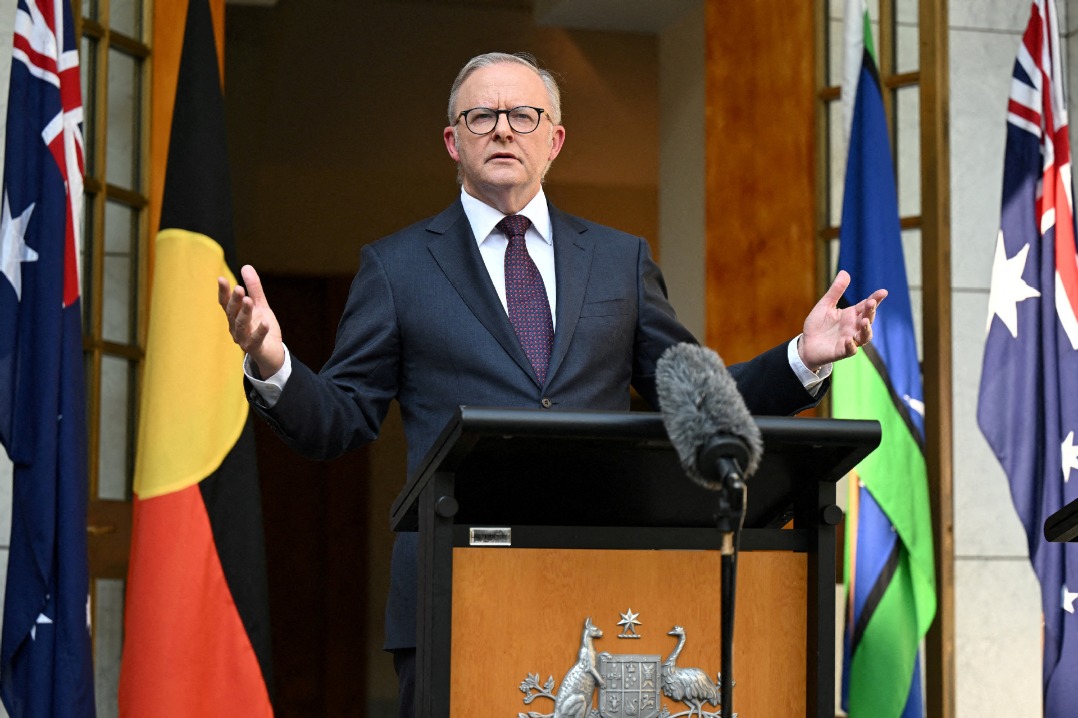
    Prime Minister Anthony Albanese emphasized the government’s urgency in addressing these issues, stating at a Canberra press conference: ‘At Bondi, the terrorists had hate in their hearts, but they had guns in their hands. We have acted with unity to confront both threats decisively.’

    The alleged attackers, 24-year-old Naveed Akram and his 50-year-old father Sajid, targeted a Hanukkah celebration. Police neutralized Sajid at the scene while Naveed sustained critical injuries. Subsequent investigations revealed six firearms used in the assault, with Naveed facing 59 charges including murder and terrorism.

    This represents Australia’s most significant security legislation since the 1996 Port Arthur massacre that claimed 35 lives and established the National Firearms Register. The government will additionally form a royal commission examining antisemitism and social cohesion, while declaring a national day of mourning with flags at half-mast to honor the victims.

    Sociologist Margaret Gibson of Griffith University noted the importance of national rituals following such tragedies, stating they ‘demonstrate government leadership toward collective solidarity and unity in the face of violence that ruptures the sense of safety of community and nation.’

  • Japan suspends world’s largest nuclear plant hours after restart

    Japan suspends world’s largest nuclear plant hours after restart

    Japan’s ambitious nuclear energy revival faced an immediate setback as the Kashiwazaki-Kariwa Nuclear Power Plant—the world’s largest by installed capacity—was abruptly shut down mere hours after restarting operations. The suspension occurred when an alarm triggered during reactor-start-up procedures at reactor number six, which had just resumed operation on Wednesday following a one-day delay caused by another technical malfunction.

    Tokyo Electric Power Company (Tepco) spokesperson Takashi Kobayashi confirmed the incident, stating that while the reactor remained stable with no radioactive impact detected outside the facility, the company is investigating the cause with no timeline provided for resuming operations. This restart marked a significant milestone as the first reactor activation at the plant since the catastrophic 2011 Fukushima disaster that led Japan to shutter all 54 of its nuclear reactors.

    The Kashiwazaki-Kariwa facility’s troubles highlight Japan’s ongoing challenges in balancing its nuclear energy ambitions with public safety concerns. The reactor had received regulatory approval to restart despite opposition from local residents, with protests occurring outside Tepco’s headquarters last week and hundreds gathering at the Niigata prefectural assembly in December.

    Japan’s nuclear landscape has dramatically transformed since Fukushima, where a 9.0 magnitude earthquake triggered meltdowns forcing over 150,000 evacuations. Before the disaster, nuclear power provided nearly 30% of Japan’s electricity, with plans to increase that to 50% by 2030. The current administration has been gradually restarting reactors as part of its strategy to achieve net-zero emissions by 2050, with 15 of 33 operable reactors resumed since 2015.

    The future of Kashiwazaki-Kariwa remains uncertain, with reactor seven not expected to restart until 2030 and the other five reactors potentially facing decommissioning. This would leave the massive facility operating at a fraction of its designed capacity, representing both a technical and symbolic challenge for Japan’s nuclear energy policy.

  • Camping carnival brings warmth to frigid NE China

    Camping carnival brings warmth to frigid NE China

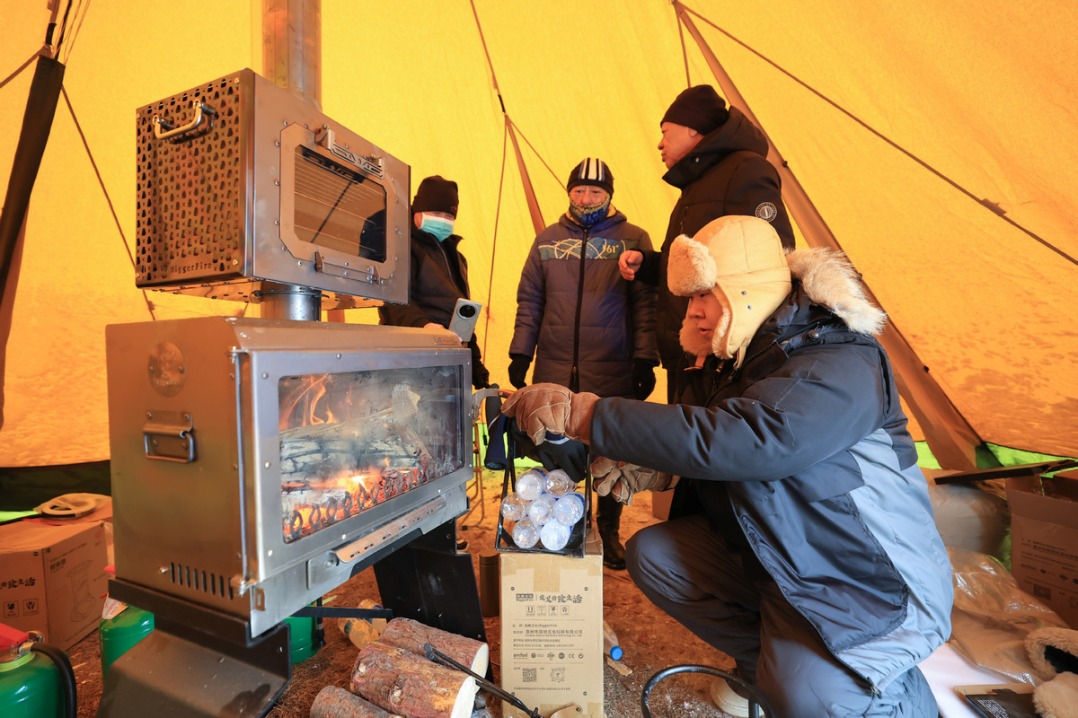
    In a remarkable display of outdoor enthusiasm overcoming extreme weather, thousands of camping devotees converged on the frozen landscapes of Northeast China for the fourth annual Northeast Camping Carnival. The event, held from January 12-18 in Hala village within Qiqihar’s Meilisi Daur ethnic district, transformed the typically dormant winter scene into a vibrant hub of activity.

    Among the participants was Zhu Yongyu, who embarked on an extraordinary 3,000-kilometer journey from Guangdong province in southern China. After six days of driving through dramatically changing climates, Zhu achieved his goal of experiencing sub-zero camping at -30°C—a stark contrast to the temperate conditions of his home region.

    “I’ve exhausted all camping scenarios in Guangdong, but snow camping represents an entirely new frontier of challenge,” Zhu explained while maintaining his tent’s interior warmth with a gas stove. “This unique experience justified the extensive travel.”

    The festival reached a milestone this year with over 1,000 tents pitched across the snow-blanketed grasslands, marking the first time the event has surpassed this threshold. The spectacle of colorful shelters dotting the silver plains symbolized a significant evolution in China’s winter tourism patterns.

    Local authorities note that the traditional concept of winter hibernation has been replaced by growing economic vitality driven by integrated ice-and-snow sports, cultural activities, and outdoor leisure pursuits. The camping carnival demonstrates how extreme weather conditions, once seen as a limitation, have been reimagined as a unique attraction drawing visitors from across China.

    The event’s success highlights how specialized tourism initiatives can stimulate regional economies during traditionally slow seasons while providing urban dwellers with unprecedented access to winter wilderness experiences.

  • US hard-line stance sowing divisions

    US hard-line stance sowing divisions

    As the Trump administration marked its first anniversary of the second term, its assertive “America First” doctrine has generated significant international friction and raised concerns about global stability. During a comprehensive White House briefing, President Trump showcased what he described as 365 accomplishments since his January 20 inauguration, while simultaneously advancing controversial policies that have strained traditional alliances.

    The administration’s approach has particularly manifested in two contentious areas: immigration enforcement and territorial ambitions. Trump devoted substantial attention to immigration issues, publicly displaying mugshots of undocumented immigrants arrested in Minnesota and praising ICE agents. More remarkably, the president reaffirmed his interest in acquiring Greenland from Denmark, suggesting potential negotiations that would satisfy both NATO and U.S. interests without elaborating on specifics.

    European leaders have responded with firm resistance. European Commission President Ursula von der Leyen condemned newly announced tariffs targeting eight European nations supporting Denmark’s position on Greenland as a “mistake” that questions Washington’s reliability. French President Emmanuel Macron threatened retaliatory measures using the EU’s powerful economic tools, colloquially termed a “trade bazooka.”

    International relations experts warn that these policies represent a fundamental shift in global dynamics. According to Chen Hong of East China Normal University, the administration appears to be constructing a new form of hegemonic politics that challenges post-World War II international norms and sovereignty principles. The Chicago Council on Global Affairs has identified the U.S. as potentially “the primary driver of global disruption” due to its unpredictable alliance management.

    The administration’s withdrawal from key international agreements—including the Paris Climate Accord and World Health Organization—combined with its use of tariffs as foreign policy instruments, threatens to undermine multilateral frameworks. Researchers like He Yun of Tsinghua University predict these actions will accelerate regionalization trends as nations seek to reduce dependence on Washington and strengthen alternative security arrangements.

    Analysts from Pakistan’s Global Silk Route Research Alliance note that the preference for coercion over diplomacy violates UN Charter principles and jeopardizes international stability. As nations increasingly consider bloc formation and regional cooperation mechanisms, the international order faces potential restructuring toward transactional power dynamics rather than collective multilateral governance.

  • TCM therapy gives students peace of mind

    TCM therapy gives students peace of mind

    In an innovative approach to student mental health, universities in China’s Shaanxi province are integrating Traditional Chinese Medicine (TCM) principles to address growing concerns about anxiety and depression on campus. This holistic methodology emphasizes physical wellness as the foundation for psychological stability, marking a significant shift from conventional Western counseling techniques.

    The program at Shaanxi University of Chinese Medicine advocates for regulated sleep patterns, recommending students retire before 11 pm and nap between 11 am and 1 pm to nourish internal organs and reduce anxiety. Associate Professor Tong Yajing explains that this ‘body-first’ philosophy recognizes the interdependence of physical and mental health, with improved physical condition naturally enhancing stress resistance.

    Students participate in diverse TCM practices including qigong breathing exercises, acupressure, seasonal dietary adjustments, and mindfulness activities. The university reports remarkable success, with 95.58% of participants reporting tangible benefits from these traditional therapies. Pre and post-program assessments specifically for mindfulness meditation showed significant reductions in anxiety levels.

    Personal testimonies reveal the program’s effectiveness. One junior student (identified as Xiao Si) who previously struggled with depression reported becoming more attuned to bodily needs through TCM practices. ‘I learned to be more careful with my body, which has been helpful in improving my mental state,’ she noted.

    Another student, Xiao Chen, found tai chi and baduanjin exercises particularly effective during exam periods. ‘After practice, my mind was in a state of calm emptiness, free from random thoughts,’ she described, adding that TCM’s avoidance of excessive emotional probing made it more comfortable than Western approaches.

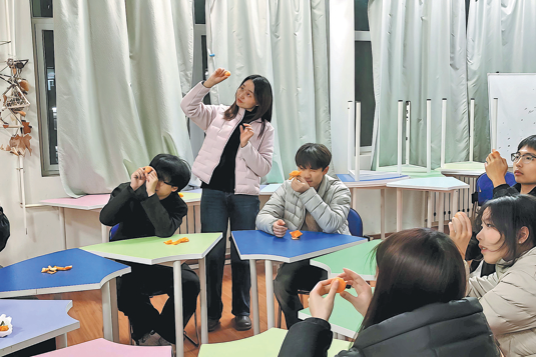
    The initiative has expanded to Xi’an Shiyou University, which conducts daily baduanjin workshops and innovative mindfulness photography projects where participants document their emotional states through images over 21-day cycles. The university even integrates traditional poetry recitation and calligraphy with mindfulness practices.

    Psychological counselor Yan Gaobin observes that ‘anxiety comes from disordered thinking,’ while the structured movements and breathing techniques of baduanjin help restore mental order. colleague Hui Xiaoyin notes that the low barrier to participation contributes significantly to student adherence.

    With demonstrated success in addressing the primary psychological challenges faced by students—interpersonal relationships and academic pressure—these TCM programs are poised for expansion across provincial universities, offering a culturally-grounded, cost-effective alternative to conventional mental health interventions.

  • Diving to discover details of distant past dependant on weather

    Diving to discover details of distant past dependant on weather

    For underwater archaeologist Tseung Pak-long, the ocean’s surface tranquility often masks the volatile conditions that determine the success or failure of his missions. Recently traveling nearly eight hours from Hong Kong to Pingtan Island in Fujian province, Tseung arrived to assist with specialized diving training despite an approaching typhoon threatening to disrupt operations.

    The delicate dance between archaeology and meteorology becomes most apparent during typhoon season, which spans May through November with peak intensity from July to September. Paradoxically, this period of heightened weather risk offers the most favorable underwater conditions for archaeological work. ‘Temperature and seabed conditions reach their optimal state during these months,’ Tseung explained, highlighting the profession’s inherent contradictions.

    As Typhoon Wipha prompted Hong Kong’s highest hurricane warning, Tseung maintained hope that Fujian’s distance from the storm’s eye might spare their operations. This optimism proved short-lived as powerful gusts greeted his arrival, signaling the challenging conditions ahead.

    The following day brought deceptive sunshine, but Tseung’s experience told a different story. ‘Favorable conditions for underwater work aren’t about surface weather,’ he clarified. ‘Everything depends on current intensity and subaquatic visibility.’

    Underwater archaeology operates under stringent safety protocols that prioritize diver security above all discoveries. The discipline mandates buddy systems, strict time limitations, defined operational ranges, and precise workflows. Tseung gestured toward the seemingly calm sea, noting its appearance belied the turbulent currents churning beneath—the aftermath of the passing typhoon creating dangerous and murky conditions.

    Accustomed to weather-related disappointments, Tseung philosophically compared underwater excavation to ‘opening a mystery box’ where even reaching a shipwreck site doesn’t guarantee significant findings. This unpredictability makes every successful dive particularly valuable.

    The expedition’s fate was sealed by evening when rough seas forced all vessels to designated safe zones, canceling the next day’s planned operations. Accepting nature’s authority with equanimity, Tseung reflected that being at mercy of the elements simply represents the norm in his profession.

  • Nation’s underwater archeology uncovered

    Nation’s underwater archeology uncovered

    On the coastal frontier of Pingtan Island in Fujian province, where terrestrial landscapes merge with oceanic expanses, an unassuming four-story crimson structure houses China’s premier Underwater Archaeology Training Base. This facility represents the vanguard of the nation’s systematic efforts to reclaim its submerged cultural heritage from oceanic depths.

    The discipline of underwater archaeology has evolved from specialized pursuit to established scientific practice in China, with veteran practitioners like retired archaeologist Cui Yong—among the nation’s pioneering figures in submerged cultural exploration—witnessing its transformative journey. As former deputy director of the Guangdong Institute of Cultural Relics and Archaeology, Cui embodies the dedication driving China’s maritime preservation initiatives.

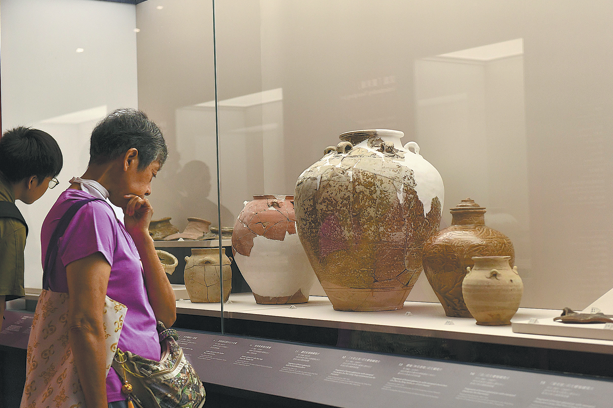
    Recent exhibitions, including the display of salvaged relics from the renowned Nanhai One shipwreck at Hong Kong’s Heritage Discovery Centre in August 2024, demonstrate the growing public engagement with these archaeological recoveries. The fourteenth-century merchant vessel, discovered in 1987 and meticulously excavated from the South China Sea, has become a symbolic representation of China’s maritime historical legacy, yielding over 180,000 cultural artifacts that illuminate ancient trade networks.

    China’s methodological approach combines advanced sonar mapping, remotely operated vehicles, and specialized diver training to investigate shipwrecks spanning from the Song Dynasty (960-1279) to the Qing Dynasty (1644-1911). These scientific endeavors not only recover physical artifacts but reconstruct historical narratives of maritime commerce, technological exchange, and cultural interaction along ancient trade routes.

    The national investment in underwater archaeology reflects broader recognition of oceanic heritage as an integral component of cultural preservation, with training programs developing new generations of archaeologists equipped to handle the unique challenges of submerged excavation and conservation.

  • South African police not yet able to defeat gangs, minister says

    South African police not yet able to defeat gangs, minister says

    South Africa’s Police Minister Firoz Cachalia has delivered a sobering assessment of the nation’s security capabilities, acknowledging that law enforcement lacks adequate resources to combat increasingly sophisticated criminal gangs. This admission comes amid escalating violence that has plagued multiple provinces, particularly the Eastern Cape and Western Cape regions.

    Minister Cachalia characterized gang violence as a ‘grave problem throughout the country’ during a press conference Wednesday, noting that criminal cartels ‘wield significant wealth and power’ that continues to undermine public safety. His comments followed a visit to Nelson Mandela Bay in Eastern Cape, where he described gangs as being on a ‘killing spree’ that has persisted into the new year.

    Statistical evidence underscores the severity of the crisis. Official police data reveals an average of 63 daily homicides between April and September last year, while local prevention groups documented 118 deaths in Nelson Mandela Bay alone from August to December. The violence has continued unabated in 2026, with approximately 40 fatalities reported across the region in January.

    The proliferation of illegal firearms exacerbates the situation. According to statistics cited by Gideon Joubert of the South African Gunowners’ Association, the country’s 63 million citizens possess approximately 3 million legally registered firearms—matched by an equal number of unlicensed weapons in circulation.

    Recent months have witnessed several high-profile incidents highlighting the crisis. These include a mass shooting near Johannesburg that claimed 11 lives in connection with illegal mining turf wars, a hostel attack in Pretoria that killed 11 people including a three-year-old child, and a tavern shooting in Durban that left eight patrons dead.

    Despite the establishment of a specialized anti-gang unit in 2019, Minister Cachalia indicated that traditional policing approaches have proven insufficient. He criticized ad hoc responses to the growing problem, emphasizing that ‘establishing gang units from time to time’ represents an inadequate solution to deeply entrenched organized crime.

    President Cyril Ramaphosa has pledged strengthened law enforcement measures and increased police deployments to address the violence. However, Minister Cachalia’s assessment suggests that without significant resource allocation and strategic overhaul, South Africa’s security forces remain outmatched by well-funded criminal networks.

  • Three dead in shooting in Australia’s New South Wales

    Three dead in shooting in Australia’s New South Wales

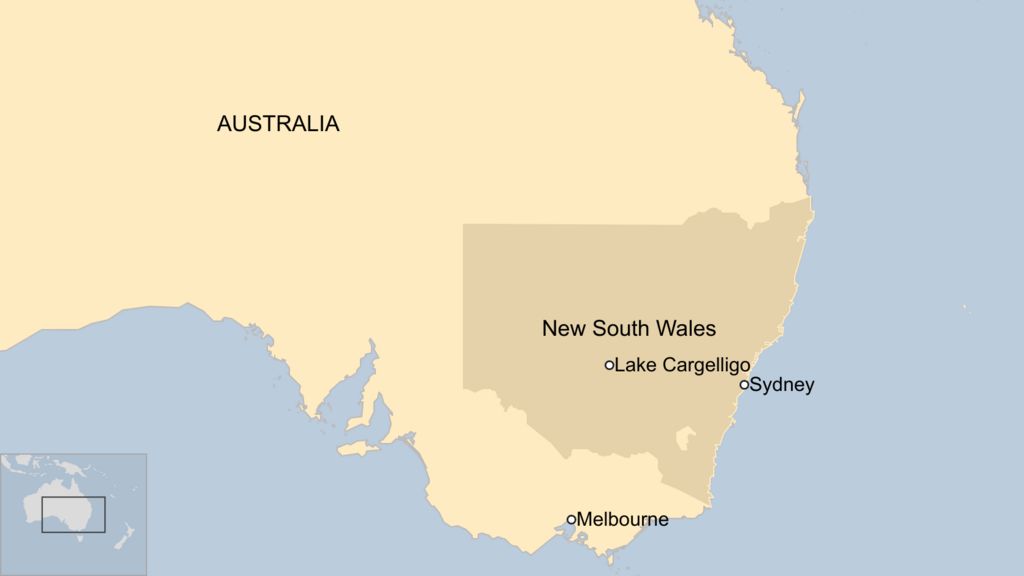
    A tranquil afternoon in the rural community of Lake Cargelligo was shattered by violence on Tuesday when a shooting incident claimed three lives and left another individual hospitalized. According to New South Wales Police, the tragedy unfolded at approximately 4:40 PM local time (05:40 GMT) in the Walker Street area near Yelkin Street, prompting immediate deployment of emergency services.

    The victims, identified as two women and one man, succumbed to their injuries at the scene. A fourth individual was transported to a medical facility and remains in serious but stable condition. Preliminary investigations suggest the incident may be connected to domestic violence, though authorities continue to pursue all lines of inquiry.

    Law enforcement officials have confirmed the suspected perpetrator remains at large, potentially having fled the scene in a vehicle belonging to the local council. In response, heavily armed tactical police units have been deployed throughout the region as the manhunt intensifies.

    Local residents have been advised to shelter in place while authorities urge the public to avoid the affected area entirely. The community of approximately 1,500 people, located in central New South Wales, now faces its second major gun-related tragedy in recent months, following December’s mass shooting at Sydney’s Bondi Beach that resulted in 15 fatalities.

    The incident has reignited national conversations about gun control and domestic violence prevention measures across Australia. Police continue their investigation while maintaining a significant presence in Lake Cargelligo as search operations continue.