作者: admin

  • Elon Musk misled Twitter investors, jury finds

    Elon Musk misled Twitter investors, jury finds

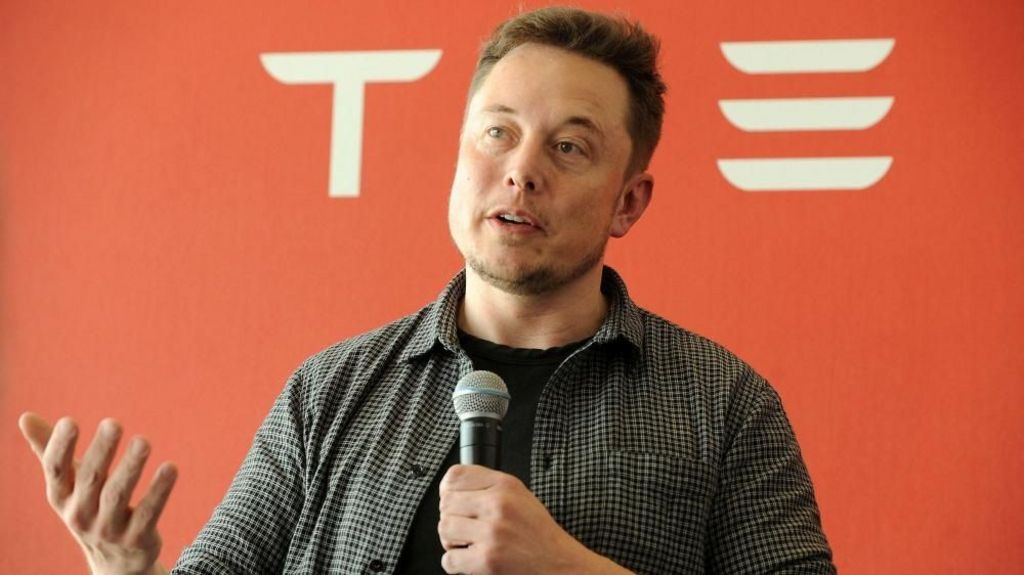
    A federal jury in San Francisco has delivered a significant legal verdict against technology magnate Elon Musk, concluding he disseminated misleading information during the pivotal period of his contentious $44 billion acquisition of Twitter in 2022. The decision, reached following two days of intensive jury deliberations, represents a victory for a consortium of Twitter investors who initiated legal proceedings against the billionaire. The plaintiffs successfully argued that they suffered financial damages after relying on Musk’s public declarations and tweets when making investment decisions.

    During courtroom testimony earlier this month, Musk defended his communications, asserting that the public and investors had misinterpreted his statements and attributed excessive significance to his social media posts. Contrary to his defense, the jury determined that Musk’s deliberate public claims regarding purported flaws in Twitter’s user metrics were materially deceptive. Furthermore, the panel found his subsequent announcements about withdrawing from the historic acquisition agreement constituted intentional misinformation.

    This legal outcome underscores the substantial accountability facing high-profile executives for their public communications, particularly those capable of influencing financial markets. The case establishes a notable precedent regarding the legal responsibilities of corporate leaders and influential figures in the digital age, where social media statements can instantly impact investment landscapes. The verdict highlights the judicial system’s role in scrutinizing public claims made during high-stakes corporate negotiations, reinforcing that public figures cannot make misleading statements without potential legal consequences.

  • Conservatives’ Badenoch fails to issue Eid message to British Muslims

    Conservatives’ Badenoch fails to issue Eid message to British Muslims

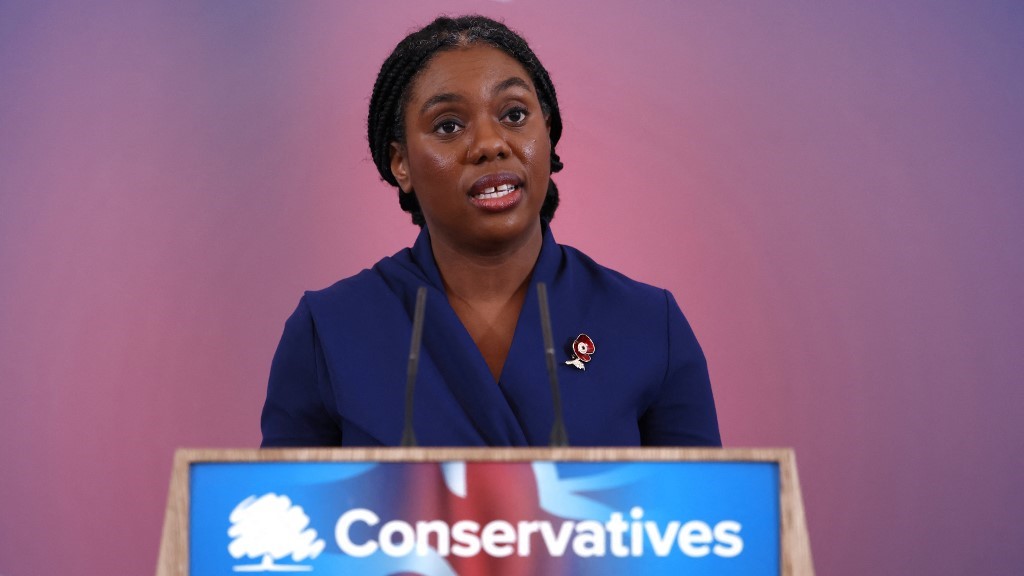
    The UK’s Conservative Party finds itself embroiled in deepening controversy regarding its engagement with British Muslims following leader Kemi Badenoch’s failure to issue a public Eid al-Fitr greeting. This significant Islamic festival, marking Ramadan’s conclusion, commenced Thursday evening and represents one of the Muslim calendar’s most important observances worldwide.

    While Prime Minister Keir Starmer and leaders across the political spectrum—including Liberal Democrats and Greens—promptly extended Eid greetings through social media channels, Opposition Leader Badenoch remained conspicuously silent on her official X and Facebook accounts throughout Friday. Historical analysis reveals Badenoch last acknowledged Eid in 2022 during her tenure as faith minister, despite regularly recognizing other religious festivals including Hanukkah and Diwali.

    The Conservative Party eventually shared a brief ‘Eid Mubarak’ message on its Facebook page Friday afternoon, though the party declined to comment on Badenoch’s personal silence when approached for clarification.

    This omission occurs amidst escalating tensions following controversial remarks by Shadow Justice Secretary Nick Timothy, who characterized public Muslim prayers during London’s Trafalgar Square iftar event as ‘an act of domination.’ Timothy specifically criticized the public recitation of the adhan (Islamic call to prayer) as representing a ‘declaration of domination,’ while clarifying he wasn’t accusing all participants of Islamist extremism.

    Badenoch notably endorsed Timothy’s perspective by sharing his Telegraph commentary defending these views just before Eid celebrations. This alignment has drawn sharp criticism from political figures including Prime Minister Starmer, who labeled Timothy’s comments ‘utterly appalling’ and asserted he would dismiss such a staff member immediately.

    Independent MP Ayoub Khan, representing Birmingham Perry Barr’s substantial Muslim constituency, condemned Badenoch’s silence as more than oversight: ‘At a time when leadership should unite, your silence speaks volumes. Many in your own party will be questioning what that says about who you choose to represent!’

    Former Conservative Attorney General Dominic Grieve offered constitutional perspective, noting Trafalgar Square’s historical accommodation of diverse religious events. Grieve questioned whether Timothy’s objections applied universally to religious expressions or specifically targeted Muslim practices, warning the latter would constitute ‘discrimination without any lawful basis.’

  • Noah Wyle tells hearing that ‘The Pitt’ shows TV and film production in the US can be revived

    Noah Wyle tells hearing that ‘The Pitt’ shows TV and film production in the US can be revived

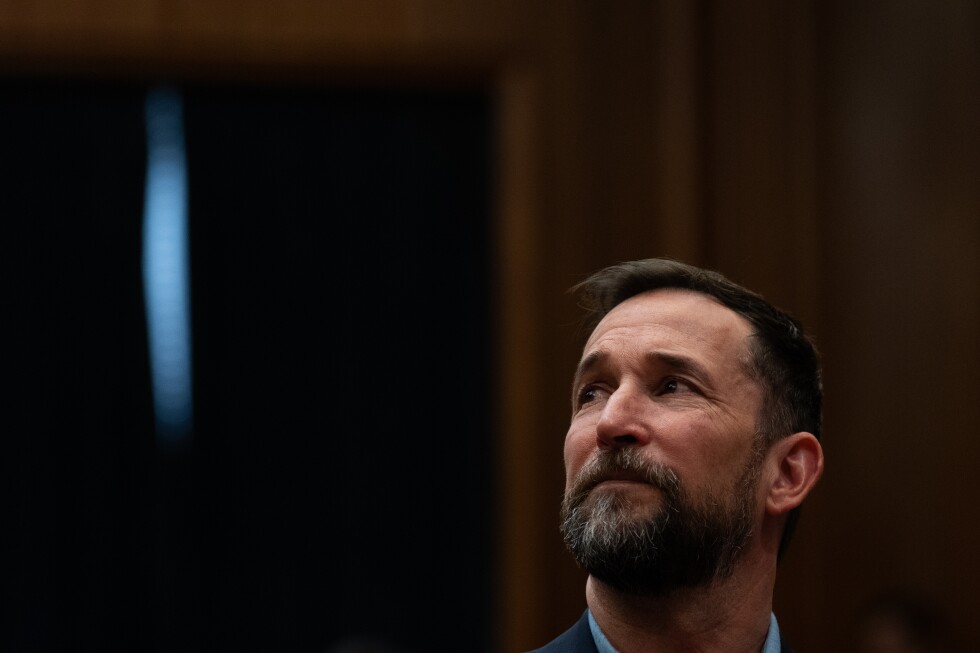
    BURBANK, Calif. — The acclaimed HBO Max medical drama “The Pitt” has become a flagship example of successful Hollywood production revitalization, demonstrating that California’s entertainment industry can compete despite widespread outsourcing to locations with more favorable economic conditions. Executive producer and star Noah Wyle presented the series as a compelling “proof of concept” during a congressional hearing organized by Senator Adam Schiff at Burbank City Hall.

    The series, which secured multiple Emmy Awards including Best Drama for its debut season, has generated approximately 600 production jobs and contributed an estimated $125 million to California’s economy through its first season alone. Wyle attributed this success directly to California’s recently enhanced production tax incentive programs, which enabled the Pittsburgh-set drama to film primarily within the Warner Bros. studio complex in Burbank.

    “I was invited to share a success narrative today,” Wyle stated. “I’m pleased to confirm we’ll begin filming our third season this summer, demonstrating that a rising tide genuinely lifts all vessels.” The actor, who previously spent fifteen years on NBC’s “ER,” emphasized the personal and professional significance of working closer to home after years of location shooting that kept him from his family.

    The hearing addressed broader industry concerns, including potential consolidation effects from Paramount’s pending acquisition of Warner Bros. Discovery. Legislators and industry representatives expressed apprehension that such mergers could diminish local production volumes and eliminate jobs. Congresswoman Laura Friedman, whose district encompasses Burbank’s studio facilities, countered criticisms of entertainment industry subsidies, noting that “Hollywood isn’t requesting exceptional treatment—this represents standard practice across the United States for valued industries.”

    International Alliance of Theatrical Stage Employees President Matthew Loeb acknowledged concerning trends, including Marvel’s recent relocation of its production hub from Georgia to England, but highlighted the relative mobility of film production compared to other industries. The discussion consistently returned to the extensive ecosystem of supporting businesses—from hospitality services to equipment vendors—that depend on consistent local production activity.

    Congresswoman Sydney Kamlager-Dove illustrated this interconnectedness with an anecdote about her acupuncturist pleading for entertainment job restoration, emphasizing how broadly the industry’s health affects Southern California’s economy. Participants agreed that federalizing production tax incentives currently administered at state level could provide more stability for an industry confronting unprecedented geographic and corporate challenges.

  • As Islamophobia rises, Australia’s Muslims celebrate Eid

    As Islamophobia rises, Australia’s Muslims celebrate Eid

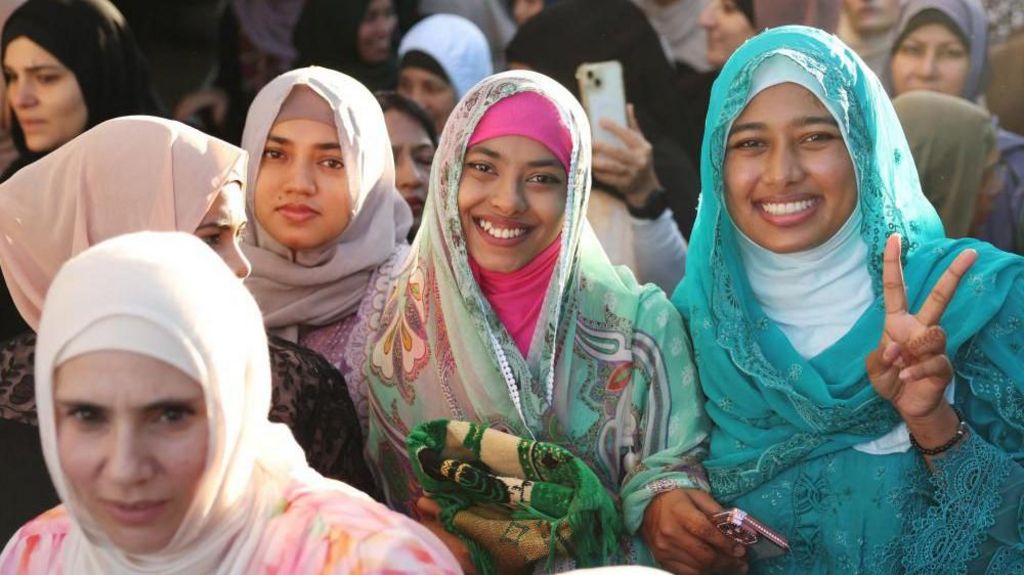
    In the heart of Sydney’s Lakemba district, thousands gathered at the Imam Ali bin Abi Taleb Mosque for a community Iftar celebration marking Ramadan’s end. Beneath the surface of this harmonious gathering, however, loomed an unsettling reality: a police surveillance trailer with 360-degree cameras stood watch—a necessary precaution following numerous threats against the Muslim community.

    Australia is experiencing an unprecedented surge in anti-Islamic sentiment, with reported incidents skyrocketing by 636% since Hamas’ October 7 attack on Israel. According to the Islamophobia Register Australia, weekly cases have exploded from an average of 2.5 to 18—a figure experts warn represents merely ‘the tip of the iceberg’ as many victims avoid reporting.

    The recent Bondi Beach massacre, which police attributed to ‘Islamic state ideology,’ further intensified religious tensions. In its aftermath, Islamophobic incidents surged by 201%, compounding existing fears within Muslim communities. Simultaneously, antisemitic incidents have multiplied nearly fivefold according to the Executive Council of Australian Jewry, creating parallel crises of religious intolerance.

    This deterioration in social cohesion was starkly visible when Prime Minister Anthony Albanese and Home Affairs Minister Tony Burke faced heckling and accusations of supporting genocide during their Lakemba mosque visit. Worshipers expressed profound frustration over Australia’s stance on the Middle East conflict and perceived governmental inaction against rising Islamophobia.

    Lakemba—where 61% of residents identify as Muslim—has evolved from its Lebanese migrant roots in the 1960s to become Sydney’s multicultural Muslim hub, now including communities from South Asia and beyond. While it offers a safe haven for many, residents report increasing anxiety when venturing beyond their ‘comfort zones.’

    Dr. Moshiuzzaman Shakil, a Bangladeshi public health student, recounted losing his job supporting disabled clients post-Bondi: ‘They asked me: are you a Muslim? After the attack, some people thought Muslims were terrorists.’

    The current crisis echoes Australia’s troubled history with immigration, from the White Australia policy that limited non-European migration until 1973 to the 2005 Cronulla race riots—still remembered as a traumatic watershed moment. Gamel Kheir, secretary of the Lebanese Muslim Association, noted: ‘This community has been in trauma since Cronulla. Every time an episode happens now, we curl into the fetal position thinking, please don’t be a Muslim person.’

    Political discourse has exacerbated tensions. Pauline Hanson, leader of the anti-immigration One Nation Party, wore a burka in parliament to advocate for its banning and recently questioned whether ‘good’ Muslims exist—rhetoric that community leaders say legitimizes racism. Kheir observes: ‘Our Facebook posts now get a thousand-plus bigoted comments instead of five to ten. People feel empowered because politicians have enabled this racism to become rampant.’

    Special Envoy to Combat Islamophobia Aftab Malik warns of cumulative damage: ‘Each attack reinforces that Muslim identity isn’t welcome in Australia’s social fabric, reducing institutional legitimacy and fraying social cohesion.’

    Despite the challenges, community organizers like Kheir continue advocating for unity. ‘The fair go for all was Australia’s motto,’ he reflects. ‘Sadly, we’re following other Western nations into identity crisis, where the predominant race reasserts itself at minorities’ expense.’

    As Dr. Zouhir Gabsi, author of ‘Muslim Perspectives on Islamophobia,’ bluntly summarizes: ‘Multiculturalism is a politician’s word. It works when sharing a meal, but when applying for jobs, you remain a migrant.’
  • War in the Middle East: latest developments

    War in the Middle East: latest developments

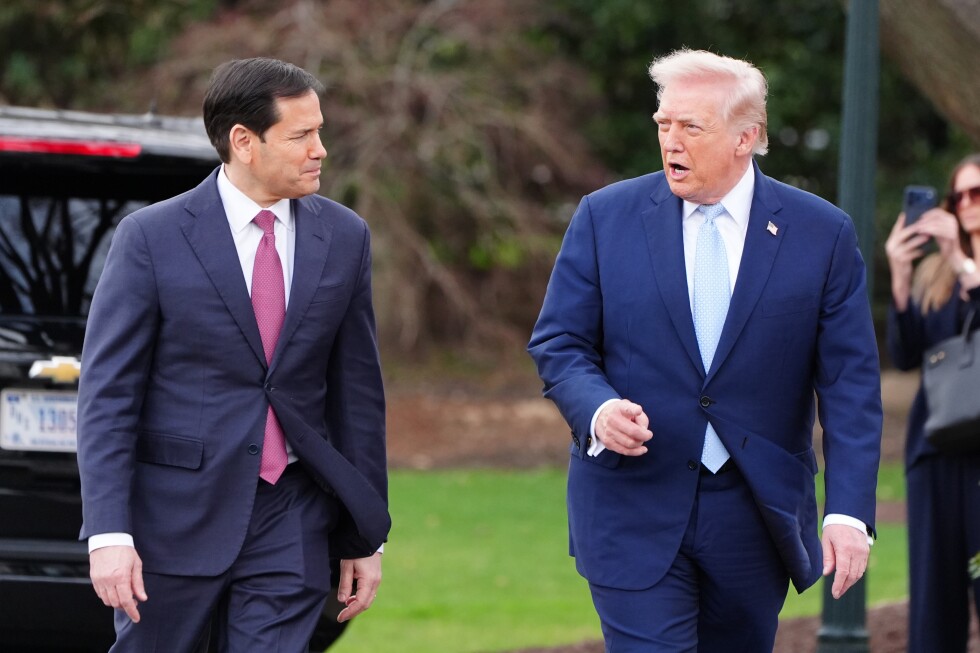
    The ongoing Middle East conflict has entered a complex phase with simultaneous developments suggesting both escalation and potential de-escalation. US President Donald Trump announced on Truth Social that Washington is contemplating “winding down” military operations against Iran, stating the nation is “very close to meeting our objectives” regarding the “Terrorist Regime of Iran.” Despite this apparent shift toward reduction, Trump explicitly ruled out any ceasefire agreement with Tehran.

    Contradicting the rhetoric of de-escalation, multiple US media outlets report substantial military reinforcements heading to the region. The Wall Street Journal and CNN both cite anonymous officials confirming the deployment of 2,200-2,500 Marines from California-based units, potentially signaling preparation for ground operations. This comes as Britain authorized US utilization of its bases for strikes against Iranian sites threatening the vital Strait of Hormuz shipping lane—a decision that has already drawn criticism from Trump.

    The White House issued a stark warning regarding Iran’s Kharg island oil hub, asserting America could “take out” the facility whenever desired. This statement followed reports that the administration was considering plans to either occupy or blockade the strategic location.

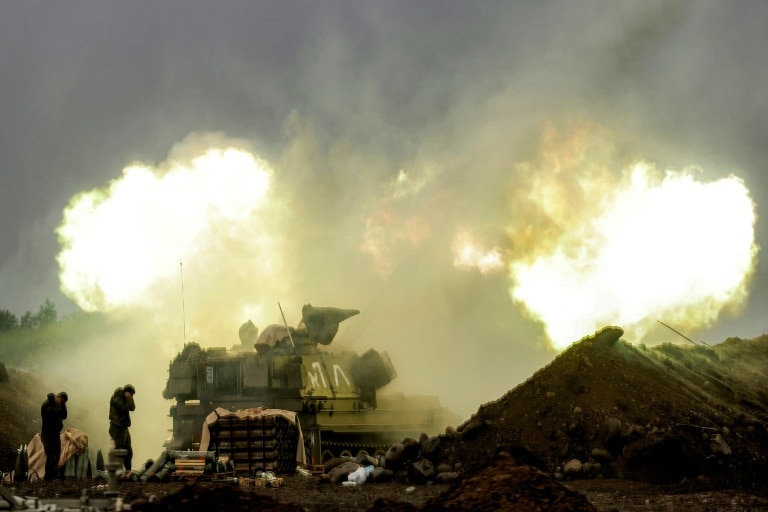
    Meanwhile, regional tensions continued to manifest violently. Hezbollah forces targeted Israeli soldiers in six south Lebanon villages as Israeli ground forces attempted advances into southern Lebanon. Kuwait’s Mina Al-Ahmadi oil refinery suffered drone attacks, causing multiple fires though no casualties were reported. Explosions rocked Tehran while air raid sirens sounded across Tel Aviv and Jerusalem, with Israeli police investigating blast impact sites.

    Iranian leadership remained defiant, with Supreme Leader Ayatollah Mojtaba Khamenei claiming the Islamic republic’s enemies were being “defeated” in the conflict. Tehran denied involvement in attacks on Oman and Turkey, instead blaming “deception by the Zionist enemy” (Israel). Additionally, Iran stated it had “no surplus crude oil” to offer international markets, despite US Treasury suggestions that Washington might lift sanctions on Iranian oil at sea.

    NATO completed the relocation of its Iraq mission to Europe, withdrawing the last personnel from its non-combat force of several hundred. Diplomatic channels remained active but tense, with Britain’s foreign minister warning Iran against targeting UK bases, territory, or interests directly—a message delivered following Iranian assertions that any US use of British bases would be interpreted as “participation in aggression” against the Islamic republic.

  • Palestinian worshippers forced to pray in street as Israel bars Eid access to Al-Aqsa

    Palestinian worshippers forced to pray in street as Israel bars Eid access to Al-Aqsa

    In a historic departure from decades of protocol, Israeli authorities implemented a comprehensive closure of Jerusalem’s Al-Aqsa Mosque and Old City during Eid al-Fitr celebrations, marking the first such restriction since Israel’s 1967 seizure of East Jerusalem. The unprecedented measures prevented Palestinian worshippers from accessing Islam’s third holiest site for traditional holiday prayers.

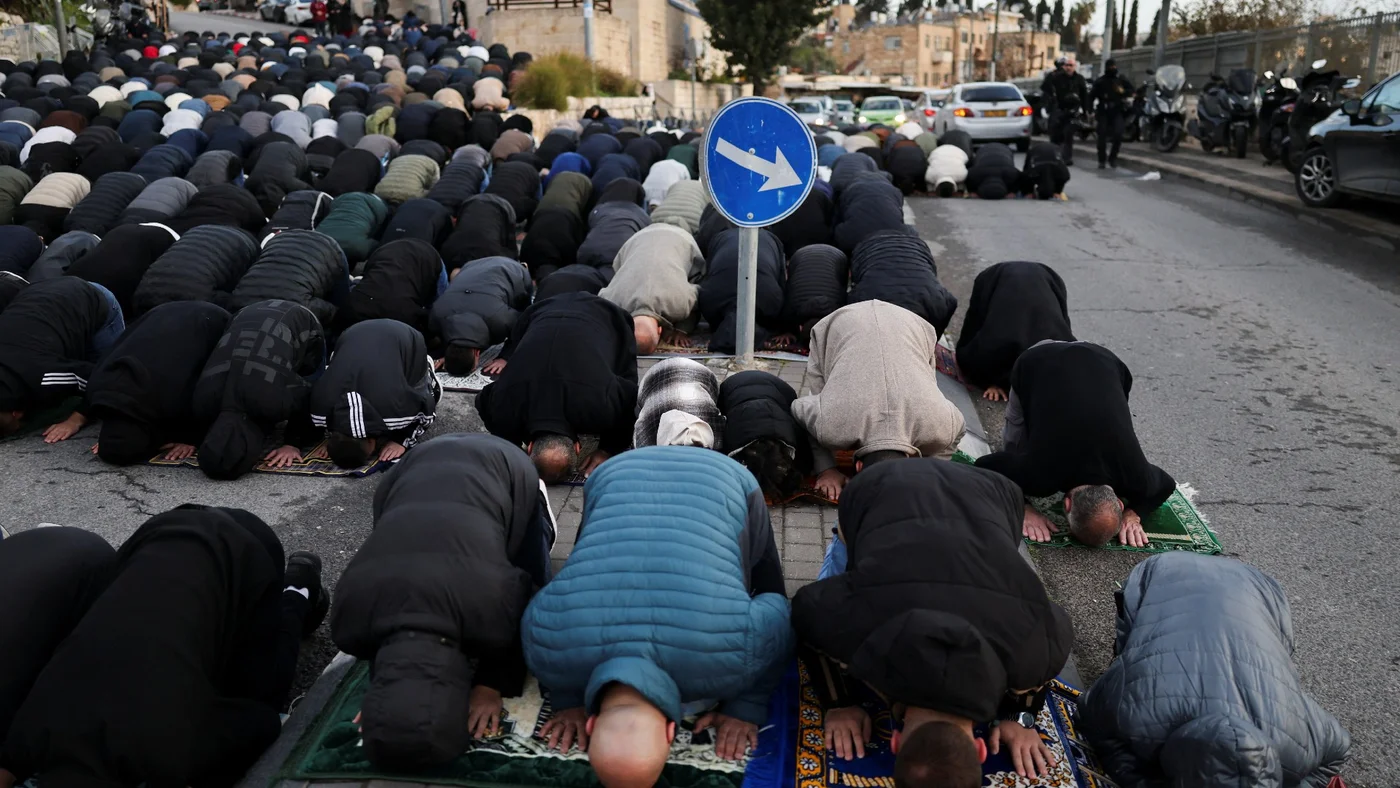
    Security forces erected barricades at all complex entrances early Friday, redirecting thousands of devotees to alternative prayer locations outside the ancient walls. The normally vibrant Old City, typically adorned with Ramadan decorations and bustling with religious activity, stood eerily silent under strict lockdown protocols that limited access exclusively to registered residents.

    Eyewitness accounts describe extraordinary scenes as Palestinian worshippers gathered along Salah al-Din Street, chanting Eid praises while attempting to approach secondary gates. Photojournalist Faiz Abu Rmeleh documented Israeli security personnel deploying stun grenades and tear gas to disperse crowds attempting to pray near Bab al-Zahra entrance. Ultimately, congregants performed Eid prayers outside the local post office under substantial police surveillance, only to be forcibly dispersed immediately following religious observances.

    The restrictions extended beyond religious access, severing traditional family gatherings during the holiday period. Journalist Latifeh Abdellatif reported difficulty re-entering her own neighborhood despite resident status, while family visitors faced complete denial of entry. Simultaneously, security incidents intensified as Iranian missile debris landed near the Old City walls, creating impact craters adjacent to the Jewish and Armenian quarters.

    This closure represents the culmination of months of escalating restrictions on Palestinian access to the holy site. Since October, Israeli authorities have limited Waqf staff to merely 25 personnel per shift within the massive complex and arrested prominent religious figures including Sheikh Ekrima Sabri, the mosque’s senior imam. Analysts interpret these measures as fundamentally altering the delicate status quo governing interfaith access established after the 1967 Six-Day War.

    The Al-Aqsa compound, known to Jews as Temple Mount, constitutes one of the most religiously significant and politically sensitive locations in the ongoing Israeli-Palestinian conflict. Palestinian leadership perceives the closure as strategic implementation of heightened control measures, potentially mirroring the transformation previously enacted at Hebron’s Ibrahimi Mosque where Jewish worshippers now control two-thirds of the partitioned holy site.

  • Sanya Dragon King folk custom event celebrates maritime heritage

    Sanya Dragon King folk custom event celebrates maritime heritage

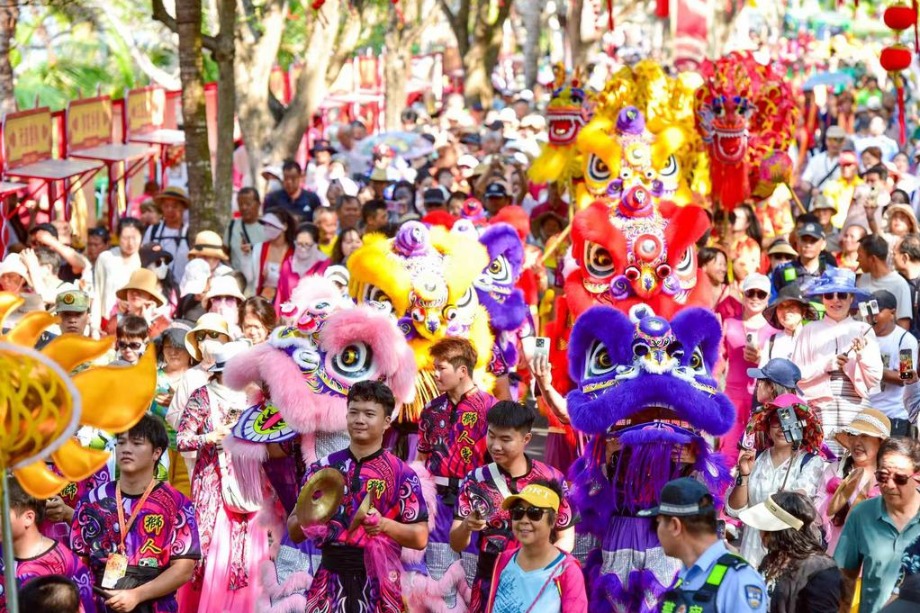
    The coastal city of Sanya in China’s Hainan province came alive with cultural vibrancy as thousands converged upon Dongtian Park for the annual Dragon King folk custom event. This five-day celebration, recognized as local intangible cultural heritage, commemorated the Dragon Head Raising Day occurring on the second day of the second month in the Chinese lunar calendar.

    The festival opening on March 17 featured an elaborate traditional procession that included deity welcoming ceremonies, tributes from five directions, and the reading of ceremonial addresses. Representatives from five separate Dragon King temples across Sanya participated in the rituals, while fishing vessels offshore sounded ceremonial horns, creating a multisensory experience connecting land and sea.

    Beyond the ceremonial aspects, the event transformed the park into a cultural marketplace where visitors could engage with Hainan’s rich maritime heritage through interactive experiences. The festival served as both cultural preservation and community gathering, attracting both local residents and tourists interested in authentic traditional practices.

    The Dragon King festival represents ongoing efforts to maintain cultural continuity while adapting traditional practices for contemporary audiences. By combining ritual elements with market experiences, organizers created an accessible gateway to understanding the region’s historical relationship with the sea and its mythological protectors.

  • Justice department seeks to dismiss charges against ex-officers over Breonna Taylor raid

    Justice department seeks to dismiss charges against ex-officers over Breonna Taylor raid

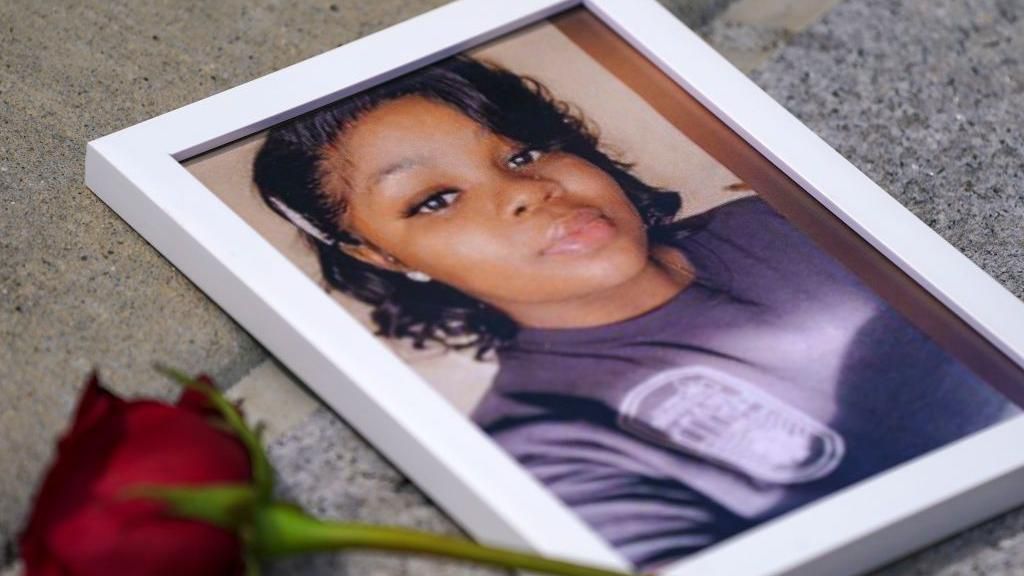
    In a significant legal development, the U.S. Department of Justice has formally requested a federal judge to dismiss all criminal charges against two former Louisville police officers connected to the controversial 2020 raid that resulted in the death of Breonna Taylor. The motion targets former detective Joshua Jaynes and former sergeant Kyle Meany, who faced allegations of providing false information to obtain the search warrant for Taylor’s residence.

    Federal prosecutors submitted the dismissal petition exactly six years after the tragic incident, arguing that the case should be terminated “in the interest of justice.” The DOJ’s legal team specifically requested dismissal with prejudice, which would permanently bar any future prosecution of these charges. This development follows a federal judge’s August 2025 decision to downgrade the original felony charges against both officers to misdemeanors, with the court determining that the government could not establish a direct connection between the warrant issues and Taylor’s death.

    The case stems from the March 13, 2020 incident where plainclothes officers executed a controversial “no-knock” warrant at Taylor’s apartment during early morning hours. Authorities believed Taylor’s former boyfriend was using her residence to conceal narcotics, though no drugs were subsequently discovered on the premises. When officers forced entry, Taylor’s boyfriend, Kenneth Walker, discharged a single shot that struck one officer in the leg. Walker maintained that the officers failed to identify themselves, leading him to believe they were intruders. The officers responded with 32 rounds of gunfire, fatally striking Taylor.

    Tamika Palmer, Taylor’s mother, expressed profound disappointment with the DOJ’s action, stating on social media that the notification call informing her of the dismissal was “utterly disrespectful.” She noted this marked the first communication she had received from authorities since they assumed control of the case and asserted that “they have not served me or Breonna well.”

    Of the officers involved in the raid, Brett Hankison remains the only one convicted, found guilty in 2024 of violating Taylor’s civil rights through excessive force. Despite facing a potential life sentence, Hankison received 33 months imprisonment following a Trump administration recommendation for a one-day sentence. Another former officer, Kelly Goodlett, previously pleaded guilty to conspiring to falsify the warrant affidavit and conceal evidence, though sentencing remains pending.

    Taylor’s death became a catalytic moment for the Black Lives Matter movement in 2020, occurring alongside the police killing of George Floyd and sparking nationwide protests against police brutality and systemic racism.

  • China’s second home-built large cruise ship undocked in Shanghai

    China’s second home-built large cruise ship undocked in Shanghai

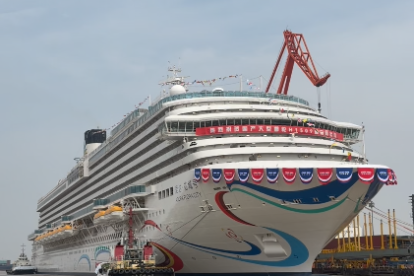
    Shanghai witnessed a significant achievement in China’s shipbuilding industry on March 20, 2026, as the Adora Flora City, the nation’s second indigenously constructed large cruise vessel, successfully undocked from its construction berth. This maritime marvel represents a substantial advancement in China’s technological capabilities and positions the country among an elite group of nations capable of manufacturing large-scale cruise ships.

    The colossal vessel boasts impressive specifications with a gross tonnage of 141,900 and stretches 341 meters in length. Designed to accommodate luxury travel on a grand scale, the ship features 2,130 passenger cabins with a total capacity exceeding 5,200 guests. The amenities portfolio rivals those of established international cruise operators, encompassing diverse dining establishments, entertainment venues, retail spaces, cultural exhibits, and comprehensive fitness facilities tailored to passengers across all demographic segments.

    Following the undocking ceremony, the project will transition to its next phase focusing on interior outfitting and comprehensive systems verification. The timeline projects final delivery before the conclusion of 2026, with operational deployment scheduled from Guangzhou’s Nansha International Cruise Home Port. This strategic development underscores China’s growing prominence in the global maritime tourism sector and demonstrates the country’s evolving manufacturing sophistication in high-value naval architecture.

  • US to set up 12 regional disaster response hubs as it consolidates emergency humanitarian aid

    US to set up 12 regional disaster response hubs as it consolidates emergency humanitarian aid

    The U.S. State Department has announced the creation of a specialized Bureau of Disaster and Humanitarian Response, marking a significant restructuring of America’s foreign aid apparatus. This new entity will operate through a network of 12 strategically positioned regional hubs across Latin America, Asia, Europe, and Africa, while maintaining its headquarters in Washington with approximately 200 staff members.

    The establishment of this bureau represents the formal replacement of certain functions previously managed by the U.S. Agency for International Development (USAID), which the Trump administration dismantled despite criticism from numerous aid organizations. Unlike USAID’s broader mandate, this new bureau will focus exclusively on coordinating disaster and emergency humanitarian responses rather than comprehensive foreign assistance programs.

    This reorganization occurs against the backdrop of substantial reductions in foreign aid spending, particularly affecting climate change and social justice initiatives. However, the administration recently demonstrated continued commitment to humanitarian efforts through a $2 billion contribution to the U.N. Office for the Coordination of Humanitarian Affairs, which will serve as a conduit for targeted assistance to specific groups in need.

    The regional hubs will be strategically located in Miami; Bogotá, Colombia; Guatemala City; Santo Domingo, Dominican Republic; Kyiv, Ukraine; Amman, Jordan; Addis Ababa, Ethiopia; Nairobi, Kenya; Dakar, Senegal; Bangkok, Thailand; Dhaka, Bangladesh; and Manila, Philippines, ensuring comprehensive global coverage for rapid response capabilities.