作者: admin

  • Oscars 2026: Nominees list in full

    Oscars 2026: Nominees list in full

    The Academy of Motion Picture Arts and Sciences has unveiled its nominations for the 98th Academy Awards, setting the stage for Hollywood’s most anticipated night on March 15th. In a historic achievement, the musical drama ‘Sinners’ dominated the field with an unprecedented 16 nominations, breaking the long-standing record previously held by ‘All About Eve’ (1950), ‘Titanic’ (1997), and ‘La La Land’ (2016).

    The epic war drama ‘One Battle After Another’ followed closely with 13 nominations, while ‘Marty Supreme,’ ‘Frankenstein,’ and ‘Sentimental Value’ each secured nine nods. The Shakespearean adaptation ‘Hamnet’ rounded out the top contenders with eight nominations.

    Notable acting categories feature intense competition. The Best Actor race includes Timothée Chalamet for ‘Marty Supreme,’ Leonardo DiCaprio for ‘One Battle After Another,’ and Michael B. Jordan for ‘Sinners.’ The Best Actress category showcases Jessie Buckley (‘Hamnet’), Rose Byrne (‘If I Had Legs I’d Kick You’), and Emma Stone (‘Bugonia’).

    Behind the camera, directing honors will be contested among Paul Thomas Anderson (‘One Battle After Another’), Ryan Coogler (‘Sinners’), and Chloé Zhao (‘Hamnet’), among others. The international feature category includes powerful entries like ‘The Voice of Hind Rajab’ and ‘Sirât,’ while animation contenders range from ‘Zootopia 2’ to ‘KPop Demon Hunters.’

    Comedian Conan O’Brien will host the ceremony, which promises to celebrate a diverse year in cinema spanning blockbuster franchises, intimate dramas, and groundbreaking international productions. The nominations reflect both commercial successes and critical darlings, with technical categories highlighting achievements in visual effects, sound design, and production across various genres.
  • US military starts moving Islamic State prisoners from Syria to Iraq

    US military starts moving Islamic State prisoners from Syria to Iraq

    In a significant strategic shift, the United States military has commenced the transfer of Islamic State group (ISIS) prisoners from detention facilities in northeastern Syria to Iraqi-controlled locations. The operation, announced by US Central Command on Wednesday, involves approximately 150 detainees moved from a Hasakah province facility, with potential plans to relocate up to 7,000 ISIS members ultimately.

    This development occurs against the backdrop of Syrian government forces expanding their control over territories previously administered by Kurdish-led Syrian Democratic Forces (SDF). Recent days have witnessed Syrian military advances into northeastern regions following collapsed negotiations and ceasefires between the SDF and Damascus government.

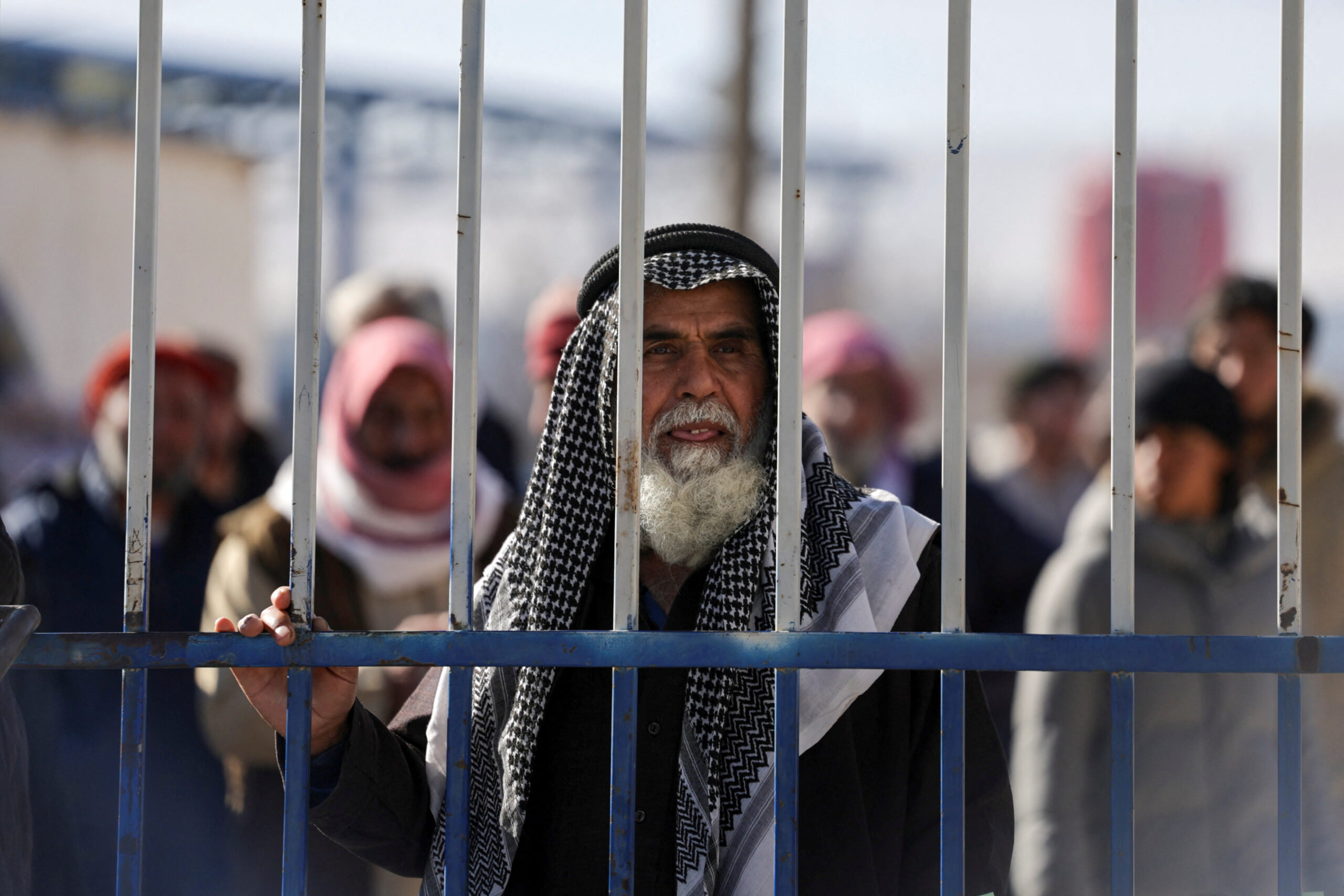
    The Syrian army has assumed control of critical facilities including al-Hol camp, which houses approximately 24,000 individuals—primarily women and children associated with ISIS, including 14,500 Syrians and nearly 3,000 Iraqis. Government forces also secured al-Shaddadi prison earlier this week after allegations from Damascus that the SDF deliberately released detainees as “political blackmail”—a claim vehemently denied by the Kurdish forces.

    US officials emphasized the security imperative behind the prisoner transfers, stating that “facilitating the orderly and secure transfer of ISIS detainees is critical to preventing a breakout that would pose a direct threat to the United States and regional security.” An Iraqi intelligence official revealed the multinational composition of transferred detainees, including approximately 240 Tunisians alongside nationals from Tajikistan, Kazakhstan, and other countries.

    The geopolitical landscape appears fundamentally altered as US envoy Tom Barrack declared the security partnership between Washington and the SDF has “largely expired,” indicating the Syrian government would now serve as America’s primary counter-ISIS partner. This represents a dramatic realignment given the SDF’s instrumental role in the territorial defeat of ISIS in 2019 and their subsequent management of detention facilities.

    A renewed ceasefire agreement reached Tuesday provides the SDF four days to develop integration mechanisms with government forces, including the transfer of prisons, detention camps holding ISIS affiliates, and critical infrastructure such as oil fields. According to a US State Department report, an estimated 9,000 alleged ISIS members remain in SDF-controlled detention, including 1,600 Iraqis and 1,800 foreign nationals.

  • Ministry to optimize the structure and scale of university enrollment

    Ministry to optimize the structure and scale of university enrollment

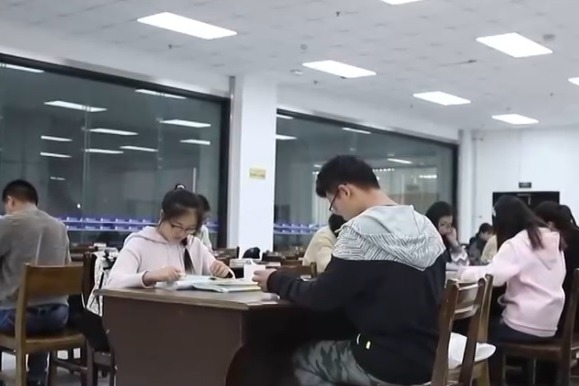
    China’s Ministry of Education has unveiled a comprehensive strategy to reshape the nation’s higher education enrollment system, prioritizing disciplines critical to technological advancement and national security while strengthening exam integrity measures. The 2026 gaokao reforms will channel resources toward undergraduate programs in foundational sciences, cutting-edge interdisciplinary fields, and high-demand specialties directly aligned with China’s innovation and industrial modernization goals.

    The policy directive requires universities to develop enrollment plans through multidimensional assessment of economic needs, industry requirements, institutional capacity, and graduate employment outcomes. This systematic approach aims to bridge the gap between academic preparation and labor market demands while supporting national objectives in technological self-reliance.

    Concurrently, education authorities will implement enhanced security protocols for China’s high-stakes college entrance examination. Provincial departments must safeguard all exam phases—from question development to grading—through advanced surveillance technology and inspection equipment designed to prevent sophisticated cheating methods. The ministry also pledged to intensify crackdowns on exam-related fraud and tighten supervision of preparatory institutions.

    The reforms maintain commitment to regional educational equity through specialized enrollment initiatives for rural and underdeveloped areas. Authorities will simultaneously combat ‘gaokao migration’ practices where students attempt to gain unfair advantages by falsifying registration locations to test in less competitive regions.

  • Germany expels a Russian diplomat after a suspect is arrested in an espionage case

    Germany expels a Russian diplomat after a suspect is arrested in an espionage case

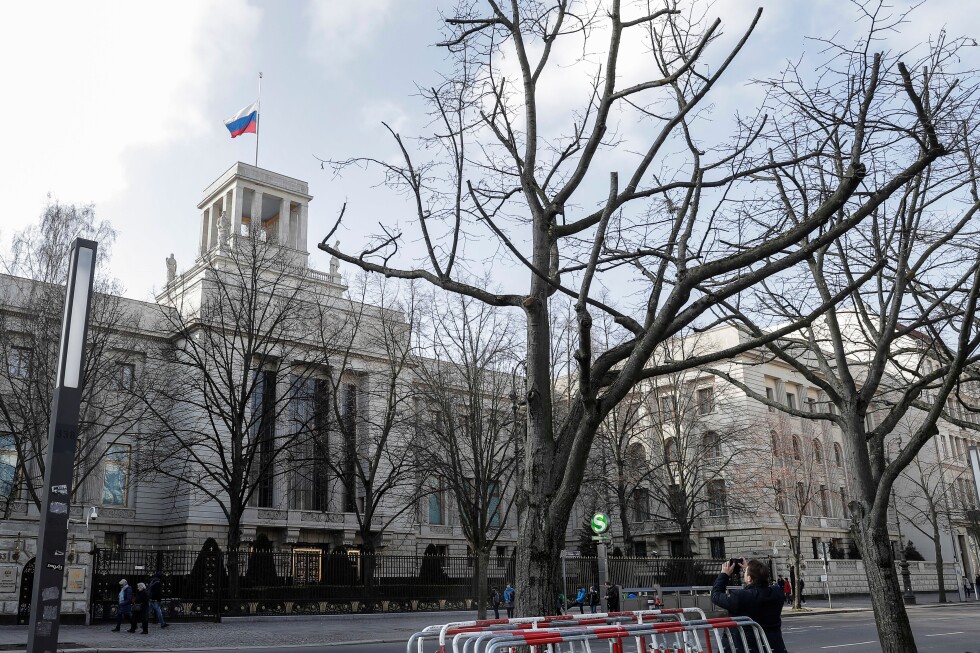
    BERLIN — In a significant diplomatic escalation, Germany has declared a Russian diplomat persona non grata following the arrest of a dual national suspected of conducting espionage operations for Russian intelligence. The German Foreign Ministry announced the expulsion on Thursday, stating unequivocally that espionage activities, particularly those masquerading under diplomatic cover, will not be tolerated on German soil.

    The case centers on a German-Ukrainian woman apprehended in Berlin on Wednesday by federal prosecutors. Investigation documents reveal she maintained regular contact since late 2023 with an operative from Russia’s embassy who was identified as an intelligence officer. According to prosecutors, the suspect provided sensitive information related to military support for Ukraine, including details about defense industry facilities, experimental drone testing programs, and planned deliveries of unmanned aerial vehicles to Ukrainian forces.

    Furthermore, the suspect allegedly facilitated her Russian contact’s infiltration of political events in Berlin using false identities, enabling intelligence gathering operations. The investigation has expanded to include two former German military employees, one recently retired officer, suspected of leaking classified information to the primary suspect. The Defense Ministry confirmed its active cooperation with the ongoing probe into these security breaches.

    The Russian ambassador was formally summoned to receive notification of the diplomat’s expulsion, underscoring Germany’s firm response to what it characterizes as unacceptable intelligence operations exploiting diplomatic channels.

  • After fatal rail accident, a missing dog that captivated Spain is found

    After fatal rail accident, a missing dog that captivated Spain is found

    In a heartening development amid national tragedy, Spanish forest firefighters successfully located and returned Boro, a dog who went missing following Sunday’s catastrophic train collision in southern Spain. The black-and-white pet’s disappearance had captured national attention after his owner, Ana García, made an emotional public appeal while visibly injured from the accident that claimed 43 lives.

    The breakthrough came Thursday morning when emergency personnel announced the successful rescue operation via social media platform X. “At this time of the morning, we share some good news: Boro, the missing dog, has been found,” officials announced, triggering nationwide celebration.

    Boro’s story emerged as an unexpected symbol of resilience for a nation grappling with consecutive rail disasters. For days, Spanish citizens had mobilized through digital channels, amplifying García’s plea and circulating photographs of the medium-sized dog with distinctive white eyebrows. The collective effort saw viral sharing of contact information and interview footage showing García’s desperate search for her companion.

    Social media erupted with relief as users shared images of the reunited owner and pet. One commentator described the moment as “A picture of hope in Adamuz. Boro is returning home to his family.”

    The 26-year-old García and her pregnant sister had been traveling with Boro via high-speed train from their hometown of Malaga to Madrid when their carriage derailed under circumstances still under investigation. The catastrophic collision resulted in dozens of fatalities and over 150 injuries, with rescue teams extracting the sisters from the wreckage. It was during this chaotic evacuation that Boro reportedly escaped in panic.

    In her initial tearful statement to reporters, García had pleaded: “Please, if you can help, look for the animals. We were coming back from a family weekend with the little dog, who’s family, too.”

    Family representatives confirmed the successful reunion via text message to The Associated Press, noting that while Boro was safely recovered, García’s sister remains hospitalized receiving medical treatment.

  • Ugandan MP and Bobi Wine ally arrested over election violence

    Ugandan MP and Bobi Wine ally arrested over election violence

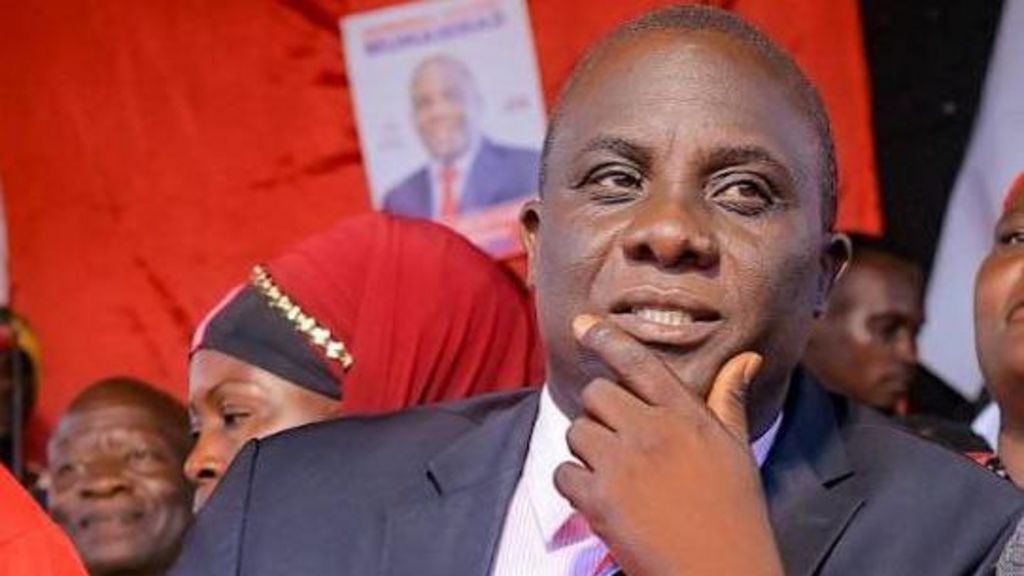
    Ugandan authorities have taken into custody Muwanga Kivumbi, a prominent opposition parliamentarian and key associate of opposition leader Bobi Wine, regarding alleged involvement in recent electoral violence. The arrest intensifies political strains following President Yoweri Museveni’s controversial re-election to an unprecedented seventh term.

    Kivumbi, serving as deputy leader of Wine’s National Unity Platform (NUP), faces accusations of orchestrating assaults on police facilities and vote-processing centers after his party’s electoral defeat—charges the NUP vehemently denies. The Uganda Police Force announced via social media platform X that Kivumbi would face judicial proceedings, characterizing his detention as connected to “recent incidents of political violence.”

    Conflicting narratives emerge regarding casualty figures. Official police reports indicate seven fatalities during the disturbances, while Kivumbi presents a contradictory account alleging ten individuals were killed at his residence while awaiting parliamentary election outcomes.

    President Museveni, during his victory address, specifically cautioned opposition elements including Kivumbi about alleged coordinated plans to target polling stations. He detailed that security forces neutralized seven individuals in Butambala district, outside Kampala, when groups reportedly armed with machetes attempted violent attacks.

    The political climate remains volatile with Bobi Wine—Museveni’s primary electoral opponent—currently in hiding after fleeing a post-election raid on his residence. Wine has repudiated the election results as fundamentally “fake” due to systematic electoral fraud, and alleges an ongoing “silent massacre” targeting political activists.

    Further complicating the situation, Uganda’s military commander General Muhoozi Kainerugaba—who is both Museveni’s son and presumed successor—disclosed that security forces eliminated 22 opposition supporters during election-related clashes. This contrasts with Wine’s unverified social media assertion of over 100 election violence fatalities.

    Authorities have reportedly detained dozens of youths in Kampala on various election-related charges, signaling a broader crackdown. Uganda, which has never experienced peaceful presidential transition since independence, continues under Museveni’s rule that began in 1986 and could extend to 45 years by 2031.

  • What we know about Trump’s  ‘framework of future deal’ over Greenland

    What we know about Trump’s ‘framework of future deal’ over Greenland

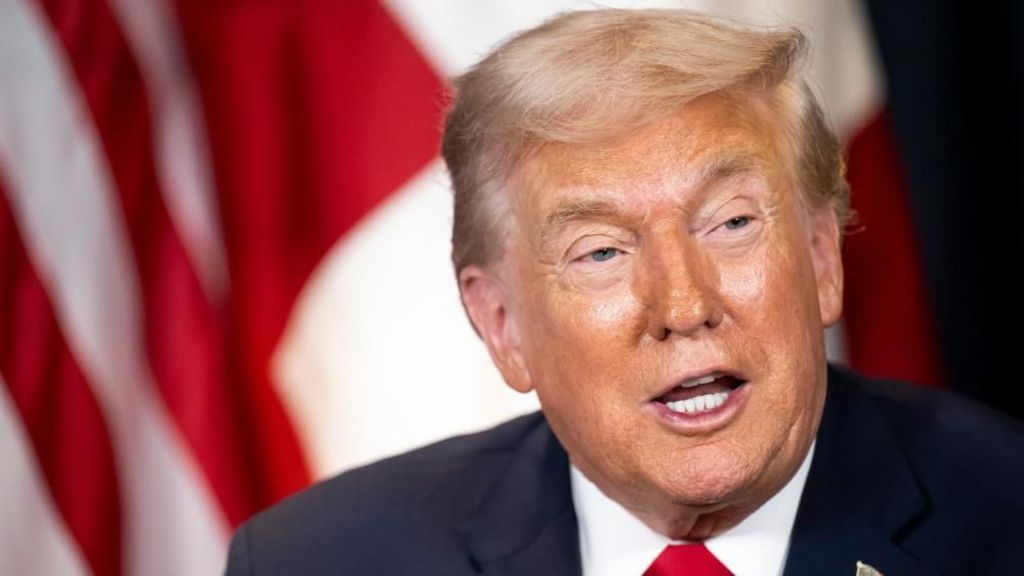
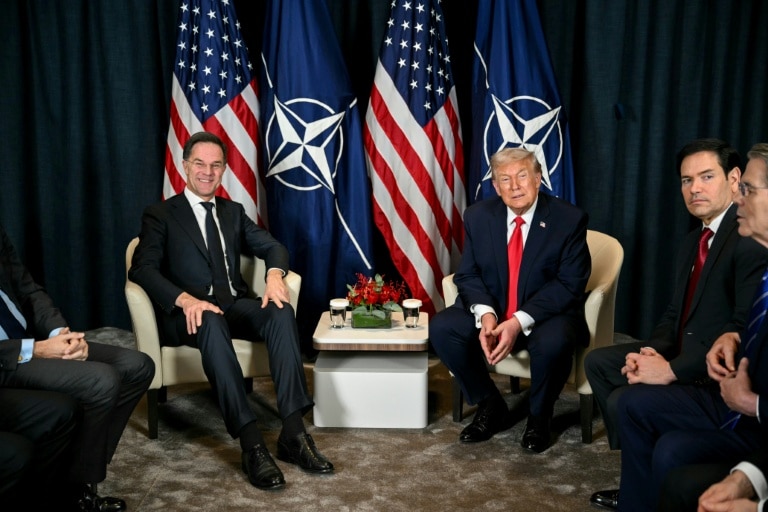
    In a surprising diplomatic development, former U.S. President Donald Trump has declared the establishment of a “framework of a future deal” concerning Greenland during the World Economic Forum in Davos, Switzerland. The announcement came through his Truth Social platform on Wednesday, following discussions with NATO Secretary General Mark Rutte.

    This declaration follows weeks of heightened tensions after Trump threatened economic sanctions against eight close U.S. allies who opposed his controversial plans to acquire the semi-autonomous Danish territory. While Trump characterized the meeting with Rutte as “very productive,” the NATO leader clarified that Danish sovereignty over Greenland was not discussed during their conversation.

    Both Danish and Greenlandic authorities have responded with firm statements reaffirming that sovereignty remains non-negotiable. Danish Prime Minister Mette Frederiksen emphasized that while Denmark remains open to discussions on “security, investments, economy,” the nation’s sovereignty is not subject to negotiation. This position was echoed by Aaja Chenmitz, one of Greenland’s two representatives in the Danish parliament, who asserted that “Nothing about us without us” regarding any negotiations affecting Greenland.

    The diplomatic standoff appears to center on reports suggesting the potential transfer of sovereignty over specific areas of Greenland for U.S. military bases, similar to Britain’s sovereign base areas in Cyprus. U.K. Foreign Secretary Yvette Cooper expressed hope for trilateral discussions involving Denmark, Greenland, and the United States while emphasizing that Greenland’s sovereignty must be protected.

    Strategic concerns driving U.S. interest include countering perceived threats from Chinese and Russian activities in the Arctic region and securing access to Greenland’s vast reserves of rare earth minerals, crucial for modern technologies. NATO allies have proposed alternative security arrangements, including an “Arctic Sentry” initiative modeled after the Baltic Sea surveillance mission, to address U.S. security concerns without compromising sovereignty.

    The existing 1951 defense agreement between the U.S. and Denmark already permits unlimited U.S. military personnel in Greenland, with over 100 permanently stationed at the Pituffik base. Potential negotiations may focus on modernizing this agreement rather than transferring sovereignty, despite Trump’s previous insistence that “Countries have to have ownership and you defend ownership, you don’t defend leases.”

    This development represents the latest chapter in Trump’s longstanding interest in acquiring Greenland, continuing a tradition of U.S. presidential interest in the strategically vital Arctic territory that dates back decades.

  • UN warns of ‘catastrophic’ hunger crisis in Nigeria as food aid funding runs out

    UN warns of ‘catastrophic’ hunger crisis in Nigeria as food aid funding runs out

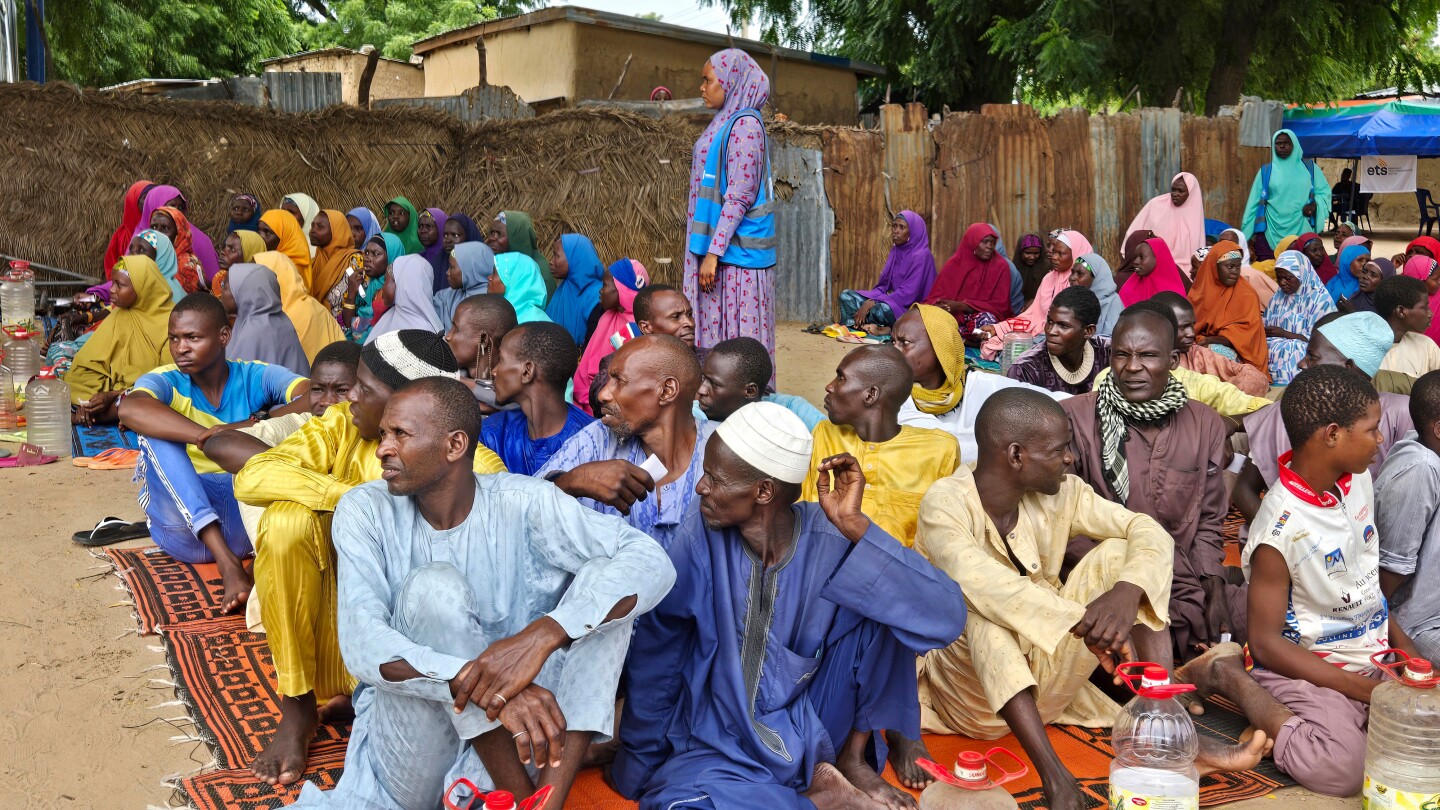
    DAKAR, Senegal — The United Nations World Food Programme (WFP) issued an urgent warning Thursday that over one million vulnerable people in northeastern Nigeria face imminent loss of critical food and nutrition assistance due to severe funding shortages. This crisis emerges amid escalating violence and worsening hunger conditions in the conflict-ridden region.

    The UN agency announced drastic reductions in its emergency operations, projecting assistance for merely 72,000 individuals in February—a catastrophic drop from the 1.3 million people supported during last year’s lean season from May through October. This represents the most severe operational contraction since WFP initiated humanitarian operations in Nigeria in 2015.

    According to recently compiled data, approximately 35 million Nigerians are projected to experience acute hunger this year, marking the highest food insecurity rate on the African continent since WFP began systematic data collection in the country.

    David Stevenson, WFP’s Nigeria Country Director, emphasized the grave implications: ‘This funding collapse will produce catastrophic humanitarian, security and economic consequences for the most vulnerable populations who have been forcibly displaced from their homes in search of sustenance and safety.’

    The crisis has been exacerbated by renewed violence across northern Nigeria, where approximately 3.5 million people have been displaced in recent months. Widespread attacks by armed groups have devastated agricultural production, destroyed food supplies, and driven malnutrition to critical levels. Security concerns have prevented farmers from accessing their lands, creating a self-reinforcing cycle of food insecurity.

    The situation deteriorated further last week when gunmen abducted over 150 worshippers in coordinated attacks targeting three separate churches in northwest Nigeria, demonstrating the expanding security crisis.

    Compounding these challenges, Nigeria has been severely affected by the large-scale reduction of UN food assistance following structural changes to the United States Agency for International Development. Nigeria stands among several West and Central African nations where these funding cuts have significantly deepened preexisting food crises, prompting WFP to suspend assistance programs across the region since July.

  • What to know about Greenland’s role in nuclear defense and Trump’s ‘Golden Dome’

    What to know about Greenland’s role in nuclear defense and Trump’s ‘Golden Dome’

    The vast ice-covered expanse of Greenland has emerged as a geopolitical focal point in hypothetical nuclear conflict scenarios involving global powers. Scientific analysis reveals that intercontinental ballistic missiles (ICBMs) launched between nuclear adversaries would predominantly traverse Arctic airspace, placing Greenland directly within critical flight corridors.

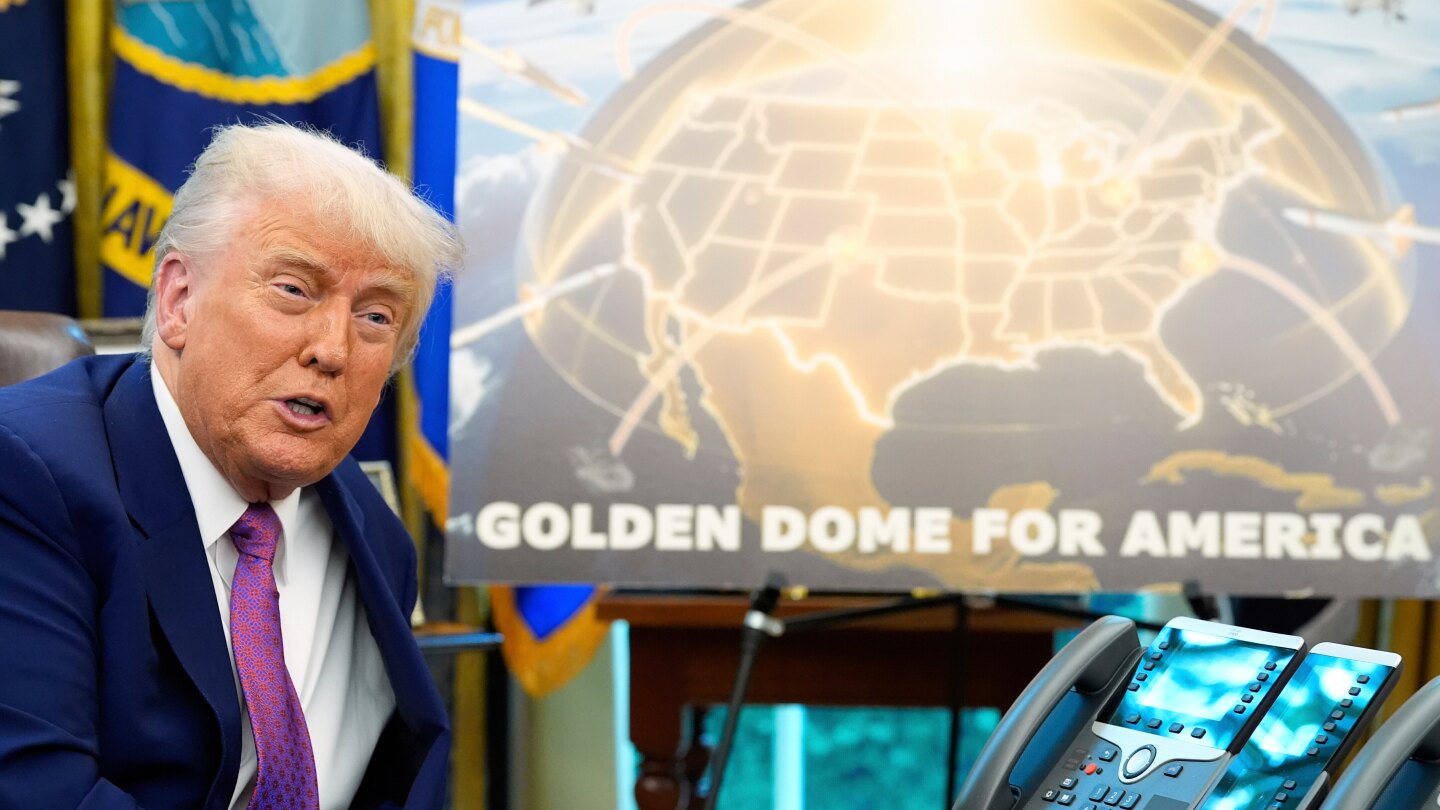
    This strategic positioning has catalyzed unprecedented political maneuvers. Former U.S. President Donald Trump has publicly advocated for American acquisition of the autonomous Danish territory, citing imperative defense requirements. His proposed ‘Golden Dome’ missile defense initiative—a multibillion-dollar technological shield purportedly becoming operational before 2029—forms the cornerstone of this geopolitical proposition.

    The Pituffik Space Base (formerly Thule Air Base) represents America’s northernmost early-warning installation. Its advanced AN/FPS-132 radar system possesses remarkable capabilities, scanning over 5,550 kilometers with 240-degree coverage while detecting objects as small as automobiles. This installation provides crucial response time for decision-makers contemplating nuclear engagement scenarios.

    However, defense analysts question the logical consistency of acquisition arguments. The United States maintains operational control through existing bilateral agreements, with decades of uninterrupted access. French nuclear specialist Etienne Marcuz notes comparable strategic installations in allied territories like the United Kingdom’s Fylingdales radar station operate without sovereignty discussions.

    Technological evolution further complicates acquisition rationale. Emerging space-based sensor systems and advanced detection technologies may gradually diminish Greenland’s strategic monopoly in missile tracking. The political landscape has also shifted markedly—where Denmark previously accommodated U.S. defense requests routinely, current relations show increased strain following acquisition proposals.

    The geopolitical chessboard continues evolving as Arctic capabilities gain prominence in great power competition, with Greenland remaining both strategically vital and politically contentious in global security architecture.

  • What we know about Trump’s Greenland ‘framework’ deal

    What we know about Trump’s Greenland ‘framework’ deal

    In a significant diplomatic reversal, President Donald Trump has withdrawn his threat to impose tariffs on European nations and seize Greenland from Denmark, instead announcing a new framework for Arctic cooperation following discussions with NATO Secretary General Mark Rutte at the World Economic Forum in Davos.

    The breakthrough came after weeks of escalating tensions that saw Trump threaten to levy tariffs against eight European countries beginning February 1 unless Denmark ceded control of the autonomous Arctic territory. The president’s abrupt policy shift emerged from substantive talks focused on regional security concerns rather than territorial acquisition.

    According to officials familiar with the negotiations, the United States and Denmark will renegotiate their 1951 defense pact concerning Greenland, which already grants Washington considerable military flexibility on the island. The existing agreement, last updated in 2004, essentially permits the U.S. to expand its military presence provided it notifies Danish and Greenlandic authorities in advance.

    The current American military footprint in Greenland centers on the strategically vital Pituffik Space Base in the northwest, which serves as a critical component of the U.S. missile defense system.

    Secretary General Rutte characterized the discussions as productive, noting that one key outcome was establishing how NATO members with Arctic territories—seven nations in total—could collectively enhance regional security. “We discussed how to ensure that the Chinese and Russians will not gain access to the Greenland economy or military infrastructure,” Rutte stated, emphasizing the alliance’s shared interest in limiting non-Arctic powers’ influence in the region.

    Both American and European officials explicitly denied that sovereignty arrangements for U.S. bases in Greenland were discussed during the Rutte-Trump meeting. Danish Prime Minister Mette Frederiksen reinforced this position, confirming she had consulted with Rutte both before and after his discussion with Trump and stating unequivocally that “no negotiations were held yesterday with NATO about our sovereignty.”