作者: admin

  • As US cash dries up South Africa’s fight to stop Aids gets harder

    As US cash dries up South Africa’s fight to stop Aids gets harder

    A critical healthcare crisis is unfolding in South Africa as the consequences of former US President Donald Trump’s executive order, signed immediately following his inauguration, continue to reverberate across the nation’s HIV/AIDS programs. The sudden freezing of US aid commitments has created a $400 million annual funding gap, representing approximately one-fifth of South Africa’s total HIV program budget.

    South Africa, bearing the world’s highest HIV burden with 13% of its population living with the virus, now faces severe service disruptions despite government efforts to mitigate the impact. The South African government managed to allocate just $46 million—a mere 11.5% of the lost funding—while a temporary “bridge plan” of $115 million from the US President’s Emergency Fund for AIDS Relief (Pepfar) will only sustain operations until March.

    The funding cuts have particularly affected vital “last-mile” services, according to Professor Linda-Gail Bekker, head of the Desmond Tutu Health Foundation. These include mobile clinics that reach vulnerable populations in high-risk areas like Philippi, one of Cape Town’s most dangerous townships. These clinics provide essential services to those uncomfortable with government facilities, offering innovative prevention methods like Cabotegravir (CAB-LA) and the promising twice-yearly injection Lenecapavir.

    Young South Africans express grave concerns about service accessibility. Esethu, 28, receiving her second CAB-LA injection, emphasized the importance of mobile clinics: “They are very important for young people because when you go to the government clinics, you get people that are your mother’s age, so you can’t open up to them.”

    Health Minister Dr. Aaron Motsoaledi acknowledges the challenge, hoping for increased HIV funding in the next budget while pursuing alternative donors. Through the Global Fund, South Africa has secured 900,000 doses of Lenacapavir for 450,000 people, scheduled for distribution within months. However, researchers warn this remains insufficient to address the 180,000 new infections recorded last year.

    Experts fear the cuts will reverse decades of progress. Professor Helen Rees of Wits RHI notes the profound impact of sudden service reductions: “If you stop testing, if you stop giving prevention, and if you are unable to sustain treatment, you’re inevitably going to get more cases.” Ironically, the very data collection needed to measure the crisis impact has been compromised by funding limitations.

    The situation highlights global health interdependence, as research advancements from South Africa—a global leader in HIV studies partly due to previous US funding—have worldwide implications. With the US adopting an “America First Global Health Strategy” and shifting to bilateral agreements with countries like Kenya, Malawi, and Nigeria, the future of international health cooperation remains uncertain.

  • From governing south Yemen to mobilising: The STC’s post-defeat strategy

    From governing south Yemen to mobilising: The STC’s post-defeat strategy

    In a stunning geopolitical reversal, Yemen’s Southern Transitional Council (STC) has seen its territorial control evaporate following a decisive Saudi-led counteroffensive, marking a dramatic shift in the complex Yemeni conflict landscape.

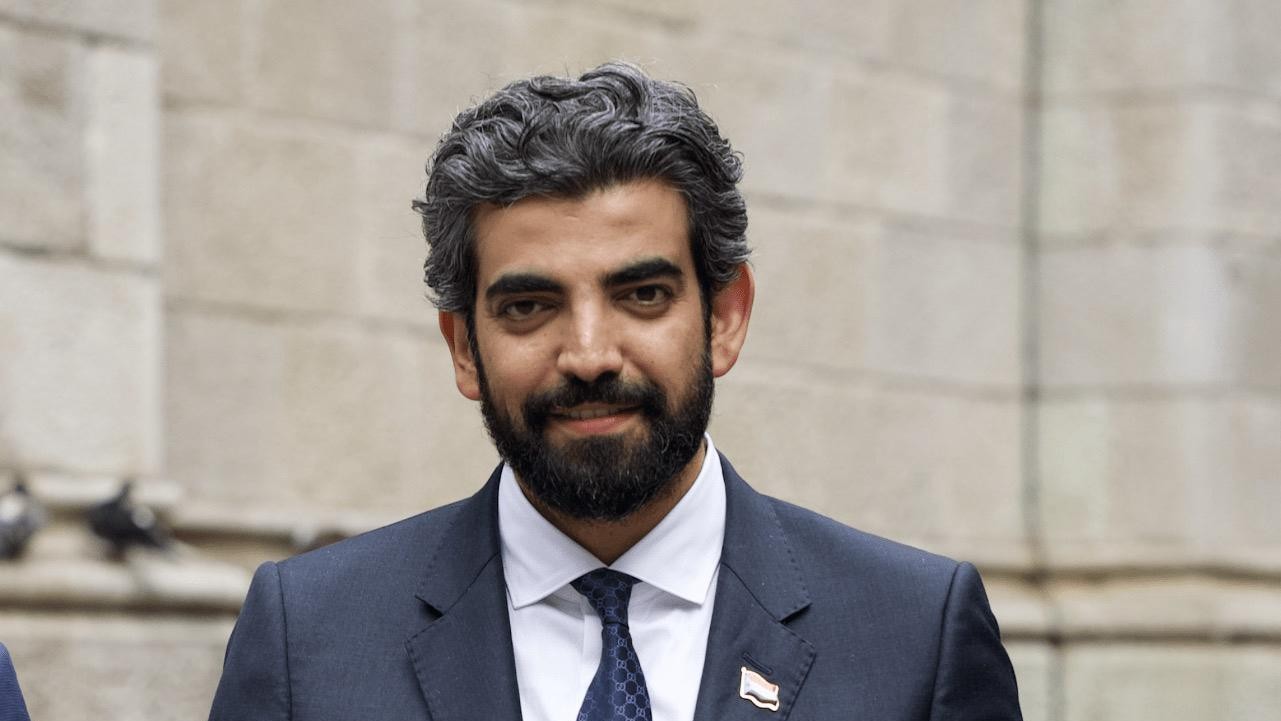
    Amr al-Bidh, senior STC official and scion of a prominent southern political family, acknowledges the past two months have been a ‘rollercoaster’ for the separatist movement. The STC, which had effectively controlled all former South Yemen territory by early December following a surprise offensive against Saudi-backed tribal forces, now finds its leadership fragmented and military presence significantly diminished.

    The turning point came when STC fighters refused to withdraw from strategically vital Hadhramaut and al-Mahrah provinces, prompting Saudi Arabia to respond with overwhelming force. On January 2, Saudi airstrikes supported a counteroffensive by Yemen’s internationally recognized Presidential Leadership Council (PLC), resulting in at least 80 STC casualties and the restoration of government control—even in Aden, the STC’s administrative headquarters and envisioned capital of a future independent state.

    Bidh maintains the STC’s advance was initially a limited operation that gained unexpected momentum, claiming the group ‘hadn’t come with the idea of establishing a state in an instant.’ However, Saudi Arabia viewed the territorial expansion as a direct threat to national security, particularly as Emirati-backed forces approached the kingdom’s borders.

    The conflict exposed deepening tensions between regional powers Saudi Arabia and the United Arab Emirates, previously allies in the Yemen conflict. The rift culminated in the UAE’s complete withdrawal from Yemen in late December, following Saudi allegations of Emirati weapons shipments to STC forces. This departure left behind a network of detention facilities that PLC officials and human rights activists have characterized as secret torture prisons—allegations Bidh says the STC cannot substantiate.

    The STC’s political standing further deteriorated when a delegation to Riyadh announced the organization’s dissolution on Saudi television—a statement some members claim was made under duress. Meanwhile, STC leader Aidarous al-Zubaidi has disappeared and faces treason charges, with intelligence reports suggesting he was evacuated to the UAE via Somaliland.

    Despite these setbacks, Bidh asserts the STC retains significant popular support, evidenced by large-scale protests in Aden that required no financial incentives. He contends the movement has been ‘liberated from the burden of government’ and may return to grassroots organizing, true to its ‘transitional’ designation.

    The conflict has revealed deep regional divisions within southern Yemen, particularly in resource-rich Hadhramaut where local tribes resisted STC authority. As Saudi Arabia assumes more direct control, residents report improved services in Aden, though Bidh questions whether this improvement stems from actual governance changes or simply reduced responsibility for the embattled separatists.

  • 1,200 robotaxis to be deployed in UAE and KSA until 2027

    1,200 robotaxis to be deployed in UAE and KSA until 2027

    In a landmark development for autonomous transportation, Chinese technology firm WeRide has unveiled plans to deploy 1,200 robotaxis across major Middle Eastern cities by 2027. The ambitious initiative will see self-driving vehicles operational in Abu Dhabi, Dubai, and Riyadh through integration with the Uber application platform.

    This expansion builds upon existing autonomous operations already established in the region. Currently, over 200 WeRide vehicles are conducting passenger services, with the fleet scheduled for progressive scaling as regulatory approvals and performance benchmarks are achieved. The company characterizes this deployment as the most substantial commercial robotaxi commitment ever made in the Middle East and North Africa region.

    Dubai’s transportation infrastructure has already incorporated this technology in prominent districts including Umm Suqeim and Jumeirah, areas renowned for their proximity to public beach facilities. During the current pilot phase, these autonomous vehicles operate with specialized safety drivers onboard to ensure operational reliability and passenger security.

    Ahmed Bahrozyan, Chief Executive of Dubai’s Public Transport Agency, emphasized that this pilot program directly supports Dubai’s comprehensive Self-Driving Transport Strategy. The emirate has established an ambitious target of converting 25 percent of all transportation journeys to autonomous modes by 2030.

    The technological rollout represents a significant advancement in smart city infrastructure and sustainable transportation solutions for the region. It demonstrates growing confidence in autonomous vehicle technology among Middle Eastern regulators and transportation authorities while potentially transforming urban mobility patterns across the Gulf Cooperation Council countries.

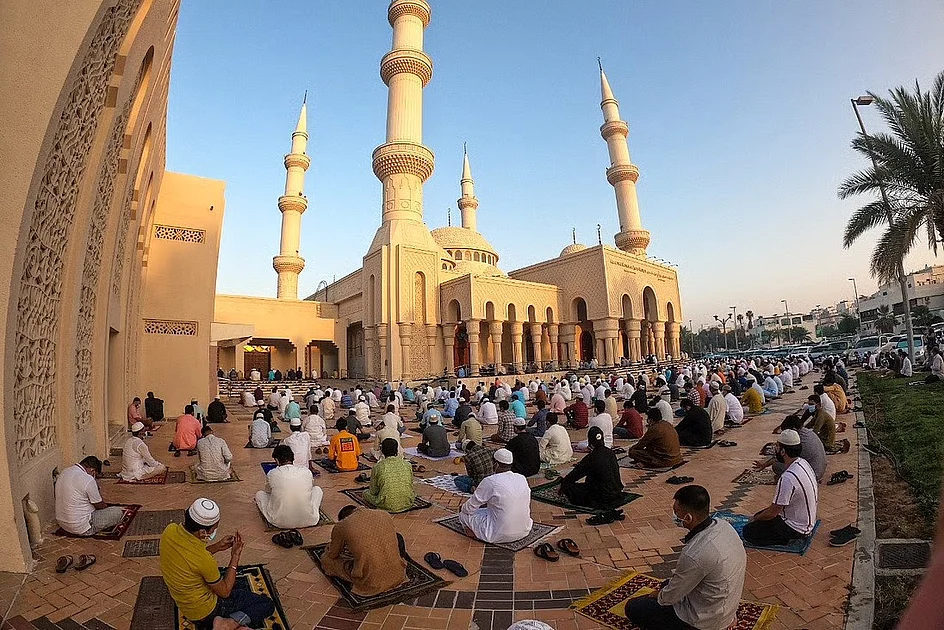
  • Likely Ramadan 2026 start dates in India, Pakistan, Bangladesh, Egypt, Philippines revealed

    Likely Ramadan 2026 start dates in India, Pakistan, Bangladesh, Egypt, Philippines revealed

    Astronomical calculations and meteorological projections are converging on February 19, 2026 as the anticipated commencement date for Ramadan across numerous Muslim-majority nations. While the official determination remains subject to traditional moon sighting ceremonies, scientific forecasts show remarkable consistency across geographical boundaries.

    Pakistan’s Meteorological Department has provided detailed celestial calculations, indicating the new moon will emerge on February 17 at 5:01 PM PKT (4:01 PM UAE time). Meteorological officials note a high probability of crescent visibility on the evening of February 18, with the moon reaching approximately 26 hours of age. Critical visibility windows place sunset at 6:25 PM PKT and moonset at 7:24 PM PKT, creating favorable conditions for observational confirmation.

    Parallel projections emerge from India, where religious authorities await local sightings but anticipate similar timing. Bangladesh’s Islamic Foundation concurrently expects February 19 initiation, according to Daily Star reports.

    The Philippines presents a slight variation, with preliminary projections suggesting February 18 as the potential commencement date. Final determination rests with the Bangsamoro Darul-Ifta’ and the National Commission on Muslim Filipinos, continuing the tradition of regional astronomical observation led by Bangsamoro Mufti Sheikh Abdulrauf A. Guialani.

    Notably, Egyptian observatories beyond Asia align with the February 19 prediction, demonstrating the geographical consensus among astronomical experts. This transnational synchronization highlights how modern celestial calculation methods complement traditional moon sighting practices in determining Islamic lunar months.

    The convergence of scientific prediction and religious tradition underscores the unique intersection of faith and astronomy that characterizes Ramadan preparations worldwide.

  • Scientists measure coldest ocean temperatures during ‘snowball Earth’ period

    Scientists measure coldest ocean temperatures during ‘snowball Earth’ period

    An international research consortium led by Chinese scientists has achieved a groundbreaking quantification of Earth’s most extreme climatic period, revealing unprecedented details about the ‘snowball Earth’ epoch approximately 700 million years ago. Published in Nature Communications, their study provides the first direct temperature measurements of ancient oceans during this planetary deep freeze.

    The investigation determined that continental margin waters—critical zones for early biological activity—maintained temperatures between -22°C and -8°C despite global glaciation. This remarkable liquid state persisted due to salinity levels quadruple those of contemporary seawater, creating a natural antifreeze effect that prevented complete solidification.

    Dr. Lu Kai, lead author and postdoctoral researcher at the Chinese Academy of Sciences’ Institute of Geology and Geophysics, emphasized the significance: ‘These represent the coldest ocean temperatures ever recorded in Earth’s history, surpassing even Antarctica’s modern supercooled lakes.’

    The team employed innovative paleothermometry techniques analyzing iron isotopes within ancient glacial marine sediments. These isotopic signatures function as geological thermometers, preserving temperature data through atomic abundance variations that correlate with thermal conditions.

    Dr. Lu explained the mechanism: ‘High salinity enabled liquid water persistence through processes similar to contemporary Antarctic ice shelf circulation. During freeze-thaw cycles at ice sheet bases, salt exclusion created concentrated brines with depressed freezing points.’

    This research fundamentally advances understanding of how primordial life endured extreme cryogenic conditions while offering new perspectives on Earth’s climate resilience mechanisms. The findings establish critical parameters for modeling past climate transitions and evaluating biological tolerance thresholds during planetary-scale environmental crises.

  • Israelis breach Gaza boundary in march calling for settlements

    Israelis breach Gaza boundary in march calling for settlements

    Hundreds of Israeli activists deliberately crossed into the restricted Gaza border area on Thursday during a coordinated demonstration advocating for renewed Jewish settlements in the Palestinian territory. The protest, organized by the Nachala Settlement Movement, saw approximately 1,500 participants march toward the Gaza perimeter under the banner “We will not surrender to Trump’s dictates: no to an international Gaza, yes to a Jewish Gaza.”

    The Israeli military confirmed the breach of the designated closed military zone, stating that security forces promptly returned the group to Israeli territory. Military authorities condemned the action, emphasizing that “approaching the barrier area and entering it is dangerous and disrupts the activity of security forces in the area.”

    The demonstration featured symbolic tree planting activities near the border fence, with organizers claiming participants overcame police attempts to prevent their approach. WhatsApp messages circulated beforehand had promoted the gathering as a “historic planting event in Gaza.”

    Notably, several government officials from Prime Minister Benjamin Netanyahu’s Likud party attended and endorsed the event. Communications Minister Shlomo Karhi, Social Equality Minister May Golan, and multiple lawmakers expressed support for the settlement initiative. Likud member Ariel Kallner declared that Israel’s “resurrection will come when the Israeli flag is raised in Gaza, when Jewish settlements bloom in Gaza.”

    The protest occurs amid growing calls from right-wing Israeli politicians to permanently occupy Gaza and reverse the 2005 disengagement, which saw the removal of 21 existing settlements. Finance Minister Bezalel Smotrich recently called to “correct the sin of expulsion” from Gaza, reflecting increasingly vocal settlement ambitions that directly contradict international law and the Trump administration’s ceasefire proposal envisioning Israeli withdrawal.

  • Suspected Chinese spies arrested in quiet French town

    Suspected Chinese spies arrested in quiet French town

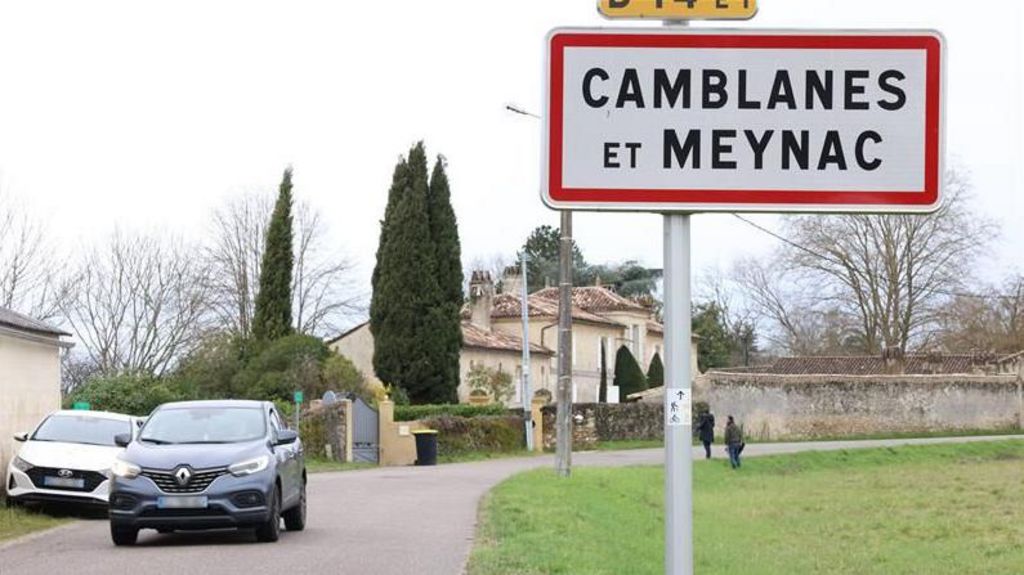
    French intelligence authorities have apprehended and formally charged two Chinese nationals in an alleged espionage operation centered in a quiet village near Bordeaux. The suspects, aged 27 and 29, had rented a residence in Camblanes-et-Meynac through Airbnb, where their installation of a large parabolic antenna aroused suspicion among local residents. The dish’s positioning coincided with unexplained disruptions to local internet services, prompting concerns.

    A raid conducted by France’s General Directorate for Internal Security (DGSI) last Saturday resulted in the seizure of extensive computer equipment from the property. Both individuals, who entered France on work visas identifying them as wireless communications engineers, now face charges of ‘delivering information to a foreign power likely to damage the interests of France’ and remain in custody. Two additional men of Chinese origin residing in France have also been charged with providing assistance.

    According to the prosecutor’s office, the operation aimed to intercept sensitive satellite data from Elon Musk’s Starlink network and collect intelligence from vital military entities for transmission to China. This incident is not isolated; last summer, a Chinese engineer was detained in Boulogne-sur-Gesse under similar circumstances, and in December, a University of Bordeaux researcher was investigated for allegedly granting a Chinese delegation access to a restricted area.

    Intelligence experts highlight southwestern France as a prime target for foreign espionage due to its concentration of defense, aerospace, and telecommunications infrastructure, including major facilities operated by Airbus, Thales, and Dassault, as well as the strategic Issus-Aussaguel ground station and Bordeaux-Mérignac airbase. Jeremy André, an espionage specialist at Intelligence Online, noted that China has systematically developed cooperative ties in the region through diplomatic and economic channels, creating networks that can be ‘activated on demand.’

    French authorities’ decision to pursue public judicial proceedings marks a shift from previous covert handling of such cases, reflecting a heightened commitment to exposing and countering espionage threats. Meanwhile, locals in Camblanes-et-Meynac expressed astonishment, with Mayor Jean-Philippe Guillemeot remarking that the village is typically frequented by artists, not spies.

  • China’s space industry-developed eVTOL aircraft completes first flight

    China’s space industry-developed eVTOL aircraft completes first flight

    In a significant advancement for electric aviation, China’s aerospace industry has successfully conducted the inaugural flight of a revolutionary electric vertical takeoff and landing (eVTOL) vehicle. Developed by the Ninth Academy of China Aerospace Science and Technology Corporation, the pioneering aircraft completed its maiden voyage in Chongqing on February 6, 2026.

    The innovative aircraft represents a radical departure from conventional aviation design, featuring a groundbreaking configuration that merges aerial vehicle capabilities with automotive engineering. This hybrid design enables seamless transition between terrestrial and aerial transportation modes, creating unprecedented versatility for modern mobility requirements.

    Structurally composed of wings, cabin, and chassis components, the vehicle comprises two distinct operational modules: an airborne unit capable of carrying two passengers at speeds up to 150 km/h at altitudes below 3,000 meters, and a road-going module equipped with a fully electric intelligent chassis that delivers an impressive 300-kilometer range on land.

    Beyond personal transportation, this multifunctional low-altitude equipment demonstrates substantial potential across multiple sectors including logistics operations, emergency response coordination, and specialized transport services. The development marks China’s growing proficiency in advanced electric aviation technology and represents a strategic expansion of aerospace capabilities into urban air mobility solutions.

    The successful test flight underscores China’s accelerating advancements in electric aviation technology and demonstrates the aerospace sector’s successful diversification into next-generation transportation systems with practical urban and regional applications.

  • Hollywood designer Jacob brings “For The Stars” couture to Dubai

    Hollywood designer Jacob brings “For The Stars” couture to Dubai

    DUBAI – The iconic Armani Hotel at Burj Khalifa will transform into a fashion epicenter on February 13, 2026, as celebrity fashion house For The Stars makes its highly anticipated Middle East debut. Founded by legendary Hollywood designer Jacob, the brand will present “Fashions For Love” – an exclusive Valentine’s Eve spectacle merging haute couture with live performances beneath the world’s tallest tower.

    The evening will commence with red-carpet arrivals before evolving into a multidimensional experience featuring performances by international music icons including Deborah Cox. The centerpiece will be a couture runway presentation showcasing Jacob’s signature designs that have graced entertainment legends for decades.

    Premium ticket holders will gain access to an exclusive VIP afterparty featuring museum-style displays of iconic garments worn by global superstars, private buyer consultations, celebrity DJ sets, and curated cocktail experiences. Ticket pricing reflects the event’s exclusivity, ranging from Dh1,500 for limited general admission to Dh15,000 for full VVIP access including afterparty privileges.

    Jacob’s four-decade career has dressed music royalty including Prince, Madonna, Cher, Michael Jackson, and Beyoncé, with his contributions to arts and culture earning him a Lifetime Achievement Award presented by President Joe Biden in 2024. The Dubai event will feature special appearances by Victoria Recano, April Sutton, and musical group 25Band alongside the previously announced Deborah Cox.

    “Dubai celebrates vision, ambition, and creativity,” Jacob remarked. “Bringing our experience to the base of Burj Khalifa represents a powerful and symbolic next chapter for our brand’s narrative of empowering artists through fashion.”

    This landmark event signals For The Stars’ strategic expansion into the Middle Eastern market, positioning Dubai as a new global stage for the brand’s unique fusion of couture, performance artistry, and cultural expression. Tickets are available exclusively through Q Tickets platform.

  • EU official announces 300-strong firefighting force to battle wildfires across Europe

    EU official announces 300-strong firefighting force to battle wildfires across Europe

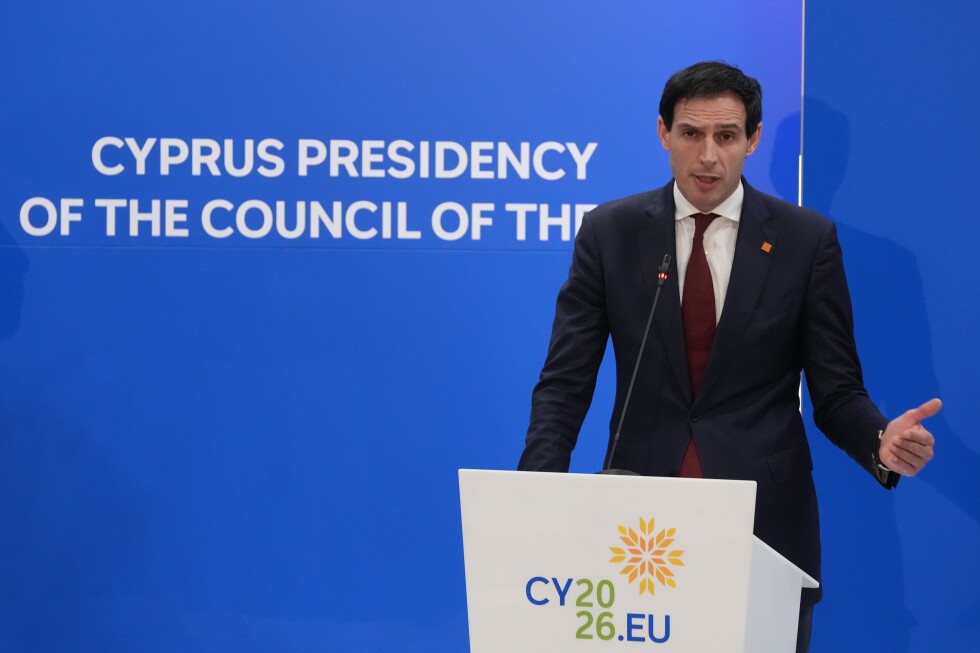
    NICOSIA, Cyprus — In a decisive response to Europe’s most devastating wildfire season on record, the European Union has unveiled plans for a continent-wide rapid reaction force comprising 300 firefighters. EU Climate Commissioner Wopke Hoekstra announced the initiative Friday following a meeting of EU environment and climate ministers, framing it as a critical demonstration of European solidarity against climate-aggravated disasters.

    The specialized force, drawn from across the 27-member bloc, represents a significant enhancement of the EU’s emergency response capabilities. Commissioner Hoekstra characterized the development as “a huge step forward compared to some five years ago,” while acknowledging that future expansions in personnel and equipment might become necessary. The strategic deployment mechanism will enable swift mobilization to wildfire hotspots across the continent.

    This initiative builds upon earlier proposals for enhanced firefighting coordination, including a Cyprus-based regional hub announced by European Commission President Ursula von der Leyen in September. Von der Leyen had previously emphasized the urgency of developing adequate tools to confront increasingly dangerous summer seasons that are becoming “hotter, harsher and more dangerous” due to climate change.

    The policy response follows alarming scientific evidence from a World Weather Attribution study released last August, which determined that climate change dramatically increased the intensity and probability of catastrophic wildfires. The research revealed that winter precipitation preceding the 2025 fire season had diminished by approximately 14% since the pre-industrial era, while weeklong periods of fire-conducive dry, hot air have become 13 times more likely.

    Last year’s Mediterranean wildfires proved particularly devastating, with hundreds of blazes fueled by temperatures exceeding 40°C (104°F), severe drought conditions, and powerful winds. The catastrophe resulted in 20 fatalities, forced 80,000 evacuations, and consumed over 1 million hectares (2.47 million acres) of land, establishing 2025 as Europe’s worst recorded year for wildfire destruction.