作者: admin

  • Trump says Greenland framework includes mineral rights. What minerals does the island have?

    Trump says Greenland framework includes mineral rights. What minerals does the island have?

    Former President Donald Trump has reignited geopolitical interest in Greenland by claiming to have established a preliminary framework for future agreements concerning the island’s defense infrastructure and mineral rights. This development underscores Greenland’s growing strategic value due to its vast deposits of rare earth elements essential for electronics, green energy, and military technologies.

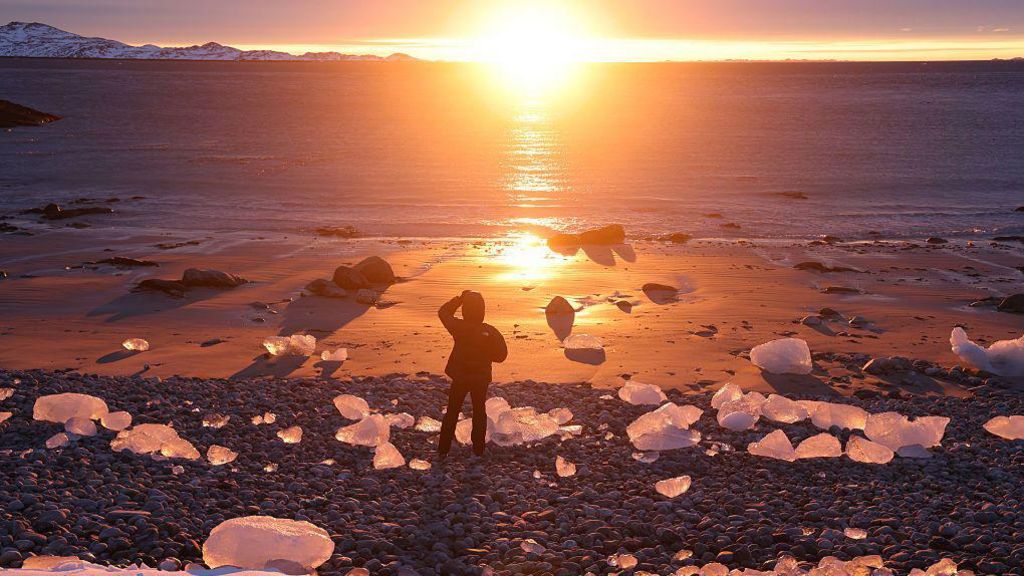
    Geological surveys indicate Greenland possesses 25 of the 34 minerals classified as critical raw materials by the European Commission, including graphite, niobium, and titanium. While Trump publicly emphasizes security concerns regarding Russian and Chinese Arctic expansion, analysts suggest resource acquisition remains a primary motivator. “This is fundamentally about securing those resources and preventing Chinese dominance,” stated Professor Steven Lamy of the University of Southern California.

    The U.S. has intensified engagement with Greenland since reopening its Nuuk consulate in 2020. Recent actions include approving $120 million in financing through the Export-Import Bank for a American mining project there, aligning with broader efforts to diversify rare earth supplies away from China. Allies like UN Ambassador Mike Waltz emphasize Greenland’s multidimensional value: “This concerns shipping lanes, energy resources, fisheries, and ultimately national security.”

    However, significant challenges persist. Greenland’s mining industry faces extreme operational hurdles including harsh weather, insufficient infrastructure, and limited labor. Although climate change is gradually exposing new mineral-rich areas and potential hydroelectric sources, only two active mines currently operate despite 100 exploration permits being issued. Researchers like Mikkel Runge Olesen note that while mineral quantities are substantial, extraction costs remain prohibitively high.

    Critics question whether U.S. control is necessary for resource access, while experts characterize current mining prospects as largely theoretical. Dr. Patrick Schröder of Chatham House acknowledged Greenland’s potential to “shift the dial” in global mineral supply chains, though Jennifer Spence of Harvard’s Arctic Initiative noted operations remain “all still about potential” despite the evident economic and strategic interests driving Trump’s approach.


  • Taliban release female athlete, 22, after 13 days in jail

    Taliban release female athlete, 22, after 13 days in jail

    A 22-year-old Afghan woman detained for operating a taekwondo training facility for girls has been released following a 13-day imprisonment, according to confirmation from Taliban judicial authorities. Khadija Ahmadzada, residing near Herat in western Afghanistan, faced detention earlier this month after officials from the Ministry of Vice and Virtue identified multiple violations at her establishment.

    Taliban authorities cited three primary infractions: inadequate hijab compliance, the presence of musical elements, and gender mixing within the training facility. A ministry spokesperson indicated that Ahmadzada had received several prior warnings before enforcement action was taken.

    The case garnered significant international attention after United Nations Special Rapporteur on Human Rights in Afghanistan Richard Bennett amplified the situation through social media channels, simultaneously highlighting the ongoing detention of female journalist Nazira Rashidi in Kunduz. The Taliban government maintains that Rashidi’s detention is unrelated to her professional activities.

    Since regaining control in 2021, Taliban authorities have systematically closed women’s sports facilities nationwide, citing the need to establish environments compliant with their interpretation of Islamic law. No sports clubs for women have resumed operations as of January 2026, and female athletes remain barred from official competition.

    This incident represents another manifestation of the comprehensive restrictions imposed on Afghan women, including severe limitations on educational opportunities, employment access, and strict dress code enforcement. The Taliban’s supreme court ultimately ordered Ahmadzada’s release on January 22, though her current whereabouts remain undisclosed.

  • White House X account alters protester photo to add tears

    White House X account alters protester photo to add tears

    The White House has ignited controversy after its official X account disseminated a digitally manipulated photograph depicting arrested protester Nekima Levy Armstrong in tears, without disclosing the image had been altered. The incident occurred on Thursday when the administration shared the modified image showing Armstrong sobbing with visible tears and distorted facial features, contrasting sharply with the original photograph posted by Homeland Security Secretary Kristi Noem that showed her calm and expressionless during arrest.

    The altered image carried a superimposed caption labeling Armstrong as a ‘far-left agitator’ following her arrest for allegedly disrupting a church service during protests against immigration policies. This episode highlights the Trump administration’s increasing utilization of artificial intelligence and deepfake technology to advance political narratives through official government channels.

    White House Deputy Communications Director Kaelan Dorr indirectly acknowledged the modification through a social media post that defended the administration’s approach, stating ‘Enforcement of the law will continue. The memes will continue.’ The alteration prompted immediate criticism from social media users who expressed concern about government entities using manipulated imagery presented as factual content.

    According to Walter Scheirer of the University of Notre Dame, such digitally altered images have become ‘commonplace in partisan politics’ and are frequently employed to humiliate opposition figures or make exaggerated political statements. Scheirer noted that while similar to traditional political cartoons, the use of such tactics through official government communication channels represents ‘a notable lack of decorum.’

    This incident occurs during the first year of President Trump’s second term, which has seen increased deployment of hyper-realistic fabricated visuals across Truth Social and other platforms. The administration has previously shared AI-generated imagery depicting the president in various scenarios including dressed as the pope, alongside lions, and conducting orchestras at prestigious venues.

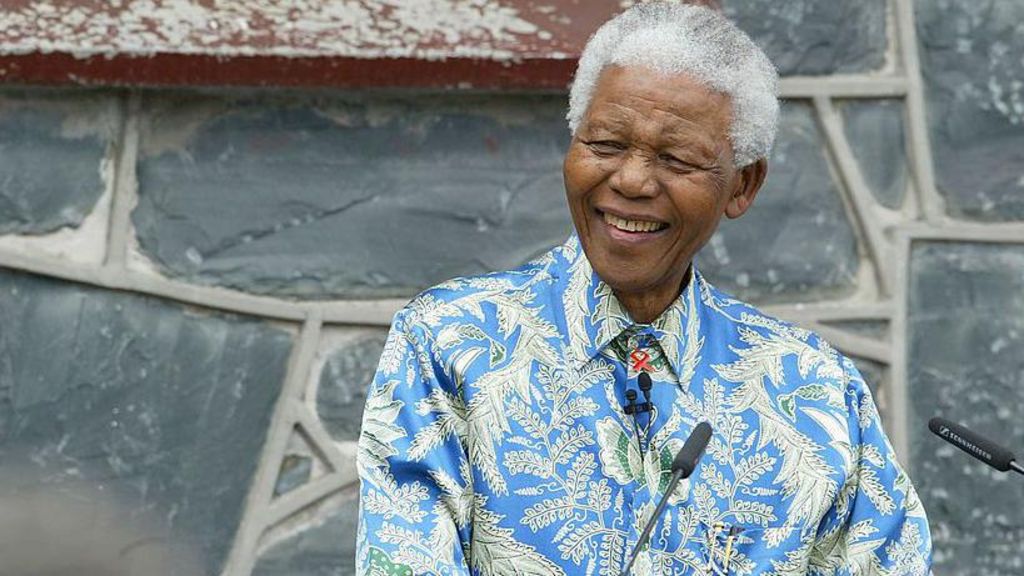
  • Mandela’s prison key, sunglasses and shirt can be sold after daughter wins court battle

    Mandela’s prison key, sunglasses and shirt can be sold after daughter wins court battle

    South Africa’s Supreme Court of Appeal has delivered a landmark ruling permitting Nelson Mandela’s eldest daughter to proceed with the sale of 70 personal items belonging to the anti-apartheid icon. The court dismissed an appeal by the South African Heritage Resources Agency (Sahra) which sought to block the export and auction of these historically significant artifacts.

    The collection includes profoundly symbolic items such as the original cell key from Robben Island where Mandela spent 18 years of his imprisonment, his signature floral shirt, Aviator sunglasses, a personally signed copy of the 1996 Constitution, and gifts from world leaders including former U.S. President Barack Obama and First Lady Michelle Obama. Other notable items comprise Mandela’s identification documents, charcoal drawings, and a tennis racquet used during his incarceration.

    Makaziwe Mandela, Mandela’s daughter from his first marriage, and Christo Brand, Mandela’s former prison warden who became his close friend, jointly own these artifacts. They had planned to export the collection to the United States for auction through Guernsey’s auction house.

    The court criticized Sahra for employing an ‘overly broad’ interpretation of the National Heritage Resources Act and noted the agency failed to provide substantive justification for classifying these personal items as protected national heritage. The ruling emphasized that while Sahra presented no detailed arguments, the owners provided comprehensive explanations why these objects shouldn’t be considered heritage artifacts.

    Makaziwe Mandela welcomed the decision, stating she intends to use proceeds to establish a memorial garden at her father’s gravesite in Qunu, Eastern Cape. She strongly criticized Sahra for presuming ‘to know my father’s last wishes better than those who were beside him at the end – his family.’

    The controversy has sparked national debate between those who believe Mandela’s artifacts should remain in South Africa as national treasures and those who argue his family should determine their disposition. It remains uncertain whether authorities will pursue additional legal avenues to prevent the sale.

  • ‘The ultimate insult’: Trump downplaying NATO’s Afghanistan involvement causes distress in UK

    ‘The ultimate insult’: Trump downplaying NATO’s Afghanistan involvement causes distress in UK

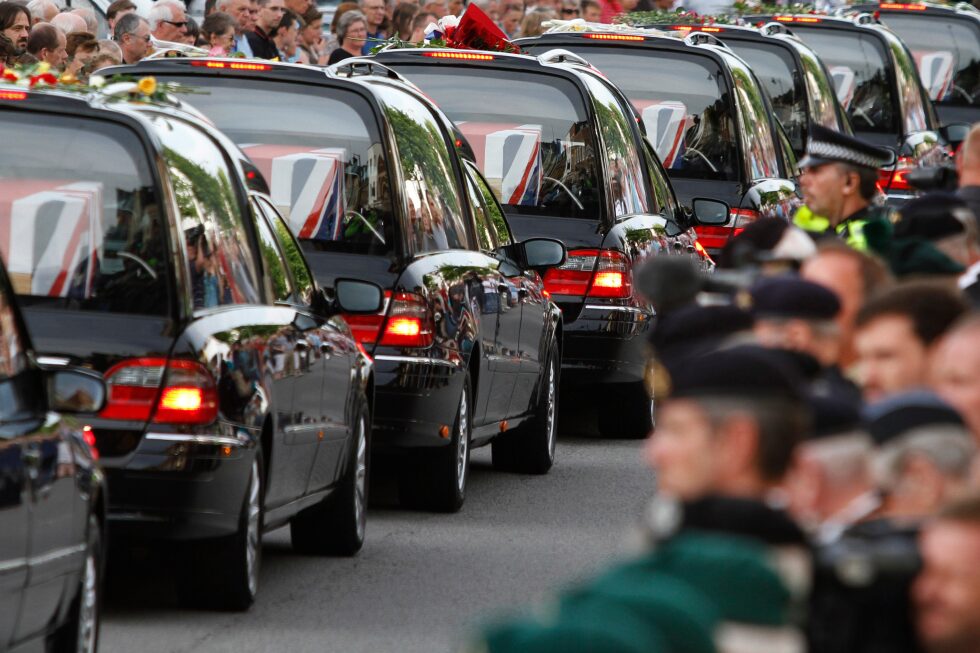
    LONDON — Former U.S. President Donald Trump has ignited fierce condemnation from British officials and military families following controversial remarks questioning NATO allies’ combat commitment during the Afghanistan conflict. Speaking during a Fox News interview in Davos on Thursday, Trump cast doubt on NATO’s reliability while suggesting non-American troops deliberately avoided front-line engagement.

    The comments struck a particularly raw nerve in the United Kingdom, which deployed over 150,000 personnel to Afghanistan—the largest contingent after the United States—with 456 ultimately sacrificing their lives. British Defense Secretary John Healey emphasized that UK forces ‘answered the U.S. call’ following the 9/11 attacks, stating fallen troops should be ‘remembered as heroes who gave their lives in service of our nation.’

    Lawmaker Ben Obese-Jecty, a former captain in the Royal Yorkshire Regiment who served in Afghanistan, expressed dismay at seeing ‘our nation’s sacrifice, and that of our NATO partners, held so cheaply.’ The criticism extended to Trump’s personal military service record, with author Stephen Stewart highlighting the ‘huge irony’ of draft deferment recipient Trump questioning others’ combat commitment.

    The controversy emerges amid escalating transatlantic tensions following Trump’s threats to seize Greenland—a semi-autonomous Danish territory—and impose tariffs on European nations. Historical context further contradicts Trump’s assertions: Article 5 of NATO’s founding treaty, the mutual defense clause, was invoked only once—in response to the 9/11 attacks on the United States.

    Denmark, which suffered the highest per capita casualties among coalition forces in Afghanistan, exemplified this commitment through former platoon commander Martin Tamm Andersen’s reminder: ‘When America needed us after 9/11 we were there.’

    The remarks have prompted calls for diplomatic pushback, with Diane Dernie—mother of a severely injured British soldier—describing Trump’s comments as ‘the ultimate insult’ and urging Prime Minister Keir Starmer to ‘make a stand for those who fought for this country.’

  • Volatile security blocks UN from Syria IS-linked camp

    Volatile security blocks UN from Syria IS-linked camp

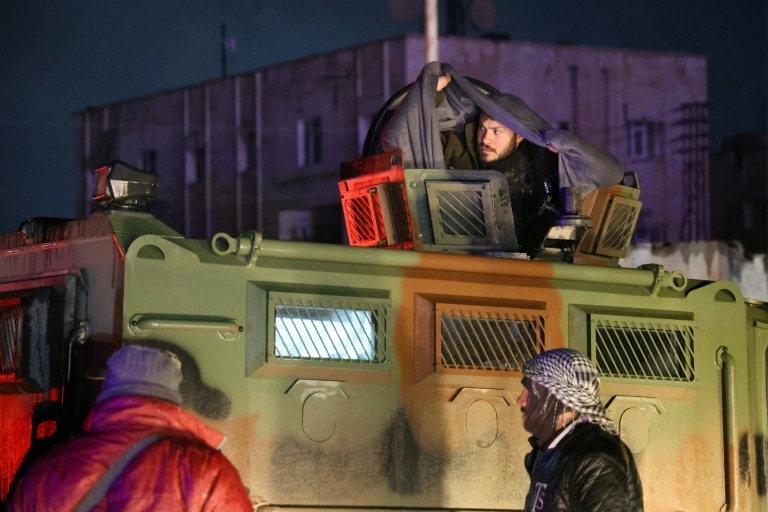
    A deteriorating security situation at the Al-Hol displacement camp in northeastern Syria has prevented United Nations personnel from delivering critical humanitarian assistance. This development follows the withdrawal of Kurdish-led security forces and the subsequent deployment of the Syrian national army, creating a volatile power transition.

    According to two former humanitarian workers who spoke with AFP on condition of anonymity, a significant security vacuum occurred between the Kurdish withdrawal and the army’s deployment, enabling an unspecified number of camp residents to escape. During this period, residents reportedly set fire to facilities operated by aid organizations.

    The camp, which previously housed approximately 23,000 individuals including suspected Islamic State family members from multiple nationalities, represents one of the most complex humanitarian challenges stemming from the conflict against ISIS. The population includes Syrian and Iraqi nationals alongside approximately 6,200 foreign women and children from various countries.

    In a parallel development, Kurdish forces completed a withdrawal from the Al-Aqtan prison near Raqa under a negotiated agreement with the Syrian government. This transfer, witnessed by AFP correspondents, involved hundreds of fighters relocating to Kurdish-held areas while ISIS detainees remained under Syrian jurisdiction.

    These security rearrangements follow a broader ceasefire agreement announced January 18th between Syrian President Ahmed al-Sharaa and SDF commander Mazloum Abdi, which includes provisions for integrating Kurdish administration into the state apparatus. The United States has concurrently begun transferring ISIS detainees from Syrian to Iraqi facilities, with 150 individuals relocated thus far according to official statements.

  • Japan’s lower house formally dissolved

    Japan’s lower house formally dissolved

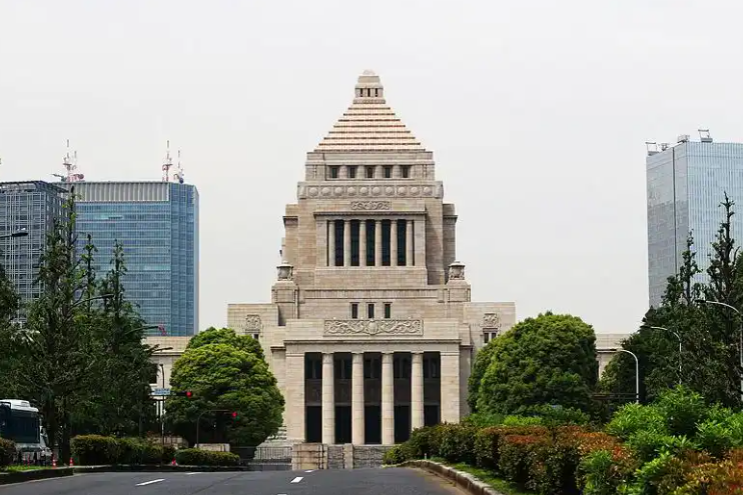
    Japan’s political arena entered a period of significant transition on January 23, 2026, as the nation’s lower legislative chamber was formally dissolved, setting the stage for an unexpected snap election. This constitutional procedure marks a pivotal moment in Japan’s democratic processes, effectively terminating the current parliamentary session and compelling all 465 sitting representatives to seek renewed electoral mandates.

    The dissolution ceremony, presided over by Speaker Hiroyuki Hosoda in a solemn proceeding, saw legislators receive their official notices of termination amid the traditional shouts of ‘Banzai’ that characterize Japanese parliamentary conclusions. This procedural dissolution paves the way for what political analysts anticipate will be a fiercely contested electoral battle, with campaigning expected to commence immediately ahead of the projected polling date.

    This political development occurs against a complex backdrop of both domestic and international challenges, including economic pressures, regional security concerns, and ongoing global supply chain disruptions. The election outcome will determine the composition of Japan’s legislative body at a particularly consequential juncture in East Asian geopolitics, with implications for everything from trade policy to national security strategy.

    The dissolution mechanism, embedded in Japan’s post-war constitution, represents a fundamental aspect of the country’s parliamentary democracy, allowing for fresh electoral mandates and potential shifts in governmental direction. As candidates prepare to hit the campaign trail, observers worldwide will be monitoring how Japan’s electorate responds to the competing policy visions presented by the various political factions vying for parliamentary dominance.

  • US braces for ‘extremely dangerous’ winter storm

    US braces for ‘extremely dangerous’ winter storm

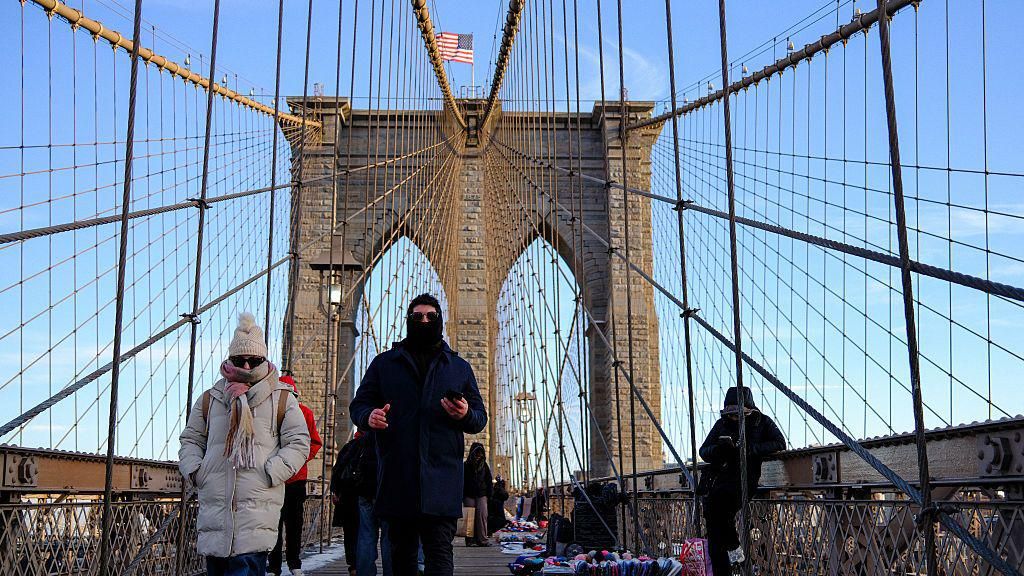
    A formidable winter storm system is poised to unleash unprecedented Arctic conditions across the United States, placing over 160 million Americans under severe weather alerts starting Friday. The National Weather Service (NWS) has issued grave warnings about this meteorological event originating from the High Plains and Rockies, predicting its eastward trajectory will generate life-threatening wind chills dipping below -50°F (-46°C) in northern regions.

    The storm’s slow-moving nature will deposit substantial snowfall from the Southern Rockies through the Mid-Atlantic into the Northeast, with projections exceeding one foot of accumulation from Colorado to Boston. Major metropolitan areas including Memphis, Nashville, Washington DC, Baltimore, Philadelphia, and New York are anticipated to experience significant snow accumulation and freezing rains.

    Transportation networks face severe disruption as airport authorities nationwide report anticipated cancellations and delays. Multiple airlines have proactively implemented flexible rebooking policies to accommodate travelers. Meteorological experts Rich Otto and Tony Fracasso emphasize that vehicular travel will become ‘nearly impossible’ during the storm’s peak intensity.

    Governors in Arkansas, Georgia, Texas, and both Carolinas have preemptively declared states of emergency, mobilizing National Guard units and emergency response teams. The NWS emphasizes the particular danger of frostbite and hypothermia from even brief skin exposure to the extreme conditions.

    The meteorological phenomenon extends into Canada, where eastern and Atlantic provinces are already experiencing severe freezing temperatures with additional snowfall expected early next week according to Environment Canada meteorologists.

  • TikTok establishes joint venture to end US ban threat; Trump thanks Xi for approving deal

    TikTok establishes joint venture to end US ban threat; Trump thanks Xi for approving deal

    In a landmark resolution to a prolonged geopolitical standoff, TikTok has successfully established a majority American-owned joint venture to continue operating its US business, effectively neutralizing the threat of a nationwide ban. The newly formed entity, TikTok USDS Joint Venture LLC, will serve the platform’s massive American user base of over 200 million users and 7.5 million businesses while implementing rigorous new protocols for data security, algorithmic transparency, and content moderation.

    The corporate restructuring directly responds to legislation passed during the Biden administration that mandated Chinese parent company ByteDance divest its US operations or face prohibition in its largest market. The complex agreement, which largely confirms an outline presented to staff last month, stipulates that ByteDance will retain a 19.9 percent stake in the venture—strategically remaining below the critical 20 percent threshold specified by US law.

    Significant American investment firms form the venture’s backbone, with Silver Lake, Oracle, and Abu Dhabi’s AI investment fund MGX each acquiring 15 percent stakes. Additional investors include Dell Family Office, affiliates of Susquehanna International Group, General Atlantic, and several other established financial institutions. Notably, Oracle’s executive chairman Larry Ellison, a longtime ally of former President Donald Trump, plays a pivotal role in the arrangement.

    The joint venture will maintain autonomous decision-making authority over all US trust and safety policies and content moderation, while TikTok’s global entities will continue managing international product integration and commercial activities including advertising and e-commerce. Under the new structure, all US user data will be securely housed within Oracle’s cloud environment, subject to independent cybersecurity audits and strict adherence to federal standards.

    Governance will be administered by a seven-member board with American majority representation, including TikTok CEO Shou Chew and executives from major investment firms. TikTok veteran Adam Presser has been appointed CEO of the new entity, with Will Farrell assuming the role of chief security officer.

    The resolution prompted immediate political reactions, with former President Trump publicly thanking Chinese President Xi Jinping for approving the arrangement. ‘I am so happy to have helped in saving TikTok!’ Trump declared in a post on Truth Social. ‘I would also like to thank President Xi, of China, for working with us and, ultimately, approving the Deal.’

    The 2024 legislation emerged from longstanding bipartisan concerns among US policymakers that China could potentially exploit TikTok to harvest American user data or exert influence through its powerful algorithm. However, Trump, who has credited the platform with bolstering his appeal among younger voters, repeatedly delayed enforcement through executive orders, most recently extending the deadline to January 22.

  • Gulf’s hospitality renaissance: From mega-projects to intimate experiences

    Gulf’s hospitality renaissance: From mega-projects to intimate experiences

    The Gulf Cooperation Council (GCC) region is undergoing a profound transformation in its tourism strategy, shifting from large-scale urban developments to curated, experience-driven hospitality offerings. This strategic evolution marks a significant departure from the region’s previous focus on skyscrapers and mega-projects toward immersive, authenticity-focused travel experiences.

    Economic indicators demonstrate the sector’s accelerating growth trajectory. Travel and tourism contributed approximately $247 billion to GCC GDP in 2024, representing a 32% increase over 2019 levels. Projections indicate this figure will reach $371.2 billion by 2034, accounting for 13.3% of the region’s total economy. Visitor spending shows parallel growth, expected to climb from $135-136 billion in 2023 to $224 billion within the next decade.

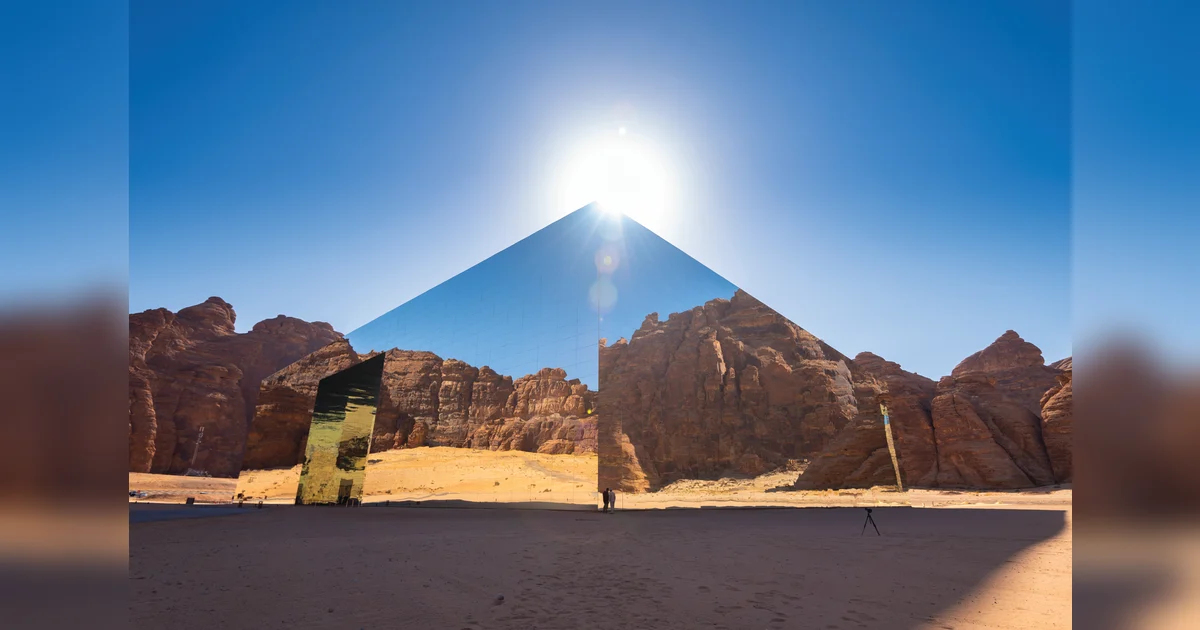
    Saudi Arabia’s AlUla region exemplifies this ‘slow luxury’ approach, positioning itself as a high-yield niche destination rather than pursuing mass tourism. The Royal Commission for AlUla reports hosting over 260,000 visitors in 2023—a 40% year-on-year increase—with targets set for two million annual visitors by 2035. Development focuses on eco-conscious properties like Habitas AlUla and Banyan Tree AlUla, featuring tented villas and canyon-view suites that prioritize heritage preservation.

    The architectural marvel Sharaan Resort, designed by Jean Nouvel within the Sharaan Nature Reserve, will incorporate 38 rock-carved suites alongside wellness facilities, representing a groundbreaking approach to landscape-integrated architecture.

    Ras Al Khaimah and Oman are capitalizing on their natural landscapes to establish themselves as premier outdoor destinations. Ras Al Khaimah achieved record tourism in 2024 with 1.28 million visitors and 12% revenue growth, while Oman welcomed approximately 4 million international visitors, generating $5.5 billion in tourism revenue. Both destinations are developing mountain lodges, desert camps, and sustainable beach resorts that cater to adventure tourism and wellness-seeking travelers.

    Qatar has successfully transitioned from an events-focused market to a cultural tourism destination, surpassing five million visitors in 2024—a 25% increase over 2023. The country’s strategy integrates cultural landmarks like the Museum of Islamic Art with island-based resorts such as Rixos Premium Qetaifan Island North, which combines luxury accommodations with waterpark facilities and private beaches.

    This tourism evolution represents a fundamental component of Gulf economic diversification strategies. The sector is projected to generate 1.3 million new jobs by 2034, with intra-GCC tourism growing significantly—19.3 million tourists traveled within the bloc in 2024, constituting over 25% of all international visitors to GCC states. The proposed unified GCC tourism visa and improved connectivity将进一步 enhance regional tourism integration, enabling multi-destination itineraries that combine cultural, mountain, and coastal experiences across Gulf nations.