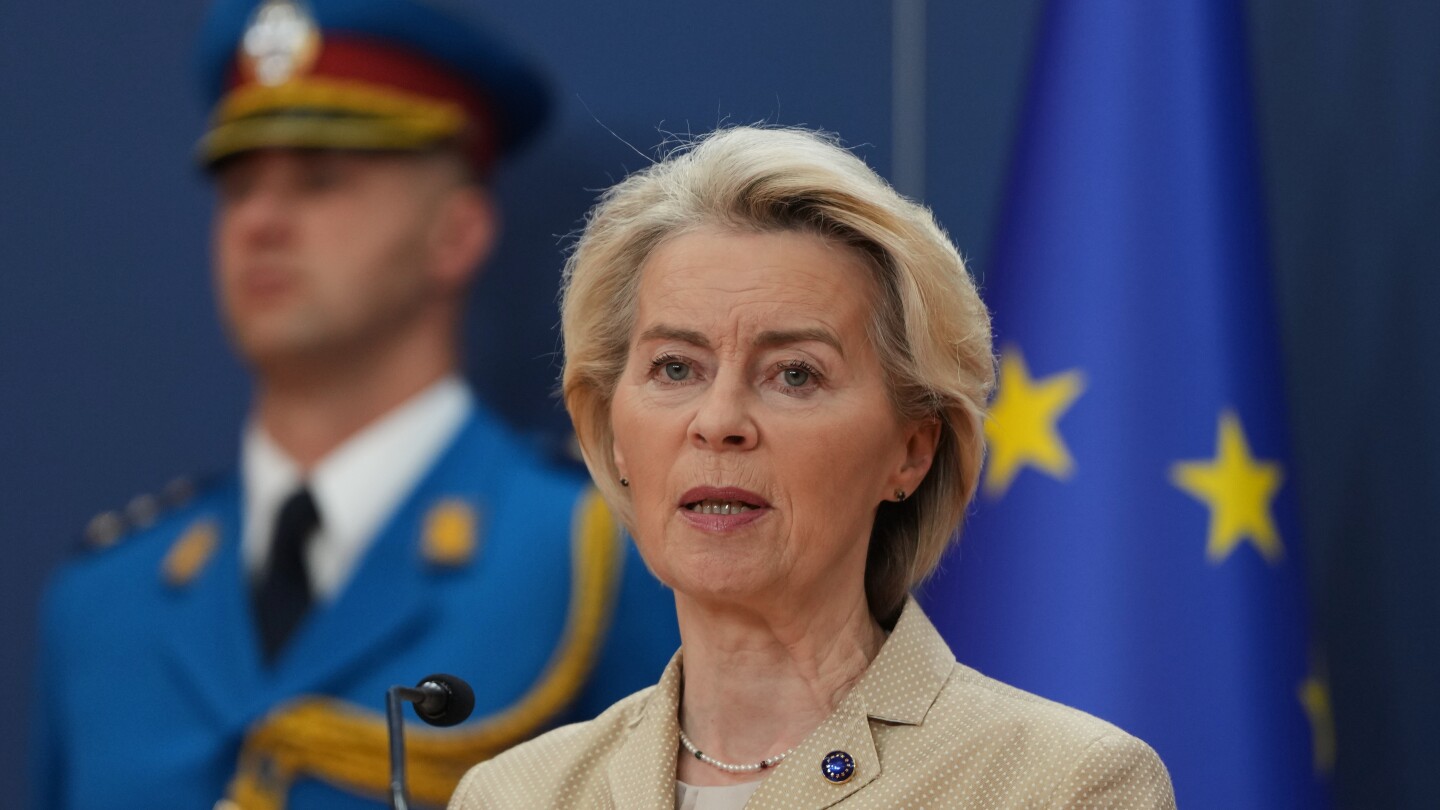
BELGRADE, Serbia — European Commission President Ursula von der Leyen delivered a pointed message to Serbia’s populist leader, Aleksandar Vucic, during her visit to Belgrade on Wednesday. She emphasized the need for Serbia to take tangible actions toward its proclaimed goal of joining the European Union, including implementing sanctions against Russia and advancing democratic reforms. Von der Leyen’s remarks came amid growing concerns over Vucic’s increasingly authoritarian rule and his government’s crackdown on anti-government protests. Serbia remains the only European nation that has not imposed sanctions on Moscow following its invasion of Ukraine, despite its formal commitment to EU membership. Von der Leyen stressed the importance of aligning with EU foreign policy, particularly on sanctions, and urged Serbia to prioritize reforms in the rule of law, electoral framework, and media freedom. She also highlighted the EU’s stance on freedom and diplomacy, stating, “We stand for freedom instead of oppression, partnership instead of submission, and diplomacy instead of aggression.” Vucic, however, defended his government’s response to protests, claiming police used “minimum force” despite reports of excessive violence. Serbia’s historical ties with Russia and its reliance on Russian energy complicate its EU aspirations. The EU has intensified efforts to integrate Western Balkan nations, including Serbia, into its fold since Russia’s invasion of Ukraine, offering financial incentives and market access in exchange for reforms. Von der Leyen’s visit is part of a broader tour of the region, which includes Albania, Bosnia, North Macedonia, Kosovo, and Montenegro, all at various stages of the EU accession process.
作者: admin
-

Pakistan end South Africa’s 10-Test winning run
In a thrilling first Test match held in Lahore, Pakistan brought an end to South Africa’s remarkable 10-match winning streak in Test cricket with a commanding 93-run victory. The Proteas, who had recently triumphed over Australia in the World Test Championship final in June, were bowled out for 183 while chasing a target of 277. The match, which marked the opening fixture of the 2025-27 Test Championship cycle, saw Pakistan climb to second place in the standings, trailing only Australia. South Africa’s pursuit began on a shaky note as they resumed their innings at 51-2. The early dismissal of Tony de Zorzi, who had scored a century in the first innings, by Shaheen Afridi set the tone for Pakistan’s dominance. Left-arm spinner Noman Ali, who claimed 10 wickets in the match, played a pivotal role by dismissing key batsmen Tristan Stubbs and Dewald Brevis, who managed a brisk 54. Off-spinner Sajid Khan also capitalized on the turning pitch to remove opener Ryan Rickelton after a resilient 45. Shaheen Afridi returned in the afternoon session to dismantle the tail with a masterful display of reverse swing, sealing the win by bowling out Kyle Verreynne, Prenelan Subrayen, and Kagiso Rabada. Pakistan’s victory was anchored by crucial contributions from opener Imam-ul-Haq and number seven Salman Agha, both scoring 93 runs to propel the team to a total of 378. The spinners, Noman and Sajid, exploited the home conditions effectively, reminiscent of their success against England last year. The second and final Test of the series is scheduled to begin on 20 October.
-
Syria’s interim leader arrives on his first visit to Russia, set to meet with Putin
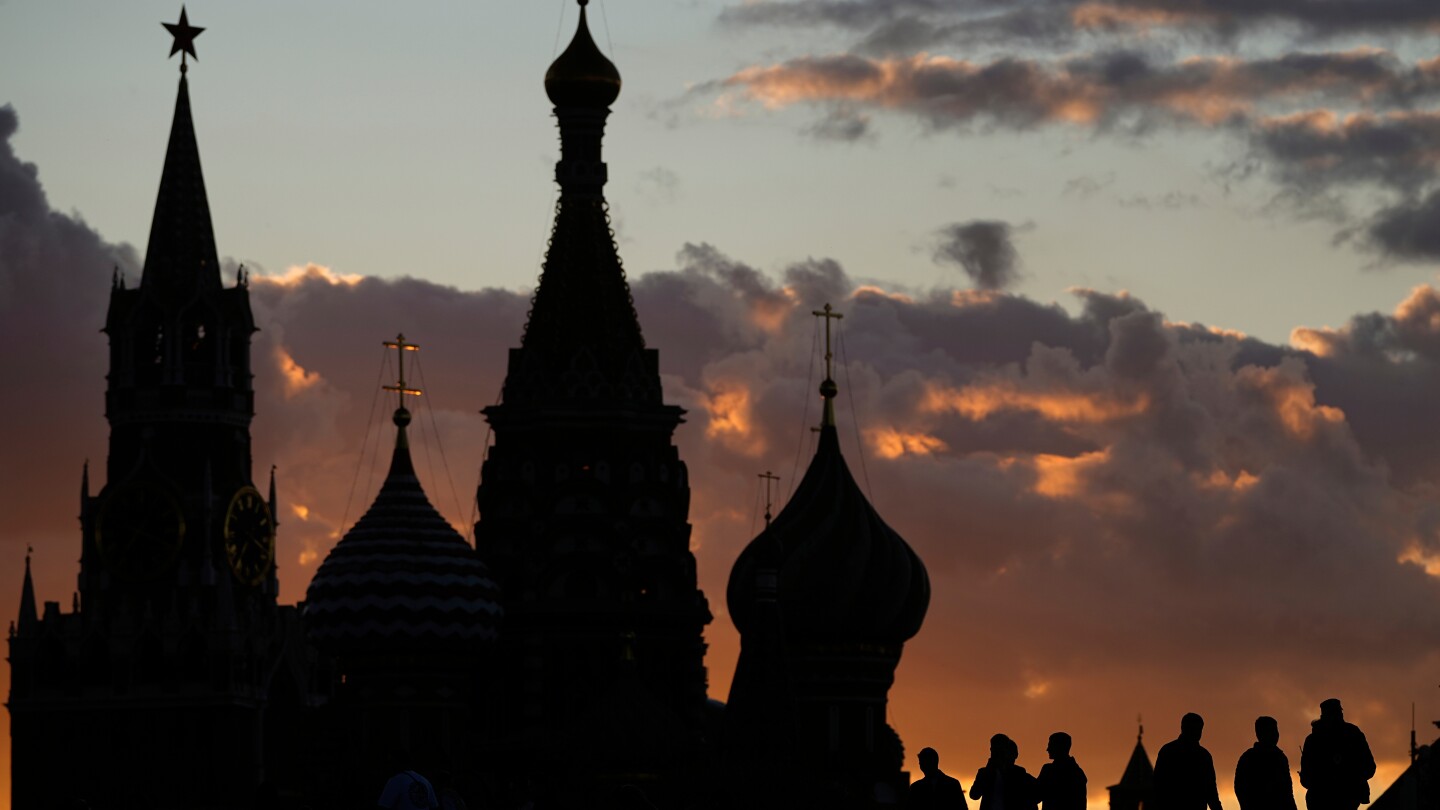
In a significant diplomatic move, Syria’s interim leader, Ahmad al-Sharaa, arrived in Moscow on Wednesday for his first official visit to Russia. This marks a pivotal moment in the evolving relationship between the two nations, following the ousting of former Syrian President Bashar Assad last year. Al-Sharaa, who spearheaded the rebel offensive that led to Assad’s removal, is scheduled to meet with Russian President Vladimir Putin at the Kremlin. The discussions are expected to focus on enhancing bilateral ties in trade, economic cooperation, and humanitarian efforts, as well as addressing recent developments in the Middle East. The meeting underscores Moscow’s strategic intent to establish a working relationship with Syria’s new leadership while maintaining its military presence in the region. Despite Russia’s historical support for Assad, which included a decisive military intervention a decade ago, Moscow has refrained from opposing the rebel forces. Instead, it granted asylum to Assad after his swift departure from Syria. Russian Foreign Minister Sergey Lavrov clarified that this decision was based on humanitarian concerns, dismissing rumors of Assad’s alleged poisoning. The new Syrian administration, despite its past opposition to Assad, has adopted a pragmatic stance toward Russia, recognizing the importance of Moscow’s strategic interests in Syria. Russia continues to operate from its air and naval bases along the Syrian coast and has reportedly supplied oil to the war-torn nation. This visit follows a series of diplomatic exchanges, including a Russian delegation’s trip to Damascus in January and a July visit by Syria’s Foreign Minister to Moscow. In a recent interview, al-Sharaa emphasized Syria’s reliance on Russia for energy and food supplies, highlighting the enduring ties between the two countries.
-

Egypt shuts down Grand Egyptian Museum in preparation for official opening
The Grand Egyptian Museum (GEM), a monumental cultural landmark near the Giza pyramids, has announced a temporary closure from October 15 to November 3, 2025, in preparation for its highly anticipated official inauguration. The museum, which has been in a soft-opening phase for nearly a year, will host a grand ceremony on November 1, with public access resuming on November 4. During its trial phase, the GEM showcased 12 galleries featuring thousands of artifacts, including the Grand Staircase adorned with statues and relics from various eras of ancient Egyptian history. Notably, the Tutankhamun Hall, housing the complete collection of the young pharaoh’s treasures—including his golden mask, coffins, and over 5,000 other artifacts—was preserved as the centerpiece for the official opening. Spanning nearly 500,000 square meters, the GEM is recognized as the world’s largest archaeological museum dedicated to a single civilization, according to Egypt’s Ministry of Tourism and Antiquities. This closure marks the final step in preparing for a historic event that promises to celebrate Egypt’s rich heritage on a global stage.
-
A bitter harvest for California vintners
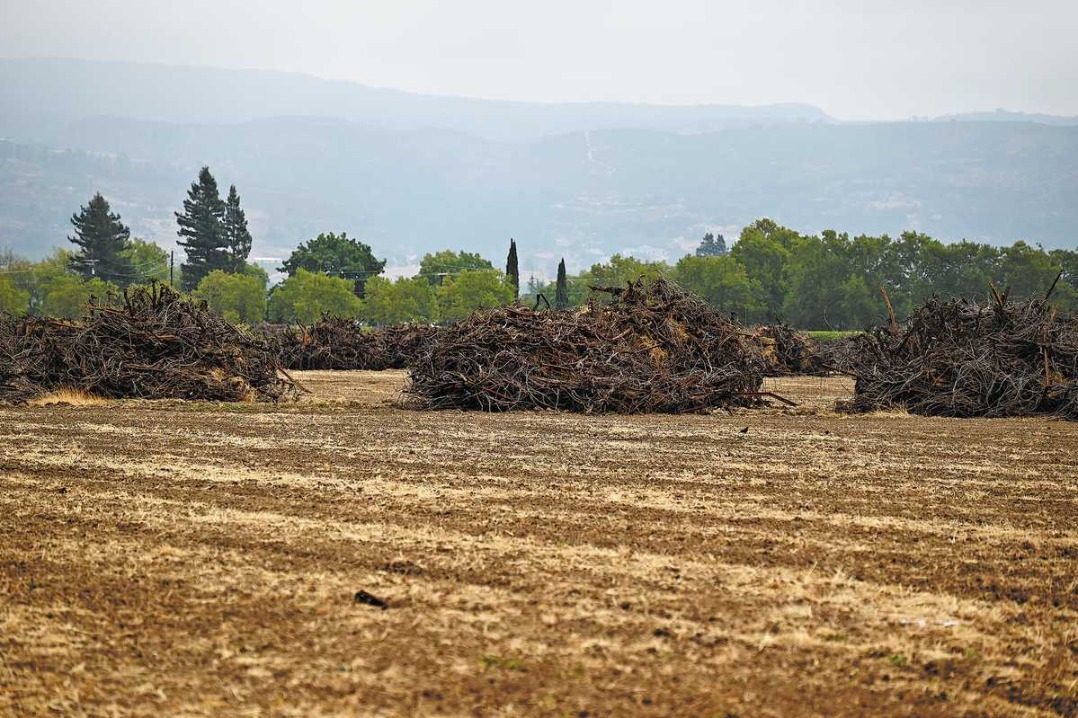
California’s wine industry, a cornerstone of the state’s agricultural economy, is grappling with one of its most challenging harvest seasons in decades. Vineyards across the Central Valley and Napa Valley are witnessing rows of unpicked grapes withering under the autumn sun, while bulldozers tear through once-thriving vineyards. This stark reality reflects the mounting pressures of oversupply, rising costs, and retaliatory tariffs that have left many growers in dire straits. Stuart Spencer, executive director of the Lodi Winegrape Commission, described the situation as a ‘crisis,’ with independent growers bearing the brunt of the fallout. Nearly 80% of California’s wine grapes are cultivated by independent farmers, many of whom are now abandoning their vineyards rather than face financial ruin. Jeff Bitter, president of Allied Grape Growers, echoed this sentiment, stating that the current crisis is the worst he has seen in his 30 years in the industry. The oversupply of wine, weakening consumer demand, and escalating costs due to inflation and labor shortages have compounded the industry’s woes. However, tariffs and trade policies have exacerbated these challenges, particularly in key export markets like Canada and China. Earlier this year, Canada imposed a 25% tariff on US wine in response to US tariffs on Canadian steel and aluminum, effectively shutting California producers out of their largest export market. While the retaliatory tariff was lifted in September, American wines have yet to return to Canadian shelves. Additionally, tariffs on imports such as glass bottles, corks, and packaging materials have driven up production costs, further squeezing wineries’ margins. Scott Meadows, CEO of Maxville Winery in Napa Valley, highlighted the long-term impact of these tariffs, noting that even essential equipment repairs have become prohibitively expensive. The industry’s struggles underscore the need for stable trade policies and a concerted effort to rebuild export markets, particularly in Asia, where trade tensions have hindered growth. As California’s wine growers navigate this turbulent period, the future of an industry that has long defined the state’s agricultural and cultural identity hangs in the balance.
-
Death toll from torrential rains in Mexico rises to 64
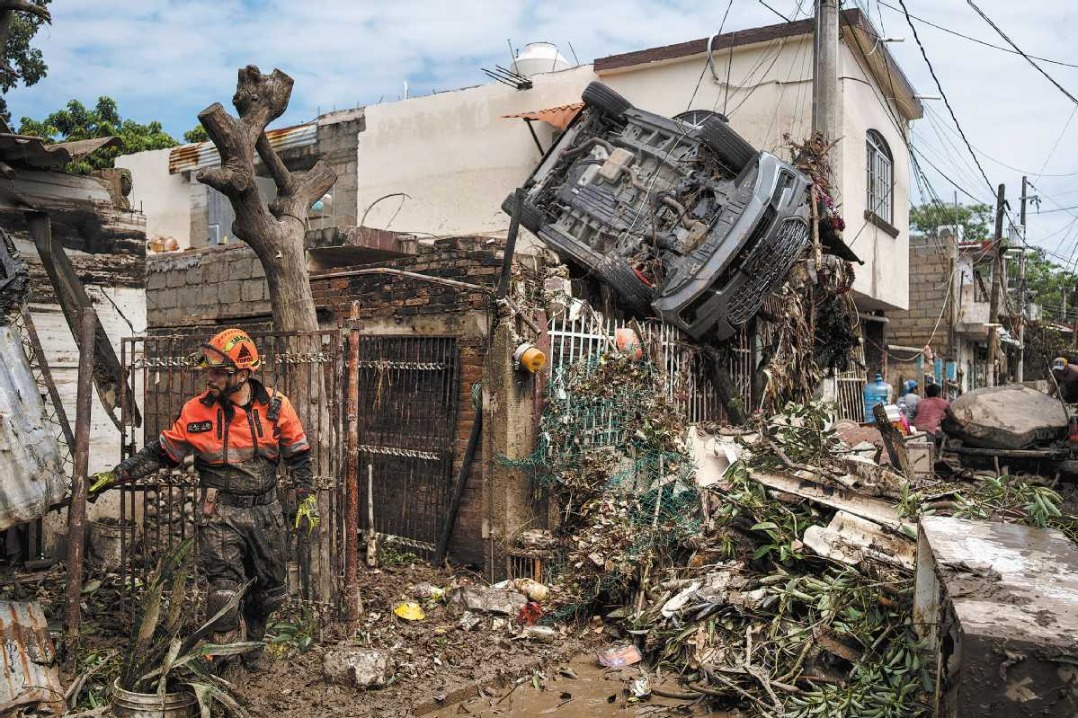
Central and eastern Mexico are reeling from catastrophic floods triggered by relentless torrential rains, with the death toll climbing to 64 and 65 individuals still missing. The devastating weather, which persisted for several days last week, transformed streets into raging rivers, triggered landslides, and obliterated roads and bridges, leaving dozens of small communities isolated. Rescue operations are in full swing, with President Claudia Sheinbaum deploying approximately 10,000 troops equipped with boats, planes, and helicopters to deliver essential supplies and aid to those stranded. Shelters have been established for displaced residents, while helicopters shuttle back and forth to provide food and water to cut-off areas. Laura Velazquez, head of Mexico’s civil defense authority, identified Veracruz, Hidalgo, and Puebla as the hardest-hit states. In Hidalgo alone, 43 people remain unaccounted for. The disaster’s rapid escalation is evident, with the death toll surging from 47 to 64 within just 12 hours. Residents in Tenango de Doria, Hidalgo, are trekking kilometers through mud in search of basic necessities, as shops remain without electricity and supplies dwindle. The combination of a tropical system from the Gulf of Mexico and a cold front from the north exacerbated the situation, leading to widespread destruction. Despite clearing skies on Sunday, the road to recovery remains arduous, with heavy machinery deployed to clear debris and restore access to affected areas.
-

Why do Australia play in Asia and not Oceania?
In 2006, Australia made a pivotal decision to leave the Oceania Football Confederation (OFC) and join the Asian Football Confederation (AFC), aiming to streamline their path to World Cup qualification. Historically, the OFC’s top team faced a challenging two-leg playoff against a South American team for a World Cup spot, while Asia offered four automatic qualifying positions and a playoff opportunity. Australia had previously missed out on World Cup qualifications in 1986, 1994, 1998, and 2002 through inter-confederation playoffs. However, their move to the AFC proved successful, as they qualified for the 2006 World Cup by topping their Oceania group and defeating Uruguay in a penalty shootout. The decision was further justified by Australia’s dominant performances in Oceania, including a record-breaking 31-0 win over American Samoa and a 22-0 victory over Tonga in 2002. Both FIFA and the AFC unanimously approved Australia’s transition, allowing them to compete in the AFC Champions League and participate in the Asian Cup. Since the switch, Australia has qualified for every World Cup, including the 2026 tournament, which will feature 48 teams. FIFA’s expansion of the 2026 World Cup in the United States, Canada, and Mexico has allocated one automatic qualifying spot to Oceania and eight to Asia. Both Australia and New Zealand secured their places in the 2026 World Cup, marking the first time both nations will compete in the tournament since 2010. Former Australia coach Graham Arnold praised the decision to join the AFC, stating that it has significantly improved the nation’s football standards by exposing them to tougher competition. When asked about the possibility of returning to the OFC, Arnold humorously noted that New Zealand might not welcome such a move. This strategic shift has undeniably elevated Australia’s football profile on the global stage.
-

Waymo plans to bring its driverless taxis to London in 2026
Waymo, the trailblazer in autonomous vehicle technology, has announced its ambitious plans to extend its robotaxi services to London by next year. This move signifies a pivotal step in the company’s global strategy to revolutionize urban mobility. Starting in the coming weeks, Waymo will initiate testing of its self-driving vehicles on London’s streets, albeit with a human safety driver present to ensure compliance with regulatory standards. The company aims to secure the necessary governmental approvals to launch its commercial ride-hailing service in the city. In a recent blog post, Waymo emphasized its commitment to laying the groundwork for its London operations over the next few months, while actively engaging with local and national authorities to navigate the regulatory landscape. Waymo’s autonomous taxis have already established a strong presence in several U.S. cities, including Phoenix, San Francisco, Los Angeles, Atlanta, and Austin. Earlier this year, the company ventured into international markets by collaborating with partners in Japan for testing, though a commercial launch date remains undetermined. Originating as a clandestine project within Google, Waymo has evolved into a leading force in the autonomous vehicle industry. In the U.K., the company will adhere to stringent new regulations governing self-driving cars, which mandate that autonomous vehicles must demonstrate a safety level equivalent to or surpassing that of competent human drivers. Additionally, Waymo will participate in a government-led pilot program for small-scale self-driving taxi and bus services, slated for spring 2026. The company must also comply with regulations set by Transport for London, the city’s transport authority, which oversees licensing for traditional black cabs and other taxi operators like Uber.
-
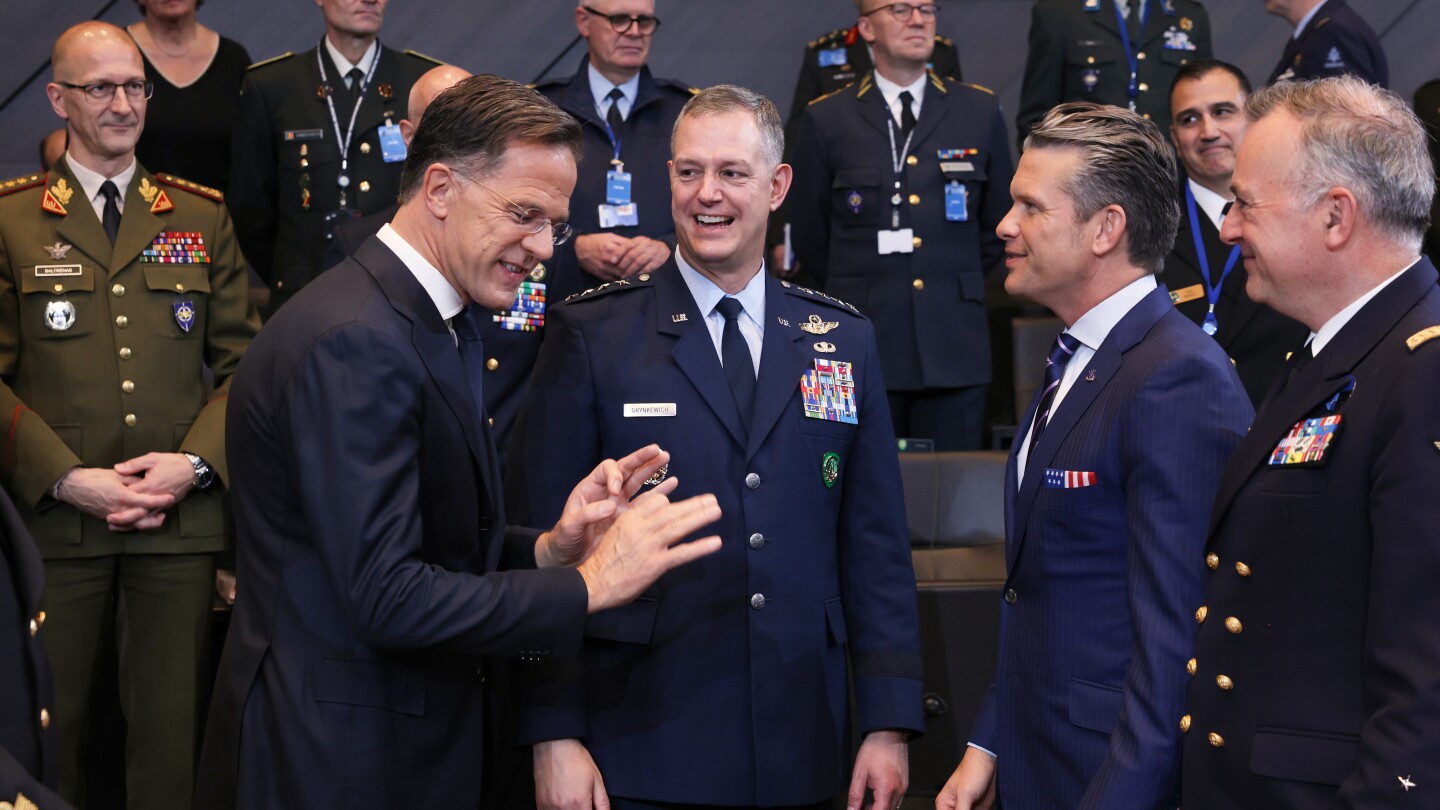
NATO’s newest members offer to buy more US arms for Ukraine as Western backing declines
In a significant move to bolster Ukraine’s defense capabilities, Finland and Sweden, NATO’s newest members, announced on Wednesday their decision to purchase additional U.S. weapons for Ukraine. This comes as recent data reveals a sharp decline in foreign military aid to the war-torn nation over the past few months. The initiative aligns with NATO’s efforts to coordinate regular deliveries of substantial weapons packages, each valued at approximately $500 million, to help Ukraine counter Russia’s ongoing aggression. However, European arsenals have nearly exhausted their spare weapons stocks, prompting NATO diplomats to highlight the United States’ $10-$12 billion worth of arms, air defense systems, and ammunition available for Ukraine’s use. Under the Prioritized Ukraine Requirements List (PURL), European allies and Canada are procuring American weapons to assist Kyiv in repelling Russian forces, with $2 billion already allocated. Finland’s Defense Minister, Antti Häkkänen, emphasized the urgency of providing critical U.S. weapons to Ukraine, while Sweden’s Defense Minister, Pål Jonson, expressed readiness to increase support. Both nations, alongside Estonia, Latvia, and Lithuania, are exploring additional contributions. Despite these efforts, Western military aid to Ukraine has plummeted by 43% in July and August compared to the first half of the year, according to Germany’s Kiel Institute. NATO Secretary-General Mark Rutte downplayed concerns, stating that support levels remain consistent with the previous year. However, criticism has grown over France, Italy, and Spain’s insufficient contributions, with Häkkänen urging all 32 NATO allies to shoulder their fair share of the burden. France, grappling with debt, has opted out of PURL, advocating for European defense industry investments instead.
-
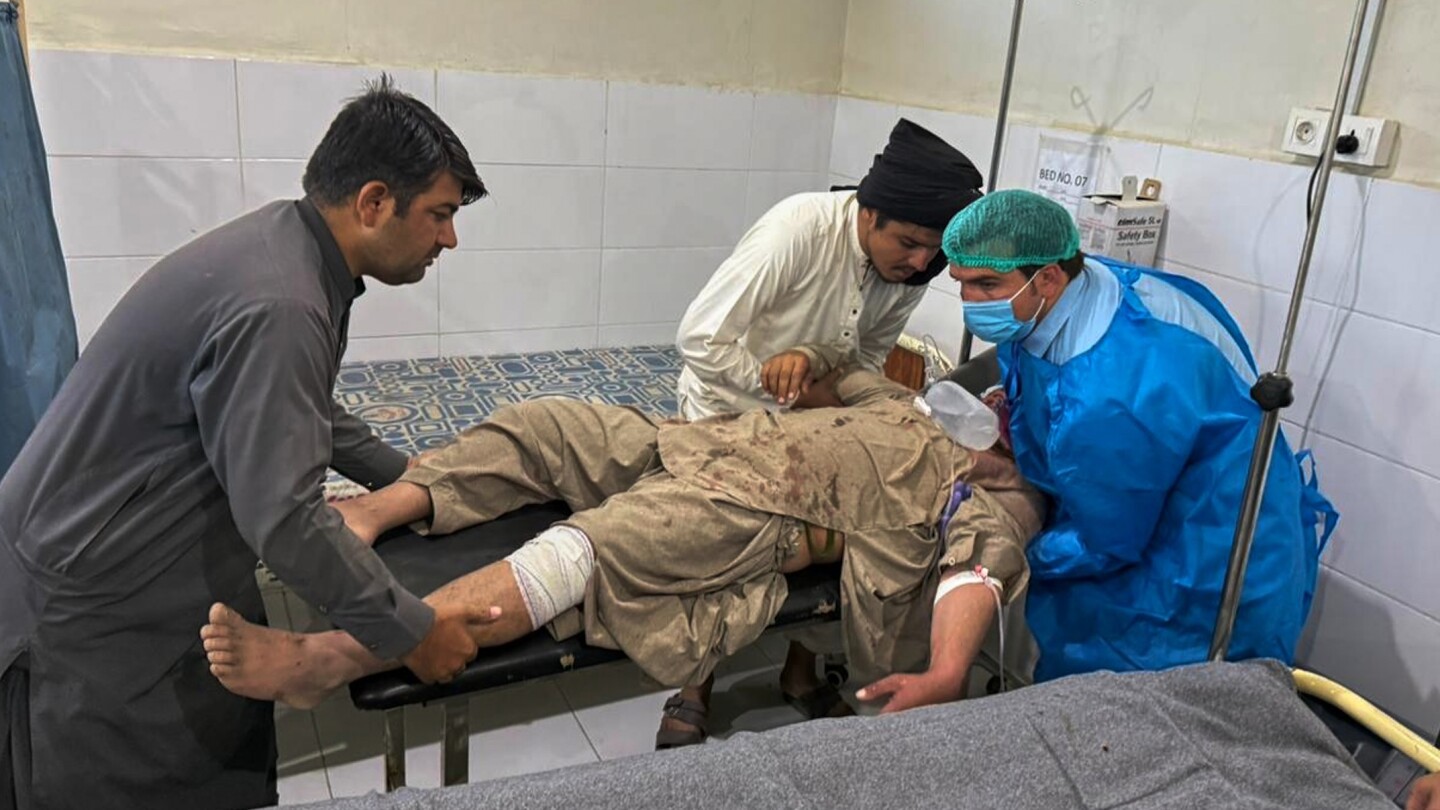
Afghanistan says more than a dozen civilians killed in renewed border fighting with Pakistan
Tensions between Pakistan and Afghanistan have escalated into deadly border clashes, resulting in significant civilian casualties and widespread destruction. Early Wednesday, renewed fighting erupted along the shared border near the village of Chaman, leaving more than a dozen Afghan civilians dead and over 100 wounded, according to officials from both nations. The violence follows days of cross-border shelling that began on Saturday, with both sides reporting military casualties. Afghanistan claims to have killed 58 Pakistani soldiers in retaliation for alleged violations of its territory and airspace, while Pakistan’s military reported 23 troop fatalities. The clashes, concentrated in the Kurram district of Pakistan’s Khyber Pakhtunkhwa province and Afghanistan’s Spin Boldak district, involved heavy artillery and mortar fire. Pakistan’s state media accused Afghan troops of initiating “unprovoked fire,” while Afghanistan’s Taliban government countered that Pakistan used light and heavy weapons in its assaults. Zabihullah Mujahid, the Taliban’s chief spokesman, claimed Afghan forces retaliated by killing several Pakistani soldiers, seizing military posts, and capturing weapons, including tanks. Pakistan’s military denied these claims, stating that the attacks were orchestrated by the Afghan Taliban and resulted in the deaths of 15 to 20 Taliban fighters. The fighting has displaced civilians near the border, with reports of families evacuating their homes to escape the violence. Despite temporary ceasefires brokered by Saudi Arabia and Qatar over the weekend, border crossings remain closed, and the situation remains volatile. The clashes highlight the deep-seated mistrust between the two nations, with Pakistan accusing the Taliban government of harboring the Tehreek-e-Taliban Pakistan (TTP), a militant group responsible for numerous attacks within Pakistan. Kabul denies these allegations, insisting it does not allow its territory to be used against other countries. The ongoing conflict underscores the fragile security dynamics in the region and the urgent need for diplomatic intervention to prevent further escalation.