作者: admin

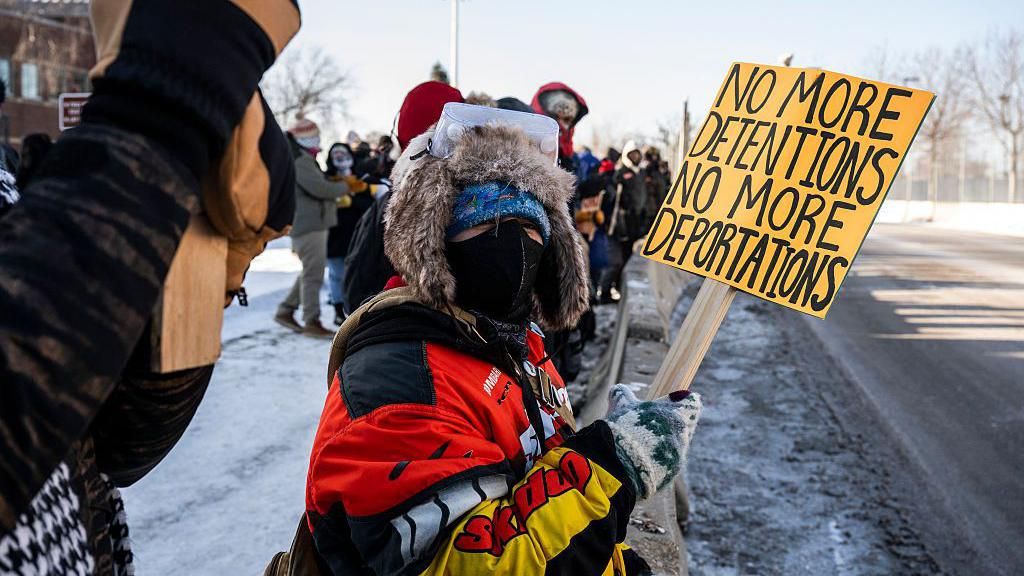
  • Minnesota holds economic strike to protest ICE presence

    Minnesota holds economic strike to protest ICE presence

    Hundreds of Minnesota enterprises are suspending operations today in a coordinated economic protest against intensified immigration enforcement activities across the state. The widespread shutdown encompasses diverse businesses from restaurants and retail stores to service establishments, representing one of the most significant economic demonstrations against federal immigration policies.

    Organizers have urged residents to abstain from work, schooling, and commercial activities in a collective show of opposition to the US Immigration and Customs Enforcement (ICE) operations. Simultaneous rallies are scheduled in both St. Paul and Minneapolis, cities that have experienced particularly aggressive enforcement actions under the Trump administration’s “Operation Metro Surge.”

    The federal government characterizes these operations as public safety initiatives targeting undocumented individuals with criminal backgrounds. However, critics maintain that the enforcement has extended beyond its stated parameters, resulting in detentions of migrants without criminal records and even US citizens. According to Department of Homeland Security statements, approximately 10,000 individuals have been apprehended in Minnesota since President Trump’s return to office one year ago.

    The movement gained substantial momentum following the tragic death of 37-year-old Minneapolis resident Renee Good earlier this month, which ignited widespread condemnation and protests across the state. While many demonstrations have remained peaceful, some have escalated into violent confrontations between protesters and federal officers.

    Bishop Dwayne Royster of Faith in Action articulated the protesters’ demands: “We want ICE out of Minnesota, and we want ICE out of every state, with their extreme overreach. We want Congress to provide oversight to ICE.”

    The economic impact is already being felt across the region. Kim Bartmann, owner of six Minneapolis restaurants including Barbette and Gigi’s Café, reported a 30% decline in sales over the past three weeks, compelling her to reduce operating hours even before today’s coordinated closure. “We have employees with proper documentation who are terrified to leave their homes,” Bartmann noted, highlighting the pervasive climate of fear.

    The situation has created complex dilemmas for business owners who support the protest’s objectives but face significant financial consequences. Bartmann described the decision to participate as “tricky,” acknowledging that while “everyone is in solidarity, everyone needs to buy groceries and pay their rents.”

    Corey Lamb, proprietor of Harriet Grove Botanicals, emphasized the interconnected economic vulnerability: “When individuals are afraid of being detained or disappeared, it affects not only morally but economically what’s happening here and across the greater Midwest.”

    The tension has extended into educational institutions, with Columbia Heights school officials confirming the detention of four students aged five to seventeen by ICE this week. This development has further intensified calls for policy review.

    Vice President JD Vance addressed the situation on Thursday, urging Minnesota law enforcement to enhance coordination with federal officers and criticizing local “sanctuary” policies that limit cooperation with ICE. “The best way to facilitate reasonable enforcement of the law,” Vance stated, “would be for state and local officials to cooperate.”

    The protest represents a critical juncture in the ongoing national debate surrounding immigration enforcement methodologies and their socioeconomic ramifications.


  • 3N Travel introduces India’s first Kidana Tower hajj experience for 2025

    3N Travel introduces India’s first Kidana Tower hajj experience for 2025

    In a groundbreaking development for religious tourism, 3N Travel & Tourist Bureau has achieved a historic milestone by becoming India’s first travel company to secure accommodations at Mina’s prestigious Kidana Tower for Hajj 2025 pilgrims. This strategic initiative positions the company at the forefront of enhanced pilgrimage experiences for Indian nationals participating in the annual Islamic ritual.

    The Kidana Tower represents one of Mina’s most advanced hospitality facilities, specifically engineered to elevate the traditional Hajj experience through superior comfort protocols, optimized accessibility features, and sophisticated crowd management systems. The tower’s infrastructure guarantees improved safety standards and dignified living conditions throughout the pilgrimage journey, addressing longstanding challenges faced by participants.

    3N Travel’s specialized Hajj packages cater to the global Indian diaspora, featuring innovative short-duration programs and premium Clock Tower accommodations. The premium Kidana Tower experience includes VIP-tier lodging in Mina complemented by upgraded tent facilities in Arafat, creating an integrated comfort solution throughout the sacred itinerary.

    With official authorities setting January 25, 2026 as the definitive registration deadline for Hajj 2025, prospective pilgrims face intensified urgency due to constrained quotas and exceptional demand. The company emphasizes the critical importance of immediate registration for both domestic and international Indian applicants seeking to participate in next year’s pilgrimage.

    Industry experts strongly recommend engaging exclusively with government-authorized Hajj service providers to ensure regulatory compliance, financial transparency, and operational reliability. This precautionary measure safeguards pilgrims against potential fraudulent schemes while guaranteeing adherence to official pilgrimage standards.

  • ‘He should apologise’: Anger of veterans and relatives at Trump Nato remarks

    ‘He should apologise’: Anger of veterans and relatives at Trump Nato remarks

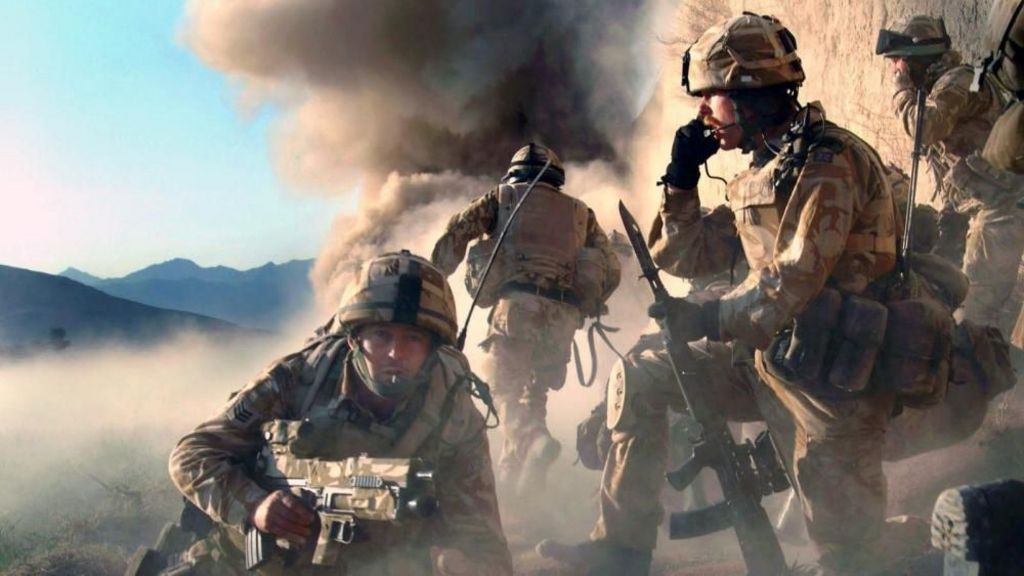
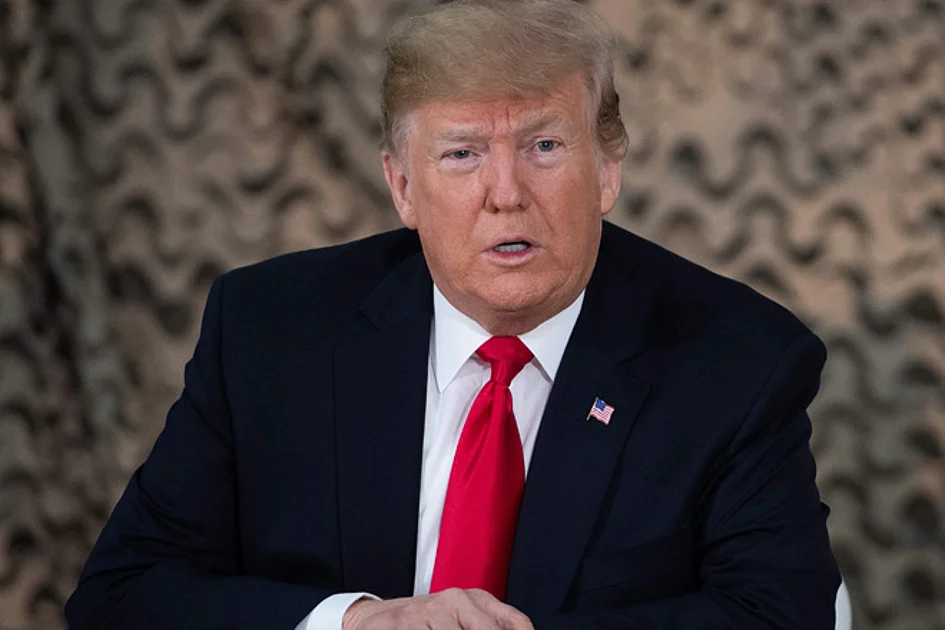
    British military veterans and families of fallen soldiers have expressed profound outrage following controversial remarks by former U.S. President Donald Trump regarding NATO allies’ combat roles in Afghanistan. The dispute centers on Trump’s assertion that American allies “stayed a little back, a little off the front lines” during the conflict.

    Andy Reid, a triple-amputee veteran who lost both legs and an arm to a Taliban IED in Helmand Province, has emerged as a leading voice calling for a formal apology. “I remember working with American soldiers in Explosive Ordnance Disposal teams,” Reid stated. “If they were on the front line, and we stood next to them, clearly we were on the front line as well.” He characterized Trump’s comments as “disrespectful, inappropriate and unexpected.”

    The United Kingdom maintained the second-largest military deployment in Afghanistan after the United States, with troop levels peaking at approximately 11,000 in 2011. British forces experienced some of the most intense combat operations in the volatile Helmand region, where they faced a resurgent Taliban and devastating IED attacks that claimed numerous lives.

    Andy Allen, a Northern Ireland assembly member who lost his right leg and suffered severe damage to his left leg in a 2008 IED explosion, confirmed the frontline nature of British operations. “It was the front line in which I was injured, and it was the front line of the battle in Afghanistan,” Allen emphasized, noting that he plans to write to the White House to correct the historical record.

    The controversy has particularly affected families of the 457 British service personnel killed in Afghanistan. Diane Dernie, mother of Britain’s most severely injured surviving soldier Ben Parkinson, described Trump’s statements as “the rantings of a child.” Her son sustained catastrophic injuries when his vehicle struck a mine in Helmand in 2006 while serving from forward operating bases established near combat zones.

    Monica Kershaw, whose 19-year-old son Christopher was killed alongside five other British soldiers when their armored vehicle hit an IED in Helmand, expressed visceral anger: “I think they should put Donald Trump in a uniform and put him on the front line, instead of pushing a pen behind a desk.”

    The NATO alliance had invoked Article 5—the collective defense clause—following the 9/11 attacks, marking the first and only time this provision has been activated. Multiple nations including the UK, Denmark, Estonia, and Canada contributed forces to the Afghan campaign.

    U.S. Navy veteran Shawn VanDiver, who now leads an organization assisting Afghan allies, offered a contrasting perspective to Trump’s remarks: “We see you. We know you were right there with us. We could not have accomplished what we did without them.” Addressing British families who lost loved ones, VanDiver added: “They would likely feel betrayed. What I would say to those families is I’m sorry.”

  • Not only Americans risked life and limb to serve in Afghanistan

    Not only Americans risked life and limb to serve in Afghanistan

    The Afghanistan deployment experience between 2001-2021 remains etched in the memories of thousands who served – from blast walls and rocket attacks to the mundane reality of canteen queues. This collective international effort began with perilous flights into Kandahar, Kabul, or Camp Bastion, where aircraft employed evasive maneuvers to avoid Taliban surface-to-air missiles.

    This unprecedented military campaign marked the sole invocation of NATO’s Article 5 in the alliance’s 77-year history, triggering a multinational response to the 9/11 attacks that killed nearly 3,000 people. While the Taliban were rapidly ousted from power through joint operations involving US forces, the CIA, and Afghanistan’s Northern Alliance, the mission evolved into a protracted manhunt for al-Qaeda remnants across mountainous terrain.

    The conflict’s initial phase, dubbed “Operation Enduring Freedom,” saw relative calm until late 2003 when attention shifted to Iraq. However, danger persisted constantly. Journalists documented nervous patrols by coalition forces in Soviet-era armored vehicles and experienced firsthand the Taliban’s relentless rocket attacks on remote firebases.

    The war intensified dramatically after 2006 when UK forces deployed to Helmand Province. British paratroopers faced ferocious combat requiring “danger close” artillery support to prevent their bases from being overrun. For the subsequent eight years until combat operations concluded in 2014, multinational forces from Britain, Canada, Denmark, Estonia and others endured the most severe fighting in Kandahar and Helmand.

    The most pervasive threat emerged from expertly concealed Improvised Explosive Devices (IEDs). Taliban fighters leveraged their intimate knowledge of the terrain to predict troop movements and place explosives at strategic crossing points. These devices catastrophically altered lives in split seconds, causing such widespread fear that soldiers prayed for below-knee rather than above-knee amputations if hit.

    The remarkable resilience demonstrated by survivors who rebuilt their lives despite terrible losses stands as a testament to human endurance. Their sacrifices and bravery render recent suggestions that coalition forces avoided combat particularly offensive to those who served throughout NATO’s longest military engagement.

  • Trump to sue New York Times over unfavourable opinion poll

    Trump to sue New York Times over unfavourable opinion poll

    Former President Donald Trump has escalated his ongoing conflict with mainstream media by announcing impending legal action against The New York Times. The controversy stems from a recently published opinion poll conducted jointly by the newspaper and Siena University, which reported a mere 40% approval rating for the 79-year-old Republican leader.

    Through his Truth Social platform, Trump declared the poll would be incorporated into an existing lawsuit against the publication, accusing the Times of disseminating ‘Radical Left lies and wrongdoing.’ He further intensified his rhetoric by suggesting that ‘fake and fraudulent polling should, virtually, be a criminal offence.’

    This development represents the latest chapter in Trump’s extensive history of legal confrontations with media organizations. Previous targets have included major networks such as CNN, CBS, ABC, and international broadcaster BBC, several of which resulted in multimillion-dollar settlements.

    The current legal battle originated in September 2025 when Trump filed a $15 billion defamation suit against The New York Times, alleging the publication intentionally ran false stories to damage his 2024 presidential campaign and personal reputation. Although initially dismissed by a federal judge, the lawsuit was refiled in amended form the following month.

    The Times/Siena poll, widely regarded as one of America’s most accurate political surveys, indicates significant erosion in Trump’s support base. Particularly concerning for the former president is the apparent dissolution of his 2024 coalition, with young and non-white voters who previously supported him abandoning his camp, leaving primarily older white voters as his core constituency.

    The newspaper defended its reporting practices, characterizing Trump’s legal actions as ‘an attempt to stifle independent reporting’ and ‘intimidation tactics.’ The poll findings align with multiple other surveys showing declining public approval of Trump’s handling of economic issues and his administration’s military-style crackdown on illegal immigration.

  • Gold all set to surpass $5,000 an ounce mark, underscoring its timeless investment value

    Gold all set to surpass $5,000 an ounce mark, underscoring its timeless investment value

    Gold has achieved an unprecedented breakthrough by exceeding the $5,000 per ounce threshold, cementing its status as the world’s most reliable store of value during times of economic uncertainty. This historic price movement demonstrates gold’s enduring capacity to preserve and multiply wealth across centuries, market cycles, and global transformations.

    Market performance data from January 2025 to January 2026 reveals extraordinary appreciation rates, with gold prices skyrocketing by more than 90% in the United Arab Emirates and an astonishing 106% in India. These remarkable figures underscore the intensifying global demand for physical gold as both an investment vehicle and cultural asset.

    Industry leaders have affirmed the significance of this milestone. MP Ahammad, Chairman of Malabar Group, stated that gold’s breakthrough validates the wisdom of long-term investors who have maintained disciplined ownership strategies. “Millions of customers across our 420 showrooms in 14 countries have profited from their prudent decision to invest in gold over the years,” Ahammad noted, emphasizing how patient, value-driven approaches have yielded substantial generational wealth.

    Shamlal Ahamed, Managing Director of International Operations at Malabar Gold & Diamonds, identified two particularly astute investor groups: Indian women and central bank governors worldwide. These demographics have demonstrated exceptional foresight through their consistent, long-term accumulation strategies. Ahamed further projected that if current demand dynamics and global economic conditions persist, gold could potentially approach or exceed $6,000 per ounce in the foreseeable future.

    Beyond its financial performance, gold maintains a unique dual identity as both a wealth preservation instrument and an object of profound cultural significance. This combination ensures its continued relevance across generations, maintaining unwavering demand even as investment markets evolve with new technologies and instruments.

  • How Macron’s Davos sunglasses spoke to the politics of friction with Trump

    How Macron’s Davos sunglasses spoke to the politics of friction with Trump

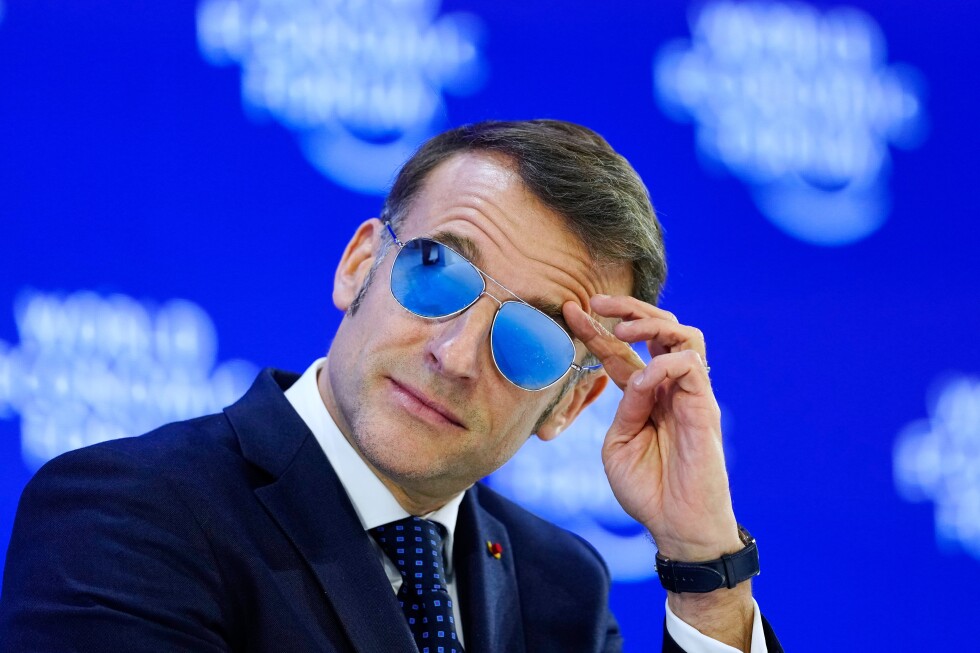
    PARIS (AP) — French President Emmanuel Macron’s distinctive blue-tinted aviator sunglasses became an unexpected centerpiece of global political discourse during the World Economic Forum in Davos, Switzerland. While ostensibly addressing a minor medical condition affecting his right eye, the eyewear transcended its practical purpose to become a multifaceted symbol of political imagecraft, commercial opportunity, and international relations.

    The French-made Henry Jullien Pacific S 01 model (retailing at €659) generated unprecedented market reactions, with shares of parent company iVision Tech SpA surging 74% on Milan’s stock exchange following Macron’s high-profile appearance. CEO Stefano Fulchir described the phenomenon as a ‘crazy week’ of overwhelming demand and media attention, including AI-generated memes parodying the President as a Top Gun fighter pilot.

    Political communication experts noted Macron’s successful navigation of sunglasses etiquette in political contexts. University of Oslo professor Cristina Archetti observed that the 48-year-old leader appeared ‘relatively young and super cool,’ with the photogenic blue lenses complementing his backdrop. The choice contrasted with conventional political imagery while avoiding the detachment typically associated with obscured eyes.

    The sunglasses emerged as a symbolic counterpoint to Donald Trump’s contentious remarks about European relations during the summit. Trump’s public query about ‘those beautiful sunglasses’ highlighted the ongoing diplomatic tensions, while Macron’s fashion statement subtly communicated French manufacturing excellence and cultural sophistication.

    Experts analyzed the deeper semiotics of the aviator style selection over alternatives like eye patches or Wayfarers. Nottingham Trent University’s Marco Bohr noted the specific connotations of ‘pilots, about being in control,’ suggesting intentional image construction. The episode demonstrates how contemporary political communication leverages visual elements alongside verbal discourse in an increasingly mediated global landscape.

  • What to know about the deal to keep TikTok in US

    What to know about the deal to keep TikTok in US

    After prolonged legislative uncertainty, TikTok has finalized a comprehensive agreement ensuring its continued operations in the United States through a newly established U.S. joint venture. The resolution comes following intense bipartisan pressure from Congress and the White House, which had mandated the platform’s separation from Chinese parent company ByteDance by January 2025 or face complete prohibition.

    The breakthrough arrangement involves major investment firms Oracle, Silver Lake, and Emirati conglomerate MGX as key stakeholders in the newly formed TikTok U.S. entity. While the agreement prevents an immediate shutdown that would have affected approximately 200 million American users, it introduces significant operational changes—most notably the complete retraining of TikTok’s proprietary content recommendation algorithm using exclusively U.S. user data.

    This algorithmic transformation represents the most substantial modification to the platform’s core functionality. According to industry analysts, the retrained system will produce “distinctly American” content feeds, potentially altering the cultural dynamics that made TikTok a global phenomenon. While international content will remain accessible, its visibility and ranking within user feeds will undergo noticeable changes.

    The agreement maintains technical connections to ByteDance through algorithmic licensing arrangements, raising questions about whether the restructured ownership adequately addresses originally cited national security concerns. Legislative measures had specifically prohibited “any cooperation with respect to the operation of a content recommendation algorithm” between ByteDance and American entities.

    User experience modifications extend beyond algorithmic changes. Updated Terms of Service explicitly address AI-generated content requirements, mandating that users label such material appropriately. Additionally, users under age 13 will be restricted to a limited “Under 13 Experience” with enhanced privacy protections.

    The political dimensions of the agreement have drawn scrutiny, particularly given Oracle co-founder Larry Ellison’s substantial personal investment and historical connections to the Trump administration. Ellison, whose personal fortune exceeds $390 billion, recently facilitated Skydance’s $8 billion Paramount merger and maintains influential relationships within political circles.

    Small business owners and content creators expressed cautious optimism about the resolution. Skip Chapman, whose natural deodorant company derives 80% of sales through TikTok Shop, noted relief from the prolonged uncertainty but concerns about potential de-prioritization of e-commerce features. Restaurant owner Vanessa Barreat, with over 100,000 TikTok followers, adopted a “wait-and-see” perspective, acknowledging the platform’s transformative impact for previously marginalized voices.

    Industry analysts warn that significant alterations to TikTok’s signature user experience could trigger migration to competing platforms, particularly if content moderation appears politically biased or fails to address misinformation effectively. The ultimate success of the arrangement hinges on maintaining the delicate balance between national security priorities, commercial viability, and cultural relevance that defined TikTok’s unprecedented global ascent.

  • China, US tackle challenges differently

    China, US tackle challenges differently

    The 56th World Economic Forum in Davos became a stage for contrasting visions of global leadership as China and the United States presented fundamentally different approaches to international cooperation. Chinese Vice-Premier He Lifeng articulated Beijing’s commitment to multilateralism and inclusive economic globalization, while US President Donald Trump emphasized nationalist priorities and questioned longstanding alliances.

    He Lifeng’s address positioned China as a stabilizing force in global affairs, advocating for cooperative solutions to shared challenges. “The world must not return to the law of the jungle, where the strong will eat the weak,” He stated, directly addressing concerns about rising unilateralism and protectionism. The Chinese delegation emphasized economic interdependence, noting that China had imported over $15 trillion in goods and services during the past five years while generating substantial tax revenue and employment opportunities abroad through overseas investments.

    The vice-premier outlined China’s domestic policy focus on boosting consumption and incomes, explicitly inviting international businesses to access the Chinese market. He further committed to cooperation in technology innovation, artificial intelligence governance, and climate action, reiterating China’s dedication to its carbon neutrality timeline.

    In stark contrast, President Trump’s appearance highlighted America’s reconsideration of traditional alliances. During his hour-long address, the president questioned NATO’s funding structure, criticized European energy policies, and revisited his controversial proposal to acquire Greenland from Denmark for security purposes. Trump asserted that European allies owed the United States for decades of protection, claiming without American intervention, Europeans “would all be speaking German and a little Japanese.”

    European leaders responded cautiously to Trump’s remarks, with French President Emmanuel Macron and European Commission President Ursula von der Leyen both emphasizing the necessity of strategic autonomy and effective multilateralism. Von der Leyen characterized current geopolitical shifts as creating “a necessity to build a new form of European independence.”

    Analysts observing the forum noted that the divergent presentations reflected broader transformations in global power dynamics. McKinsey’s China chairman Joe Ngai observed that China’s consistent messaging at recent Davos meetings positions it as a advocate for stable global order, while the US appears to be reevaluating its traditional international responsibilities.

  • Suicide bomber targets wedding ceremony in northwest Pakistan, killing 7 people, wounding 25

    Suicide bomber targets wedding ceremony in northwest Pakistan, killing 7 people, wounding 25

    A joyous wedding celebration in northwest Pakistan was shattered by a deadly suicide bombing on Friday, resulting in a significant loss of life and injuries. The assailant detonated an explosive vest amidst guests at the residence of Noor Alam Mehsud, a pro-government community leader in the Dera Ismail Khan district of Khyber Pakhtunkhwa province.

    According to local police chief Adnan Khan, the attack claimed at least seven lives and left 25 individuals wounded. Emergency services transported the casualties to a nearby hospital, with medical officials reporting that several victims were in critical condition. Eyewitnesses described a scene of horror, where the sound of celebratory drums was abruptly replaced by chaos and devastation following the sudden detonation.

    While no militant organization has immediately claimed responsibility for the atrocity, initial suspicion points towards the Pakistani Taliban, officially known as Tehrik-e-Taliban Pakistan (TTP). This group, a separate entity but an ally of the Afghan Taliban, has a extensive history of orchestrating violent attacks within Pakistan. Security analysts note that the TTP has experienced a resurgence and increased boldness following the Afghan Taliban’s return to power in neighboring Afghanistan in 2021. The withdrawal of U.S. and NATO forces after a two-decade presence created a security vacuum, allowing many TTP leaders and fighters to establish sanctuaries across the border, from where they plan and launch operations into Pakistan.