作者: admin

  • Freezing and in the dark, Kyiv residents are stranded in tower blocks as Russia targets power system

    Freezing and in the dark, Kyiv residents are stranded in tower blocks as Russia targets power system

    In the frozen heart of Ukraine’s capital, a profound humanitarian crisis unfolds within the concrete walls of Soviet-era high-rises. Olena Janchuk, a 53-year-old former kindergarten teacher afflicted with severe rheumatoid arthritis, remains imprisoned on the 19th floor of her Kyiv apartment block—650 steps from the ground. This constitutes her fourth winter of war, a season defined by perpetual cold and darkness resulting from Russia’s systematic bombardment of Ukraine’s energy infrastructure.

    With daily blackouts lasting up to seventeen hours, elevators have transformed into inaccessible luxuries. January temperatures plunging to -10°C (14°F) leave permanent frost patterns creeping across interior windows. Residents like Janchuk employ desperate ingenuity for survival: makeshift fireplaces constructed from candles beneath heat-absorbing bricks, USB-powered lamps illuminating darkened rooms, and meticulous rationing of precious power bank reserves for electric blankets during the coldest nights.

    Kyiv’s three million residents now organize their existence around electricity schedules, planning cooking, charging, and washing routines within narrow windows of availability. The urban landscape has adapted—diesel generators rumble along commercial streets, shoppers navigate aisles by phone flashlight, and bars glow with candlelight. Mobile applications deliver critical notifications about narrowing electricity windows, while Telegram chats facilitate neighborly check-ins and blackout updates.

    The architecture itself has become an instrument of isolation. Staircases present insurmountable barriers for elderly residents, people with disabilities, and wounded veterans, effectively trapping them within their homes. While affluent neighborhoods pool resources for building generators, most residential blocks housing pensioners and vulnerable populations cannot afford such solutions. Disability advocates urgently petition city officials for generator funding, arguing that staircases have created an invisible social barrier.

    The scale of destruction is catastrophic. Energy sector damage exceeds $20 billion according to World Bank, European Commission, and UN estimates. Shift supervisor Yuriy (name withheld for security) surveys the wreckage of a repeatedly struck coal-fired power plant—charred machinery, collapsed roofs, and control panels melted into uselessness. Repairs proceed by torchlight behind giant sandbag barriers, with photographs of deceased colleagues hanging near entrances.

    Despite Kyiv’s implementation of austere power-saving measures—dimming streetlights and investing in decentralized generation—restoration feels distant for those enduring winter in darkness. As 72-year-old Lyudmila Bachurina summarizes while managing household chores during brief power intervals: ‘I’m tired, really tired. When you can’t go outside, when you don’t see the sun… it wears you down. But we will endure anything until the war ends.’ Across the snow-covered city, the nighttime horizon continues to flash with explosions as Russia persists in its campaign against Ukraine’s energy resilience.
  • Boy, 12, dies from injuries after Sydney shark attack

    Boy, 12, dies from injuries after Sydney shark attack

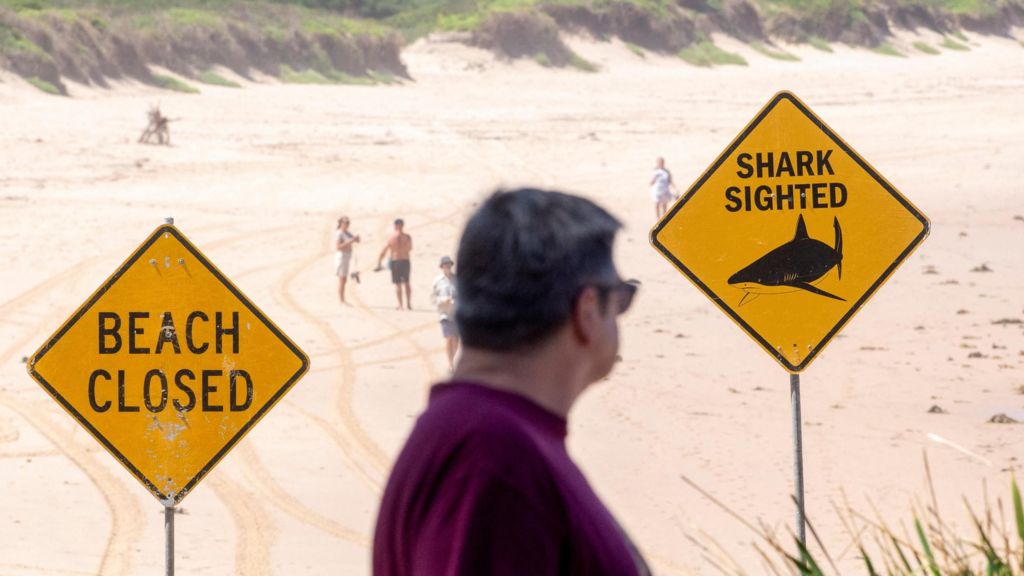
    Sydney’s community is grappling with tragedy following the death of twelve-year-old Nico Antic, who passed away in hospital days after sustaining critical injuries in a shark attack. The incident occurred on January 18th when the Argentine-born boy was jumping from rock ledges with friends in Sydney Harbour.

    Authorities suspect a bull shark was responsible for the attack that left Nico with severe leg injuries. Despite immediate rescue efforts by his courageous friends and emergency medical response, the young victim could not be saved. Nico underwent emergency surgery at Sydney Children’s Hospital and was placed in an induced coma before his condition deteriorated.

    In an emotional statement, grieving parents Lorena and Juan Antic remembered their son as “a happy, friendly, and sporty young boy with the most kind and generous spirit.” They added: “He was always full of life and that’s how we’ll remember him.”

    The tragedy forms part of a concerning pattern along Australia’s east coast, with four separate shark incidents reported within a 48-hour period. On Monday, a surfer on Sydney’s northern beaches narrowly escaped injury from a lurking shark, while hours later a 27-year-old man suffered life-changing injuries in another attack. The following day, a 39-year-old man sustained chest wounds from a shark bite on the Mid North Coast.

    Marine experts attribute the spike in shark activity to recent heavy rainfall, which created ideal conditions for bull sharks that prefer murky waters. The precipitation flushed nutrients into coastal areas, drawing sharks closer to shore in search of food.

    As a precautionary measure, beaches across Sydney were temporarily closed, though many have since reopened for the Australia Day long weekend. The community has responded with an outpouring of support, with an online fundraiser for Nico’s family generating approximately $240,000 in donations.

  • Combining exercise with volunteering works out for members of a UK alternative to gyms

    Combining exercise with volunteering works out for members of a UK alternative to gyms

    LONDON — While shoveling compost and clearing weeds on a chilly, damp evening might seem unappealing to many, participants of GoodGym’s innovative program approach these tasks with enthusiasm and energy. This organization has transformed conventional fitness routines by merging physical exercise with meaningful community service, creating a unique social fitness movement across Britain.

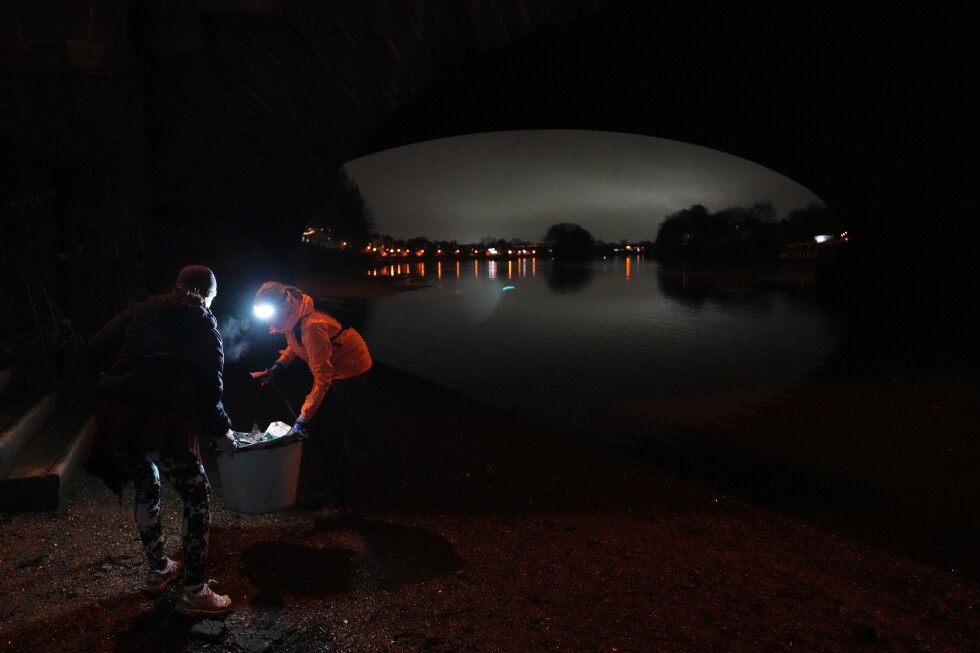
    On a recent evening in London, volunteers clad in running gear equipped with headlamps transformed a derelict parking lot rooftop into a vibrant community garden. These participants had jogged approximately one mile to reach the site, incorporating digging, squatting, and lifting into their weekly workout regimen. GoodGym’s mission centers on enabling UK residents to improve their physical fitness while contributing to their communities, eliminating the need for expensive gym memberships or equipment.

    Founded in 2007 by Ivo Gormley, the organization originated from a simple act of delivering newspapers to elderly residents through running. Dissatisfied with traditional gym environments, Gormley envisioned exercise that served practical purposes. What began with removing outdated posters in East London has expanded significantly, with GoodGym now boasting over 26,600 members across 67 locations in England and Wales, with plans to expand into Northern Ireland and Scotland.

    The COVID-19 pandemic prompted a strategic shift, with volunteers focusing on assisting isolated seniors through prescription deliveries and food distribution. Current activities range from clearing discarded Christmas trees and collecting plastic waste along the River Thames to planting fruit trees and assembling beds for homeless individuals.

    Research conducted by the London School of Economics suggests the combined approach yields enhanced mental health benefits. A two-year study led by Assistant Professor Christian Krekel examined 3,600 current and prospective members, documenting improvements across six dimensions of mental wellbeing. Participants reported reduced loneliness, increased life satisfaction, and stronger feelings of social connection compared to those engaged solely in either volunteering or physical exercise.

    The organization maintains accessibility as a core principle, with voluntary monthly donations and no attendance requirements. Regular participants emphasize the dual benefits of physical activity and social contribution, with many noting the particular advantage for women seeking safe evening exercise options during London’s dark winter months.

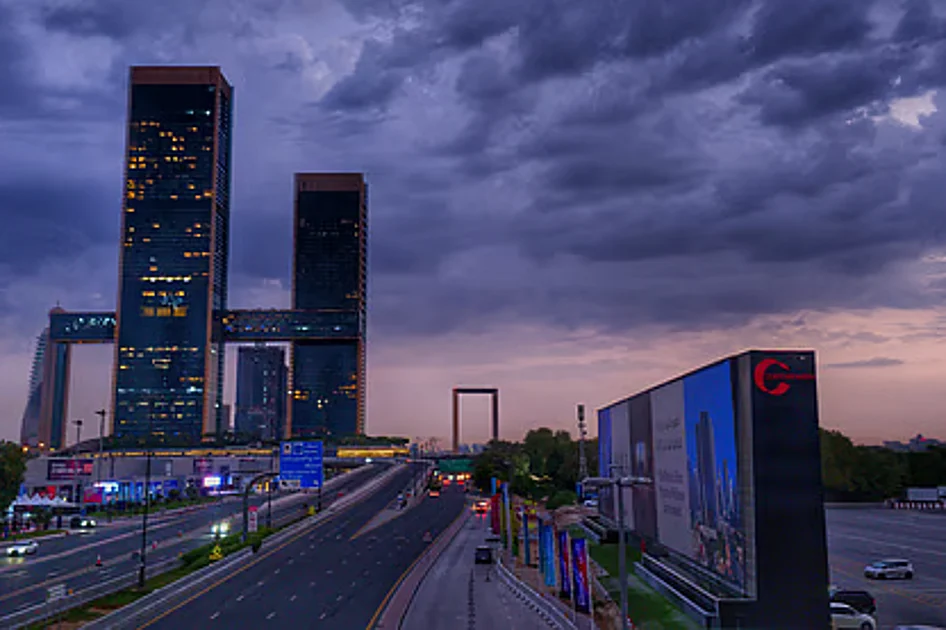
  • UAE pulls back from plan to manage Pakistan’s Islamabad airport: Report

    UAE pulls back from plan to manage Pakistan’s Islamabad airport: Report

    The United Arab Emirates has abruptly terminated negotiations to assume management operations at Islamabad’s primary airport, marking a significant setback for Pakistan’s aviation sector privatization efforts. According to a Friday report by The Express Tribune, the collapse follows months of stalled discussions after both parties had initially agreed upon a privatization framework in August 2025.

    The breakdown occurred primarily due to the UAE’s declining interest in the project and its failure to designate a local partner for operational outsourcing. While the report did not attribute political motivations to the withdrawal, it coincides with increasingly divergent Gulf foreign policies across South Asia. The development emerges against a backdrop of deepening defense cooperation between Pakistan and Saudi Arabia, contrasted by the UAE’s strengthening strategic partnership with India, Pakistan’s regional rival.

    Pakistan’s aviation sector presents considerable challenges for potential investors, plagued by a history of fatal accidents, licensing scandals, and outdated infrastructure. This abandonment deals another blow to a nation that once played pivotal roles in Middle Eastern aviation, including foundational support for Emirates Airlines during the 1980s. Meanwhile, Pakistan International Airlines, once an enviable carrier, has deteriorated into a perennial loss-maker recently acquired by a consortium led by Pakistani business magnate Arif Habib.

    The geopolitical dimensions extend beyond aviation, reflecting broader regional realignments. Saudi Arabia has reinforced its longstanding security relationship with Islamabad through a mutual defense pact signed in September 2025, with Turkey considering accession. Concurrently, the UAE has pursued enhanced defense and trade cooperation with India, including a substantial $3 billion liquefied natural gas agreement signed this week.

    Both Gulf nations have historically utilized financial assistance to advance strategic interests, though their approaches differ markedly. While the UAE moved swiftly to execute a $35 billion coastal development investment in Egypt in 2024, negotiations with Pakistan progressed slowly before ultimately collapsing. This divergence underscores how Gulf powers are increasingly pursuing distinct foreign policy objectives across South Asia and the Middle East.

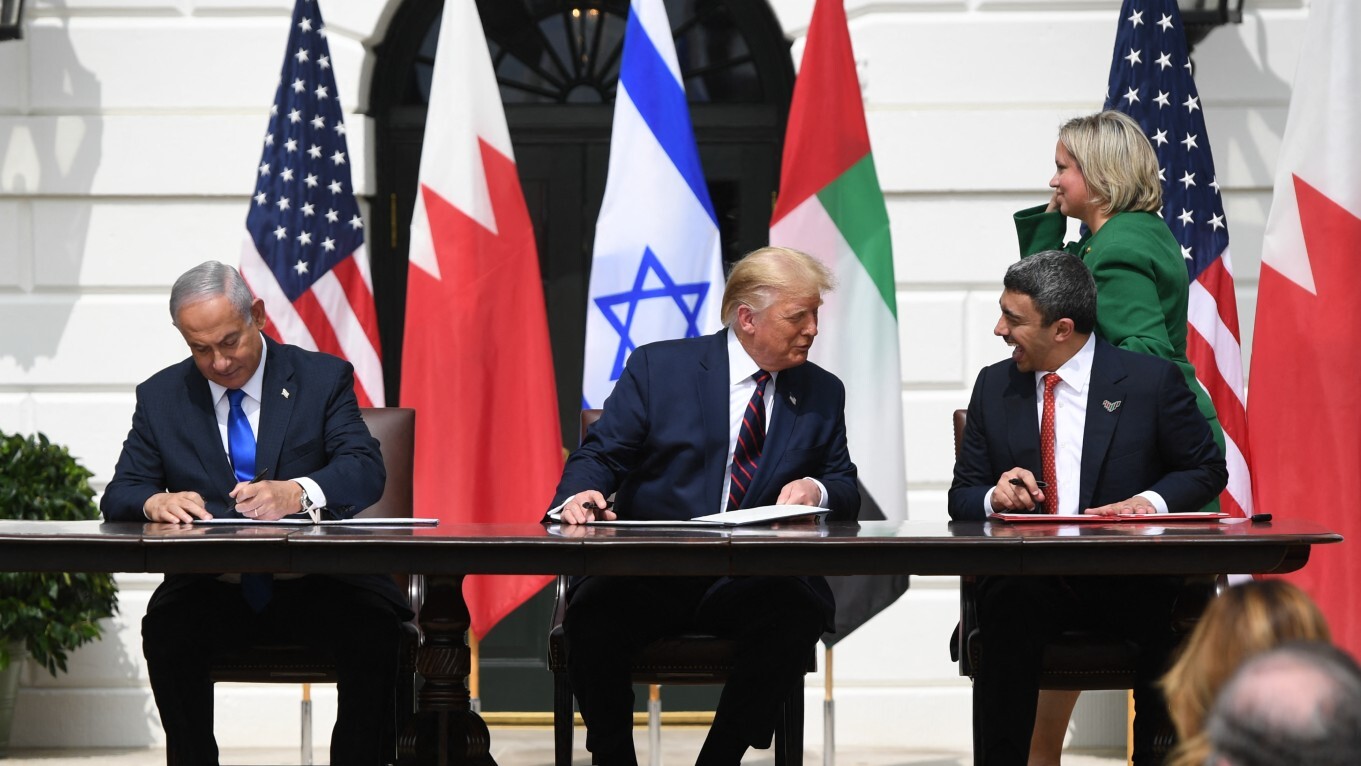
  • Prominent Saudi academic accuses UAE of being Israel’s ‘trojan horse’

    Prominent Saudi academic accuses UAE of being Israel’s ‘trojan horse’

    In a remarkable public denunciation, a distinguished Saudi academic has launched a blistering critique against the United Arab Emirates, accusing the Gulf neighbor of embracing Zionism and functioning as “Israel’s Trojan horse in the Arab world.” Dr. Ahmed bin Othman al-Tuwaijri, former dean at King Saud University and ex-member of the consultative Shura Council, articulated these charges in a provocative column published by Saudi newspaper Al Jazirah.

    Dr. Tuwaijri contends that Abu Dhabi’s leadership, driven by “hatred and jealousy,” has deliberately pursued policies designed to undermine Saudi Arabia and establish Emirati regional dominance. The academic specifically targeted Mohammed bin Zayed, Abu Dhabi’s crown prince and a noted opponent of political Islam, alleging the UAE has engaged in “hostile plots under the guise of diplomacy” that threaten regional stability.

    The critique outlines multiple theaters of alleged Emirati interference, presenting a comprehensive indictment of UAE foreign policy. In Yemen, Tuwaijri accuses Abu Dhabi of supporting separatist Southern Transitional Council factions that challenged the Saudi-backed government, triggering military confrontations between the Gulf allies. The article further charges the UAE with fragmenting Libya through financial and military support to eastern factions, spreading chaos in Sudan by arming the Rapid Support Forces, and undermining post-Arab Spring transitions in Tunisia.

    Regarding North African affairs, the academic claims the UAE has leveraged its financial influence to dominate key sectors in Egypt while simultaneously supporting Ethiopia’s Grand Renaissance Dam project despite potential harm to Egyptian water security. The critique further alleges Emirati efforts to split Somalia and establish Israeli influence in the Horn of Africa to control the strategic Bab el-Mandeb Strait.

    The deteriorating relations between these traditional allies represent a significant geopolitical shift in the Gulf region. Tensions escalated notably following Crown Prince Mohammed bin Salman’s November visit to Washington, where he reportedly lobbied against Emirati activities in Sudan. The rift has since expanded with Saudi Arabia courting Pakistan for military partnerships while the UAE strengthens ties with India, and diverging positions on Somaliland further highlight the growing divide between these former partners who once collaborated closely during the Qatar blockade.

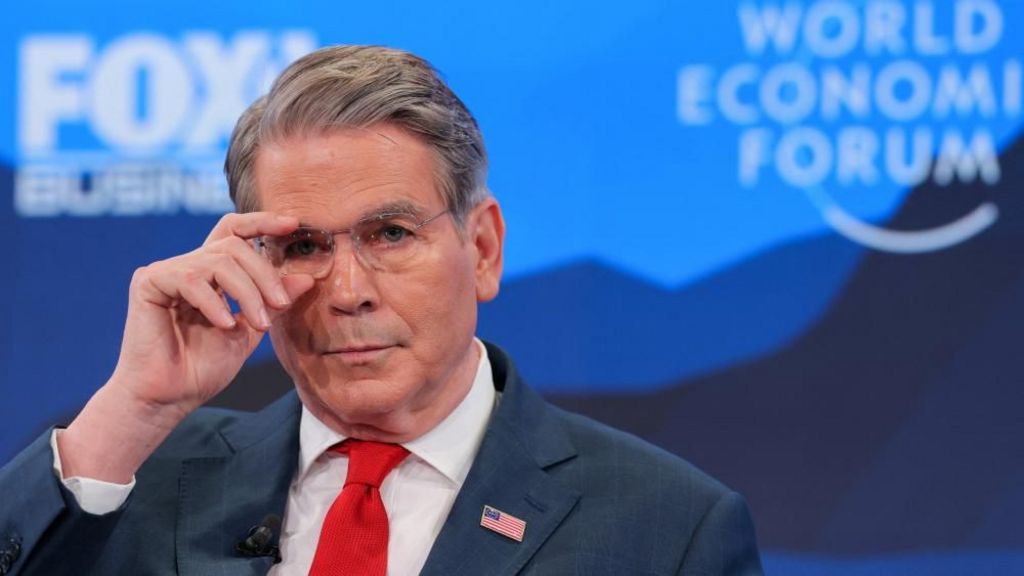
  • ‘A natural partner’: US treasury secretary weighs in on Alberta separatism

    ‘A natural partner’: US treasury secretary weighs in on Alberta separatism

    In a remarkable diplomatic intervention, US Treasury Secretary Scott Bessent has openly sympathized with separatist sentiments in Alberta, describing the western Canadian province as a “natural partner for the United States” during an interview with right-wing commentator Jack Posobiec on Thursday.

    The comments emerge amidst significantly strained relations between the two neighboring nations and coincide with an active signature collection campaign in Alberta seeking an independence referendum. Bessent specifically criticized Canadian energy policies, noting that “Alberta has a wealth of natural resources, but they won’t let them build a pipeline to the Pacific,” while praising Albertans as “very independent people.”

    Canadian Finance Minister Francois-Philippe Champagne delivered a sharp rebuke on Friday, stating he would tell Bessent “thanks but no thanks, we will do our own things.” Champagne highlighted Canada’s capability to develop its natural resources domestically and referenced a recently signed agreement between Prime Minister Mark Carney and Alberta that facilitates an oil pipeline to the Pacific coast—a long-sought project facing substantial implementation challenges.

    Alberta Premier Danielle Smith’s office issued a measured response, expressing support for pipeline expansion “west, east, north, and south” while maintaining collaboration with US partners. However, the statement emphasized that “the overwhelming majority of Albertans are not interested in becoming a US state.” This position is supported by recent polling data and a 430,000-signature petition from late last year advocating for a united Canada.

    Referendum organizer Mitch Sylvestre clarified to CBC that his movement seeks independence from Canada rather than annexation by the United States, though he acknowledged the obvious energy trading relationship between Alberta and the US. Some separatist organizers have reportedly traveled to Washington for meetings with Trump administration officials.

    The diplomatic friction extends beyond Alberta, with US-Canada trade negotiations currently suspended. Tensions escalated following Prime Minister Carney’s speech at the World Economic Forum in Davos, where he criticized “great powers” for weaponizing economic influence. President Trump responded pointedly: “Canada lives because of the United States. Remember that, Mark, the next time you make your statements.” Commerce Secretary Howard Lutnick further accused Canada of “arrogance” and characterized Carney’s stance as domestically-motivated anti-Americanism.

  • The eye-watering cost of eating out on Australia Day revealed

    The eye-watering cost of eating out on Australia Day revealed

    Australian consumers are projected to incur an additional $26.7 million in surcharge fees during the Australia Day public holiday, according to exclusive research from financial comparison platform money.com.au. The analysis, based on Australian Bureau of Statistics retail data, reveals that holiday surcharges averaging 15% will significantly impact dining expenditures across cafes, restaurants, and takeaway food services.

    The financial burden comes as hospitality businesses face mandatory penalty rates under the Fair Work Act and modern awards, requiring wage increases of 225-250% for staff working on public holidays. With the industry operating on thin profit margins typically below 3%, according to IBIS World data, many establishments implement surcharges merely to break even rather than generate additional profit.

    Finance expert Sean Callery emphasizes that consumers should anticipate these additional costs when planning their holiday dining. “What might normally be a $7 coffee could rise to $8, while a family brunch costing $100 could increase to $115,” Callery noted. He advises patrons to inquire about surcharges beforehand to make informed spending decisions.

    Wes Lambert, CEO of the Australian Restaurant and Cafe Association, characterizes public holiday trading as a “labour of love” for many small businesses. “Hospitality is a high-labour, low-margin industry where wage costs typically constitute 30-40% of revenue,” Lambert explained. “When wages increase by 250%, that percentage can effectively reach 100%, leaving no room for absorption of additional costs.”

    The decision to implement surcharges presents a complex calculation for business owners, who must weigh potential increased customer volume against substantially higher operating expenses. Many establishments face uncertainty about whether holiday foot traffic will sufficiently offset the mandatory wage increases, making surcharges an essential survival mechanism rather than a choice.

  • Explained: NCM official breaks down the latest cold wave across UAE, parts of the world

    Explained: NCM official breaks down the latest cold wave across UAE, parts of the world

    Meteorological authorities in the United Arab Emirates have provided scientific clarification regarding the recent cold spell affecting the region, confirming its connection to broader global climate patterns. Dr. Mohamed Al Ebri, Director of Meteorology at the National Center of Meteorology (NCM), revealed that the unusual chill represents a localized manifestation of the La Niña climate phenomenon currently influencing weather systems worldwide.

    The current temperature drop stems from complex atmospheric interactions driven by cooler-than-normal sea surface temperatures in the Pacific Ocean. This La Niña configuration has altered global pressure and wind patterns, facilitating the southward movement of colder air masses into Northern Hemisphere regions including the UAE. Despite the noticeable chill, historical data confirms these conditions do not represent record-breaking lows for the Emirates.

    Globally, meteorological institutions including the World Meteorological Organisation have detected weak La Niña conditions with approximately 55% probability of persistence through coming months. The Northern Hemisphere has experienced particularly pronounced effects, with disruptions to the polar vortex enabling cold air outbreaks across North America and Europe.

    The Southern Hemisphere presents a contrasting picture, with Australia experiencing severe heatwaves exceeding 40°C in major cities despite the La Niña phase. This paradox demonstrates how climate change can produce extreme weather variations simultaneously across different regions.

    Dr. Al Ebri emphasized that climate oscillations now occur more frequently due to global warming influences, shifting from traditional 5-7 year cycles to 2-3 year intervals. This accelerated pattern creates increased weather variability and prediction challenges.

    For UAE residents, meteorologists anticipate continued below-average temperatures with overnight chills particularly in desert interior regions. A gradual warming trend is expected imminently, with potential light rainfall in northern and eastern areas around January 25th. The winter season will likely continue featuring temperature fluctuations between moderate warm periods and occasional cold spells.

    Authorities advise standard precautions during cooler periods, especially during early morning and evening hours when temperatures reach their lowest points.

  • Abu Dhabi hosts trilateral talks on Ukraine: 5 previous attempts to end war

    Abu Dhabi hosts trilateral talks on Ukraine: 5 previous attempts to end war

    Abu Dhabi has positioned itself as a pivotal diplomatic arena for high-stakes trilateral discussions aimed at resolving the ongoing Ukraine conflict. On January 23, 2026, senior officials from Ukraine, Russia, and the United States convened in the UAE capital to deliberate on a American-proposed peace framework, despite persistent disagreements over territorial sovereignty.

    This latest diplomatic initiative represents the sixth major attempt to broker a cessation of hostilities since Russia’s full-scale invasion in February 2022. The current negotiations follow five previously unsuccessful diplomatic endeavors:

    The initial negotiations occurred mere days after the invasion commenced, with meetings near the Belarusian border. Russian delegates presented ultimatums including Ukrainian recognition of Russian sovereignty over Crimea and the Donbas regions—terms immediately rejected by Kyiv as unacceptable.

    Subsequent talks in Antalya and Istanbul during March 2022 showed tentative progress, with Russia offering partial troop withdrawals and Ukraine considering neutral status. These discussions collapsed following the discovery of mass civilian casualties in Bucha after Russian forces withdrew from the Kyiv suburb.

    Diplomatic efforts remained dormant throughout 2023-2024 until President Donald Trump’s return to office in January 2025. The new administration reversed previous policies of isolating Moscow while simultaneously suspending military assistance to Ukraine. Despite direct engagement with Vladimir Putin, Trump’s administration secured only a temporary—and frequently violated—commitment to avoid targeting energy infrastructure.

    Further negotiations in Istanbul during May 2025 yielded limited success, resulting solely in prisoner exchanges without achieving a ceasefire agreement. The subsequent Trump-Putin summit in Alaska marked the Russian leader’s first visit to Western territory since the invasion began, yet concluded without tangible concessions or progress toward ending hostilities.

    The current Abu Dhabi negotiations represent a continuation of months of shuttle diplomacy conducted by American envoys between Moscow and Kyiv. While President Trump has expressed optimism about reaching a settlement, fundamental disagreements regarding territorial control continue to present significant obstacles to any comprehensive peace agreement.

  • Keys revels in Melbourne heat as Djokovic steps up history bid

    Keys revels in Melbourne heat as Djokovic steps up history bid

    Melbourne’s intense heatwave, with temperatures soaring towards 40°C (104°F), became a central character on Day Seven of the Australian Open, prompting tournament organizers to adjust schedules while elite athletes adapted their strategies for survival and victory.

    American powerhouse Madison Keys demonstrated remarkable heat resilience, delivering a commanding 6-3, 6-3 victory over former world number one Karolina Pliskova in just 75 minutes on Rod Laver Arena. The 2018 finalist from Florida, well-acclimated to extreme conditions, expressed enthusiasm for the challenging environment. “I was excited for the heat today, and ready for it,” Keys stated following her impressive performance that sets up an all-American clash with compatriot Jessica Pegula.

    Pegula, the tournament’s sixth seed, efficiently dispatched Russian qualifier Oksana Selekhmeteva 6-3, 6-2 in just 66 minutes, appreciating her early scheduling that spared her the worst of the afternoon heat.

    The spotlight intensifies as Novak Djokovic continues his historic campaign for an unprecedented 25th Grand Slam title. The Serbian legend, scheduled for the evening session on Rod Laver Arena when temperatures are expected to moderate, faces 75th-ranked Dutchman Botic Van de Zandschulp. Djokovic has displayed dominant form through the early rounds, not dropping a single set while managing his match schedule carefully to maximize performance from his 38-year-old body.

    Meanwhile, defending men’s champion Jannik Sinner seeks his third consecutive Melbourne title, facing American Eliot Spizzirri during what forecasters predict will be the day’s peak temperatures. The day’s schedule also features multiple major champions including Iga Swiatek, who aims to complete her career Grand Slam with an Australian Open victory, and two-time champion Naomi Osaka, who faces Australian qualifier Maddison Inglis.

    The extreme conditions prompted tournament officials to implement heat policies, including the potential suspension of play and earlier match start times, ensuring player safety remains paramount during the challenging weather conditions.