作者: admin

  • China places highest-ranking general under investigation

    China places highest-ranking general under investigation

    In a significant development within China’s military leadership, the Ministry of National Defense has announced formal investigations against two of the nation’s highest-ranking generals for serious legal and disciplinary violations. The probe targets General Zhang Youxia, Vice-Chairman of the Central Military Commission and long considered President Xi Jinping’s closest military ally, alongside General Liu Zhenli, another senior military officer.

    The defense ministry’s statement provided no specific details regarding the allegations, though the phrase ‘violations of discipline and law’ typically serves as official terminology for corruption cases within China’s political context. The investigation marks a dramatic fall from grace for General Zhang, a 75-year-old veteran with combat experience who had remained in service beyond standard retirement age—previously interpreted as a sign of particular trust from President Xi.

    This development continues President Xi’s extensive anti-corruption campaign that has swept through multiple government sectors since he assumed power, with recent focus intensifying on military leadership. Just three months earlier, nine senior generals were removed in one of the largest military purges in decades.

    The timing of the announcement follows weeks of speculation after both generals were conspicuously absent from a major Party event in December. With these investigations, the Central Military Commission’s membership has now been reduced from seven to just two officials: President Xi himself and Zhang Shengmin, who oversees military disciplinary matters.

    Analysts note that while anti-corruption efforts receive public support for promoting governance integrity, critics argue these campaigns frequently serve as tools for political consolidation. President Xi has consistently described corruption as the ‘biggest threat’ to Communist Party rule and maintains that the anti-graft battle remains ‘grave and complex.’

    The investigation of General Zhang carries particular symbolism given his status as the son of one of China’s revolutionary founding generals and his position on the 24-member Politburo, the Party’s elite decision-making body.

  • Woman compensated Dh300,000 after falling victim to online fraud scheme in UAE

    Woman compensated Dh300,000 after falling victim to online fraud scheme in UAE

    In a significant legal ruling addressing cybercrime, Al Ain Civil, Commercial and Administrative Claims Court has mandated a substantial compensation payment of Dh300,000 to a female victim of an elaborate online fraud scheme. The judgment comes as authorities intensify efforts to combat increasingly sophisticated digital financial crimes across the United Arab Emirates.

    The court established that the defendant collaborated with an unidentified accomplice who impersonated a consumer protection official during telephone communications with the victim. The fraudster deceitfully claimed to be addressing a previously submitted complaint and manipulated the woman into believing her banking accounts required immediate security enhancements to prevent potential financial losses.

    Exploiting this fabricated narrative, the scammer persuaded the victim to disclose confidential banking credentials. This breach enabled the criminal network to illicitly withdraw substantial funds from her accounts, apply for unauthorized loans using her identity, and execute clandestine transfers without her knowledge or consent.

    The civil litigation sought both financial restitution for the stolen Dh270,000 and additional compensation for the psychological trauma and reputational damage inflicted by the crime. The court’s deliberation referenced the defendant’s prior conviction in parallel criminal proceedings, which definitively established culpability through evidence demonstrating monetary acquisition via information technology and deceptive practices.

    Judicial authorities emphasized that the criminal conviction provided irrefutable evidence of fault and demonstrated a direct causal relationship between the defendant’s actions and the damages incurred. This precedent strengthened the civil claim, resulting in the comprehensive ruling that includes full financial restoration plus Dh30,000 for material and moral damages.

    This case occurs amidst heightened concerns regarding impersonation scams targeting UAE residents. Fraudsters frequently pose as representatives of consumer protection agencies, financial institutions, or government entities to harvest sensitive information. Official advisories consistently emphasize that legitimate organizations never solicit banking details, one-time passwords, or login credentials via telephone or digital messaging platforms.

    Security experts recommend that residents implement rigorous verification protocols for unsolicited communications, refrain from sharing personal information with unverified parties, and immediately report suspicious activities to law enforcement agencies. The ruling demonstrates the judiciary’s commitment to protecting citizens from evolving digital threats while setting a compensatory standard for future cybercrime cases.

  • How Soviet urban planning is helping Russia freeze Ukraine

    How Soviet urban planning is helping Russia freeze Ukraine

    Ukraine is enduring its most severe winter in modern history as Russia systematically targets centralized heating infrastructure, leaving approximately one million residents without heat during temperatures plunging below -15°C. The capital city of Kyiv has become the primary focus of these attacks, with the January 24th bombardment marking the third major assault on heating systems in just over two weeks.

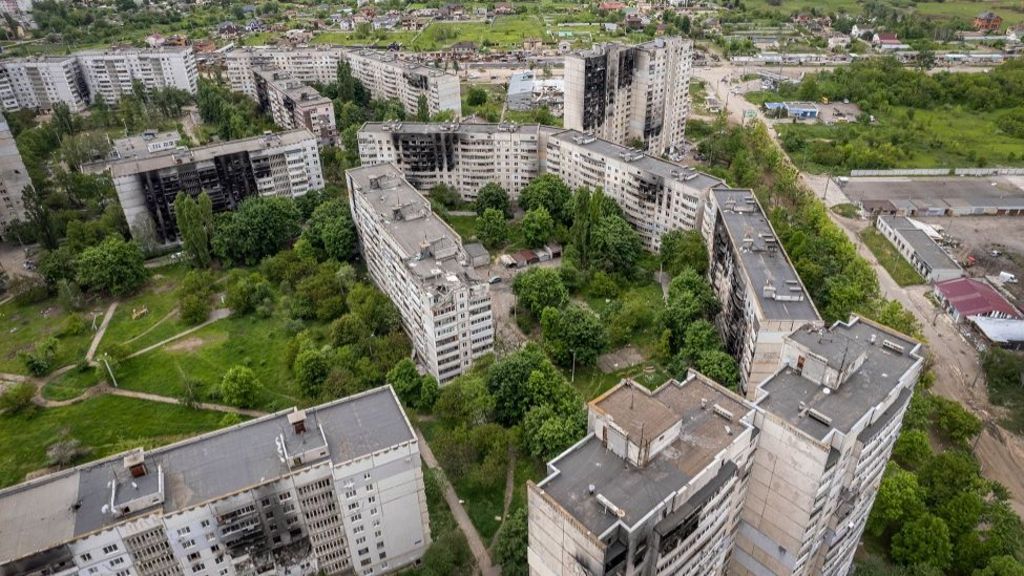
    According to Kyiv Mayor Vitaly Klitschko, nearly 6,000 apartment buildings lost heating capabilities following the latest overnight attack. This strategic targeting exploits Ukraine’s Soviet-era dependency on communal heating systems where water is heated at centralized plants before being distributed to residential radiators. The scale of these facilities means single attacks can affect thousands of households simultaneously.

    Urban residents describe increasingly desperate conditions. “Living in Kyiv is a bit of a gamble these days,” explained local resident Rita. “If you have heating and gas, there’s no electricity and water. If you have electricity and water, there’s no heating. Coming home is like playing a guessing game every day.” Many report sleeping in multiple clothing layers and hats to combat the freezing temperatures.

    Energy expert Yuriy Korolchuk reveals that approximately 11 million Ukrainian households relied on centralized heating before Russia’s 2022 invasion, compared to just seven million with autonomous systems. This infrastructure legacy stems from Soviet mass housing initiatives that produced ubiquitous prefabricated concrete apartment blocks known as ‘panelki’ and ‘khrushchevki’.

    The vulnerability of these systems represents a new tactical approach in Russia’s campaign. Korolchuk notes that “during previous winters, there were no such strikes against the heating system. They happened only occasionally, and they didn’t directly target heating plants.” He suggests these attacks may constitute negotiation pressure tactics.

    Ukrainian authorities have established warming tents for displaced residents, while the government plans long-term solutions including mandatory individual heating points for apartment complexes. However, reversing decades of Soviet urban planning remains a formidable challenge that will require significant time and resources to implement effectively.

  • Defiant protests over child’s detention by ICE amid US immigration crackdown

    Defiant protests over child’s detention by ICE amid US immigration crackdown

    Minneapolis became the epicenter of national outrage as thousands defied subzero temperatures to protest U.S. immigration enforcement tactics, particularly the controversial detention of a five-year-old asylum seeker. The coordinated demonstrations saw businesses shuttering doors in solidarity while faith leaders faced arrests at airport protests.

    The catalyst for this upheaval emerged from the traumatic apprehension of Liam Conejo Ramos, a preschooler from Ecuador, and his father Adrian Conejo Arias. Federal agents detained both asylum seekers Tuesday in their driveway, with school officials alleging the child was used as ‘bait’ to lure others from their home. This incident occurred amid broader Immigration and Customs Enforcement (ICE) operations that have deployed thousands of agents to the Democratic-led city.

    Contrasting narratives quickly developed. Vice President JD Vance contended during a Minneapolis visit that agents protected Ramos after his father ‘ran’ from officers, asking rhetorically: ‘Are they supposed to let a five-year-old child freeze to death?’ Meanwhile, ICE commander Marcos Charles asserted officers attempted family reunification before detaining both ‘pending their immigration proceedings.’

    The response has been multifaceted: Columbia Heights Public Schools revealed at least four children from their district faced detention this month. Methodist clergy organized civil disobedience resulting in 100 arrests at Minneapolis-St. Paul airport. UN human rights chief Volker Turk condemned the ‘harmful treatment of migrants and refugees,’ while former Vice President Kamala Harris expressed outrage at detaining ‘just a baby.’

    Legal challenges are underway as Minnesota seeks a temporary restraining order against ICE operations, with a federal hearing scheduled for Monday. The situation remains tense following the January 7 homicide of U.S. citizen Renee Good by federal agents during earlier operations, though the involved officer faces neither suspension nor charges.

  • Fashion Friday to free prediction contest: How Dubai Racing Carnival draws new crowds

    Fashion Friday to free prediction contest: How Dubai Racing Carnival draws new crowds

    The Dubai Racing Carnival is successfully drawing unprecedented crowds to Meydan racecourse through its innovative Fashion Friday events, creating a vibrant social phenomenon that transcends traditional horse racing audiences. With accessible ticket prices beginning at just Dh10, the carnival has become a popular destination for diverse groups seeking entertainment, dining, and social experiences.

    First-time attendees like French visitors Ophelie and Adrien, accompanied by their seven-month-old Marceau, discovered the event through word-of-mouth rather than racing enthusiasm. ‘We love the ambience and the energy,’ Adrien noted after their second visit. ‘It is clean, there are numerous restaurant stalls to choose from, and conveniently located near our residence.’ The family plans to attend regularly throughout the season.

    A significant attraction proving particularly popular is the free prediction competition, which has inspired participants like Adrien to engage more deeply with the sport. After initially relying on AI assistance from ChatGPT for selections, he now plans to research proper racing analysis techniques to improve his chances of winning.

    The event has demonstrated remarkable success in introducing horse racing to completely new demographics. Kallesh and Savita, attending with their sons Srujan and Satvik, represented many first-time visitors drawn by friends’ recommendations. ‘The horse race was so cool,’ exclaimed young Satvik, capturing the fresh excitement generated among newcomers.

    Beyond the racing action, the carnival offers diverse attractions including a Millinery exhibition featuring creations from top global designers, where Savita enthusiastically tried elaborate headpieces for the first time. The venue also provides pop-up restaurants from leading UAE establishments and dedicated children’s play areas, creating a comprehensive family entertainment experience.

    The social dimension extends to friend reunions, with groups like Karishma Joshi and her college companions selecting Fashion Friday as their preferred meeting venue. ‘We all get to dress up, have great food, watch the horses, and enjoy fantastic fun together,’ Joshi explained, highlighting how the event serves multiple social purposes beyond the actual racing.

    This innovative approach to presenting horse racing has transformed Meydan Racecourse into a multifaceted entertainment destination, successfully attracting and retaining audiences who might otherwise never have engaged with the sport.

  • Franzoni gains Olympic boost edging Odermatt in Kitzbuehel downhill

    Franzoni gains Olympic boost edging Odermatt in Kitzbuehel downhill

    In a stunning pre-Olympic upset, Italian skier Giovanni Franzoni captured victory at the prestigious Kitzbuehel downhill event on Saturday, edging out Swiss favorite Marco Odermatt by a mere 0.07 seconds. The World Cup race, often hailed as alpine skiing’s equivalent of the Super Bowl, saw Franzoni complete the challenging 3.3km Streif course in 1 minute 52.31 seconds under overcast conditions before tens of thousands of spectators.

    The 24-year-old Italian, who previously never considered himself a downhill specialist, delivered a technically masterful run reaching speeds of 144 km/h (89 mph) while navigating the course’s notorious 80-meter jumps and extreme 85% gradient sections. France’s Maxence Muzaton claimed third place at 0.39 seconds behind the leader, despite starting with the disadvantageous bib number 29.

    Franzoni emotionally dedicated his victory to former teammate Matteo Franzoso, who tragically died in a training accident in Chile last September. “I had an emotional moment at the start because of Matteo,” Franzoni revealed. “This is the race to dedicate to him because of Kitzbuehel’s legendary status. I know he’s watching from heaven.”

    The win marks only Franzoni’s second World Cup victory but carries extraordinary significance as the ultimate achievement in downhill skiing. “Taking a first podium in Wengen and a first victory in Kitzbuehel is unbelievable,” he stated. “Every downhill skier wants to win here—it’s everyone’s dream.”

    For Odermatt, the current super-G champion who had won three of four World Cup downhills this season, the narrow defeat proved particularly painful. “I feel stupid that I can be that disappointed about second place,” the Swiss skier admitted. “Victory was my big goal, my big dream. I didn’t make it.”

    The event attracted celebrity spectators including former Liverpool coach Jurgen Klopp, football legend Zlatan Ibrahimovic, and actor Arnold Schwarzenegger, who declared the Hahnenkamm “the best run with the best athletes” before enthusiastically listing his favorite Austrian foods.

    Notably, the competition concluded without serious crashes on a course known for dangerous wipeouts, providing positive momentum ahead of the February 6-22 Milan-Cortina Winter Olympics where Franzoni will compete with newfound confidence on home snow.

  • Agarwood exhibition steeps Shanghai museum in fragrance

    Agarwood exhibition steeps Shanghai museum in fragrance

    The Shanghai History Museum has transformed into an olfactory wonderland with the inauguration of an extraordinary agarwood exhibition, opening its doors to the public on January 24, 2026. This immersive cultural presentation represents a significant collaboration between the Shanghai History Museum and Hainan Museum, showcasing one of the world’s most precious natural commodities through February 22, 2026.

    The exhibition presents a comprehensive exploration of agarwood’s cultural significance, historical applications, and artistic representations. Visitors are treated to an array of rare artifacts, including intricately carved artworks, traditional medicinal preparations, and historical documentation that traces the aromatic resin’s journey through Chinese civilization. The curation emphasizes both the scientific properties and cultural heritage surrounding this prized material, known as ‘liquid gold’ in traditional Chinese circles for its exceptional value and versatile uses.

    Museum directors from both institutions highlighted the exhibition’s role in promoting interprovincial cultural exchange, particularly between coastal Shanghai and tropical Hainan, where agarwood cultivation has flourished for centuries. The collaboration marks a milestone in cultural preservation efforts, bringing together expertise from both regions to present a holistic narrative of this unique natural treasure.

    The sensory experience extends beyond visual displays, with specially designed zones allowing visitors to engage with agarwood’s distinctive fragrance through controlled olfactory demonstrations. Educational workshops accompanying the exhibition provide deeper insights into authentication techniques, conservation challenges, and the sustainable future of agarwood production in contemporary society.

  • Bluetongue virus found in herd in Wexford

    Bluetongue virus found in herd in Wexford

    Irish agricultural authorities have confirmed the presence of bluetongue virus (BTV-3) in a cattle herd located in County Wexford, marking the Republic of Ireland’s first documented case. This development follows previous detections in Northern Ireland during December 2023, indicating a concerning pattern of viral spread across the region.

    Minister for Agriculture Martin Heydon characterized the discovery as “unwelcome but unsurprising” given the virus’s progressive movement throughout Europe, Great Britain, and more recently Northern Ireland. The pathogen, transmitted primarily through midge bites, presents no direct risk to human health or food safety standards but poses significant threats to cloven-hoofed livestock including sheep, cattle, goats, deer, and camelids.

    Clinical manifestations of BTV-3 infection range from oral and facial ulcerations, swallowing and respiratory complications, pyrexia, and lameness to more severe outcomes including fetal abnormalities and stillbirths. The current outbreak trajectory originated in the Netherlands during 2023, where it decimated tens of thousands of sheep before wind-borne midges carried the virus to southeastern England.

    Minister Heydon noted that seasonal temperature declines may temporarily inhibit widespread transmission, but ongoing epidemiological investigations include enhanced sampling protocols to monitor viral dynamics. Agricultural representatives have expressed profound concern, with ICMSA President Denis Drennan describing the situation as “hugely worrying for the family concerned and the wider farming community.”

    Authorities strongly recommend livestock producers consult with veterinary professionals regarding vaccination strategies tailored to their specific operational circumstances. While infection severity appears geographically variable with some animals demonstrating resilience or full recovery, the agricultural sector remains on high alert for potential expansion of the outbreak.

  • How the old and new U.S. defense strategies differ on traditional priorities

    How the old and new U.S. defense strategies differ on traditional priorities

    The Trump administration has unveiled a fundamentally reconfigured National Defense Strategy that marks a dramatic departure from the 2022 framework established under President Biden. This comprehensive analysis examines the strategic recalibration across key global regions.

    In the Western Hemisphere, the 2026 doctrine adopts an assertive stance, vowing to ‘actively and fearlessly defend America’s interests’ while guaranteeing military and commercial access to critical territories including the Panama Canal, Gulf of America, and Greenland. The strategy explicitly commits to providing ‘credible military options against narco-terrorists’ while emphasizing conditional cooperation with neighbors from Canada through Central and South America.

    Regarding European security, the document characterizes Russia as a ‘persistent but manageable threat’ while noting NATO’s overwhelming economic and demographic advantages. The strategy contends that European NATO members, having committed to raising defense spending to 5% of GDP under Trump’s leadership, are now positioned to assume ‘primary responsibility for Europe’s conventional defense’ with more limited U.S. support. This includes taking the lead in supporting Ukraine’s defense efforts.

    The Indo-Pacific region receives heightened priority, with the strategy framing Chinese dominance as an existential economic threat that could ‘effectively veto Americans’ access to the world’s economic center of gravity.’ The document outlines a more focused objective than previous strategies: simply to prevent Chinese regional domination rather than pursuing regime change or existential struggle, aiming for a ‘decent peace’ acceptable to both nations.

    On the Korean Peninsula, the strategy designates South Korea as capable of taking ‘primary responsibility for deterring North Korea’ given its powerful military, robust defense industry, and mandatory conscription, requiring only ‘critical but more limited U.S. support.’

    In the Middle East, the Department of War will empower regional allies to counter Iran and its proxies, emphasizing strong support for Israel’s self-defense, deepened cooperation with Gulf partners, and enhanced integration between Israel and Gulf states through the Abraham Accords framework. The strategy maintains America’s right to take ‘focused, decisive action’ to defend U.S. interests when necessary.

  • Future of travel: GCC’s mega airports to handle 500 million passengers annually

    Future of travel: GCC’s mega airports to handle 500 million passengers annually

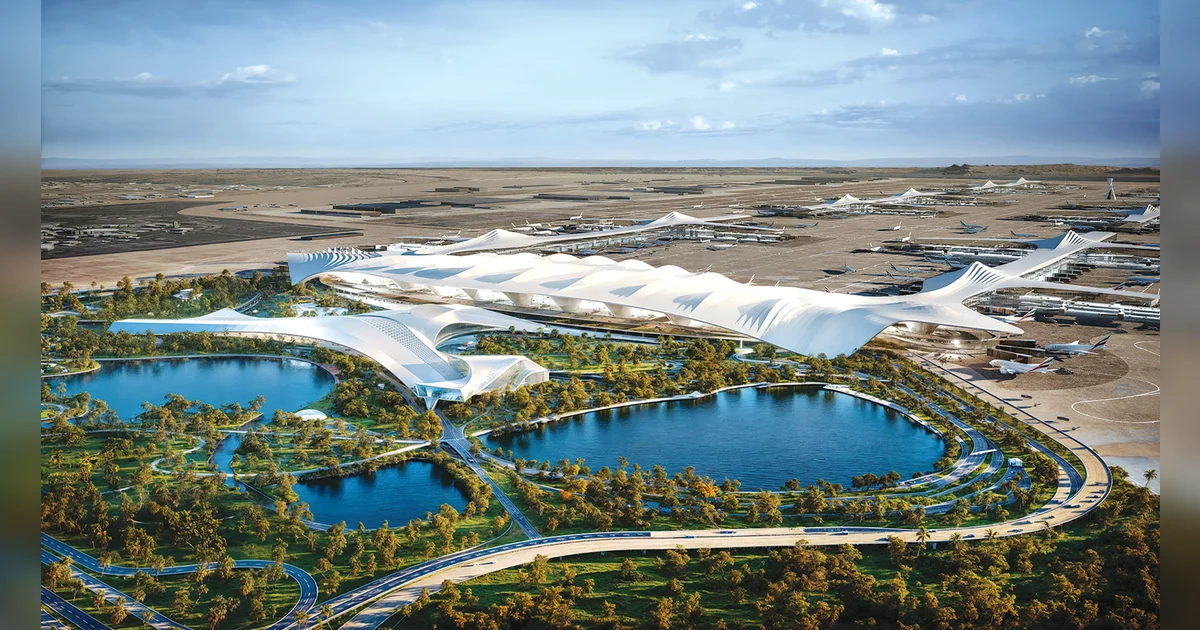
    The Gulf Cooperation Council (GCC) is poised to revolutionize global aviation infrastructure with unprecedented investments exceeding $100 billion in airport development projects. These strategic initiatives will enable the region’s airports to accommodate over 500 million passengers annually within the next decade, fundamentally reshaping international travel patterns and economic dynamics.

    According to aviation experts and industry analysts, this transformation is driven by massive fleet expansions and cutting-edge technological implementations that will enhance route networks, operational efficiency, and passenger experiences. The development includes mega-hubs in Dubai and Riyadh alongside significant expansions of secondary airports in Abu Dhabi, Sharjah, Jeddah, Doha, and Muscat.

    Recent data reveals remarkable growth trajectories, with the top ten Gulf airports recording an 11% year-on-year increase in passenger traffic, handling 327 million travelers in 2024 compared to 293 million in 2023. The aviation sector has evolved from merely supporting economic growth to becoming a primary engine of economic transformation across GCC nations, deeply integrated into national diversification strategies and labor markets.

    Saudi Arabia has committed approximately $50 billion to aviation infrastructure, including the ambitious King Salman International Airport in Riyadh. Meanwhile, Dubai is developing the $35 billion Al Maktoum International Airport, which upon completion will be five times larger than Dubai International Airport (DXB) with capacity for 260 million passengers annually. DXB itself is projected to exceed 96 million passengers this year, approaching its maximum capacity.

    Smaller GCC states are pursuing specialized niches in cargo, multimodal logistics, and tourism connectivity. Oman has announced plans for six new airports by 2028-29, Kuwait’s Terminal 2 expansion will increase capacity to 25 million passengers, and Bahrain is planning a greenfield facility on a reclaimed island as current infrastructure reaches its limits.

    Technological innovation represents a cornerstone of this transformation. GCC airports are implementing facial recognition systems, AI-driven solutions, advanced biometric processing, and streamlined security protocols that will eliminate the need for removing liquids and laptops during screening. These developments promise to reduce processing times dramatically, potentially enabling passengers to move from airport entry to departure gates within minutes.

    Despite these advancements, significant challenges remain. The concentration of passenger demand within compressed timeframes intensifies competition for skilled professionals across multiple markets. The logistical complexity of transitioning operations from DXB to Al Maktoum International Airport presents substantial operational hurdles. Additionally, regional geopolitical tensions and infrastructure constraints at expanding airports pose ongoing concerns.

    The competitive landscape extends beyond the GCC, with developments in Turkey’s Istanbul airport and India’s new facilities in Delhi and Mumbai representing additional market pressures. Nevertheless, the GCC’s strategic investments in aviation infrastructure position the region to maintain its leadership in global aviation connectivity and economic diversification for decades to come.