作者: admin

  • ‘Not deterred’: Anthony Albanese defiant after alleged far-right kidnap threat

    ‘Not deterred’: Anthony Albanese defiant after alleged far-right kidnap threat

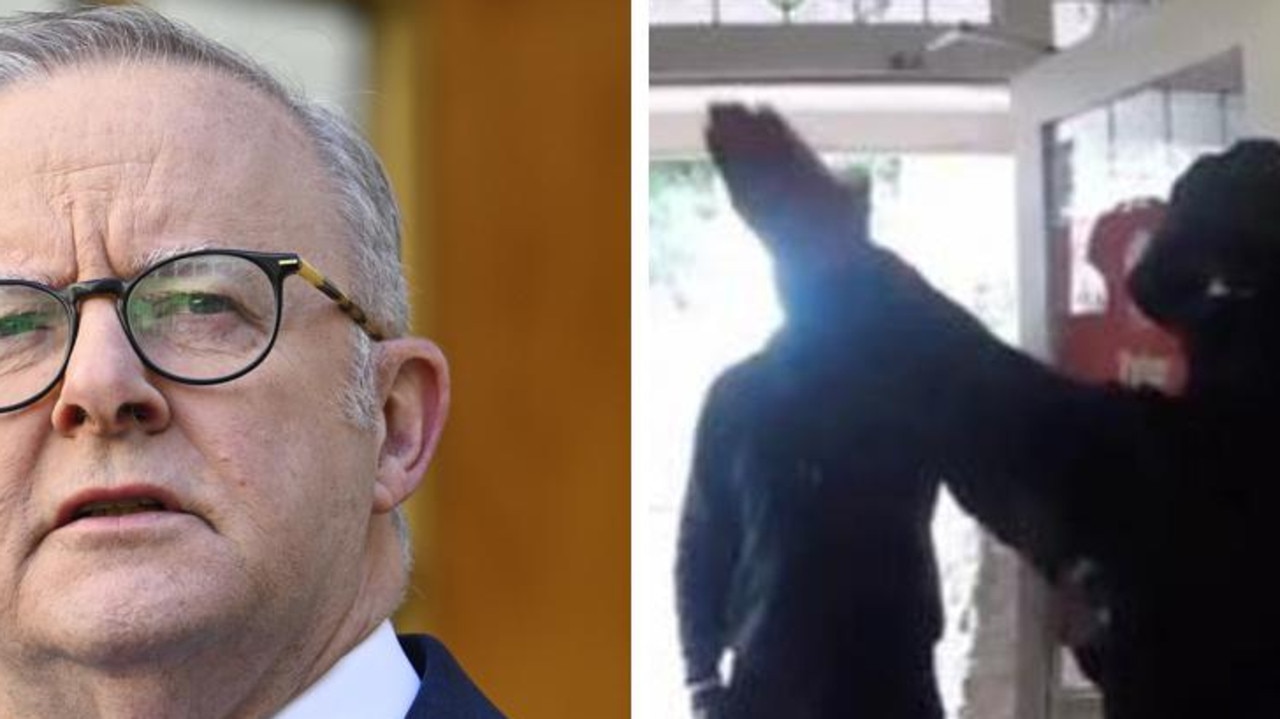
    Australian Prime Minister Anthony Albanese has adopted a resolute stance following disclosures that far-right extremists with neo-Nazi affiliations allegedly plotted to kidnap him. The reported threats emerged from an online Discord chatroom operated by radical activists, where discussions allegedly included a $10,000 offer to rent a vehicle for the abduction operation. These developments occurred shortly after the Bondi Beach terror attack, though investigators have not connected the plot to that incident.

    Addressing the security concerns, Prime Minister Albanese confirmed that threat levels against him have substantially increased, particularly following events of December 14. Despite these security challenges, the Prime Minister emphasized his unwavering commitment to public engagements and direct interaction with Australian citizens. ‘My primary focus remains ensuring the safety of all Australians, not myself,’ Albanese stated during an ABC interview. ‘I maintain full confidence in the Australian Federal Police and security authorities to perform their duties effectively.’

    The security climate has intensified significantly in recent months, with at least five individuals facing charges for allegedly threatening both Prime Minister Albanese and New South Wales Premier Chris Minns. These cases include a Sydney man accused of making threatening communications to the Prime Minister’s office and a 19-year-old from Western Australia allegedly sending social media messages containing death threats.

    This escalation coincides with increased visibility of neo-Nazi organizations across Australia. The recently dissolved Nationalist Socialist Network (NSN) has drawn particular attention from security agencies, with ASIO Director-General Mark Burgess and Home Affairs Minister Tony Burke repeatedly highlighting concerns about the group’s extremist rhetoric. The group announced its disbandment following new anti-hate legislation passed by federal parliament in response to the Bondi attack.

    The threat environment has extended beyond the Prime Minister, with NSW Opposition Leader Kellie Sloane reporting similar security concerns after criticizing neo-Nazi demonstrations outside state parliament. In a separate development, neo-Nazi figure Joel Davis was denied bail this month for allegedly inciting violence against independent Wentworth MP Allegra Spender through Telegram communications.
  • Abu Dhabi talks on Ukraine were ‘constructive, positive’, says UAE

    Abu Dhabi talks on Ukraine were ‘constructive, positive’, says UAE

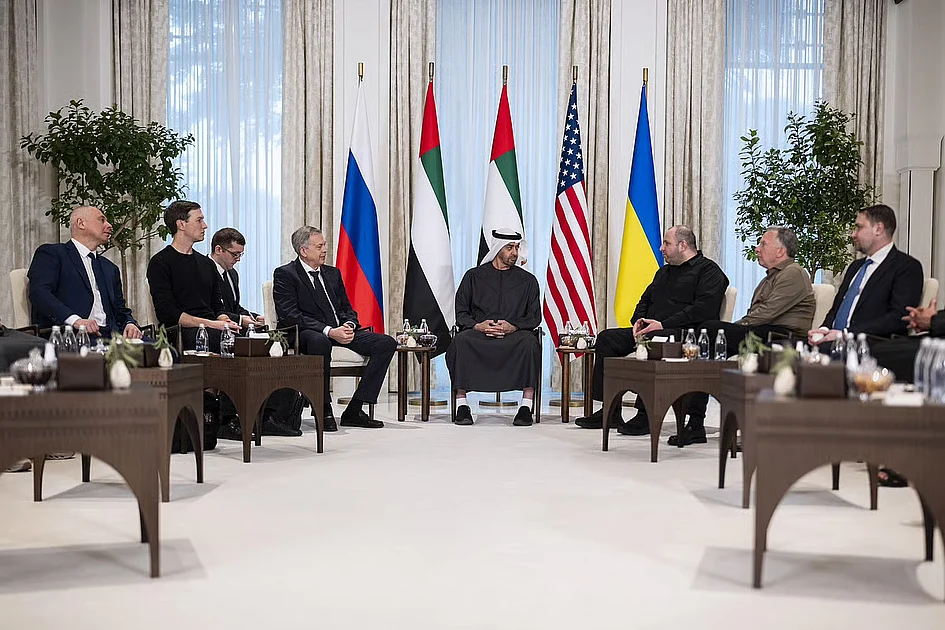
    Abu Dhabi has emerged as a pivotal diplomatic hub following successful trilateral negotiations between the United States, Russia, and Ukraine. The talks, characterized by participants as constructive and positive, mark a significant advancement in international efforts to resolve the ongoing conflict in Eastern Europe.

    According to Afra Al Hameli, Director of Strategic Communications at the UAE Ministry of Foreign Affairs, the discussions facilitated direct engagement between Russian and Ukrainian representatives. The negotiations focused on critical elements of the US-proposed peace framework and confidence-building measures designed to pave the way for a comprehensive agreement.

    The UAE government extended particular recognition to US President Donald Trump for his instrumental role in facilitating the dialogue, noting his contribution to reinforcing regional stability and advancing the political track toward peace. This diplomatic initiative builds upon the UAE’s established record as a neutral mediator, having previously hosted multiple rounds of Russia-Ukraine negotiations that resulted in approximately 17 successful prisoner-of-war exchanges.

    ‘Our approach to diplomacy is guided by the fundamental principle that conflicts cannot be resolved without dialogue, and progress is built through sustained engagement,’ stated Al Hameli in an official communication. ‘The UAE remains committed to supporting all efforts that advance peace across various global crises.’

    The successful hosting of these high-stakes talks reinforces Abu Dhabi’s growing stature as an international diplomacy center capable of bringing conflicting parties to the negotiation table under neutral auspices.

  • Myanmar holds its last election round with the army already certain to keep control over government

    Myanmar holds its last election round with the army already certain to keep control over government

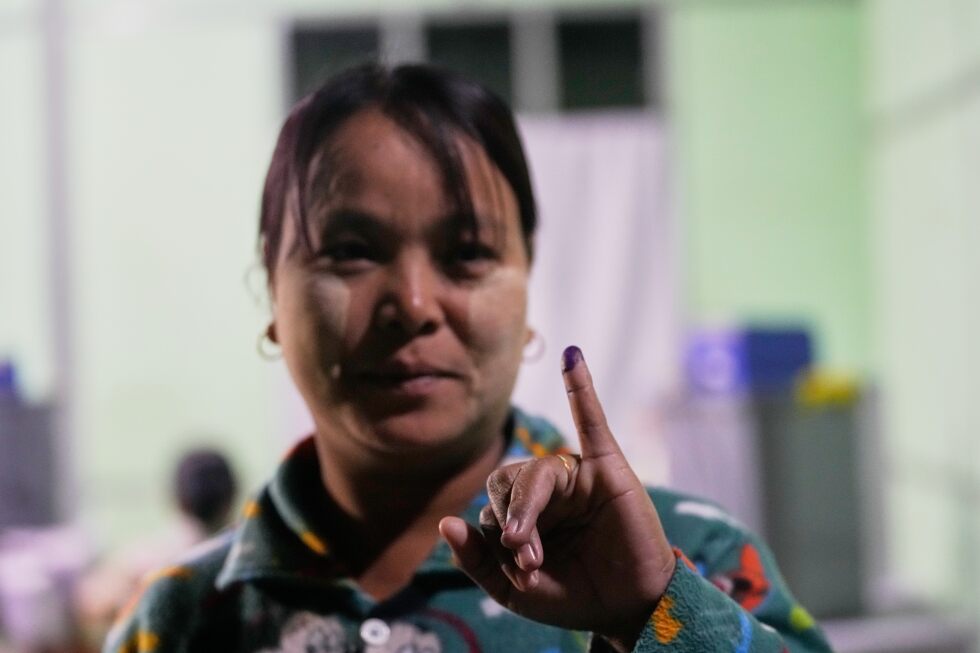
    YANGON, Myanmar — Myanmar’s military junta concluded its orchestrated three-phase general election on Sunday, finalizing a political process designed to cement the authority of Senior General Min Aung Hlaing’s regime. The election, conducted over nearly a month, has been universally condemned by international observers and domestic opposition groups as a fraudulent endeavor to legitimize the military’s seizure of power in February 2021.

    The electoral framework guaranteed military dominance from the outset. With 25% of parliamentary seats constitutionally reserved for the armed forces, the army-backed Union Solidarity and Development Party (USDP) secured most contested seats during the initial voting phases in December and January. This pre-arranged structure ensures the military and its allies will command the parliamentary majority required to form the next government, with Min Aung Hlaing anticipated to assume the presidency.

    Voting occurred under severe restrictions that criminalized public criticism through a new Election Protection Law, which has already resulted in over 400 individuals facing charges for activities such as distributing leaflets or online commentary. The absence of voting in more than one-fifth of Myanmar’s 330 townships—due to both security concerns and active armed conflict—further undermined the process’s legitimacy.

    The Association of Southeast Asian Nations (ASEAN) explicitly declined to send observers or recognize the election results, with Malaysian Foreign Minister Mohamad Hasan citing concerns over the lack of inclusive participation. Only nations including Russia, China, Belarus, Kazakhstan, Nicaragua, Vietnam, Cambodia, India, and Japan dispatched observers.

    Notably absent from the polls was Aung San Suu Kyi’s National League for Democracy (NLD), which was forcibly dissolved in 2023 after refusing to register under new military regulations. Suu Kyi remains imprisoned on politically motivated charges totaling 27 years. Other opposition parties either boycotted the election or faced severe restrictions, while armed resistance groups disrupted previous voting rounds with attacks on polling stations that resulted in several casualties.

    The final phase of voting commenced at 6 a.m. Sunday across 61 townships in six regions and three states, many of which have experienced recent clashes between military forces and opposition groups. The election commission reported turnout between 50-60% in earlier phases, with approximately 35% fewer eligible voters compared to the 2020 election.

  • Exclusive: Weapons flow to RSF via Libya continue despite pressure on Haftar

    Exclusive: Weapons flow to RSF via Libya continue despite pressure on Haftar

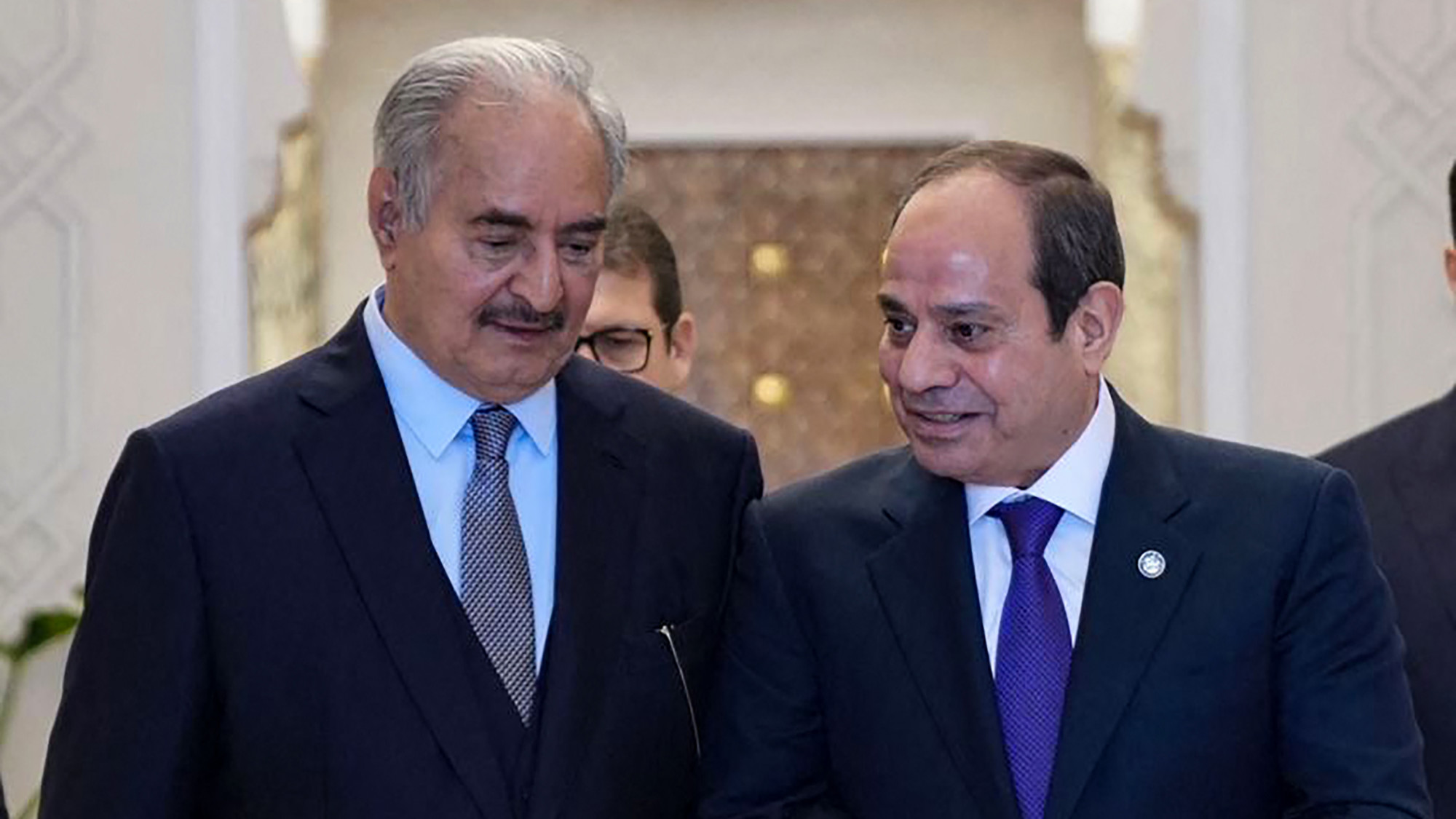
    A complex geopolitical standoff is unfolding across North Africa as weapons shipments persistently transit from Libya to Sudan’s Rapid Support Forces (RSF), despite concerted pressure from Saudi Arabia and Egypt on Libyan commander Khalifa Haftar to terminate Emirati military support. Middle East Eye reveals that this ongoing arms transfer occurs amid escalating tensions between regional powers.

    Eastern Libya commander Khalifa Haftar faces mounting pressure from Cairo and Riyadh, with both nations warning that continued assistance to RSF could fundamentally reshape Egypt’s relationship with his administration. Earlier this month, Saddam Haftar, Khalifa’s son and deputy commander of the Libyan Arab Armed Forces, was unexpectedly summoned to Cairo where Egyptian officials delivered a stern warning demanding immediate cessation of support to RSF.

    Paradoxically, Libyan sources with direct knowledge confirm that Saddam Haftar simultaneously faces counter-pressure from the United Arab Emirates to maintain the weapon facilitation pipeline through eastern Libya. This places the younger Haftar in a precarious position, caught between regional heavyweights, even as arms continue flowing toward the Sudanese conflict zone.

    The pressure campaign constitutes part of a broader Egyptian-Saudi initiative to block transfers of arms, fuel, and fighters to RSF, curtail Emirati influence, and prevent further destabilization along the critical Egypt-Libya-Sudan border triangle. During Saddam Haftar’s Cairo visit, Egyptian intelligence officials presented compelling evidence of Emirati weapons shipments, drones, air defense systems, and fuel deliveries from Libya’s Sarir refinery reaching RSF leadership.

    Since the Sudanese conflict erupted in April 2023 between the Sudanese Armed Forces and RSF, Egypt has watched apprehensively as its southern neighbor descends into chaos. Cairo backs the Sudanese government and military, which have recently lost strategic territories including Darfur’s el-Fasher, where paramilitaries allegedly committed mass atrocities.

    The situation reveals strange bedfellows: while Haftar’s eastern Libyan administration receives longstanding Egyptian support, it simultaneously benefits from UAE backing. The Emirates serves as RSF’s primary patron, funneling weapons, mercenaries, and funds through Libya, Chad, and Ethiopia. Recent intelligence indicates these supply lines directly enabled RSF’s capture of el-Fasher following a 550-day siege.

    Egyptian surveillance has captured aerial imagery documenting weapons moving from Abu Dhabi to Haftar-controlled areas before reaching RSF, plus Libyan fuel tankers supplying paramilitaries in Darfur. Security agencies have also monitored mercenaries from Colombia and Venezuela transiting through Libya en route to join RSF ranks in Sudan.

    In response, Cairo and Riyadh offered Saddam Haftar cooperation alternatives including financial and military support to replace Emirati backing. This diplomatic maneuvering coincided with a substantial $4 billion Saudi arms deal with Pakistan, with weapons potentially allocated to both Haftar’s forces and Sudanese army leader Abdel Fattah al-Burhan.

    Adding complexity, Egyptian officials shared intelligence with Saddam Haftar outlining alleged Emirati plans to fragment Haftar’s territory once RSF secured control over Darfur and Kordofan. The purported strategy involved dividing Libya into multiple zones, potentially undermining Haftar’s authority in eastern and southern regions.

    The situation reflects broader regional realignments, with a public feud emerging between Saudi Arabia and the UAE. The Emirates faces accusations of sowing discord across the Middle East and Africa by backing insurgencies and separatist groups, including RSF which stands accused of genocide and war crimes.

    Recent developments in Yemen saw UAE-backed Southern Transitional Council separatists routed by pro-government fighters supported by Saudi air strikes, accompanied by rare public condemnations between Riyadh and Abu Dhabi. Egypt has joined Saudi Arabia in pushing back against Emirati regional policies, sharing intelligence on UAE activities in Yemen.

    Geopolitical analysts suggest UAE’s RSF backing forms part of a broader strategy to shape Sudan and Libya’s future while strengthening its foothold in the Horn of Africa and Sahel. These ambitions increasingly clash with Saudi interests, particularly as Riyadh perceives RSF’s rise as threatening regional stability and challenging Saudi-backed forces in Yemen.

  • What we know about man shot dead by federal agents in Minneapolis

    What we know about man shot dead by federal agents in Minneapolis

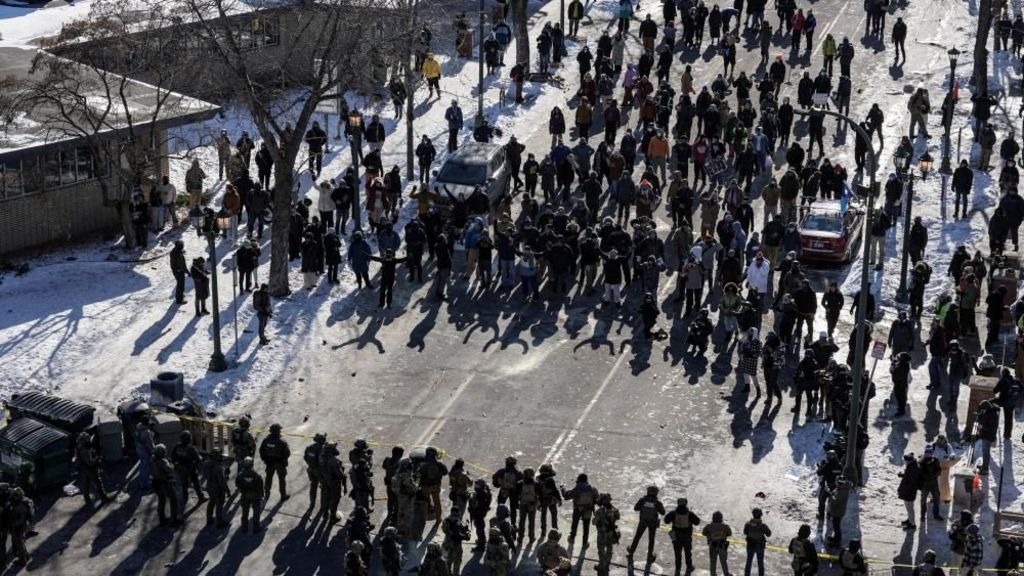
    Minneapolis has become the epicenter of escalating tensions between federal authorities and local communities following the fatal shooting of 37-year-old nurse Alex Pretti by a US Border Patrol officer on January 24. The incident marks the second deadly shooting by federal agents in the city this month, reigniting protests that had initially erupted after the January 8 killing of Renee Nicole Good.

    The confrontation occurred during what Homeland Security spokesperson Tricia McLaughlin described as a ‘targeted operation’ targeting an ‘illegal alien wanted for violent assault.’ According to official accounts, Pretti approached agents while carrying a 9mm semi-automatic handgun. McLaughlin stated that officers attempted to disarm him but he ‘violently resisted,’ prompting an agent to fire ‘defensive shots’ fearing for safety.

    Verified video footage obtained by the BBC shows agents surrounding and tackling Pretti to the ground outside a Nicollet Avenue coffee shop, with one agent appearing to strike him multiple times before gunshots are heard. The Department of Homeland Security subsequently released photographic evidence of the firearm allegedly carried by Pretti, who police described as a lawful gun owner with only minor prior interactions with law enforcement.

    The shooting has intensified existing tensions stemming from the Trump administration’s deployment of 2,000 federal agents to Minneapolis on January 6 following allegations of welfare fraud. This deployment supports an ICE campaign targeting immigrants with deportation orders, particularly members of the city’s Somali community.

    In response to the latest incident, authorities deployed tear gas to disperse protesters who returned to the streets. Minnesota Governor Tim Walz has demanded that state authorities lead the investigation, while Minneapolis Mayor Jacob Frey condemned ICE operations as ‘not creating safety in our city’ and characterized the federal presence as an ‘invasion’ of masked agents operating with impunity.

    President Trump escalated political tensions by sharing the weapon image on social media while questioning local law enforcement’s response and accusing local officials of inciting insurrection. Without providing evidence, Trump alleged a ‘cover up’ to hide theft and fraud, demanding that ICE agents be allowed to ‘do their job.’

  • Watch: Sheikh Mohammed gives ‘big surprise’ to residents, visits Quoz Arts Fest

    Watch: Sheikh Mohammed gives ‘big surprise’ to residents, visits Quoz Arts Fest

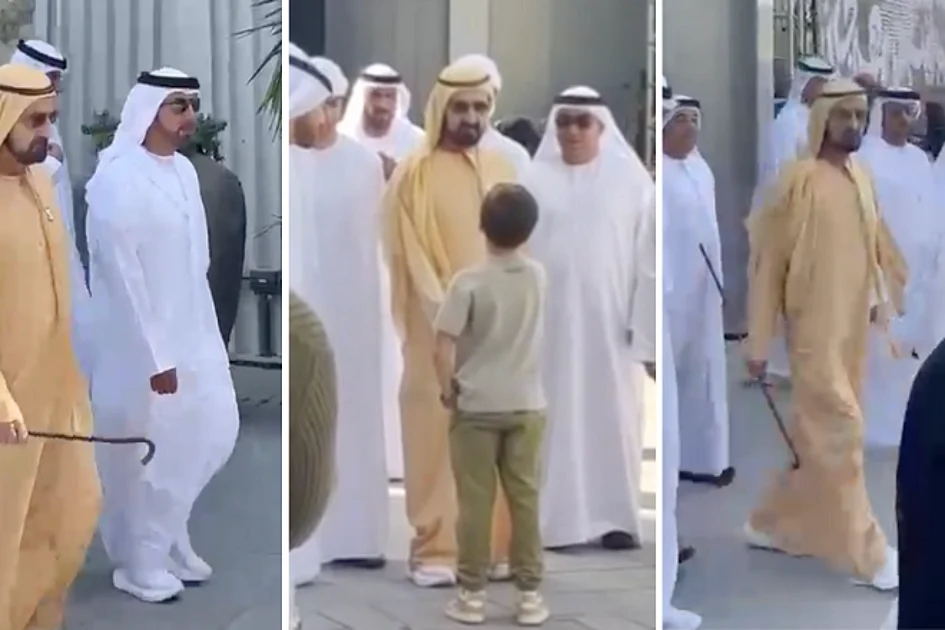
    In an unexpected display of cultural engagement, His Highness Sheikh Mohammed bin Rashid Al Maktoum, Vice President and Prime Minister of the UAE and Ruler of Dubai, made an unannounced appearance at the Quoz Arts Festival on Saturday morning. The visit created an atmosphere of excitement and delight among attendees and organizers alike.

    Arriving at approximately 11:00 AM at Al Serkal Avenue, Sheikh Mohammed, adorned in a traditional golden kandoora with matching gutra and carrying his distinctive kheyzrana cane, toured the festival grounds accompanied by a small delegation of officials. His spontaneous interactions with visitors, particularly children, became the highlight of the event as he engaged in conversations and shared moments of genuine connection.

    The surprise nature of the visit was emphasized by multiple witnesses. Afzal Dingankar, a Dubai resident participating in event management, recounted capturing the moment on video, noting the relatively uncrowded venue during the early hours. Hussain Lokhandwala, representing event organizer Giochi di Luce, expressed complete astonishment, stating that no prior notification had been given regarding any VIP attendance, much less the Ruler’s presence.

    Among the notable stops during the tour was the Fiker Institute, an interdisciplinary think tank where founder Dubai Abulhoul welcomed the distinguished guest. Abulhoul later shared photographs of the visit on her Instagram account, describing the occasion as a profound honor for the research institution.

    The Quoz Arts Festival, now in its annual iteration, serves as a platform for emerging artists and experimental formats to showcase regional narratives through pop-up installations, live performances, and culinary experiences. This year’s event gained additional significance through the Ruler’s demonstration of support for the local arts community, following another recent incident where a young resident had the opportunity to high-five Sheikh Mohammed at The Square in Nad Al Sheba.

  • WHO chief says reasons US gave for withdrawing ‘untrue’

    WHO chief says reasons US gave for withdrawing ‘untrue’

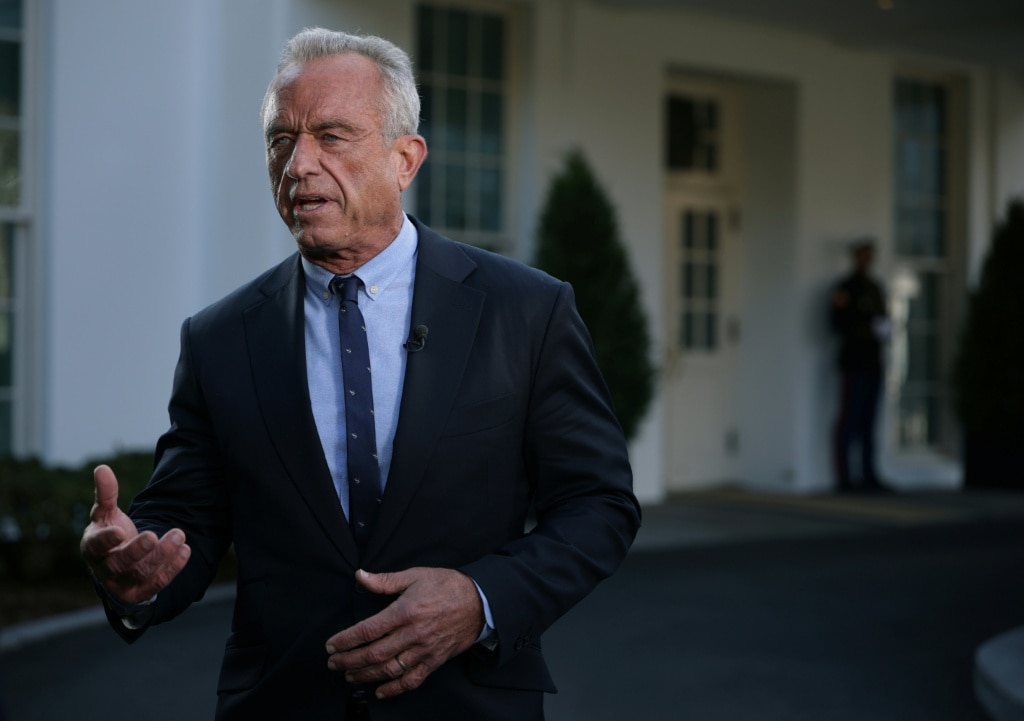
    In a forceful rebuttal, World Health Organization Director-General Tedros Adhanom Ghebreyesus has publicly dismissed the United States’ stated reasons for withdrawing from the UN health agency as fundamentally untrue. The response came following Thursday’s formal withdrawal announcement by U.S. Secretary of State Marco Rubio and Health Secretary Robert F. Kennedy Jr., who cited WHO’s COVID-19 pandemic response failures and actions against American interests as justification.

    Tedros countered these claims through official statements and social media posts, asserting that WHO has consistently operated with full respect for national sovereignty while providing evidence-based guidance. The organization specifically refuted allegations of obstructing information sharing during the pandemic, emphasizing its transparent and rapid dissemination of critical data to all member states.

    The withdrawal process, initiated by former President Donald Trump’s executive order and completed this week, now faces complications regarding financial obligations. WHO officials note that the United States remains approximately $260 million in arrears for 2024-2025 dues, with the organization stating the withdrawal ‘raises issues’ that will be addressed during upcoming Executive Board and World Health Assembly meetings.

    Despite the diplomatic rift, Tedros expressed hope for America’s eventual return to active participation while reaffirming WHO’s commitment to its constitutional mandate of ensuring the highest attainable health standards for all people globally. The director-general warned that the withdrawal ultimately diminishes safety protections for both American citizens and the international community.

  • Video: Truck fuel tank explodes in Oman; footage shows man on fire

    Video: Truck fuel tank explodes in Oman; footage shows man on fire

    A sudden and violent fuel tank explosion at a gas station in Oman’s Nizwa Governorate resulted in severe injuries to one individual, according to an official statement released by the Sultanate’s Civil Defence and Ambulance Authority on Saturday, January 24, 2026.

    The incident unfolded without warning as a truck was refueling at the station. Dramatic footage circulated by authorities captures the terrifying moment when the tank erupted, immediately engulfing a nearby man in flames. The video shows the victim desperately running while completely covered in fire.

    Emergency response teams from the Civil Defense and Ambulance Authority Operations Center reacted promptly to distress calls reporting the blast. Medical personnel provided critical on-site treatment before transporting the severely burned victim to a nearby hospital for specialized care. Officials confirmed the injured person received immediate medical attention, though their current condition remains undisclosed.

    While the exact cause of the explosion remains under investigation, the incident highlights the potential dangers present at fuel stations and the critical importance of safety protocols during refueling operations. The Omani authorities have launched a full investigation to determine the precise circumstances that led to this tragic accident.

    The Nizwa Governorate, located in northern Oman, is a historically significant region that now faces scrutiny regarding industrial safety standards following this alarming incident. This event serves as a stark reminder of the inherent risks associated with flammable materials and the necessity for rigorous safety measures in handling petroleum products.

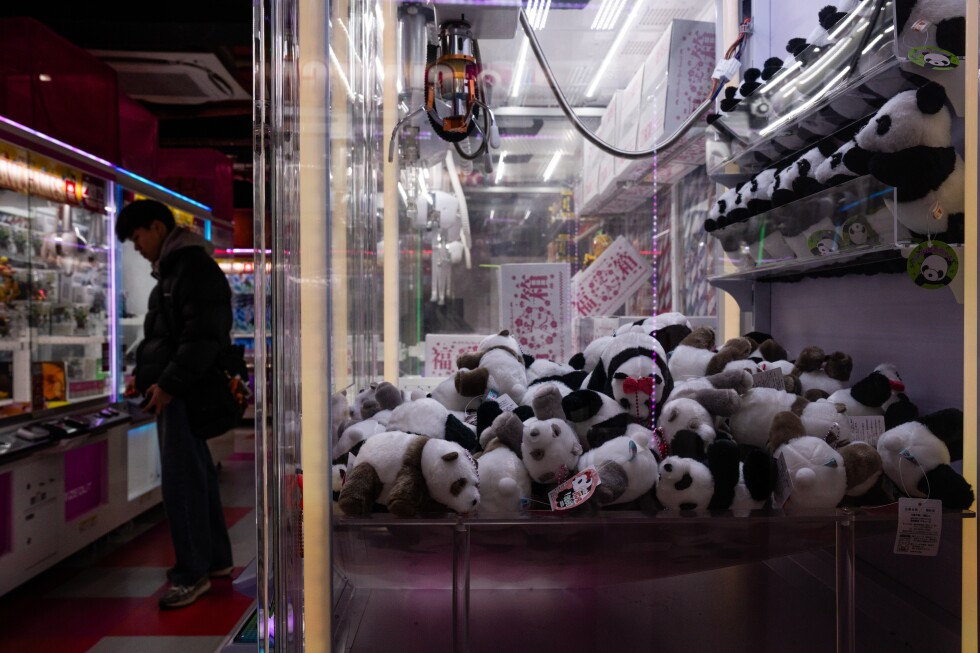
  • The last two pandas in Japan are leaving for China as ties are strained

    The last two pandas in Japan are leaving for China as ties are strained

    TOKYO — Japan’s iconic panda era concluded Sunday as thousands of admirers gathered at Tokyo’s Ueno Zoo for the final viewing of twin pandas Xiao Xiao and Lei Lei before their repatriation to China on Tuesday. This departure marks Japan’s first panda-free period in fifty years, with dim prospects for replacement amid deteriorating Sino-Japanese relations.

    The pandas’ lineage traces to 1972, when China gifted the first bears to commemorate diplomatic normalization between the historically wary neighbors. These charismatic black-and-white ambassadors instantly captivated Japanese society, with twelve subsequent pandas achieving celebrity status. The current twins, born at Ueno in 2021, have drawn massive crowds despite strict one-minute viewing limits, with visitors documenting their bamboo-feeding sessions and leisurely movements.

    China maintains ownership of all pandas loaned internationally, including offspring born abroad. When questioned about future panda exchanges, Chinese Foreign Ministry spokesperson Guo Jiakun stated: ‘Giant pandas are loved by many in Japan, and we welcome Japanese friends to come visit them in China.’

    The emotional impact is profound for devotees like web engineer Takahiro Takauji, who has taken over 10 million panda photographs across fifteen years of daily zoo visits. ‘I never imagined there would come a day when pandas would be gone from Japan,’ expressed Takauji, who considers the twins ‘like my own children.’ His meticulously maintained blog ‘Every Day Pandas’ chronicles this extraordinary dedication.

    This diplomatic rift reflects broader tensions between Asia’s largest economies. Recent remarks by Japanese Prime Minister Sanae Takaichi regarding potential intervention in Taiwan-related scenarios angered Beijing, exacerbating existing territorial disputes in the East China Sea. The diplomatic strain is further evidenced by China’s month-long delay in approving a new Japanese consul for Chongqing.

    Panda diplomacy has evolved significantly since its inception. While China initially gifted pandas to Western nations including the United States, France, and Britain during the 1970s normalization period, it transitioned to leasing programs in the 1980s with fees supporting conservation research. Japan has previously experienced politicized panda diplomacy when a post-tsunami panda transfer to Sendai was canceled following 2012 territorial disputes.

    The economic impact is substantial. Kansai University economics professor Katsuhiro Miyamoto estimates annual losses of approximately 20 billion yen ($128 million) for the zoo region, warning that prolonged absence could create ‘tens of billions of yen’ in economic damage. Local merchants like souvenir shop manager Asao Ezure remain hopeful despite concerns, noting ‘Pandas are a symbol of Ueno, a star’ while maintaining panda-themed storefronts in anticipation of their eventual return.

  • NSW Health warning Sydney residents after cases of measles confirmed

    NSW Health warning Sydney residents after cases of measles confirmed

    Sydney health authorities have escalated public health warnings following confirmation of two additional measles cases, including one acquired through local transmission. This development occurs merely one week after a confirmed measles case participated in the Centennial Parkrun event, heightening concerns about community spread.

    The New South Wales Health Department reports a significant surge in infections, with four cases identified within the past week and thirteen confirmed cases since December 1, 2025. Health officials attribute this increased transmission risk to returning international travelers from regions experiencing measles outbreaks, particularly South-East Asia.

    Dr. Leena Gupta, Director of Sydney Local Health District’s Public Health Unit, emphasized the critical importance of symptom vigilance. ‘We’re observing measles cases visiting numerous locations across Sydney while unknowingly infectious, including healthcare facilities,’ Dr. Gupta stated. ‘While these specific locations no longer pose ongoing risks, the pattern of exposure warrants heightened awareness.’

    The recently identified local transmission case marks a concerning development in the outbreak’s trajectory. Health authorities have implemented thorough contact tracing procedures and maintain regularly updated exposure location lists on the NSW Health website.

    Medical professionals advise that individuals potentially exposed to the virus should monitor for characteristic symptoms including fever, respiratory issues, sore eyes, and the distinctive red blotchy rash that typically emerges three to four days after initial symptoms. Dr. Gupta specifically recommended that ‘anyone developing symptoms who visited identified exposure locations should contact healthcare providers in advance to prevent potential waiting room exposures.’

    The public health response includes reinforced vaccination recommendations, particularly for those born after 1965 who may require second measles vaccine doses. Health authorities highlight that measles vaccination can prevent disease progression even after exposure if administered promptly.

    This measles alert expansion follows last week’s confirmed case at Centennial Parkrun, where an infectious individual participated between 7:00-8:30 AM on January 17, 2026. Investigation continues regarding potential connections between the parkrun case and exposures across Western Greater Sydney.