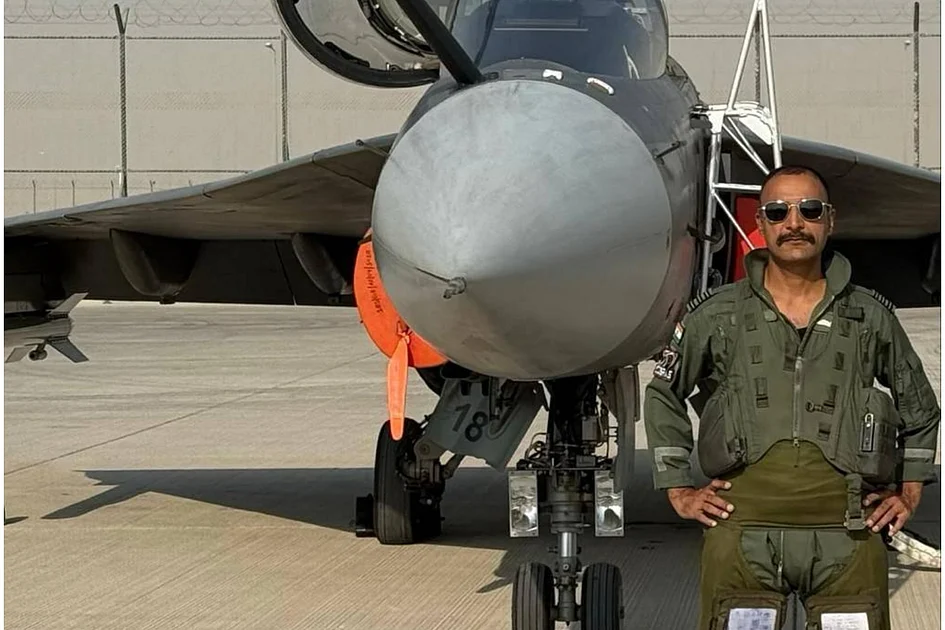
The Indian Air Force (IAF) has paid heartfelt tribute to Wing Commander Namansh Syal, who tragically lost his life during a devastating crash at the Dubai Airshow on Friday. Syal, a highly skilled and dedicated fighter pilot, was flying the India-produced Light Combat Aircraft (LCA) Tejas when the accident occurred. His mortal remains were repatriated to India on Saturday, marking a somber moment for the nation. The IAF described Syal as a ‘thorough professional’ who served with unwavering commitment, exceptional skill, and an unyielding sense of duty. In a statement posted on X, the IAF expressed deep sorrow over the loss, highlighting Syal’s dignified persona and the immense respect he earned throughout his life of service. The crash, which took place around 2:10 pm during an eight-minute aerial display, has left the aviation community in shock. Syal, hailing from Himachal Pradesh, was honored by UAE officials, colleagues, friends, and Indian Embassy representatives during a solemn send-off. The IAF has pledged to stand in solidarity with Syal’s family during this time of profound grief, vowing to honor his legacy of courage, devotion, and honor.
作者: admin
-
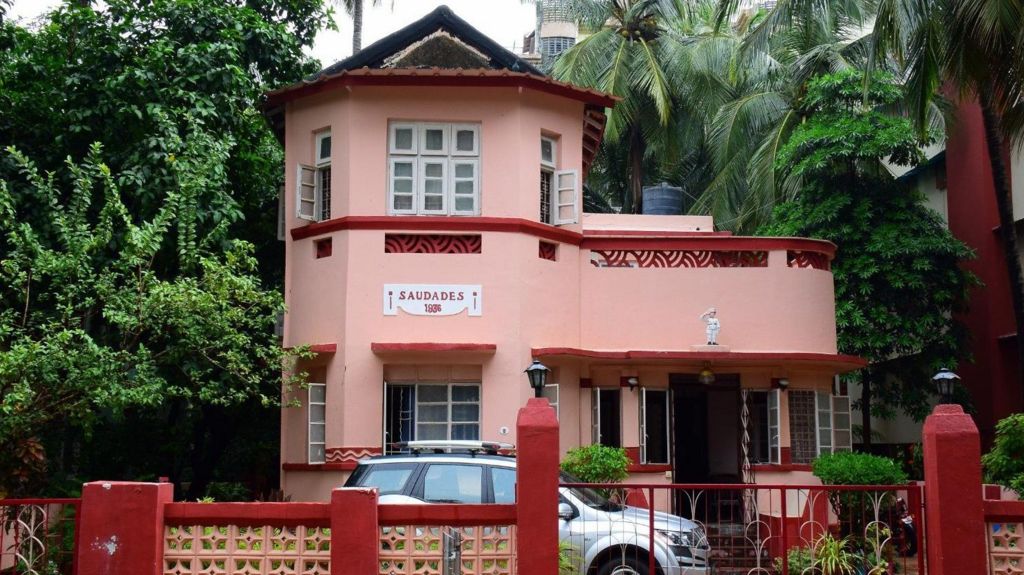
Hidden in plain sight – Mumbai’s glorious Art Deco legacy at 100
The Art Deco movement, which first captivated the world at the 1925 Paris Exposition, has left an indelible mark on Mumbai’s architectural landscape. Celebrating its centenary, this iconic style—characterized by geometric patterns, sweeping curves, and nautical motifs—symbolized a bold departure from traditional designs, embodying the optimism and modernity of the post-war era. Mumbai, often dubbed the ‘Art Deco capital of the world,’ boasts one of the largest collections of such buildings, rivaling even Miami. From the iconic Marine Drive seafront to the grandeur of Liberty and Eros cinemas, the city’s embrace of Art Deco reflects its unique blend of global influences and local sensibilities. The style was introduced during colonial rule by India’s first generation of home-grown architects, who adapted it by incorporating native elements like Mughal lattice screens and maritime inspirations. Despite its cultural significance, Mumbai’s Art Deco heritage faces threats from rapid urbanization and real estate pressures. Organizations like the Art Deco Mumbai Trust are working tirelessly to preserve these architectural gems, offering restoration consultancies and raising awareness about their historical value. Meanwhile, designers like Nidhi Tekwani are reimagining Art Deco for contemporary living, ensuring its relevance in a city that continues to evolve at breakneck speed.
-
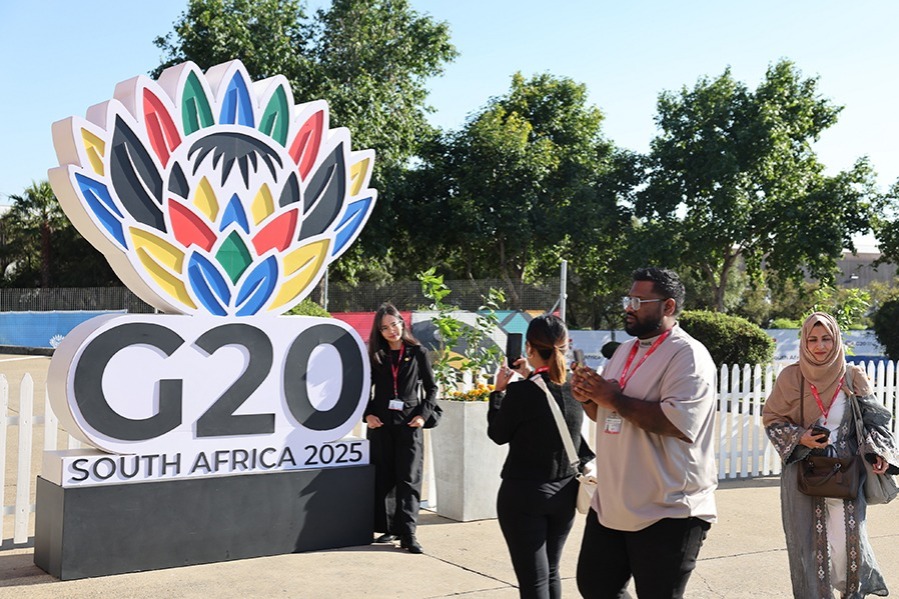
G20 Johannesburg summit calls for improving global governance
The 20th Group of 20 (G20) Summit commenced in Johannesburg on Saturday, marking a historic moment as the first G20 summit held on African soil. Under the theme ‘Solidarity, Equality, and Sustainability,’ the two-day event underscored Africa’s growing influence in global governance and its alignment with the development priorities of the Global South. The summit concluded with the adoption of the ‘G20 South Africa Summit: Leaders’ Declaration,’ which emphasized the need for more equitable global governance and reinforced the commitment to multilateralism, with the United Nations at its core. The declaration highlighted peace as a cornerstone for sustainable economic development and stressed the importance of international cooperation in addressing pressing global challenges, including economic inequality and instability. G20 leaders also acknowledged the urgent need to ramp up global investments to meet the climate goals outlined in the Paris Agreement, calling for a significant increase in climate finance from billions to trillions of dollars. The declaration further emphasized the alignment of financial flows with climate objectives, alongside scaling up finance, capacity building, and technology transfer, particularly for developing countries. Additionally, the leaders reaffirmed their commitment to the swift implementation of the Kunming-Montreal Global Biodiversity Framework and celebrated the 30th anniversary of the Beijing Declaration and Platform for Action, pledging to accelerate its full implementation. South Africa, which assumed the G20 presidency on December 1, 2024, became the first African nation to hold this prestigious role, with the United States set to take over on December 1, 2025.
-
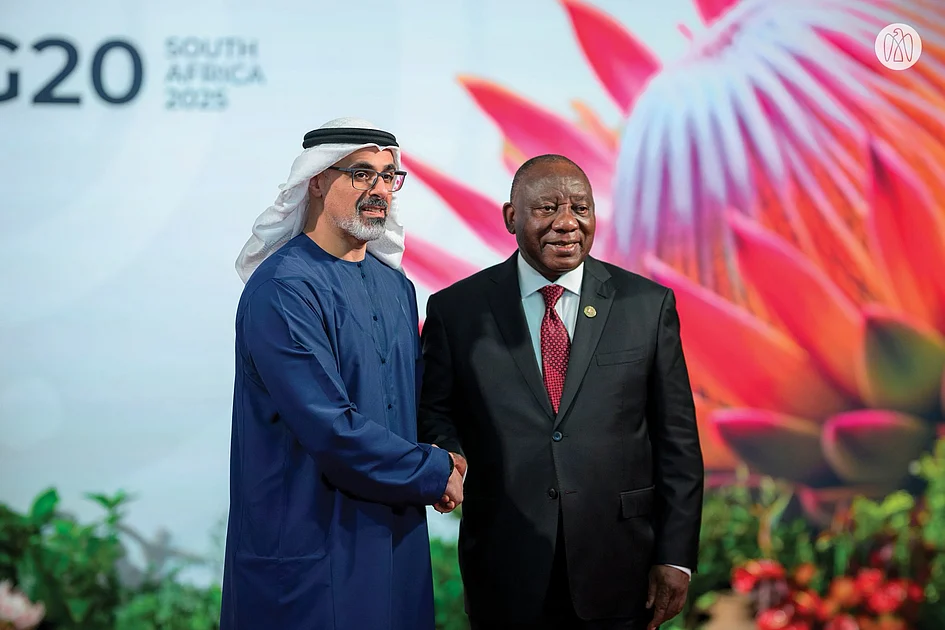
UAE launches $1 billion AI for Development initiative in Africa
The United Arab Emirates (UAE) has unveiled a groundbreaking $1 billion initiative, titled ‘AI for Development,’ aimed at fostering artificial intelligence (AI) projects across African nations. Announced by Sheikh Khaled bin Mohamed bin Zayed, Crown Prince of Abu Dhabi, during the G20 summit in South Africa, this initiative underscores the UAE’s commitment to leveraging advanced technologies to drive economic and social progress in developing regions. The program will focus on enhancing digital infrastructure, improving government services, and boosting productivity levels across the continent. The initiative will be spearheaded by the Abu Dhabi Exports Office (ADEX), a division of the Abu Dhabi Fund for Development, in collaboration with the Emirates Agency for International Aid. This institutional partnership reflects the UAE’s strategic vision to empower developing countries by integrating AI into their development frameworks. Sheikh Khaled emphasized the UAE’s dedication to fostering sustainable growth through innovative financing solutions and international cooperation. The initiative is expected to play a pivotal role in enabling African nations to harness the transformative potential of AI, thereby contributing to comprehensive and inclusive development.
-

Israel faces ‘mental health tsunami’ after two years of war, report finds
Israel is grappling with a severe mental health crisis, described as a “mental health tsunami” by Yedioth Ahronoth. Since the events of 7 October 2023, the nation has witnessed a sharp increase in mental health issues, with two million people requiring support. A coalition of eight major mental health organizations has issued an urgent warning to the government, labeling the situation as an “outbreak of mental illness unprecedented in its depth and scope.” The crisis has been exacerbated by a severe shortage of therapists and support services, leading to widespread psychological distress across Israeli society. The prolonged conflict and trauma have left many struggling with depression, anxiety, intrusive thoughts, and exhaustion. Families and communities are being severely affected, with experts warning that the crisis has not yet peaked. Data from Yedioth Ahronoth reveals alarming statistics: diagnoses of depression and anxiety in 2024 doubled compared to 2013, while PTSD diagnoses rose by 70 percent monthly from October 2023 to the end of 2024. Nearly half of Israelis report symptoms of persistent grief, and calls to mental health helplines have increased sixfold. A study by Clalit Health Services and the Myers-JDC-Brookdale Institute found that 50 percent of those affected by the 7 October attacks are still struggling, with one in five people in the general population suffering severe functional impairment due to mental health issues. The Israeli Ministry of Health has announced a national rescue plan, estimated to cost 1.7 billion shekels ($517 million), which includes doubling the number of psychologists, improving salaries, upgrading psychiatric wards, and expanding home-based and community services. However, senior clinicians stress that extensive reforms are needed to address the crisis effectively.
-

Nasa astronaut films Northern Lights from space
In a breathtaking display of nature’s splendor, NASA astronaut Zena Cardman has recorded a mesmerizing video of the Northern Lights from the International Space Station (ISS). The footage, captured on November 17, showcases the vibrant hues of the aurora borealis as they dance across Earth’s atmosphere. This rare perspective from space offers a unique glimpse into the phenomenon, highlighting the interplay between solar particles and the planet’s magnetic field. Cardman’s recording not only serves as a testament to the beauty of our planet but also underscores the scientific value of studying such events from orbit. The ISS, orbiting approximately 400 kilometers above Earth, provides an unparalleled vantage point for observing atmospheric and space phenomena. This footage adds to a growing collection of space-based observations that enhance our understanding of Earth’s magnetosphere and its interactions with solar activity.
-
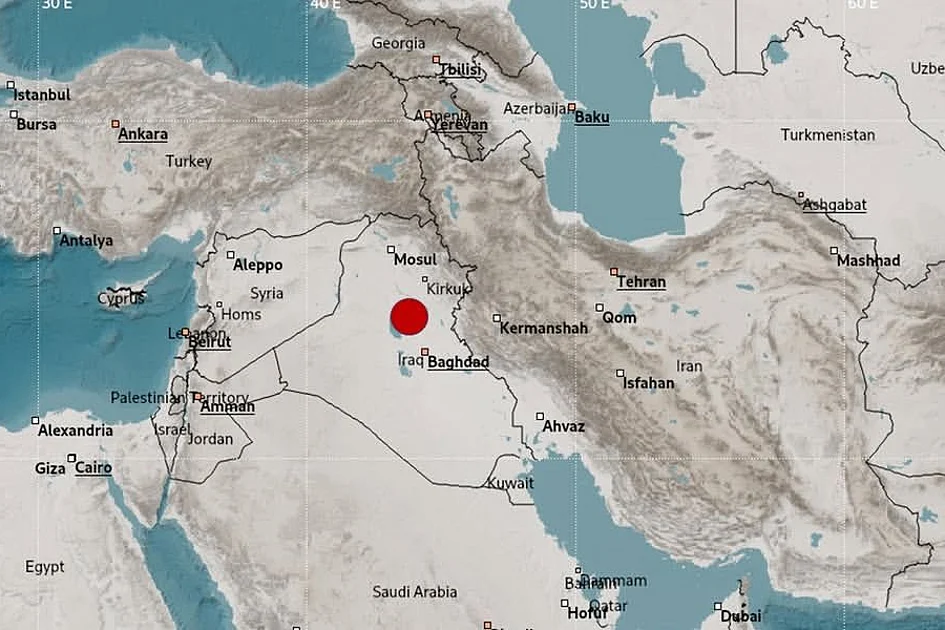
UAE’s NCM records 5.0-magnitude earthquake in Iraq
A moderate earthquake measuring 5.0 on the Richter scale struck Iraq on Saturday, November 22, 2025, as reported by the National Seismic Network of the UAE’s National Centre of Meteorology (NCM). The seismic event occurred at 8:29 PM UAE time, with its epicenter located at a depth of 30 kilometers. Iraq, particularly its border regions with Iran, is highly susceptible to earthquakes due to its geographical position near the convergence of the Arabian and Eurasian tectonic plates. This geological setting makes the area a hotspot for seismic activity, often resulting in tremors of varying intensities. The NCM’s timely reporting underscores the importance of monitoring and preparedness in earthquake-prone zones. While no immediate reports of damage or casualties have been released, the incident serves as a reminder of the region’s vulnerability to natural disasters. Authorities continue to urge residents to stay informed and follow safety protocols during such events.
-
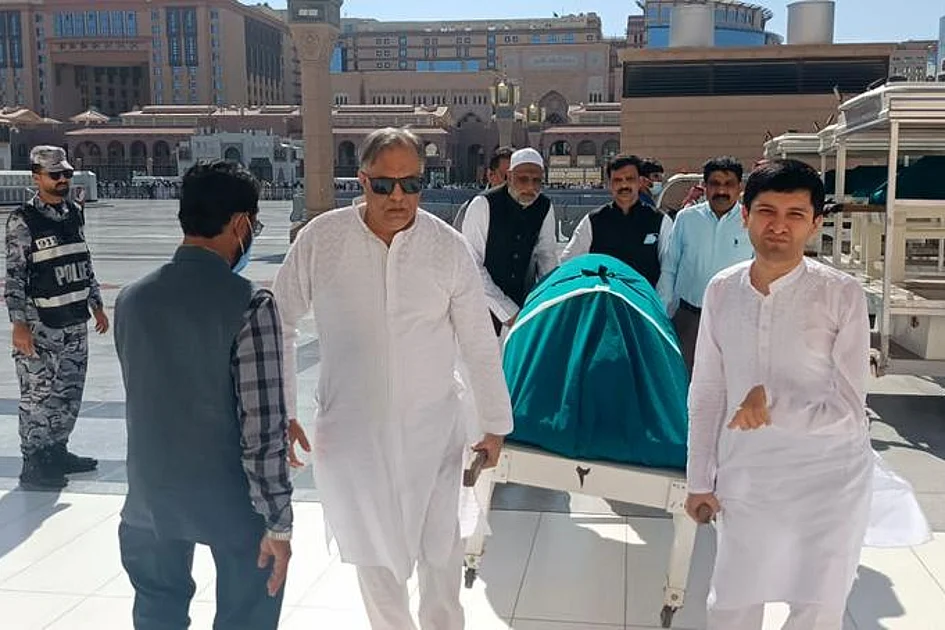
Saudi bus crash: Funeral prayers of Indian pilgrims held in Madinah
In a solemn ceremony held on November 22, 2025, funeral prayers were conducted in Madinah, Saudi Arabia, for the victims of a devastating bus accident that occurred earlier in the week. The tragic incident, which took place on Monday, claimed the lives of 45 out of 46 Indian pilgrims traveling for Umrah. The bus collided with a diesel tanker, resulting in one of the deadliest road accidents in recent years. The funeral prayers were led by Justice S. Abdul Nazeer, Governor of Andhra Pradesh, at the Prophet’s Mosque, followed by the burial at Jannat ul Baqi, a revered cemetery in Madinah. Ambassador Dr. Suhel Khan and Consul General Fahad Suri were also present, offering their condolences and support to the grieving families. The Indian Embassy in Saudi Arabia reiterated its deep sorrow over the incident, emphasizing the need for enhanced safety measures for pilgrims. This tragedy has not only left a profound impact on the families of the victims but has also highlighted the risks faced by international travelers in the region.
-

Rassat claims ‘insane’ Gurgl slalom for first World Cup victory
French skier Paco Rassat achieved a monumental milestone in his career by clinching his first-ever World Cup victory in the men’s slalom event held in Gurgl on Saturday. The 27-year-old, who had previously never stood on a World Cup podium, delivered a stunning performance in the second run, finishing just 0.07 seconds ahead of Belgium’s Armand Marchant. Norway’s Atle Lie McGrath trailed closely, securing third place with a mere 0.02-second gap. Rassat, who was only 14th after the first run, capitalized on favorable conditions and a series of misfortunes among the favorites to stage a remarkable comeback. Reflecting on his victory, Rassat expressed overwhelming joy, stating, ‘This is insane. My dream just came true, so this is amazing.’ With this win, Rassat now leads the overall World Cup standings, holding a 14-point advantage over Brazil’s Lucas Pinheiro Braathen, who finished 10th in Gurgl. The event continues on Sunday with the women’s slalom, promising more excitement for ski enthusiasts.
-
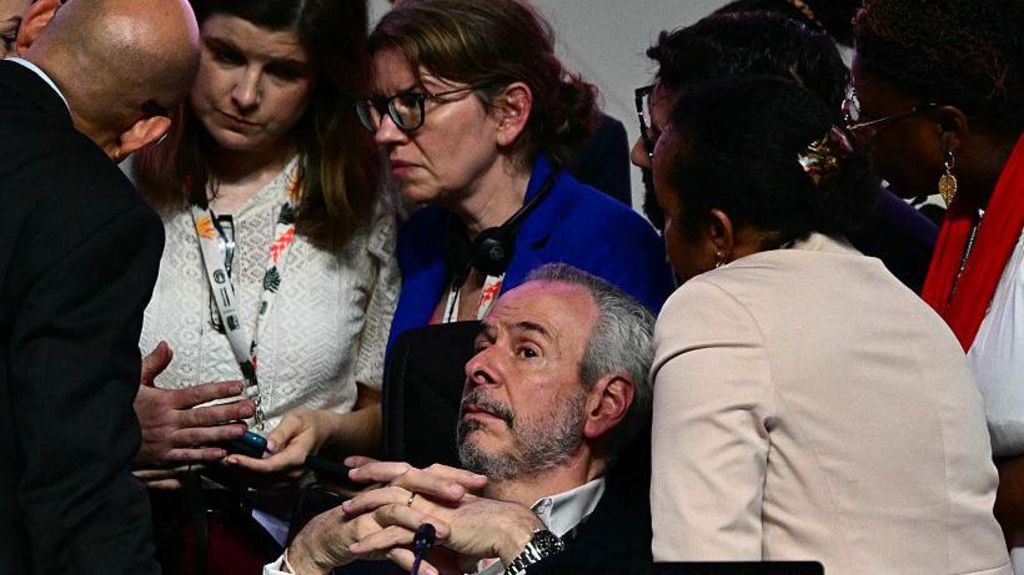
COP30: Five key takeaways from a deeply divisive climate summit
The 30th Conference of the Parties (COP30) in Belém, Brazil, concluded on Saturday, marking one of the most contentious climate summits in three decades. The absence of any mention of fossil fuels in the final agreement left many nations furious, while others, particularly those reliant on fossil fuel production, felt vindicated. The summit underscored the deep divisions in global consensus on addressing climate change, with five key takeaways emerging from what some have termed the ‘COP of truth.’
Despite the climate ‘ship’ remaining afloat, many participants expressed dissatisfaction with the outcomes. Brazilian President Luiz Inácio Lula da Silva’s vision for the summit clashed with COP President André Corrêa do Lago’s focus on consensus. Lula advocated for a roadmap away from fossil fuels, a proposal supported by the UK and other nations. However, do Lago resisted, fearing it would fracture the fragile agreement. Initial references to such a roadmap in the draft text were removed, leaving no trace in the final document.
Efforts by Colombia, the European Union (EU), and around 80 countries to push for stronger language on reducing coal, oil, and gas usage faltered. Do Lago’s attempt to foster consensus through a Brazilian-style group discussion, or ‘mutirão,’ backfired, as Arab nations refused to engage with those advocating for a fossil fuel phase-out. The Saudi delegate’s blunt remark, ‘We make energy policy in our capital, not in yours,’ epitomized the impasse.
Brazil proposed a face-saving solution: external roadmaps on deforestation and fossil fuels, which were applauded but lacked legal certainty. The EU, despite its grandstanding on fossil fuels, found itself cornered by the inclusion of a vague but binding commitment to triple climate adaptation funding. This left the EU with little leverage to negotiate with developing nations.
The summit also raised questions about the relevance of the COP process itself. Critics questioned the efficacy of flying thousands of delegates worldwide to argue over semantics in air-conditioned tents. Harjeet Singh of the Fossil Fuel Treaty Initiative suggested that while the COP process shouldn’t be discarded, it needs significant retrofitting to remain relevant.
Global trade emerged as a key issue, with the EU’s proposed border tax on high-carbon products sparking controversy. China, India, and Saudi Arabia opposed the measure, arguing it was unilateral and unfair. The EU defended it as a climate action tool, but the issue was deferred to future talks.
China and the US, the world’s top carbon emitters, influenced the summit in contrasting ways. While the US stayed absent, China focused on business deals, particularly in the solar energy sector, further solidifying its dominance in renewable energy. Experts predict China’s economic strategies will outpace US efforts in fossil fuel sales.
COP30 highlighted the urgent need for a new approach to global climate negotiations, as the current system struggles to address the pressing realities of climate change and energy transition.