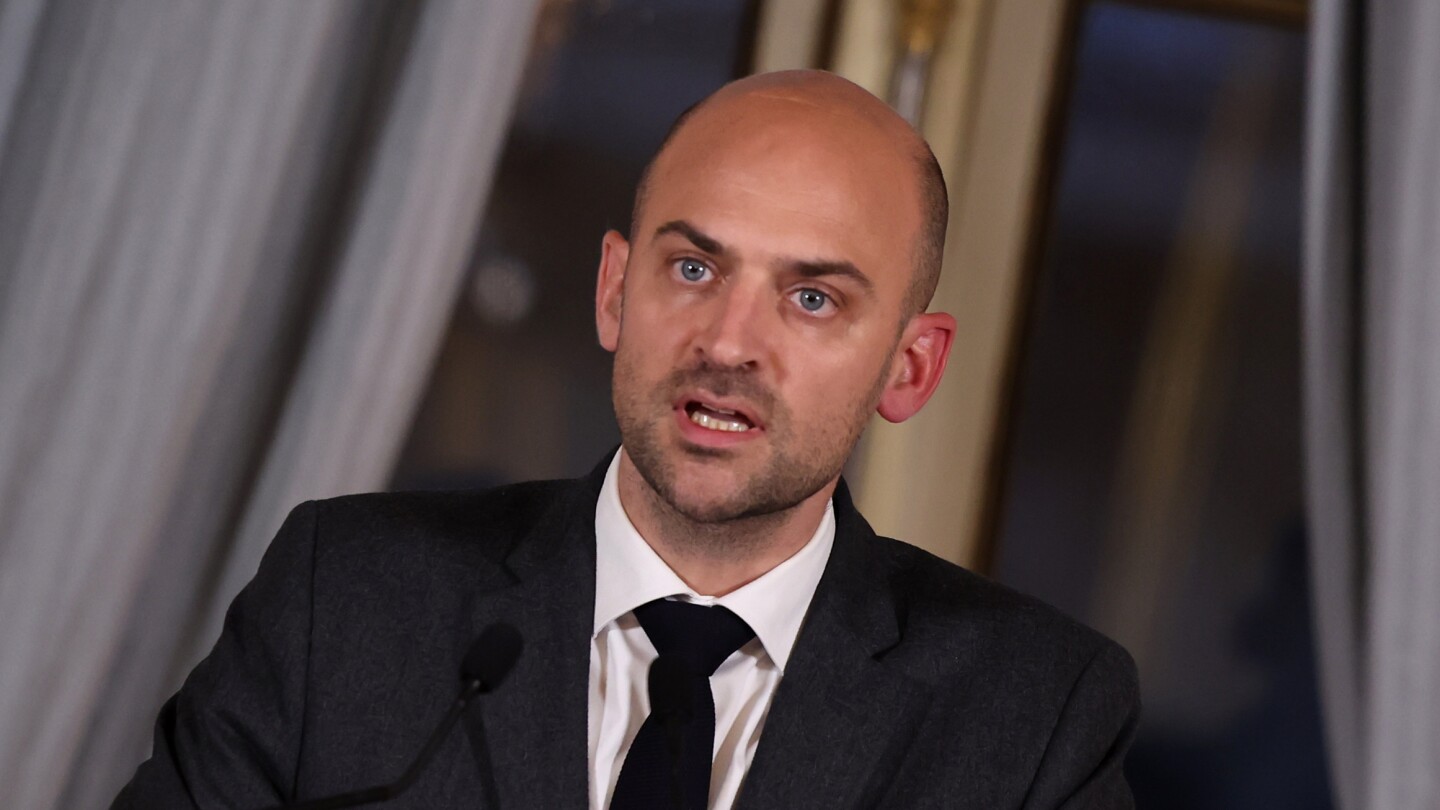
In a significant diplomatic achievement, France announced on Sunday the release of Camilo Castro, a French-Chilean national who had been detained in Venezuela for four months. French Foreign Minister Jean-Noël Barrot confirmed the news via a post on X (formerly Twitter), stating that Castro was en route to France. Barrot attributed the successful resolution to the persistent efforts of French diplomacy. French President Emmanuel Macron also expressed his relief in a separate post, emphasizing France’s steadfast commitment to protecting its citizens. ‘France sometimes advances quietly, but always with determination and composure: That is how we protect our own,’ Macron wrote. Castro, a 41-year-old yoga teacher residing in Colombia, had reportedly crossed into Venezuela in June to extend his Colombian visa. According to Amnesty International, his disappearance sparked international concern, culminating in his eventual release.
作者: admin
-
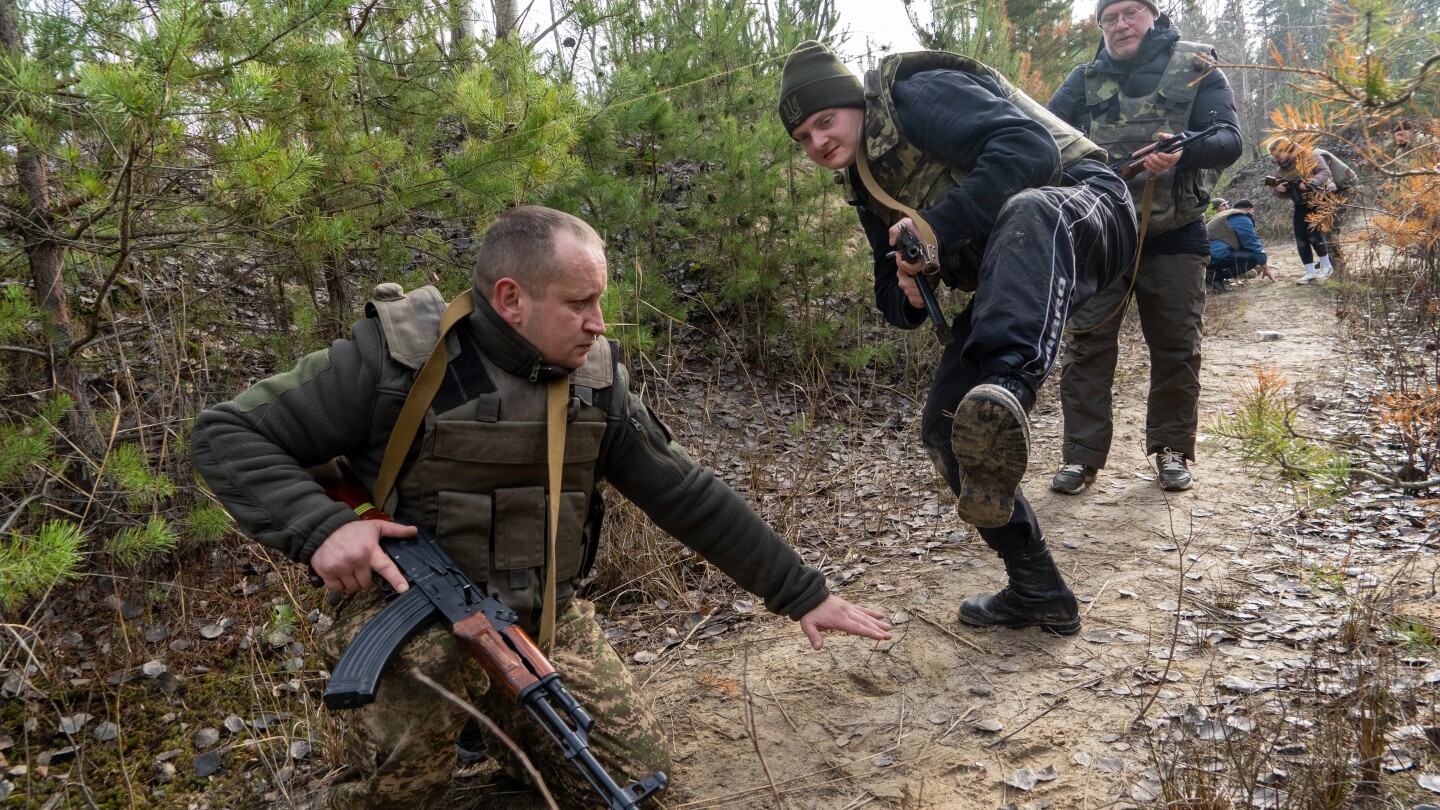
Zelenskyy says Ukraine is working on prisoner exchange with Russia
Ukraine is intensifying efforts to resume prisoner exchanges with Russia, aiming to secure the release of 1,200 Ukrainian prisoners, President Volodymyr Zelenskyy announced on Sunday. This development follows progress in negotiations mediated by Turkey and the United Arab Emirates, as revealed by Rustem Umerov, Secretary of Ukraine’s National Security and Defense Council, on Saturday. Zelenskyy expressed optimism on X, stating, ‘We are counting on the resumption of POW exchanges. Many meetings, negotiations, and calls are currently taking place to ensure this.’ The Istanbul agreements, established in 2022 with Turkish mediation, serve as the framework for these exchanges, which have previously facilitated the release of thousands of prisoners despite being sporadic. Umerov emphasized that technical consultations are imminent to finalize procedural details, expressing hope that the freed Ukrainians could ‘celebrate the New Year and Christmas holidays at home — at the family table and next to their relatives.’ Meanwhile, the conflict continues unabated, with Russian drone strikes damaging energy infrastructure in Ukraine’s Odesa region overnight, including a solar power plant. Ukraine’s air force reported intercepting 139 of 176 drones launched by Russia, while Russia’s defense ministry claimed to have shot down 57 Ukrainian drones. These attacks exacerbate Ukraine’s struggle to maintain its power grid amid relentless Russian aerial assaults, which have caused rolling blackouts as winter approaches.
-

Unconfirmed number of deaths following two-car crash
A tragic road traffic accident in County Louth, Republic of Ireland, has resulted in multiple fatalities, with an unconfirmed number of deaths reported. The incident occurred on Saturday evening shortly after 21:00 local time on the L3168 Ardee Road in the townland of Gibstown, Dundalk. According to Gardaí (Irish police), the collision involved two vehicles, and the scene remains active with both vehicles and the bodies of the deceased still present. Emergency services transported several injured individuals to Our Lady of Lourdes Hospital in Drogheda for treatment. The road between the N52 and R171 remains closed as Garda Forensic Collision Investigators conduct a technical examination. Local traffic diversions have been implemented to manage the situation. Authorities are urging anyone who may have witnessed the collision to come forward and assist with the investigation.
-
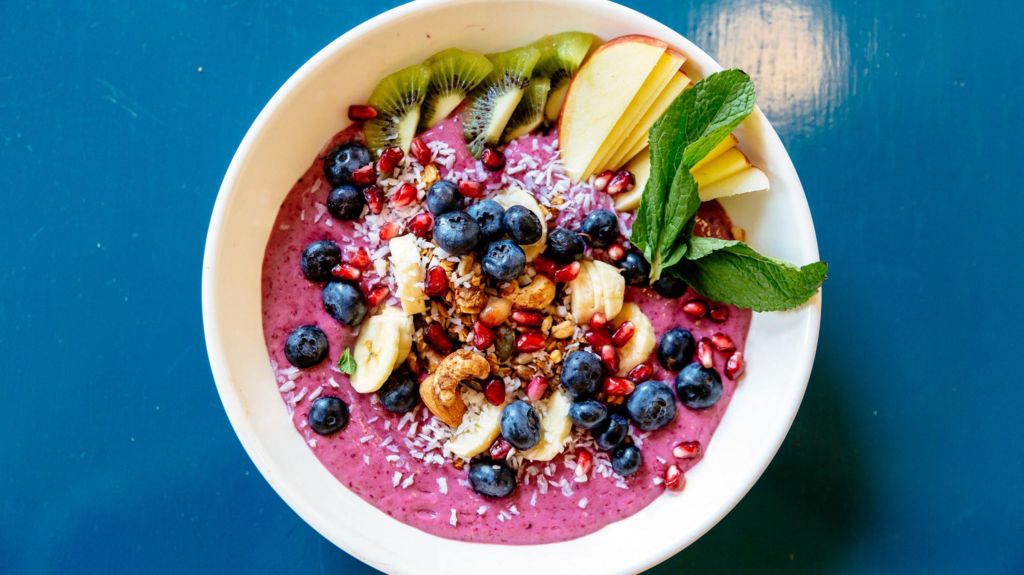
Move over açaí – the Amazon has more ‘superfoods’ to offer
In a renovated warehouse lab in Belém, Brazil, machines are processing exotic fruits like cupuaçu, taperebá, and bacaba, which could soon join açaí as the next global superfoods. These fruits, rich in antioxidants, fiber, and fatty acids, are part of Brazil’s ambitious plan to combat climate change, protect biodiversity, and alleviate regional poverty. The initiative aligns with the country’s hosting of the COP30 UN climate talks, emphasizing sustainable economic growth through the Amazon’s natural resources. Max Petrucci, founder of Mahta, a company specializing in Amazonian superfoods, highlights the dual benefits of these products: nutritional value and environmental sustainability. Mahta pays fair prices to farmers practicing sustainable agriculture, ensuring ethical sourcing. While scientific research on superfoods remains limited, Amazonian fruits are widely recognized for their health benefits. Companies like Mahta are freeze-drying these fruits into powders to preserve nutritional value and reduce transportation costs, a strategy that keeps economic value within Brazil. The Belém Bioeconomy Park supports small businesses in testing innovative preservation methods, tapping into the Amazon’s vast, untapped potential. The Amazon rainforest, spanning 6 million square kilometers, has long been a source of natural wealth but has suffered from deforestation for timber, cattle, and soy production. President Luiz Inácio Lula da Silva has pledged to halve deforestation by 2030, with recent rates hitting an 11-year low. Brazil’s bioeconomy strategy focuses on sustainable resource use, preserving nature while developing valuable products like fuels, pharmaceuticals, and foods. Sarah Sampaio, who runs a coffee company in the Apui region, exemplifies this approach by integrating coffee cultivation with native Amazonian trees, promoting agroforestry. Her efforts have earned her coffee national recognition, showcasing the potential of sustainable practices. Açaí, already a global health food sensation, remains a benchmark for Amazonian superfoods, with its high antioxidant content and popularity in Europe and the US. However, scaling up production poses challenges, as industrial plantations could replicate the environmental issues they aim to solve. The bioeconomy concept, central to the UN climate talks, offers a pathway to reduce fossil fuel dependency, though it requires careful regulation to avoid unintended consequences like deforestation or land exploitation. As Brazil pushes for a four-fold increase in biofuel use by 2035, experts like Ana Yang of Chatham House stress the importance of safeguards to ensure bio-based transitions are truly sustainable.
-
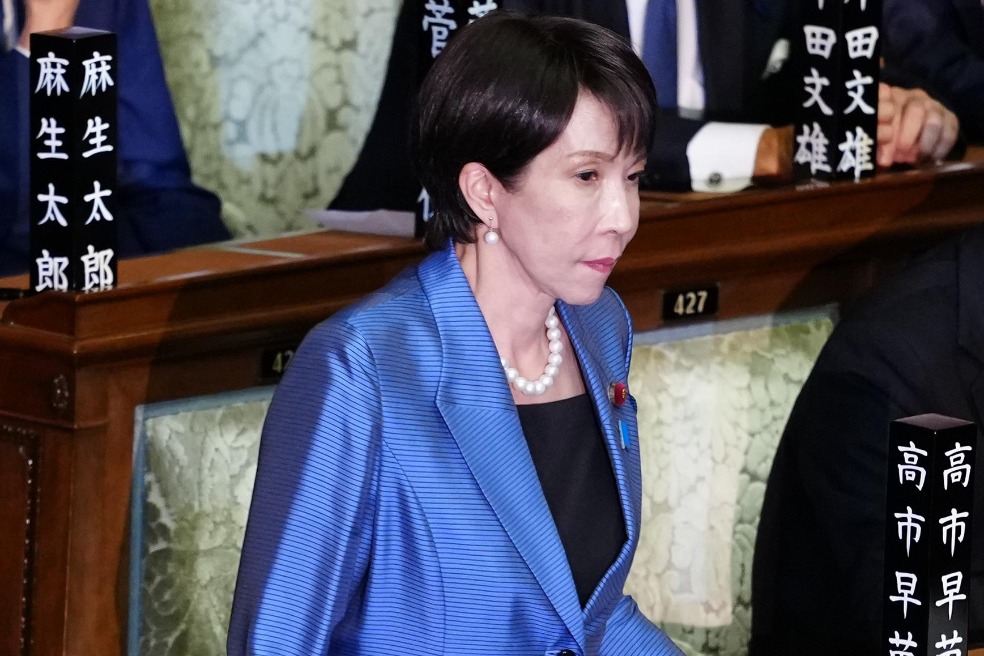
Outrage, rebuke from across China as Japanese PM’s erroneous remarks boil over
China has expressed widespread outrage and condemnation in response to recent remarks made by Japanese Prime Minister Sanae Takaichi regarding Taiwan. At a Diet meeting last week, Takaichi suggested that China’s potential use of force against Taiwan could pose a ‘survival-threatening situation’ for Japan, hinting at the possibility of military intervention in the Taiwan Strait. Her refusal to retract these comments has further escalated tensions. The People’s Liberation Army Daily, in a front-page commentary, denounced Takaichi’s remarks as historically ignorant and reflective of Japan’s right-wing ambitions to interfere militarily in Taiwan. The article emphasized that Japan’s alleged ‘survival-threatening situation’ is a pretext rooted in its militaristic past, which has caused immense suffering across Asia. Defense Ministry spokesman Jiang Bin warned that any Japanese intervention in Taiwan would result in a ‘crushing defeat’ by the People’s Liberation Army. The People’s Daily highlighted that Takaichi’s comments mark the first time since 1945 that a Japanese leader has officially linked Taiwan’s security to Japan’s collective self-defense, signaling a dangerous resurgence of militarism. Cai Liang, head of the Center for Northeast Asian Studies, criticized Takaichi’s remarks as a regression in Japan’s stance on Taiwan, violating China’s sovereignty and alarming the international community. Former Kuomintang chairperson Hung Hsiu-chu condemned Japan’s historical arrogance and interference, emphasizing that Taiwan is no longer a Japanese colony. Chinese netizens and officials have also voiced strong opposition, with the Ministry of Foreign Affairs advising Chinese citizens against traveling to Japan due to heightened risks. Vice-Foreign Minister Sun Weidong summoned the Japanese ambassador to demand an immediate retraction of the remarks, while State Council Taiwan Affairs Office spokesman Chen Binhua reiterated China’s unwavering stance against foreign interference in cross-Strait affairs.
-
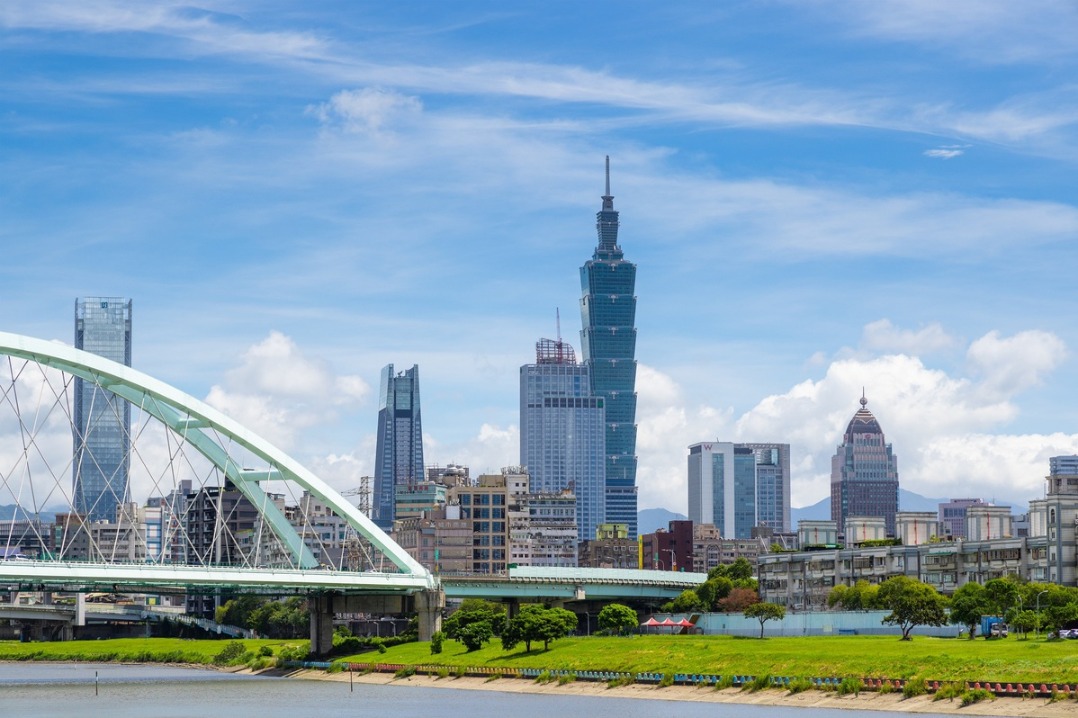
Taiwan youths discuss paths to peaceful reunification
In a significant gathering hosted by the Sanhe Practice Institute, a prominent Taiwanese think tank, young scholars and representatives from various sectors convened on Saturday to deliberate on the future of cross-Strait relations. The forum, held in Taipei, centered on the pressing question: ‘In this pivotal era of the Chinese nation’s rejuvenation, what path should Taiwan take?’
Mao Zhi-yuan, a young participant, emphasized that reunification is an inevitable historical process. ‘The people of Taiwan must actively engage in advancing negotiations and propose solutions for peaceful reunification that align with Taiwan’s best interests,’ he stated.
Tan Chuan-shao, a member of Taiwan’s New Party, outlined a three-step strategy for achieving peaceful reunification. He urged Taiwanese citizens to recognize the urgency of addressing cross-Strait relations, foster open dialogue to enhance public understanding, and present Taiwan’s unique proposals for reunification. ‘It is imperative for the current generation to take the lead in pursuing peaceful reunification, rather than burdening future generations,’ Tan asserted.
Lin Wun-hau, a Taiwanese youth with experience living in both Xiamen and Jinmen, highlighted Jinmen’s transformation from a conflict zone to a hub of cross-Strait exchange as a model for future relations. ‘Jinmen’s journey demonstrates that integration with the mainland does not erode identity but offers a path to harmonious coexistence,’ Lin explained.
Su Heng, another participant, echoed this sentiment, stating, ‘Reunification is not an endpoint but a new beginning. It will not diminish Taiwan but strengthen it.’
The forum underscored the growing momentum among Taiwan’s younger generation to actively shape the future of cross-Strait relations, emphasizing dialogue, cooperation, and mutual benefit as the foundation for peaceful reunification.
-

India in trouble at 10-2 chasing 124 as Gill hospitalized in 1st test against South Africa
In a dramatic turn of events during the first cricket test between India and South Africa at Kolkata’s historic Eden Gardens, India found itself in a precarious position at 10-2 while chasing a target of 124 runs. The situation worsened as captain Shubman Gill, who suffered a neck spasm on day two, was hospitalized for observation and ruled out of the remainder of the match. This effectively left India at 10-3, with Washington Sundar (5 not out) and Dhruv Jurel (4 not out) holding the fort at lunch on day three. South Africa’s Marco Jansen delivered a stellar performance, dismissing both openers—Yashasvi Jaiswal for a duck and Lokesh Rahul for just one run—in a brief seven-over session. Earlier, South Africa was bowled out for 153 in their second innings, adding 60 crucial runs to their overnight score of 93-7. Skipper Temba Bavuma’s unbeaten 55 off 136 balls, the only half-century in the test, anchored the Proteas’ innings. His 44-run partnership with Corbin Bosch (25 off 37 balls) proved pivotal. India’s bowlers, led by Jasprit Bumrah and Mohammed Siraj, eventually broke through, but the damage was done. With 15 wickets falling on day two, the test is swiftly heading toward a conclusion. South Africa, winless in India for 15 years, aims to turn the tide, while India seeks to capitalize on home advantage. The second test begins in Guwahati on November 22.
-

A peek inside the Colonna Palace, Rome’s most exclusive tourist site
Nestled in the heart of Rome, the Colonna Palace remains one of the city’s best-kept secrets, a private home-museum that stands in stark contrast to the bustling tourist hubs of the Colosseum and the Sistine Chapel. Spread across four wings and occupying an entire city block, this baroque masterpiece houses an extraordinary collection of paintings, sculptures, busts, and tapestries, including the awe-inspiring 76-meter Great Hall. Yet, its doors open only sparingly, welcoming small groups of 10 visitors on Friday and Saturday mornings, guided by art historians. ‘Mass tourism is not our wish,’ explains Elisabetta Cecchini, a restorer at the palace, emphasizing that the limited access ensures the preservation of its artistic integrity. ‘Art dies without public appreciation, but this is not a museum meant for commodification.’
The palace remains the residence of Don Prospero Colonna, the family’s sitting prince, who has occasionally permitted high-profile events, such as the 2005 release of Pope John Paul II’s book and the 2018 Metropolitan Museum of Art exhibition on Catholic fashion, attended by luminaries like designer Donatella Versace and Vogue’s Anna Wintour. These rare occasions have allowed journalists fleeting glimpses into this exclusive world. Claudio Strinati, a former superintendent of Rome’s museums, lauds the palace’s seclusion, calling it ‘one of humanity’s greatest artistic heritages’ and a legacy the Colonna family is duty-bound to protect. ‘These spaces were not conceived as tourist attractions,’ he notes. ‘They are for those who truly understand history.’
The Colonna family’s ties to the palace date back to the 12th century, when they became part of the ‘black nobility,’ Roman families loyal to the Pope during Italy’s unification in 1870. Their black banners symbolized mourning for the Papal State, while their walls safeguarded priceless masterpieces. Over the centuries, the family has maintained a trust ensuring the palace’s treasures remain intact. Princess Isabella Colonna played a pivotal role in preserving these artifacts during World War II, ordering them to be hidden in a sealed wing as the Nazis invaded. Today, the palace’s opulent interiors reflect its storied past, from the Throne Room’s portrait of Pope Martin V to the Great Hall’s frescoed ceiling depicting the naval victories of Commander Marcantonio Colonna. ‘The Colonna family and Rome are inseparable,’ says Patrizia Piergiovanni, the palace’s gallery director. ‘Their contributions have shaped the city’s history.’
Adding to its allure, the Great Hall served as the setting for the final scene of the 1952 classic ‘Roman Holiday,’ where Audrey Hepburn, portraying a princess, declared her love for the Eternal City. ‘Rome,’ she said with conviction. ‘By all means, Rome.’ The Colonna Palace, with its blend of art, history, and exclusivity, continues to embody the timeless elegance of Rome itself.
-

South Korean actress and K-pop star fights off home intruder
South Korean actor and K-pop singer Nana, alongside her mother, successfully thwarted a dangerous home invasion, according to local media reports. The incident occurred when a man in his 30s, armed with a weapon, broke into Nana’s residence in Guri, South Korea. The intruder reportedly threatened both women and demanded money. However, Nana (real name Im Jin-ah) and her mother managed to subdue the assailant until law enforcement arrived. During the altercation, Nana’s mother lost consciousness, and both women required medical attention. The suspect, who was attempting to steal valuables, has been detained on charges of aggravated robbery. He was also hospitalized for treatment following the incident. Nana, who gained fame in 2009 as a member of the K-pop group After School, has since transitioned into a successful acting career, starring in popular TV series such as ‘Kill It’ and ‘Justice.’ She recently released her first solo album in September. The incident has sparked widespread concern about home security and safety in South Korea.
-
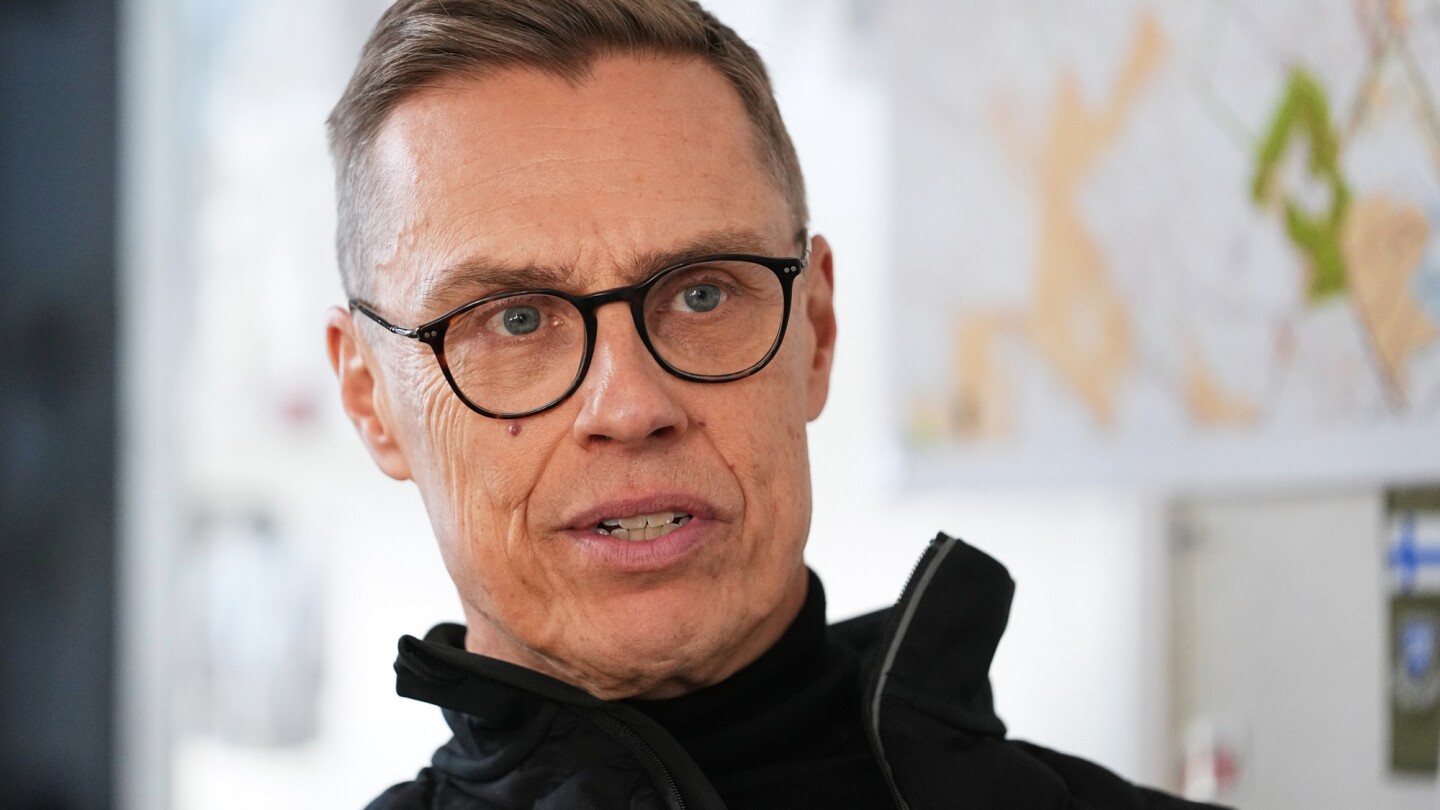
Finland’s president urges Europe to hold its nerve as he warns no ceasefire likely soon in Ukraine
In a recent interview with The Associated Press, Finnish President Alexander Stubb emphasized that a ceasefire in Ukraine is unlikely before spring, urging European allies to maintain their support despite a corruption scandal in Kyiv. Stubb highlighted the need for ‘sisu’—a Finnish term embodying endurance, resilience, and grit—to navigate the winter months as Russia continues its hybrid attacks and information warfare across Europe. As a key mediator between U.S. President Donald Trump and Ukrainian President Volodymyr Zelenskyy, Stubb leverages his unique position to advocate for Ukraine. Finland, which shares a 1,340-kilometer border with Russia, reversed its long-standing military neutrality after Russia’s full-scale invasion of Ukraine, joining NATO in response. Stubb stressed the importance of addressing Ukraine’s security guarantees, economic recovery, and territorial claims to achieve peace. He also praised Trump’s sanctions on Russian energy companies but called for further military support to Ukraine. Stubb warned that Russia’s destabilizing tactics in Europe, including drone incursions and sabotage campaigns, require a calm and resilient response. He underscored the necessity of international pressure on Russian President Vladimir Putin to alter his strategic objectives, which continue to threaten Ukraine’s sovereignty.