作者: admin

  • India budget 2026-27: What NRIs, investors and taxpayers can expect

    India budget 2026-27: What NRIs, investors and taxpayers can expect

    Finance Minister Nirmala Sitharaman prepares to present India’s Union Budget 2026-27 on February 1, marking her ninth consecutive fiscal presentation and the third comprehensive budget under the NDA 3.0 government. This budget emerges against a complex backdrop of resilient economic growth projections, global trade volatility, and heightened expectations from both domestic and international stakeholders.

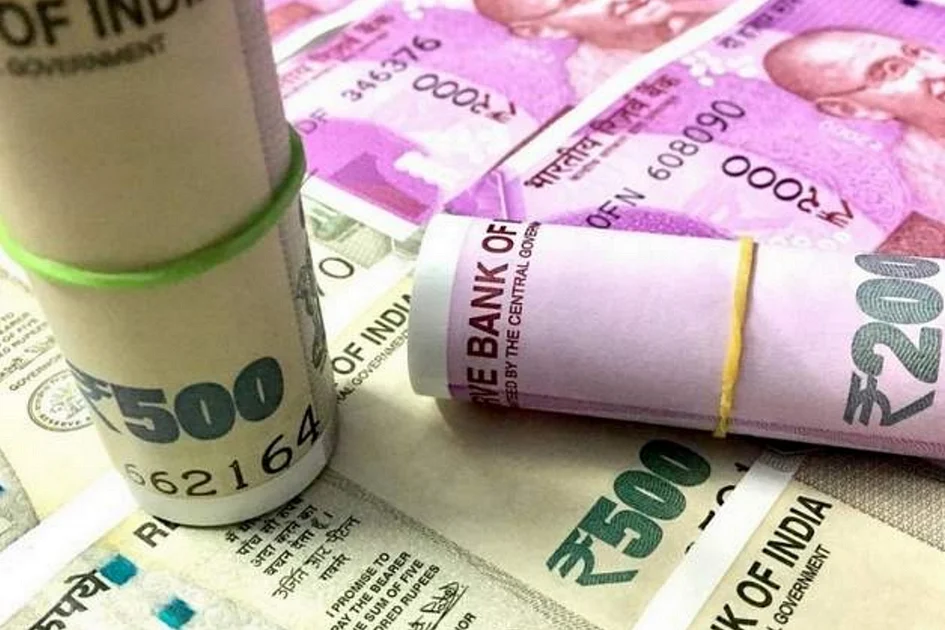
    India’s economy demonstrates remarkable momentum with a projected 7.4% growth rate for the current fiscal year, positioning the nation to potentially surpass Germany as the world’s third-largest economy by 2027-28. However, slowing nominal GDP growth to approximately 8%—the weakest in five years—creates tension between fiscal consolidation objectives and growth-oriented expenditure requirements.

    Key stakeholder groups anticipate targeted interventions:

    Non-Resident Indians seek clarity on overseas income taxation, streamlined reporting mechanisms, and enhanced repatriation procedures. With India receiving over $125 billion in annual remittances, these reforms could strengthen foreign exchange stability while encouraging greater investment participation from the diaspora community.

    Domestic taxpayers expect further refinements to the new tax regime following last year’s landmark reform that established tax-free status for annual incomes up to ₹1.2 million. Potential adjustments include expanded deduction frameworks, surcharge rationalization for high earners, and simplified capital gains structures.

    Investment communities prioritize policy continuity and regulatory predictability amid recent market corrections. Equity investors seek assurance regarding stable taxation frameworks, while analysts emphasize the importance of maintaining fiscal discipline and macroeconomic stability.

    The startup ecosystem advocates for enhanced deep-tech and artificial intelligence incentives, including improved R&D tax credits, reduced cloud infrastructure costs, and simplified ESOP taxation. Industry leaders emphasize the need for clearer GST treatment for SaaS exports and reduced compliance burdens that currently drive overseas incorporation.

    Infrastructure development remains central to India’s growth strategy, with experts calling for improved project execution models and revised funding mechanisms. The real estate sector seeks increased urban housing allocations and GST rationalization for under-construction properties to address supply constraints in emerging cities.

    Energy independence emerges as a critical theme, with industry proponents urging comprehensive tax rationalization across the oil and gas value chain. The electric vehicle sector anticipates recalibrated incentive schemes and strengthened domestic manufacturing support to reduce import dependency.

    Agricultural stakeholders emphasize implementation acceleration for previously announced initiatives, including credit schemes and productivity missions, recognizing that nearly half of India’s workforce depends on this sector for livelihood.

    Market analysts will ultimately judge the budget’s effectiveness based on credible fiscal consolidation pathways, borrowing strategy transparency, and targeted growth expenditure allocations, with particular attention to how the government balances household relief measures with long-term infrastructure priorities.
  • Winter in UAE: RAK Police issue reminder on camping rules, safety measures

    Winter in UAE: RAK Police issue reminder on camping rules, safety measures

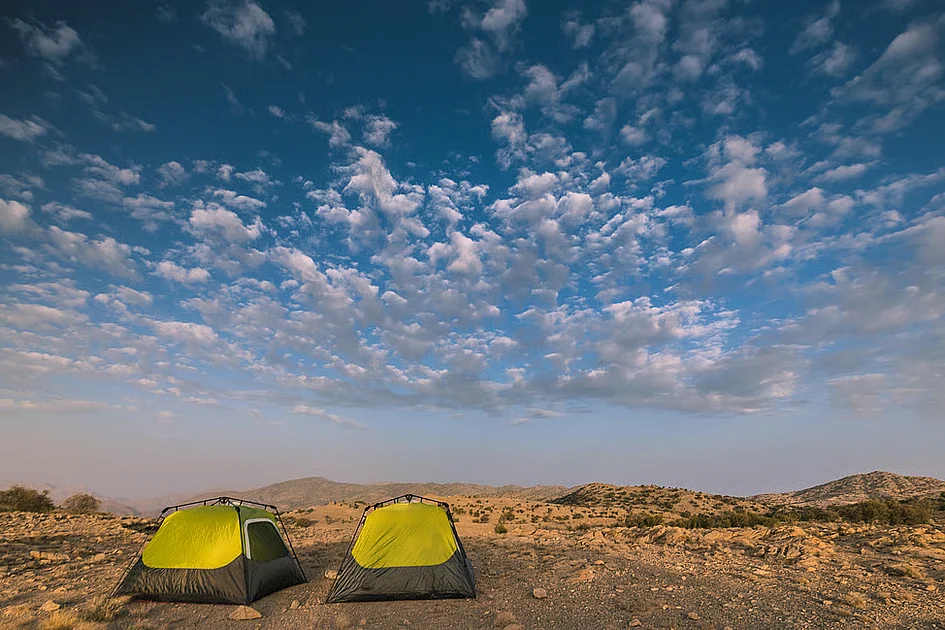
    With the UAE experiencing its annual cool weather period, residents are flocking to outdoor recreational sites, particularly the mountainous regions of Ras Al Khaimah. This seasonal migration has prompted Ras Al Khaimah Police to issue comprehensive safety guidelines for campers seeking to enjoy the emirate’s natural landscapes.

    The law enforcement authority emphasizes the dual importance of environmental respect and personal safety during camping activities. Key regulations mandate that visitors minimize noise pollution to maintain peaceful conditions for all families, maintain safe driving distances between vehicles, and require helmet usage for all cycling activities. Additional directives prohibit stopping on trails and children leaning out of vehicle windows to prevent accidents.

    For vehicular safety, drivers must activate hazard lights in appropriate conditions and reduce speeds near populated camping areas. These measures form part of a broader initiative to ensure all visitors can enjoy Ras Al Khaimah’s natural attractions without compromising safety standards.

    The police department maintains adaptive response protocols for changing weather conditions, particularly during occasional rainfall periods. During unstable weather, authorities publicly advise against visiting valleys and mountainous areas, with specific warnings to avoid flood-prone zones and flowing water channels. Motorists receive instructions to reduce speeds and adhere to official directives during adverse conditions.

    These coordinated efforts represent Ras Al Khaimah’s commitment to balancing tourism promotion with comprehensive safety management, ensuring the emirate remains a premier destination for winter recreational activities while prioritizing visitor protection.

  • Direct high-speed trains now connect Beijing with Xiong’an

    Direct high-speed trains now connect Beijing with Xiong’an

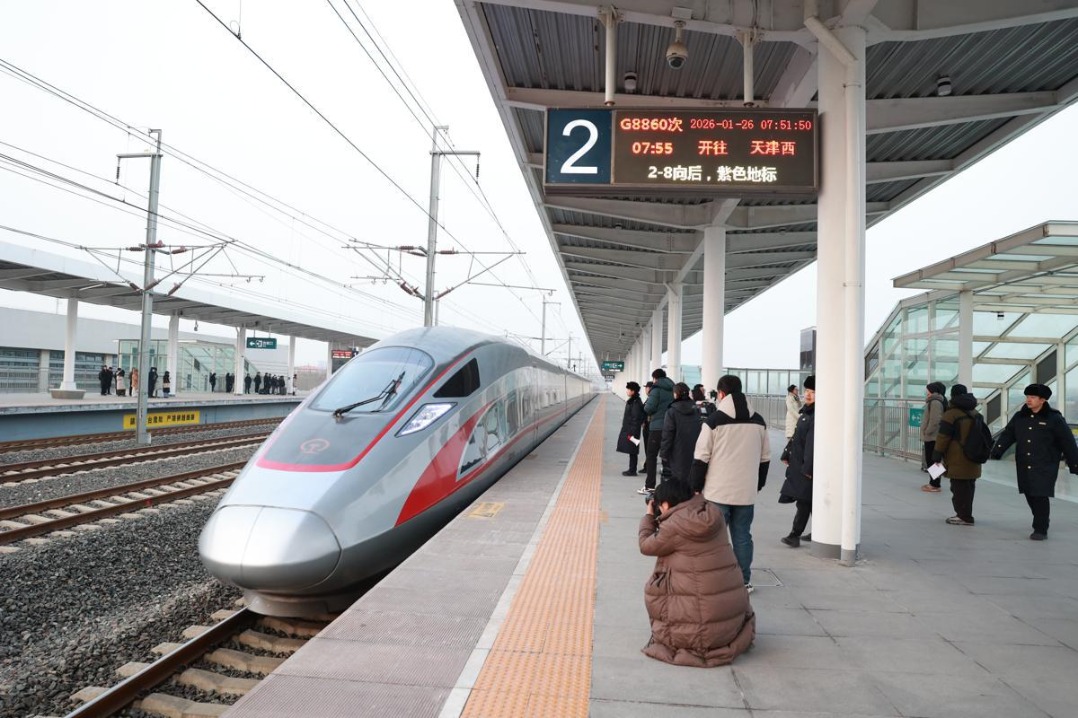
    A significant transportation milestone has been achieved in northern China with the inauguration of direct high-speed rail services connecting Beijing to Xiong’an New Area. The newly established route links Beijing West Railway Station directly to Baiyangdian Railway Station in Hebei province’s Xiong’an, marking the completion of an integrated high-speed rail network throughout the Beijing-Tianjin-Hebei region.

    This development comes as part of a comprehensive national railway schedule revision implemented on Monday, which introduced four additional services specifically serving Baiyangdian Station while optimizing the timetables of 24 existing train routes. China Railway Beijing Group, the regional operator, confirmed these operational enhancements that significantly improve regional connectivity.

    The strategic connection represents more than mere transportation infrastructure—it symbolizes the accelerated development of Xiong’an New Area as a key component of China’s regional integration strategy. The high-speed link substantially reduces travel time between the national capital and the emerging economic zone, facilitating business commuting, tourism, and economic exchange across the region.

    Passengers were documented boarding the inaugural services from Baiyangdian Railway Station to Tianjin West Railway Station on Monday morning, experiencing firsthand the improved connectivity. The integration demonstrates China’s continued commitment to advancing its railway infrastructure and promoting coordinated regional development through enhanced transportation networks.

  • Europe’s rising diversity is not reflected at the Winter Olympics. Culture plays a big role

    Europe’s rising diversity is not reflected at the Winter Olympics. Culture plays a big role

    In the snow-covered landscapes of northern Sweden, Maryan Hashi’s journey from feeling like an “alien” on ski slopes to becoming an advocate for winter sports integration represents a powerful narrative of cultural adaptation. The 30-year-old Somali student initially confronted overwhelming self-doubt when she first attempted snowboarding near her Skelleftea home, questioning everything from her attire to her technique as a Black woman in a predominantly white environment.

    Her perseverance transformed snowboarding from an unfamiliar activity into a profound passion that significantly enhanced her integration into Swedish society. Hashi’s experience highlights a broader demographic reality: while approximately 20% of Sweden’s 10 million residents are foreign-born—with about half originating from Asia or Africa—this diversity remains strikingly absent from winter sports arenas.

    The Milan Cortina Winter Olympics roster exemplifies this disparity, with Sweden’s team consisting almost exclusively of ethnically Swedish athletes. NHL player Mika Zibanejad, whose father is from Iran, stands as a rare exception. This homogeneity persists across European winter sports nations including France, Germany, and Switzerland, despite their increasingly diverse populations.

    Researchers identify multiple barriers preventing immigrant participation, including social unfamiliarity, financial constraints, and geographical limitations. Professor Josef Fahlen of Umea University emphasizes that parental influence plays a crucial role in sports participation, noting that children of non-European immigrants are unlikely to encounter sports unfamiliar to their parents.

    Financial accessibility remains another significant hurdle, with equipment rentals, clothing, travel expenses, and slope passes creating substantial economic barriers. While Sweden’s ski federation promotes inclusion through programs like “Alla På Snö” (Everyone On Snow)—reaching approximately 30,000 children annually with free equipment and slope access—and the Leisure Bank project offering free sports equipment rentals, these initiatives don’t specifically target immigrant communities.

    Hashi, who now teaches snowboarding to skeptical immigrant friends and children, advocates for targeted outreach: “Open the door for us. We’re going to take care of the next generation for you.” Her story underscores the transformative potential of winter sports as an integration tool while highlighting the need for systematic changes to make these activities truly accessible to Sweden’s diverse population.

  • Columbia taps University of Wisconsin chancellor to lead school after 2 years of turmoil

    Columbia taps University of Wisconsin chancellor to lead school after 2 years of turmoil

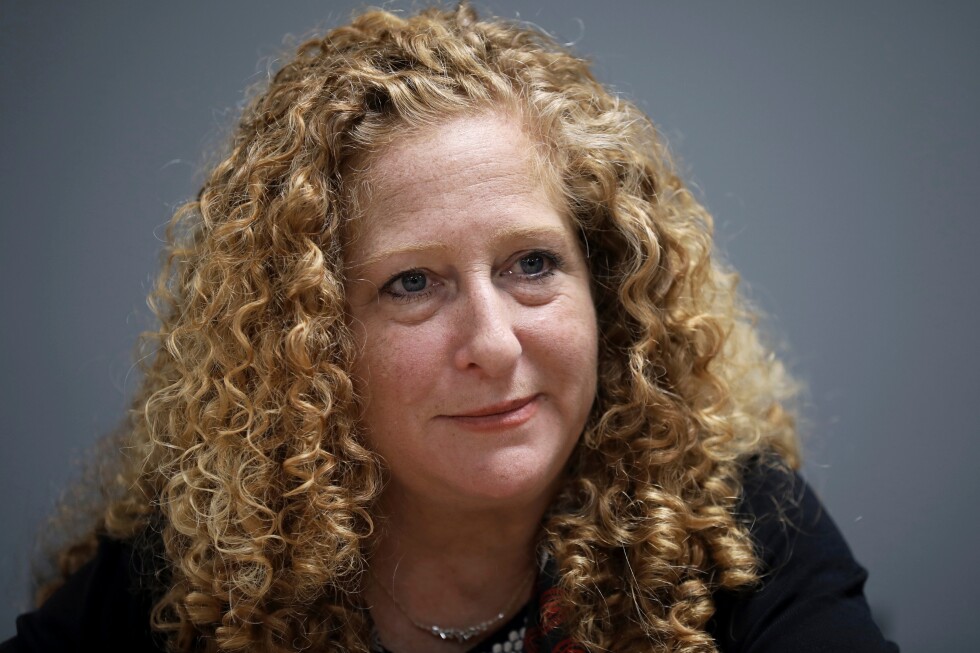
    Columbia University has selected Jennifer Mnookin, currently serving as chancellor of the University of Wisconsin-Madison, to assume its presidential leadership effective July 1. This appointment marks a strategic move by the Ivy League institution to navigate beyond a period of significant disruption spanning the past two years.

    The university’s presidency has experienced considerable instability, with Mnookin becoming the fifth individual to hold this position within just four years. Her predecessor, Nemat Shafik, resigned in August 2024 following intense scrutiny of her administration’s handling of campus protests and deepening divisions within the university community.

    Columbia’s recent challenges have been substantially influenced by federal intervention during the Trump administration. Shortly after assuming office last year, the administration targeted Columbia as the initial focus of a broader campaign to reshape protest policies, admission criteria, and academic curricula at elite American universities.

    Federal authorities took severe measures against student activists, including the imprisonment of participants in pro-Palestinian demonstrations during 2024. The administration additionally canceled $400 million in research grants allocated to the university and its affiliated hospital network, citing concerns about combating antisemitism on campus. Further financial threats involved potentially withholding billions in government support.

    These pressures culminated in a settlement agreement wherein Columbia consented to pay over $220 million to reinstate research funding. The university also committed to restructuring its student disciplinary procedures and implementing a federally endorsed definition of antisemitism across both academic instruction and disciplinary committees investigating students critical of Israeli policies.

    Mnookin brings substantial academic leadership experience to her new role, having previously served as dean of UCLA School of Law before assuming her current position at Wisconsin-Madison in August 2022. She holds an undergraduate degree from Harvard University, a law degree from Yale Law School, and a doctorate in the history and social study of science and technology from MIT.

  • 2026 is set to reinforce India’s position as a future-ready real estate market

    2026 is set to reinforce India’s position as a future-ready real estate market

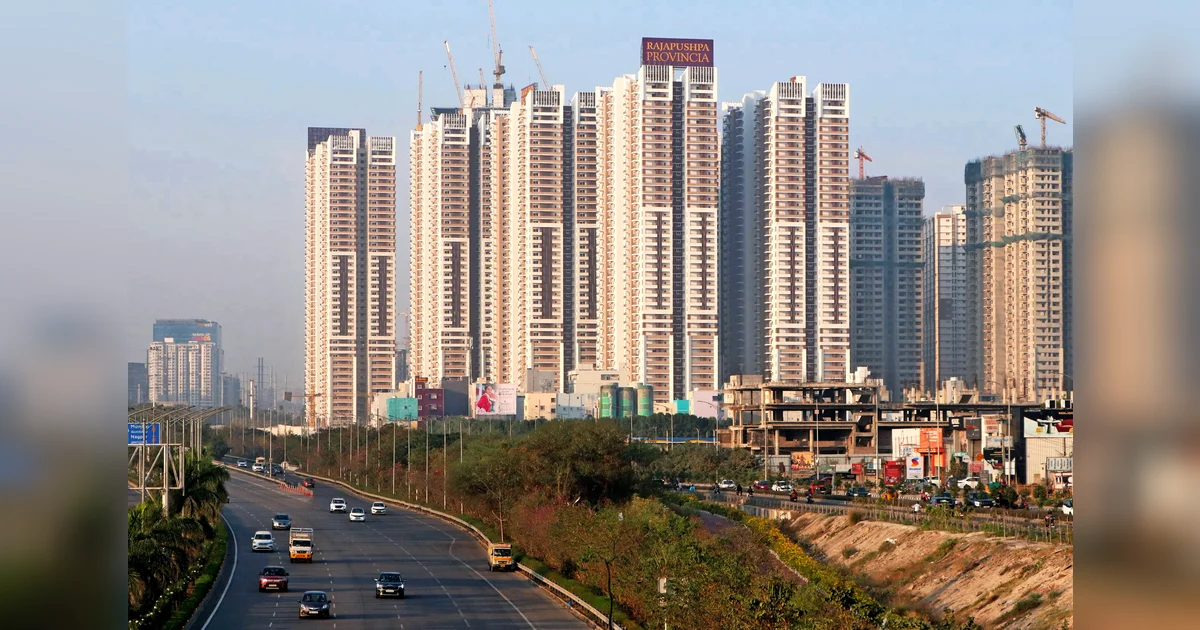
    India’s real estate market is positioned for unprecedented expansion throughout 2026, with comprehensive analyses indicating the sector’s trajectory toward achieving $1 trillion in valuation by 2030. This remarkable growth narrative is underpinned by multiple structural drivers including robust domestic consumption patterns, sustained occupier activities, and strengthening investor confidence across all asset classes.

    Industry specialists from leading consultancies Colliers India and Cushman & Wakefield identify several transformative forces reshaping the market landscape. Urbanization acceleration, demographic advantages with a median age of 30 years, rising disposable incomes, and infrastructure modernization are creating synergistic growth conditions. The residential segment demonstrates particular vigor, maintaining annual sales between 300,000-400,000 units in the post-pandemic recovery phase, with this momentum expected to intensify throughout 2026.

    Commercial real estate exhibits parallel robustness, driven by evolving workplace strategies and enhanced connectivity infrastructure. The industrial and warehousing segment anticipates accelerated demand as manufacturing capabilities expand and supply chains undergo technological modernization. Simultaneously, alternative asset classes including data centers, co-living spaces, and senior living facilities are attracting increased institutional investment attention.

    Market segmentation analysis reveals the mid-segment housing category maintains dominance with 52% market share over recent quarters, while luxury and high-end properties show sustained growth potential fueled by non-resident Indian investment and evolving lifestyle aspirations. Residential pricing structures have demonstrated approximately 57% appreciation in recent years, partially influenced by premium project launches altering overall market composition.

    The institutional investment landscape is transforming through democratized access vehicles including Real Estate Investment Trusts (REITs), small and medium REITs, Infrastructure Investment Trusts (InvITs), and Alternative Investment Funds (AIFs). Concurrently, environmental, social, and governance (ESG) considerations are becoming fundamental to development strategies, with green construction methodologies, energy-efficient materials, and climate-resilient communities gaining significant traction.

    According to Badal Yagnik, Chief Executive Officer of Colliers India, ‘2026 will reinforce India’s position as a future-ready, globally competitive real estate market. The convergence of technological integration, sustainability imperatives, and institutional maturity creates an unparalleled growth ecosystem that transcends traditional real estate paradigms.’

    This comprehensive market evolution establishes India’s property sector as a multifaceted growth engine, characterized by deepening asset class diversification, technological adoption, and institutional sophistication that collectively support its journey toward trillion-dollar valuation.

  • Fathima Healthcare Group UAE: Building an Inclusive Healthcare Ecosystem

    Fathima Healthcare Group UAE: Building an Inclusive Healthcare Ecosystem

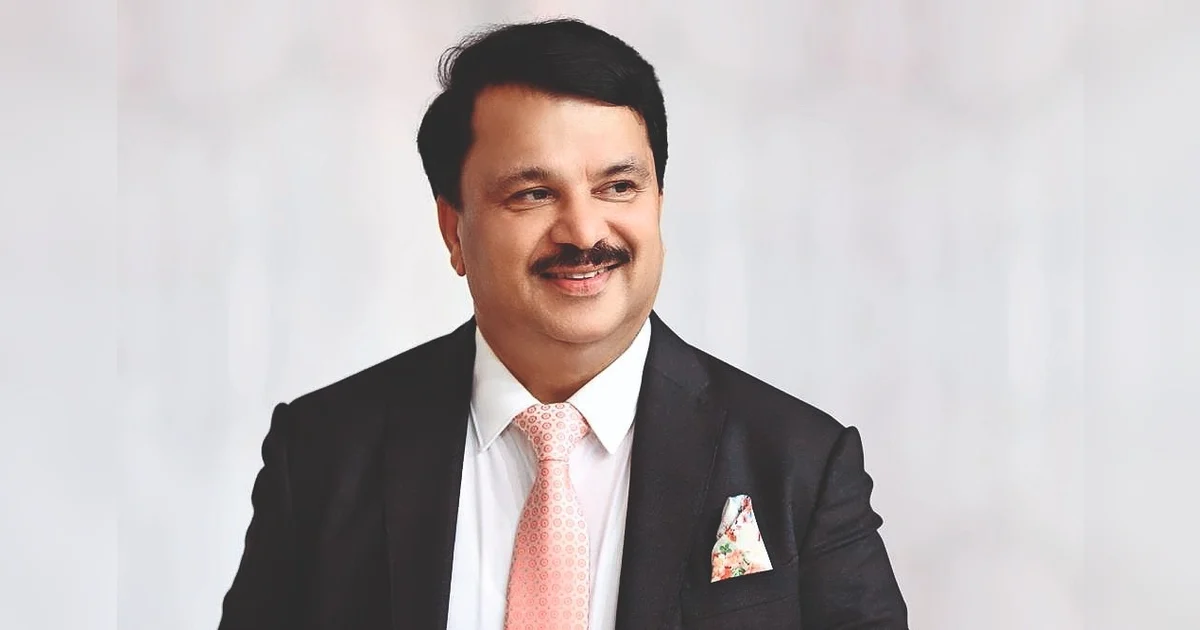
    Fathima Healthcare Group UAE is revolutionizing healthcare accessibility through digital innovation and strategic partnerships, with Founder Chairman Dr. K.P. Hussain outlining the organization’s transformative vision for inclusive medical services. The initiative, operating under FMC Network’s mission of “Cost-effective, Comprehensive and Affordable Healthcare for All,” has dramatically expanded coverage to over 8 million UAE expatriates since its late 1990s inception.

    The organization’s breakthrough approach emerged from Dr. Hussain’s firsthand observations of healthcare access challenges among blue-collar and low-income expatriate communities. Through extensive market research and actuarial analysis, FMC Network successfully challenged conventional cost assumptions, enabling insurers and corporations to extend coverage while maintaining sustainable risk models.

    Technological innovation forms the cornerstone of FMC Network’s transformation strategy. The implementation of automated, rule-based adjudication systems has significantly reduced processing times while minimizing manual intervention. The organization has pioneered teleconsultation services that provide remote medical access, reducing unnecessary outpatient visits and enabling early intervention.

    Centralized digital platforms now integrate hospitals, clinics, and pharmacies, facilitating standardized pricing and electronic billing. The FMC Network mobile application offers real-time access to policy benefits, pre-authorization tracking, and multilingual support specifically designed for diverse user demographics.

    Looking ahead, FMC Network’s five-year vision emphasizes AI-driven claims adjudication, predictive analytics, and expanded inclusive healthcare programs. A landmark collaboration with Jamia Hamdard University will establish an off-campus facility in Dubai, further strengthening the group’s educational and healthcare infrastructure.

    As Republic Day 2026 approaches, FMC Network reaffirms its commitment to the Indian expatriate community through wellness sessions and medical camps focused on preventive healthcare and early detection initiatives.

  • Building an education destination for non-resident Indians

    Building an education destination for non-resident Indians

    The southern Indian city of Coimbatore has undergone a remarkable transformation from its industrial roots to become a leading destination for higher education, particularly attracting Non-Resident Indian families from Gulf regions. This evolution stems from the city’s unique combination of robust industry presence, academic excellence, and exceptional quality of life that creates an ideal ecosystem for globally-relevant education.

    Central to Coimbatore’s educational appeal is its strong integration with thriving engineering, manufacturing, healthcare, IT, and emerging deep-tech sectors. This industrial connectivity provides students with unparalleled opportunities for industry-linked learning, applied research, and practical problem-solving experiences. The city offers academic distinction within a culturally grounded, safe environment without the excessive pressures and costs associated with larger metropolitan centers.

    For Gulf-based NRI families, Coimbatore presents particular advantages including cultural familiarity, English-medium instruction, robust infrastructure, and strong academic outcomes that ease the transition from overseas schooling to Indian higher education. The city delivers global standards and employability while maintaining affordability and traditional values that resonate with international Indian families.

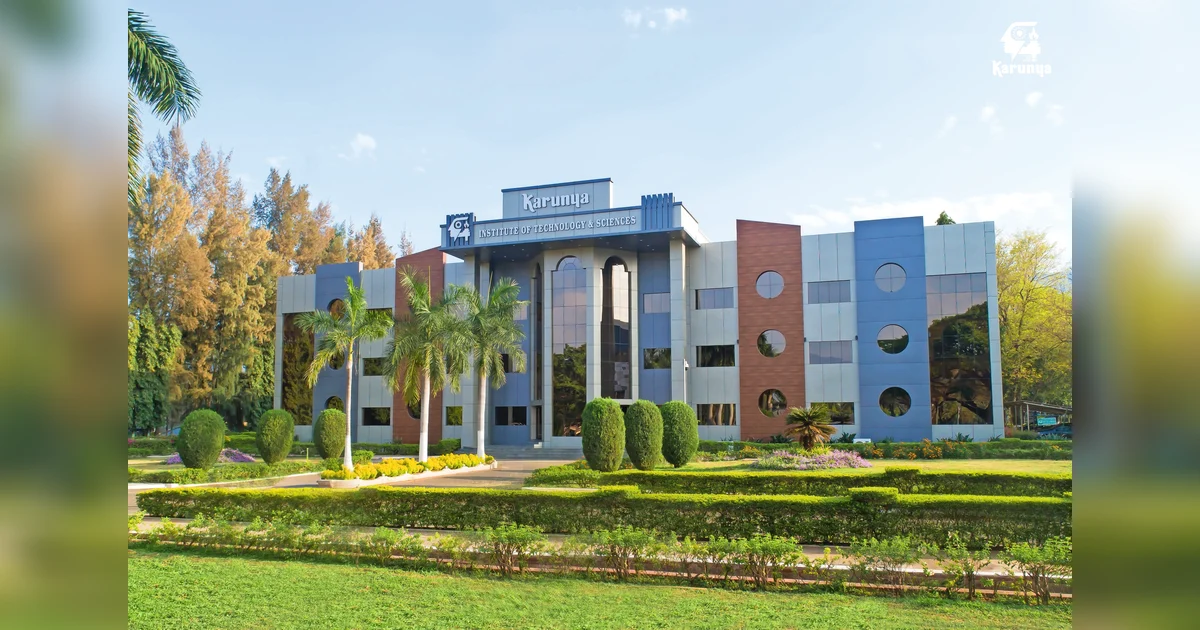
    Karunya University stands at the forefront of this educational transformation, having established itself as a benchmark for private higher education in South India. The institution’s impressive credentials include NAAC A++ accreditation, UGC Category 1 status, QS I-GAUGE Platinum rating, and recognition in the Times Higher Education World University Rankings 2025. These accolades reflect sustained investments in research infrastructure, faculty development, and global engagement initiatives.

    The university’s industry-integrated programs represent a significant draw for international students. Notable collaborations include B.Tech in Computer Science with Google, Robotics and Automation with FESTO, MBA integrated with Zoho, Energy Science with AMARON, and Biomedical Engineering with Phoenix Medical Systems. These partnerships ensure academic learning remains aligned with real-world market requirements.

    Financial accessibility is enhanced through scholarship programs offering up to 70% support for eligible NRI students, complemented by structured assistance for accommodation, mentorship, and visa processing. This combination of affordability and credibility creates a compelling proposition for international families.

    Beyond teaching excellence, Karunya has established itself as a research-intensive institution, securing over ₹600 million in funded projects from prestigious agencies including DST, DRDO, ISRO, DBT, and ICMR. Research focuses address critical global challenges through advanced AI, robotics, renewable energy, water sustainability, biomedical innovation, and precision agriculture.

    The university’s technological infrastructure includes an Nvidia DGX Supercomputer supporting advanced AI and deep learning research. Centers of Excellence with industry leaders such as Siemens, IBM, Nvidia, CISCO, Microsoft, and Novell bridge theoretical knowledge with practical application.

    Karunya’s research initiatives have generated substantial societal impact through collaborations with international partners. These include developing desalination and wastewater treatment systems with Ben-Gurion University and SUEZ India, creating AI-based assistive technologies for the visually impaired in partnership with Harvard Medical School, and designing precision farming solutions with Israel’s Agricultural Research Organization.

    Global engagement forms a core component of Karunya’s educational philosophy. The university maintains active collaborations with prestigious institutions worldwide including Technion and Hebrew University in Israel, RWTH Aachen in Germany, University of Wisconsin Milwaukee, and numerous partners across Europe, North America, Asia, and Australia. Students benefit from semester-abroad programs, international internships, joint research opportunities, and academic exchanges spanning more than 90 countries.

    While maintaining a 100% placement record across all departments, Karunya measures success beyond conventional employment metrics. The university’s comprehensive incubation ecosystem—comprising the Karunya Technology Business Incubation Park (K-TBIP), Karunya Incubation Foundation (KIF), and Karunya Innovation Design Studio (KIDS)—supports student startups, patent development, and entrepreneurial ventures. This approach cultivates not just employable graduates but ethical innovators and change-makers prepared for global leadership roles.

  • Rain, patriotic songs, and tricolour: UAE’s Indian community marks 77th Republic Day

    Rain, patriotic songs, and tricolour: UAE’s Indian community marks 77th Republic Day

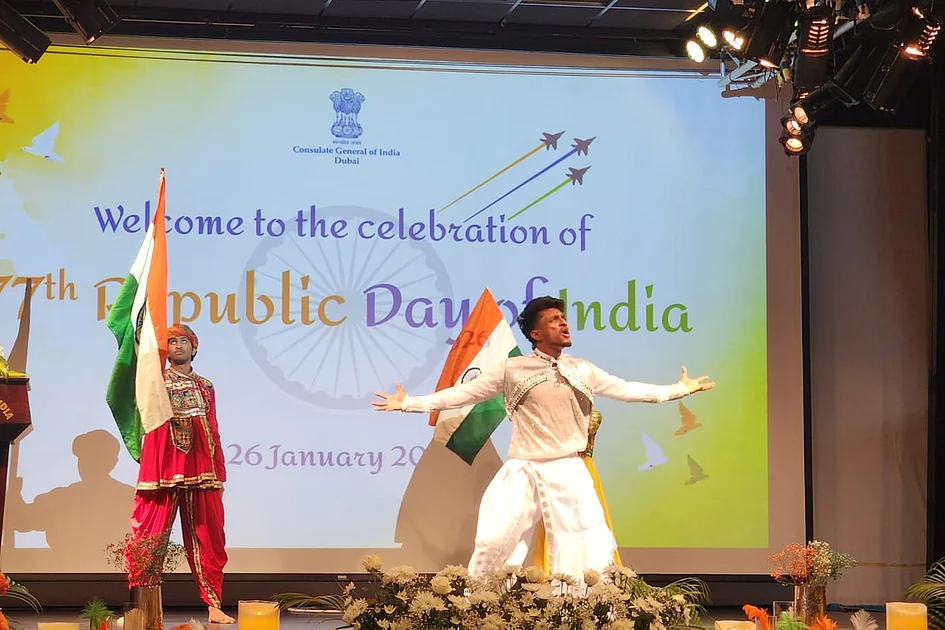
    Under steady morning rainfall on the first working day of the week, hundreds of Indian expatriates gathered at the Indian Consulate in Dubai to commemorate India’s 77th Republic Day. Families with children arrived early, carrying national flags, demonstrating unwavering patriotic spirit despite weather challenges.

    At precisely 7:15 AM, Consul General of India in Dubai Satish Kumar Sivan hoisted the Indian tricolor flag while community members observed respectfully—some recording the moment, others watching with folded hands in contemplative silence. Parallel ceremonies occurred at the Indian Embassy in Abu Dhabi, followed by cultural programs honoring freedom fighters with special tributes to Dr. BR Ambedkar, architect of the Indian Constitution.

    Consul General Sivan highlighted significant milestones in India-UAE relations, noting bilateral trade has exceeded $100 billion in 2025-26. “These gains represent jobs created, products traded, markets expanded, and livelihoods transformed,” he emphasized, adding both nations have agreed to double trade volumes by 2032. He referenced recent agreements in energy, defense, space, and digital infrastructure following UAE President Sheikh Mohamed bin Zayed Al Nahyan’s visit, characterizing the relationship as “co-creating a future shaped by innovation, resilience, and mutual prosperity.”

    Beyond diplomatic achievements, the event held profound personal significance for participants. Sixteen-year-old Harsvartha Sathiskumar from the Just Dance team expressed performing instilled national pride, while first-time performer Ashil D’Souza, 20, described the emotional experience of representing different Indian states through dance. Sahil, a dance instructor with 15 years experience, noted how patriotic songs evoked deep emotions among expatriates living away from their homeland.

    Not all planned performances proceeded smoothly. JaiChitra Parasuraman, Manager at Just Dance, reported a student group traveling from Ajman encountered a minor vehicle accident that delayed their arrival, preventing them from performing after nearly a month of preparation.

    Across the UAE, Indian educational institutions celebrated with equal enthusiasm. The Indian High Group of Schools integrated themes of Aatmanirbhar Bharat and the 150th anniversary of Vande Mataram, involving over 7,000 students and 15,000 parents and guests—reportedly among the largest Republic Day events organized outside India. Shining Star International School conducted special assemblies, classroom viewings of the Delhi parade, and educational skits titled ‘Guru Versus Google.’

  • Rushdie warns of political violence as he recounts his attack

    Rushdie warns of political violence as he recounts his attack

    Author Salman Rushdie delivered a sobering warning about escalating political violence in the United States during the Sundance Film Festival premiere of “Knife: The Attempted Murder of Salman Rushdie” on Sunday. The documentary, directed by Alex Gibney, serves as a cinematic companion to Rushdie’s memoir detailing the horrific 2022 attack that left him blind in one eye and with permanent injuries.

    Rushdie characterized his near-fatal stabbing as symptomatic of broader societal dangers, stating that ‘everybody’s in danger now’ in America’s increasingly volatile climate. His comments coincided with recent fatal shootings of protesters by federal agents and an assault on Congressman Maxwell Frost at the same festival.

    The film incorporates graphic footage of the Chautauqua, New York attack where 24-year-old Hadi Matar stabbed Rushdie 15 times on stage. It also explores the historical context of the 1989 fatwa issued by Iran’s Ayatollah Khomeini, which forced Rushdie into decade-long hiding after declaring his novel ‘The Satanic Verses’ blasphemous.

    Rushdie connected his personal ordeal to wider patterns of authoritarian violence targeting cultural institutions. ‘For the authoritarian, culture is the enemy,’ he observed, citing current attacks on journalism, universities, and literature through book bans and rhetorical assaults. The author specifically referenced the Trump administration’s crackdown on higher education and immigration enforcement operations that have resulted in civilian casualties.

    Despite the documentary’s original focus on his personal trauma, Rushdie acknowledged its unintended relevance to contemporary political tensions. ‘I’m now beginning to think that maybe the film is here at a kind of apposite moment,’ he noted, suggesting that all citizens now face similar risks of ideological violence.

    Hadi Matar, sentenced to 25 years for the attack, admitted to barely reading Rushdie’s controversial work while claiming the author had ‘attacked Islam.’ The documentary juxtaposes this limited engagement with the profound consequences it inspired, examining how political manipulation transforms cultural disagreements into violent acts.

    The Sundance screening occurred against a backdrop of heightened security concerns, reflecting the very dangers Rushdie described in his warning about America’s deteriorating civic landscape.