作者: admin

  • Paramount launches rival bid for Warner Brothers Discovery

    Paramount launches rival bid for Warner Brothers Discovery

    In a dramatic escalation of the streaming wars, Paramount Skydance has launched a direct counter-offer to acquire Warner Bros Discovery, challenging Netflix’s previously announced bid. Backed by the billionaire Ellison family, Paramount is proposing a $30-per-share cash offer directly to shareholders, valuing the entire company at approximately $108.4 billion.

    The move positions Paramount’s proposal as a ‘superior alternative’ to Netflix’s $83 billion offer, which specifically targets Warner’s studio assets and streaming networks including HBO. Paramount emphasizes that its bid delivers more immediate cash to shareholders and presents a clearer path to regulatory approval—a significant consideration given growing antitrust concerns.

    Political dimensions entered the corporate battle as President Donald Trump expressed reservations about Netflix’s potential acquisition, stating ‘there could be a problem’ with competition implications. Paramount CEO David Ellison amplified these concerns in a CNBC interview, characterizing Netflix’s bid as ‘anti-competitive’ and warning that it would grant the streaming giant excessive control over industry talent and distribution channels.

    ‘It’s a horrible deal for Hollywood,’ Ellison asserted, revealing he has held ‘great conversations’ with Trump regarding competition policy. The Paramount executive simultaneously criticized Warner’s planned spin-off of non-core assets as part of the Netflix deal, predicting the separated entities would struggle independently and diminish shareholder value.

    Despite both Netflix and Warner Bros Discovery boards endorsing the original acquisition framework on Friday, Paramount’s aggressive counterbid—coupled with regulatory headwinds—introduces substantial uncertainty into what would represent one of the largest media consolidations in history.

  • How much have Europe and the US given to Ukraine?

    How much have Europe and the US given to Ukraine?

    London recently hosted high-level discussions concerning the ongoing war in Ukraine, with the leaders of the United Kingdom, France, and Germany reiterating their steadfast support for President Volodymyr Zelensky. Concurrently, US President Donald Trump expressed disappointment that President Zelensky had not reviewed his newest proposition to terminate the hostilities.

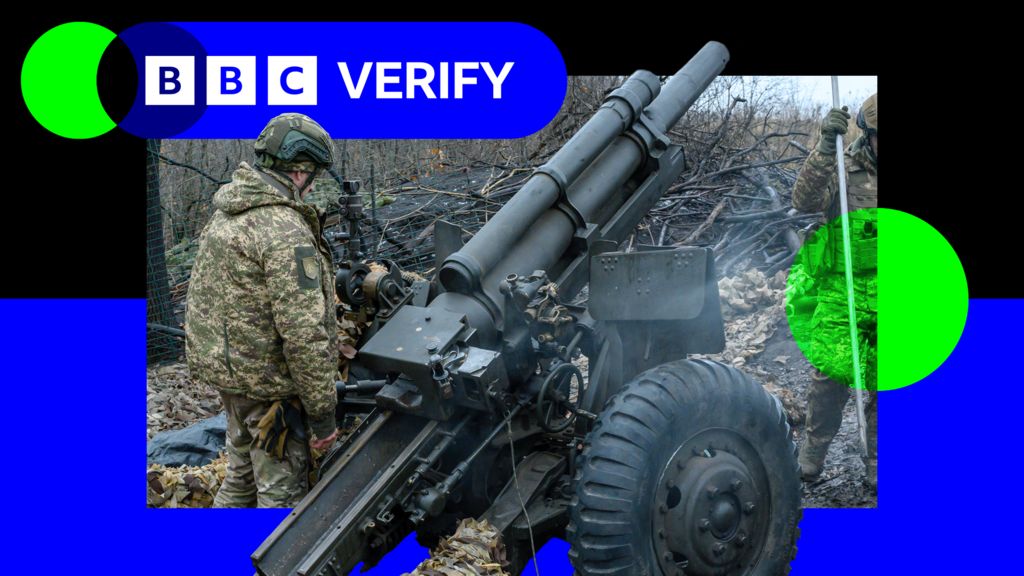
    President Trump has historically criticized European nations for their perceived insufficient contributions to Ukraine, frequently contrasting them with American expenditures. BBC Verify has undertaken a detailed examination of the financial support provided by both Europe and the United States since Russia’s full-scale invasion began in February 2022.

    According to data from the Germany-based Kiel Institute, which meticulously tracks international aid to Ukraine, the United States allocated a total of $130.6 billion between January 24, 2022, and August 31, 2025. Alternatively, the US government cites a broader figure of $187 billion appropriated for Operation Atlantic Resolve—a comprehensive response encompassing military training in Europe and the replenishment of US defense stocks—though this data only runs through June 2025.

    In July, President Trump unveiled a new strategy requiring NATO allies to purchase US weaponry for subsequent transfer to Ukraine. During a February meeting with French President Emmanuel Macron, Trump asserted, “We’ve spent more than $300bn and Europe has spent about $100bn—that’s a big difference.” BBC Verify’s analysis at the time determined these figures were inaccurate, a conclusion that remains valid ten months later.

    The Kiel Institute’s calculations reveal that while the US is indeed the largest single-nation donor, European countries collectively have committed more substantial resources. Europe’s total contribution reached $201.7 billion during the same period, surpassing US expenditures by a significant margin. This European aid comprises direct EU support alongside bilateral agreements from both member and non-member states, covering military, financial, and humanitarian assistance.

    The composition of aid has emerged as another point of transatlantic divergence. President Trump previously suggested European contributions were primarily loans that would be repaid, prompting President Macron to clarify that both Europe and the US provided a combination of grants and loans. Kiel Institute data confirms Macron’s statement, though it also indicates the US has delivered more grants while the EU has extended more loans.

    The EU reports its members have provided approximately $197 billion as of November 19, with loans constituting 35% of this total. These loans feature highly favorable terms for Ukraine, with reduced interest rates and, in certain cases, repayments funded through revenues from frozen Russian assets.

    Regarding individual European contributors, the United Kingdom ranks as one of the most significant national donors with $21.2 billion in verified support, though the UK government references a higher figure of $29 billion that includes future commitments. Only the United States and Germany have provided more substantial aid packages according to Kiel data, though both European nations’ contributions remain substantially smaller than America’s singular contribution.

  • UN chief concerned by attempted coup in Benin

    UN chief concerned by attempted coup in Benin

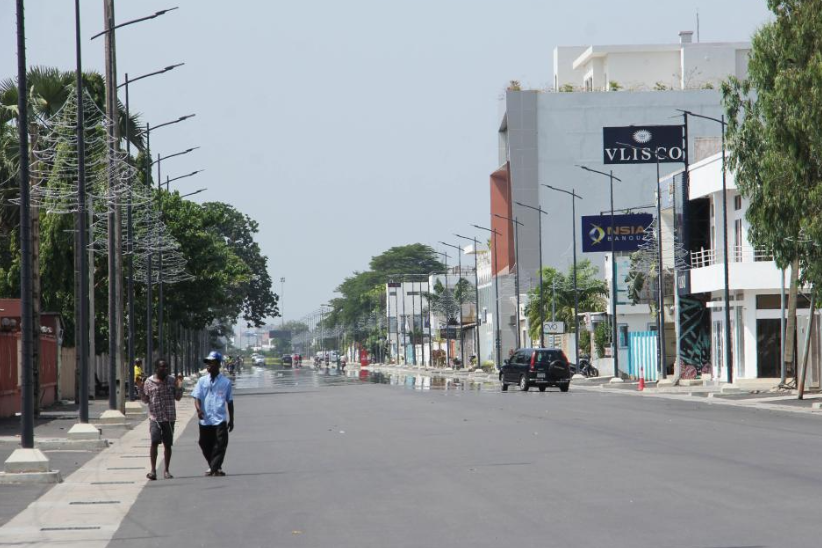
    United Nations Secretary-General Antonio Guterres has expressed profound concern regarding an attempted unconstitutional seizure of power in the West African nation of Benin. The UN chief’s spokesperson, Stephane Dujarric, issued an official statement on Sunday condemning the destabilizing actions that threatened democratic governance in the country.

    Guterres emphasized the critical importance of maintaining constitutional order and the rule of law in Benin, warning that such attempts to undermine democratic institutions could have far-reaching consequences for regional stability throughout West Africa. The Secretary-General’s statement called for immediate respect for Benin’s constitutional framework and democratic processes.

    In a related development, Benin’s Minister of Interior and Public Security, Alassane Seidou, confirmed that national armed forces successfully thwarted an attempted mutiny designed to destabilize the state and its governing institutions. The coordinated response by security forces prevented what could have escalated into a full-scale political crisis.

    The attempted coup comes amid growing concerns about democratic backsliding in several West African nations, where military takeovers have recently occurred in neighboring countries. Benin, once celebrated as a model of democratic stability in the region, now faces heightened security tensions following this destabilizing attempt to seize power unconstitutionally.

  • New mpox strain identified in England

    New mpox strain identified in England

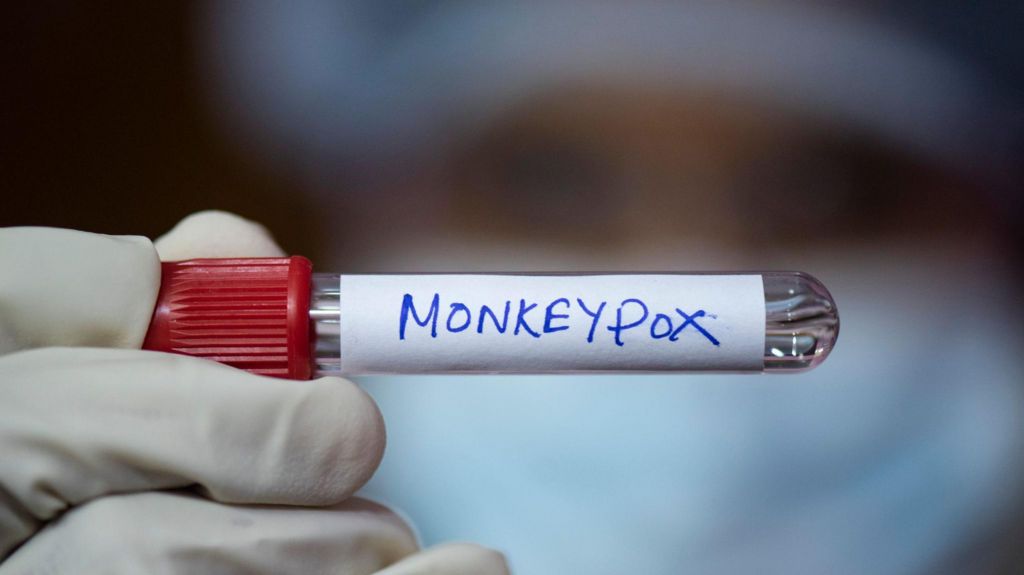
    Health authorities in the United Kingdom have confirmed the detection of a previously unidentified recombinant mpox strain in an individual who recently returned from travel in Asia. The UK Health Security Agency (UKHSA) identified this novel viral variant as a genetic amalgamation of two distinct mpox clades—Ib and IIb—marking a significant development in the virus’s evolution.

    The emergence of this hybrid strain occurs amidst ongoing global mpox transmission, with nearly 48,000 confirmed cases worldwide in 2025 alone, including approximately 2,500 reported in the past month, predominantly concentrated in central Africa. Health officials emphasize that viral evolution remains a natural phenomenon, though the specific implications of this recombinant strain require further assessment.

    Vaccination continues to be the primary defense strategy against severe mpox manifestations, with current vaccines demonstrating 75-80% efficacy against known strains. While no specific studies have evaluated vaccine effectiveness against this new variant, health experts anticipate a substantial degree of cross-protection.

    Dr. Katy Sinka, UKHSA’s head of sexually transmitted infections, highlighted the role of advanced genomic surveillance in detecting the strain: ‘Genomic testing has enabled this detection. While viral evolution is expected, comprehensive analysis will provide deeper insights into mpox’s transformation patterns.’

    Professor Trudie Lang, Director of the Global Health Network at the University of Oxford, noted that this development underscores mpox’s continuous global circulation and adaptive evolution. She acknowledged the UK’s robust systems for case identification and infection control while expressing concern about vulnerable populations in regions with limited vaccine access and surveillance capabilities.

    Health authorities maintain their recommendation for high-risk groups—including gay, bisexual, men who have sex with men, individuals with multiple sexual partners, and those attending sex-on-premises venues—to ensure vaccination status is current. The NHS advises anyone suspecting mpox infection to contact NHS 111 for immediate guidance.

    Mpox transmission occurs through close physical contact, respiratory droplets, and contact with contaminated materials. Symptoms typically include skin lesions, rash, fever, and muscle aches, persisting for two to four weeks.

  • Trio investigated for suspected wildlife poisoning in Poyang Lake

    Trio investigated for suspected wildlife poisoning in Poyang Lake

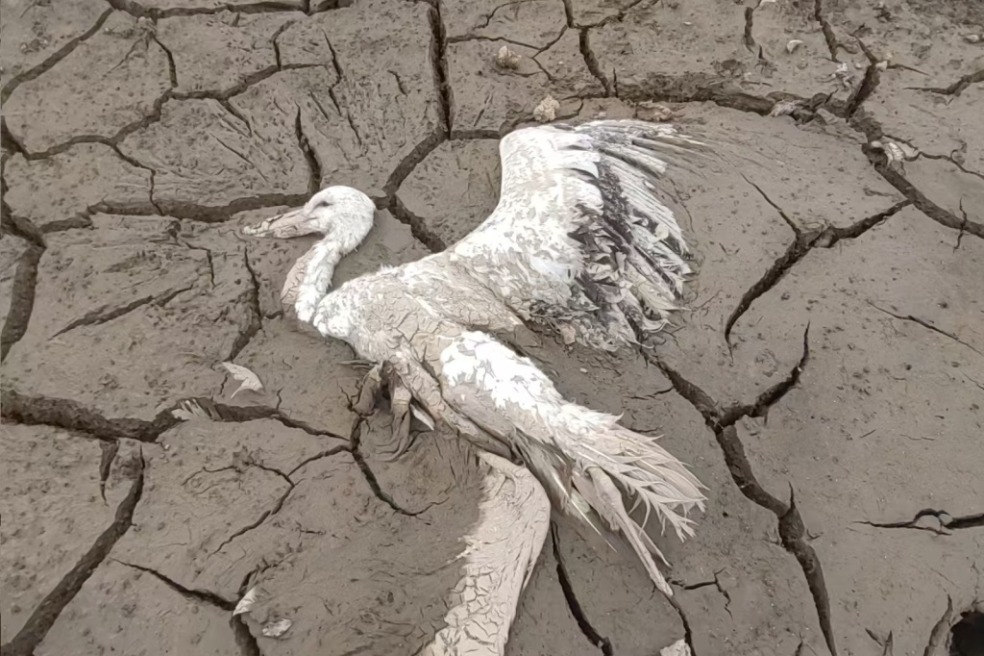
    Chinese authorities in Jiangxi Province have launched a criminal investigation after three individuals were apprehended for allegedly poisoning wildlife within the ecologically sensitive Poyang Lake wetland ecosystem. The Yugan County Public Security Bureau disclosed the detentions on Monday, December 8th, 2025, following urgent reports from conservation volunteers.

    The case unfolded last Saturday when volunteer monitors alerted officials to suspected poisoning activities within the vast Poyang Lake basin. In rapid response, law enforcement agencies coordinated with forestry authorities to establish a specialized task force. This joint operation conducted immediate field inspections at the identified locations where wildlife casualties were reported.

    Law enforcement officials have identified the suspects only by their surnames—Zhou, aged 57, alongside two accomplices aged 69 and 50. All three individuals currently face criminal coercive measures as the comprehensive investigation continues to develop.

    Police spokespersons reiterated the critical importance of safeguarding Poyang Lake’s fragile ecosystem, emphasizing that protecting this natural heritage represents a collective social responsibility. Authorities explicitly pledged a ‘zero-tolerance’ stance toward all activities that compromise ecological security, particularly those threatening endangered species.

    The investigation highlights the ongoing conservation challenges facing Poyang Lake, China’s largest freshwater body and a vital hub within the East Asian-Australasian Flyway. This internationally recognized migratory route depends on the lake’s wetlands, which provide essential wintering grounds for countless bird species that journey thousands of kilometers annually to feed, rest, and survive the winter months. The preservation of this habitat proves critical not only for regional biodiversity but for maintaining global ecological balance along this crucial avian migration corridor.

  • Golden Globes: The full list of nominees

    Golden Globes: The full list of nominees

    Hollywood’s awards season commenced with significant momentum as the Hollywood Foreign Press Association unveiled the complete roster of nominees for the 2025 Golden Globe Awards on Monday. The announcement sets the stage for the prestigious ceremony scheduled for January 11th, serving as a crucial precursor to the Academy Awards in March.

    Leading this year’s nominations with remarkable presence across multiple categories are Paul Thomas Anderson’s epic drama ‘One Battle After Another’ and Joachim Trier’s critically acclaimed ‘Sentimental Value,’ each demonstrating exceptional artistic merit through their widespread recognition.

    The competitive landscape reveals intriguing developments in both dramatic and comedic spheres. The Best Film – Drama category features formidable contenders including ‘Frankenstein’ directed by Guillermo del Toro, ‘Hamnet’ helmed by Chloe Zhao, and Michael B. Jordan’s performance-driven ‘Sinners.’ Meanwhile, the Musical or Comedy division showcases Timothée Chalamet’s ‘Marty Supreme’ alongside Ethan Hawke’s ‘Blue Moon’ and Lee Byung-Hun’s ‘No Other Choice.’

    Notable performances recognized include Jennifer Lawrence’s compelling work in ‘Die, My Love,’ Dwayne Johnson’s transformative role in ‘The Smashing Machine,’ and Jeremy Allen White’s dual nominations for both his dramatic portrayal in ‘Springsteen: Deliver Me From Nowhere’ and his comedic excellence in television’s ‘The Bear.’

    The television categories continue to reflect the golden age of streaming content with HBO’s ‘The White Lotus’ receiving multiple acting nominations, while ‘Severance’ and ‘The Bear’ maintain their awards season momentum with several key nominations.

    International cinema receives significant acknowledgment with ‘It Was Just an Accident,’ ‘No Other Choice,’ and ‘The Secret Agent’ all earning spots in the Non-English Language Film category, demonstrating the Globes’ continued commitment to global storytelling.

    The complete nominations list reveals both expected frontrunners and surprising inclusions across all categories, setting the stage for what promises to be one of the most competitive awards seasons in recent memory.

  • ‘It’s not safe to live here.’ Colombia is deadliest country for environmental defenders

    ‘It’s not safe to live here.’ Colombia is deadliest country for environmental defenders

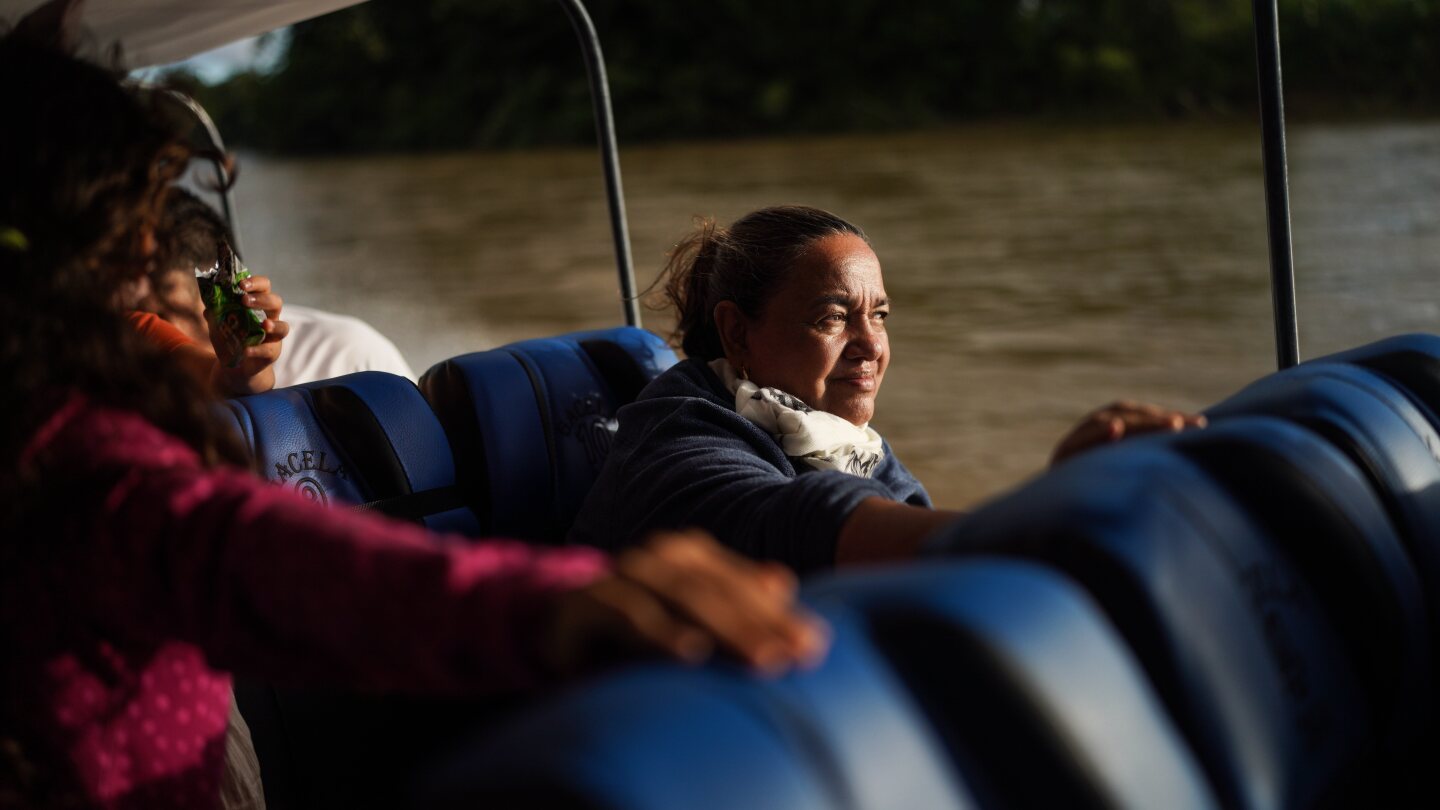
    In the volatile Putumayo region of Colombia, environmental defender Jani Silva embodies the precarious existence faced by land protectors in the world’s deadliest country for environmental activists. For over eight years, Silva has been unable to sleep in her riverside home, forced into a nomadic existence under constant threat from armed groups opposing her conservation efforts.

    According to Global Witness monitoring, Colombia accounted for nearly one-third of global killings of environmental defenders in 2024, with 48 documented cases. This alarming statistic underscores the extreme risks facing those who challenge powerful interests in resource-rich regions.

    Despite government protection measures including four full-time bodyguards provided by Colombia’s National Protection Unit for the past 12 years, Silva’s security situation remains dire. The 63-year-old activist now resides under guard in Puerto Asis, a river town near the Ecuador border, only visiting her community for brief daytime excursions accompanied by protection details.

    Silva’s work focuses on the Amazon Pearl reserve, a 227-square-kilometer protected area managed by ADISPA, the farming association she leads. This biodiversity hotspot shelters approximately 800 families who have resisted oil drilling, deforestation, and illicit crop cultivation for decades. The reserve represents a remarkable community-led conservation model featuring reforestation projects, wetland protection programs, and sustainable agroecology initiatives.

    The association’s successful beekeeping projects, which utilize native stingless bees to teach biodiversity conservation to children, exemplify the innovative approaches developed by community members. More than 600 families now participate in conservation projects that began through local initiative, including native seed exchanges, temporary hunting bans, and the cultivation of over 120,000 native seedlings to restore degraded ecosystems.

    However, these conservation achievements occur within a context of intense conflict. Armed groups known as Border Commandos control territory, river traffic, and local economies throughout Putumayo, emerging after Colombia’s 2016 peace accord with FARC rebels created power vacuums across the Amazon region. These groups enforce control through extortion, illegal taxation, and regulation of coca cultivation and clandestine mining operations.

    Human Rights Watch recently documented how armed groups in Putumayo have tightened control over daily life, committing serious abuses against civilians including forced displacement and targeting of local leaders. The presence of illegal coca cultivation near conservation areas highlights the ongoing challenges faced by communities attempting to establish sustainable alternatives.

    Despite the dangers, Silva remains committed to her work. “I have a calling to serve,” she stated. “I feel like I am needed… there is still so much to do.” Her dedication has inspired a new generation of leaders, including her daughter Anggie Miramar Silva, who works with ADISPA’s technical team while grappling with the same fears that haunt her mother.

    Advocacy groups argue that government protection measures, while benefiting approximately 15,000 people nationwide, frequently prove inadequate in rural conflict zones. Andrew Miller of Amazon Watch emphasizes that Colombian authorities must move beyond bodyguards to prosecute those orchestrating threats against defenders.

    As Colombia continues to navigate post-conflict challenges, the struggle of environmental defenders like Jani Silva represents both the profound risks and critical importance of community-led conservation in preserving the Amazon’s future.

  • Silk Road forum highlights Xinjiang’s key role in BRI

    Silk Road forum highlights Xinjiang’s key role in BRI

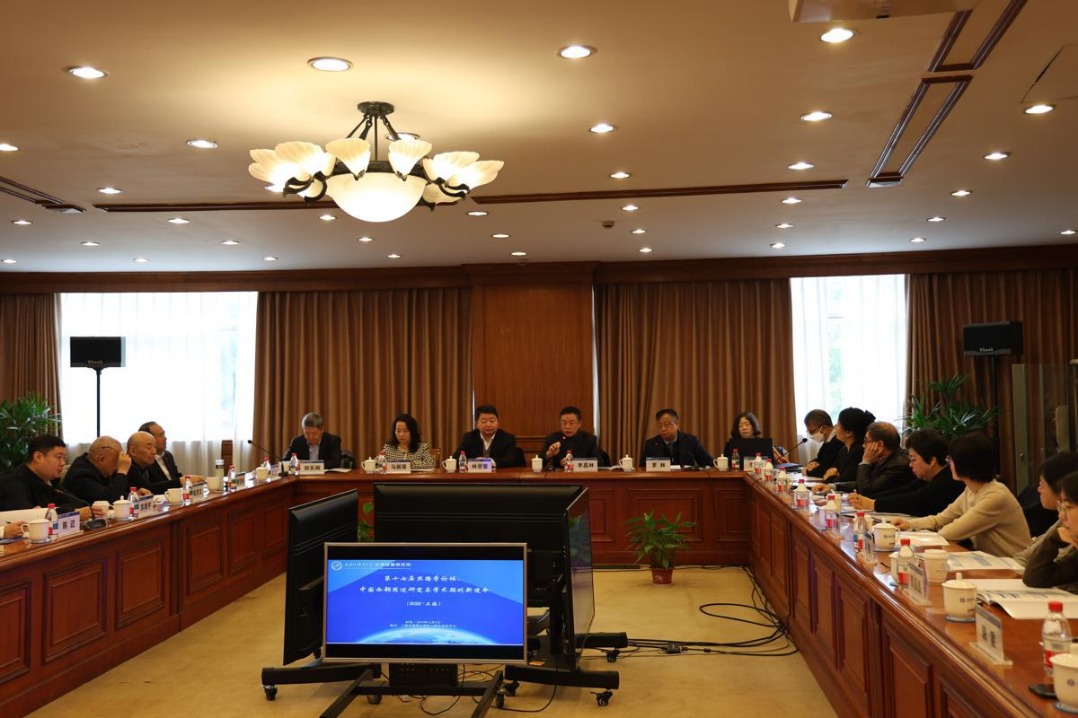
    Academic and policy experts concluded the three-day 17th Silk Road Studies Forum at Shanghai International Studies University on Saturday, with particular emphasis on Xinjiang’s growing strategic importance within China’s Belt and Road Initiative framework. The gathering brought together 40 specialists from Beijing, Shanghai, and Xinjiang Uygur Autonomous Region to examine critical dimensions of China’s western development strategy.

    Forum discussions centered on autonomous knowledge production in western China’s neighboring regions, discourse system development, and quality enhancement within BRI core zones. Participants unanimously stressed that research concerning western China’s border areas must maintain alignment with appropriate political, value-based, and academic orientations to ensure strategic coherence.

    Xinjiang received significant attention as experts identified the region’s evolving function as a crucial operational nexus within the BRI infrastructure. Representatives from Xinjiang Arts University presented concrete methodologies for cultural empowerment through artistic initiatives implemented in recent years. Meanwhile, officials from Shanghai’s publicity department outlined major cultural enrichment projects that Shanghai has pioneered in Xinjiang.

    A Ministry of Education official highlighted the dual significance of western regional research, noting its fundamental role in both understanding historical Silk Road dynamics and supporting China’s contemporary diplomatic and foreign policy architecture. The forum, now in its seventeenth iteration, has established itself as one of China’s most influential platforms for BRI-related academic exchange.

    The Institute of Silk Road Strategy Studies at SISU, marking its tenth anniversary, reported substantial advancements in research covering western China’s neighboring territories. Looking forward, the institute plans to intensify exploration of China’s autonomous knowledge production pathways to facilitate high-quality BRI collaboration over the next five-year period.

  • The European Union moves ahead with toughening its migration system

    The European Union moves ahead with toughening its migration system

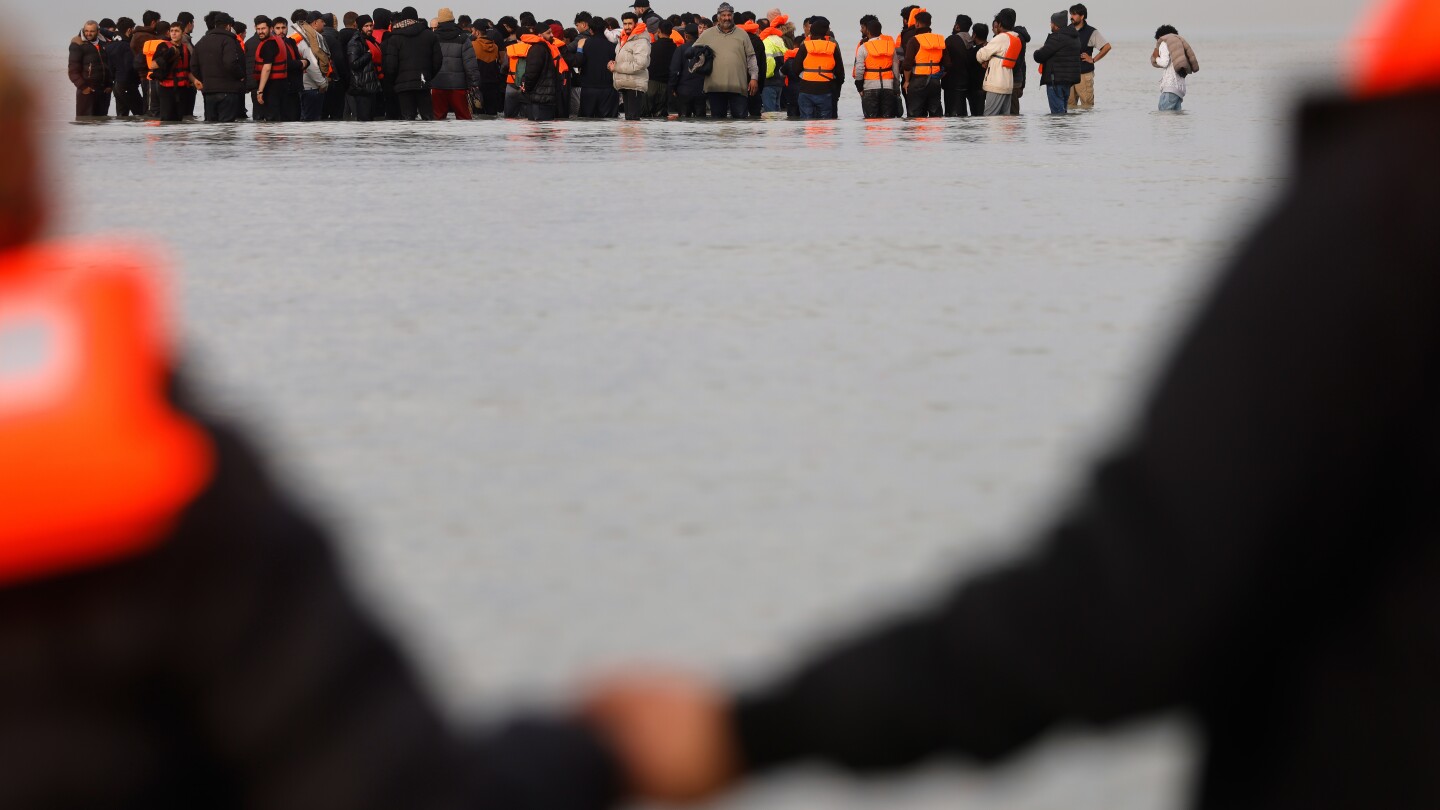
    BRUSSELS — European Union officials are implementing a comprehensive restructuring of the bloc’s migration framework, introducing accelerated deportation procedures and expanded detention capacities following years of contentious debate that has fueled the ascent of far-right political movements across the continent.

    The policy transformation reflects a significant evolution in European public sentiment since the unprecedented influx of asylum-seekers a decade ago. While migration numbers have substantially decreased from their peak levels, the political landscape has shifted toward more restrictive approaches. This hardening stance recently drew sharp criticism from former U.S. President Donald Trump, who characterized European allies as vulnerable in national security terms.

    At ministerial consultations in Brussels, representatives established a ‘safe third country’ framework alongside a standardized list of safe countries of origin. According to Danish Minister Rasmus Stoklund, this mechanism enables EU nations to deny residency claims and expedite removals of migrants who either originate from designated safe territories or could have sought protection in non-EU nations during their transit.

    ‘This system empowers us to deny entry to individuals without legitimate asylum claims while implementing procedures that facilitate accelerated returns,’ Stoklund stated. ‘Border management must remain under governmental authority rather than criminal smuggling networks.’

    Concurrently, ministers approved the creation of a ‘solidarity pool’ designed to redistribute refugee hosting responsibilities among member states. The initiative aims to accumulate €430 million ($489 million) to support nations experiencing disproportionate migratory pressure, particularly southern frontline countries including Cyprus, Greece, Italy, and Spain. This financial mechanism attempts to resolve long-standing objections from Hungary and Poland regarding mandatory migrant relocation quotas.

    Magnus Brunner, EU Commissioner for Migration, emphasized that ‘restoring public confidence in our governance capabilities remains paramount.’ The proposed reforms now advance to negotiations with the 720-member European Parliament for ratification or modification, with right-wing and far-right parties expressing unified support.

    Human rights organizations have condemned the measures. Amnesty International’s EU migration advocate Olivia Sundberg Diez compared the policies to the Trump administration’s immigration crackdown, urging parliamentarians to block provisions that ‘will inflict profound harm on vulnerable migrants and receiving communities.’ French Green lawmaker Mélissa Camara denounced the reforms as ‘a betrayal of fundamental European values and human rights principles.’

    The current changes build upon May’s endorsement of the Pact on Migration and Asylum, which advocated enhanced deportation capabilities and established ‘return hubs’—designated facilities for processing rejected asylum seekers. While the EU will not directly administer these centers, it will provide legal frameworks for member states to negotiate hosting arrangements with non-EU countries.

    According to Camille Le Coz of the Migration Policy Institute Europe, nations like Austria and Denmark will likely seek international partners for operating these legally complex and financially demanding facilities, referencing the Netherlands’ recent agreement with Uganda for refugee accommodation.

    These centers differ fundamentally from Italy’s controversial arrangement with Albania for offshore processing of maritime rescues—a plan repeatedly suspended by Italian courts despite initial praise from European Commission President Ursula von der Leyen as an innovative migration management solution.

    Mainstream political factions anticipate the migration pact will finally address divisive issues that have plagued EU consensus since over one million migrants, predominantly fleeing conflict in Syria and Iraq, entered European territory in 2015.

  • Thailand says deploys fighter jets, Cambodia claims Thai soldiers open fire amid border tension

    Thailand says deploys fighter jets, Cambodia claims Thai soldiers open fire amid border tension

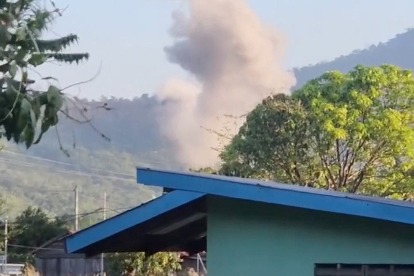
    A dangerous military escalation has erupted along the contested Thai-Cambodian border, with both nations trading accusations of initiating hostilities that have resulted in casualties and prompted the deployment of air power.

    The Thai Army confirmed it has deployed fighter jets following what it described as Cambodian attacks on Monday morning. According to Thai Army Spokesperson Winthai Suvaree, the incident occurred approximately at 07:00 local time in the Chong Bok area of Nam Yuen District. Thai soldiers operating in the region reportedly came under attack with ‘supporting fire weapons,’ resulting in two soldiers killed and four wounded.

    This deadly engagement followed an earlier clash in the nearby Chong An Ma area around 05:05 local time, when Cambodian troops allegedly opened fire with small arms and indirect weapons. The Thai Army stated it responded under established rules of engagement.

    In response to the casualties and what it termed a ‘direct threat to national security,’ the Royal Thai Air Force confirmed it has commenced air operations targeting Cambodian military infrastructure. RTAF Spokesperson Jackkrit Thammavichai stated: ‘These developments prompted the use of air power to deter and reduce Cambodia’s military capabilities to the minimum level necessary to safeguard national security and protect civilians.’

    Meanwhile, Cambodian authorities presented a starkly different account of the events. Cambodian Defense Ministry’s Undersecretary of State and Spokesperson Lt. Gen. Maly Socheata asserted that Thai military forces launched an unprovoked attack on Cambodian forces in the An Ses area of Preah Vihear province around 05:04 on Monday.

    According to Socheata, Thai forces ‘continued firing multiple shots with tanks at Tamoan Thom temple, 5 Makara in the vicinity of Preah Vihear temple and Chomka Chek area.’ She characterized these actions as part of ‘numerous provocative actions for many days, especially the incident yesterday (Sunday) at Prorlean Thmar area, with the objective of instigating confrontations.’

    The Cambodian spokesperson emphasized that their forces ‘did not retaliate at all during the two assaults’ and continue to monitor the situation ‘vigilantly and with utmost caution standing on the spirit of respecting all previous agreements and resolving conflicts peacefully according to international law.’

    Cambodia has formally informed the ASEAN Observer Team about the incident and plans to request an official investigation into the matter, potentially internationalizing the border dispute that has periodically flared between the Southeast Asian neighbors.