
In a landmark collaboration, OpenAI, the San Francisco-based artificial intelligence pioneer, has joined forces with Taiwan’s electronics titan Foxconn to design and manufacture critical components for AI data centers in the United States. This partnership aims to bolster the nation’s AI infrastructure, ensuring its leadership in the rapidly evolving technological landscape. Foxconn, renowned for its production of AI servers for Nvidia and assembly of Apple products, including the iPhone, will co-develop AI data center racks with OpenAI. The agreement, announced in separate statements on Thursday and Friday, underscores Foxconn’s role in producing essential systems such as cabling, networking, and power solutions for AI data centers at its U.S. facilities in Ohio and Texas. OpenAI will gain early access to evaluate and potentially procure these products. The initial agreement does not entail financial obligations or purchase commitments. This collaboration aligns with Foxconn’s broader strategy to diversify its business, which includes ventures into electric vehicles and acquisitions of electronics companies. Sam Altman, CEO of OpenAI, emphasized the partnership’s significance, stating, ‘This is a step toward ensuring the core technologies of the AI era are built here, strengthening U.S. leadership and ensuring the benefits of AI are widely shared.’ OpenAI has committed $1.4 trillion to AI infrastructure development, including multi-billion-dollar partnerships with Nvidia, AMD, and Broadcom to enhance computing power and design custom AI chips. Despite concerns over OpenAI’s massive spending, Altman projects the company will achieve over $20 billion in annualized revenue this year, with growth expected to reach ‘hundreds of billions by 2030.’ Foxconn’s Taiwan-listed shares have surged 25% this year, reflecting the broader tech industry’s AI-driven momentum. The company reported a 17% year-on-year increase in net profit for the July-September quarter, driven by its cloud and networking business, including AI servers. Foxconn’s leadership remains optimistic about AI’s future, anticipating closer collaborations with key clients and partners in the coming year.
作者: admin
-
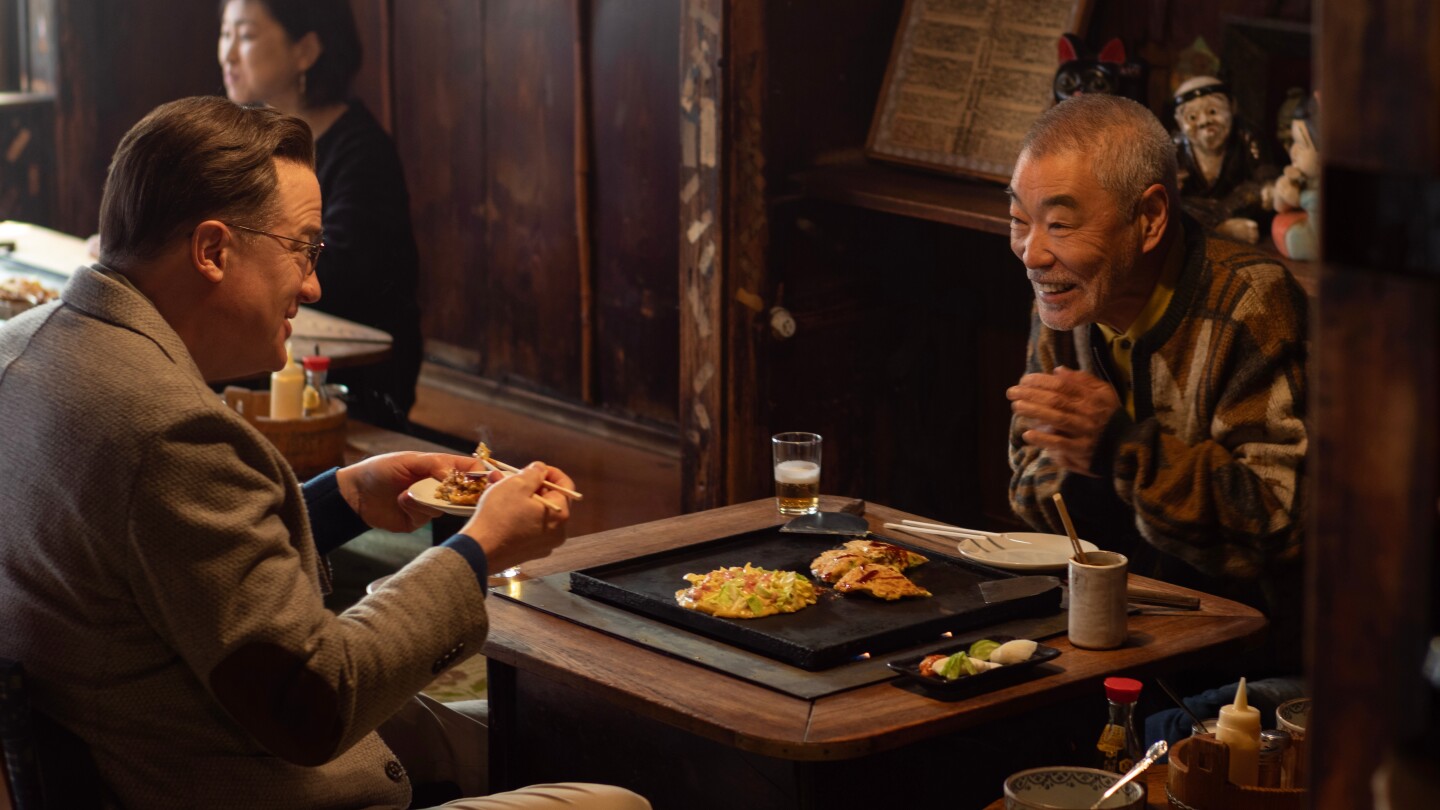
‘Rental Family’ spotlights real-life Japanese businesses that offer fill-in relatives, friends
In Japan, a unique industry has emerged to address the growing issues of loneliness and societal pressures: the ‘rental family’ service. Ryuichi Ichinokawa, the founder of the Heart Project, has been at the forefront of this niche business for nearly two decades. His company provides surrogate family members and friends for clients who need to maintain appearances or fill emotional voids. From posing as a boyfriend during legal discussions to attending school events as a friendly uncle, Ichinokawa’s services have become a lifeline for many.
-

Frida Kahlo self-portrait sells for record-breaking $55m
A surrealist painting by the iconic Mexican artist Frida Kahlo, titled *El sueño (La cama)*, has achieved a historic milestone in the art world, selling for $54.7 million (£41.8 million) at auction. This staggering sum not only sets a new record for the highest price paid for a work by a female artist but also surpasses the previous record for a Kahlo portrait, which stood at $34.9 million in 2021. The painting, created in the 1940s, depicts Kahlo asleep in a canopy bed beneath a skeleton entwined with dynamite, reflecting her deeply personal and psychologically charged artistic style. The artwork was sold after an intense bidding war between two collectors at Sotheby’s, marking a monumental moment in the recognition of women artists in the global art market. Anna Di Stasi, Sotheby’s head of Latin American art, emphasized the significance of this sale, stating, ‘This record-breaking result shows just how far we have come in appreciating Frida Kahlo’s genius and in recognizing women artists at the highest level of the market.’ *El sueño (La cama)* was initially auctioned in 1980 for $51,000, making its recent sale price over 1,000 times its original value. Kahlo, who passed away in 1954, is celebrated for her evocative self-portraits that often explore themes of pain, identity, and resilience. Her life and work continue to captivate audiences, as evidenced by the 2002 biographical film starring Salma Hayek. The painting’s sale also highlights the rarity of Kahlo’s works in the public market, as most of her pieces were declared artistic monuments by Mexican authorities in the 1980s, restricting their export.
-
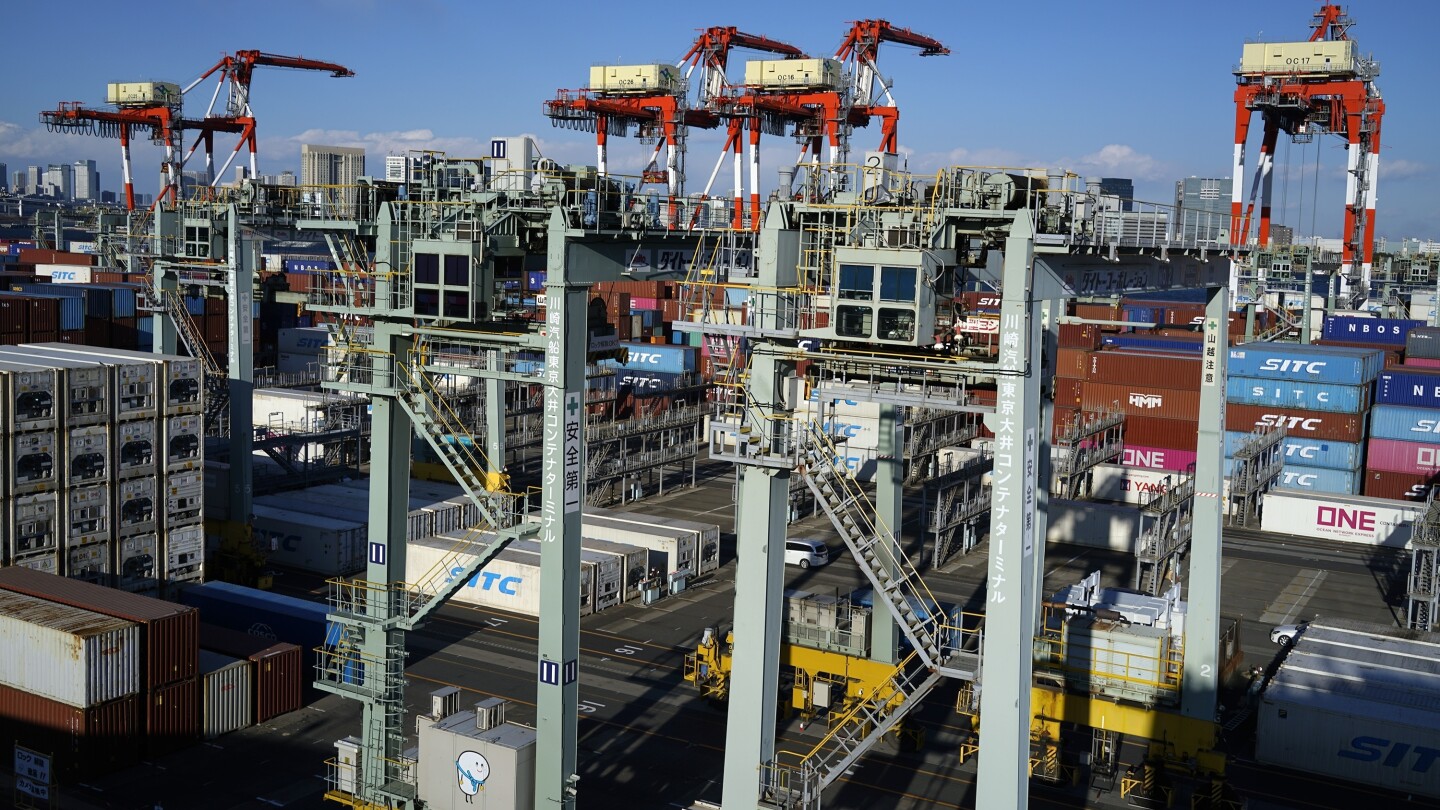
Japan’s exports to the world rise but drop to the US due to tariffs
Japan’s trade landscape in October revealed a nuanced picture, with global exports rising by 3.7% year-on-year, while imports saw a modest 0.6% increase, according to the latest government data. However, exports to the United States declined by 3.1%, marking the seventh consecutive month of year-on-year drops. This downturn is attributed to ongoing concerns over U.S. tariffs, which have reshaped trade dynamics between the two nations. In July, President Donald Trump introduced a trade framework imposing a 15% tariff on Japanese goods, a reduction from the initially proposed 25%. Previously, tariffs on most goods stood at 2.5%. Despite these challenges, Japan’s trade deficit narrowed significantly to 231.77 billion yen ($1.5 billion) in October, down from 499.95 billion yen ($3.2 billion) a year earlier. Notably, soybean imports surged by 37.3%, while iron and steel products dipped by 17.1%. Imports from the U.S. jumped 20.9%, driven by food items like cereals and petroleum. Meanwhile, Japan’s exports to Asia showed resilience, with a 2.1% increase to China, a 19.2% surge to Hong Kong, and a 17.7% rise to Taiwan. However, new tensions with China emerged after Prime Minister Sanae Takaichi’s comments on Taiwan, prompting Beijing to issue a travel advisory against Japan. Analysts suggest Japan may increasingly pivot towards other Asian markets to sustain economic growth, reducing its reliance on U.S. exports.
-
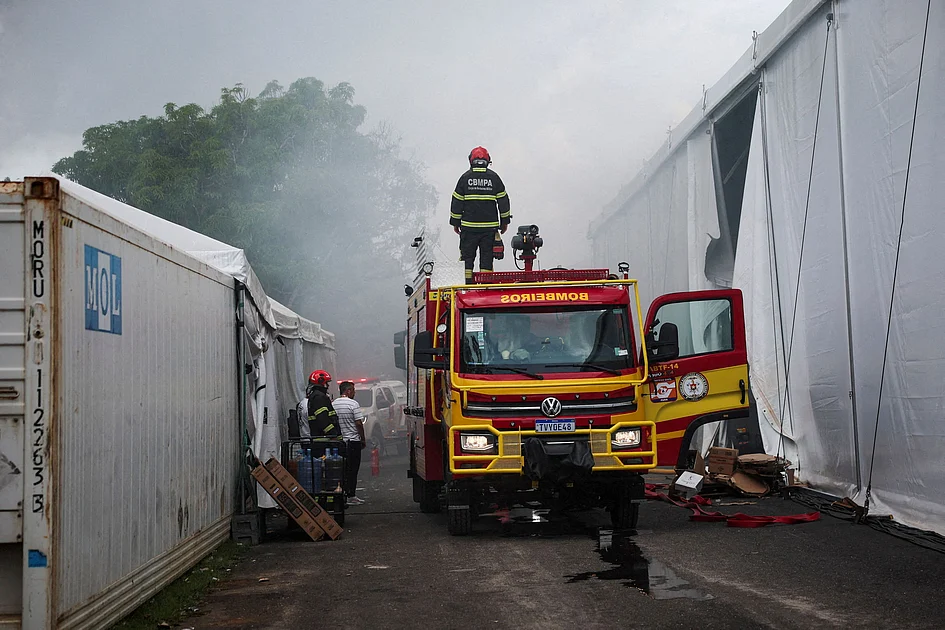
Fire erupts at UN’s COP30 climate talks in Brazil, forcing evacuation
A sudden fire broke out at the United Nations COP30 climate conference in Belem, Brazil, on Thursday, causing chaos and forcing delegates to evacuate the premises. The blaze erupted in a country pavilion within the event’s ‘blue zone,’ sending thick smoke billowing through the venue. Firefighters and security teams responded swiftly, bringing the fire under control without any reported injuries. The cause of the incident remains unknown. The fire occurred during critical negotiations among global ministers, who were attempting to resolve deadlocks on fossil fuels, climate finance, and trade measures. Mauricio Lyrio, head of the Brazilian delegation, confirmed that his team was evacuated mid-meeting and doubted they could return to the site that day. The conference, held in large tents near the Amazon, has drawn tens of thousands of participants. Earlier in the day, UN Secretary-General Antonio Guterres urged negotiators to reach an ‘ambitious compromise,’ emphasizing the global significance of the talks. ‘The world is watching Belem,’ he stated, highlighting the urgency of addressing climate challenges. The incident underscores the high stakes of COP30 as nations strive to finalize agreements before the summit concludes on Friday.
-

Cuter and closer: Raccoons may be on their way to becoming America’s next pet
Raccoons, often affectionately dubbed ‘trash pandas’ for their notorious habit of scavenging through garbage, are showing signs of domestication, according to a groundbreaking study. The research, published in the journal Frontiers in Zoology, analyzed nearly 20,000 photographs and revealed a notable reduction in snout length among urban raccoons compared to their rural counterparts. This physical change mirrors the early stages of domestication observed in cats and dogs. The study suggests that these masked mammals are adapting to human environments, potentially dampening their innate fight-or-flight responses. Raffaela Lesch, a co-author from the University of Arkansas at Little Rock, emphasized that trash plays a pivotal role in this urban domestication. ‘Trash is really the kickstarter,’ she told Scientific American. ‘Wherever humans go, there’s trash — and animals love our trash.’ The study also highlights the ‘domestication syndrome phenotype,’ which includes traits like curly tails, floppy ears, and reduced facial skeletons, commonly seen in domesticated animals. Interestingly, the authors argue that domestication might not always be initiated by humans but could begin naturally as animals adapt to human environments. This process, they suggest, is driven by natural selection, favoring animals with reduced flight responses. As raccoons continue to thrive in both wild and urban settings, they occupy a unique space in American life — cherished as pets in some neighborhoods and viewed as pests in others. Their increasing comfort around humans, coupled with their evolving physical traits, suggests that raccoons might be inching closer to becoming America’s next beloved pet.
-

Streaming platform Twitch added to Australia’s teen social media ban
Australia’s groundbreaking social media ban targeting users under 16 has now extended its reach to include Twitch, the popular livestreaming platform predominantly used by gamers. The ban, set to take effect on December 10, mandates that platforms like Twitch must prevent under-16s from creating new accounts and deactivate existing ones by January 9. Twitch, owned by Amazon, joins other major platforms such as Facebook, Instagram, TikTok, and Snapchat in this regulatory measure.
-
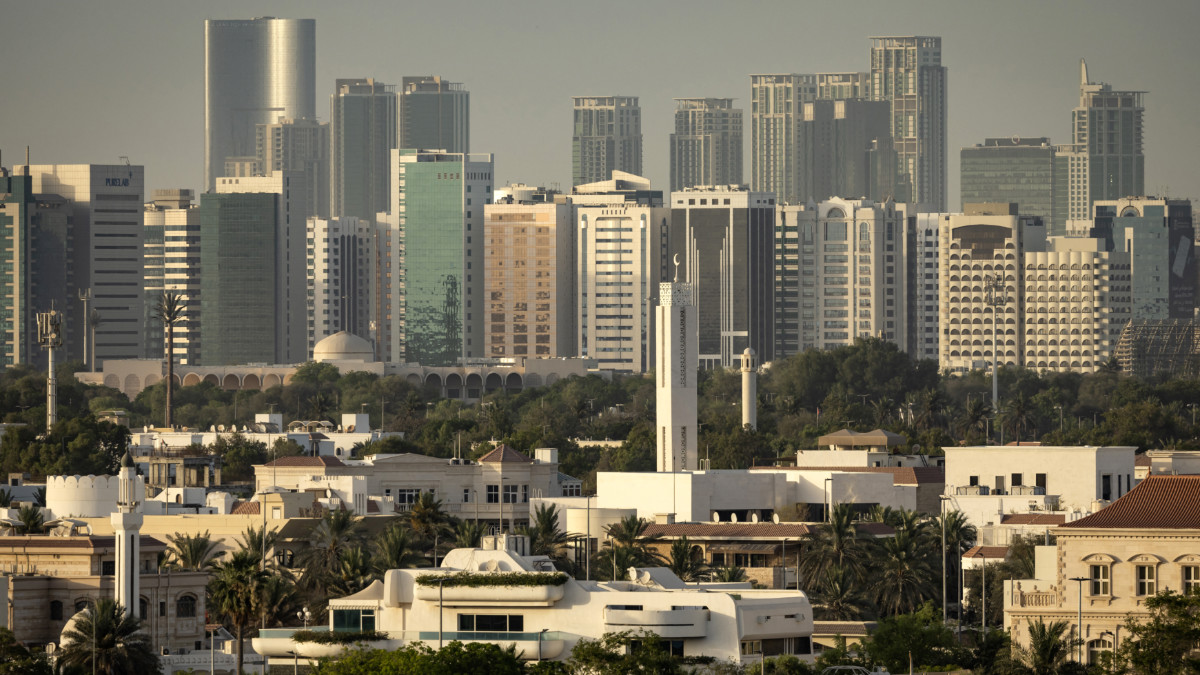
UAE prisoner convicted in mass trial dies in prison
A UAE national, Ali Abdullah Fateh Ali Al-Khaja, who spent over a decade in prison due to his political affiliations, has died in custody, according to the Emirates Detainees Advocacy Centre. The centre reported that Khaja, a long-term detainee, passed away in his cell at Al-Razeen Prison on Wednesday, leaving behind a family that had awaited his release for more than 13 years. Born in 1966, Khaja faced persistent ‘security harassment’ in the UAE for his social activities and association with Al-Islah, an Islamist political group linked to the Muslim Brotherhood, which is banned in the country. The UAE’s ruling Al Nahyan family perceives the Muslim Brotherhood as a threat and has aggressively suppressed its supporters for decades. Khaja was arrested in August 2012 at his home and subjected to enforced disappearance until his court appearance. During his detention, he endured solitary confinement, intimidation, and other forms of torture. In 2013, he was charged alongside 56 others with affiliation to a ‘secret illegal organization’ and sentenced to 10 years in prison, followed by three years of probation. Despite being scheduled for release in August 2022, Emirati authorities detained him further and initiated another trial in 2024. Khaja was part of the ‘UAE 94,’ a group of 94 activists prosecuted in 2013 for allegedly conspiring to overthrow the government during the Arab Spring. The trial, widely criticized by human rights groups as unfair, targeted lawyers, professors, activists, and students advocating for democratic reforms. Many detainees, including Khaja, were affiliated with Al-Islah, a non-violent political reform party. However, the UAE extended sentences for several high-profile dissidents under its 2014 anti-terror law, continuing its crackdown on political dissent.
-
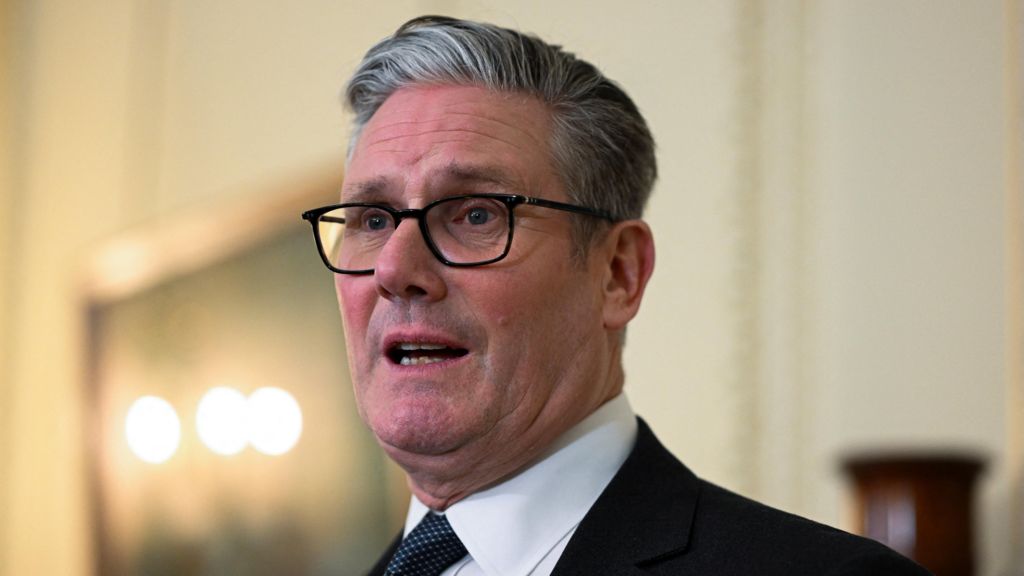
Starmer defends G20 trip to South Africa despite Trump’s absence
UK Prime Minister Sir Keir Starmer is set to attend the G20 summit in Johannesburg, South Africa, where he will advocate for British businesses on the global stage. The summit, which convenes leaders from the world’s 20 largest economies, will proceed without former US President Donald Trump, who has opted to boycott the event. Trump’s decision stems from his controversial and widely discredited claims of white persecution in South Africa, which he reiterated in a social media post labeling the summit a ‘total disgrace.’
Sir Keir, often criticized for his frequent international travels, will use the summit to highlight the strategic importance of the UK’s global presence. During his visit, he will tour a Johannesburg depot showcasing trains manufactured in Derby, UK, and announce a new partnership where Crossrail International, a UK government-owned entity, will provide consultancy services to South Africa’s railway sector. This follows a similar agreement recently signed with Vietnam.
Downing Street has emphasized Africa’s potential as a key market for UK businesses, citing demographic trends such as half of Africa’s population being under 20 and projections that over a quarter of the global population will reside in Africa by 2050. Sir Keir underscored the importance of face-to-face diplomacy, stating, ‘I will focus on the deals we can do, the business we can do, with our partner countries and make sure that the work we do internationally is impacting directly at home.’
South African President Cyril Ramaphosa dismissed Trump’s boycott as ‘their loss,’ asserting that such tactics are ineffective. He also refuted claims of white genocide in South Africa, calling them ‘widely discredited and unsupported by reliable evidence.’ Despite Trump’s absence, the summit remains a critical platform for fostering international collaboration and economic growth.
-
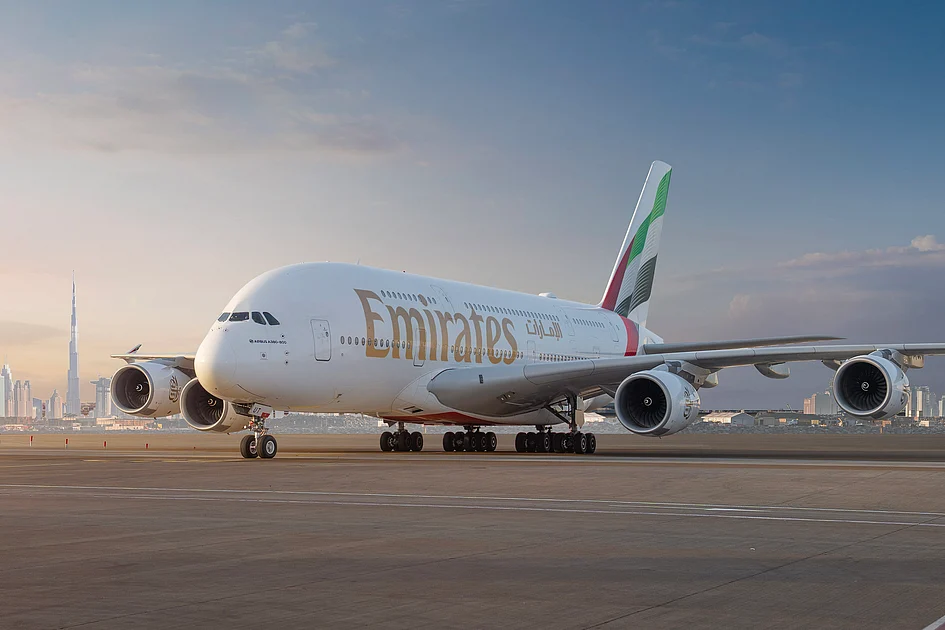
Emirates agrees deal with Rolls-Royce to maintain its own A380 engines
Emirates Airlines has solidified a groundbreaking agreement with Rolls-Royce to undertake the maintenance, repair, and overhaul (MRO) of Trent 900 engines powering its A380 fleet, commencing in 2027. This strategic partnership, formalized through a memorandum of understanding, underscores Emirates’ commitment to extending the operational lifespan of its iconic A380 aircraft well into the 2040s. As the largest operator of the now out-of-production A380, Emirates is actively refurbishing its fleet to ensure its continued service beyond the next decade, following Airbus’ cessation of A380 production in 2021. The deal also includes an extension of the TotalCare service agreement with Rolls-Royce, further cementing the collaboration between the two aviation giants. This agreement follows Emirates’ recent move to establish a seat assembly line in Dubai in partnership with France’s Safran. While Emirates has expressed concerns over Rolls-Royce’s engine performance on the A350-1000, it has lauded the smaller A350-900, which it began incorporating into its fleet last year. This deal marks a significant step in Emirates’ strategy to optimize its fleet and maintain its leadership in the global aviation industry.