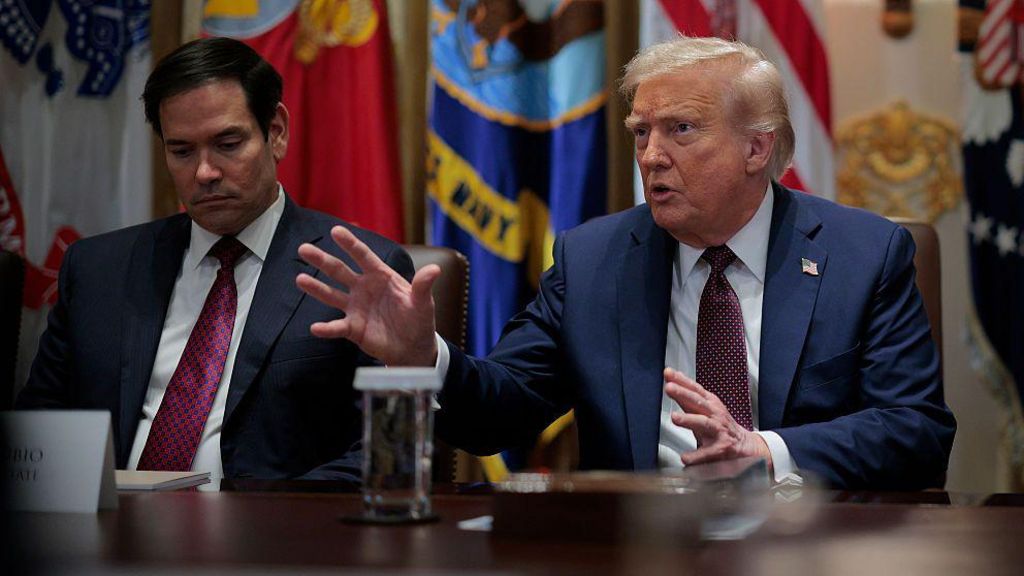
The Trump administration has introduced a controversial shift in its approach to global human rights, now classifying countries that enforce diversity, equity, and inclusion (DEI) policies, subsidize abortion, or facilitate mass migration as violators of human rights. The State Department has issued new guidelines to U.S. embassies and consulates, instructing them to include these practices in the annual report on global human rights abuses. These changes, described as a tool to ‘change the behavior of governments,’ have drawn sharp criticism from human rights advocates, who argue that the administration is redefining long-standing principles to advance its ideological agenda.
作者: admin
-
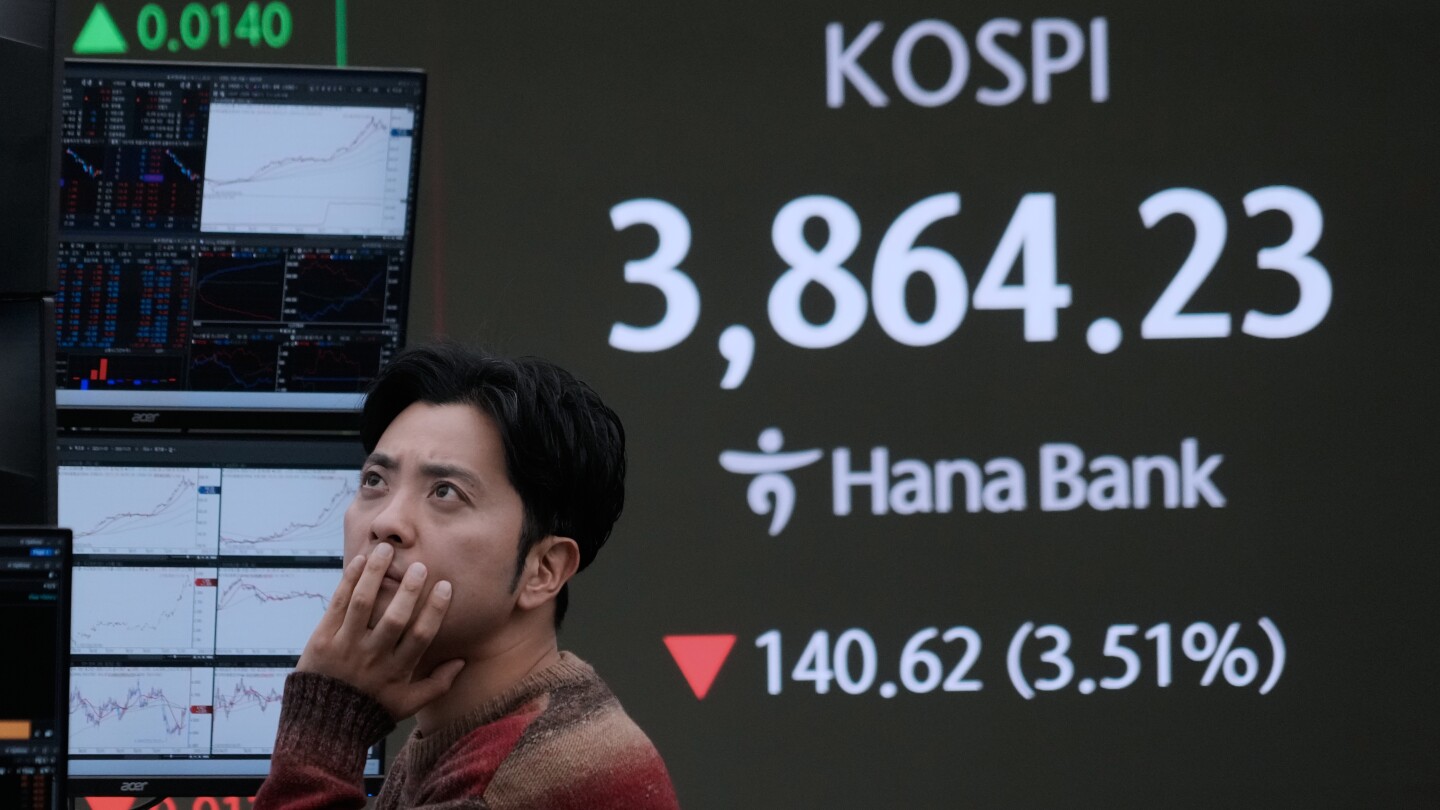
World stocks track Wall Street’s drop, erasing previous day’s gains
Global stock markets experienced significant volatility on Friday, mirroring Wall Street’s sharp decline, as investors grappled with concerns over a potential bubble in artificial intelligence (AI)-related shares and mixed economic signals. Major benchmarks across Asia, Europe, and the U.S. erased previous gains, reflecting heightened market skittishness. The U.S. Federal Reserve’s reluctance to cut interest rates in December, fueled by stronger-than-expected jobs data, further dampened investor sentiment.
-
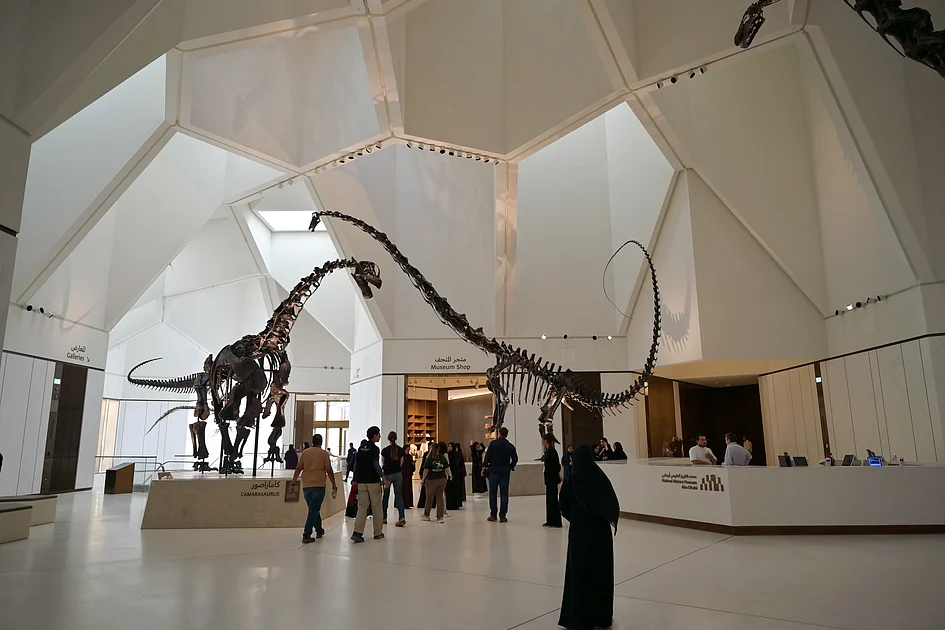
T rex fossils, moon rock: First look inside Abu Dhabi’s Natural History Museum
The Natural History Museum Abu Dhabi, set to open on November 22, 2025, promises an extraordinary journey through 13.8 billion years of life. Located in the Saadiyat Cultural District, the museum is a testament to rapid development, yet it houses specimens that span nearly the entire history of the universe. Among its many exhibits are a slice of the Moon, two real T. rex fossils locked in a deadly battle, and a 25-meter blue whale skull so large that a wall had to be cut to accommodate it. The museum’s director, Peter C. Kjærgaard, describes it as a ‘night sky of stars,’ with countless highlights that surpass visitor expectations. The museum’s exhibits range from ancient meteorites and fossils to dramatic recreations of Abu Dhabi’s savannah landscape seven million years ago. It also features a treasure hunt for children, with a supersized version of the microscopic tardigrade scattered throughout the displays. The museum aims to inspire the next generation of scientists and foster a sense of ownership among visitors. With a focus on community science and the sheer drama of standing beneath a blue whale, the museum seeks to bring people into the story of the natural world and the future of science in the UAE.
-

Mike Huckabee hosts US citizen who spied for Israel: Report
In a move that has raised eyebrows across diplomatic and intelligence circles, US Ambassador to Israel Mike Huckabee reportedly hosted Jonathan Pollard, a former US Navy intelligence analyst convicted of espionage for Israel, at the American embassy in Jerusalem this July. The meeting, which was kept off Huckabee’s official schedule, has drawn criticism, particularly from the Central Intelligence Agency (CIA), whose station chief in Israel expressed alarm over the encounter. Pollard, now 71, was accompanied by David Milstein, Huckabee’s top advisor at the embassy. Pollard’s espionage activities, which spanned 1984 to 1985, involved the transfer of hundreds of classified documents and over 1,000 intelligence cables to Israel’s Mossad. His actions, which jeopardized the lives of US soldiers globally, led to a life sentence in 1987. Pollard, who is Jewish, had long expressed a desire to emigrate to Israel, a sentiment that reportedly fueled his espionage. Released on parole in 2015, Pollard moved to Israel in 2020 after the Justice Department lifted his travel restrictions. He was granted Israeli citizenship while in prison and received a hero’s welcome upon his arrival. Huckabee, a staunch evangelical Christian Zionist, has been a vocal supporter of Israel, even advocating for the annexation of the occupied West Bank—a stance at odds with US President Donald Trump’s policies. The purpose of Pollard’s visit remains unclear, though he reportedly thanked Huckabee for supporting his release a decade ago. The meeting has reignited debates over US-Israel relations, particularly in light of Pollard’s subsequent criticism of Trump, whom he labeled a ‘madman’ for his dealings with Saudi Arabia. This incident underscores the complex and often contentious dynamics of US foreign policy in the Middle East.
-

OpenAI and Taiwan’s Foxconn to partner in AI hardware design and manufacturing in the US
In a landmark collaboration, OpenAI, the San Francisco-based artificial intelligence pioneer, has joined forces with Taiwan’s electronics titan Foxconn to design and manufacture critical components for AI data centers in the United States. This partnership aims to bolster the nation’s AI infrastructure, ensuring its leadership in the rapidly evolving technological landscape. Foxconn, renowned for its production of AI servers for Nvidia and assembly of Apple products, including the iPhone, will co-develop AI data center racks with OpenAI. The agreement, announced in separate statements on Thursday and Friday, underscores Foxconn’s role in producing essential systems such as cabling, networking, and power solutions for AI data centers at its U.S. facilities in Ohio and Texas. OpenAI will gain early access to evaluate and potentially procure these products. The initial agreement does not entail financial obligations or purchase commitments. This collaboration aligns with Foxconn’s broader strategy to diversify its business, which includes ventures into electric vehicles and acquisitions of electronics companies. Sam Altman, CEO of OpenAI, emphasized the partnership’s significance, stating, ‘This is a step toward ensuring the core technologies of the AI era are built here, strengthening U.S. leadership and ensuring the benefits of AI are widely shared.’ OpenAI has committed $1.4 trillion to AI infrastructure development, including multi-billion-dollar partnerships with Nvidia, AMD, and Broadcom to enhance computing power and design custom AI chips. Despite concerns over OpenAI’s massive spending, Altman projects the company will achieve over $20 billion in annualized revenue this year, with growth expected to reach ‘hundreds of billions by 2030.’ Foxconn’s Taiwan-listed shares have surged 25% this year, reflecting the broader tech industry’s AI-driven momentum. The company reported a 17% year-on-year increase in net profit for the July-September quarter, driven by its cloud and networking business, including AI servers. Foxconn’s leadership remains optimistic about AI’s future, anticipating closer collaborations with key clients and partners in the coming year.
-
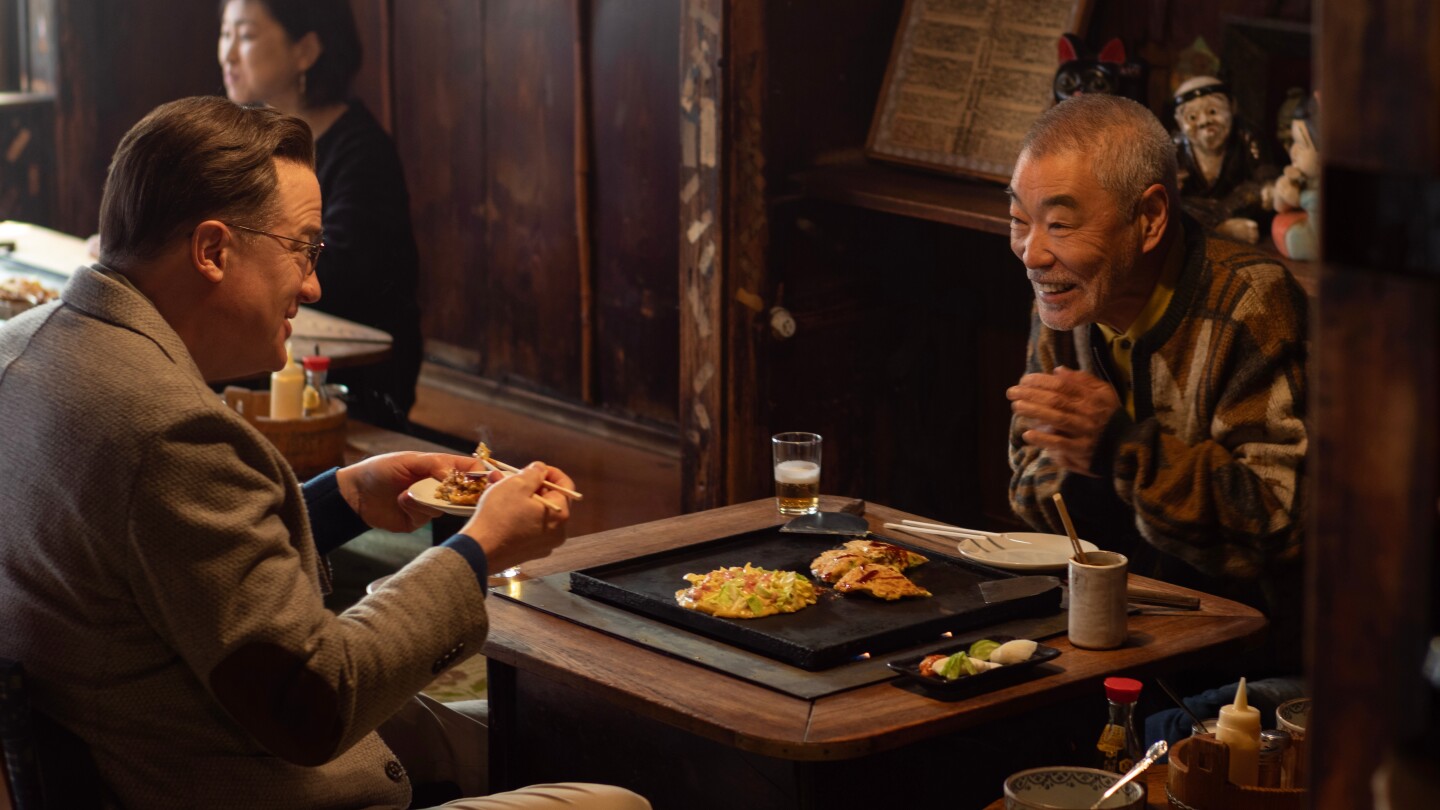
‘Rental Family’ spotlights real-life Japanese businesses that offer fill-in relatives, friends
In Japan, a unique industry has emerged to address the growing issues of loneliness and societal pressures: the ‘rental family’ service. Ryuichi Ichinokawa, the founder of the Heart Project, has been at the forefront of this niche business for nearly two decades. His company provides surrogate family members and friends for clients who need to maintain appearances or fill emotional voids. From posing as a boyfriend during legal discussions to attending school events as a friendly uncle, Ichinokawa’s services have become a lifeline for many.
-
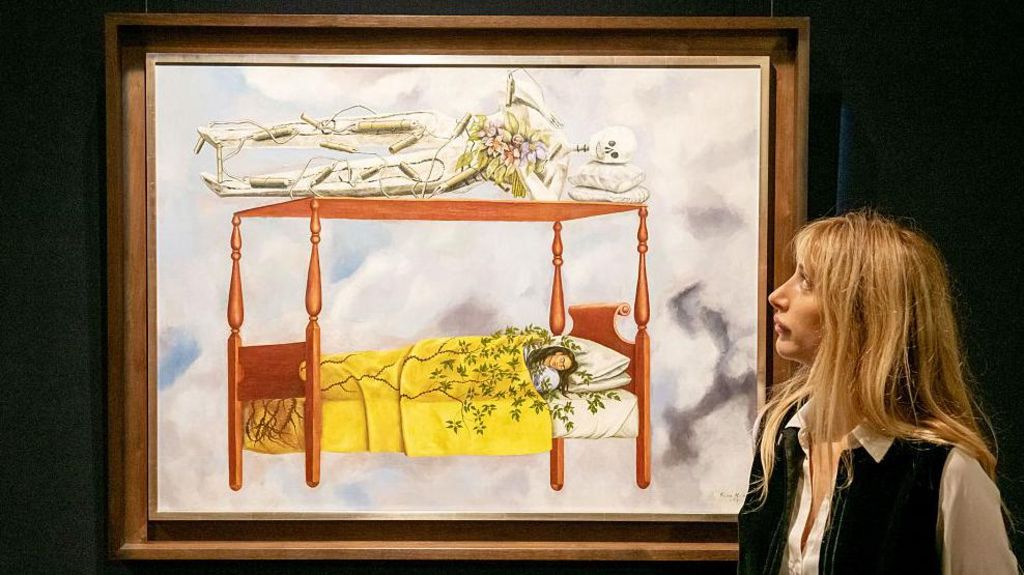
Frida Kahlo self-portrait sells for record-breaking $55m
A surrealist painting by the iconic Mexican artist Frida Kahlo, titled *El sueño (La cama)*, has achieved a historic milestone in the art world, selling for $54.7 million (£41.8 million) at auction. This staggering sum not only sets a new record for the highest price paid for a work by a female artist but also surpasses the previous record for a Kahlo portrait, which stood at $34.9 million in 2021. The painting, created in the 1940s, depicts Kahlo asleep in a canopy bed beneath a skeleton entwined with dynamite, reflecting her deeply personal and psychologically charged artistic style. The artwork was sold after an intense bidding war between two collectors at Sotheby’s, marking a monumental moment in the recognition of women artists in the global art market. Anna Di Stasi, Sotheby’s head of Latin American art, emphasized the significance of this sale, stating, ‘This record-breaking result shows just how far we have come in appreciating Frida Kahlo’s genius and in recognizing women artists at the highest level of the market.’ *El sueño (La cama)* was initially auctioned in 1980 for $51,000, making its recent sale price over 1,000 times its original value. Kahlo, who passed away in 1954, is celebrated for her evocative self-portraits that often explore themes of pain, identity, and resilience. Her life and work continue to captivate audiences, as evidenced by the 2002 biographical film starring Salma Hayek. The painting’s sale also highlights the rarity of Kahlo’s works in the public market, as most of her pieces were declared artistic monuments by Mexican authorities in the 1980s, restricting their export.
-
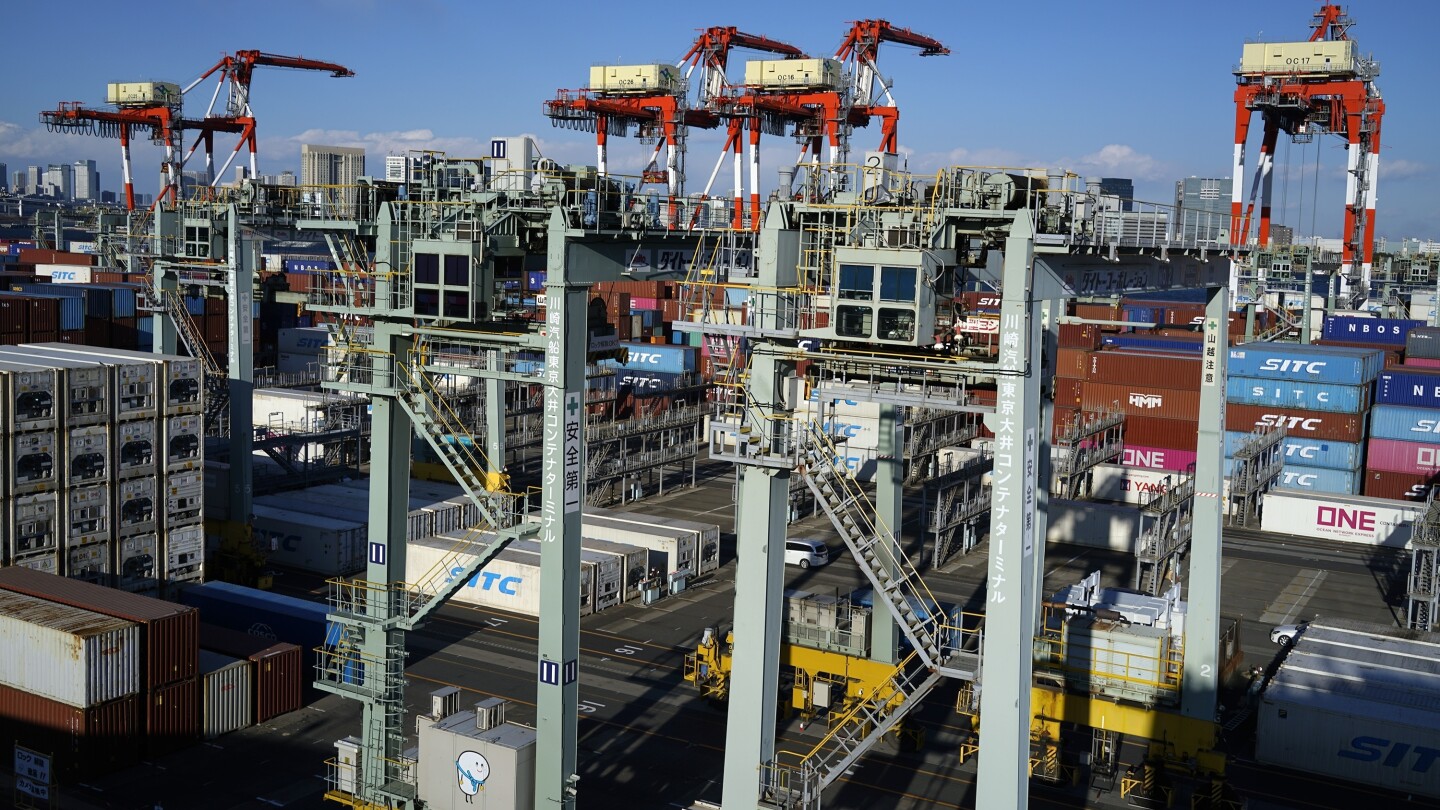
Japan’s exports to the world rise but drop to the US due to tariffs
Japan’s trade landscape in October revealed a nuanced picture, with global exports rising by 3.7% year-on-year, while imports saw a modest 0.6% increase, according to the latest government data. However, exports to the United States declined by 3.1%, marking the seventh consecutive month of year-on-year drops. This downturn is attributed to ongoing concerns over U.S. tariffs, which have reshaped trade dynamics between the two nations. In July, President Donald Trump introduced a trade framework imposing a 15% tariff on Japanese goods, a reduction from the initially proposed 25%. Previously, tariffs on most goods stood at 2.5%. Despite these challenges, Japan’s trade deficit narrowed significantly to 231.77 billion yen ($1.5 billion) in October, down from 499.95 billion yen ($3.2 billion) a year earlier. Notably, soybean imports surged by 37.3%, while iron and steel products dipped by 17.1%. Imports from the U.S. jumped 20.9%, driven by food items like cereals and petroleum. Meanwhile, Japan’s exports to Asia showed resilience, with a 2.1% increase to China, a 19.2% surge to Hong Kong, and a 17.7% rise to Taiwan. However, new tensions with China emerged after Prime Minister Sanae Takaichi’s comments on Taiwan, prompting Beijing to issue a travel advisory against Japan. Analysts suggest Japan may increasingly pivot towards other Asian markets to sustain economic growth, reducing its reliance on U.S. exports.
-

Fire erupts at UN’s COP30 climate talks in Brazil, forcing evacuation
A sudden fire broke out at the United Nations COP30 climate conference in Belem, Brazil, on Thursday, causing chaos and forcing delegates to evacuate the premises. The blaze erupted in a country pavilion within the event’s ‘blue zone,’ sending thick smoke billowing through the venue. Firefighters and security teams responded swiftly, bringing the fire under control without any reported injuries. The cause of the incident remains unknown. The fire occurred during critical negotiations among global ministers, who were attempting to resolve deadlocks on fossil fuels, climate finance, and trade measures. Mauricio Lyrio, head of the Brazilian delegation, confirmed that his team was evacuated mid-meeting and doubted they could return to the site that day. The conference, held in large tents near the Amazon, has drawn tens of thousands of participants. Earlier in the day, UN Secretary-General Antonio Guterres urged negotiators to reach an ‘ambitious compromise,’ emphasizing the global significance of the talks. ‘The world is watching Belem,’ he stated, highlighting the urgency of addressing climate challenges. The incident underscores the high stakes of COP30 as nations strive to finalize agreements before the summit concludes on Friday.
-

Cuter and closer: Raccoons may be on their way to becoming America’s next pet
Raccoons, often affectionately dubbed ‘trash pandas’ for their notorious habit of scavenging through garbage, are showing signs of domestication, according to a groundbreaking study. The research, published in the journal Frontiers in Zoology, analyzed nearly 20,000 photographs and revealed a notable reduction in snout length among urban raccoons compared to their rural counterparts. This physical change mirrors the early stages of domestication observed in cats and dogs. The study suggests that these masked mammals are adapting to human environments, potentially dampening their innate fight-or-flight responses. Raffaela Lesch, a co-author from the University of Arkansas at Little Rock, emphasized that trash plays a pivotal role in this urban domestication. ‘Trash is really the kickstarter,’ she told Scientific American. ‘Wherever humans go, there’s trash — and animals love our trash.’ The study also highlights the ‘domestication syndrome phenotype,’ which includes traits like curly tails, floppy ears, and reduced facial skeletons, commonly seen in domesticated animals. Interestingly, the authors argue that domestication might not always be initiated by humans but could begin naturally as animals adapt to human environments. This process, they suggest, is driven by natural selection, favoring animals with reduced flight responses. As raccoons continue to thrive in both wild and urban settings, they occupy a unique space in American life — cherished as pets in some neighborhoods and viewed as pests in others. Their increasing comfort around humans, coupled with their evolving physical traits, suggests that raccoons might be inching closer to becoming America’s next beloved pet.