
Chinese researchers have unveiled the scientific mystery behind the unexpectedly sticky lunar soil collected by the Chang’e 6 mission from the far side of the moon. Published in *Nature Astronomy*, the study reveals that the soil’s unique texture is due to a combination of extremely fine particles and irregular, jagged shapes. This discovery has significant implications for future lunar exploration and base construction. Led by Qi Shengwen from the Institute of Geology and Geophysics, the team conducted a series of tests, including an ‘angle of repose’ experiment, which demonstrated that the far-side soil behaves more like damp Earth soil than loose, sandy lunar dust. High-resolution CT scans of over 290,000 individual grains revealed that the particles are exceptionally small, averaging 48.4 microns in diameter, and unusually sharp. The researchers attribute this texture to the moon’s violent history of space weathering, including constant micrometeoroid bombardment and solar wind exposure. The findings are crucial for addressing engineering challenges in future lunar missions, such as preventing soil from clogging machinery or damaging equipment. As China accelerates its space program, aiming to land astronauts on the moon by 2030, this research provides a foundation for developing lunar infrastructure and resource utilization.
作者: admin
-

Rare Sapria himalayana once again enters blooming period in Yunnan
The elusive Sapria himalayana, a rare holoparasitic flowering plant, has once again entered its blooming period in the Mengla Nature Reserve Rainforest, located in Yunnan province’s Xishuangbanna Dai autonomous prefecture. This marks the third consecutive year the plant has been observed flowering in the area, according to local forest rangers. The plant, classified as a second-class nationally protected species, sporadically emerges from the humus layer of primary rainforests and grows directly from the roots of its host plant, Tetrastigma. Sapria himalayana, the only species of the Rafflesiaceae family found in China, lacks stems, roots, or leaves and cannot perform photosynthesis. It relies entirely on nutrients from its host plant and blooms only during its reproductive period from September to December each year. The consistent appearance of this rare plant underscores the ecological integrity of the Mengla Nature Reserve. Found exclusively in Yunnan and Motuo county in the Xizang autonomous region, Sapria himalayana remains exceptionally rare in China. Due to the absence of established conservation or cultivation technologies for parasitic plants, in situ conservation is the primary method for preserving its population.
-
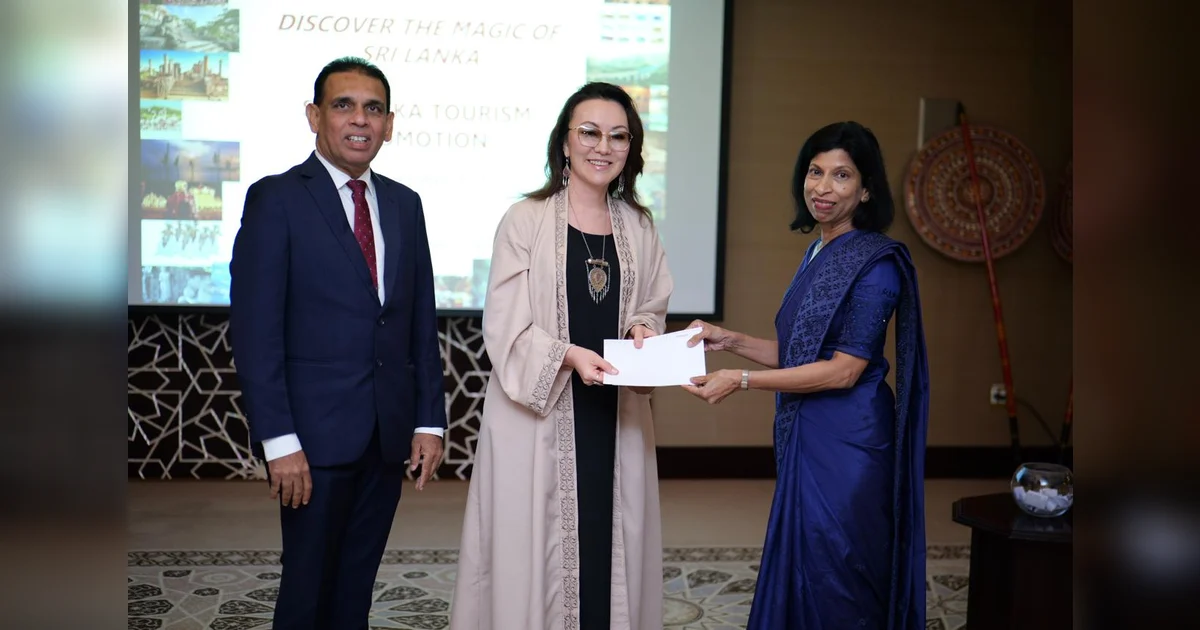
Embassy of Sri Lanka works with travel agencies to promote Sri Lanka tourism in the UAE
The Embassy of Sri Lanka in Abu Dhabi has taken a significant step to promote Sri Lanka as a top travel destination for UAE residents. On November 17, 2025, the embassy hosted a tourism promotion event titled ‘Discover the Magic of Sri Lanka’ at the Bab Al Qasr Hotel in Abu Dhabi. The event brought together key stakeholders, including travel agencies, airlines, media representatives, government officials, and diplomats, to showcase Sri Lanka’s tourism potential. With 4,827 UAE tourists visiting Sri Lanka by October 2025, the embassy emphasized the need to strengthen promotional efforts in the UAE. Aitken Spence Travels, a major supporter of the initiative, highlighted its longstanding partnerships with UAE-based travel agents and contributed to the event with raffle prizes. The event featured opening remarks by Sri Lanka’s Ambassador to the UAE, Arusha Cooray, and a keynote address by Nalin Jayasundara, Managing Director of Aitken Spence Travels. Attendees gained insights into Sri Lanka’s natural beauty, cultural diversity, and unique tourism offerings. Ambassador Cooray underscored the growing cooperation between Sri Lanka and the UAE in tourism and expressed gratitude to all participants. The event concluded with a reception and an interactive Q&A session, fostering discussions on enhanced airline connectivity and new tourism experiences. This initiative underscores Sri Lanka’s commitment to positioning itself as a premier destination for Emirati travelers.
-
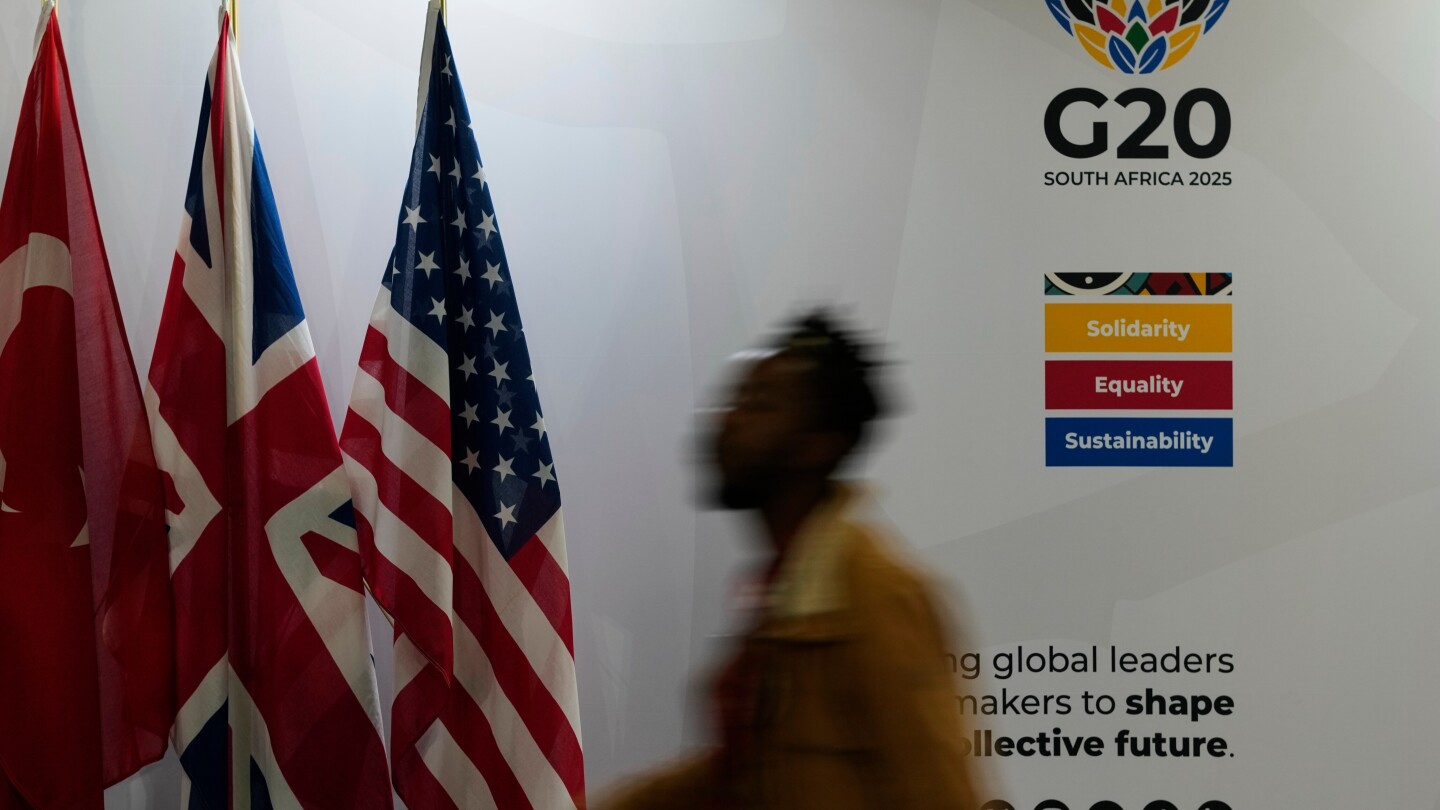
Takeaways from the first G20 summit in Africa and a look ahead to the next one at Trump’s golf club
The inaugural Group of 20 (G20) summit held in Africa concluded on Sunday, marking a historic shift by placing the concerns of developing nations at the forefront of the bloc’s agenda. Hosted by South Africa, the summit culminated in a declaration signed by some of the world’s wealthiest and emerging economies, committing to address critical issues affecting poorer countries. These include the disproportionate impact of climate change, escalating debt burdens, and the urgent need for equitable access to green energy transitions. However, the United States, a founding G20 member and the world’s largest economy, notably boycotted the event, refusing to endorse the declaration. The Trump administration has openly criticized South Africa’s agenda, particularly its focus on climate change. With the U.S. assuming the G20 presidency immediately after the summit, the long-term implications of the Johannesburg declaration remain uncertain. The 122-point declaration, while non-binding, signals a consensus among participating nations to mobilize public and private financing to aid developing countries in recovering from climate-related disasters. Africa, which contributes only 2-3% of global emissions, faces some of the most severe consequences of climate change, as evidenced by recent devastating cyclones in Mozambique, Malawi, and Zimbabwe. Leaders from developing nations, including Sierra Leone’s President Julius Maada Bio, highlighted the unfair borrowing conditions they face, with interest rates up to eight times higher than those for wealthier countries. Despite the summit’s achievements, questions linger about the G20’s effectiveness in addressing global crises, such as the war in Ukraine and the Sudanese civil war, which received minimal attention in the declaration. The summit concluded with an awkward moment as South African President Cyril Ramaphosa handed over the symbolic G20 gavel to Brazil’s President Luiz Inácio Lula da Silva, as no U.S. representative was present due to the boycott. The U.S. had proposed sending a junior embassy official, which South Africa deemed disrespectful. Looking ahead, the G20’s trajectory under U.S. leadership appears starkly different, with the Trump administration criticizing South Africa’s inclusive approach and suggesting a return to a more streamlined G20 framework. The summit’s outcomes underscore the growing divide between developed and developing nations, as well as the challenges of fostering global cooperation in an increasingly polarized world.
-

Morgan Geyser, ‘Slender Man’ stabber, captured after fleeing group home
Morgan Geyser, the woman convicted in the infamous 2014 Slender Man stabbing case, was apprehended by Illinois police after escaping from a group home in Madison, Wisconsin. Geyser, now 23, removed her monitoring bracelet and fled the facility on Saturday night, remaining at large until her capture at a truck stop in Posen, Illinois, on Sunday. When confronted by officers, Geyser reportedly told them to ‘just Google’ her name, acknowledging she had ‘done something really bad.’
Geyser was just 12 years old when she and her friend Anissa Weier lured their classmate, Payton Leutner, to a park and stabbed her 19 times in an attempt to appease Slender Man, a fictional online character. The victim survived the attack, which shocked the nation and drew widespread media attention. In 2018, Geyser was sentenced to 40 years in a mental hospital but was granted conditional release in July 2023.
At the time of her capture, Geyser was found with a 42-year-old man, who was charged with trespassing and obstructing identification before being released. Police reported that the pair were discovered sleeping on the sidewalk near the truck stop, approximately 170 miles south of Madison. Geyser initially provided a false name but eventually revealed her identity, leading to her detention.
The Slender Man case, which involved Geyser and Weier’s belief that the character would harm their families if they did not commit the attack, has become a haunting example of the influence of online folklore on vulnerable minds. Weier, who was also 12 at the time, was sentenced to 25 years in a psychiatric hospital but was released in 2021. Slender Man, a shadowy figure created in 2009 as part of an online contest, has since been the subject of numerous cautionary tales and warnings.
-

Messi magic as Miami thrash Cincinnati, face NYCFC next
Lionel Messi delivered a sensational performance as Inter Miami secured a dominant 4-0 victory over FC Cincinnati, advancing to the Eastern Conference championship. The Argentine maestro scored once and provided assists for all three of Miami’s other goals, showcasing his unparalleled influence on the pitch. Tadeo Allende netted a brace, while Mateo Silvetti added another, ensuring Miami’s emphatic triumph. The match, held at Cincinnati’s TQL Stadium, drew a sold-out crowd of over 26,000, but the home side failed to capitalize on early opportunities. Messi opened the scoring in the 18th minute, heading home Silvetti’s precise cross. Miami’s relentless attack continued, with Messi orchestrating plays that led to Silvetti’s curling strike in the 57th minute and Allende’s two goals in the 62nd and 74th minutes. Miami coach Javier Mascherano hailed the team’s near-perfect performance, particularly praising Messi’s off-the-ball contributions. Inter Miami will now face New York City FC in the Eastern Conference final, with the winner advancing to the MLS Cup championship on December 6. Meanwhile, Vancouver awaits the victor of the Western Conference final between San Diego and Minnesota United.
-

From one tower to a skyline: My journey through the UAE’s construction story
When Dr. Neelivethil Rajeev first arrived in Dubai three decades ago, the city’s skyline was dominated by a single structure — the World Trade Centre. Standing alone in the desert, it symbolized ambition and possibility. Today, that solitary tower has been joined by hundreds of others, creating one of the world’s most iconic skylines. This transformation is a testament to the UAE’s visionary approach to construction and urban development. In the early years, construction was more than just steel and concrete; it was about daring to dream beyond borders. The 1990s focused on infrastructure and civic projects, while the 2000s introduced architectural marvels like the Burj Khalifa and Dubai Marina. The 2010s brought master-planned communities and sustainability initiatives, and the 2020s are ushering in an era of smart mobility, clean energy, and digital innovation. Dr. Rajeev has played a pivotal role in this journey through ESPA’s contributions to water systems across various developments. Dubai’s present achievements are staggering: in 2024, real estate transactions reached Dh761 billion ($207 billion), and tourism welcomed 18.72 million visitors, a 9% increase from 2023. The UAE is now among the top seven countries for international tourist spending, contributing Dh257.3 billion ($70.1 billion) to GDP. Looking ahead, the UAE is accelerating into a future defined by innovation and sustainability. Projects like the Burj Azizi skyscraper, Dubai Loop, Expo City Dubai, and the Mohammed Bin Rashid Solar Park are redefining urban landscapes. ESPA continues to support this growth with advanced hydropneumatic and booster systems, ensuring future-ready infrastructure. From a lone tower to a skyline of hyper-towers, Dubai’s journey is a story of resilience, ambition, and boundless innovation.
-
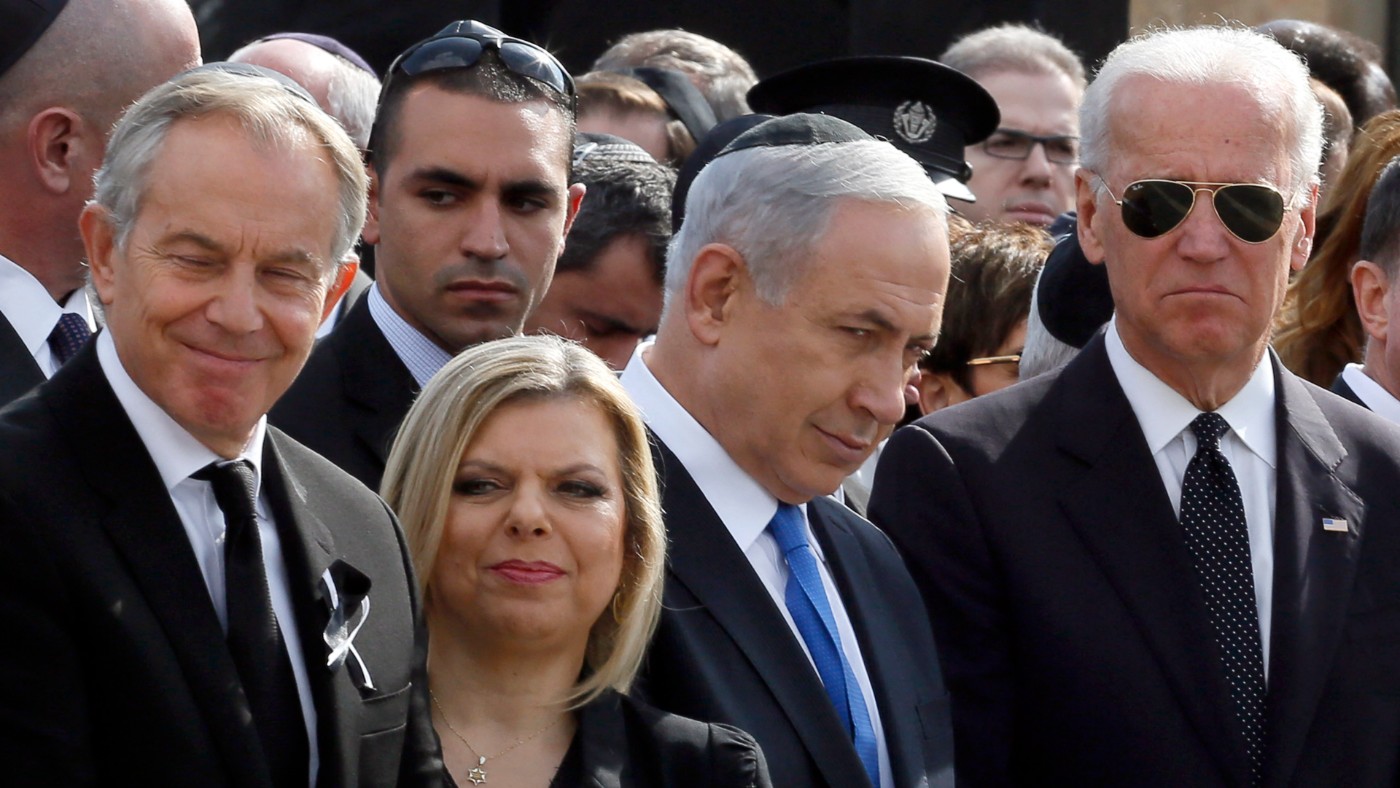
Netanyahu diary reveals close contact with Tony Blair and US senators
Israeli Prime Minister Benjamin Netanyahu’s 2024 diary, recently disclosed by the non-profit organization Hatzlaha, has shed light on his extensive interactions with prominent international figures, including US Republican Senator Lindsay Graham and former British Prime Minister Tony Blair. The diary, partially redacted for national security reasons, reveals seven in-person meetings and nine phone calls with Senator Graham, alongside seven meetings with Blair. Notably, on October 29, 2024, Netanyahu engaged in an unreported conversation with UAE President Mohammed Bin Zayed. These interactions occurred during a period of heightened tensions between Israel and the Biden administration over Israel’s military actions in Gaza, which have been widely condemned as genocide. According to Haaretz, Graham actively sought to secure additional weaponry for Israel and undermine an International Criminal Court (ICC) arrest warrant against Netanyahu. In May 2024, following a phone call with Netanyahu, Graham criticized the US government’s decision to delay arms sales to Israel, labeling it “obscene” and urging unconditional support. He also advocated for sanctions against the ICC, accusing it of bias against Israel. Meanwhile, the UN Security Council’s Resolution 2803, approved in late 2024, granted former US President Donald Trump supreme control over Gaza, with Blair playing a key role in its implementation. International law expert Ralph Wilde criticized the resolution as a colonial-style trusteeship that violates Palestinian self-determination rights.
-
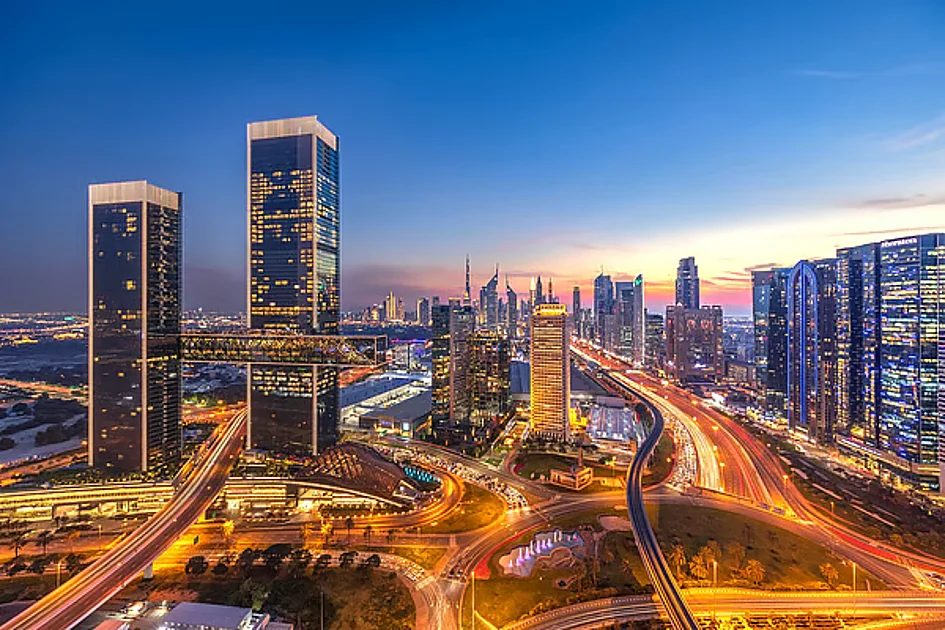
470 new residents, only 150 homes a day: Dubai’s population outpaces supply
Dubai is grappling with a significant housing crisis as its population growth continues to outstrip the supply of new residential units. According to the Dubai Data and Statistics Establishment, the emirate’s population surged by 17,660 in just one month, reaching 4.04 million by mid-November 2025. This influx of expatriates, professionals, and investors has created a demand for approximately 150 new homes daily, yet only 7,800 units were delivered in the third quarter of 2025, with another 14,900 expected in the fourth quarter. This annual total of 44,000 units falls short of the housing needs generated by the city’s rapid population growth.
Experts warn that this imbalance is likely to persist for the next three to four years, driving up property prices and rentals. Ghassan Saliba, CEO of Stage Properties, emphasized that even the units currently being sold or released are insufficient to meet demand. He noted that the city’s infrastructure, including roads and bridges, is also under strain due to the growing population.
To address the housing shortage, Dubai announced in March 2025 the allocation of land to develop over 17,000 affordable units across the emirate. Additionally, the government introduced initiatives such as the First-Time Home Buyer Programme, which offers eligible residents priority on new launches, preferential pricing, and easier mortgage pathways for homes valued up to Dh5 million.
Despite these efforts, concerns remain about the long-term sustainability of Dubai’s housing market. The Dubai 2040 Urban Master Plan aims to increase the city’s population to 5.8 million by 2040, requiring an estimated 128,000 new residents annually. However, with current housing delivery rates at only half of what is needed, there is a risk that new residents and potential buyers may be priced out of the market, potentially limiting population growth in the future.
-
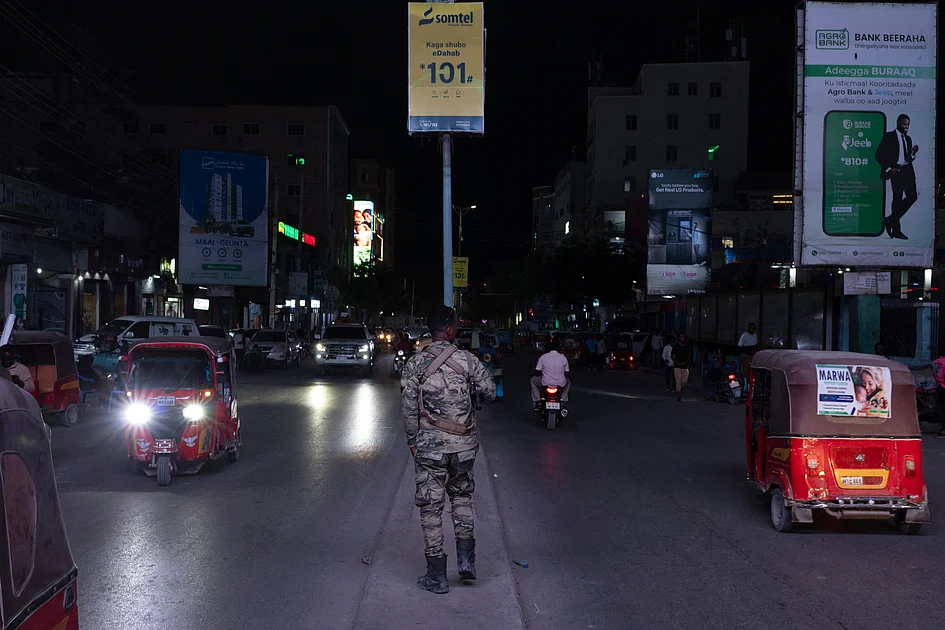
Rising from the ashes of war: Mogadishu’s building boom
Mogadishu, the capital of Somalia, is experiencing a remarkable transformation as it emerges from decades of conflict and instability. For the first time in years, the city’s three million residents are witnessing a construction boom, with new buildings rising amidst the remnants of war-torn streets. Pavements still bear the scars of bullet holes, and ruined structures remain, but the dominant sound is now the clatter of construction rather than the echoes of destruction. This resurgence is a testament to the resilience of a city that has endured civil war in the 1990s and a militant insurgency that continues to threaten parts of the country. Despite these challenges, Mogadishu is making strides toward recovery, driven by improved security measures and investment from the Somali diaspora. The government attributes the decline in insurgent attacks—down 86% from 2023 to mid-2025—to a new system of checkpoints and enhanced professionalism among security forces. However, the city still faces significant hurdles, including the resurgence of Al-Shabaab in surrounding areas and growing inequality. While wealthy officials and foreigners benefit from improved living standards, many residents grapple with forced evictions and limited access to essential services. The construction boom, though a sign of progress, raises questions about who truly benefits from Mogadishu’s rise.