
The festive season at the White House officially commenced as First Lady Melania Trump welcomed the arrival of the official Christmas tree. The majestic 18.5-foot Fraser fir, sourced from West Virginia, was transported in grand style by a traditional green carriage drawn by two Clydesdale horses. The tree made its ceremonial entrance at the Portico of 1600 Pennsylvania Avenue, marking the beginning of holiday preparations at the presidential residence. Mrs. Trump, known for her elegant approach to White House traditions, personally oversaw the event, emphasizing the importance of family and togetherness during the holiday season. The tree will serve as the centerpiece of the White House decorations, which are expected to reflect a theme of unity and celebration. This annual tradition, steeped in history, continues to symbolize the warmth and joy of the holiday spirit in the nation’s capital.
作者: admin
-
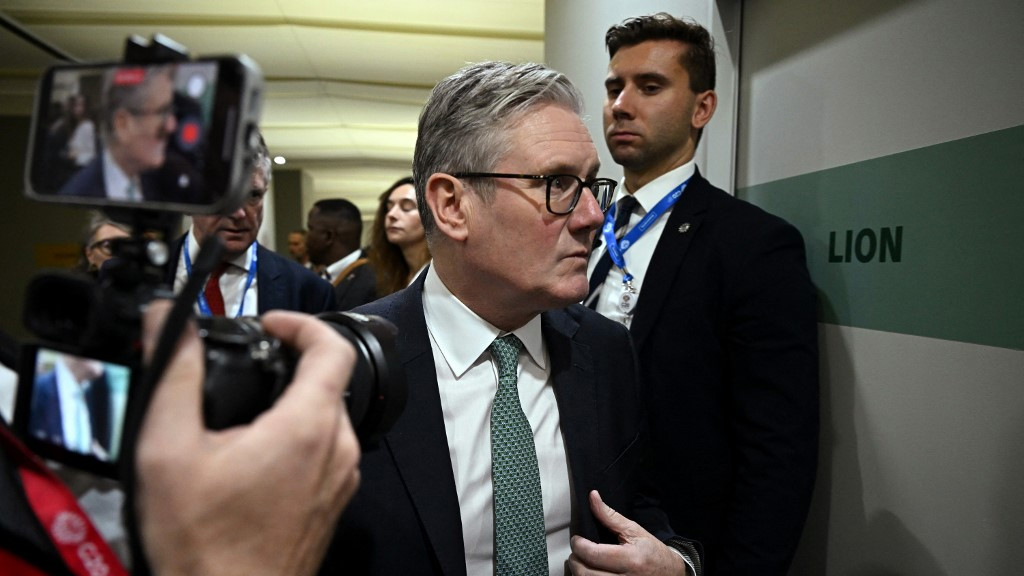
UK allowed arms exports to UAE after being told weapons given to RSF
The British government has come under scrutiny for approving weapons exports to the United Arab Emirates (UAE) despite evidence suggesting that UK-manufactured military equipment was diverted to Sudanese paramilitaries accused of genocide. Reports from last month revealed that British-made small-arms target systems and armored vehicle engines were found in the hands of the Rapid Support Forces (RSF), a militia group implicated in widespread atrocities in Sudan. Middle East Eye (MEE) had previously exposed the UAE’s extensive logistical and military support to the RSF. In March, the UN Security Council, of which the UK is a member, received allegations that the UAE supplied British-made arms to the RSF. Despite this, the UK continued to authorize military exports to the UAE. Official data released last week shows that Britain licensed £172 million ($225 million) in military equipment exports to the UAE between April and June 2024, including £1.9 million in military vehicles and components. Emily Apple of the Campaign Against Arms Trade (CAAT) condemned the exports, stating that the UK government is prioritizing arms dealers’ profits over accountability, despite clear evidence of war crimes in Gaza and Sudan. The Sudanese Armed Forces (SAF) compiled dossiers presented to the UN Security Council, containing images of British-made small-arms target devices recovered from RSF sites in Khartoum and Omdurman. These devices were reportedly manufactured by Militec, a Welsh-based company that has received numerous export licenses since 2013. Political parties and MPs across the UK have called for a suspension of arms sales to the UAE, citing international legal obligations. The RSF’s recent seizure of el-Fasher in Darfur has further highlighted the group’s brutal tactics, with reports of widespread civilian killings, sexual violence, and expulsions. The conflict in Sudan, which began in 2023, has seen the RSF accused of war crimes and genocide by international bodies and human rights groups.
-
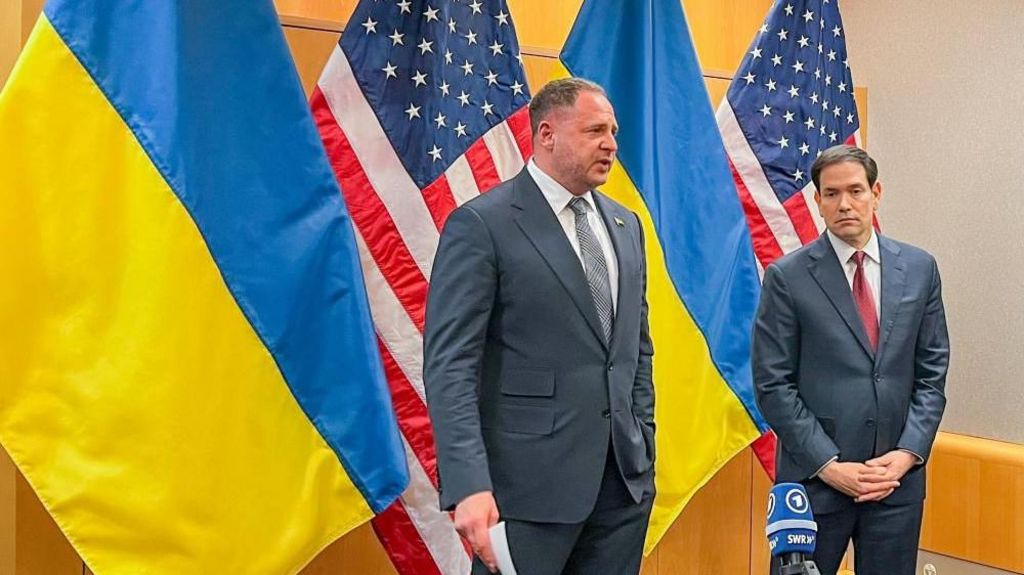
Updated peace plan could be a deal Ukraine will take – eventually
In a high-stakes diplomatic effort to broker peace in Ukraine, senior officials from the United States and Ukraine engaged in intense negotiations in Geneva over the weekend. The talks, which included national security advisers from Germany, France, and the UK, aimed to address a proposed peace deal that initially appeared heavily skewed in favor of Russia’s demands. The initial proposal, reportedly influenced by US President Donald Trump’s envoy Steve Witkoff, faced strong resistance from Kyiv, which refused to accept terms resembling surrender. Ukraine’s lead negotiator, Andriy Yermak, appeared visibly tense as discussions began, with US Secretary of State Marco Rubio forced to deny allegations that the draft was authored by the Kremlin. By Sunday night, Rubio announced ‘tremendous progress,’ though details remained vague. A joint Ukraine-US statement revealed an ‘updated and revised framework document,’ which reportedly incorporates significant amendments proposed by European allies. Key changes include the removal of an automatic veto on Ukraine’s future NATO membership, no permanent deployment of Western troops, and a commitment to recover occupied territories through diplomatic means. The revised plan also eliminates a full amnesty for war crimes and introduces security guarantees akin to NATO’s Article 5, a non-negotiable priority for Ukraine. German Chancellor Friedrich Merz described the deal as ‘significantly modified’ in a positive direction. However, skepticism remains, as Russia’s President Vladimir Putin shows no signs of conceding unless forced. Analysts suggest that while Trump’s push for a deal has injected momentum into peace efforts, the outcome may still fall short of Ukraine’s aspirations. The negotiations highlight the delicate balance between diplomatic progress and the enduring realities of the conflict.
-
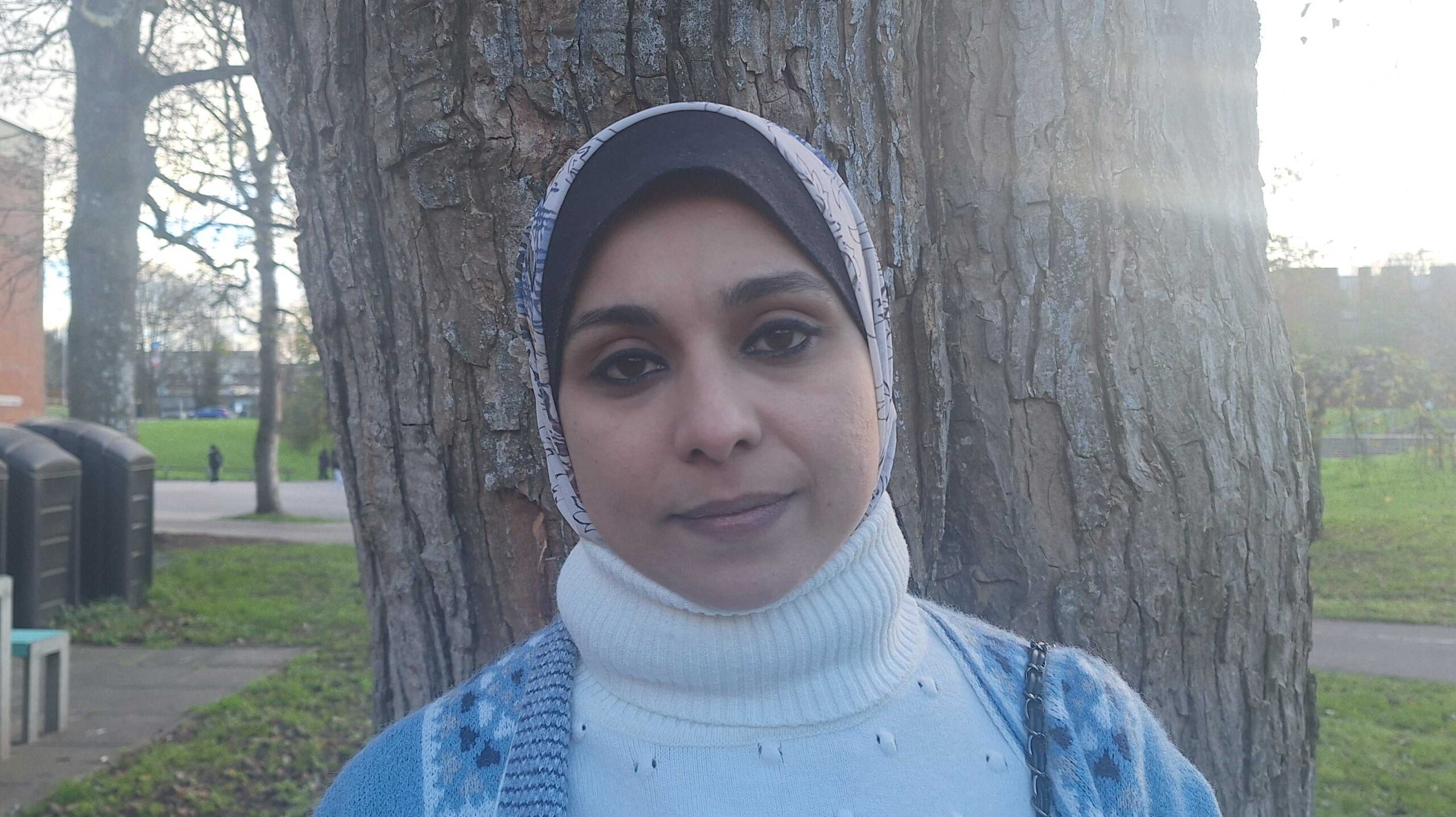
UK visa rules leave Palestinian scholars in limbo and their children stranded in Gaza
Faten Sweedan, a 30-year-old Unrwa school teacher from Gaza, recalls her 28th birthday on October 7, 2023, as a bittersweet memory. Celebrated just a day before the Hamas-led attack on Israel and the subsequent war on Gaza, her birthday marked the last moments of normalcy before her life was upended. Born on a date now synonymous with the onset of the Gaza genocide, Sweedan’s story is one of resilience amidst unimaginable loss and displacement.
-
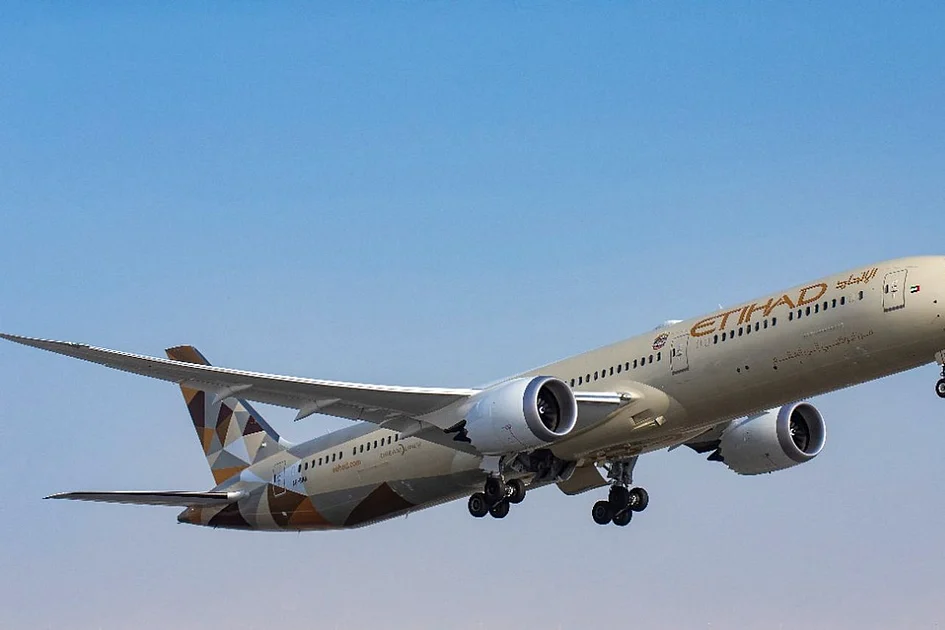
Etihad Airways to increase seats on route to Tokyo with new A380 service
Etihad Airways has unveiled plans to introduce its Airbus A380 aircraft on its route to Narita, Tokyo, starting June 16, 2026. This strategic move aims to cater to the surging demand for travel between the UAE and Japan, particularly during the peak summer season. The double-decker aircraft will operate flights between Zayed Abu Dhabi International Airport (AUH) and Narita International Airport (NRT), offering passengers enhanced capacity and a premium travel experience. The A380, renowned for its spaciousness and luxury amenities, including the world’s only three-room suite in the sky, will join Etihad’s existing A380 network, which currently serves London, Paris, Toronto, and Singapore. Arik De, Chief Revenue and Commercial Officer at Etihad Airways, emphasized the significance of this expansion, stating, ‘The A380 is ideally suited to this route, given the robust business and cultural ties between the UAE and Japan. This initiative reflects our commitment to meeting customer demand and enhancing connectivity.’ The increased capacity is expected to attract more Japanese travelers to Abu Dhabi, whether as a stopover or a destination in its own right, further strengthening bilateral tourism and economic relations.
-
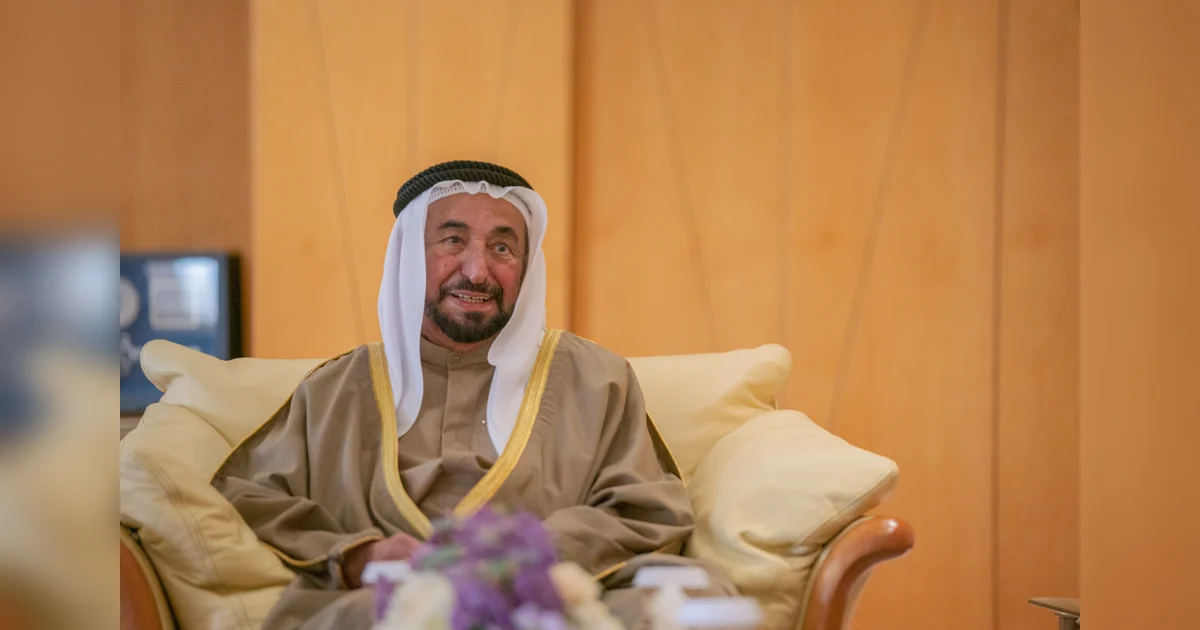
Sharjah clears debts worth Dh73 million in 143 cases to ease burden on citizens
In a significant move to support its citizens, the Sharjah Debt Settlement Committee has cleared debts amounting to Dh73 million across 143 cases. This initiative, directed by Sheikh Dr. Sultan bin Muhammad Al Qasimi, Ruler of Sharjah and Member of the Federal Supreme Council, aims to alleviate financial hardships faced by individuals, including those convicted in financial cases and insolvent deceased persons. Since its establishment in 2014, the committee has processed a total of Dh1.35 billion, benefiting 2,791 citizens. The latest batch of debt settlements, approved as part of the committee’s 29th directive, underscores Sharjah’s ongoing commitment to community welfare and financial relief. This program is specifically designed to assist UAE nationals experiencing genuine financial difficulties, reflecting the emirate’s dedication to social balance and family well-being. Earlier this year, Sharjah Police also released 13 inmates, further demonstrating the emirate’s efforts to strengthen family bonds and promote social harmony.
-
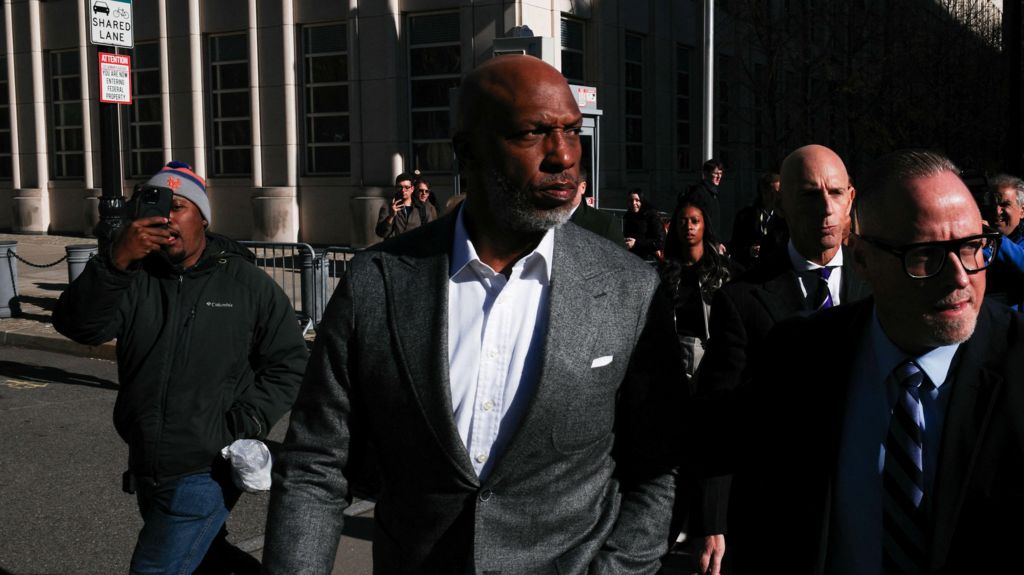
Chauncey Billups pleads not guilty in alleged rigged poker case
Chauncey Billups, a prominent NBA coach and Hall of Famer, pleaded not guilty in a Brooklyn federal court on Monday to charges related to his alleged involvement in a mafia-linked illegal poker operation. The case has sent shockwaves through the professional basketball community. Billups, who appeared alongside approximately 30 other defendants, faces accusations of wire fraud conspiracy and money laundering conspiracy. Prosecutors claim he acted as a ‘face card,’ lending the illegal scheme an air of prestige and luring unsuspecting players into rigged games. US District Judge Ramos E Reyes set Billups’ bond at $5 million, with his wife and daughter serving as signatories. Billups is currently free but under travel restrictions. His attorney, Marc Mukasey, formally entered the plea on his behalf. The courtroom was packed with defendants, attorneys, family members, and observers, creating a scene described as ‘controlled chaos.’ Billups responded minimally during the hearing, affirming his understanding of his rights and charges. Defense attorneys debated logistical arrangements for the large group of defendants, with Judge Reyes ultimately deciding to keep them together for now. The trial is estimated to begin by September 2026, with the next procedural hearing set for March 4, 2026. Billups, who was drafted into the NBA in 1997, is among several high-profile figures implicated in gambling-related indictments unveiled by the FBI in October. The case involves allegations of an underground poker operation using cheating devices like X-ray tables and rigged shuffling machines. A separate case involving insider information and online betting has further rocked the NBA. Following the charges, the NBA placed Billups, the coach of the Portland Trail Blazers, on leave.
-

UAE flights: Air Arabia launches non-stop Sharjah–London service
Sharjah-based budget airline Air Arabia has announced the launch of a new non-stop flight service connecting Sharjah International Airport to London Gatwick, set to commence on March 29, 2026. The service will operate twice daily, offering travelers enhanced connectivity and convenience between the United Arab Emirates (UAE) and the United Kingdom (UK). This strategic move underscores Air Arabia’s commitment to expanding its global network and strengthening its presence as a key player in the aviation industry. Adel Al Ali, Group CEO of Air Arabia, emphasized that the new route represents a significant milestone in the airline’s growth journey, providing customers with affordable and reliable travel options for both business and leisure purposes. Jonathan Pollard, Chief Commercial Officer at London Gatwick, highlighted the growing demand for Middle Eastern destinations and welcomed Air Arabia’s addition to the airport’s roster of carriers. The launch aligns with London Gatwick’s recent expansion, including the government-approved routine use of its Northern Runway, further enhancing its operational capacity.
-

Global Investors Forum 2025: A strategic platform connecting the GCC with Eurasia through a unified investment ecosystem
The Global Investors Forum (GIF) 2025, set to take place in Tbilisi, Georgia, from December 4 to 5, 2025, is poised to become a landmark event in the global economic landscape. This premier investment platform will bring together over 1,500 participants, including 70 institutional investors, 50 international speakers, and delegations from more than 40 countries. The forum aims to foster collaboration between the Gulf Cooperation Council (GCC) countries and Eurasia through a unified investment ecosystem, focusing on key sectors such as sustainability, technology, tourism, digital assets, real estate, and agricultural technology. Organized in partnership with EurAsia Gulf and AGI Holding, and supported by the International Chamber of Commerce (ICC) and the Embassy of Georgia to the UAE, GIF 2025 will feature high-level panel discussions, investment showcases, and business matchmaking sessions. The event will also witness the signing of strategic Memoranda of Understanding (MoUs) between government and private investment institutions, aimed at creating cross-border financing channels in vital sectors like clean energy, sustainable technologies, and digital agriculture. Notable participants include Dr. Abdullah Belhaif Al Nuaimi, Chairman of the Sharjah Consultative Council (UAE), Dr. Taysir Al Khunaizi, Partner and Deputy CEO of the Georgia Saudi Investment Corporation, and Dr. Sadeddine Mneimne, Chairman of AGI Holding and Founder of the Global Investors Forum. The forum will also feature global leaders such as Aref bin Ali Al Abbar, President of the Hobbies Club in the UAE, and Arif Anis, an internationally recognized leadership expert. The event is expected to yield major investment agreements valued at hundreds of millions of dollars, with a strong emphasis on advancing green projects and financing innovation in renewable energy and digital infrastructure. The forum represents a significant step forward in advancing international cooperation between emerging markets and global investors, reinforcing the importance of economic collaboration in connecting the Middle East with Europe and Central Asia.
-
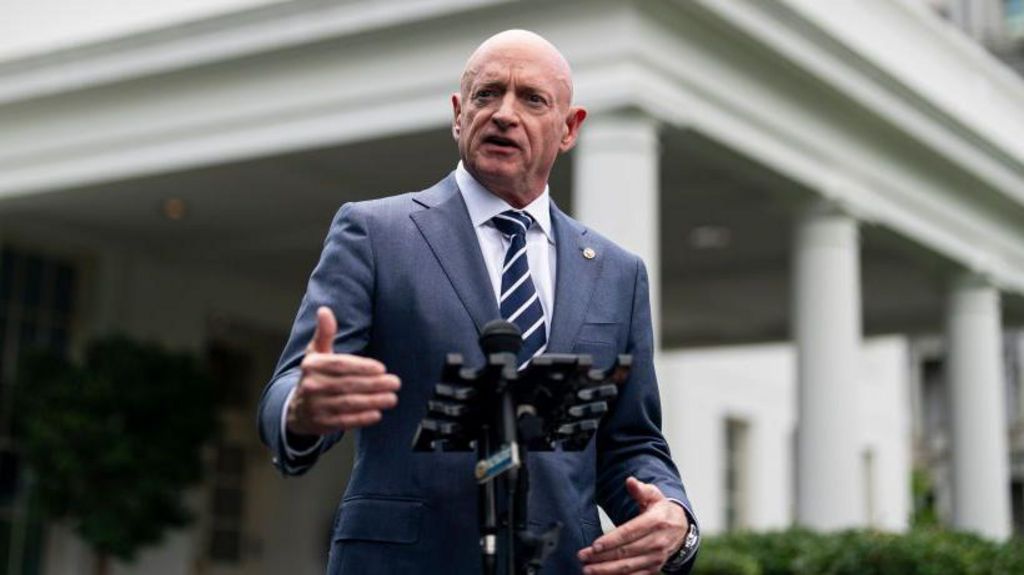
Pentagon reviewing ‘misconduct’ allegations against Senator Mark Kelly
The Pentagon has initiated an investigation into Democratic Senator Mark Kelly, citing ‘serious allegations of misconduct.’ The announcement, made via the Department of War’s social media account, did not specify the nature of the allegations but emphasized the legal obligations of service members under the Uniform Code of Military Justice (UCMJ). Kelly, a retired US Navy captain and former NASA astronaut, recently joined five other Democratic lawmakers in urging service members to refuse unlawful orders. The Pentagon’s statement underscored that orders are presumed lawful unless proven otherwise. Kelly responded defiantly on social media, asserting that the investigation would not deter him from fulfilling his congressional duties. He highlighted his extensive service to the nation, including his combat experience during the Gulf War and his NASA missions, and accused the administration of prioritizing power over constitutional principles. Despite his retirement, Kelly remains subject to the UCMJ, which allows the military to recall retirees for offenses that undermine military discipline. The Pentagon hinted at potential further actions, including a recall to active duty for court-martial or administrative measures.