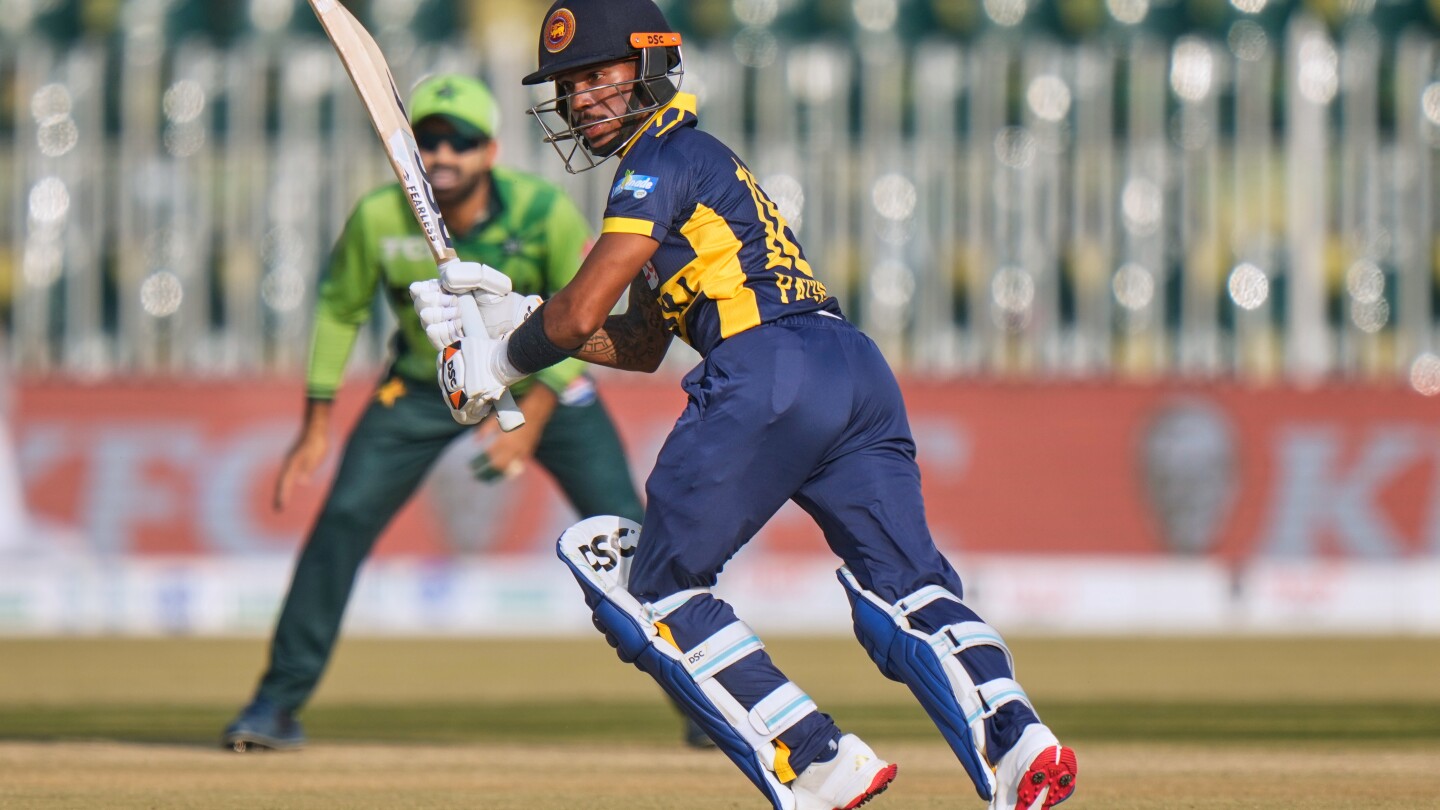
In a commanding display of cricketing prowess, Sri Lanka secured their first win in the T20 tri-series with a resounding nine-wicket victory over Zimbabwe on Tuesday. Opening batsman Pathum Nissanka was the star of the match, delivering an explosive unbeaten 98 off just 58 balls. His innings, studded with four sixes and 11 boundaries, propelled Sri Lanka to a comfortable 148-1, chasing down Zimbabwe’s modest total of 146-5 with 22 balls to spare. Nissanka’s aggressive yet calculated approach, particularly against Zimbabwe’s pace attack, set the tone for the match. He was well-supported by Kusal Mendis, who remained unbeaten on 25, as the duo forged an 89-run partnership off 64 balls. Zimbabwe’s bowlers struggled to contain the flow of runs, with Richard Ngarava and Brad Evans conceding 44 and 36 runs respectively. Earlier, Sri Lanka’s bowlers, led by Maheesh Theekshana (2-23) and Wanindu Hasaranga (2-23), restricted Zimbabwe’s batting lineup. Sikandar Raza’s 37 off 29 balls and Ryan Burl’s unbeaten 37 off 26 were the only notable contributions for Zimbabwe. With this win, Sri Lanka keeps their hopes alive for a spot in the final, which Pakistan has already secured. Sri Lanka must now defeat Pakistan in their upcoming match to advance, as Zimbabwe holds a superior net run-rate.
作者: admin
-

Taicang factory builds inclusivity
Nestled in the heart of Taicang, Jiangsu province, the Inclusion Factory stands as a beacon of hope and empowerment. This innovative workshop is not just a place of work but a sanctuary where individuals with intellectual and developmental disabilities, such as Down syndrome and autism, find purpose and belonging. Amid the rhythmic hum of machinery, these employees are crafting more than automotive parts—they are building confidence, fostering community, and reshaping their futures.
At the helm of this transformative initiative is Zhang Xingjuan, a dedicated training manager whose unwavering patience and personalized coaching have become the cornerstone of the factory’s success. Zhang, 53, reveals how her once-short temper has evolved into a profound sense of calm, thanks to the symbiotic relationships she has cultivated with her trainees. For many, mastering the required skills can take up to 100 sessions, but the journey is as rewarding as the outcome.
Parents of these employees, who once grappled with uncertainty about their children’s futures, now find solace and hope in the factory’s mission. The Inclusion Factory’s impact extends beyond its walls, attracting over 100 corporate partners who recognize the value of inclusive employment. This pioneering initiative demonstrates that with the right support, everyone has the potential to contribute meaningfully to society.
Qi Xinran contributed to this inspiring story.
-
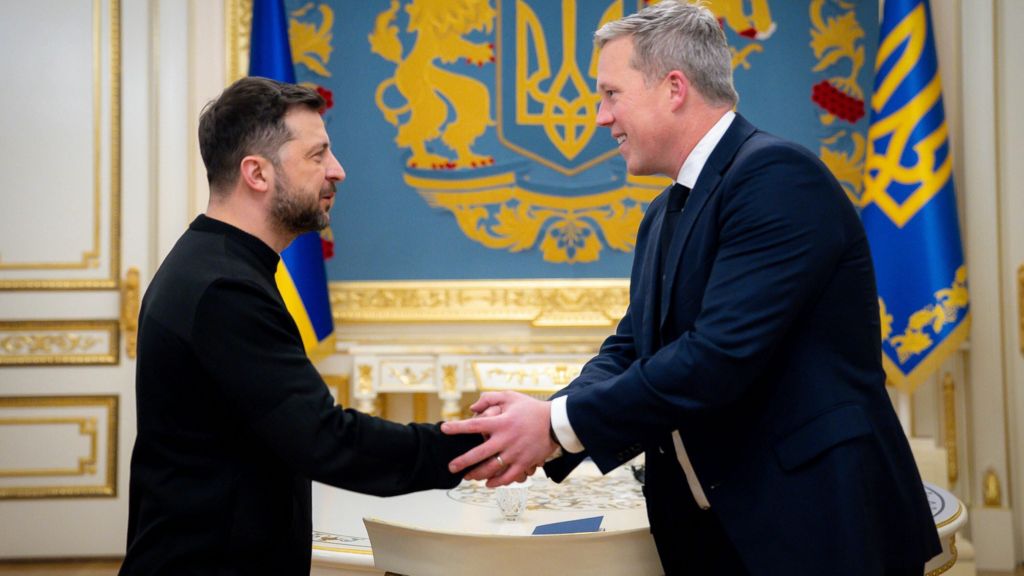
Who is Trump’s ‘drone guy’ Dan Driscoll, taking key role in Ukraine talks?
In a surprising twist to the ongoing Russia-Ukraine conflict, the Trump administration has deployed Dan Driscoll, the youngest-ever U.S. Army Secretary, to spearhead high-stakes diplomatic efforts. Known as President Donald Trump’s ‘drone guy’ for his advocacy of advanced battlefield technologies, Driscoll has recently emerged as a key figure in international negotiations aimed at ending the war. Despite his limited experience in diplomacy, Driscoll’s close ties with Vice President JD Vance have propelled him into the political spotlight. Driscoll’s journey began with a military career, including deployments to Iraq, followed by a law degree from Yale University and a stint in finance. His rapid ascent continued when Vance invited him to join Trump’s 2024 campaign, leading to his swift confirmation as Army Secretary. Driscoll’s recent unannounced visit to Ukraine, alongside other Pentagon officials, marked the highest-level U.S. military delegation to Kyiv since Trump’s return to office. His meetings with Ukrainian President Volodymyr Zelensky and subsequent discussions in Geneva and Abu Dhabi have been pivotal in refining a peace framework. Driscoll’s vision for the future of warfare, emphasizing drones and artificial intelligence, underscores his transformative approach to military strategy. As speculation grows about his potential to replace Defense Secretary Pete Hegseth, Driscoll’s influence within the administration continues to expand.
-
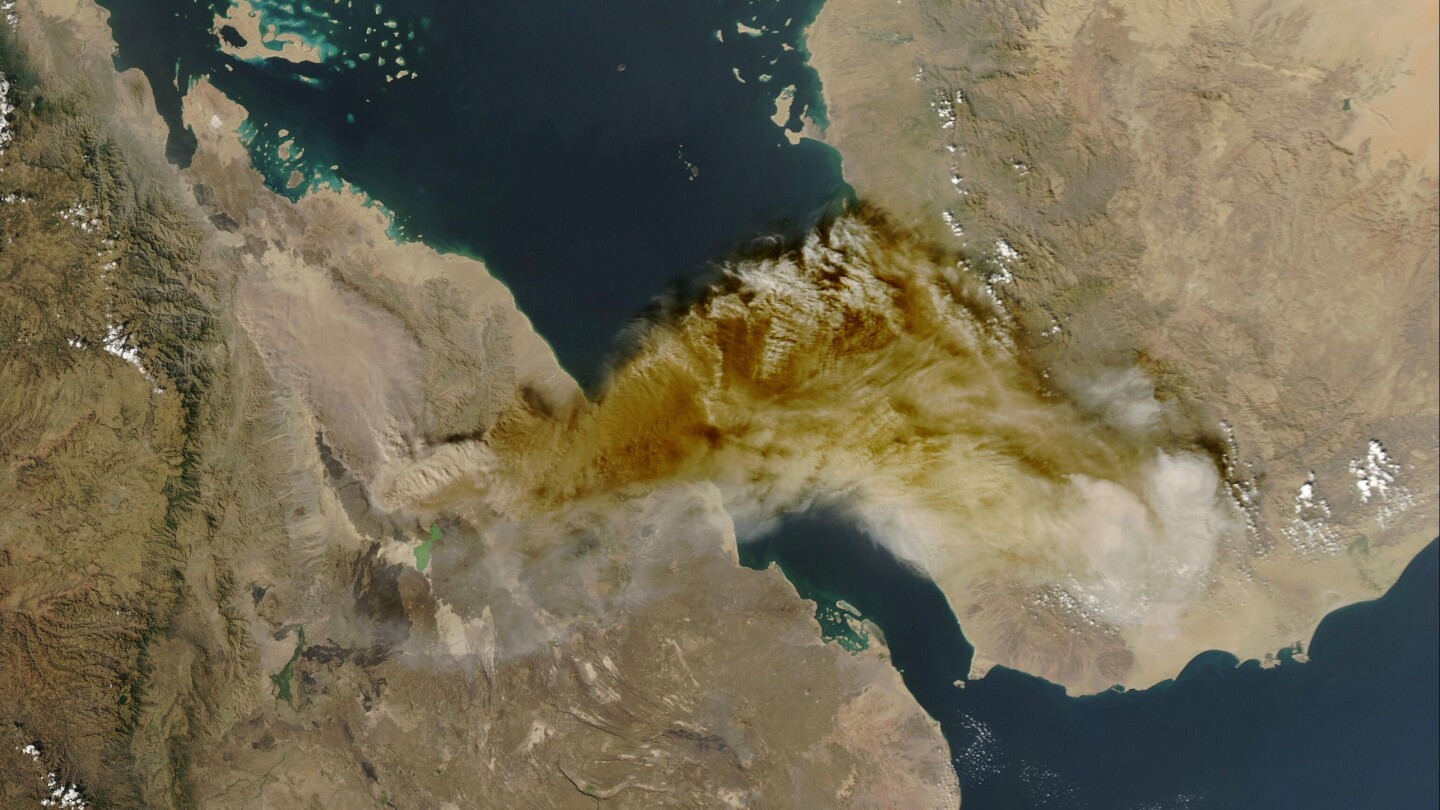
Ethiopian volcano subsides, leaving a trail of disruption and canceled flights
The Hayli Gubbi volcano in northern Ethiopia, dormant for millennia, erupted over the weekend, causing widespread disruption and damage. The volcanic activity, which subsided by Tuesday, left nearby villages in the Afdera district of the Afar region blanketed in ash. Residents reported persistent coughing, while livestock struggled to find clean water and grass due to the ash cover. The eruption also led to significant flight cancellations as ash plumes disrupted high-altitude flight paths. Airlines, including India’s Air India and Akasa Air, canceled dozens of flights, particularly those bound for Middle Eastern destinations like Jeddah, Kuwait, and Abu Dhabi. At least seven international flights at New Delhi’s Indira Gandhi International Airport were canceled, with numerous others delayed. Mobile medical teams were dispatched to affected areas to address health concerns, while livestock officials reported severe challenges for animals in accessing clean water and food. Geologists noted that the eruption, the first in 10,000 years, is linked to Ethiopia’s location along an active rift system. The ash cloud, carried by high-altitude winds, is expected to clear Indian skies by 1400 GMT on Tuesday.
-
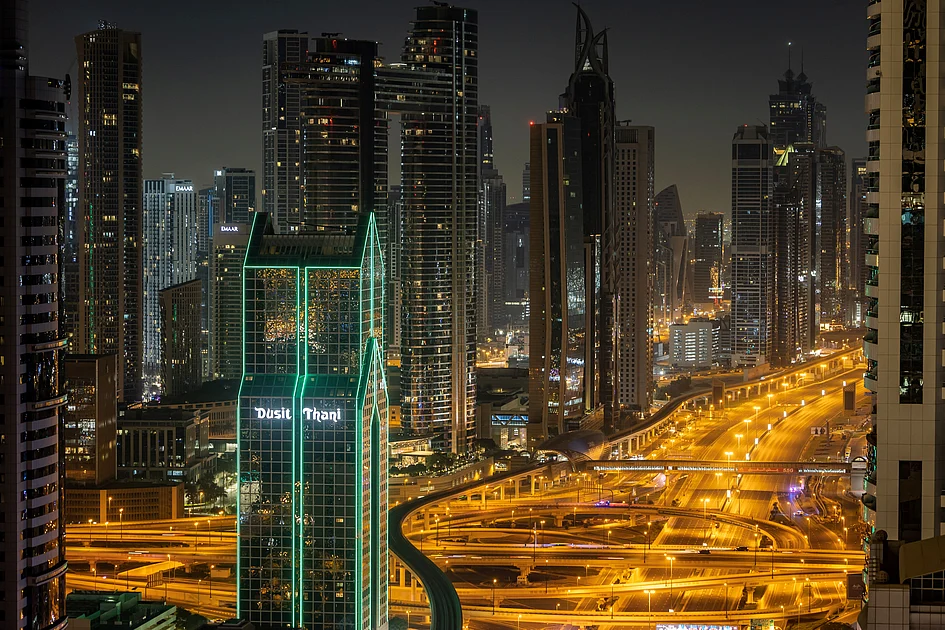
Dubai office rents soar as commercial property continues to boom
Dubai’s commercial real estate market is experiencing an unprecedented surge, with office rents climbing to new heights and occupancy rates nearing record levels. According to the latest research from Chestertons Mena, the demand for premium office spaces, particularly in key hubs like DIFC, Business Bay, and Dubai Internet City, remains robust. These areas are highly sought after due to their advanced infrastructure, prestigious locations, and proximity to international business activities. The limited availability of Grade A office space has pushed occupancy levels to approximately 95%, with citywide office occupancy close to 92%. The average office rent in Dubai has reached around Dh 190 per square foot, marking a 22% year-on-year increase. This growth is driven by professional services firms, multinational relocations, and expanding regulated-sector businesses. Emerging micro-markets such as Jumeirah Lakes Towers (JLT), Barsha Heights, Dubai South, Mohammed bin Rashid City, and Dubai Harbour are also gaining traction, attracting tech companies, digital media operators, and e-commerce players. These areas offer competitive rates, scalable layouts, and excellent connectivity. Workplace preferences in Dubai are evolving, with a growing demand for turnkey, furnished offices with flexible leases, reflecting the shift to hybrid working models. Landlords are responding by offering shorter lease terms, plug-and-play fittings, and smart office environments. Wellness features such as natural light, biophilic design, high-grade air filtration, outdoor breakout areas, gyms, and cafés are becoming standard in modern commercial buildings. Technology integration, including digital room booking systems and high-definition video conferencing, is also on the rise. Investor interest in Grade A commercial assets is strong, driven by robust rental performance, supply constraints, and high occupancy rates. Chestertons forecasts that the tight supply environment for high-spec space will support rental stability in the coming years. The supply of new office space remains constrained, with only about 0.89 million square feet expected to be completed in 2025, increasing to 2.3 million square feet in 2026 and over 4.1 million square feet in 2027. However, much of this new space may already be pre-leased or absorbed before completion. Independent real estate sources, including Cushman & Wakefield and GulfBase, confirm the tight supply and strong pre-leasing activity, reinforcing upward pressure on rents and occupancy. By Q3 2025, Dubai’s overall office vacancy had fallen to around 7.5%, reflecting intense competition for premium space. Gross rental yields for prime office investments are estimated in the 7–8% range, highlighting the attractiveness of commercial real estate for long-term investors. In February 2025 alone, commercial real estate sales transactions grew by 18.2% year-on-year, with a total value of Dh 9.7 billion. This surge signals strong investor confidence in the sector’s long-term performance. Analysts conclude that Dubai’s commercial real estate market is undergoing a structural upshift, with tightening supply, rising rents, and strong investor conviction converging to create a rare opportunity for premium returns. This boom validates Dubai’s strategy as a global business hub and a driver of next-generation growth.
-
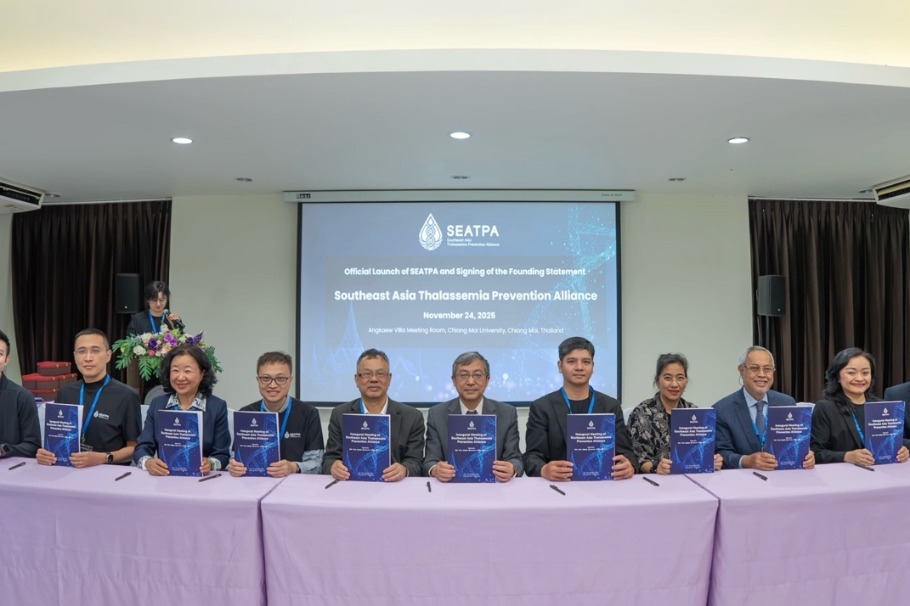
Alliance for thalassemia prevention and treatment launched in Thailand
In a significant stride towards combating thalassemia, the Southeast Asia Thalassemia Prevention Alliance (SEATPA) was officially launched in Chiang Mai, Thailand, on Monday. This groundbreaking initiative, spearheaded by BGI Group, a leading Chinese life sciences and genomics company, aims to eradicate preventable cases of this inherited blood disorder across Southeast Asia. Thalassemia, characterized by impaired hemoglobin synthesis and accelerated red blood cell destruction, poses a major public health challenge in the region due to its high prevalence. SEATPA’s mission is to foster cross-border collaboration, uniting countries, experts, and communities to enhance prevention and control efforts. The alliance will focus on capacity building, standardized training, technical unification, public awareness campaigns, and the sharing of expertise. Thailand’s Minister of Public Health, Pattana Promphat, emphasized the importance of regional cooperation in adapting modern medical technologies to local contexts and building a robust response to the disease. Wang Jian, co-founder and chairman of BGI Group, highlighted the necessity of global cooperation in precision medicine, stating that the alliance will bring advanced screening and treatment solutions to Southeast Asia, shifting the medical paradigm from passive treatment to active prevention. Piriya Cherdsatirakul, Vice-president of Chiang Mai University, lauded the alliance as a ‘significant milestone’ in improving the quality of life for thalassemia patients and offering new hope to the region.
-
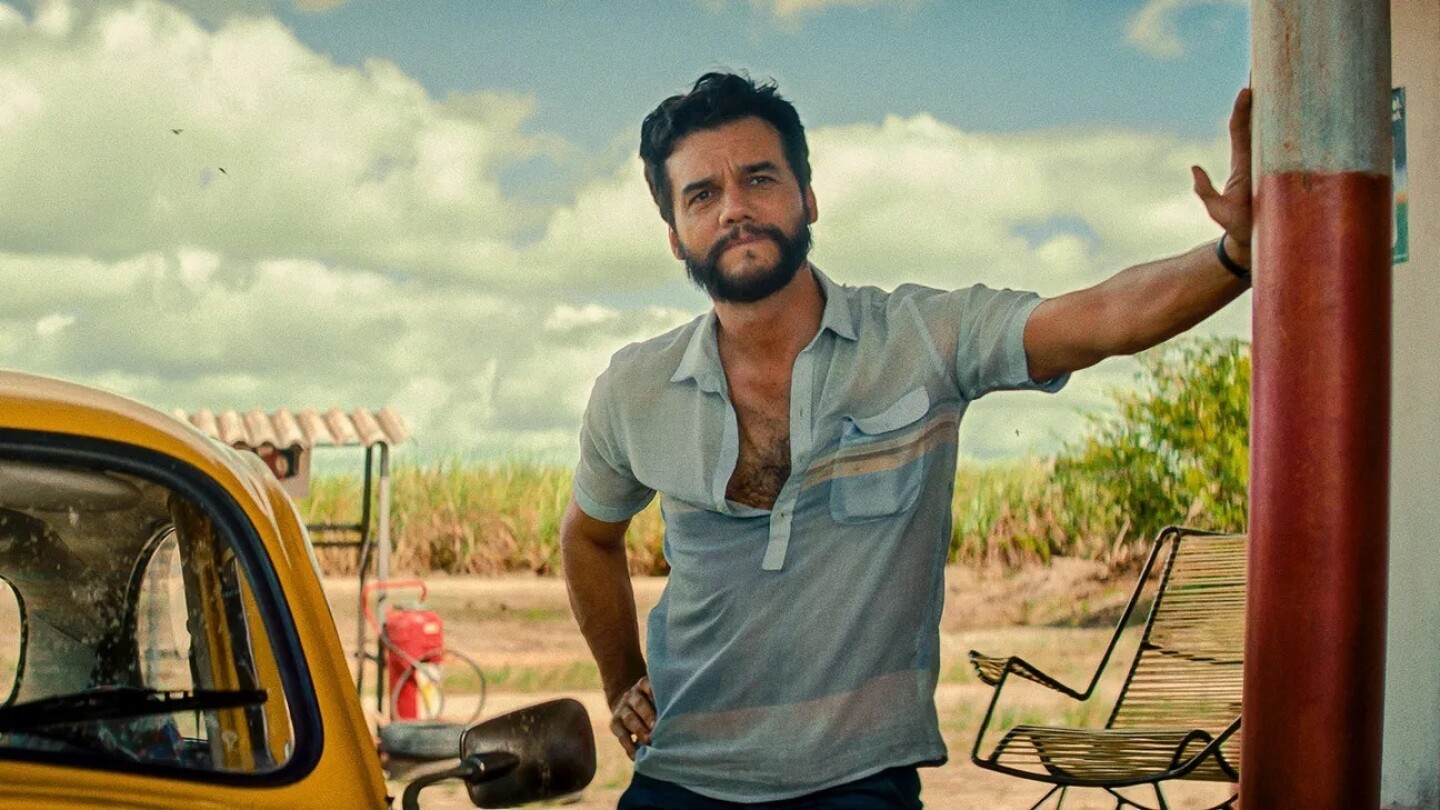
Movie Review: Wagner Moura is on the run in Brazil, 1977, in ‘The Secret Agent’
Kleber Mendonça Filho’s ‘The Secret Agent’ is a gripping, slow-burn thriller that immerses viewers in the chaotic and surreal world of 1977 Brazil. The film opens with a foreboding tone, promising a tale of intrigue, violence, and dark humor. Set in Recife during the height of Carnival celebrations, the story unfolds against the backdrop of a military dictatorship, where academics and journalists face persecution, and dissenters often meet untimely deaths. The film’s protagonist, Marcelo (Wagner Moura), is a man on the run, navigating a dangerous landscape filled with hitmen, corrupt cops, and bizarre urban legends. Marcelo’s quiet demeanor and understated performance earned Moura the Best Actor award at this year’s Cannes Film Festival. The narrative is framed by modern-day archival recordings, adding layers of historical context and intrigue. The film’s surreal elements, such as a disembodied hairy leg and a two-headed cat, serve as metaphors for the oppressive times. With a stellar cast, including Udo Kier in a memorable role, and a soundtrack featuring Donna Summer and local hits, ‘The Secret Agent’ is both a resurrection of the past and an elegy for a bygone era. The film, rated R for nudity, violence, and language, runs for 158 minutes and is now playing in select theaters.
-
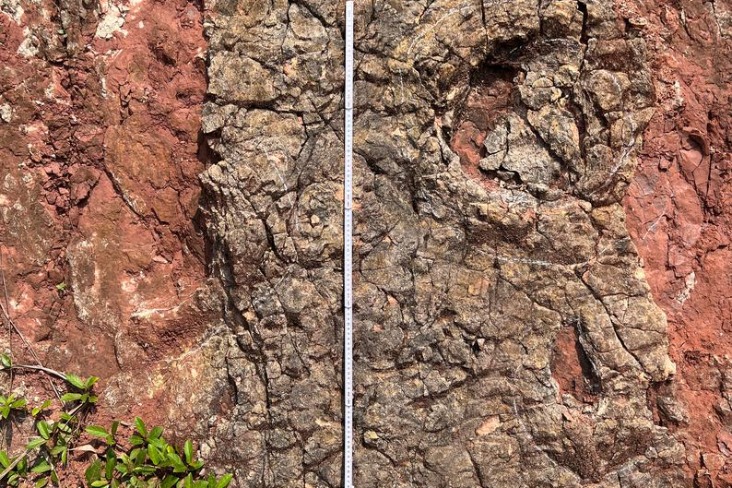
Scientists discover important Early Jurassic dinosaur tracks
An international team of scientists from China, Germany, and the United States has made a groundbreaking discovery in Wucha village, Renhuai city, located in Southwest China’s Guizhou province. They have identified a significant collection of dinosaur footprints dating back to the Early Jurassic period. The findings, published in the Journal of Asian Earth Sciences, reveal that the area was once a lakeshore sandbar environment, ideal for various dinosaur groups. This discovery is particularly notable as the Renhuai area is already recognized as a crucial region for Early Jurassic dinosaur fossils in southern China. While previous findings in the area have included numerous sauropod and theropod tracks, this new discovery provides a rare systematic record of multiple dinosaur groups coexisting. Between 2020 and 2024, researchers from Guizhou University and China University of Geosciences (Beijing), among other institutions, discovered several vertebrate track sites in and around Wucha Village. According to Xing Lida, an associate professor at China University of Geosciences (Beijing), the Wucha track assemblage offers a comprehensive record of the coexistence of basal sauropodomorphs, sauropods, theropods, and basal ornithischians. Among the findings, the largest sauropod track measures 60 centimeters, consistent with Early Jurassic sauropod tracks commonly found in the Sichuan Basin. Some of the small basal ornithischian footprints show stride lengths of only 6 to 7 centimeters but relatively large step lengths, suggesting the dinosaurs were running. One set of two-digit footprints has particularly intrigued the research team. They believe these tracks were likely made by tridactyl dinosaurs while running or kicking, leaving only two-digit impressions, rather than being made by true two-digit dinosaurs. This finding suggests that under certain conditions, tridactyl dinosaurs can leave ‘two-digits-like’ impressions, which have important implications for identifying early deinonychosaur tracks and provide a new reference for interpreting similar ‘suspected two-digits prints’ worldwide, said Xing. This new discovery enriches the study of Early Jurassic dinosaur fauna in Guizhou. As more track sites are explored, the Renhuai area is expected to become a key window for researching dinosaur activity in China during the Early Jurassic period. The discovered footprints have been preserved at their original sites.
-
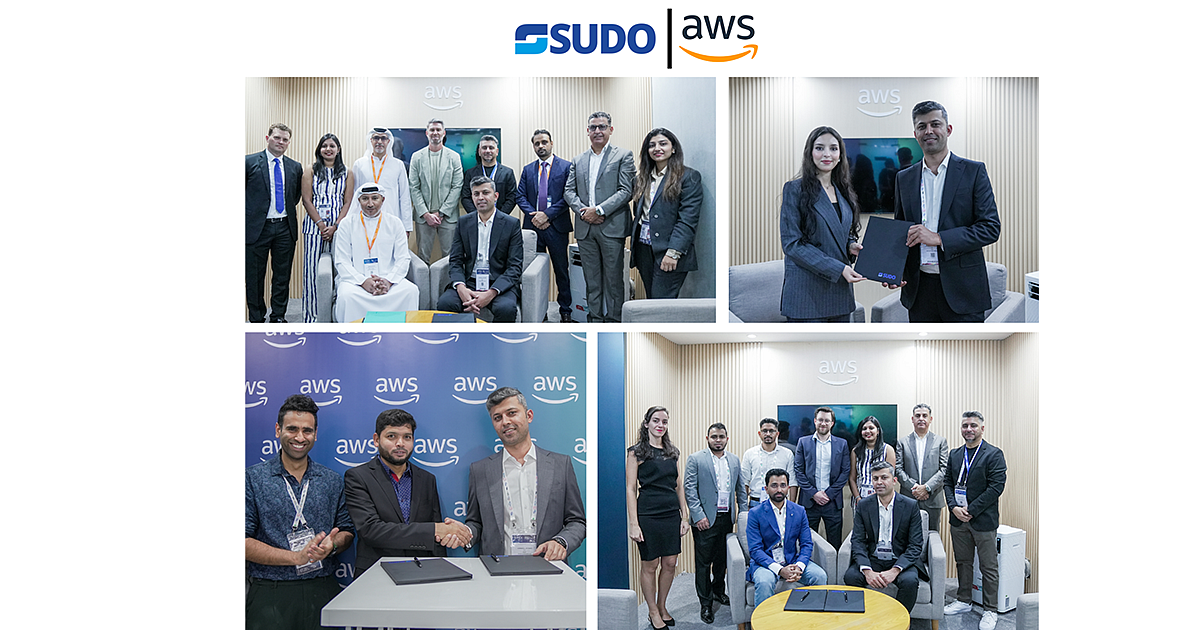
SUDO strengthens strategic alliances with multiple MOU signings at GITEX GLOBAL 2025
SUDO, a leading cloud transformation firm and AWS Premier Tier Services Partner, made significant strides at GITEX GLOBAL 2025 by signing multiple Memorandums of Understanding (MOUs) with prominent organizations, including INDEX Holding, EatEasy, Dkhoon Emirates, and Ram Clinics. These agreements, formalized at the AWS Booth, highlight SUDO’s growing network of innovation partners and its commitment to advancing Generative AI adoption, cloud modernization, and data-driven transformation across industries. Hameedullah Khan, CEO of SUDO, emphasized the importance of these partnerships, stating, ‘GITEX 2025 marks a defining moment in our journey. These collaborations reflect our dedication to leveraging AWS technologies to empower SMBs, drive operational intelligence, and scale innovation responsibly.’ The partnerships focus on diverse sectors, from food-tech to healthcare, aiming to enhance operational efficiency, customer experiences, and decision-making through advanced AWS solutions. SUDO’s expertise in Generative AI, cloud architecture, and data engineering continues to position it as a key enabler of secure and rapid business innovation. As a premier AWS Partner, SUDO offers specialized programs and proof-of-concept engagements to accelerate solution validation, ensuring alignment with global best practices.
-
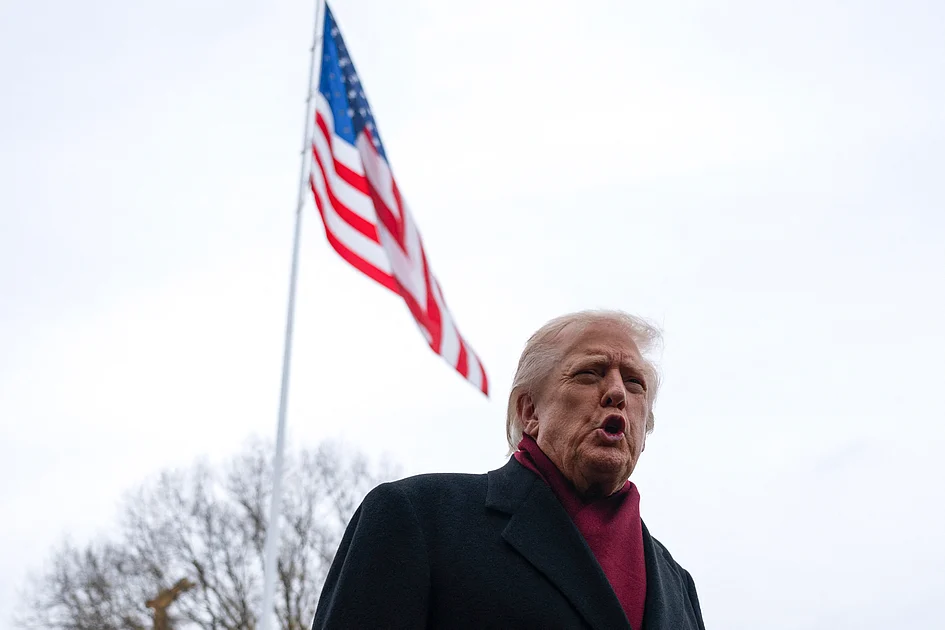
Trump begins process of labelling Muslim Brotherhood chapters as terrorist
US President Donald Trump has initiated the process of designating certain chapters of the Muslim Brotherhood as foreign terrorist organizations and specially designated global terrorists. This move, announced on Monday, aims to impose sanctions on one of the Arab world’s oldest and most influential Islamist movements. Trump signed an executive order directing Secretary of State Marco Rubio and Treasury Secretary Scott Bessent to submit a report within 45 days on whether to designate specific Muslim Brotherhood chapters in countries such as Lebanon, Egypt, and Jordan. The Trump administration has accused these factions of supporting violent attacks against Israel and US allies, as well as providing material support to the Palestinian group Hamas. The White House stated that Trump is confronting the Muslim Brotherhood’s transnational network, which allegedly fuels terrorism and destabilization campaigns against US interests in the Middle East. This effort aligns with long-standing Republican advocacy for such designations. Notably, Texas Governor Greg Abbott, also a Republican, imposed a similar designation at the state level last week. The Muslim Brotherhood, founded in Egypt in the 1920s as an Islamic political movement, has historically countered secular and nationalist ideas, spreading across Muslim countries and often operating in secret.