作者: admin

  • Ugandan army admits holding priest who’d been missing for days

    Ugandan army admits holding priest who’d been missing for days

    The Ugandan military has officially acknowledged holding Catholic priest Father Deusdedit Ssekabira, who had been missing since December 3rd, alleging his participation in “violent subversive activities.” In a concise statement, military authorities confirmed the clergyman’s arrest, stating he remains in “lawful custody” and will face formal court charges.

    This declaration follows urgent appeals from the Masaka Catholic Diocese, which previously reported Father Ssekabira’s alleged abduction by individuals wearing Uganda Army uniforms. The church institution has yet to respond to the military’s specific accusations against the priest.

    The incident occurs as Uganda approaches next month’s elections amidst increasing international scrutiny regarding human rights violations, including enforced disappearances and extended detention without trial.

    Masaka Bishop Serverus Jjumba characterized the priest’s disappearance as a “grievous wound inflicted on Masaka Diocese, the entire Catholic Church and Father Ssekabira’s family,” confirming ongoing efforts through legal channels to secure his safe return.

    Opposition leader Bobi Wine promptly condemned the military’s detention of civilians, alleging systematic abductions of his supporters by state security forces. The presidential candidate, whose legal name is Robert Kyagulanyi, asserted this incident reflects the current governance reality under President Yoweri Museveni.

    This case echoes previous incidents involving opposition figures and human rights activists. Last year, opposition politician Kizza Besigye mysteriously disappeared in Nairobi before reappearing in Ugandan military court, while two Kenyan activists were detained for five weeks after attending Wine’s campaign event before being released.

    President Museveni previously described detained activists as “experts in riots” who had been placed “in the fridge for some days,” employing terminology that has drawn criticism from human rights organizations.

    Ugandan security agencies continue facing allegations of detaining opposition supporters while out of uniform, with some detainees eventually surfacing in court facing criminal charges.
  • UAE’s rainy days mean resort stays: How bad weather drives wellness getaways

    UAE’s rainy days mean resort stays: How bad weather drives wellness getaways

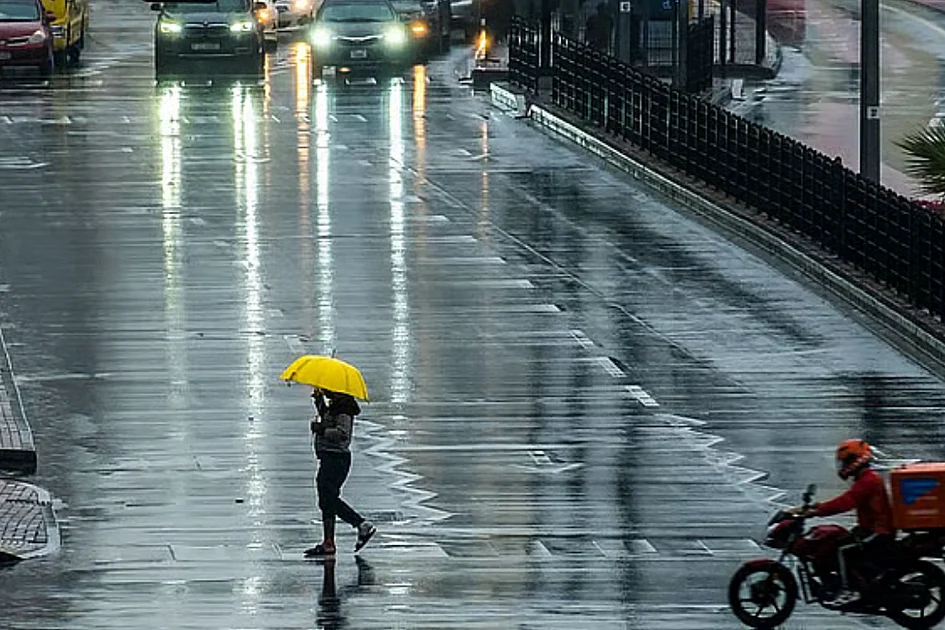
    In the arid climate of the United Arab Emirates, where rainfall remains a rare meteorological phenomenon, an unexpected behavioral pattern has emerged among residents. Rather than viewing impending precipitation as merely a logistical challenge, a growing segment of the population now actively seeks refuge in wellness-oriented getaways when rain appears in forecasts.

    This psychological shift represents a fundamental reimagining of weather-related behavior. Dubai-based entrepreneur Abdullah S. exemplifies this trend, explaining how rain predictions now trigger his planning for retreats to destinations like Sir Bani Yas Island or Fujairah resorts. ‘Rain there feels like a gift in the UAE,’ he noted. ‘I use that time to think clearly, plan new ventures and reflect on business decisions without distractions.’

    The hospitality industry has documented corresponding booking patterns. According to Shilpa Mahtani, co-founder of bnbme holiday homes, ‘We usually see a spike in last-minute staycation bookings when rain is forecasted. Larger apartments and villas with comfortable indoor spaces tend to perform best.’ These bookings frequently include premium add-ons such as in-house chefs, masseuse services, and extended check-out times.

    Clinical psychologist Dr. Laxmi Saranya of Mediclinic provides scientific context for this phenomenon, noting that weather forecasts function as ‘cognitive primes’ that trigger emotional associations and behavioral adjustments even before physical weather changes occur. ‘Rain acts as a socially acceptable justification for slowing down,’ she explained. ‘It provides an external reason to withdraw, cancel plans or reflect without guilt.’

    This behavioral adaptation highlights how urban populations in high-performance environments increasingly value and seek validated opportunities for mental respite, using rare weather events as culturally approved moments for psychological renewal.

  • Torrential rains and flash floods kill 37 in Moroccan city of Safi

    Torrential rains and flash floods kill 37 in Moroccan city of Safi

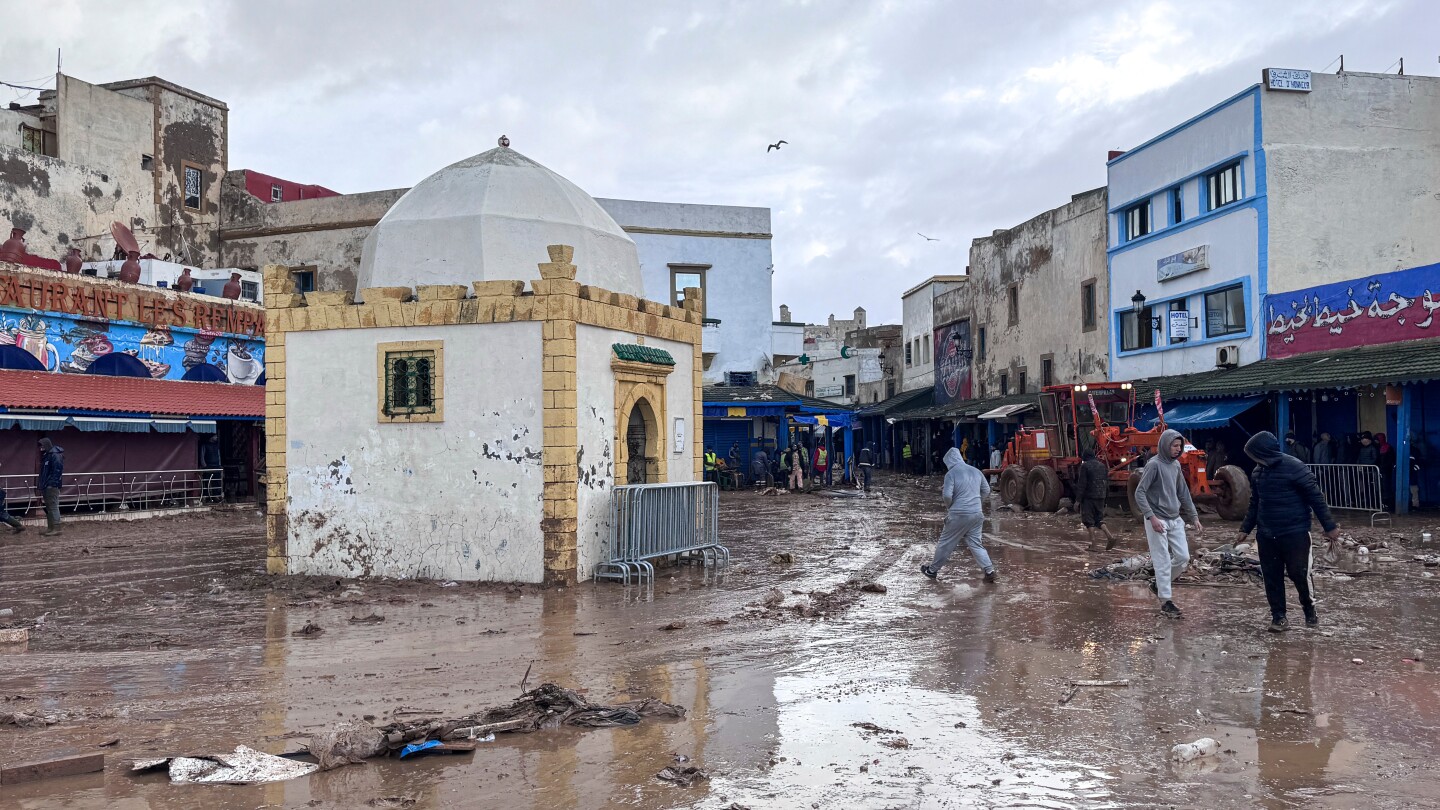
    CASABLANCA, Morocco — Catastrophic flooding has struck the coastal city of Safi, Morocco, resulting in at least 37 fatalities according to an official statement released Monday by the nation’s Interior Ministry. The disaster unfolded as torrential overnight rains triggered severe flash floods that submerged approximately 70 residential and commercial properties while sweeping away 10 vehicles. Emergency services reported 14 individuals hospitalized with injuries.

    The severe weather event has prompted local authorities to announce three-day school closures as recovery efforts continue. Beyond Safi, significant flooding and infrastructure damage have been reported across multiple Moroccan regions including the northern city of Tetouan and the mountainous community of Tinghir.

    Situated approximately 320 kilometers from the capital Rabat, Safi serves as a vital economic center for Morocco’s fishing and mining sectors, employing thousands in resource extraction and processing operations. The city of 300,000 residents hosts a major phosphate processing facility, though operations have been disrupted by the catastrophic flooding.

    Disturbing social media footage depicts vehicles partially submerged and stranded as powerful floodwaters surged through urban thoroughfares. Climate scientists note that Morocco’s weather patterns have grown increasingly unpredictable due to climate change impacts. The region has experienced prolonged drought conditions that have hardened soils and reduced natural absorption capacity, exacerbating flood vulnerability.

    This tragedy follows another recent building collapse incident in Fez that claimed 22 lives, raising questions about infrastructure resilience and building code enforcement. While Morocco has invested in disaster risk reduction initiatives, implementation varies significantly at local government levels, particularly regarding drainage systems and construction standards. These infrastructural disparities became a focal point during youth-led protests that emerged across the nation earlier this year.

  • Affordability ranks high for overseas study choices

    Affordability ranks high for overseas study choices

    A significant transformation is underway in China’s overseas education landscape as families increasingly prioritize cost-effectiveness alongside academic quality when selecting international study destinations. According to the latest annual report from Beijing-based EIC Education, financial considerations have substantially gained importance in study abroad decisions while maintaining the persistent emphasis on educational excellence.

    For the fifth consecutive year, educational quality remains the paramount consideration for Chinese families. However, the strategic weighting of ‘study costs’ has notably ascended to sixth position in 2025, climbing from eighth place in both 2022 and 2023. Simultaneously, ‘economic strength’ as a selection criterion has advanced to eighth place, reflecting heightened financial awareness in international education planning.

    This evolving value-for-money approach is redirecting attention toward destinations offering stable policies and reduced overall expenses. European and Asian countries are experiencing growing popularity as financially accessible alternatives to traditional Anglo-American destinations. Germany and France have emerged as prominent examples, attracting Chinese students through reputable public universities—many providing tuition-free education or minimal registration fees—coupled with an expanding portfolio of English-taught programs.

    Statistical evidence confirms this trend: over 38,000 Chinese students enrolled in German institutions during the 2023-24 academic year, while France hosted more than 27,000 Chinese students in the same period.

    Malaysia has demonstrated particularly remarkable growth, with Chinese applicant numbers surging nearly fourfold between 2020 and 2024 to reach 33,216. This appeal largely stems from branch campuses of elite global universities such as the University of Nottingham, where students can obtain identical qualifications at approximately one-third of the cost required in the institution’s home country.

    Concurrent with this financial pragmatism is an intensified focus on employment prospects. Data indicates growing preference for science, technology, engineering, and mathematics (STEM) fields, alongside interdisciplinary studies aligned with evolving job market requirements. EIC’s service data from 2022-2025 reveals consistent annual increases in science and engineering applications. While business and economics majors continue to represent the largest application share, their proportion has steadily declined over this four-year period.

    Post-graduation plans have similarly evolved, with returning to China becoming the predominant choice. This trend is propelled by favorable employment conditions and supportive talent recruitment policies implemented across major Chinese cities.

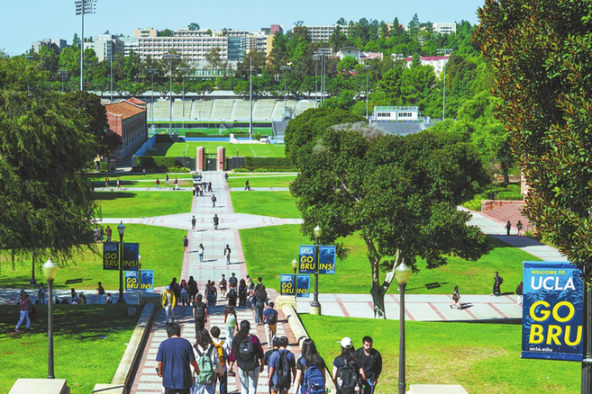
    The report incorporates firsthand accounts illustrating these patterns. Feng Mingqiu, 25, recently completed a postgraduate program at the University of Malaya, selecting Malaysia primarily for financial considerations. Her total tuition ranging from 60,000 to 70,000 yuan ($8,504-$9,922) represented substantial savings compared to equivalent programs in Hong Kong or the United Kingdom. Additionally, she noted the advantages of English instruction, minimal time difference, and geographical proximity facilitating smoother adaptation.

    Similarly, Yuan Ye, a 24-year-old veteran currently studying at the University of Science and Technology Beijing, plans to pursue postgraduate studies in Singapore citing its shorter program duration (1-1.5 years versus China’s three-year programs), institutional reputation, cultural familiarity, and proximity. He explicitly excluded the United States due to visa complications for veterans, safety concerns, and prohibitive costs estimating approximately 1 million yuan for a two-year master’s program.

  • Far-right candidate Jose Antonio Kast elected Chile’s new president

    Far-right candidate Jose Antonio Kast elected Chile’s new president

    Chile has elected José Antonio Kast of the far-right Republican Party as its new president following a decisive runoff election. The country’s Electoral Service confirmed Kast’s victory on Sunday, with near-complete results showing he secured 58.18% of the vote against left-wing coalition candidate Jeannette Jara’s 41.82%.

    The outcome represents a significant political shift for Chile, marking a departure from the current left-leaning administration of President Gabriel Boric. Both Jara and President Boric publicly conceded defeat and extended congratulations to Kast via social media platforms shortly after the results became evident.

    The 59-year-old president-elect, who will assume office on March 11, 2026, centered his campaign primarily on law and order issues. His policy proposals include constructing high-security prisons, implementing stricter penalties for criminal organizations, and conducting large-scale deportations of undocumented immigrants. Kast has additionally advocated for enhanced border control measures to address immigration concerns.

    The runoff election commenced at 8:00 AM local time (1100 GMT) and concluded at 6:00 PM (2100 GMT), engaging over 15 million registered voters across the nation. This second round became necessary after the November 16 first-round election failed to produce a candidate with an outright majority, with Kast and Jara receiving 26.85% and 23.92% of votes respectively.

    This electoral result signals a notable conservative turn in Chilean politics, potentially heralding substantial policy changes in public security and immigration enforcement in the coming years.

  • Argentina sees boom in e-commerce

    Argentina sees boom in e-commerce

    Argentina is experiencing a seismic shift in consumer behavior as Chinese digital marketplaces transform the retail landscape. Amid persistent economic challenges including soaring inflation rates, Argentine consumers are increasingly turning to international e-commerce platforms for affordable alternatives to domestic products.

    Recent data from Argentina’s National Institute of Statistics and Censuses reveals extraordinary growth patterns in foreign purchases. October 2025 witnessed a remarkable 237% year-on-year surge in shipments from courier and online platforms, with total foreign purchases reaching $1.19 billion—a 48.8% increase from the previous year. Chinese platforms including Shein, Temu, and AliExpress have emerged as dominant players in this expanding market.

    The driving forces behind this e-commerce explosion are multifaceted. Argentine families now routinely source diverse products ranging from clothing and housewares to children’s supplies through these platforms, primarily motivated by significant price advantages. Vanina Anca, a 35-year-old mother from Buenos Aires, exemplifies this trend: “With what I spent in total on Shein, I could purchase half the items—or less—from local Argentine retailers.”

    Beyond affordability, Chinese platforms offer unique product availability that domestic markets cannot match. Retiree Marcelo Leonardi, 63, utilizes Temu to acquire specialized components for his 3D-printed remote-controlled car hobby. “I purchased motors, wheels, and other accessories that are difficult to find locally,” he noted, highlighting the convenience of integrated payment systems like Argentina’s Mercado Pago without additional costs.

    Government policy changes have significantly accelerated this e-commerce transformation. November’s elimination of import duties on small purchases under $400, coupled with reduced tariffs on clothing, footwear, fabrics, and yarn, has made cross-border shopping more accessible. Simplified customs procedures and the removal of the prior import licensing system in 2025 have further reduced bureaucratic barriers, contributing to total imports reaching $64.6 billion in the first ten months of the year.

    The competitive disparity is starkly evident in cost structures. Industry analysis by Pro Tejer indicates that taxes constitute approximately half of the final price of locally sold garments, with rent and banking fees accounting for another 25%. Chinese platforms benefit from tax exemptions on smaller orders, absence of physical store overhead, and subsidized shipping arrangements.

    While consumers celebrate these developments, local retailers face unprecedented challenges. Jorge Pignataro, a store owner in Buenos Aires’ Caballito neighborhood, reported noticeable declines in foot traffic: “Imported goods have become substantially cheaper than domestic products. I observe clothing stores struggling with reduced sales, and many new establishments closing within their first year.”

    This retail transformation reflects broader economic ties between China and Argentina. Bilateral trade reached $16.3 billion in 2024, with Argentine exports to China—primarily soybeans, beef, and barley—growing eightfold over two decades. The relationship has expanded beyond trade to include financial cooperation, evidenced by Argentina’s 2022 accession to the Belt and Road Initiative and the 2023 renewal of a currency swap agreement between the People’s Bank of China and Argentina’s Central Bank, which helps conserve dollar reserves and maintain trade fluidity.

  • What to know about the attack on the Jewish festival in Australia that killed 15 people

    What to know about the attack on the Jewish festival in Australia that killed 15 people

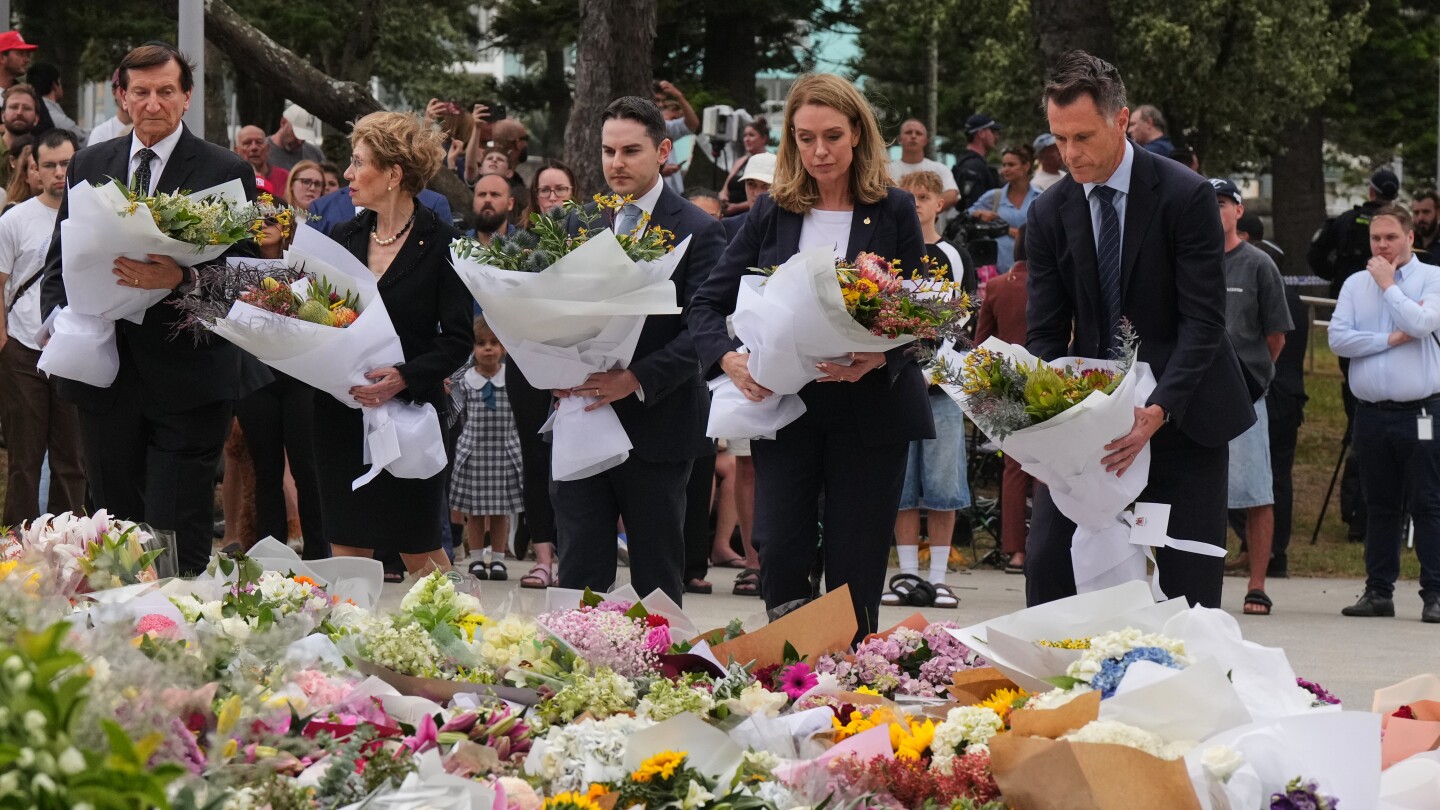
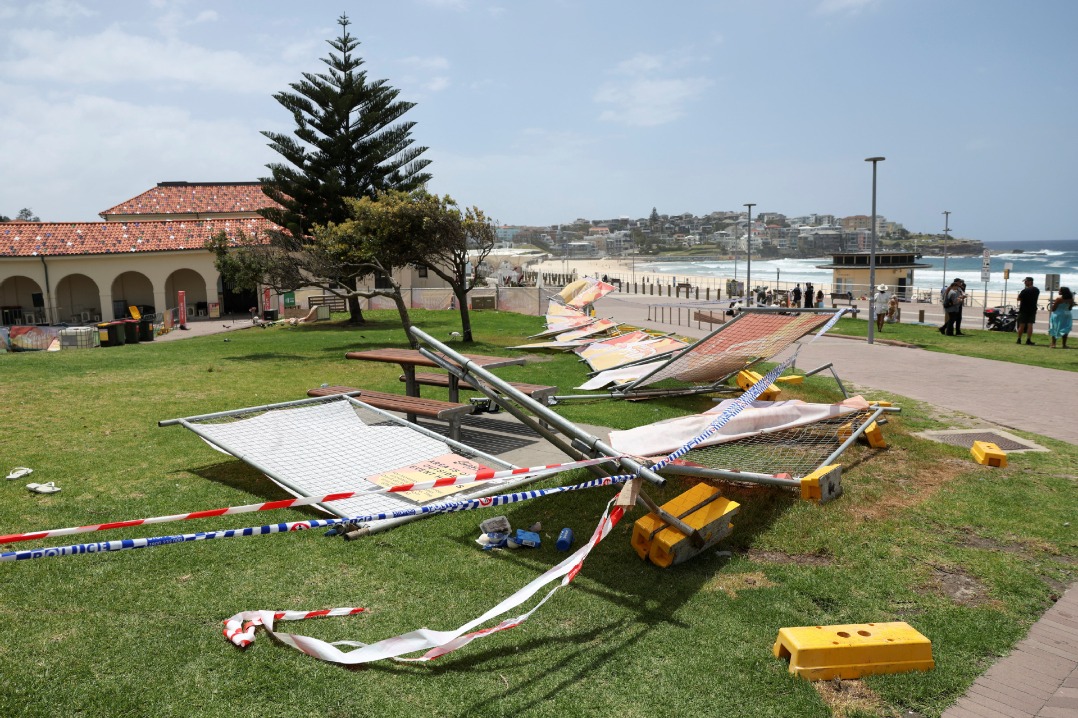
    SYDNEY — Australian authorities are confronting a rare episode of mass gun violence that has shaken the nation’s sense of security. A father and son are suspected of carrying out a deadly shooting at a Hanukkah celebration on Sydney’s iconic Bondi Beach, leaving 15 people dead and dozens injured in what Prime Minister Anthony Albanese has labeled an act of antisemitic terrorism.

    The attack targeted a Jewish community gathering marking the first day of the eight-day holiday festival. Among the victims were a 10-year-old girl, a rabbi, and a Holocaust survivor, highlighting the particularly tragic nature of the assault.

    Authorities revealed that the 50-year-old father, who arrived in Australia in 1998 on a student visa and held resident status, was killed during the incident. His 24-year-old Australian-born son sustained injuries and remains hospitalized under police guard. Investigators are examining suspicious items recovered from the scene, including improvised explosive devices found in one suspect’s vehicle.

    Dramatic footage circulating on Australian media showed a bystander courageously tackling and disarming one gunman before securing the weapon. The father held a legitimate firearms license obtained through membership at a gun club, as target shooting qualifies as a ‘genuine reason’ for firearm ownership under current Australian law, while self-defense does not.

    The tragedy has prompted immediate government action, with Prime Minister Albanese announcing proposed tougher gun laws just one day after the shootings. This response comes amid criticism that authorities had underestimated the severity of rising antisemitic violence across the country.

    Government reports indicate antisemitic incidents have surged more than threefold since Hamas attacked Israel in October 2023 and Israel responded with military action in Gaza. Recent months have seen synagogues and vehicles burned, businesses vandalized with antisemitic graffiti, and physical assaults targeting Jewish communities in Sydney and Melbourne, where most of Australia’s 117,000 Jewish residents live.

    The Bondi Beach shooting represents Australia’s deadliest firearm incident in three decades, reviving memories of the 1996 Port Arthur massacre that claimed 35 lives and prompted sweeping gun law reforms. While Australia maintains strict firearm regulations compared to many nations, this event has exposed vulnerabilities in the system and highlighted growing religious tensions within Australian society.

  • 1 held after gunmen kill 11 in Sydney

    1 held after gunmen kill 11 in Sydney

    A joyous Hanukkah celebration at Sydney’s iconic Bondi Beach descended into terror on Sunday when gunmen opened fire on a crowd of over 1,000 people, resulting in a devastating death toll of 12 individuals and leaving 29 others wounded, including two police officers in serious condition. Australian authorities have officially declared the mass shooting a terrorist incident, confirming one attacker was killed during the event and another is now in custody.

    The attack targeted the ‘Hanukkah by the Sea’ ceremony on the first night of the Jewish festival of lights, transforming what should have been an occasion of religious celebration into a scene of tragedy. New South Wales Police Commissioner Mal Lanyon characterized the event as a deliberate terrorist assault, emphasizing the particularly cruel timing against a peaceful gathering.

    Prime Minister Anthony Albanese addressed the nation, describing the shooting as a ‘dark moment’ for Australia and condemning the targeted violence against Jewish Australians. He pledged full governmental resources to investigate the attack and bring all responsible parties to justice, while urging national unity in response to the tragedy.

    Security operations involved a coordinated response from multiple agencies including the Australian Federal Police, New South Wales police, and the Australian Security Intelligence Organization. Acting Federal Police Commissioner Nigel Ryan committed all available specialist resources and powers to ensure a thorough investigation.

    The Chinese Consulate General in Sydney promptly issued safety advisories to Chinese nationals in the region, recommending heightened security awareness, precautionary measures, and maintained communication capabilities. The consulate emphasized immediate contact with emergency services should any danger be encountered.

    As the investigation continues, authorities have warned that the security situation remains serious and have urged the public to avoid the Bondi Beach area while operations are ongoing.

  • Jiangxi valley goes viral, wrongly tagged Japan

    Jiangxi valley goes viral, wrongly tagged Japan

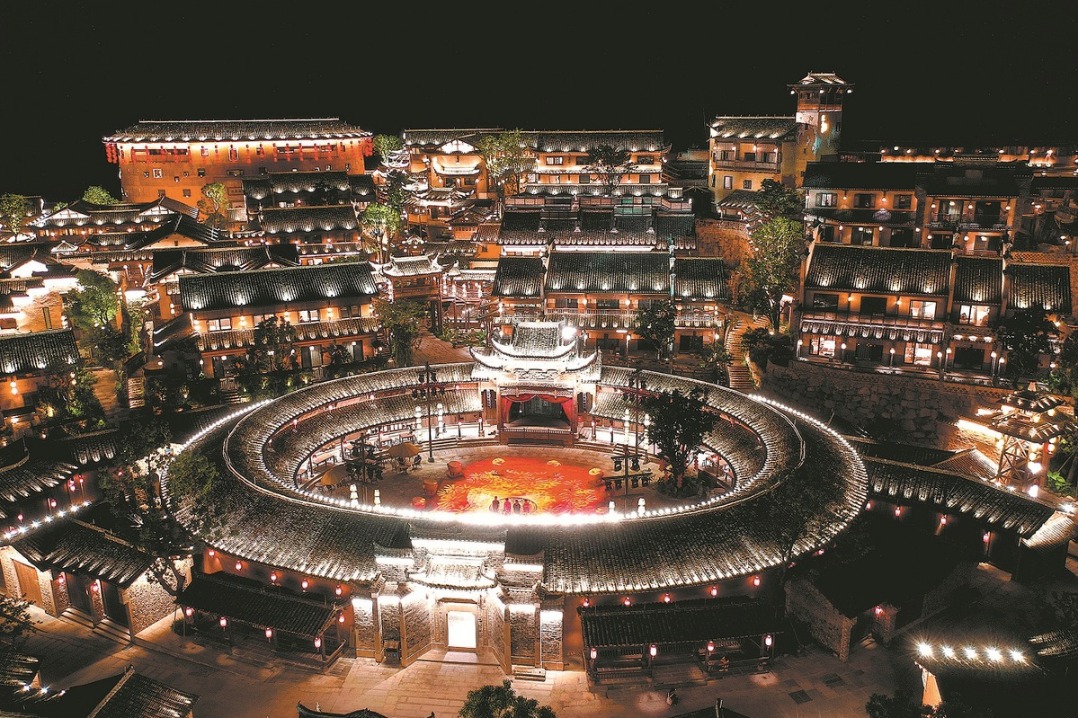
    A breathtaking video showcasing mist-shrouded cliffs that went viral on international social media platforms has been correctly identified as featuring Wangxian Valley in China’s Jiangxi province, not Japanese locations as originally mislabeled. The viral clip, which amassed over 1.3 million likes on TikTok, had been erroneously tagged as depicting scenery from Tokyo and Hokkaido, Japan.

    Operators of the Jiangxi tourist attraction confirmed the video’s actual origin after noticing the significant international attention it generated. Xiong Hui, a representative of Wangxian Valley, expressed surprise at the unexpected global exposure. “We observed substantial interest emerging on overseas social platforms Wednesday morning,” Xiong stated. “Wangxian Valley is unequivocally situated in Shangrao, Jiangxi. Its distinctive deep gorges and dynamic mist create an immediately recognizable landscape. We’re delighted that viewers appreciated the footage and extend an invitation for international visitors to experience Jiangxi’s authentic mountainous splendor firsthand.”

    The site represents a remarkable transformation story, having been converted from a discontinued mining area into a comprehensive cultural resort destination that harmoniously blends natural scenery with folk traditions and performance activities. Official statistics indicate the area welcomed 3.1 million visitors in 2024, including over 150,000 international tourists, demonstrating its expanding global appeal.

    The misidentification prompted diplomatic clarification from Yu Jing, spokeswoman for the Chinese embassy in India, who utilized social media platform X to correct the record on December 8. “Chinese landscapes are being mislabeled as ‘#Tokyo’ and ‘#Hokkaido’ in this viral video that’s already hit 1.3M likes,” Yu wrote. “In reality, this is Wangxian Valley in Jiangxi province, China.” Her post attracted numerous engaged responses, with one user noting the importance of proper geographical attribution while acknowledging that all countries possess beautiful landscapes.

    This incident marks neither an isolated case nor a novel phenomenon. Earlier this year, footage purportedly demonstrating “Japanese subway discipline” was subsequently identified as having been filmed at Beijing’s Xi’erqi station—a similar misattribution that had previously circulated in 2020. Commentary from China.com suggests these recurrent misidentifications reflect persistent perceptual filters within Western media and popular culture, which have historically portrayed East Asia through narrow, one-dimensional frameworks. The analysis contends that China’s rapidly evolving realities—from futuristic urban skylines to scenic sites like Wangxian Valley that merge traditional aesthetics with contemporary tourism design—often transcend these outdated conceptual boundaries, resulting in frequent misinterpretations and misplaced assumptions.

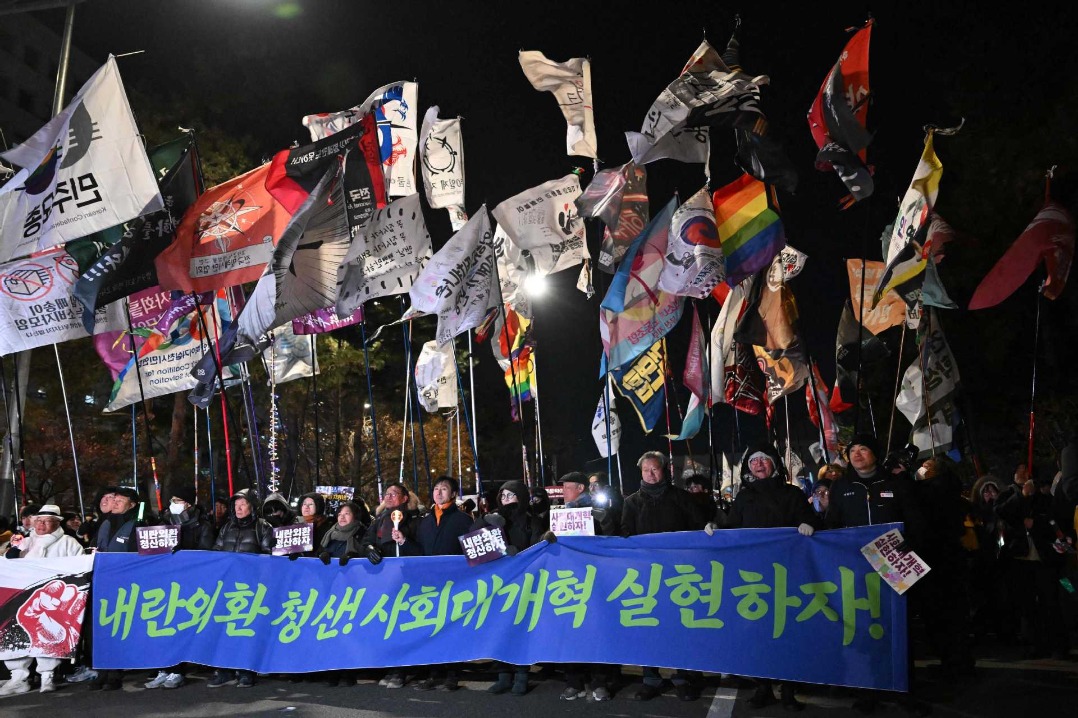
  • S. Korea’s special counsel finalizes investigation into ex-president Yoon’s insurrection charges

    S. Korea’s special counsel finalizes investigation into ex-president Yoon’s insurrection charges

    In a landmark development for South Korea’s political landscape, the special counsel investigation into former President Yoon Suk-yeol has reached its conclusion. Led by Special Prosecutor Cho Eun-suk, the probe has resulted in criminal charges against 24 high-ranking officials from the previous administration.

    At a nationally televised press conference in Seoul, Prosecutor Cho revealed that the investigation substantiated allegations that Yoon, who assumed office in May 2022, had orchestrated preparations for martial law declaration before October 2023. The primary objective, according to the special counsel, was to consolidate and perpetuate presidential power through extraordinary measures.

    The investigation further uncovered that Yoon’s administration allegedly attempted to provoke a military response from the Democratic People’s Republic of Korea (DPRK) through unconventional military operations. This calculated provocation, the counsel asserted, was intended to create a pretext for implementing martial law. However, the strategy ultimately failed as DPRK forces did not engage militarily.

    This conclusive investigation follows Yoon’s dramatic impeachment by the Constitutional Court on April 4, 2025, which centered on his unsuccessful martial law initiative from December of the previous year. The impeachment proceedings formally removed Yoon from office, making him the latest South Korean leader to face serious legal consequences after leaving power.

    The former president, currently detained, was formally charged on January 26 as the alleged mastermind behind the insurrection plot. The comprehensive indictment includes former Prime Minister, former Deputy Prime Minister for Economic Affairs, multiple ministers, and presidential secretaries, marking one of the most significant political corruption cases in recent South Korean history.