作者: admin

  • Gambhir under fierce pressure as India suffer biggest Test defeat

    Gambhir under fierce pressure as India suffer biggest Test defeat

    Indian cricket coach Gautam Gambhir faces intense scrutiny following India’s historic 408-run defeat to South Africa in Guwahati, marking the team’s largest margin of loss in Test cricket history. The devastating result completed a 2-0 series whitewash against the Proteas and represents India’s fifth defeat in their last seven home matches.

    Speaking at a tense post-match press conference, Gambhir deferred to the Board of Control for Cricket in India (BCCI) regarding his future, stating: ‘Indian cricket is important, I’m not important.’ The 44-year-old former batsman, who succeeded Rahul Dravid after last year’s T20 World Cup victory, has now overseen 10 losses in 19 Tests since his appointment.

    The transition period has been particularly challenging following the retirements of stalwarts Virat Kohli and Rohit Sharma from Test cricket earlier this year. Captain Shubman Gill’s injury during the South Africa series further complicated matters, forcing wicketkeeper Rishabh Pant to lead an inexperienced lineup. India’s batting collapsed dramatically throughout the series, failing to surpass 201 runs in any innings during the two Tests.

    Gambhir defended his young squad, noting that four or five batters in the top eight have played fewer than 15 Tests. ‘They are learning on the job,’ he emphasized, while refusing to make excuses for the performance. The coach also highlighted the simultaneous transition occurring in India’s spin bowling department, which was unexpectedly outclassed by South African off-spinner Simon Harmer’s 17-wicket series haul.

    Despite the recent setbacks, Gambhir reminded critics of his successful campaigns, including the drawn Test series in England earlier this year, Champions Trophy victory, and Asian Cup triumph. His contract remains valid until the 2027 ODI World Cup, though mounting pressure from fans and analysts suggests his position may become increasingly untenable without immediate improvement.
  • ‘I panic every time she coughs’ – Delhi’s toxic air is making its children sick

    ‘I panic every time she coughs’ – Delhi’s toxic air is making its children sick

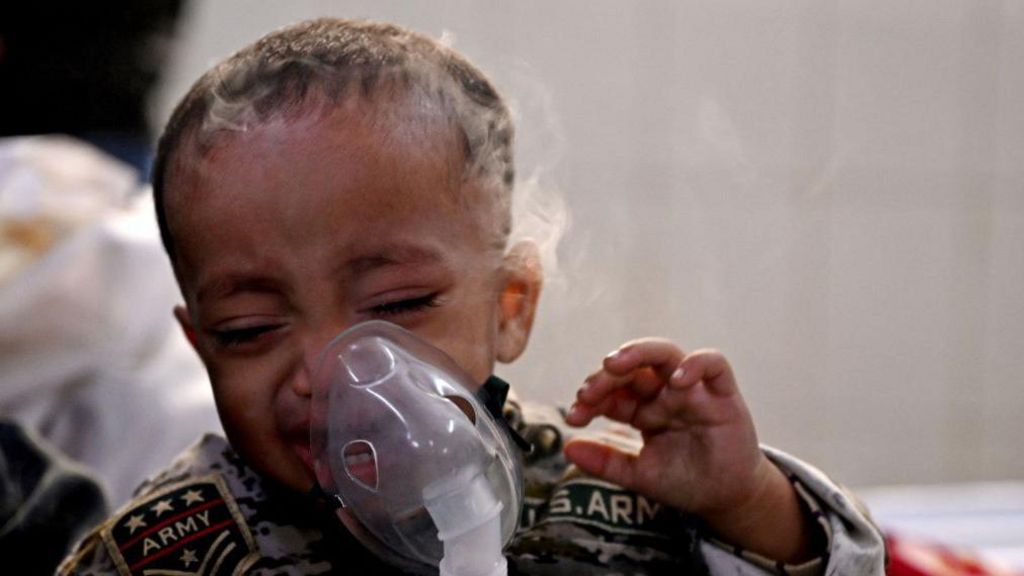
    Delhi, the Indian capital, is grappling with a severe air pollution crisis, with children emerging as the most vulnerable victims. Hospitals across the city are witnessing a surge in young patients suffering from respiratory issues, a direct consequence of the hazardous air quality. The situation has reached alarming levels, with the Air Quality Index (AQI) consistently hovering between 300 and 400, far exceeding the World Health Organization’s recommended limit. Fine particulate matter (PM2.5), which can penetrate deep into the lungs, is a major contributor to the health crisis. Pediatric clinics are overwhelmed, with doctors reporting a tenfold increase in pollution-related illnesses among children. Dr. Shishir Bhatnagar, a pediatrician in Noida, noted that 50-70% of his patients during the pollution season suffer from breathing difficulties, compared to 20-30% in normal times. The government has implemented emergency measures, including halting construction and banning polluting vehicles, but these efforts have failed to curb the smog. Parents like Khushboo Bharti, whose one-year-old daughter Samaira was hospitalized with pneumonia, are living in constant fear. Research underscores the long-term health risks for children, including stunted development, weakened immunity, and cognitive impairments. A recent study from the University of Cambridge linked air pollution to a higher risk of dementia. Many families are considering relocating to safer environments, but for the economically disadvantaged, escape is not an option. Dr. A Fathahudeen, a pulmonologist, warns that chronic exposure to pollution can lead to irreversible lung damage in children. While schools have shifted to hybrid learning and outdoor activities have been curtailed, parents question how long they can keep their children indoors. The crisis has sparked protests and calls for urgent action to protect the health of Delhi’s youngest residents.

  • Australian environment laws set for biggest overhaul in decades

    Australian environment laws set for biggest overhaul in decades

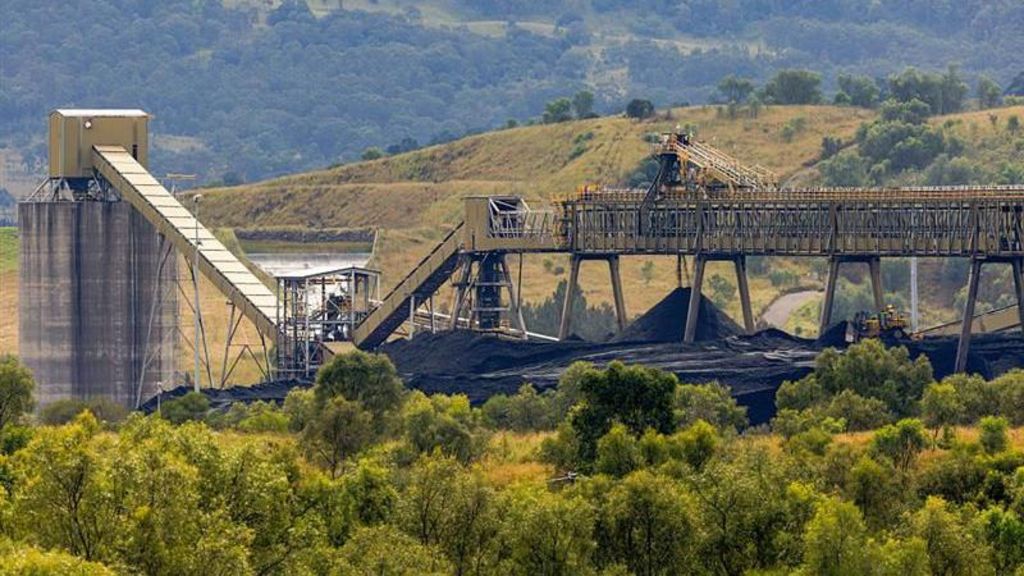
    Australia is poised to implement sweeping reforms to its outdated environmental legislation, marking a significant shift in the nation’s approach to nature conservation. The Labor government, after prolonged negotiations, secured a last-minute agreement with the minority Greens party to pass the legislation, following stalled talks with the opposition. The reforms introduce enhanced protections for native forests, stricter land-clearing regulations, and a curb on the expedited approval of coal and gas projects. Critics, however, argue that the measures fall short of addressing climate change comprehensively. Prime Minister Anthony Albanese hailed the reforms as a victory for both the environment and the economy, emphasizing their potential to accelerate projects in housing, renewable energy, and critical minerals. The legislation, expected to pass the Senate on Thursday, will establish Australia’s first independent national environment protection agency and set national standards for safeguarding endangered wildlife. Greens leader Senator Larissa Waters acknowledged significant gains but criticized the absence of a ‘climate trigger’ to halt fossil fuel projects based on emissions. Instead, projects must disclose their carbon emissions and outline plans to achieve net-zero emissions by 2050. Environmental advocates, including Climate Council head Amanda McKenzie, welcomed the reforms but highlighted the continued approval of coal and gas projects as a critical oversight. The reforms come five years after an independent review deemed the existing laws inadequate, underscoring the urgency of protecting Australia’s environment for future generations.

  • Publsh Media Group named exclusive media and sponsorships partner for Dubai Mall’s ‘Festival of Fashion’

    Publsh Media Group named exclusive media and sponsorships partner for Dubai Mall’s ‘Festival of Fashion’

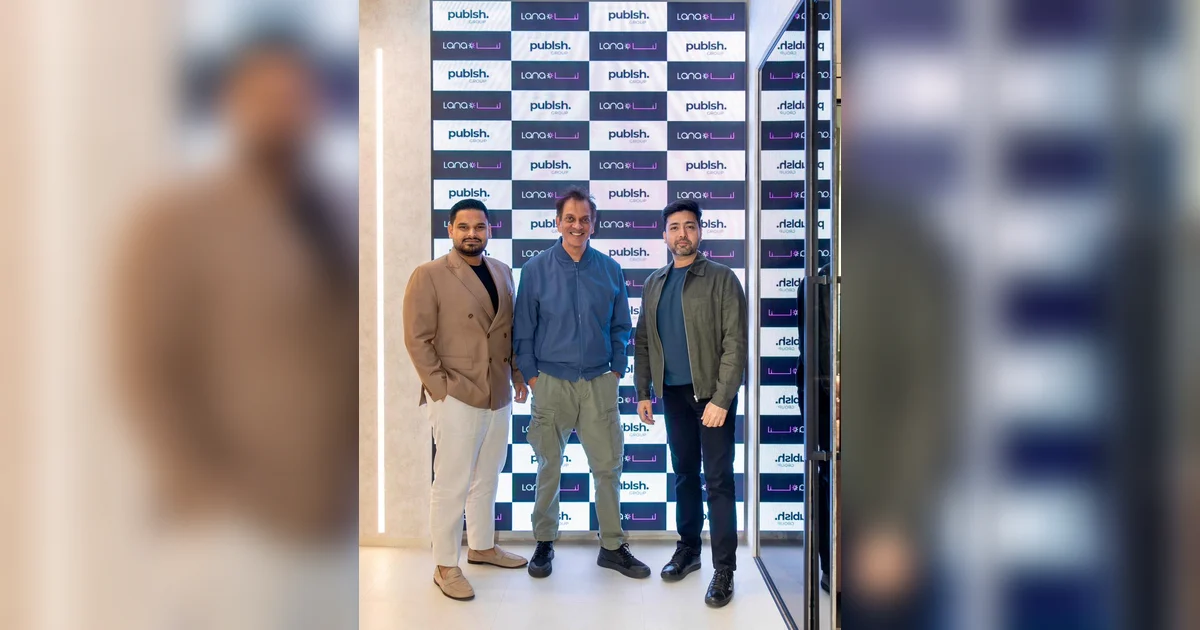
    In a significant development for the regional media and fashion industries, Publsh Media Group has been appointed as the exclusive media and sponsorship partner for the inaugural Dubai Mall Festival of Fashion. The prestigious event is scheduled to take place on January 29-30, 2026, at Dubai Mall—the world’s most visited retail destination that spans 1.2 million square meters and houses over 1,200 retail outlets, including more than 200 luxury fashion brands.

    This strategic collaboration with Lana, an innovative media engagement platform, establishes Publsh as a dominant force in cultural media curation. The partnership leverages Publsh’s specialized expertise in communications, media, and location-driven storytelling, particularly through their work with ultra-luxury brands at premium destinations like J1 Beach in Jumeirah.

    The timing coincides with remarkable growth in the UAE’s luxury market, where fashion represents a substantial segment. Current data indicates clothing and apparel account for 38.27% of luxury sales, with female consumers driving 61.56% of this sector. The increasing demand for limited-edition collections and culturally relevant fashion narratives positions Publsh ideally to amplify the festival’s impact.

    The two-day festival will showcase 12 fashion masterclasses conducted by globally renowned designers, influencers, and industry pioneers. The event will conclude with the Dubai Mall Global Fashion Awards ceremony at the prestigious Armani Hotel Dubai, recognizing excellence across the fashion industry.

    Sagar Chotrani, CEO of Publsh, emphasized the narrative power of fashion, stating: “Fashion transcends mere style—it embodies storytelling. Our collaboration with Lana enables us to capture the essence of this iconic event and share it with a global audience.”

    Kushal Desai, Managing Director of Publsh, described the partnership as “a natural extension of our mission to elevate cultural moments through powerful collaboration,” while Lana’s Managing Director Anil Bhoyrul praised Publsh’s curatorial expertise in connecting visionary brands with discerning audiences.

    Complementing the event, Lana will publish a special edition magazine titled ‘Dubai Mall Festival of Fashion,’ available throughout the mall from January 1, 2026. The publication will feature exclusive profiles of participating designers and a comprehensive festival guide. Ticketing information and registration details will be announced on December 15 through Lana’s digital platforms.

  • US: ICE detains mother of press secretary Karoline Leavitt’s nephew

    US: ICE detains mother of press secretary Karoline Leavitt’s nephew

    Immigration and Customs Enforcement (ICE) has detained Bruna Ferreira, the mother of White House press secretary Karoline Leavitt’s nephew, according to multiple media reports. The 33-year-old Brazilian national was taken into custody in Revere, Massachusetts, earlier this month and is currently held at an ICE facility in Louisiana. The exact date of her detention remains unclear, though initial reports suggest it occurred in early November. Ferreira was initially transferred to a women’s prison in Vermont before being moved to South Louisiana. She is now facing removal proceedings due to allegations that her family overstayed a tourist visa that expired in 1999, as confirmed by Department of Homeland Security spokeswoman Tricia McLaughlin. Ferreira, who arrived in the U.S. as a child in 1998, has an 11-year-old son with Michael Leavitt, Karoline’s brother. The couple was engaged in 2014 but later separated, and they currently share custody of the child. Ferreira’s sister, Graziela Dos Santos Rodrigues, revealed that Ferreira was detained while en route to pick up her son from school in New Hampshire. Ferreira had previously benefited from the Deferred Action for Childhood Arrivals (DACA) program, which provides temporary protection from deportation and work authorization, but was unable to renew her legal status. Her attorneys are reportedly seeking permanent residence for her. Karoline Leavitt, a prominent advocate of the Trump administration’s stringent immigration policies, has not publicly commented on the matter. Dos Santos Rodrigues expressed disappointment, stating that Leavitt has not reached out to offer assistance, despite their familial ties. She also criticized suggestions from Michael Leavitt and his father that Ferreira should self-deport, emphasizing that Brazil is not her home. The Department of Homeland Security has yet to respond to requests for comment.

  • Stone-hurling anger unnerves Zambia’s ‘fix-it’ president

    Stone-hurling anger unnerves Zambia’s ‘fix-it’ president

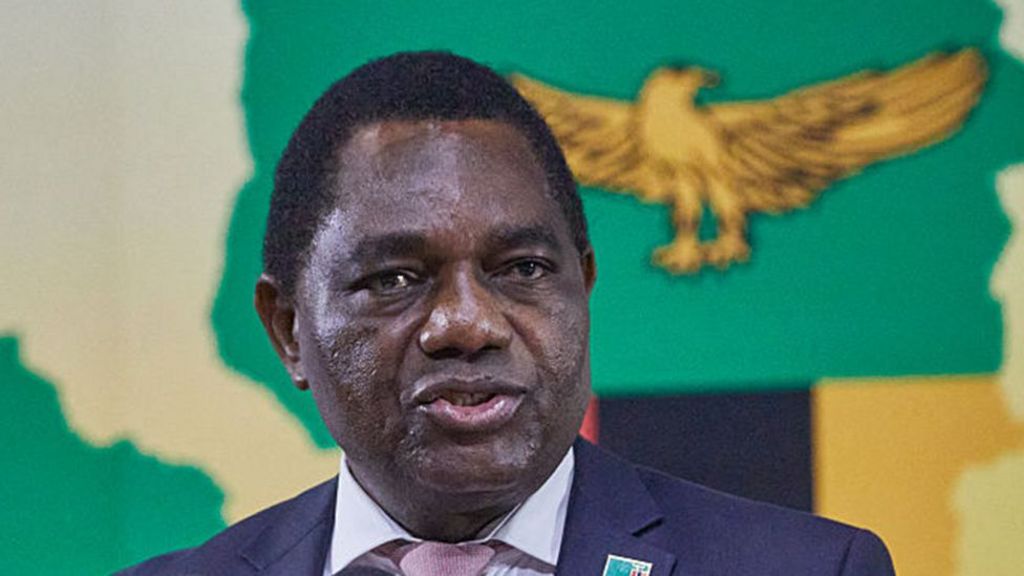
    Zambian President Hakainde Hichilema is navigating a turbulent political landscape as he approaches the 2026 elections, facing both public discontent and criticism from opposition leaders. Recent incidents, including an attack by stone-throwers during a rally in the Copperbelt province, have highlighted the growing frustration among Zambians. Despite his administration’s efforts to stabilize the economy and address the nation’s debt crisis, many citizens feel disconnected from his leadership. Hichilema, in his first press conference in 18 months, defended his record, emphasizing achievements in debt renegotiation, inflation reduction, and attracting foreign investment. However, challenges such as persistent power shortages, high living costs, and unemployment continue to overshadow these successes. Critics, including opposition candidate Simon Mwila and academic Sishuwa Sishuwa, accuse Hichilema of abandoning his democratic principles and adopting oppressive measures, such as the controversial Cybersecurity Law. Hichilema has also faced backlash for supporting a constitutional review process that critics argue contradicts his previous stance. As the election looms, the president has called for patience, asserting that long-term investments and development programs require time to yield results. However, the recent unrest suggests that public patience may be wearing thin.

  • Georgia’s pro-EU protesters defiant year after accession process was halted

    Georgia’s pro-EU protesters defiant year after accession process was halted

    For over a year, Georgia has been gripped by nightly protests as citizens rally against the government’s perceived shift away from European integration and democratic values. The demonstrations, which began in November 2024 after Prime Minister Irakli Kobakhidze announced a four-year pause in EU accession efforts, have evolved into a protracted battle between protesters and authorities. Despite violent police crackdowns, heavy fines, and new laws imposing severe penalties for blocking roads, the movement persists, driven by a deep-seated fear of returning to Russia’s sphere of influence. Protesters like Giorgi Arabuli, who lived through the tumultuous 1990s, see the struggle as a fight for Georgia’s future. The government, led by the Georgian Dream party, has faced accusations of authoritarianism, with critics pointing to legislation mirroring Russian laws, the imprisonment of opposition figures, and restrictive measures targeting civil society and media. The EU’s recent assessment of Georgia as a candidate ‘in name only’ has further fueled discontent. Amidst this turmoil, Georgia’s democratic decline has intensified, with sweeping education reforms and increasing hostility toward Western critics. The protests, though smaller, continue to symbolize a resilient hope for a European future.

  • Fracking has transformed an Argentine town but what about the nation?

    Fracking has transformed an Argentine town but what about the nation?

    The once-sleepy town of Añelo, located 1,000 kilometers southwest of Buenos Aires, has undergone a dramatic transformation over the past decade. Once a remote settlement with no mains water, gas, or reliable electricity, Añelo has become a bustling hub of economic activity, thanks to the fracking boom in the surrounding Vaca Muerta region. This geological formation, rich in oil and gas, spans 30,000 square kilometers and has become the cornerstone of Argentina’s energy sector. Since fracking was legalized in 2014, Añelo’s population has surged by over 60%, from 10,788 in 2010 to 17,893 in 2022. The town now sees an influx of 15,000 workers daily, with roads bustling with oil tankers and commercial vehicles. Mechanic Fabio Javier Jiménez, who moved his family-owned tyre repair shop to Añelo, has witnessed this growth firsthand. From servicing two vehicles a day, his business now handles 20 daily, prompting him to open a second branch. Vaca Muerta, first discovered in 1931, has become Argentina’s largest oil and gas producer, accounting for over half of the country’s output. The region’s low extraction costs, compared to older, conventional deposits, have made it a key driver of Argentina’s energy self-sufficiency and export earnings. However, challenges remain. Critics argue that insufficient infrastructure, strict currency controls, and Argentina’s poor credit rating are hindering Vaca Muerta’s full potential. Despite these obstacles, the region enjoys broad political support, with all major parties backing its expansion. Yet, environmental concerns persist, with activists like Fernando Cabrera of Observatorio Petrolero Sur lamenting the lack of public debate on the ecological impact of fracking. While Añelo’s growth symbolizes Argentina’s energy renaissance, experts caution that Vaca Muerta alone cannot solve the country’s deep-rooted economic issues, including high inflation and public debt.

  • Shark attack in Australia leaves woman dead, man critically injured

    Shark attack in Australia leaves woman dead, man critically injured

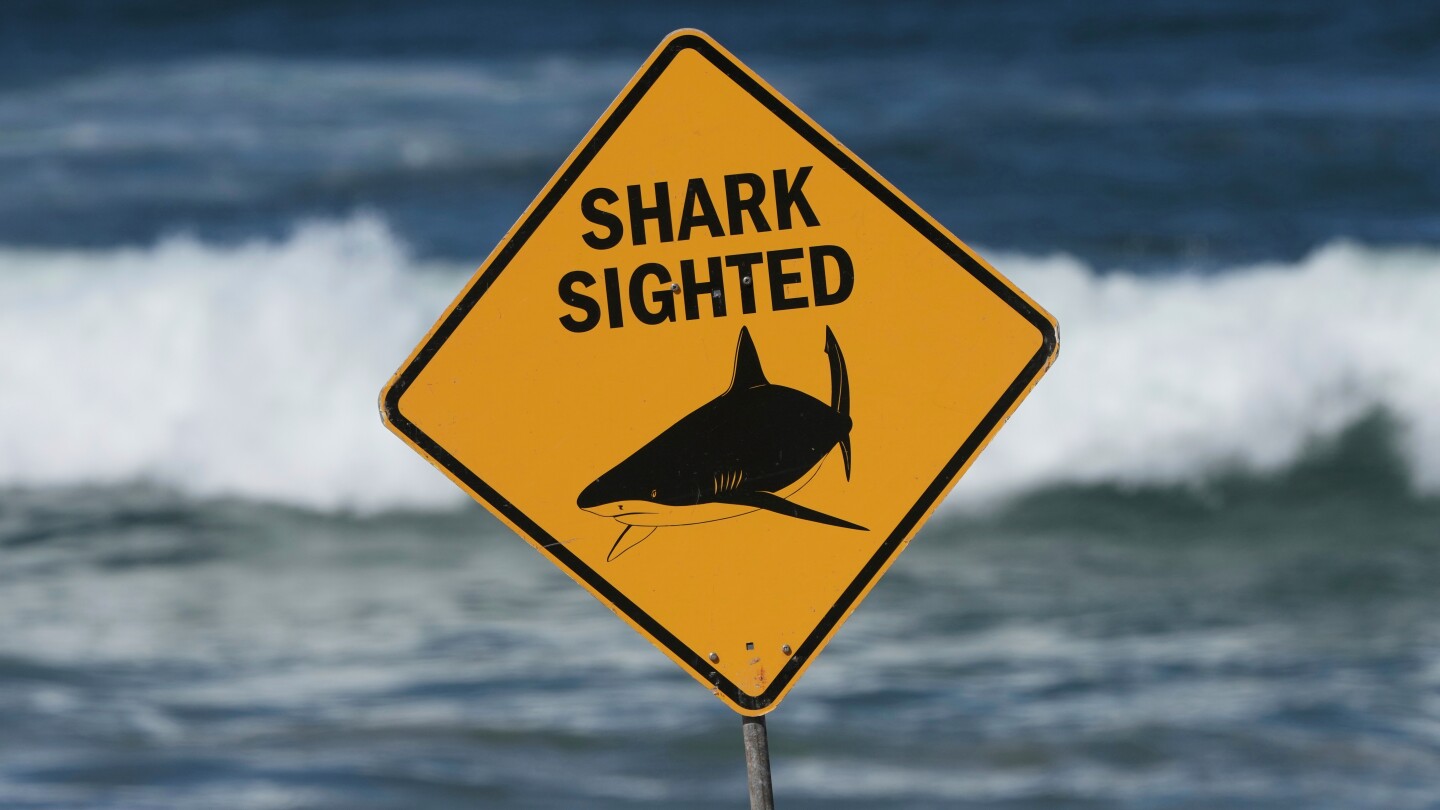
    A tragic shark attack occurred off the east coast of Australia on Thursday, resulting in the death of a woman and severe injuries to a man, according to police reports. The incident took place at Crowdy Bay, located 360 kilometers (224 miles) north of Sydney, at approximately 6:30 a.m. Emergency services were swiftly dispatched to the scene after receiving reports of the attack. Witnesses provided immediate assistance to the victims before paramedics arrived. Despite their efforts, the woman succumbed to her injuries at the scene. The man, who sustained critical injuries, was airlifted by helicopter to a nearby hospital for urgent medical attention. Authorities have not yet disclosed specific details about the circumstances surrounding the attack. Police have announced plans to collaborate with marine experts to identify the species of shark involved. Following the incident, the beach within Crowdy Bay National Park was closed to swimmers as a precautionary measure. The park is renowned for its beach camping, fishing spots, and hiking trails. This incident follows a similar tragedy in September, when a man in his 50s was fatally attacked by a shark off Sydney’s Long Reef Beach, with sections of his surfboard recovered from the scene.

  • Israel passed 30 laws ‘deepening apartheid’ since 7 October, legal centre says

    Israel passed 30 laws ‘deepening apartheid’ since 7 October, legal centre says

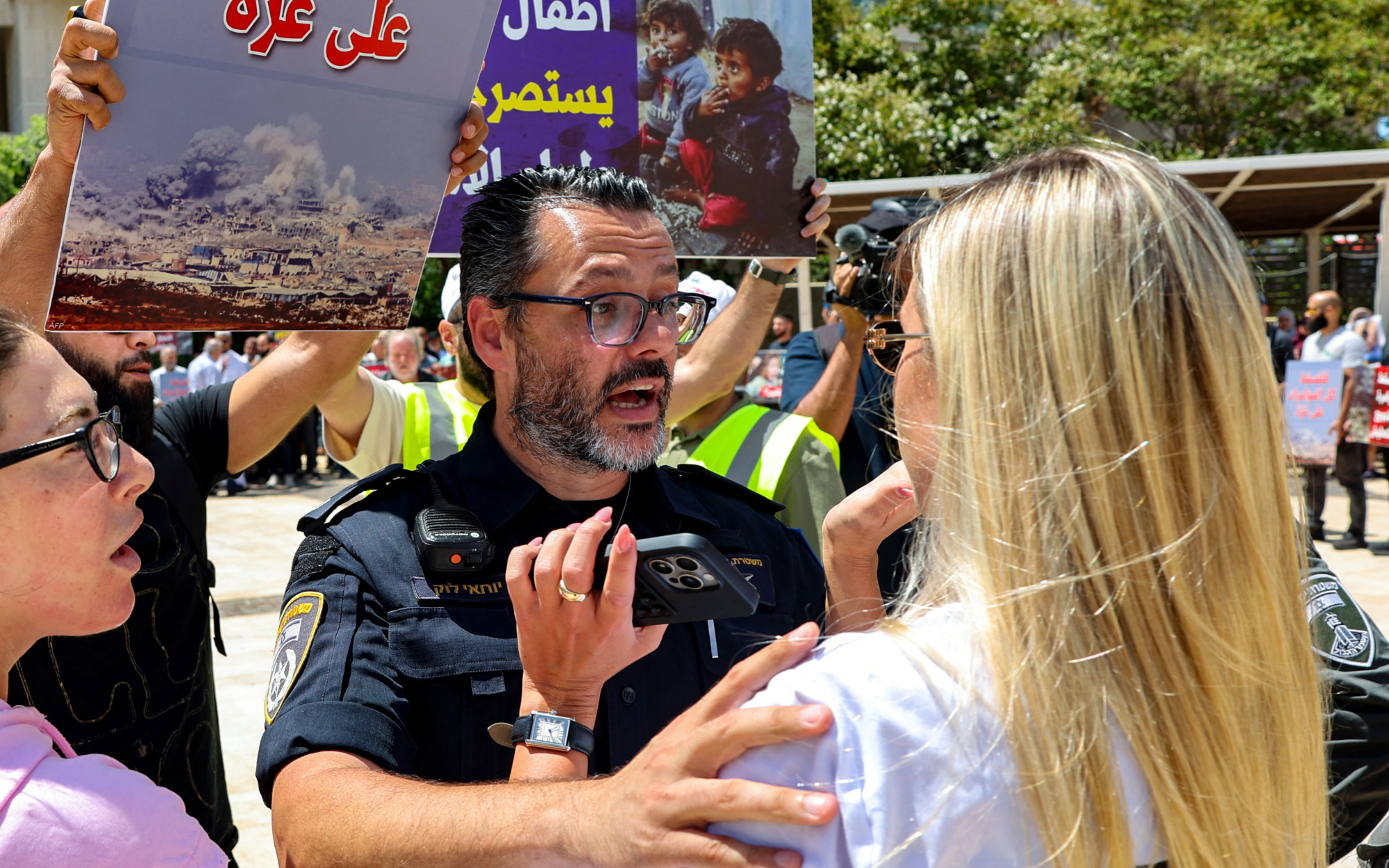
    Since October 2023, Israel has enacted over 30 laws that deepen systemic apartheid and repression against Palestinians, according to a new report by the legal center Adalah. These laws, passed between October 7, 2023, and July 27, 2025, target a wide range of political and civil rights, including freedom of expression, protest, citizenship, family life, equality, and the rights of detainees and prisoners. Adalah asserts that these measures fundamentally violate Palestinian human rights. The report highlights several legislative trends, including the expanded use of counterterrorism laws, which are disproportionately applied to Palestinian citizens of Israel and residents of occupied East Jerusalem. The vague definitions of ‘terrorist act’ and ‘terror organisation’ in the 2016 Counter-Terrorism Law have become tools to suppress Palestinian freedom of expression. Another trend involves channeling state resources to Jewish Israeli reservists, explicitly excluding Palestinian citizens from benefits such as tax relief, welfare, higher education, and employment support. The report also notes the institutionalization of temporary emergency measures, which have been repeatedly renewed or made permanent, enabling widespread violations of detainees’ rights and punitive conditions for Palestinian prisoners. Adalah links these laws to Israel’s constitutional framework, which prioritizes ‘Jewish ethno-national supremacy,’ as reflected in the 2018 ‘Nation State’ Basic Law. The government’s guiding principles, adopted in December 2022, assert exclusive Jewish rights over all areas between the Mediterranean Sea and the Jordan River. The report examines five key themes: denial of freedom of expression, thought, criticism, and protest; denial of citizenship, family life, and community ties; systematic denial of fair trial guarantees and assaults on prisoners’ rights; denial of social rights and deepening inequalities in resource allocation; and the termination of UNRWA operations in occupied Palestine. Laws criminalize the consumption of media produced by designated ‘terrorist organizations,’ ban statements denying the events of October 7, 2023, and allow the education ministry to dismiss teachers and defund schools for alleged support of terrorism. Foreign nationals can be barred from entering Israel for critical speech or appeals to international courts, and critical media broadcasts may be restricted on claims of ‘harm to state security.’ Palestinian lawyer Amal Orabi argues that these laws aim to ‘silence and suppress’ Palestinian citizens of Israel, preventing them from participating in global discourse or exposing violations. Adalah has documented a total of 100 discriminatory laws, which criminalize political expression, authorize deportations of Palestinian families, block family unification, permit the dismissal of Palestinian teachers, revoke social welfare benefits for families of children convicted of ‘security offences,’ expand detention powers, restrict access to legal counsel, and close independent media outlets. Miriam Azem, Adalah’s international advocacy coordinator, states that these laws ‘overwhelmingly and systematically’ target Palestinians, using counterterrorism and security frameworks as a proxy. She notes that the legislative campaign against Palestinians shows no signs of slowing, with multiple bills advanced in the current parliamentary session, including the death penalty bill and the extension of the offence of consuming ‘terrorist publications.’