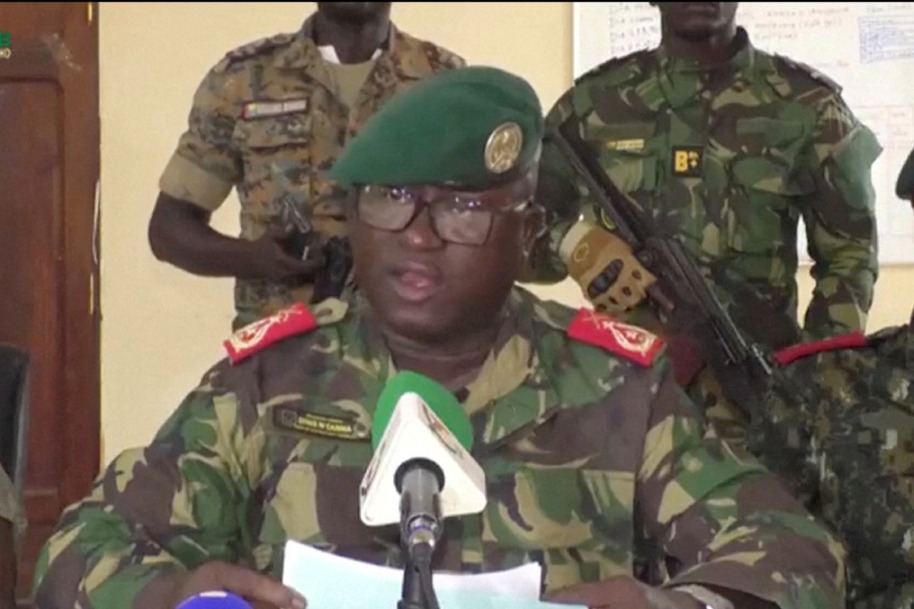
In a dramatic turn of events, Guinea-Bissau’s armed forces declared on Wednesday, November 26, 2025, that they had taken full control of the nation. The announcement, broadcasted on national television, marked a significant escalation in the country’s political crisis. The military, operating under the banner of the ‘High Military Command for the Restoration of National Security and Public Order,’ justified their actions as a necessary response to alleged attempts by certain politicians to destabilize the country. Army spokesperson Dinis N’Tchama stated that the ongoing electoral process had been immediately suspended, and a series of emergency measures were imposed. These measures included the closure of public institutions, suspension of media activities, and the sealing of all land, sea, and air borders. Additionally, a mandatory curfew was enforced from 7:00 p.m. to 6:00 a.m. local time. Reports from local media indicated that heavy gunfire was heard near the presidential palace in Bissau, the capital, around 1:00 p.m. local time. Residents fled the area as military personnel took control of the main road leading to the palace. Military sources revealed that several high-ranking government officials, including Interior Minister Botche Cande, Chief of the General Staff Biague Na Ntan, and Deputy Chief of Staff Mamadou Toure, were detained during the operation. By the time of reporting, Bissau had returned to apparent calm, with a significant decrease in pedestrian and vehicular traffic as the curfew approached. However, a large number of troops remained deployed at strategic locations across the city. The Chinese Embassy in Guinea-Bissau issued an emergency consular alert, urging Chinese citizens to enhance safety precautions, stay informed about local security updates, and avoid unnecessary travel. The embassy also advised citizens to report emergencies to the police and seek assistance from the embassy if needed. The political upheaval occurred just days after Guinea-Bissau launched its presidential and legislative elections, with over 960,000 registered voters set to choose a new head of state and 102 members of the National People’s Assembly.
作者: admin
-

Sarah R Jay unveils her new number “Streets of Gold”
Sarah R Jay, the Italian-Venezuelan singer and composer based in the UAE, has once again captivated audiences with her latest mini-album, ‘Streets of Gold’. The EP, comprising three tracks, delves into the profound themes of war, loss, and the enduring hope for transcendence. Since her debut in 2024, Sarah has established herself as a unique voice in electronic and cinematic pop, blending social consciousness with musical artistry. Her previous works, such as ‘Sea of Sorrow’ and ‘300 Fallen Heroes’, have already showcased her ability to address pressing social issues through her music. ‘Streets of Gold’ continues this tradition, focusing on the families left behind by war, rather than the soldiers on the battlefield. The title track features the poignant line, ‘Trading our youth for streets of gold,’ a metaphor for the young lives lost and the hope that they find peace in the afterlife. Sarah’s music is not just a form of entertainment but a call for empathy and change, urging listeners to reflect on the human cost of conflict. With a strong social media presence and a growing fan base, Sarah R Jay is rapidly becoming one of the most influential artists in the UAE’s music scene.
-

Protesters arrested outside High Court as Palestine Action fights UK terror ban
In a dramatic turn of events, London police arrested protesters outside the High Court on Wednesday as they demonstrated against the UK government’s decision to designate Palestine Action as a terrorist organization. The protest, marked by placards reading ‘I oppose genocide, I support Palestine Action,’ saw dozens gather behind the Royal Courts of Justice in Central London. The demonstration coincided with the commencement of a judicial review into the government’s controversial ban on the direct-action group. Among those detained was a pensioner affiliated with Defend Our Juries, who struggled to walk to a police van after being apprehended. Other protesters resorted to passive resistance, forcing officers to physically carry them away. Inside the court, lawyers representing Huda Ammori, co-founder of Palestine Action, argued that the ban had a chilling effect, citing numerous arrests across the UK in opposition to the proscription. Raza Husain KC, representing Ammori, emphasized that Palestine Action’s tactics of civil disobedience aimed to prevent serious violations of international law by targeting premises linked to Israeli and British arms companies. Husain also noted that the government’s own security assessments found no evidence of the group advocating violence against individuals. The Home Office, represented by James Eadie KC, defended the ban as a necessary measure to disrupt the group’s activities, which include damaging property to hinder the supply chain of weapons to Israel. The trial is set to continue on Thursday, with Defend Our Juries vowing to persist in their opposition to the ban.
-

New Zealand launches major inquiry into case of father who hid his children in a forest for years
The New Zealand government has initiated a comprehensive public inquiry into the handling of a high-profile case involving a father who disappeared with his three children into the wilderness for several years before being fatally shot by police. The inquiry, announced by Attorney General Judith Collins, will scrutinize whether government agencies took all necessary steps to ensure the safety and welfare of the children, who were subjected to harsh living conditions without access to healthcare or education. Tom Phillips vanished with his children, aged 5, 7, and 8, from Marokopa in December 2021. The children were discovered at a makeshift campsite in September 2023, hours after Phillips was killed during a confrontation with police following a robbery. The incident, which left a police officer critically injured, has sparked widespread outrage and raised questions about the effectiveness of law enforcement efforts during the family’s prolonged disappearance. The inquiry, led by prominent lawyer and former High Court judge Simon Moore, will examine the actions of officials and deliver its findings by July 2026. The case has gripped New Zealand, prompting debates about the handling of family court proceedings and the adequacy of search efforts. The inquiry will also address concerns about the secrecy surrounding the case and the potential involvement of accomplices in aiding Phillips during his years in hiding.
-
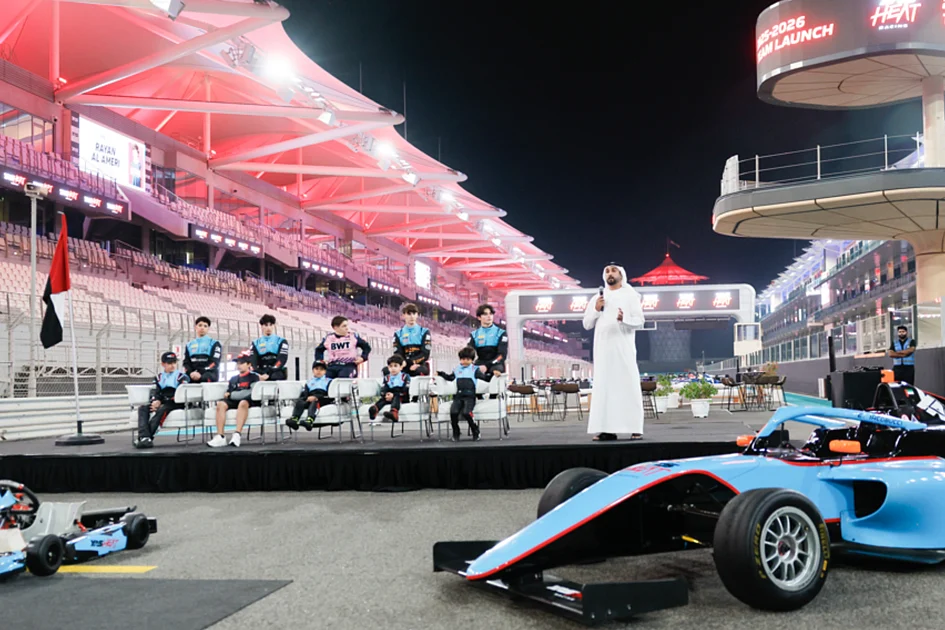
Yas Heat Racing unveil Formula 4 line-up and all-Emirati karting team
Yas Marina Circuit has officially launched its 2025/26 Yas Heat Racing team lineup, featuring a strategically assembled roster of international Formula 4 prospects and a groundbreaking all-Emirati karting development program. The announcement ceremony, attended by circuit officials, partners, and media representatives, showcased both the team’s competitive livery and its expanded developmental structure.
The Formula 4 division will see representation from fifteen-year-old Emirati talent Zakaria ‘JZ’ Doleh, alongside Germany’s Adam Al Azhari (16), Lebanon’s Charbel Abi Gebrael (16), and Italy’s Edoardo Lacobucci (17). These drivers will compete across both the F4 Middle East Championship and Trophy UAE series. Al Azhari enters the season with particular momentum after securing three victories and six podium finishes in the 2025 F4 Championship, including dual wins in Saudi Arabia’s F4 events.
Simultaneously, Yas Heat Racing has established a comprehensive karting program exclusively featuring Emirati youth talent. The Bambino Karting category will include seven-year-olds Yousef Al Khayyat and Zayed Al Ansari, both top finishers in the recent Al Sabq event, alongside six-year-old Rayan Al Ameri who recently made his IAME series debut. The program expands with twelve-year-old Faris Haroun, a triple champion in MENA Championship categories, and fourteen-year-old Essa Al Hammadi competing in the IAME Junior division.
This initiative builds upon Yas Heat’s established track record of developing racing excellence. Program alumni include Rashid Al Dhaheri, currently part of the Mercedes Junior Driver Programme preparing for F3 competition, and Keanu Al Azhari who secured vice-champion status in the 2024 Spanish F4 Championship before joining Alpine Academy. Emirati sisters Amna and Hamda Al Qubaisi, both F1 Academy participants, further demonstrate the program’s successful developmental pathway.
Ali Al Beshr, General Manager of Yas Marina Circuit, emphasized the strategic importance of this initiative: “Our 2025/26 lineup reflects the depth and diversity of talent growing within the UAE’s motorsport community. Through structured programs like Al Sabq and our strengthened karting framework, we provide clear competitive pathways while advancing Emirati talent on international platforms.”
-

Ajman Titans’ dream run continues in Abu Dhabi T10
The Ajman Titans have solidified their position as a formidable force in the 2025 Abu Dhabi T10 league, securing their third consecutive victory with a commanding 21-run win over the Deccan Gladiators. This triumph propels the Titans to second place in the standings, while the reigning champions, the Gladiators, continue to struggle, suffering their fourth straight loss. The match was a showcase of individual brilliance, with Moeen Ali’s explosive 31 off 12 balls and Akif Javed’s remarkable bowling spell of 3/5 being the standout performances. The Titans’ innings began steadily, with Aneurin Donald (24 off 15) and Alex Hales (25 off 18) laying a solid foundation. However, it was Moeen Ali’s aggressive batting in the latter stages that truly shifted the momentum in favor of the Titans. His partnership with Dan Lawrence pushed the score to 101/4 before the Titans eventually posted 109/6. In response, the Gladiators faced early setbacks as Akif Javed dismissed key players Andre Russell and Marcus Stoinis in quick succession. Despite a valiant effort from Tom Kohler-Cadmore (32 off 23) and Nicholas Pooran (24 off 14), the Gladiators fell short, finishing at 88/7. The Titans’ disciplined bowling and strategic field placements ensured their victory, further cementing their status as serious contenders in the tournament.
-
UAE launches first digital platform for buying, trading trademark
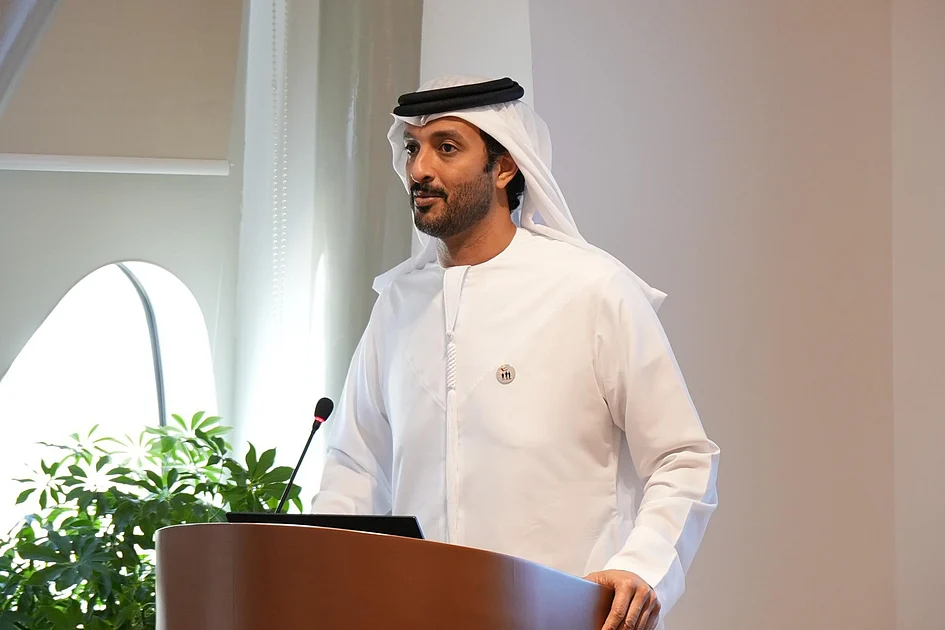
The UAE has introduced ‘TM Market Place,’ the region’s first digital platform dedicated to buying and trading trademarks. Launched by the Ministry of Economy and Tourism in Abu Dhabi, this innovative platform aims to revolutionize the intellectual property (IP) and trademark sector, enhancing the UAE’s appeal to global businesses and brands. Developed in collaboration with the UAE Government Leaders Programme, TM Market Place provides a secure and transparent environment for trademark owners to list and trade their assets, connecting them with investors and entrepreneurs. The platform aligns with the UAE’s vision of fostering a knowledge-based economy and supporting the competitiveness of its business environment. Minister of Economy and Tourism Abdulla bin Touq Al Marri emphasized that the platform will empower intangible business assets, offering fair financial valuation and transforming trademarks into active economic assets. The platform also aims to facilitate investor access to trademarks, lower market entry barriers, and support SMEs and family businesses by converting trademark value into financial assets. Operational from its launch day, TM Market Place is expected to boost the UAE’s trademark sector by 20% in its first year, with the Ministry ensuring compliance with national and international IP laws. The platform’s secure login and digital payment systems guarantee transaction safety and user identity verification. This initiative builds on the UAE’s efforts to develop a robust IP and trademark environment, supported by legislative frameworks and international agreements like the Madrid Protocol. The UAE has seen significant growth in trademark registrations, with 34,234 trademarks registered from January to November 2025, marking a 129% increase compared to the first half of 2024.
-

Foreign visitors will now pay a lot more to visit US national parks
Starting January 1, international visitors to US national parks will face a significant fee hike as part of the Department of the Interior’s ‘America First’ policy. The annual pass, now rebranded as ‘America the Beautiful,’ will remain at $80 for US residents but will skyrocket to $250 for nonresidents. Additionally, visitors without an annual pass will be charged an extra $100 per person to enter 11 of the most popular national parks, on top of the standard entrance fee. This means a family of four from abroad will pay $480 to visit the Grand Canyon National Park, up from the current $80. The affected parks include iconic destinations such as Yellowstone, Yosemite, and Zion National Parks. Furthermore, the 10 annual fee-free days, which previously allowed all visitors free entry, will now be exclusive to US citizens and permanent residents. These days include Presidents’ Day, Flag Day, and President Trump’s birthday. The policy aims to prioritize US taxpayers, who already fund the National Park System, while ensuring international visitors contribute more to park maintenance and improvements. The fee restructuring follows layoffs of thousands of national park employees earlier this year and proposed budget cuts, raising concerns about the future of park preservation. Critics, including Athan Manuel of the Sierra Club, argue that these changes favor corporate interests over environmental protection, potentially jeopardizing the nation’s natural heritage.
-

Most Mena hospitals up to 18 months away from AI readiness, reveals expert
Hospitals across the Middle East and North Africa (MENA) region are still six to 18 months away from achieving full readiness for large-scale artificial intelligence (AI) implementation, according to industry experts. Despite significant enthusiasm and rapid investments in AI, most institutions lack the essential foundational processes, governance frameworks, and leadership awareness required for safe and effective deployment. Brian de Francesca, Special Envoy for AI and Synthetic Workforce Development at the Arab Hospitals Federation, highlighted this gap during the DATE summit in Dubai, emphasizing that AI adoption is not merely a software purchase but a comprehensive organizational transformation. He noted that many leaders are unaware of AI’s current capabilities, limitations, and associated risks. Sid Ahmed Benraouane, an advisor to the Dubai Government, stressed the importance of visionary leadership in harnessing AI’s potential, warning that without proper safeguards, organizations risk deploying poorly understood systems. Aditya Balaraman, AI innovation lead at Magure, echoed these concerns, pointing out that while ambition is abundant in the region, a clear roadmap is essential for sustainable AI integration. He emphasized that AI could serve as a levelling technology, enabling lower-income markets to catch up if the right investments are made.
-

Watch: Car nearly hits first responders in Midwest blizzard conditions
As a severe winter storm swept across the Midwest, first responders faced a perilous situation when a vehicle nearly struck them during their emergency operations. The incident occurred amidst blizzard conditions, which have prompted widespread winter storm alerts and hazardous weather outlooks across several US regions just before the Thanksgiving holiday. The near-miss highlights the dangers faced by emergency personnel during extreme weather events and underscores the importance of public caution during such times. Authorities are urging drivers to exercise heightened vigilance and adhere to safety guidelines to prevent similar occurrences in the future.