作者: admin

  • Survivors, lawmakers slam partial release of Epstein files

    Survivors, lawmakers slam partial release of Epstein files

    Victims of Jeffrey Epstein and congressional leaders expressed profound frustration this weekend following the Justice Department’s heavily redacted release of case files related to the convicted sex offender. The disclosure, which contained numerous blacked-out pages and censored photographs, has ignited allegations of a systematic cover-up protecting powerful individuals connected to Epstein.

    The document trove, released by Trump administration officials, included social photographs featuring prominent figures such as former President Bill Clinton, music icons Michael Jackson, Mick Jagger, and Diana Ross. However, the conspicuous removal of certain images—including one featuring Donald Trump—shortly after publication raised immediate suspicions among lawmakers and victims alike.

    Senate Minority Leader Chuck Schumer characterized the situation as potentially “one of the biggest cover-ups in American history,” noting that the disappearance of documents only heightened concerns about what additional information might be concealed. Media reports indicated at least a dozen images were withdrawn from the online repository after initial publication.

    The Justice Department issued a statement defending its approach, explaining that “photos and other materials will continue being reviewed and redacted consistent with the law in an abundance of caution as we receive additional information.”

    For Epstein’s survivors, the partial disclosure represented another painful setback. Marina Lacerda, one of Epstein’s victims, described the redactions as “another slap in the face,” expressing disappointment that victims’ expectations for transparency remained unmet. Another survivor, Jess Michaels, reported being unable to locate her victim statement or FBI tip line communications within the released documents, questioning whether “even an act of Congress isn’t getting us justice.”

    Despite the extensive redactions, the files revealed new details about Epstein’s connections to powerful figures, including previously unseen photographs of Britain’s Prince Andrew (now Andrew Mountbatten-Windsor) lying across the legs of five women. Other images showed Bill Clinton in a partially redacted hot tub photograph and swimming alongside Ghislaine Maxwell, Epstein’s convicted accomplice. The collection also contained dozens of censored images depicting naked or scantily clad individuals.


  • Hangzhou passes first local law promoting health

    Hangzhou passes first local law promoting health

    Hangzhou has established a groundbreaking legal framework for public health advancement with the adoption of China’s first municipal-level health promotion regulation. The legislation, formally approved on December 18 and scheduled for implementation on January 1, represents a significant milestone in urban health policy development.

    The comprehensive regulation comprises 10 chapters with 54 distinct articles that create a structured approach to community wellness. This legislative framework addresses four critical domains: enhanced health services, improved environmental conditions, lifestyle guidance initiatives, and systematic health impact assessments. Notably, weight management has been designated as a primary policy focus within the statute.

    This legislative move aligns with broader national health objectives while establishing Hangzhou as the first Chinese city to transform weight management guidelines into legally binding requirements. The regulation provides concrete institutional support for frontline medical professionals who have previously operated without clear statutory backing.

    Medical practitioners like Zhang Taoye from Caihe Community Healthcare Center report that the legislation offers “much clearer policy handle” for preventive healthcare initiatives. Community health institutions are now empowered to expand services including nutritional counseling and scientific exercise guidance, with potential incentive mechanisms such as health points programs under consideration.

    The regulation mandates the establishment of specialized weight-management clinics or obesity treatment centers across all secondary-level and higher medical institutions in Hangzhou. Healthcare professionals emphasize that these dedicated facilities will advance preventive measures against chronic conditions associated with excess weight, including hypertension and hyperlipidemia.

    Resident response has been overwhelmingly positive. A 40-year-old homemaker surnamed Li appreciates the alignment between the regulation’s emphasis on healthier food options and her family’s daily habits. The legislation also promotes improved access to sports facilities, making healthy lifestyle choices more convenient for urban residents.

    For older demographics, the regulation addresses specific concerns through mandatory nutritional monitoring, with particular attention to minors and seniors. Retiree Shen Mei, 68, welcomes the requirement for community canteens to prioritize balanced nutrition and low-salt, low-fat cooking methods, noting that current offerings sometimes tend toward excessive oil and salt content.

    This pioneering legislation represents a significant step toward institutionalizing health promotion within urban governance frameworks, potentially serving as a model for other Chinese cities seeking to enhance public health through legal mechanisms.

  • Work model pays farmers to plant trees for ecological restoration

    Work model pays farmers to plant trees for ecological restoration

    In China’s Inner Mongolia Autonomous Region, an innovative work-for-relief initiative is transforming ecological restoration into economic opportunity for rural communities. The program, implemented in Ulaanqab city, financially compensates farmers and herders for participating in desertification control and grassland rehabilitation projects.

    Liu Cunxi, a 69-year-old farmer from Yujiahao village in Siziwang Banner, represents the human dimension of this environmental strategy. “We plant trees and shrubs to prevent wind erosion and stabilize the sand,” Liu explained. “Simultaneously, we earn 160 yuan ($22.7) daily.” Like approximately 20 other villagers, Liu supplements his income during the agricultural off-season from May to October through planting and harvesting drought-resistant vegetation.

    The compensation structure demonstrates careful economic planning. Herders receive approximately 150 yuan per hectare for observing grazing restrictions, while daily wages exceed 150 yuan for planting, fertilizing, and managing grasslands. Additional transportation services for materials including grass seeds, fertilizer, and fencing generate further income streams, with households earning roughly 165 yuan per hectare plus management fees of about 180 yuan per hectare.

    Pang Chengxiu, a 55-year-old community organizer from Siziwang Banner, has mobilized 105 households to restore over 14,000 hectares of degraded grassland. His responsibilities encompass fence installation, water transportation, and mediating pastoral disputes. Last year, Pang earned more than 15,000 yuan in labor remuneration while observing significant ecological recovery in previously degraded areas.

    “This approach not only improves the ecological environment but also boosts our earnings,” Pang noted, highlighting the program’s dual benefits. Ulaanqab authorities have complemented these efforts with specialized training programs to enhance participants’ technical skills and environmental understanding, steadily expanding the initiative’s reach across the region.

    The model represents a sustainable approach to environmental governance that aligns ecological objectives with economic incentives, creating a virtuous cycle where conservation becomes economically viable for local communities.

  • ‘Extremely cunning’ suspect in deadly Taiwan knife attack planned it for over a year

    ‘Extremely cunning’ suspect in deadly Taiwan knife attack planned it for over a year

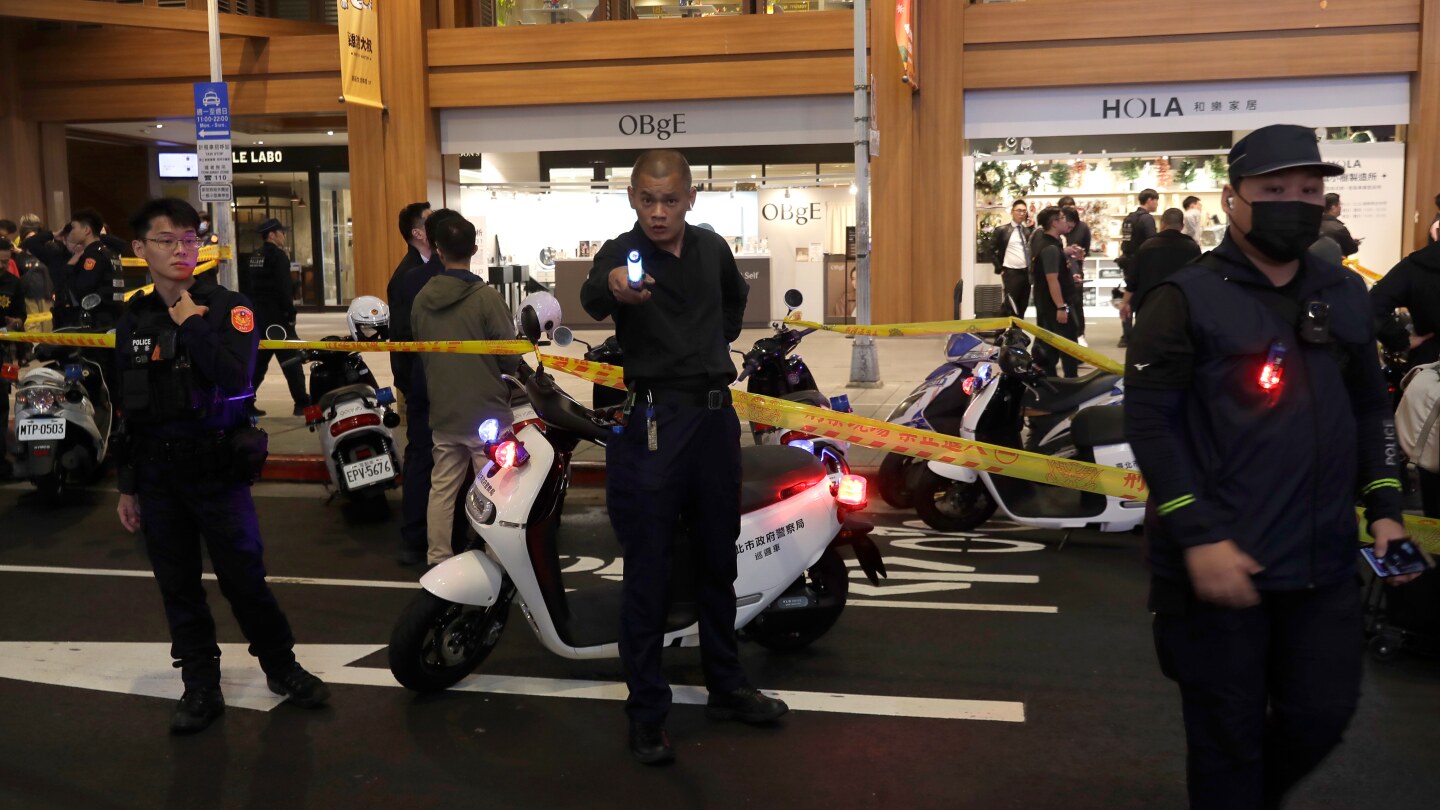
    TAIPEI — A meticulously orchestrated assault that claimed three lives and injured eleven individuals has sent shockwaves through Taiwan’s capital, revealing an alarming level of premeditation by the perpetrator. According to Taipei police authorities, 27-year-old Chang Wen spent over eighteen months planning the multi-phase attack that unfolded with chilling precision last Friday.

    The assailant executed his plan with methodical brutality, indiscriminately stabbing pedestrians while deploying smoke grenades at a bustling metro station and surrounding streets. The rampage culminated in a dramatic pursuit through a department store, where Chang fell to his death from the fifth floor while evading law enforcement.

    Police Chief Li Hsi-Ho described the perpetrator as ‘extremely cunning,’ detailing how Chang employed sophisticated evasion tactics including multiple clothing changes and transportation switches between scooters, bicycles, and foot travel. During his escape, the suspect set fires to his apartment, roadways, and various vehicles, creating additional chaos and destruction.

    Investigative findings indicate Chang began acquiring specialized equipment including smoke grenades, gas canisters, and respirators as early as April 2024. Authorities confirmed the suspect had been wanted since July for military service evasion, despite previously serving voluntarily before being discharged for drunken driving offenses. The investigation continues into his precise motivations, though officials note he had severed all family contact for over two years.

    Five victims remain hospitalized, with one in intensive care following surgery but reported in stable condition. The unprecedented violence has prompted immediate security enhancements at crowded venues and major events across Taiwan, where such brutal attacks remain exceptionally rare.

  • Venezuela denounces 2nd oil tanker seizure

    Venezuela denounces 2nd oil tanker seizure

    Venezuela has issued a formal condemnation following the second seizure of an oil tanker by United States military forces in the southern Caribbean within recent weeks. The incident occurred in international waters on Saturday, December 20th, escalating already heightened tensions between the two nations.

    According to Venezuelan government statements, US Coast Guard personnel supported by Department of War assets conducted a pre-dawn operation to apprehend a private vessel transporting Venezuelan oil. The action resulted in what Caracas described as the ‘forced disappearance’ of the ship’s crew alongside what it characterized as a criminal act of maritime theft.

    US Secretary of Homeland Security Kristi Noem confirmed the seizure through social media platform X, posting an unclassified video showing US helicopter personnel boarding a vessel identified as ‘Centuries’ off the Venezuelan coast. The operation aligns with President Donald Trump’s Tuesday announcement implementing a total blockade against US-sanctioned oil tankers traveling to and from Venezuela, with subsequent interviews confirming intentions to continue seizing additional vessels.

    Venezuelan authorities have denounced the actions as violations of international law and fundamental principles of maritime navigation freedom, vowing to pursue legal recourse through United Nations channels. This latest seizure follows a similar incident on December 10th, which Venezuela previously condemned as ‘blatant theft and international piracy.’

    The escalating maritime confrontations occur alongside a significant US military buildup in the region, described as the largest in generations. Associated Press reports indicate at least 104 fatalities across 28 known strikes since early September, though these operations face growing scrutiny from US lawmakers and human rights advocates questioning evidence standards and alleging extrajudicial killings.

    International voices have expressed concern over the deteriorating situation. Brazilian President Luiz Inacio Lula da Silva warned that armed intervention in Venezuela would create ‘a humanitarian catastrophe’ for the region while establishing dangerous global precedents. Similarly, Cuban Foreign Minister Bruno Rodriguez Parrilla criticized recent US designation of Venezuela’s government as a ‘foreign terrorist organization’ as politically motivated.

  • Growing AI role in weather forecasts

    Growing AI role in weather forecasts

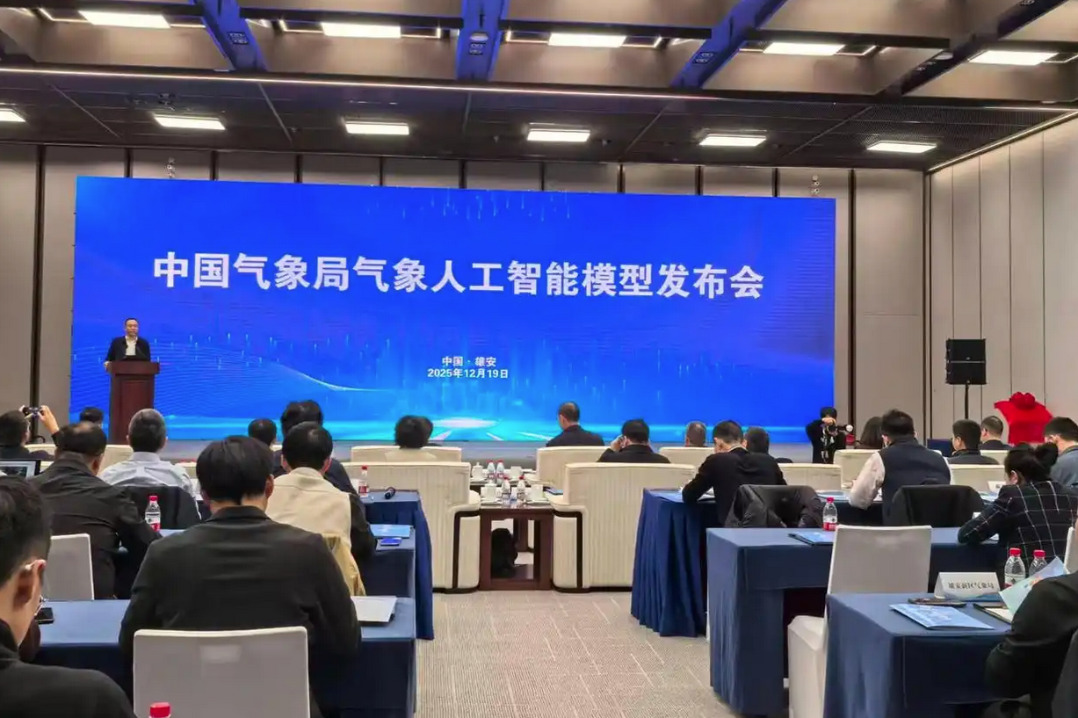
    China’s meteorological authorities have significantly enhanced extreme weather response capabilities through the nationwide deployment of artificial intelligence-powered forecasting systems, though persistent challenges remain in predicting highly localized northern weather phenomena.

    The China Meteorological Administration revealed that AI-based systems provided critical technical support during this year’s flood season and recent snowfall events. These models, operating alongside traditional numerical forecasting methods, have substantially improved warning timeliness and accuracy, strengthening overall disaster prevention and mitigation efforts.

    According to Cao Yong, head of the weather forecasting technology research division at the National Meteorological Center, the medium- and short-range Fengqing AI model has achieved nationwide implementation with pilot deployments in regions including Hebei province. During this year’s complex flood season featuring prolonged scattered rainstorms across North China, the Fengqing model successfully captured event trends in 96-hour forecasts.

    The system also demonstrated remarkable performance during North China’s inaugural snowfall this season, accurately predicting timing, duration, and intensity parameters. Meanwhile, China’s now-casting Fenglei system has undergone significant upgrades, enhancing short-term forecasting capabilities while improving adherence to atmospheric science principles and boosting stability and precision.

    Zhang Xiaowen, head of the Fenglei research team, noted breakthrough achievements in predicting short-duration heavy rainfall and extreme downpours. The system successfully forecasted June’s severe convective storm in Beijing and an extreme Henan province rainstorm, showing marked improvement in predicting precipitation exceeding 50 millimeters per hour.

    However, Lu Bo, vice-president of the Xiong’an Institute of Meteorological Artificial Intelligence, highlighted particular forecasting difficulties in northern regions. Unlike southern China’s relatively stable flood-season patterns, North experiences more sudden severe convective storms and short-duration downpours triggered by distant typhoons—events characterized by intensity, spatiotemporal unevenness, and heightened prediction complexity.

    The Fengshun seasonal forecasting model exemplified these challenges, successfully predicting July’s North China rain belt by June’s end but underperforming compared to traditional models for August precipitation.

    Looking forward, China’s Earth System Forecasting Development Strategy (2025-2035) outlines ambitious plans for operational deployment of next-generation models and establishment of a unified meteorological AI framework within five years. These advanced AI systems promise expanded support for short-term warnings and extreme climate alerts while facilitating energy dispatching and agricultural planning.

    Unlike conventional models constrained by physical laws and processing speeds, AI forecasting offers unprecedented speed and accuracy—though limitations persist regarding unprecedented weather events beyond training data parameters.

  • Denmark insists on respect for territorial integrity after Trump appoints envoy to Greenland

    Denmark insists on respect for territorial integrity after Trump appoints envoy to Greenland

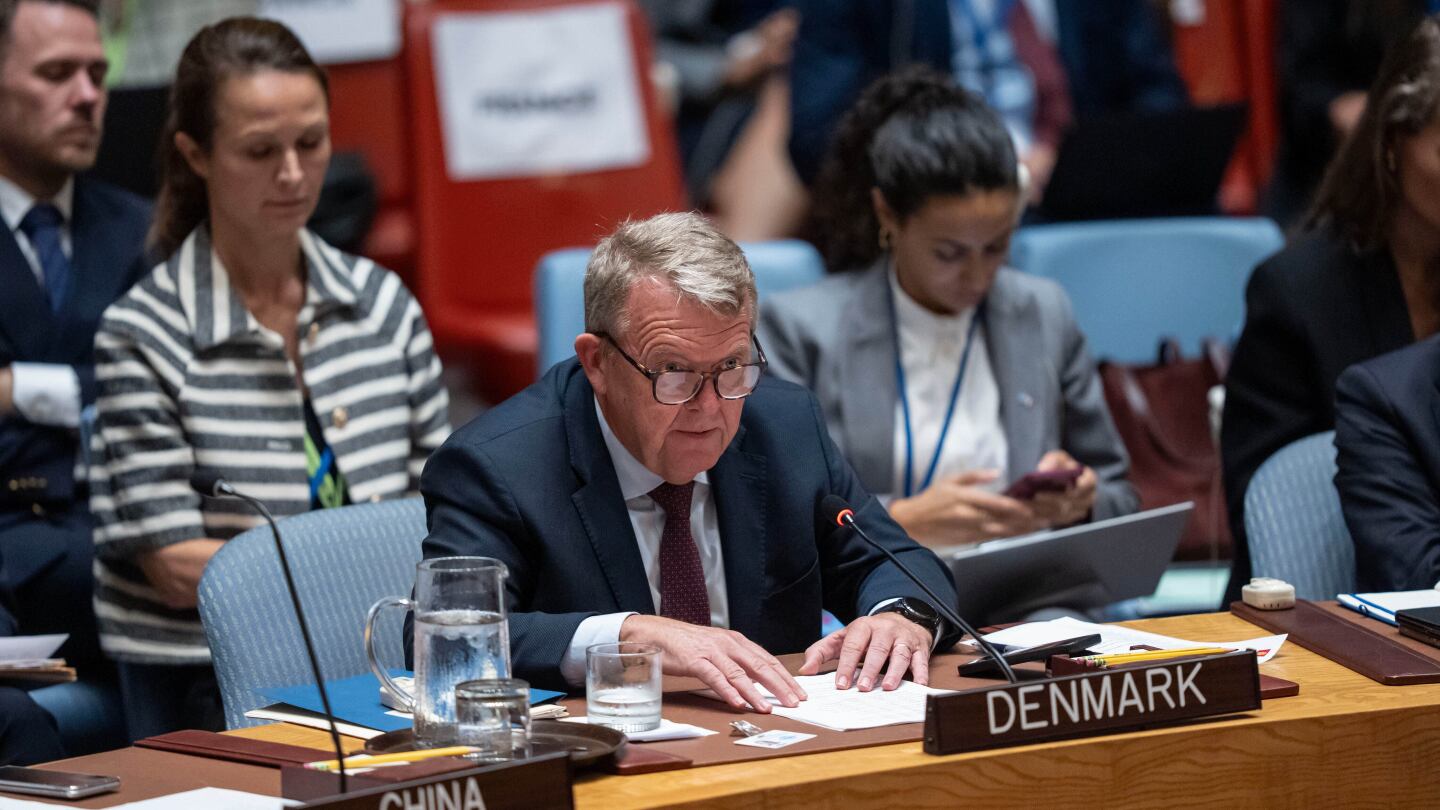
    COPENHAGEN (AP) — Denmark has issued a firm diplomatic statement reinforcing its territorial sovereignty over Greenland following the United States’ appointment of a special envoy to the Arctic territory. The declaration from Danish Foreign Minister Lars Løkke Rasmussen came directly after former President Donald Trump designated Louisiana Governor Jeff Landry as special envoy to Greenland.

    Minister Rasmussen emphasized through an official ministry communiqué that while Denmark acknowledges sustained American interest in Greenland, all nations—including the United States—must unequivocally respect the territorial integrity of the Kingdom of Denmark. This diplomatic response highlights escalating tensions between the NATO allies regarding the strategically significant, mineral-rich island.

    The background to this development traces to Trump’s presidency, when he repeatedly expressed interest in acquiring U.S. jurisdiction over Greenland and reportedly contemplated military options for securing control. The situation intensified in March when Vice President JD Vance visited Thule Air Base in Greenland and criticized Denmark’s investment levels in the region. Further diplomatic strain emerged in August when Danish authorities summoned the U.S. ambassador following reports of covert influence operations in Greenland by individuals connected to Trump.

    In his announcement, Trump characterized Landry’s role as crucial to advancing U.S. national security interests and ensuring the safety of American allies. Landry subsequently expressed honor at the appointment through social media, explicitly referencing ambitions to facilitate Greenland’s incorporation into the United States.

    The Danish Defense Intelligence Service’s recent annual assessment adds context to these developments, noting that the U.S. has increasingly leveraged economic influence and military posturing to assert its geopolitical objectives with both allies and adversaries.

  • Japan’s new flagship H3 rocket fails to put geolocation satellite into orbit

    Japan’s new flagship H3 rocket fails to put geolocation satellite into orbit

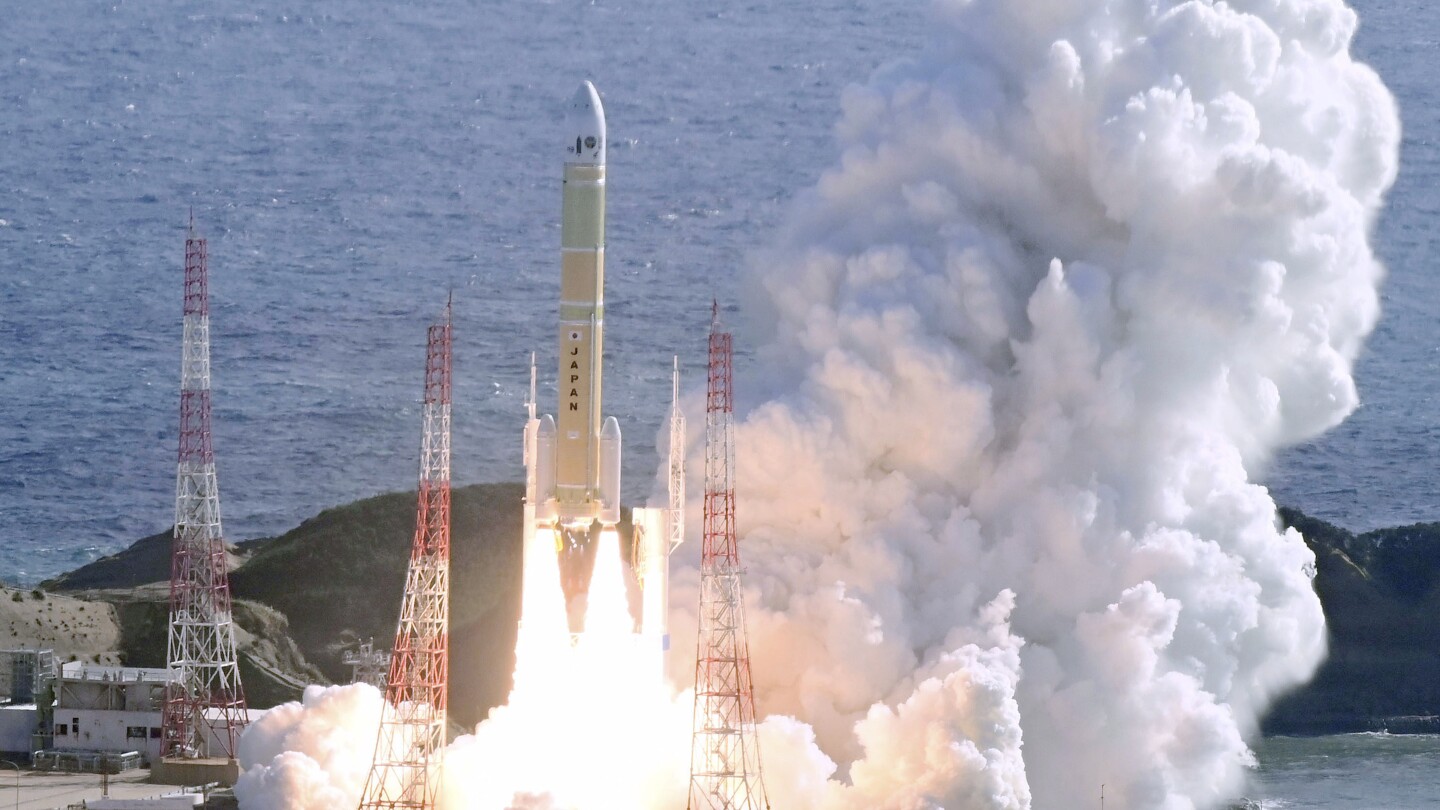
    Japan’s ambitious space program suffered a significant setback Monday when its flagship H3 rocket failed to deliver a crucial navigation satellite into orbit. The Japan Aerospace Exploration Agency (JAXA) confirmed the mission failure after the rocket’s second-stage engine experienced an unexpected premature cutoff during its flight from the Tanegashima Space Center.

    The H3 rocket, carrying the advanced Michibiki 5 satellite intended to enhance Japan’s independent positioning capabilities, encountered critical technical issues moments after launch. JAXA officials revealed that the satellite separation could not be confirmed, leaving the payload’s whereabouts unknown. This marks the second failure for Japan’s next-generation launch vehicle following its problematic debut flight in March 2023.

    Masashi Okada, JAXA’s launch director, stated that investigators are analyzing flight data to determine the exact cause of the engine malfunction. The failure represents more than just a technical setback—it delays Japan’s strategic plans to establish a fully independent satellite positioning system that would reduce reliance on America’s GPS network for critical applications including smartphone navigation, maritime operations, and drone technology.

    The Japanese government responded immediately to the incident, with Science Ministry official Jun Kondo calling the failure “extremely regrettable” and establishing a special task force to investigate the cause and implement corrective measures. The H3 rocket, designed to replace Japan’s highly reliable H-2A launcher, represents a cornerstone of the country’s strategy to become more competitive in the global space market while enhancing national security capabilities.

    Despite this setback, JAXA’s H3 project manager Makoto Arita emphasized the rocket’s potential for global competitiveness, vowing to thoroughly investigate the failure and return the program to operational status. The incident occurred just five days after JAXA aborted a previous launch attempt due to ground equipment abnormalities, highlighting the challenges facing Japan’s space ambitions.

  • Russian general killed by car bomb in Moscow, officials say

    Russian general killed by car bomb in Moscow, officials say

    A high-ranking Russian military commander has been assassinated in a targeted car bombing in central Moscow, according to official statements from Russia’s Investigative Committee. Lieutenant General Fanil Sarvarov, 56, perished on Monday morning when an improvised explosive device concealed beneath his vehicle detonated abruptly.

    General Sarvarov held the prestigious position of leading the armed forces’ operational training department, making him a significant figure within Russia’s military command structure. The explosive device, strategically planted under his personal vehicle, ignited in a residential parking facility in southern Moscow, leaving the white automobile severely damaged with its doors completely blown off.

    Law enforcement agencies have dispatched specialized investigative teams to conduct thorough forensic examination of the blast site. While the investigation remains ongoing, preliminary theories suggest potential involvement of Ukrainian intelligence operatives in orchestrating the assassination. Ukrainian authorities have maintained their characteristic silence regarding the incident, consistent with their established policy of neither confirming nor denying involvement in targeted operations against Russian officials.

    This event represents the latest in a series of attacks against Russian military leadership since the commencement of full-scale hostilities in Ukraine in February 2022. Previous incidents include the April car bombing that claimed the life of General Yaroslav Moskalik and the December 2024 assassination of General Igor Kirillov via remotely detonated scooter bomb. While unnamed Ukrainian sources have previously claimed responsibility for such operations to international media, official Kyiv maintains a consistent policy of non-acknowledgement regarding targeted strikes against Russian military figures.

  • Researcher reveals secrets of early life on Earth

    Researcher reveals secrets of early life on Earth

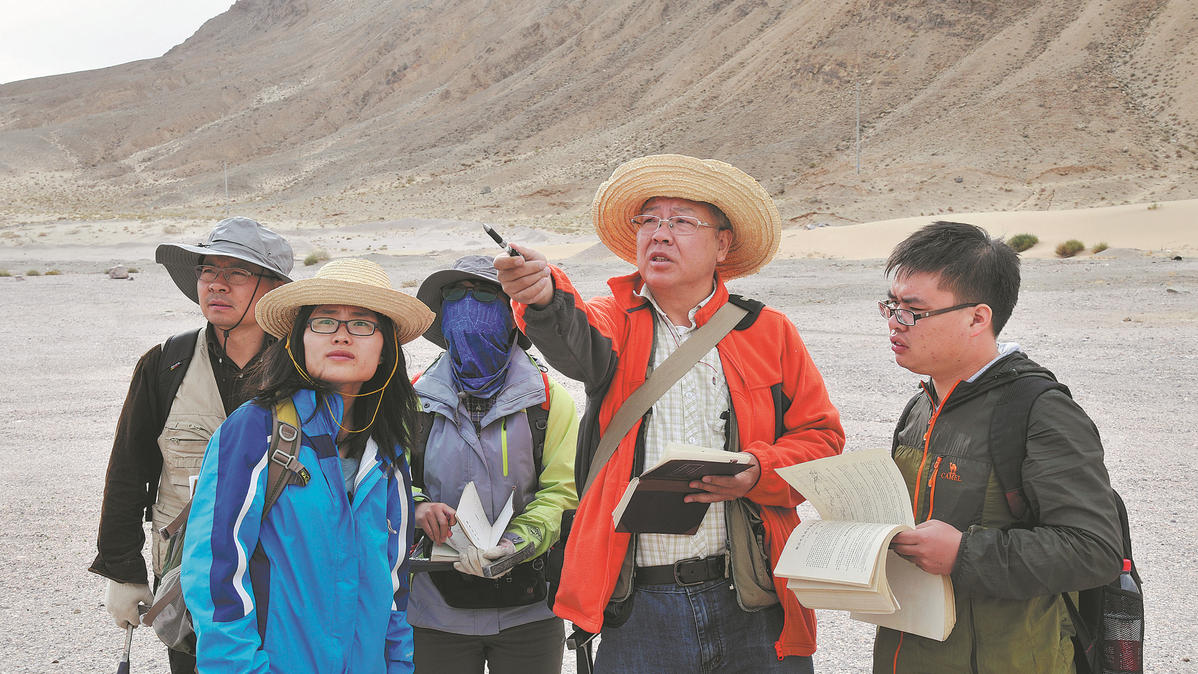
    In a remarkable scientific journey that began with childhood mountain dreams, Professor Zhu Maoyan has revolutionized our understanding of early life on Earth, culminating in his recent election as an academician of the Chinese Academy of Sciences—China’s highest scientific honor. The world-renowned paleontologist, whose work recently earned a spot in Science magazine’s 2024 Top 10 Scientific Breakthroughs, has dedicated his career to unraveling the mysteries of multicellular life that predate the Cambrian explosion.

    Zhu’s extraordinary path to paleontological prominence started in Wangjiang county, Anhui province, where a high school classmate’s casual remark about geologists climbing mountains daily sparked his imagination. This simple fascination led him to Changchun College of Geology in the 1980s, where he specialized in paleontology due to its connection to biology. His academic pursuit continued at the Nanjing Institute of Geology and Paleontology, where he began his professional research career studying the internationally significant Chengjiang fossils—518-million-year-old specimens that provide unprecedented insight into ancient marine ecosystems.

    Fieldwork presented early challenges that tested Zhu’s determination. During his first expedition to Yunnan’s remote fossil sites, he endured arduous travel conditions and treacherous mountain terrain, once climbing a steep slope during a rainstorm with such intense focus that he used both hands and feet to secure his position while searching for fossils.

    After advanced research in Germany as a visiting scholar at the Technical University of Berlin from 1997-1999, Zhu returned to China through the Chinese Academy of Sciences’ talent program. He established his own research team at the Nanjing Institute, where decades of systematic investigation have yielded transformative discoveries.

    The team’s most significant breakthrough came when Zhu guided doctoral student Miao Lanyun in discovering over 200 multicellular eukaryote fossil specimens in North China’s Yanshan Mountain region. These 1.63-billion-year-old fossils pushed back the appearance of complex multicellular life by 70 million years, fundamentally altering scientific understanding of evolutionary timelines. This finding demonstrates that eukaryotes developed multicellularity much earlier than previously believed, challenging the assumption that they remained single-celled for approximately one billion years.

    Zhu emphasizes that paleontology satisfies humanity’s fundamental curiosity about origins while encouraging international collaboration. ‘Our perspective is global,’ he notes, highlighting that each continent possesses unique fossil resources that require multinational cooperation to fully utilize.

    Now 61, Zhu continues to lead research exploring three primary areas: extending the study of complex life to earlier periods, investigating life’s origins and potential extraterrestrial life, and deepening understanding of the Cambrian explosion. He encourages young scientists to follow their passions rather than external pressures, stating: ‘When you believe something is worth doing and have the interest to support it, you won’t feel it is arduous.’

    With China’s increased investment in paleontological research and expanding museum infrastructure, Zhu anticipates continued growth in the field, inspiring new generations to pursue scientific curiosity about life’s deepest mysteries.