作者: admin

  • Death toll hits 159 in Tai Po blaze, 31 still missing

    Death toll hits 159 in Tai Po blaze, 31 still missing

    Hong Kong authorities confirmed Wednesday that the devastating Tai Po apartment complex fire has claimed 159 lives, marking one of the deadliest urban disasters in the city’s history. The catastrophic blaze at Wang Fuk Court has left 31 individuals still unaccounted for as search operations concluded across all seven affected towers.

    Police Commissioner Joe Chow Yat-ming disclosed that forensic teams have identified 140 victims through meticulous examination, with victims spanning all age groups from 1 to 97 years old. The tragic tally includes 49 men and 91 women, among them one firefighter who perished during rescue operations, ten foreign domestic workers, and five on-site workers.

    Medical authorities reported that 42 injured survivors have been discharged from hospitals, while 37 remain under medical care—four in critical condition, nine classified as serious, and 24 in stable condition. Search operations will continue beneath collapsed scaffolding structures where additional victims might be located.

    Initial investigations point to substandard protective mesh netting installed during building renovations as a primary factor in the fire’s rapid escalation through the residential complex. In response, the Hong Kong Special Administrative Region government has mandated immediate removal of all similar netting from buildings undergoing major renovations citywide.

    The Buildings Department is preparing to implement stringent new safety protocols by next week, requiring all construction site mesh materials to undergo mandatory on-site laboratory testing before installation approval.

    Law enforcement agencies have intensified their investigation, arresting six additional individuals aged 44 to 55 for allegedly providing false information to fire authorities about functional alarm systems in the affected buildings. This brings the total number of arrests related to maintenance works to 21, with four separate arrests made for alleged seditious activities connected to the disaster.

    The Office for Safeguarding National Security of the Central People’s Government issued a strong statement condemning external hostile forces for attempting to exploit the tragedy, warning that such actions would face severe consequences.

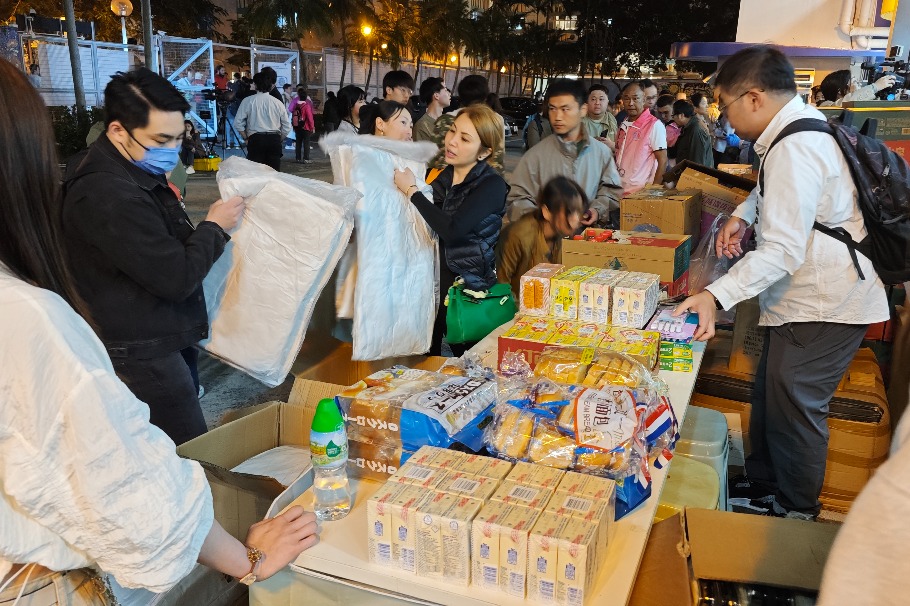
    Relief efforts continue with 1,921 households receiving HK$10,000 emergency grants and 104 families obtaining HK$50,000 living allowances. Over 2,600 displaced residents are currently accommodated in temporary to long-term housing arrangements, supported by a government-established fund that has accumulated HK$2.3 billion in donations.

    The Chinese mainland has contributed additional emergency supplies including protective goggles and waterproof gloves, coordinated through the Ministry of Emergency Management and the Hong Kong and Macao Work Office of the Communist Party Central Committee.
  • UK and Norway will mount joint naval patrols to protect undersea cables and hunt Russian submarines

    UK and Norway will mount joint naval patrols to protect undersea cables and hunt Russian submarines

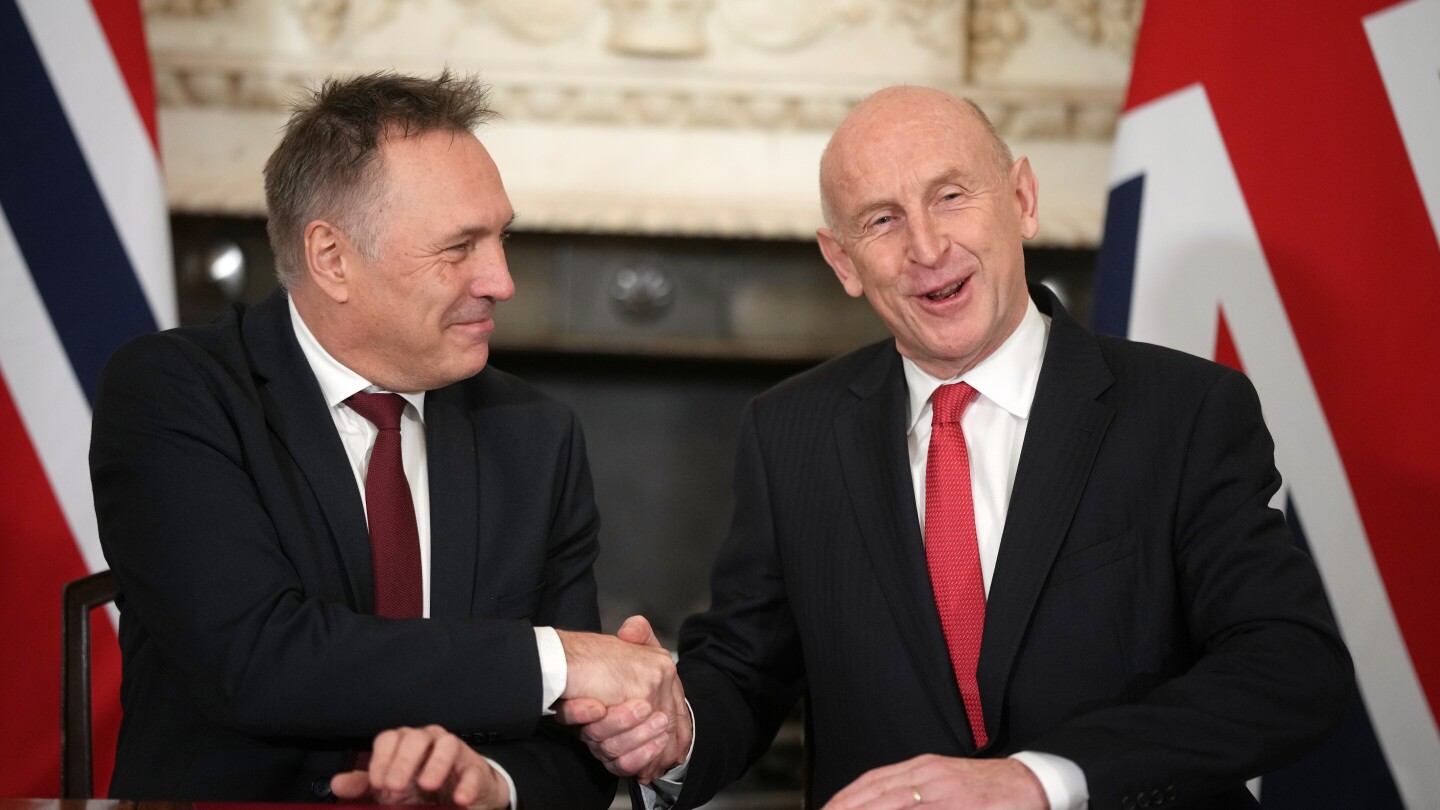
    In a significant escalation of NATO’s northern defense capabilities, the United Kingdom and Norway have formally established a joint naval task force dedicated to safeguarding subsea infrastructure from Russian threats. The landmark agreement, signed Thursday in London by defense ministers from both nations, creates a combined fleet of at least 13 warships that will conduct coordinated patrols across the North Atlantic.

    The strategic partnership, announced following high-level talks between British Prime Minister Keir Starmer and Norwegian Prime Minister Jonas Gahr Støre, represents a direct response to what both governments describe as increasingly aggressive Russian naval activity. Official statistics indicate a concerning 30% surge in Russian vessel operations around UK waters over the past two years, raising alarms about the vulnerability of critical communication and energy cables on the seabed.

    This enhanced military cooperation builds upon a previously established £10 billion ($13.4 billion) defense procurement agreement finalized in August, through which Norway committed to acquiring a minimum of five British-manufactured frigates. These Norwegian vessels will operate alongside eight Royal Navy ships, forming a specialized fleet tasked with detecting and deterring Russian submarine operations along NATO’s northern flank.

    In a reciprocal arrangement strengthening bilateral defense ties, the UK has agreed to integrate Norwegian missile systems into the Royal Navy’s surface fleet. The partnership extends beyond hardware integration to include joint operational planning and intelligence sharing between naval commands.

    The two leaders were scheduled to personally assess the strategic situation firsthand with a visit to RAF Lossiemouth in Scotland, where they met with British and Norwegian personnel responsible for monitoring Russian maritime movements. This base serves as a critical hub for NATO’s surveillance operations tracking Russian naval activity in the North Atlantic and Arctic regions.

  • Sino-Canadian trade ties hailed at Toronto forum

    Sino-Canadian trade ties hailed at Toronto forum

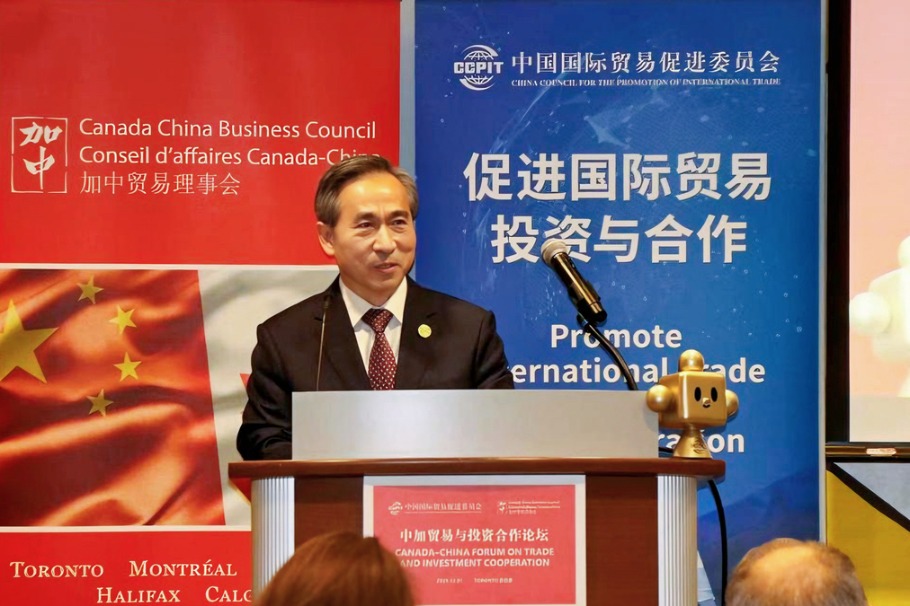
    The Canada-China Forum on Trade and Investment Cooperation convened in Toronto this week, marking a significant step in revitalizing economic ties between the two nations. The event featured Ren Hongbin, chairman of the China Council for the Promotion of International Trade, leading a high-level delegation of Chinese businesses across multiple sectors including finance, engineering, logistics, and medical technology.

    This gathering represents the most substantial commercial engagement since both countries’ leaders met at recent APEC meetings in South Korea. Ren emphasized that the summit produced “important consensus” and “strategic guidance” for enhancing bilateral relations, coinciding with the 55th anniversary of diplomatic relations and the 20th anniversary of their strategic partnership.

    Economic fundamentals demonstrate robust trade activity, with China maintaining its position as Canada’s second-largest trading partner for 22 consecutive years. Bilateral trade reached $93 billion in the previous year, with Canada’s exports to China growing by 6.1% to $46.6 billion—representing Canada’s first trade surplus with China in many years.

    Ren outlined opportunities for expanded cooperation in emerging sectors including clean energy, climate initiatives, and technological innovation. He highlighted the “highly complementary resource endowments and economic structures” between the two nations, particularly regarding supply-chain collaboration. The Chinese official extended an invitation for Canadian businesses to participate in the upcoming China International Supply Chain Expo, described as “a globally recognized economic and trade event.”

    Bijan Ahmadi, executive director of the Canada China Business Council, noted the changing dynamics in bilateral relations, stating: “We are at a turning point in the bilateral relationship between Canada and China. There are, of course, still challenges and outstanding issues between the two countries that they’re discussing and negotiating. But there are great opportunities, and we’re glad to see these dialogues happening.”

    The Chinese business delegation—the first of its kind in seven years—signals improving economic relations. Ahmadi emphasized the complementary nature of both economies: “There are many things that we produce that China wants to buy, and there are things from China that are very beneficial for the Canadian economy.”

    Ren expressed confidence in China’s economic trajectory, noting that the country “has consistently contributed around 30 percent to global economic growth” and reported 5.2% GDP growth in the first three quarters of the year. He reaffirmed China’s commitment to high-quality development and continued opening of its markets through recent policy directives.

  • Relief, prevention, investigation underway after search completed in fire-hit buildings in Hong Kong

    Relief, prevention, investigation underway after search completed in fire-hit buildings in Hong Kong

    Hong Kong authorities have initiated comprehensive emergency measures following the catastrophic fire at Wang Fuk Court housing complex that has resulted in 159 confirmed fatalities. The Hong Kong Special Administrative Region (HKSAR) government has mandated the immediate removal of all scaffolding from building maintenance projects across the territory within a 72-hour window for urgent fire safety inspections.

    Development Secretary Bernadette Linn announced that construction materials will only be reinstalled after meeting new safety standards to be formally issued next week. The police confirmed Wednesday afternoon that 31 individuals remain unaccounted for following the blaze, with victims ranging from 1 to 97 years old. Of the 159 recovered bodies, 140 have been formally identified.

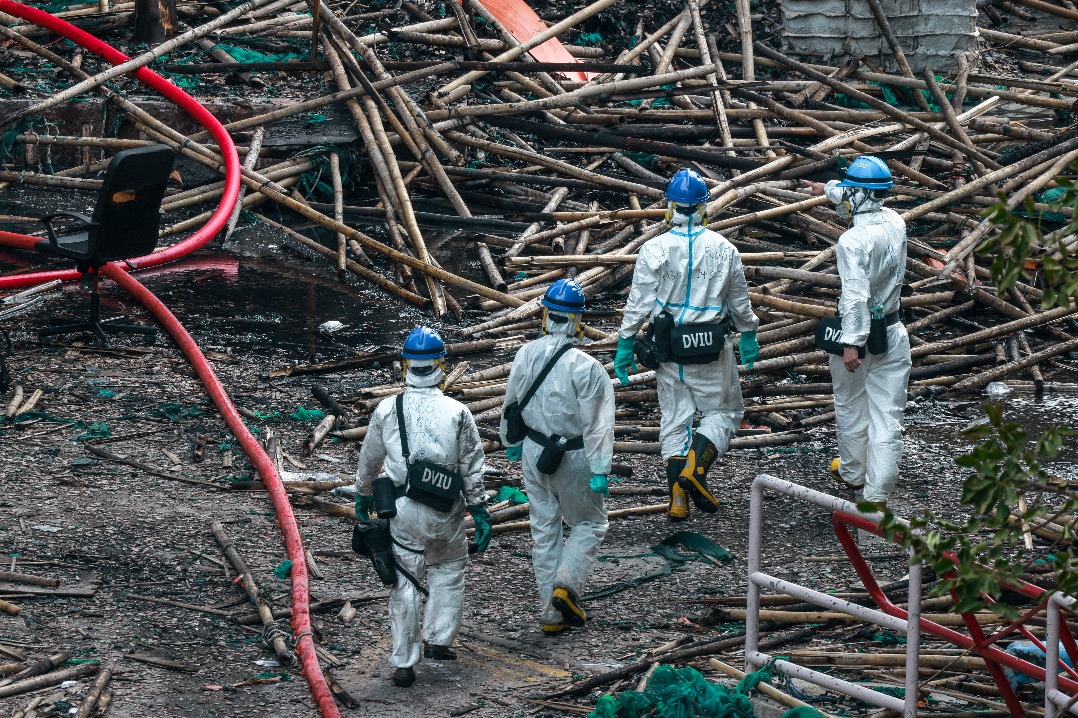
    Search operations within the seven affected buildings have concluded, with authorities now expanding their recovery efforts to the surrounding areas where scaffolding collapsed during the fire. This next phase requires meticulous removal of debris and ashes under controlled safety conditions, which officials indicate will require additional time.

    In a significant development, law enforcement has arrested six individuals connected to a contractor responsible for installing fire safety equipment. The suspects are accused of falsely certifying that fire alarms were operational during maintenance work at Wang Fuk Court. Additional investigations are underway regarding potential document forgery related to renovation materials used at the site.

    Financial support for affected residents continues to grow, with the disaster relief fund reaching HK$2.4 billion (approximately $308 million) by Wednesday noon. The HKSAR government is implementing tax relief measures and fee waivers for victims and their families.

    The Central Government’s Hong Kong and Macao Work Office is coordinating delivery of critical disaster-relief supplies, including protective goggles and waterproof gloves requested by local authorities. Previous shipments from the mainland included emergency lighting equipment that assisted police in their search and recovery operations.

  • Genes key to increasing heat tolerance of grains

    Genes key to increasing heat tolerance of grains

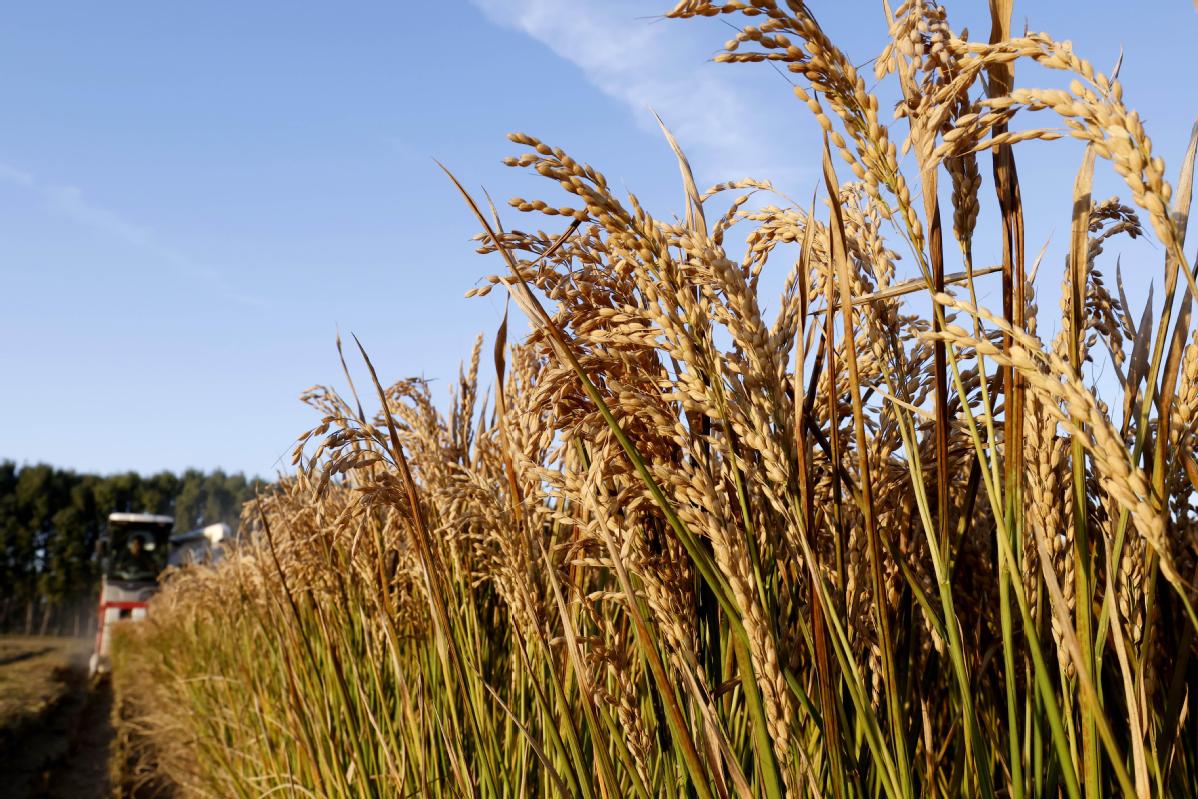
    In a groundbreaking development addressing global food security challenges, Chinese researchers have decoded the molecular mechanisms behind heat tolerance in rice crops. The study, published in the prestigious journal Cell on December 4, 2025, reveals two critical genetic regulators that enable plants to withstand extreme temperature conditions.

    The research team from Chinese Academy of Sciences Center for Excellence in Molecular Plant Sciences, Shanghai Jiao Tong University, and Guangzhou Laboratory conducted extensive field simulations replicating future climate scenarios. Their investigation identified DGK7 (a kinase) and MdPDE1 (a lipase) as essential components in rice’s thermal response system. These function as a sophisticated biological alarm mechanism, converting external heat signals into cellular instructions that trigger protective responses.

    Experimental results demonstrated remarkable yield improvements: single-gene modifications increased production by 50-60%, while dual-gene modifications nearly doubled output compared to control groups. The research maintained crop quality under simulated heat waves reaching 46°C (115°F) during peak daylight hours, without compromising yield under normal growing conditions.

    Dr. Lin Hongxuan, corresponding author of the study, emphasized the precision engineering capabilities now possible: ‘Scientists can not only enhance heat tolerance but design gradient heat-resistant varieties tailored to specific climate conditions.’

    The findings offer transformative potential for securing global food supplies as climate change intensifies. The identified genetic markers provide a blueprint for developing resilient strains of major cereal crops including wheat and corn, potentially mitigating projected yield declines from rising global temperatures.

    This research represents a significant advancement in climate-adaptive agriculture, combining fundamental biological discovery with immediate practical applications for sustainable food production.

  • Trump and Infantino – too close for comfort?

    Trump and Infantino – too close for comfort?

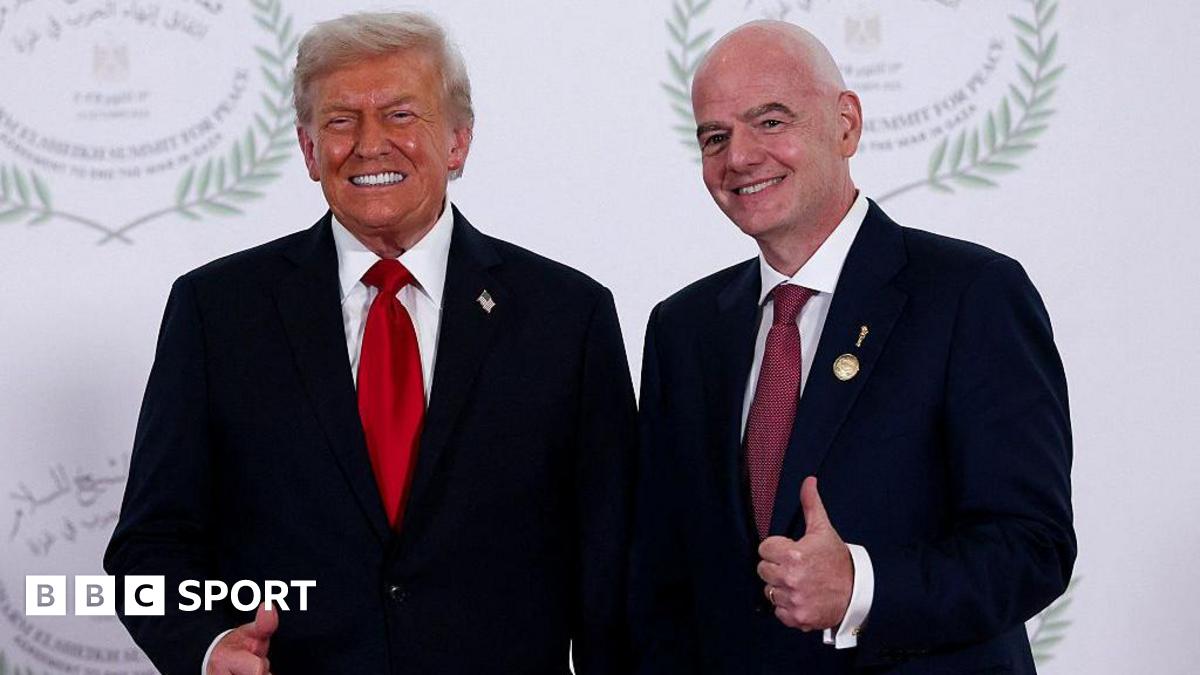
    The 2026 World Cup draw ceremony in Washington D.C. has become a stage for geopolitical theater, with President Donald Trump’s prominent involvement generating both celebration and condemnation. Held just one mile from the White House at the Kennedy Center—a venue whose board Trump recently overhauled—the event featured an unprecedented political dimension that critics argue compromises FIFA’s statutory commitment to political neutrality.

    The ceremony’s programming appeared carefully tailored to the American president’s preferences, featuring a performance of Trump’s campaign rally favorite ‘YMCA’ by the Village People. Most controversially, FIFA President Gianni Infantino introduced a new Peace Prize award, widely expected to be bestowed upon Trump despite no prior consultation with the FIFA Council. This gesture cemented the increasingly visible alliance between the two leaders, which Infantino has vigorously defended while citing Trump’s involvement in Middle East ceasefires.

    This relationship has drawn sharp criticism from within football’s governing bodies. UEFA delegates staged a walkout at a recent FIFA Congress, accusing Infantino of prioritizing ‘private political interests.’ The controversy extends beyond symbolism to practical concerns about Trump’s immigration policies, which threaten to affect World Cup participants and spectators from numerous countries. Iran has already announced a boycott of the draw due to visa restrictions for its delegation.

    Further complicating matters, Trump has suggested potentially relocating matches from Democratic-led host cities over security concerns and made provocative statements about Mexico during World Cup planning discussions. Meanwhile, FIFA’s commercial ambitions for the tournament include an unprecedented 30% commission on ticket resales through its official platform, drawing criticism from fan groups who accuse the organization of exploiting supporters.

    Despite these controversies, both leaders clearly view the World Cup as mutually beneficial. Trump gains an unparalleled global platform during his presidency and election campaign, while Infantino secures financial opportunities that could bolster his reelection prospects in 2027. The tournament represents what FIFA claims will be a $27 billion economic impact for the United States, though this comes alongside concerns about human rights and the politicization of the world’s most popular sporting event.

  • Homegrown durian tantalizes taste buds

    Homegrown durian tantalizes taste buds

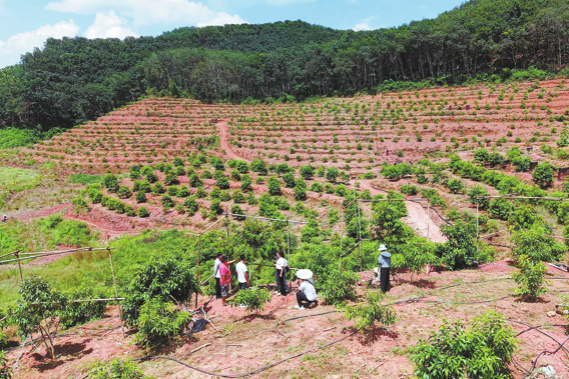
    In a remarkable agricultural development, China’s Yunnan province has successfully cultivated domestic durian, potentially disrupting the nation’s complete reliance on imported varieties of the tropical fruit. The breakthrough comes after years of experimental planting in the tropical microclimates of Xishuangbanna Dai Autonomous Prefecture, where farmers and agricultural companies have overcome significant climatic challenges typically restricting durian cultivation to Southeast Asia.

    The journey began unexpectedly in 2010 when farmer Jia Guohua planted a discarded durian seed in Mengla county. This year, his persistence yielded 16 mature fruits—a symbolic representation of Yunnan’s broader agricultural ambitions. The province’s southern regions, particularly Xishuangbanna, share ecological similarities with northern Thailand and Vietnam, creating ideal conditions for durian cultivation with consistently warm and humid tropical environments.

    Commercial enterprises have joined the effort, with Xishuangbanna Zhuo’an Agricultural Technology Development Company establishing two hectares of durian plantations in Jinghong. According to General Manager Guo Jian, the strategic decision to cultivate durian was driven by its extended growth cycle, which creates higher economic returns and addresses massive market demand. Innovative intercropping techniques have been implemented, with 27-30 jackfruit trees planted between every 11-12 durian trees per mu to maximize land efficiency.

    Official reports indicate significant expansion, with Mengla county introducing premium varieties including Monthong, Black Thorn, and Musang King across 66.7 hectares. Incomplete statistics reveal over 466.67 hectares under durian cultivation throughout Yunnan, spanning multiple counties including Jinghong, Mengla, Gengma, Yingjiang, and Jinping.

    Professor Ao Pingxing, director of the Durian Industry Research Center at Yunnan Agricultural University, emphasizes that this initiative aims to achieve ‘durian freedom’ for Chinese consumers—reducing price volatility and supply uncertainties while enhancing national food security. The cultivation project represents a strategic move toward high-value, technology-driven agricultural transformation, positioning Yunnan within the global premium tropical agriculture value chain.

    Despite promising progress, challenges remain regarding germplasm resource scarcity, optimal planting area identification, variety selection, and cultivation management techniques. The industry currently stands at the critical juncture between experimental trials and commercial exploration, marking a significant milestone in China’s agricultural innovation.

  • Putin calls talks with US on ending the Ukraine war ‘useful’ but also ‘difficult work’

    Putin calls talks with US on ending the Ukraine war ‘useful’ but also ‘difficult work’

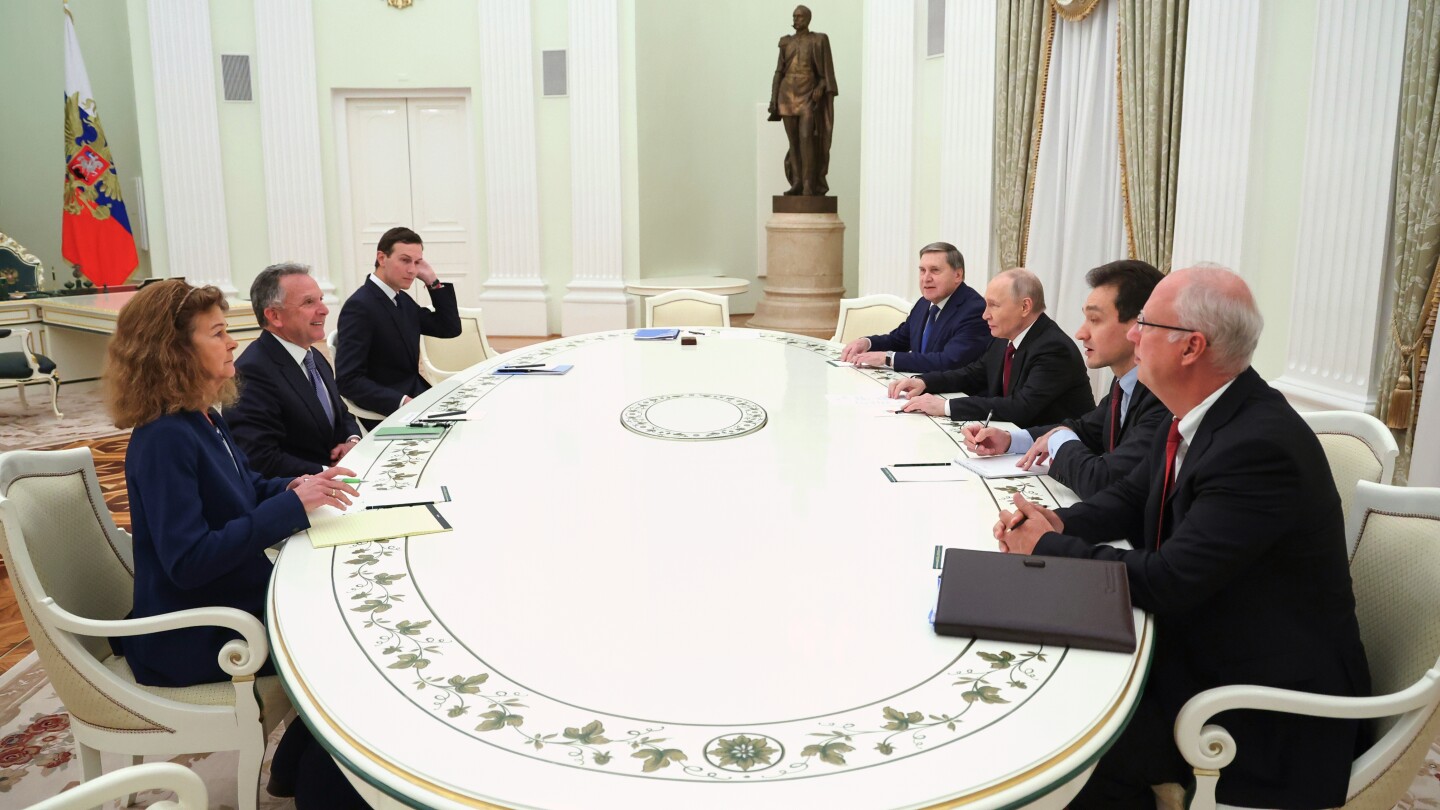
    Russian President Vladimir Putin has characterized his extensive five-hour diplomatic engagement with U.S. representatives as both “necessary” and “useful” while simultaneously acknowledging the challenging nature of negotiations aimed at resolving the ongoing Ukraine conflict. In pre-recorded comments for India Today TV channel, obtained by Russian state media outlets Tass and RIA Novosti, Putin revealed that certain American proposals presented during the Kremlin discussions remained unacceptable to Moscow’s strategic interests.

    The high-level talks occurred as U.S. President Donald Trump’s special envoy Steve Witkoff and senior advisor Jared Kushner prepared for subsequent negotiations with Ukrainian lead negotiator Rustem Umerov in Miami. According to an unnamed Trump administration official, these parallel diplomatic efforts represent a renewed American initiative to broker peace in the nearly four-year conflict, despite the significant challenges in reconciling the fundamental positions of both warring nations.

    President Trump expressed optimism following the Moscow meeting, stating that his emissaries departed the marathon session with strong confidence in Putin’s genuine desire to reach a negotiated settlement. “Their impression was very strongly that he’d like to make a deal,” Trump remarked on Wednesday.

    Putin provided additional context regarding the protracted nature of the discussions, explaining through Tass that both parties meticulously examined each component of the American peace proposal. The Russian leader described the exchange as a “very concrete” conversation that required thorough examination of all points. While indicating Moscow’s willingness to engage with certain aspects of the proposal, Putin unequivocally stated that other provisions remained beyond the Kremlin’s acceptable parameters, characterizing the overall process as “difficult work.”

    The diplomatic developments occur against the backdrop of continued violence in eastern Ukraine, where government forces and Russian-backed separatists have been engaged in conflict since 2014. The recent flurry of high-profile negotiations signals potentially the most serious effort to date to find a political solution to the crisis that has claimed over 13,000 lives and displaced millions.

  • Trump hosting the leaders of Congo and Rwanda to sign key deal for peace in eastern Congo

    Trump hosting the leaders of Congo and Rwanda to sign key deal for peace in eastern Congo

    WASHINGTON — In a significant diplomatic maneuver, the Trump administration has brokered what it terms a “historic” agreement between the Democratic Republic of Congo and Rwanda, aiming to quell decades of conflict in mineral-rich eastern Congo while securing American access to critical rare earth minerals. The signing ceremony, dubbed the Washington Accords for Peace and Prosperity, will bring Presidents Félix Tshisekedi and Paul Kagame to the U.S. Institute of Peace on Thursday for a trilateral meeting with President Trump.

    The accord represents the culmination of months of U.S.-led mediation involving the African Union and Qatar, building upon a preliminary agreement signed in June. Beyond its peace objectives, the pact establishes a Regional Economic Integration Framework that will govern future economic partnerships between the three nations, particularly focusing on Congo’s vast mineral reserves essential for manufacturing fighter jets, cellphones, and other advanced technology.

    This strategic move comes as the United States seeks to counter China’s dominance in rare earth minerals, which currently accounts for nearly 70% of global mining and 90% of processing. By leveraging Congo’s urgent need for security assistance, the Trump administration has positioned American companies to gain preferential access to these resources.

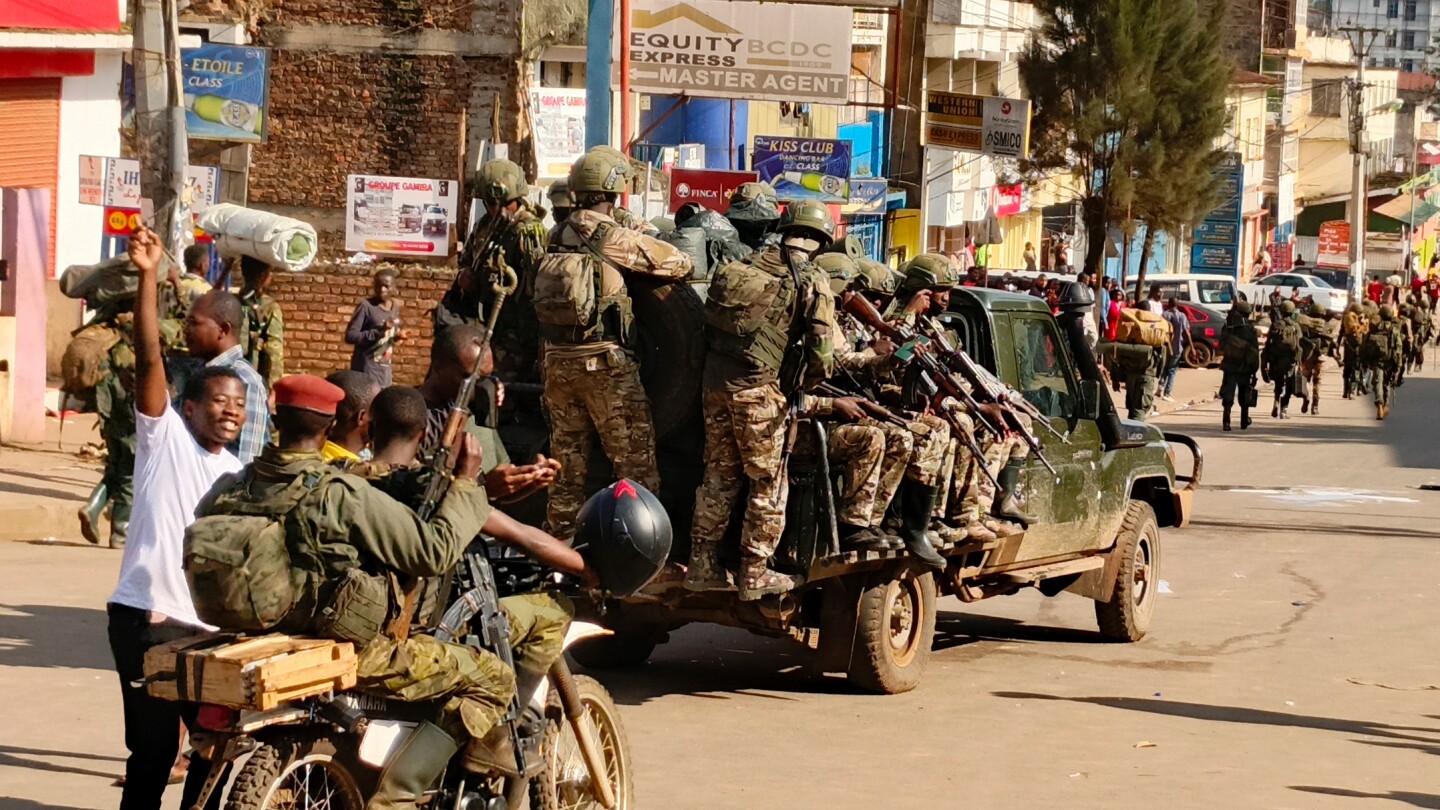
    However, the reality on the ground contrasts sharply with diplomatic optimism. Eastern Congo remains embroiled in violence, with the Rwanda-backed M23 rebels maintaining control over key cities including Goma and Bukavu despite a separate peace agreement between Congo and the rebel group. Residents report ongoing clashes, closed international airports, suspended banking operations, surging crime rates, and skyrocketing prices of essential goods.

    The conflict’s roots extend to the aftermath of Rwanda’s 1994 genocide, where nearly two million Hutus fled into Congo fearing reprisals. Rwandan authorities maintain that Hutu militias operating in eastern Congo pose an existential threat to Rwanda’s Tutsi population, while Congo insists permanent peace requires Rwanda to withdraw both troops and support for M23 rebels. UN experts estimate between 3,000-4,000 Rwandan forces are currently deployed in the region.

    As American business leaders gather for parallel meetings hosted by the U.S. Chamber of Commerce to explore investment opportunities in minerals, energy, and tourism, Congolese civilians express skepticism. “We are still at war,” stated Amani Chibalonza Edith, a 32-year-old Goma resident. “There can be no peace as long as the front lines remain active.”

  • Eurovision chiefs face thorny question of whether Israel should take part in the 2026 song contest

    Eurovision chiefs face thorny question of whether Israel should take part in the 2026 song contest

    GENEVA — The European Broadcasting Union (EBU) convened a critical general assembly Thursday to address mounting tensions over Israel’s eligibility for the 2026 Eurovision Song Contest. This annual pop music spectacle, traditionally celebrated for its unifying spirit, now faces its most significant political challenge since Russia’s 2022 exclusion following its invasion of Ukraine.

    The core dispute centers on calls from several member nations—including Iceland, Ireland, the Netherlands, Slovenia, and Spain—to exclude Israel from competition. These broadcasters cite both Israel’s conduct in the Gaza conflict and allegations of voting interference in previous contests as primary concerns. Conversely, nations including Austria and Germany have expressed support for Israel’s continued participation.

    Experts observing the Geneva proceedings noted the unlikelihood of a unified resolution. Paul Jordan, a prominent Eurovision commentator known as ‘Dr. Eurovision,’ described the situation as ‘messy and toxic,’ noting the irony that an event branded ‘United by Music’ has become profoundly divided through geopolitics.

    The EBU proposed structural reforms to safeguard contest integrity, including modified voting procedures and reinstating professional juries during semifinals. These measures aim to address claims of political manipulation in viewer voting. The union stated that a formal vote on Israel’s participation would only occur if member broadcasters deem these safeguards insufficient to protect the competition’s neutrality.

    The implications of potential boycotts extend beyond symbolism. Dean Vuletic, author of ‘Postwar Europe and the Eurovision Song Contest,’ warned that withdrawals by democratic EU members would represent an unprecedented escalation in the event’s history. Such actions could significantly impact viewership metrics and financial stability for an institution already navigating media fragmentation and budget constraints.

    With member broadcasters required to confirm 2026 participation by mid-December, the controversy threatens to overshadow the anticipated return of Bulgaria, Moldova, and Romania after absences for financial and artistic reasons. The resolution—or lack thereof—will determine whether Eurovision can reclaim its celebratory purpose or continue serving as a geopolitical battleground.