作者: admin

  • Living allowance hiked to aid Tai Po blaze victims

    Living allowance hiked to aid Tai Po blaze victims

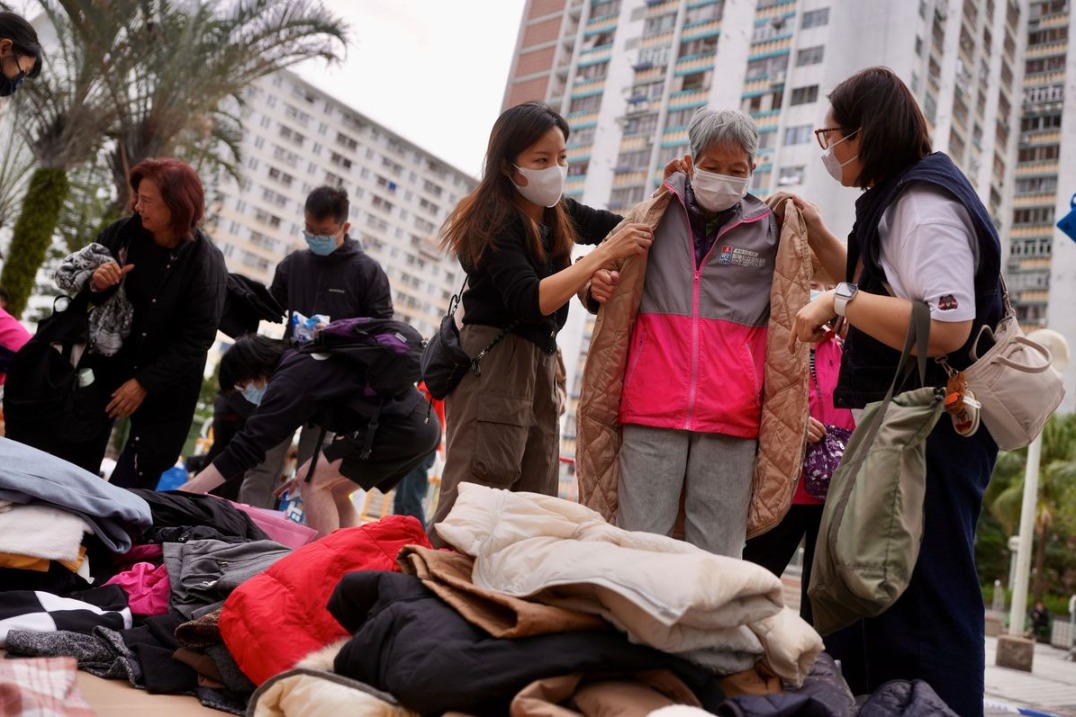
    The Hong Kong Special Administrative Region government has significantly escalated its financial support for victims of the devastating Wang Fuk Court fire, announcing a 100% increase in living allowances from HK$50,000 to HK$100,000 per household. The decision, disclosed by Secretary for Home and Youth Affairs Alice Mak Mei-kuen during her inspection of temporary housing facilities in Kai Tak, responds to urgent needs for warmer clothing and essentials during cold weather conditions.

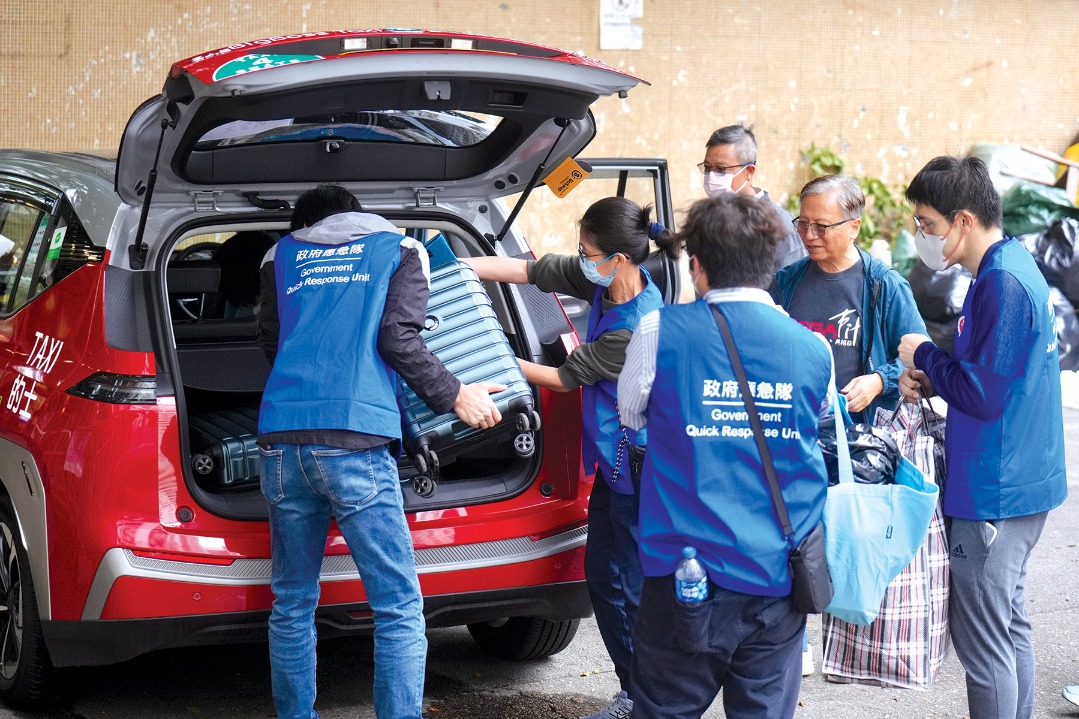
    The November 26 tragedy, which resulted in 159 fatalities including one firefighter and 31 missing persons, has displaced approximately 2,000 households currently accommodated in hotels, youth hostels, and transitional housing. According to official statistics, 674 households have registered for the enhanced financial assistance, with 326 households that previously received HK$50,000 scheduled to obtain the balance shortly.

    Financial support mechanisms have expanded substantially, with the government-established relief fund reaching HK$2.8 billion, including an initial government allocation of HK$300 million. The fund has processed over 300 cases for living allowances and 52 cases providing HK$200,000 condolence payments plus HK$50,000 funeral support for families of deceased victims.

    Authorities have implemented comprehensive support measures including free shuttle services between temporary housing and Tai Po, waivers or deferrals for 2024-25 tax obligations, and suspended utility charges for water, sewage, electricity, and gas from July through November. A dedicated task force led by Deputy Financial Secretary Michael Wong Wai-lun is developing permanent resettlement strategies, with Chief Executive John Lee Ka-chiu emphasizing the government’s commitment to long-term support.

    The online donation platform has registered over 1,300 contributions from organizations (30%) and individual residents, with resource matching already underway. Mak issued stern warnings against fraudulent donation QR codes circulating online, clarifying that the official relief fund has never established such collection methods. Tax deduction receipts for legitimate donations will be issued next week, with donors advised to retain bank records for verification.

    In related developments, police reported recovering additional surviving animals from the affected buildings, including two cats, four turtles, one lizard, and more than 80 pet fish during ongoing search operations.
  • What’s the fighting in DR Congo all about?

    What’s the fighting in DR Congo all about?

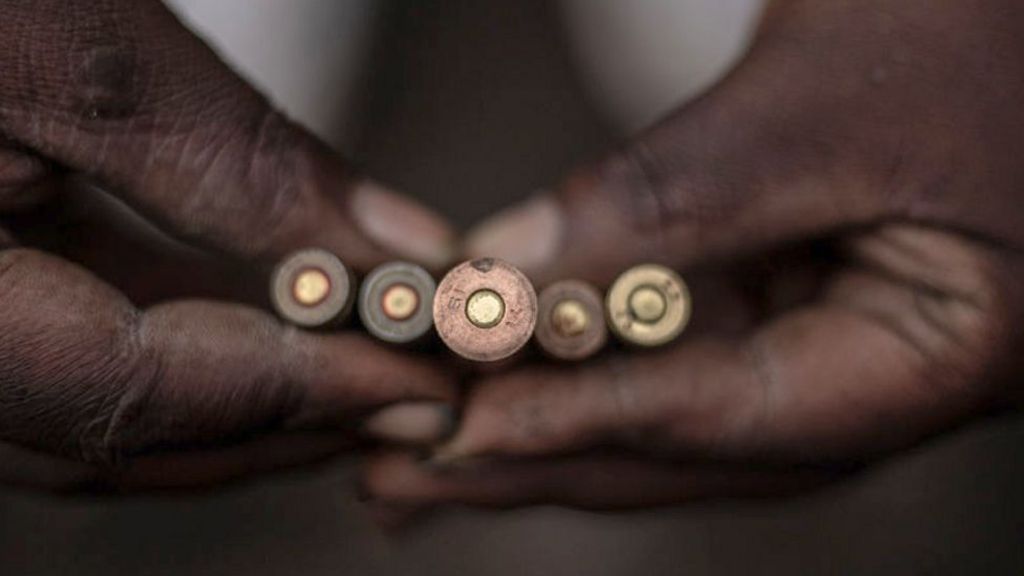
    A new peace agreement brokered by the United States between Rwanda and the Democratic Republic of Congo aims to address one of Africa’s most persistent conflicts, though significant challenges remain. The mineral-rich eastern regions of DR Congo have endured over three decades of violence, with roots tracing back to the 1994 Rwandan genocide that killed approximately 800,000 people, primarily Tutsis.

    The conflict escalated dramatically in early 2025 when the M23 rebel group, composed primarily of ethnic Tutsis, captured several strategic cities including Goma—a vital trading hub of over one million people—and Bukavu. The group’s rapid territorial expansion displaced thousands and resulted in numerous casualties while threatening to push toward the distant capital Kinshasa.

    International observers and multiple governments including the US, UK, and France have presented substantial evidence indicating Rwanda’s military support for the M23 rebels, including up to 4,000 Rwandan troops allegedly fighting alongside them. Rwanda denies these allegations, claiming defensive measures are necessary against the FDLR—a Hutu militia group containing perpetrators of the genocide that remains active in eastern Congo.

    The Washington agreement requires both nations to cease support for armed groups, refrain from aggression, and facilitate disarmament. Notably absent from the deal is the M23 itself, though separate Qatar-mediated talks are underway between the rebels and Congolese government. The pact also includes economic provisions encouraging expanded foreign investment in critical mineral supply chains, raising concerns about potential resource exploitation.

    UN peacekeeping forces (Monusco) remain deployed despite local criticism and planned withdrawals, while regional military efforts from the Southern African Development Community have proven ineffective against the M23 advance. The success of this latest diplomatic initiative remains uncertain amid complex historical tensions and competing economic interests in this resource-rich region.

  • India travel chaos worsens as IndiGo cancels hundreds of flights

    India travel chaos worsens as IndiGo cancels hundreds of flights

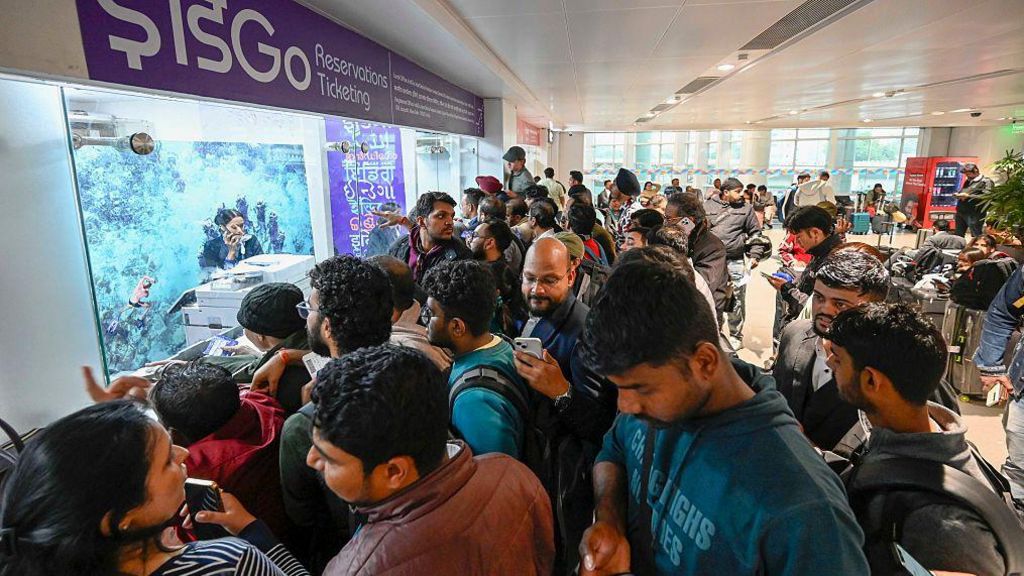
    India’s aviation sector is experiencing severe operational turmoil as the nation’s largest carrier, IndiGo, has been compelled to cancel hundreds of scheduled flights, including all departures from the capital city of Delhi. This disruption, now entering its fourth consecutive day, has created travel chaos during one of India’s peak travel seasons, leaving thousands of passengers stranded across multiple airports.

    The crisis stems from the airline’s failure to adequately adapt to recently implemented crew rostering regulations that mandate increased rest periods and restricted night-duty for pilots. With a dominant 60% market share and operating over 2,000 daily flights nationwide, IndiGo’s operational collapse has exposed significant planning deficiencies in its adaptation strategy.

    Government authorities have expressed strong dissatisfaction with the airline’s handling of the situation. The federal aviation minister has conveyed “clear displeasure” while the aviation regulator attributed the disruptions to “misjudgment and planning gaps” in implementing the new Flight Duty Time Limitation (FDTL) rules. The regulator has demanded immediate submission of a comprehensive corrective plan addressing crew recruitment, training enhancements, roster restructuring, and safety-risk assessments.

    The Airline Pilots Association of India has voiced serious safety concerns, arguing that any regulatory relief for IndiGo would compromise aviation safety standards. Meanwhile, affected passengers have taken to social media to express frustration over inadequate communication and support, with Singapore’s High Commissioner to India among those stranded, causing him to miss a staff member’s wedding.

    IndiGo has announced that full operational normalcy may not be restored until February 10th, with reduced flight schedules effective from December 8th to minimize further disruptions. Major airports have issued advisories urging passengers to verify flight status before traveling.

  • Which countries are boycotting Eurovision and why?

    Which countries are boycotting Eurovision and why?

    Four European nations have announced their formal withdrawal from the upcoming Eurovision Song Contest in a coordinated protest against the event’s inclusion of Israel. Ireland, Spain, the Netherlands, and Slovenia will boycott the international music competition following the European Broadcasting Union’s decision to permit Israel’s participation amid ongoing geopolitical tensions.

    The boycott represents one of the most significant political challenges to Eurovision’s traditional non-political ethos in recent years. The participating countries have cited ethical concerns regarding Israel’s military operations in Gaza as the primary motivation for their withdrawal. This collective action highlights how cultural events are increasingly becoming platforms for international political expression.

    Eurovision organizers have maintained their position that the contest should remain separate from political conflicts, emphasizing its mission to unite audiences through musical entertainment. However, the participating nations argue that allowing Israel’s involvement contradicts the spirit of cultural exchange and human rights principles that international events should uphold.

    The mass withdrawal could potentially influence other countries to join the boycott movement, creating substantial organizational and diplomatic challenges for the event’s hosts. This development marks a notable moment where cultural diplomacy intersects with international political disputes, testing the boundaries between artistic expression and geopolitical positioning.

  • China narrows US’ scientific research lead

    China narrows US’ scientific research lead

    A comprehensive analysis of global scientific research reveals a dramatically narrowing gap between China and the United States in fundamental research leadership. According to the latest annual report jointly produced by the Chinese Academy of Sciences’ Institutes of Science and Development, the National Science Library of CAS, and global analytics firm Clarivate, the two nations now compete head-to-head across 11 major scientific disciplines.

    The study, drawing on data from highly cited research papers published between 2019 and 2024, demonstrates China’s commanding position in six major fields: agricultural, plant and animal sciences; ecology and environmental sciences; chemistry and materials science; physics; information science; and economics, psychology and other social sciences.

    While the United States maintains leadership in five domains—geosciences, clinical medicine, biological sciences, astronomy and astrophysics, and mathematics—its overall advantage has diminished significantly. Notably, China has shown remarkable progress in traditionally weaker areas, climbing to fourth position in clinical medicine and fifth in astronomy and astrophysics.

    “The trend of parallel advancement between the U.S. and China is becoming increasingly pronounced,” the report observes, noting that the United Kingdom and Germany constitute a secondary tier in global research leadership.

    Emmanuel Thiveaud, Clarivate’s vice-president, acknowledged China’s remarkable scientific trajectory: “Over past decades, we have witnessed tremendous progress China has made and continues to make in research and development. China’s position at the forefront of numerous research fronts comes as no surprise.”

    The analysis identified 128 significant research fronts (110 active and 18 emerging), with artificial intelligence emerging as a critical cross-disciplinary force. More than half of emerging research fronts demonstrate AI integration, particularly within clinical medicine and life sciences.

    Professor Li Shao of Tsinghua University highlighted that four of seven emerging clinical medicine research fronts involve large language model applications in healthcare. “Targeted algorithms are revolutionizing disease mechanism research, early screening, and precision treatment,” Li noted, emphasizing AI’s growing role in traditional Chinese medicine and major disease prevention.

    Pan Jiaofeng, president of the Institutes of Science and Development, pointed to the evolving research landscape: “A new scientific revolution is underway with frontiers constantly expanding. High-throughput single-cell technologies, dark matter detection, and AI integration into scientific research are drawing widespread attention.”

    The report serves as both a measurement tool and strategic guide, helping policymakers and researchers navigate the rapidly changing global scientific ecosystem where East-West collaboration and competition are reshaping knowledge production.

  • Unity urged to advance Global South development

    Unity urged to advance Global South development

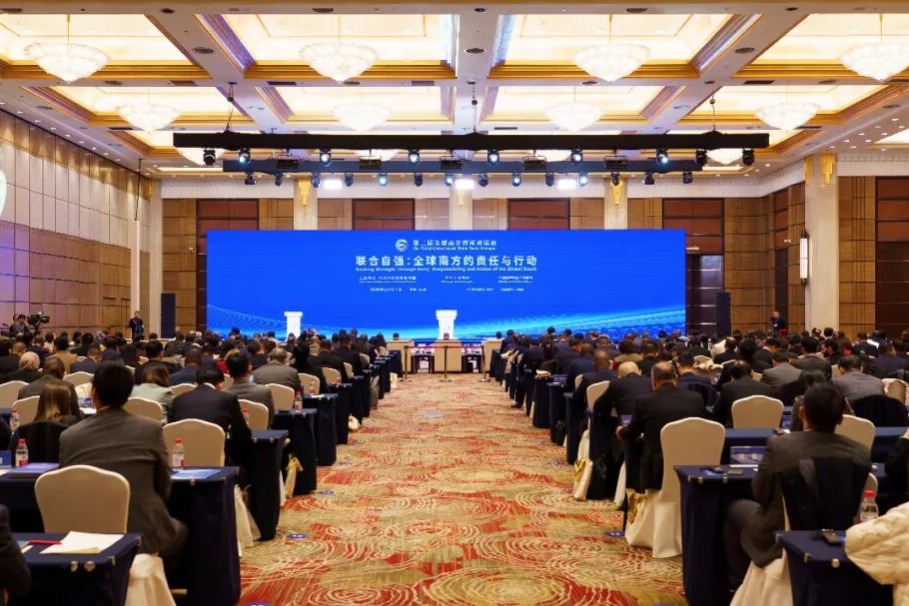
    At the Third Global South Think Tanks Dialogue in Shanghai, senior Chinese official Liu Haixing articulated China’s commitment to fostering unity among developing nations to pursue modernization goals. The event, themed “Seeking Strength through Unity: Responsibility and Action of the Global South,” brought together international representatives to address growing global challenges through coordinated action.

    Liu, who heads the International Department of the CPC Central Committee, emphasized that China’s continued development and expanding openness would strengthen the collective capacity of Global South nations. He highlighted the need to implement the Global Development Initiative, stating that global prosperity cannot be achieved through widening wealth disparities. “We should place development at the core of the international agenda,” Liu asserted, “actively build an open world economy, and share opportunities through openness for win-win results.”

    The conference occurred against the backdrop of China’s recent fourth plenary session, which endorsed the country’s 15th Five-Year Plan (2026-30). This planning framework reinforces China’s dedication to enhancing South-South cooperation, increasing international aid, and providing global public goods to support modernization efforts across developing nations.

    International participants echoed China’s commitment to collaborative development. Bhokin Bhalakula, former president of Thailand’s National Assembly, noted the transformative impact of China’s Belt and Road Initiative in Southeast Asia. He cited specific examples including the China-Laos Railway, which he described as “a bridge to prosperity,” and Thailand’s Eastern Economic Corridor, which benefits from Chinese investment in smart logistics, electric vehicles, and biotechnology.

    Zambian Vice-President Mutale Nalumango emphasized the significance of China’s modernization model for Africa, expressing strong support for President Xi Jinping’s four global initiatives covering development, security, civilization, and governance. She stressed that peace, security, and regional stability are essential foundations for creating shared future benefits and called for strengthened cooperation among Global South countries to promote sustainable development and a more equitable international order.

  • Chaos erupts at Indian airports as country’s largest airline cancels flights

    Chaos erupts at Indian airports as country’s largest airline cancels flights

    NEW DELHI — India’s aviation sector experienced significant turmoil this week as IndiGo, the nation’s dominant carrier, faced massive flight disruptions following the implementation of stricter crew duty regulations. The new mandates, designed to combat pilot fatigue and enhance flight safety, have exposed critical operational vulnerabilities within the budget airline.

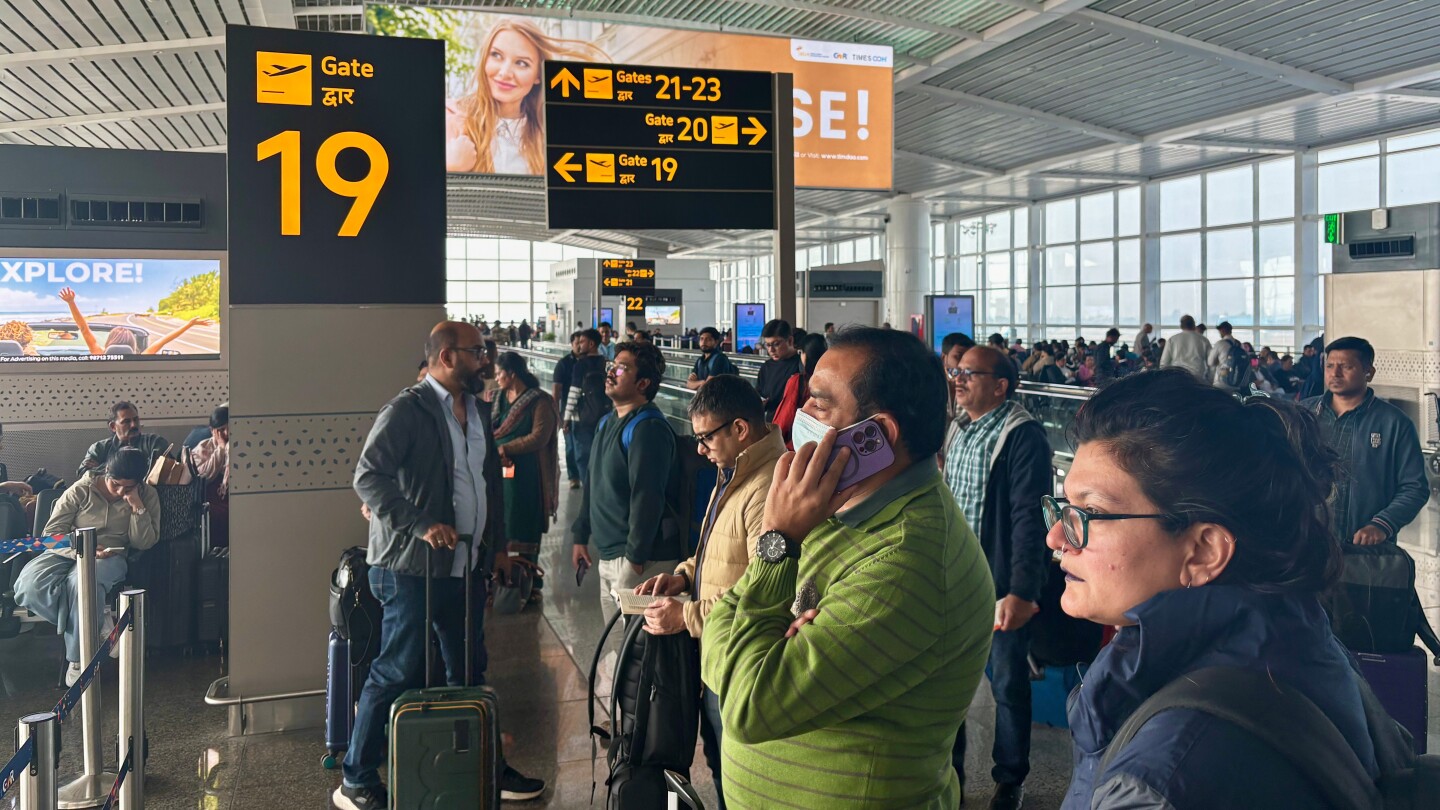
    Across major Indian airports, scenes of passenger distress unfolded as thousands of travelers encountered canceled flights and extensive delays. Airport terminals transformed into makeshift sleeping areas with stranded passengers occupying floors while others endured hours-long queues at service counters. The communication breakdown left many without clear alternatives or compensation information.

    The regulatory changes, implemented in two phases with the final segment activating in November, substantially extend mandatory rest periods and restrict night flying hours. While other carriers including Air India have adapted without major disruptions, IndiGo’s failure to adequately adjust its rostering systems has resulted in operational collapse. On Thursday alone, over 300 flights were grounded with hundreds more experiencing significant delays.

    With approximately 2,300 daily flights commanding 65% of India’s domestic market, IndiGo’s operational crisis has created nationwide travel chaos. The Delhi International Airport issued an advisory confirming all domestic IndiGo flights would remain canceled until midnight Friday.

    The human impact was starkly illustrated by Sajal Bose, a senior citizen whose flight from Kolkata to New Delhi was canceled merely one hour before scheduled departure. Forced to undertake a nine-hour train journey to access alternative flight options, Bose described the situation as ‘extremely irresponsible and negligent’ toward elderly passengers.

    In internal communications, CEO Pieter Elbers acknowledged multiple contributing factors including technology failures, adverse weather, airport congestion, and the regulatory changes. India’s Civil Aviation Ministry confirmed the disruptions stemmed from ‘misjudgment and planning gaps’ during implementation of the second phase of new rules.

    The airline has requested temporary exemptions from regulators while implementing corrective measures, projecting full operational restoration by February 10. Meanwhile, IndiGo announced plans to reduce flight operations beginning December 8 to minimize further passenger disruptions.

  • HKSAR govt urges residents to vote, eyes post-fire recovery

    HKSAR govt urges residents to vote, eyes post-fire recovery

    Hong Kong’s political leadership has issued a dual call to action—honoring the victims of the recent catastrophic fire while urging civic participation in the upcoming legislative elections. Chief Executive John Lee Ka-chiu addressed these pressing matters during a solemn National Constitution Day commemoration on Thursday, December 4th, 2025.

    The ceremony, jointly organized by the Hong Kong Special Administrative Region government and the Central People’s Government Liaison Office in Hong Kong, commenced with a moment of silence for the 159 lives lost in the November 26th Wang Fuk Court inferno in Tai Po. The traditional applause segment was omitted as a mark of respect for the deceased.

    Lee characterized the tragedy as having plunged ‘all of Hong Kong society into extreme grief,’ while extending official condolences to bereaved families and displaced survivors. The Chief Executive reaffirmed his administration’s commitment to transformative action, having established an independent investigative committee to conduct a comprehensive review of building safety protocols and prevent future catastrophes.

    ‘This devastating event has only reinforced my conviction in constitutional principles and legal governance,’ Lee asserted before an audience of approximately 900 attendees from various community sectors. He emphasized that the Constitution’s fundamental purpose lies in safeguarding public welfare, vowing to translate ‘painful lessons into concrete safety measures.’

    With critical Legislative Council elections scheduled for Sunday, Lee made an impassioned appeal for robust voter participation. He stressed that capable legislators are essential partners in approving reconstruction funding, enacting new safety legislation, and driving systemic reforms during the recovery period.

    Liu Guangyuan, Deputy Director of the Liaison Office, endorsed Lee’s message, praising the government’s crisis response and affirming that proceeding with elections aligns with constitutional principles and facilitates disaster recovery. He simultaneously issued a stern warning against ‘anti-China destabilizing forces’ attempting to exploit the tragedy, emphasizing they would ‘face severe legal consequences.’

    The event marked Hong Kong’s ninth annual observance of China’s National Constitution Day, established in 2014 to promote legal awareness and civic responsibility.

  • Students forgo vacations to prep for overseas universities

    Students forgo vacations to prep for overseas universities

    A significant shift in educational priorities is emerging among Chinese middle-income families, who are increasingly redirecting vacation budgets toward short-term overseas study programs designed to prepare students for foreign universities. This trend represents a strategic investment in children’s future academic prospects, with families routinely allocating tens of thousands of yuan for these international educational experiences.

    Recent data from the New Oriental Education and Technology Group’s 2025 China Overseas Study Development Report reveals a substantial increase in students choosing to study abroad after participating in overseas programs. The figures show a remarkable jump from 27% in 2015 to 43% in 2025, indicating a growing preference for experiential learning before making long-term educational commitments.

    This educational approach has gained consistent momentum over four consecutive years, establishing the ‘experience first, decide later’ model as a mainstream pathway for Chinese students considering international education. The trend reflects evolving parental perspectives on vacation time, which increasingly view breaks as educational extensions rather than mere periods of relaxation or travel.

    Zhu Lulu, Vice-Principal of the high school division at Wuxi Dipont School of Arts and Science, notes that education companies have responded to this demand by expanding their offerings of short-term international programs. ‘Contemporary parents demonstrate more progressive attitudes toward education, recognizing the dual benefits of exploration and academic development during vacation periods,’ Zhu explained.

    These programs serve multiple purposes, from helping students assess campus environments and living conditions to providing rigorous academic preparation through credit-bearing university courses and selective research programs. Prestigious opportunities such as the Ross Mathematics Program and Yale Young Global Scholars not only enhance academic readiness but also strengthen college applications, offering tangible advantages in the competitive admissions landscape.

  • Xi, Macron vow to deepen relations

    Xi, Macron vow to deepen relations

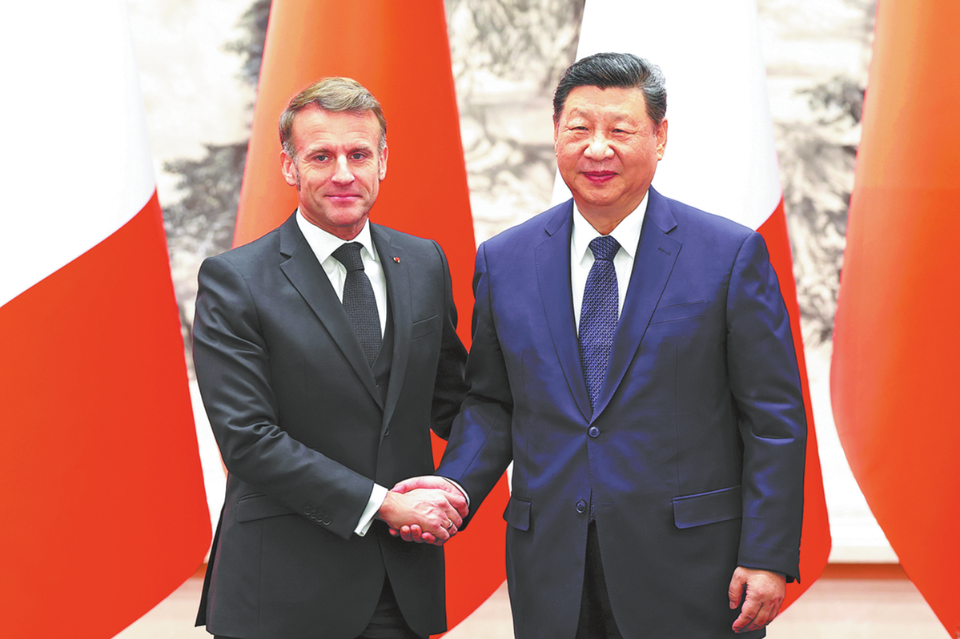
    In a significant diplomatic engagement, Chinese President Xi Jinping and French President Emmanuel Macron have pledged to deepen bilateral relations during Macron’s state visit to Beijing. The two leaders emphasized the importance of major-country responsibility in addressing global challenges during their talks at the Great Hall of the People on Thursday.

    President Macron’s delegation, comprising over 80 members including several ministers and more than 30 CEOs of major French corporations, arrived in Beijing on Wednesday for this fourth state visit since 2017. The itinerary includes both political discussions in the capital and cultural engagements in Sichuan province.

    The bilateral meeting yielded substantial outcomes, with both presidents personally witnessing the signing of multiple cooperation agreements spanning nuclear energy, agricultural food products, education, and ecological environmental protection. These agreements signal a broadening of the comprehensive strategic partnership between the two nations.

    President Xi articulated China’s perspective on current global dynamics, noting that “as changes unseen in a century accelerate, humanity stands at a crossroads facing critical directional choices.” He called for China and France to jointly uphold multilateralism and position themselves on “the right side of history” during this transformative period.

    The timing of this visit carries particular symbolic significance, marking the commencement of a new 60-year cycle (known as jiazi in Chinese tradition) in Sino-French relations. This follows last year’s celebration of the 60th anniversary of diplomatic relations between the two countries.

    President Xi emphasized the complementary nature of China’s 15th Five-Year Plan (2026-2030) and French economic interests, noting that the plan presents “a list of opportunities” for international partners. He advocated for expanded cooperation while criticizing protectionist tendencies, stating that “openness and cooperation bring development opportunities, while decoupling and supply chain fragmentation lead to isolation.

    As permanent members of the UN Security Council and founding UN members, both leaders committed to practicing “true multilateralism” and upholding the international legal order. They specifically addressed the need for improved global economic governance, noting current imbalances between developed and developing nations in international financial institutions.

    The discussions also covered China-Europe relations broadly, with President Xi characterizing the past 50 years of exchanges as “mutually beneficial and contributing to each other’s success.” He urged maintaining the partnership positioning between China and Europe with “strategic autonomy and win-win cooperation” at its core.