作者: admin

  • Trump says ‘no deadline’ for Ukraine peace deal

    Trump says ‘no deadline’ for Ukraine peace deal

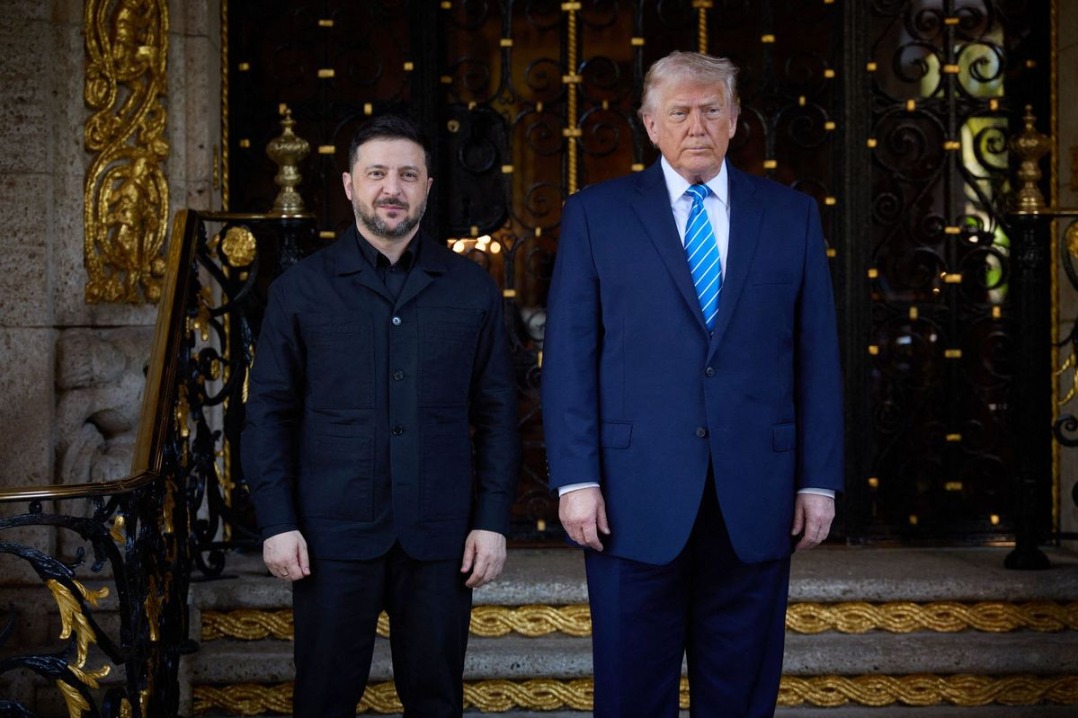
    In a pivotal meeting at his Mar-a-Lago estate in Palm Beach, Florida, U.S. President Donald Trump conveyed to reporters on Sunday that his administration would not be constrained by artificial deadlines in pursuing a resolution to the Ukraine conflict. The discussions with visiting Ukrainian President Volodymyr Zelensky centered on advancing a comprehensive peace framework.

    “I don’t operate with arbitrary timelines. My singular objective remains the cessation of hostilities,” Trump declared before entering negotiations with the Ukrainian leader. When questioned about the potential for an immediate breakthrough, Trump responded cautiously: “The outcome remains uncertain—though I am confident we possess the foundational elements for an agreement.” He acknowledged the extraordinary complexity of resolving the prolonged crisis.

    President Zelensky indicated the talks would concentrate on a detailed 20-point peace proposal and the sequential implementation of settlement terms. “Strategic coordination between our teams is paramount—we must establish a clear, phased approach to advance peace efforts,” Zelensky emphasized.

    The diplomatic engagement followed Trump’s recent communication with Russian President Vladimir Putin, which the U.S. leader described on Truth Social as “productive and constructive.” Russian Presidential Aide Yuri Ushakov revealed both leaders concurred that interim ceasefires would merely prolong the conflict rather than facilitate lasting peace. They shared skepticism toward temporary truces proposed by European and Ukrainian officials, viewing them as potential precursors to renewed violence.

    The Mar-a-Lago agenda encompassed critical issues including ceasefire mechanisms, establishment of demilitarized zones, operational control of the Zaporizhzhia nuclear facility, jurisdictional matters in the Donbas region, and post-conflict security assurances.

  • Families of Bondi Beach victims demand more federal action on antisemitism and security failures

    Families of Bondi Beach victims demand more federal action on antisemitism and security failures

    MELBOURNE, Australia — Grieving families of the Bondi Beach massacre victims have issued a forceful appeal to the Australian government, demanding a comprehensive federal investigation into both security failures and escalating antisemitism following the nation’s deadliest mass shooting in over three decades.

    Seventeen affected families addressed an open letter to Prime Minister Anthony Albanese on Monday, calling for the establishment of a royal commission—Australia’s most powerful investigative mechanism—to examine critical questions surrounding the December 14 attack. The horrific incident saw two assailants open fire at a Hanukkah celebration, leaving 15 dead and 40 wounded in what authorities describe as an Islamic State-inspired terrorist act.

    The families’ plea specifically seeks answers regarding ignored warning signs, the unchecked growth of antisemitic rhetoric and Islamic extremism, and necessary protective measures for all Australians. This appeal gains urgency against the backdrop of rising antisemitism since the onset of the Israel-Hamas conflict in 2023.

    Prime Minister Albanese, while expressing profound sympathy for the victims’ families, maintains resistance to the royal commission proposal. Instead, he has appointed retired senior official Dennis Richardson to lead a security-focused inquiry examining procedural and legislative failures. This review, expected to conclude by April 2025, will receive federal cooperation with New South Wales’ state-level investigation—an approach families deem insufficient for addressing what they term a ‘national crisis.’

    In response to the tragedy, Sydney has implemented unprecedented security measures for public gatherings. New Year’s Eve celebrations at Bondi Beach have been canceled, while Sydney Harbour’s iconic fireworks display will feature highly visible armed police presence. New South Wales Premier Chris Minns confirmed discussions regarding military support for civic security, describing the attack as ‘the worst terrorism event’ in state and national history.

    Amid the tragedy, stories of heroism have emerged. Prime Minister Albanese announced plans for a national bravery award honoring both civilians and first responders. Particularly celebrated is Ahmed al Ahmed, a Syrian-Australian shopkeeper who disarmed one attacker despite sustaining injuries. His actions inspired a global fundraising campaign exceeding AU$2.5 million and a Melbourne street art tribute celebrating his ‘True Blue’ Australian spirit.

  • Five-year-old boy dies after getting caught in Japan ski travelator

    Five-year-old boy dies after getting caught in Japan ski travelator

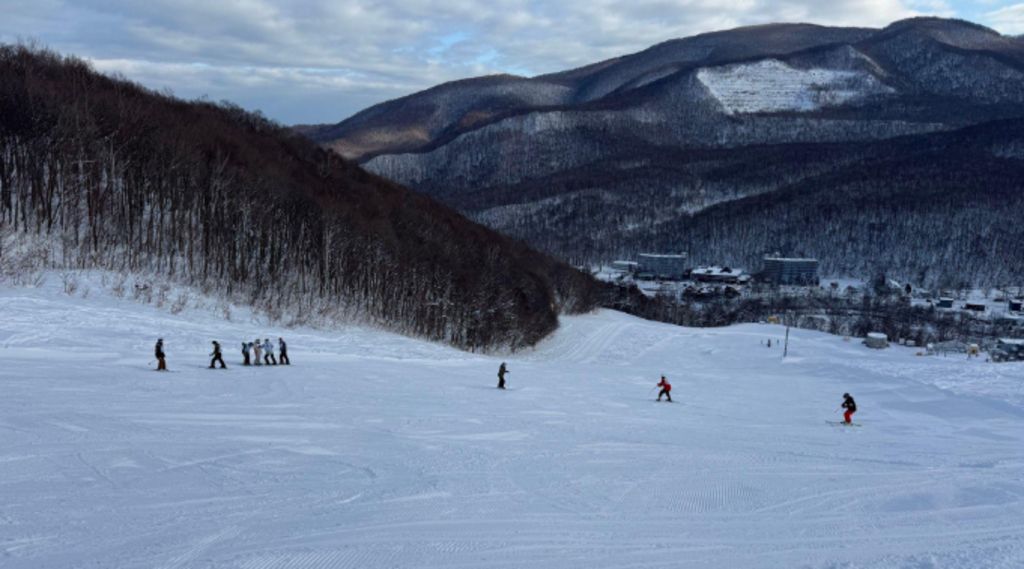
    A tragic incident at a Hokkaido ski resort has resulted in the death of a five-year-old boy, raising serious concerns about equipment safety protocols. Hinata Goto was vacationing with his family at Asarigawa Onsen Ski Resort in Otaru when the accident occurred on Sunday morning.

    According to police reports, the child fell while attempting to disembark from a 30-meter travelator that connects the resort’s parking area to the ski slopes. His right arm became entangled in the machinery’s mechanisms, triggering a desperate rescue operation. Despite the travelator being equipped with an automatic safety system designed to detect obstructions and halt operations, the safety features failed to activate during the incident.

    The emergency stop was ultimately triggered manually by the boy’s mother, but not before severe damage had been occurred. Rescue personnel spent approximately 40 minutes dismantling sections of the equipment to extricate the unconscious child. He was subsequently transported to a medical facility where he was pronounced dead.

    Resort management confirmed that the safety mechanism had been functioning properly earlier that day, adding complexity to the investigation. The travelator, installed six years ago, features a 60-centimeter width and notably lacks protective handrails—a design element that has drawn criticism from regular visitors who reported previous instances of instability while using the equipment.

    Local authorities have launched a comprehensive investigation into potential professional negligence regarding both manufacturing standards and maintenance procedures. The resort’s representatives have issued a formal apology and committed to implementing preventive measures to avoid future tragedies.

    This incident casts a shadow over Hokkaido’s reputation as Japan’s premier ski destination, which attracts millions of winter sports enthusiasts annually. The case highlights critical questions about safety standards in tourist facilities and the responsibility of recreational venues to ensure visitor protection.

  • South Korea’s climate pledge to cut coal, lower emissions clash with US push for LNG purchases

    South Korea’s climate pledge to cut coal, lower emissions clash with US push for LNG purchases

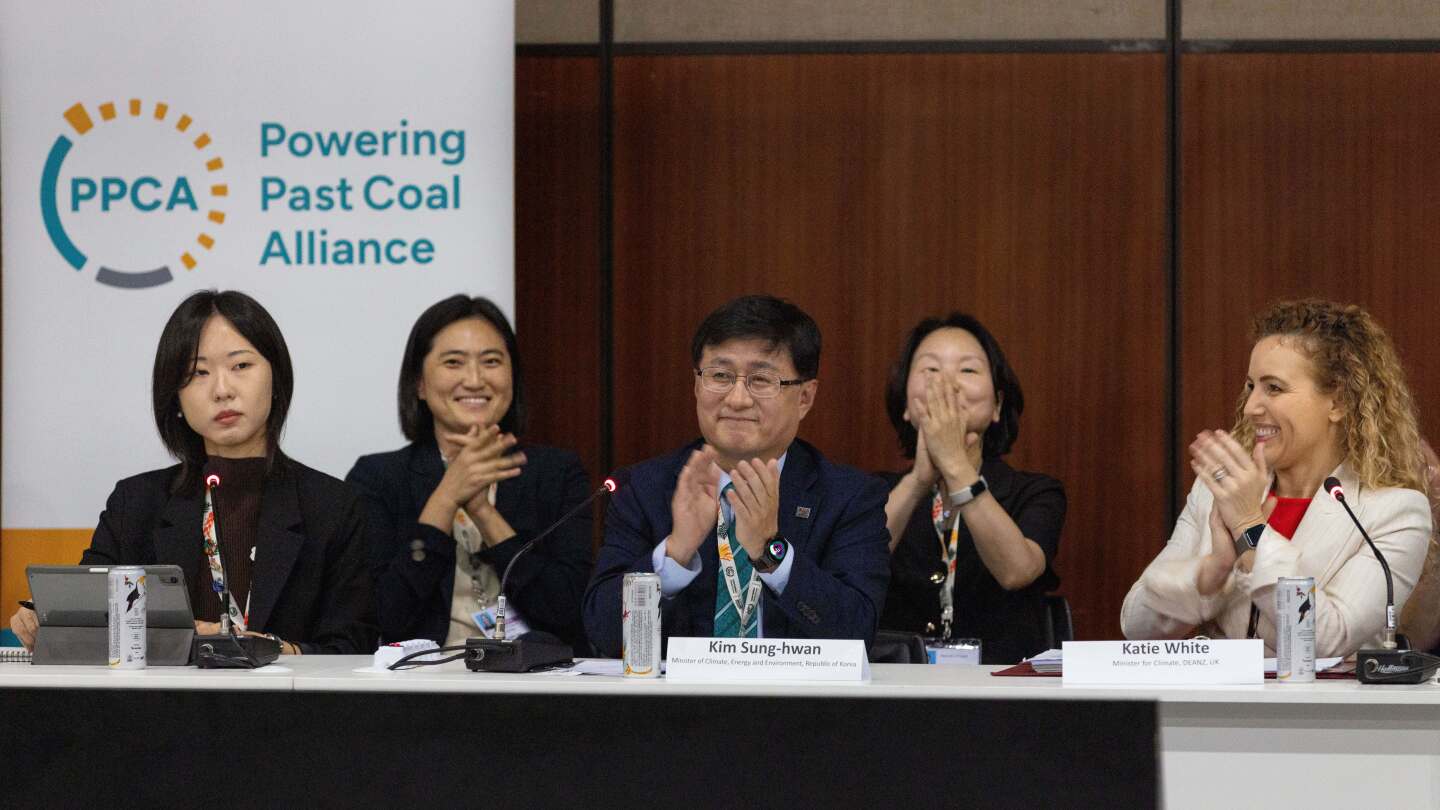
    SEOUL, South Korea — South Korea finds itself navigating a complex energy dilemma as its ambitious climate commitments collide with trade obligations to the United States. The newly established Ministry of Climate, Energy and Environment has unveiled sweeping plans to retire the majority of the nation’s coal-fired power plants by 2040 and slash carbon emissions by at least half within the next fifteen years. This bold initiative signals Seoul’s determination to accelerate its renewable energy transition, currently lagging behind both regional neighbors and global standards.

    However, this environmental ambition conflicts with substantial energy trade agreements negotiated during the Trump administration. As part of broader trade discussions, South Korea has committed to purchasing up to $100 billion worth of American energy products, including significant quantities of liquefied natural gas (LNG). While LNG burns cleaner than coal, it still generates substantial planet-warming emissions, particularly methane, raising concerns among climate activists about potential lock-in to fossil fuel dependency.

    Energy specialists highlight the inherent contradiction in these parallel initiatives. Michelle Kim of the Institute for Energy Economics and Financial Analysis notes the challenge of consolidating “somehow contradictory planning regarding its energy sector.” The administration of President Lee Jae Myung, who campaigned on strengthened climate action following his June election victory, now faces the difficult task of balancing environmental promises with economic considerations.

    South Korea’s current energy landscape reveals the scale of this challenge. Renewable sources generated merely 10.5% of domestic power last year—among the lowest percentages for major economies. By comparison, Japan derives 21% of its electricity from renewables, while Spain achieves 42%. Nuclear power provides a substantial 31% of South Korea’s electricity, with the government pledging to develop a new energy system emphasizing both renewables and nuclear capacity while gradually eliminating coal.

    The pending U.S. trade agreement, potentially lasting three to ten years, could require South Korea to import between 3 million to 9 million tons of American LNG annually. Environmental organizations like Greenpeace warn that simply replacing coal with LNG risks undermining genuine climate progress, potentially shifting the nation’s addiction from one fossil fuel to another rather than advancing a true green transition.

    As South Korea joins international alliances promoting renewable energy, including the Powering Past Coal Alliance, its decisions will reverberate through regional energy markets. The planned reduction in coal imports—primarily from Australia, Indonesia, and Russia—signals a market transformation that coal exporters must now confront, with one of the world’s largest energy customers beginning its transition away from fossil fuels.

  • World shares are mostly lower in quiet holiday trading as China stages war drills near Taiwan

    World shares are mostly lower in quiet holiday trading as China stages war drills near Taiwan

    Financial markets across Europe and Asia exhibited a predominantly bearish trend during light holiday trading, reacting to heightened geopolitical tensions. China’s initiation of military exercises around Taiwan served as the primary catalyst for investor caution, despite the island’s benchmark Taiex index posting a 0.9% gain.

    European indices opened with modest declines: Germany’s DAX slipped 0.2% to 24,296.81, while France’s CAC 40 remained virtually unchanged at 8,100.83. London’s FTSE 100 similarly showed minimal movement at 9,874.80. U.S. futures indicated a soft opening, with S&P 500 futures down 0.2% and Dow Jones futures trading flat.

    The Chinese military characterized its combined forces drills as a strategic warning against what it termed ‘separatist forces’ and ‘external interference.’ Taiwan responded by placing its military on high alert and accusing Beijing of being ‘the biggest destroyer of regional peace.’ These developments followed Beijing’s expression of displeasure regarding recent U.S. arms sales to Taiwan and remarks from Japanese Prime Minister Sanae Takaichi concerning potential defensive involvement.

    Commodity markets witnessed significant movements with gold retreating 1.3% to $4,494 per troy ounce and silver declining 2.3% to $75.40, despite both metals having reached record levels recently due to supply constraints and safe-haven demand. Analysts attributed the precious metals’ volatility to changing expectations regarding Federal Reserve interest rate policies and China’s implementation of new export licensing systems for silver effective January 1st.

    Oil markets rebounded strongly with U.S. benchmark crude advancing $1.13 to $57.87 per barrel and Brent crude gaining similarly to $61.37, recovering from Friday’s losses exceeding 2.5%. The dollar weakened slightly against the yen to 156.30 while the euro strengthened to $1.1779.

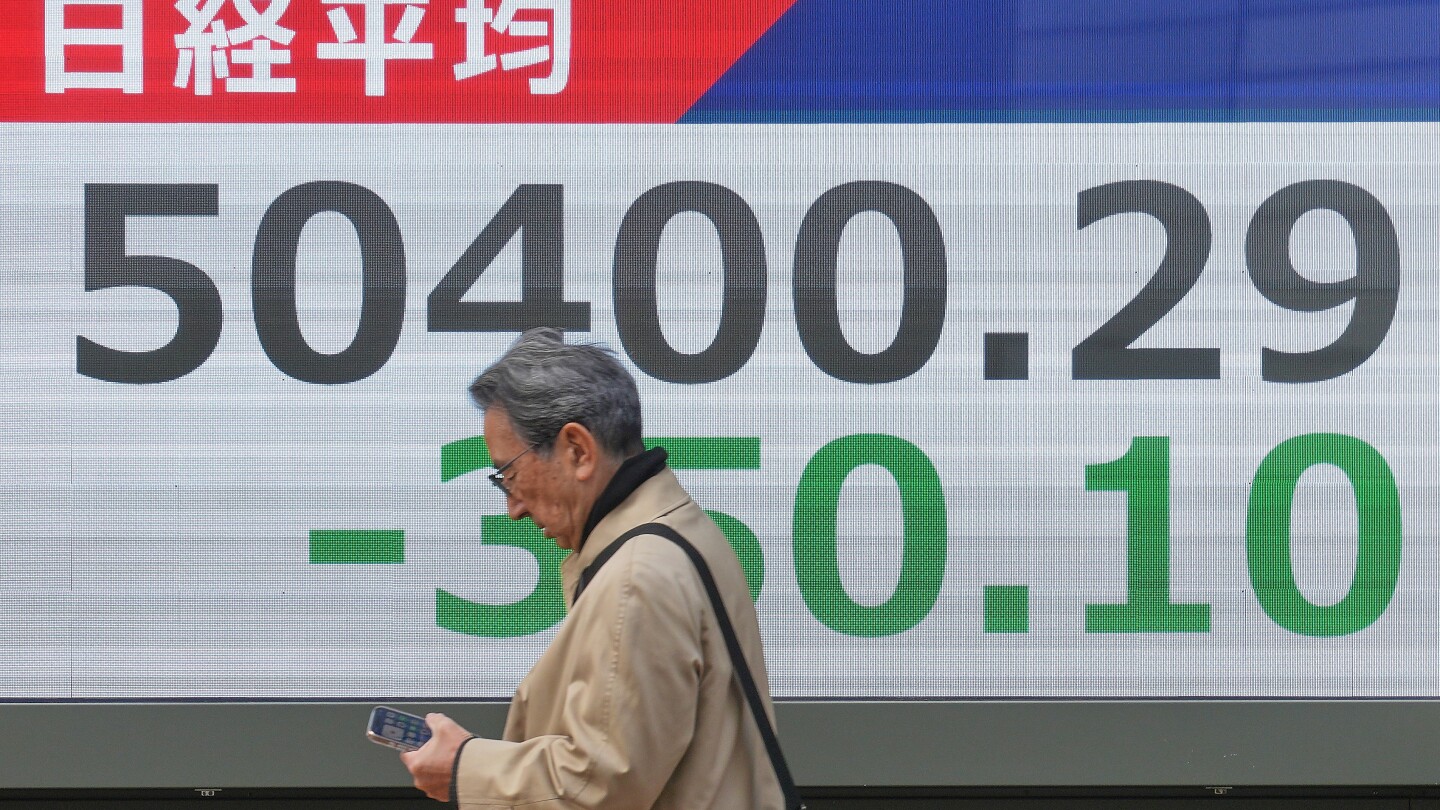
    Regional performance varied considerably with South Korea’s Kospi jumping 2.2% to 4,220.56, nearly matching its November record, driven by substantial gains in SK Hynix (6.8%) and Samsung Electronics (2.1%). Conversely, Hong Kong’s Hang Seng declined 0.7% to 25,635.23, Tokyo’s Nikkei 225 slipped 0.4% to 50,526.92, and Australia’s S&P/ASX 200 dropped 0.4% to 8,725.70.

  • China holds military drills around Taiwan as warning to ‘separatist forces’

    China holds military drills around Taiwan as warning to ‘separatist forces’

    China’s Eastern Theater Command has initiated extensive military exercises around Taiwan, simulating the seizure and blockade of strategic locations on the self-governed island. The multi-branch operation, codenamed “Justice Mission 2025,” involves live-fire exercises and deploys assets from the army, navy, air force, and rocket force.

    The drills come in direct response to the United States’ recent approval of an $11 billion weapons package for Taiwan, which triggered immediate protests from Beijing and sanctions against US defense contractors. Taiwan’s ongoing efforts to strengthen its defensive capabilities have further exacerbated tensions with China, which maintains its claim over the island as sovereign territory.

    In social media statements, the Eastern Theater Command characterized the exercises as a “shield of justice” against separatist movements, with explicit warnings that “all those plotting independence will be annihilated.” While preliminary operations began Monday, the primary exercises are scheduled for Tuesday between 08:00 and 18:00 local time.

    Taiwan’s defense ministry reported detecting increased Chinese aerial and naval activity around the island and has placed its forces on “high alert” with deployed missile systems monitoring the situation. The presidential office in Taipei condemned the drills as violations of international norms.

    The exercises occur under the new leadership of Eastern Theater Command chief Yang Zhibin, who assumed command in October. This continues a pattern of escalated Chinese military activity around Taiwan since 2022, previously triggered by events such as Nancy Pelosi’s visit and President Lai Ching-te’s inauguration.

    Meanwhile, regional tensions extend beyond the Taiwan Strait. China-Japan relations have deteriorated significantly after Japanese leader Sanae Takaichi suggested potential intervention in a Taiwan conflict, leading to Chinese travel warnings and recent accusations of radar locking incidents between military aircraft.

  • Deadly clashes erupt in Tartous and Latakia as hundreds take to the streets

    Deadly clashes erupt in Tartous and Latakia as hundreds take to the streets

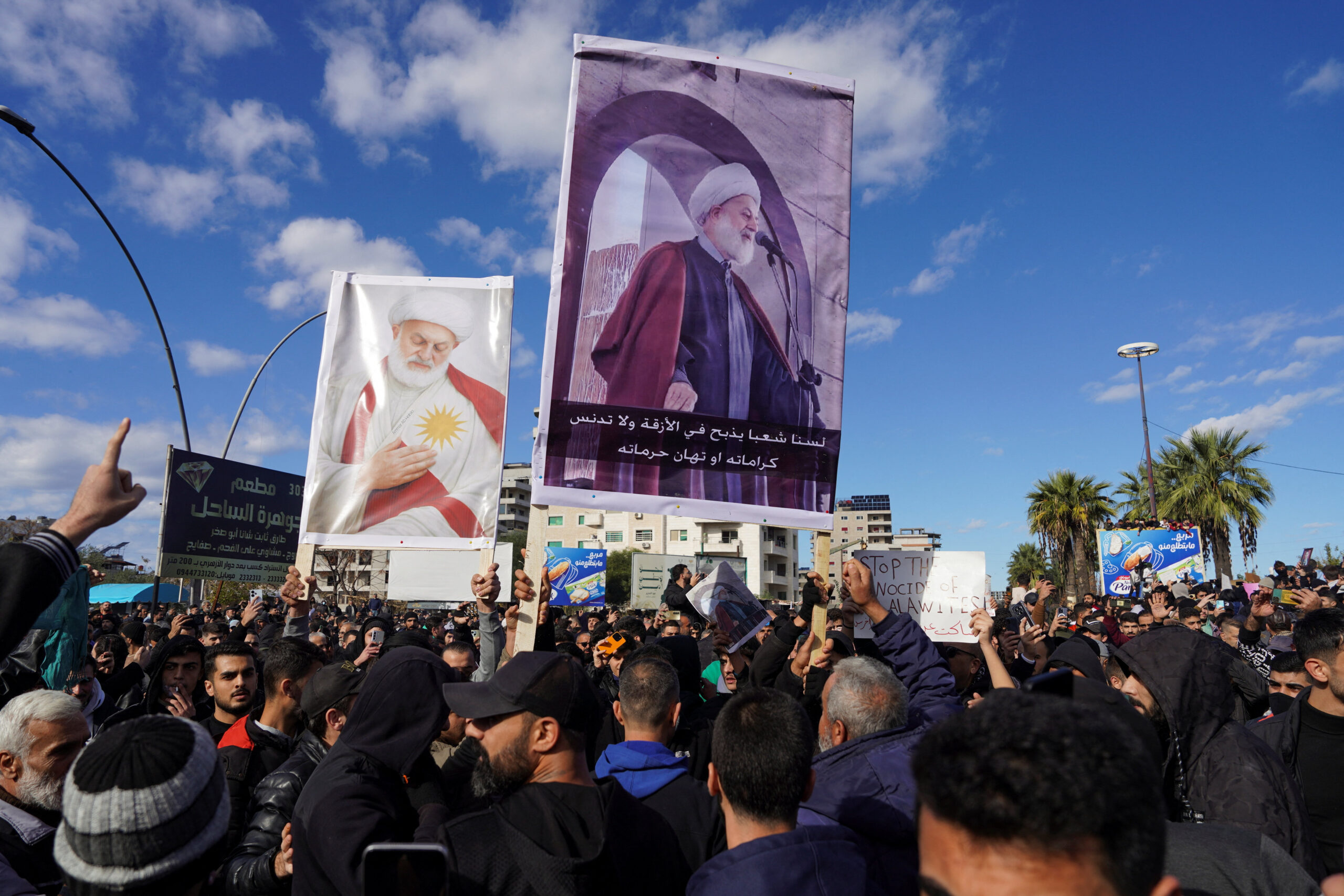
    Syria’s coastal region descended into violent turmoil on Sunday as deadly clashes between armed groups and state security forces resulted in multiple casualties across Latakia and Tartous. The unrest, which claimed at least three lives and injured over 60 individuals, represents one of the most significant security challenges since the fall of the Assad regime.

    The violence erupted during demonstrations organized by Alawite religious leader Ghazal Ghazal, who had called for peaceful protests demanding federal governance and condemning recent sectarian attacks. What began as organized gatherings quickly escalated into armed confrontations when elements described as former regime loyalists launched attacks against security personnel and civilians.

    According to Syria’s Interior Ministry, security forces deployed to protect demonstrators came under direct assault from armed factions associated with remnants of the ousted government. The ministry confirmed several arrests of armed individuals and announced the apprehension of Basel Issa Ali Jamahiri, a member of the extremist Saraya al-Jawad group linked to former Assad loyalists.

    Medical authorities reported treating victims with injuries ranging from blade wounds to gunshot trauma, while two ambulances were disabled during response operations. In a particularly concerning development, assailants targeted a police station in Banias, Tartous with a hand grenade that wounded two officers.

    The Syrian Defense Ministry responded by deploying army units with armored support to restore order in both coastal cities. Security forces established strategic positions at key intersections including al-Azhari and al-Zira’a roundabouts to protect public order.

    The unrest appears connected to Friday’s mosque bombing in Homs that killed eight worshippers and injured eighteen. The previously unknown Saraya Ansar al-Sunna claimed responsibility for the attack, explicitly citing targeting of Alawite community members.

    These events highlight the escalating sectarian tensions that have intensified since President Assad’s ouster in December 2024. The Alawite minority, historically associated with the former ruling establishment, now reports increasing vulnerability and targeted violence across Syria.

  • An orphan’s brutal murder shines a spotlight on child abuse in Somalia

    An orphan’s brutal murder shines a spotlight on child abuse in Somalia

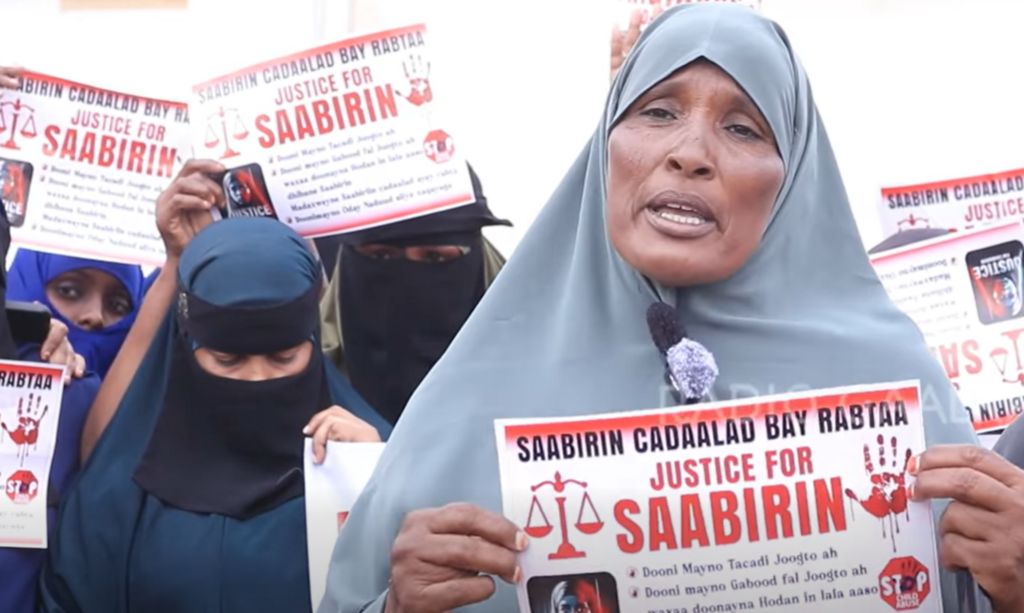
    A landmark legal case in Somalia has drawn unprecedented attention to systemic failures in child protection, following the conviction of 34-year-old Hodan Mohamud Diiriye for the murder of 14-year-old orphan Saabirin Saylaan. The case, which has ignited nationwide protests and digital activism, represents one of the rare instances where Somalia’s judicial system has imposed the death penalty for child abuse.

    The victim, orphaned in infancy and subsequently cared for by her late mother’s aunt, was transferred to Diiriye’s household in September as a domestic helper. Police investigations revealed that during her two-month residence, Saabirin endured systematic physical torture. Digital evidence recovered from Diiriye’s phone, including audio recordings where she stated ‘I’m enjoying your pain,’ documented the prolonged abuse. A post-mortem examination confirmed multiple injuries and deep stab wounds consistent with sustained violence.

    The case has exposed critical gaps in Somalia’s child protection framework, particularly regarding children within extended family structures traditionally considered safe spaces. Public outrage culminated in mass demonstrations throughout Galkayo, where protesters clashed with police resulting in one fatality. Online campaigns under hashtags invoking Saabirin’s name have amplified calls for systemic reform.

    Legal proceedings were broadcast live to ensure transparency, resulting in Diiriye’s murder conviction and death sentence pending appeal. Her husband received a one-year prison term and fine for negligence. The case has sparked complex debates about cultural traditions, particularly the role of clan elders in resolving cases through customary reconciliation rather than criminal prosecution.

    This tragedy coincides with Somalia’s recent ratification of the African Charter on the Rights and Welfare of the Child, though its implementation remains constrained by religious and cultural considerations. Child rights organizations highlight that most abuse cases never reach authorities due to limited police capacity, elder mediation, and children’s unawareness of reporting mechanisms. While officials point to existing youth protection programs, activists demand concrete enforcement measures to prevent similar tragedies.

  • Louis Gerstner, former IBM CEO who revitalised ‘Big Blue,’ dies at 83

    Louis Gerstner, former IBM CEO who revitalised ‘Big Blue,’ dies at 83

    Louis V. Gerstner, Jr., the visionary leader who orchestrated one of corporate America’s most remarkable turnarounds at IBM, passed away on Saturday at the age of 83. The announcement came from current IBM Chairman and CEO Arvind Krishna, who informed employees of Gerstner’s passing via corporate email on Sunday, though no specific cause of death was disclosed.

    Gerstner’s arrival at IBM in April 1993 marked a historic moment for the computing giant, as he became the first external appointee to lead the company known affectionately as ‘Big Blue.’ He joined IBM following his tenure as CEO of RJR Nabisco, with previous executive roles at American Express and management consultancy McKinsey & Company.

    When Gerstner assumed leadership, IBM faced existential threats with potential bankruptcy looming. His transformative strategy involved radically pivoting the company’s focus from hardware manufacturing to integrated business services and solutions. Through decisive cost-cutting measures, strategic asset sales, and aggressive stock repurchases, Gerstner fundamentally reshaped IBM’s corporate culture and operational direction.

    Under his nine-year stewardship, IBM’s stock valuation soared approximately 800%, cementing his legacy as the architect who rescued an American institution. Following his retirement as CEO in 2002, Gerstner assumed the chairman role at private equity firm Carlyle Group until his full retirement in 2008.

    Beyond corporate leadership, Gerstner made significant contributions as an author, penning the acclaimed business memoir ‘Who Says Elephants Can’t Dance’ and co-authoring ‘Reinventing Education: Entrepreneurship in America’s Public Schools.’ His board service spanned major corporations including The New York Times Company, American Express, AT&T, Bristol-Myers Squibb, and Caterpillar.

    Gerstner’s philanthropic impact was equally substantial. He established Gerstner Philanthropies in 1989, encompassing the Gerstner Family Foundation which directed substantial resources toward biomedical research, environmental conservation, educational initiatives, and social services across New York City, Boston, and Palm Beach County, Florida. His particular passion for education reform led to IBM initiatives integrating company technology into classroom learning environments.

  • Hungary’s ‘water guardian’ farmers fight back against desertification

    Hungary’s ‘water guardian’ farmers fight back against desertification

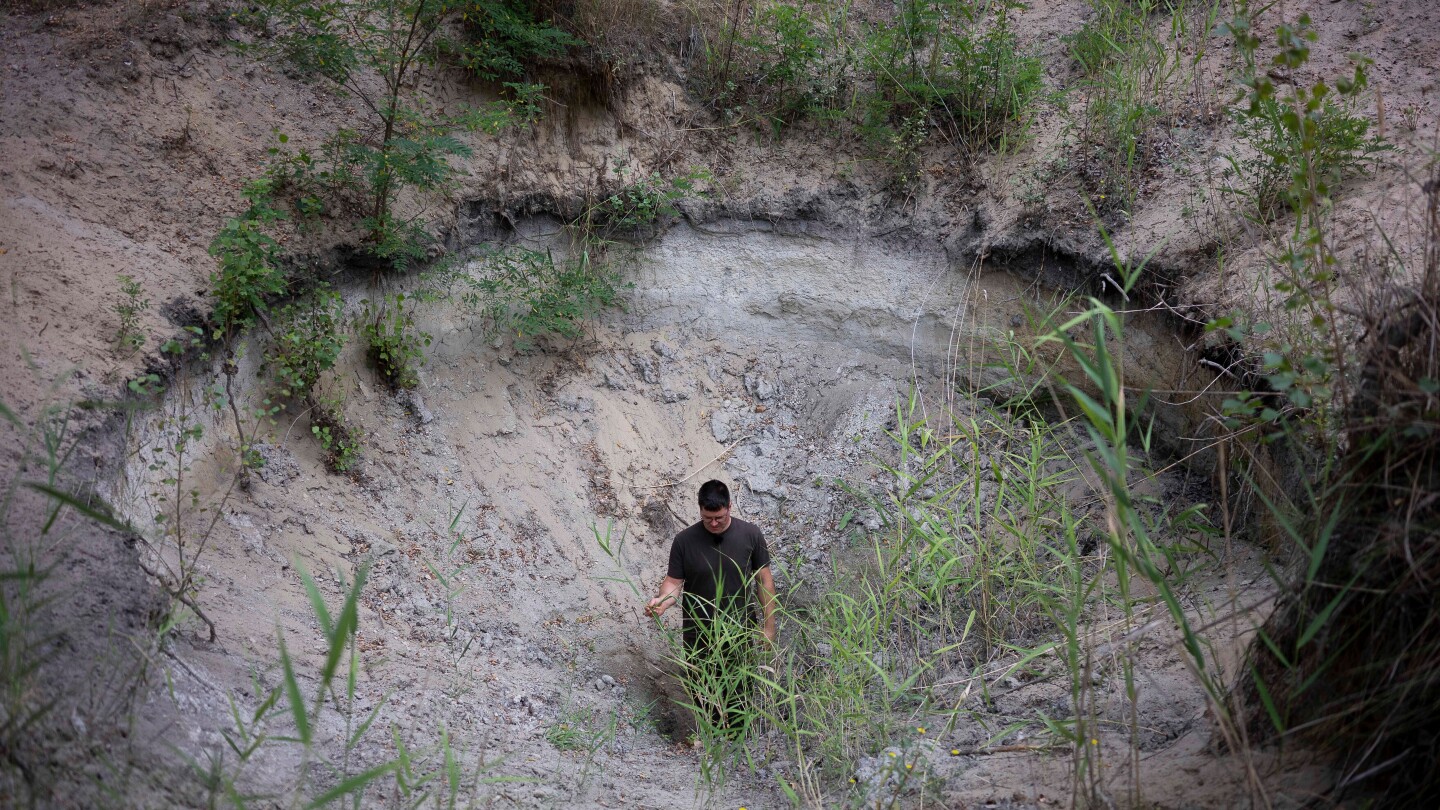
    In the heart of Hungary’s Great Plain, a remarkable environmental transformation is underway as local farmers confront an escalating climate crisis. The Homokhátság region, once a fertile agricultural heartland, now resembles arid landscapes more typical of the Sahara Desert than Central Europe, with cracked earth and expanding sand dunes replacing formerly productive fields.

    Oszkár Nagyapáti, a determined farmer and community leader, stands at the forefront of this battle against desertification. Digging into the sandy soil of his property, he demonstrates the alarming retreat of groundwater levels that has accelerated in recent years. “Where did so much water go? It’s unbelievable,” he remarks, watching cloudy liquid slowly seep into a hand-dug pit that reveals the severity of the water crisis.

    Scientific research published in the European Countryside journal identifies this aridification as unique to the region, resulting from the combined impact of climate change, improper land management, and inadequate environmental practices. Where regular flooding from the Danube and Tisza Rivers once sustained agriculture, now only parched earth remains.

    Nagyapáti has mobilized a group of over 30 volunteers known as “water guardians” to implement an innovative solution using Hungary’s abundant thermal water resources. Their strategy involves redirecting overflow from local thermal spas—water that would otherwise flow unused into canals—to create artificial wetlands that mimic historical flooding patterns.

    The project began with negotiations between the water guardians, local authorities, and thermal spa operators last year. Their first achievement: transforming a 2.5-hectare (6-acre) low-lying field into a shallow marsh using cooled and purified thermal water drawn from deep underground. By blocking sluices along canals, they’ve successfully captured and retained this valuable resource.

    According to meteorological experts from Eötvös Loránd University, the region suffers from unusually dry surface-level air layers that prevent storm fronts from producing precipitation. Instead, these weather systems pass through without rain, creating high winds that further desiccate the topsoil.

    The water guardians hypothesize that their artificial wetlands will not only raise groundwater levels but also create beneficial microclimates through surface evaporation. This could increase humidity, reduce temperatures, minimize dust, and positively impact nearby vegetation—a crucial intervention as climate change continues to accelerate.

    Hungarian Prime Minister Viktor Orbán has recognized the severity of the situation, establishing a national “drought task force” after weather-damaged crops significantly impacted the country’s GDP. The water guardians’ initiative demonstrates measurable success, with improved groundwater levels and increased flora and fauna near the flood site already observable.

    The group now aims to expand their project to additional fields and hopes their community-led approach will inspire similar water conservation efforts throughout Hungary and beyond. As Nagyapáti emphasizes: “Retaining any kind of water, whether in a village or a town, is a tremendous opportunity for water replenishment.”