作者: admin

  • A free childbirth program ends in eastern Congo at the worst of times

    A free childbirth program ends in eastern Congo at the worst of times

    GOMA, Democratic Republic of Congo — A severe maternal health emergency is unfolding in eastern Congo as expectant mothers face impossible choices amid ongoing conflict and the sudden termination of a vital government healthcare initiative. The situation has created a perfect storm of humanitarian suffering in a region already grappling with one of the world’s highest maternal mortality rates.

    The crisis stems from the confluence of multiple devastating factors: the collapse of a free maternity care program that previously provided essential services, continued rebel control of the city of Goma, and the complete breakdown of medical infrastructure. The program, initiated in 2023 to address Congo’s alarming maternal death statistics, offered free consultations and treatment for at-risk pregnancies at selected facilities nationwide before mysteriously ending in June without official explanation.

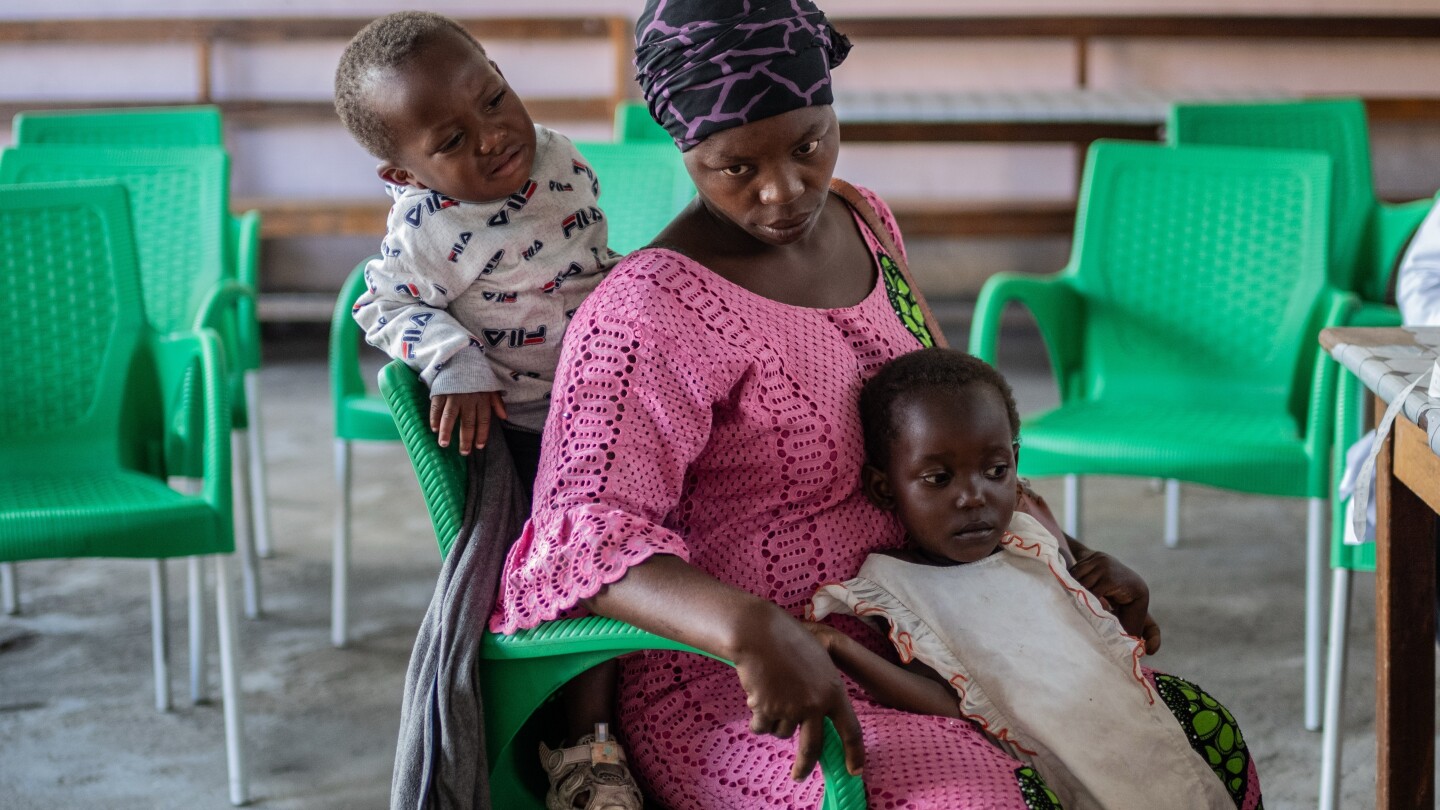
    Irene Nabudeba, a mother of five expecting her sixth child, embodies the human cost of this healthcare collapse. “At the hospital, they ask us for money that we don’t have,” she explained at the Afia Himbi health center, her hands resting on her pregnant abdomen. “I’m pushing myself to come to the consultations, but for the delivery… I don’t know where I’ll find the money.”

    The economic devastation accompanying the conflict has rendered even minimal medical fees prohibitive. Childbirth at a local clinic now costs $5-10, an impossible sum in a region where over 70% of the population survives on less than $2.15 daily. Franck Ndachetere Kandonyi, chief nurse at Afia Himbi, reported that monthly births under the free program had surged from approximately five to more than twenty before the initiative’s termination. That number has now plummeted to just nine monthly births as women retreat from formal healthcare.

    The M23 rebel group, which seized control of Goma in January amid escalating violence, has offered contradictory explanations for the program’s collapse. Freddy Kaniki, deputy coordinator of M23, asserted to AP that the initiative “was not renewed because it was a failure,” without providing supporting evidence. Congolese officials remained unresponsive to inquiries.

    Medical infrastructure has deteriorated catastrophically throughout the conflict. An International Committee of the Red Cross assessment in September revealed that 85% of health facilities face critical medicine shortages, while nearly 40% have experienced significant staff departures. Doctors Without Borders has documented attacks on hospitals, blocked ambulances, and threats against medical personnel.

    The human impact extends beyond statistics. Ernestine Baleke, pregnant with her ninth child, walks over half a mile to the Rehema Health Center because she cannot afford transportation. “I don’t even have 100 francs (45 cents) in my pocket,” she revealed, explaining that her husband lost his factory job when the facility was looted early in the conflict. Their house subsequently burned, leaving the family destitute.

    With three months remaining until her delivery, Baleke voiced the desperate plea of countless mothers: “The authorities must restore free health care. We risk dying in our homes while giving birth.” As fighting recently escalated despite U.S.- and Qatar-led peace efforts, the prospects for immediate resolution appear dim, leaving Congo’s most vulnerable citizens caught between conflict and catastrophic healthcare access.
  • Mexico approves up to 50% tariffs on China and other countries

    Mexico approves up to 50% tariffs on China and other countries

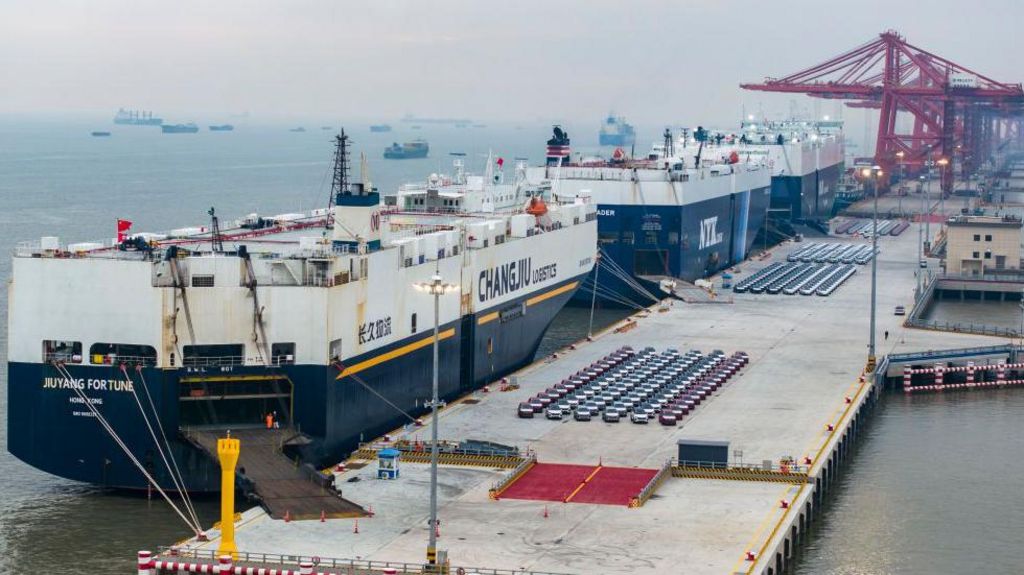
    Mexico’s Senate has ratified a comprehensive tariff package targeting over 1,400 imported goods, with significant implications for Chinese manufacturers and other trading partners. The legislation, endorsed by President Claudia Sheinbaum as essential for strengthening domestic industries, will impose duties of up to 50% on products ranging from metals and automobiles to clothing and household appliances.

    The new tariffs, scheduled for implementation on January 1, 2026, will affect dozens of nations without existing free trade agreements with Mexico, including China, Thailand, India, and Indonesia. This strategic move occurs against the backdrop of ongoing negotiations between Mexican officials and the Trump administration regarding potential US import taxes targeting Mexican exports.

    Former President Donald Trump has threatened multiple tariff measures against Mexico, including proposed 50% duties on steel and aluminum, a 25% levy related to fentanyl trafficking prevention, and most recently, a 5% tariff accusation regarding water access for American farmers under an 80-year-old treaty. The United States remains Mexico’s predominant trading partner, adding complexity to these bilateral discussions.

    Beijing had previously cautioned Mexico to exercise careful consideration before implementing these tariffs, highlighting the delicate balance Mexico must maintain between protecting domestic production and managing international trade relationships.

  • China builds an electromagnetic kill zone in the South China Sea.

    China builds an electromagnetic kill zone in the South China Sea.

    China has significantly enhanced its electronic warfare capabilities across the Spratly Islands, transforming the South China Sea into a strategically contested electromagnetic battlespace according to recent analyses. Between 2023 and 2025, Beijing has quietly deployed advanced surveillance and jamming infrastructure on its artificial island bases, fundamentally altering the regional security balance.

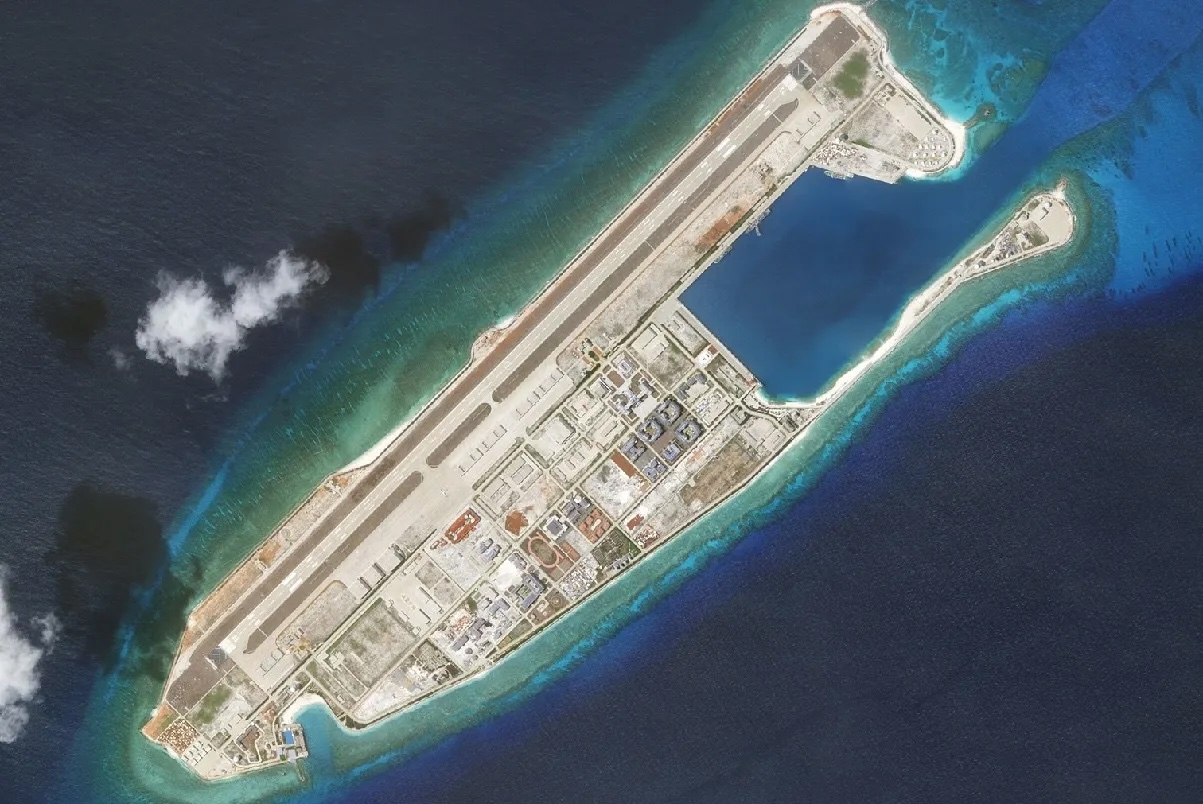
    Satellite imagery analysis by the Asia Maritime Transparency Initiative reveals sophisticated antenna arrays and mobile electronic warfare vehicles positioned on Fiery Cross, Mischief, and Subi reefs. The installations include at least six purpose-built sites with monopole antennas oriented seaward, complemented by vehicle-mounted jamming systems targeting specific electromagnetic frequencies. Infrastructure developments include specialized shelters at Subi Reef and a circular concrete platform at Mischief Reef designed for rapid antenna deployment.

    The technological upgrades extend to two new radomes at Subi Reef, creating overlapping intelligence, surveillance, and reconnaissance (ISR) coverage patterns matching previous installations on other reefs. These developments are complemented by fortified coastal emplacements capable of hosting artillery or mobile weapons systems.

    A November 2025 US-China Economic and Security Review Commission report highlights how these capabilities directly threaten the networked systems that form the core of US military operations. The People’s Liberation Army has developed sophisticated capacity to disrupt, degrade, or paralyze US reconnaissance, communications, and targeting systems—potentially impairing access to satellites and networked sensors during both peacetime and conflict scenarios.

    Technical assessments indicate China could utilize these outposts as regional electronic warfare hubs, enabling communications jamming, radar disruption, and geolocation of foreign forces. Mobile jammers, high-frequency direction-finding arrays, and satellite communication interception sites provide triangulation capabilities and sensor overwhelming capacity.

    Operational concepts reportedly focus on crippling US Navy carrier strike groups by targeting critical sensors and data-sharing systems. Priority targets include the AN/SPY-1 phased-array radar on Aegis ships, vulnerable to jamming and drone-generated false returns. China also aims to disrupt the E-2C Hawkeye’s coordination role and exploit signal transponders to compromise the Cooperative Engagement Capability network.

    Recent incidents suggest these capabilities may already be operational. The October 2025 loss of a US Navy MH-60R Sea Hawk helicopter and F/A-18 Super Hornet fighter from the USS Nimitz within 30 minutes of each other potentially resulted from electronic warfare interference with aircraft systems, though official investigations remain inconclusive.

    Strategically, these developments support China’s efforts to establish a submarine bastion in the South China Sea, creating a protective reconnaissance and defensive network for its nuclear ballistic missile submarines. This system enables submarine maneuverability while evading foreign tracking and maintaining nuclear deterrence patrols.

    In contrast, US Lieutenant General John Caine acknowledged in April 2025 congressional testimony that US joint forces remain inadequately protected against advanced electronic warfare capabilities, noting America has ‘lost some muscle memory’ after decades operating in permissive electromagnetic environments.

  • Japanese chess player calls out association’s pregnancy bias

    Japanese chess player calls out association’s pregnancy bias

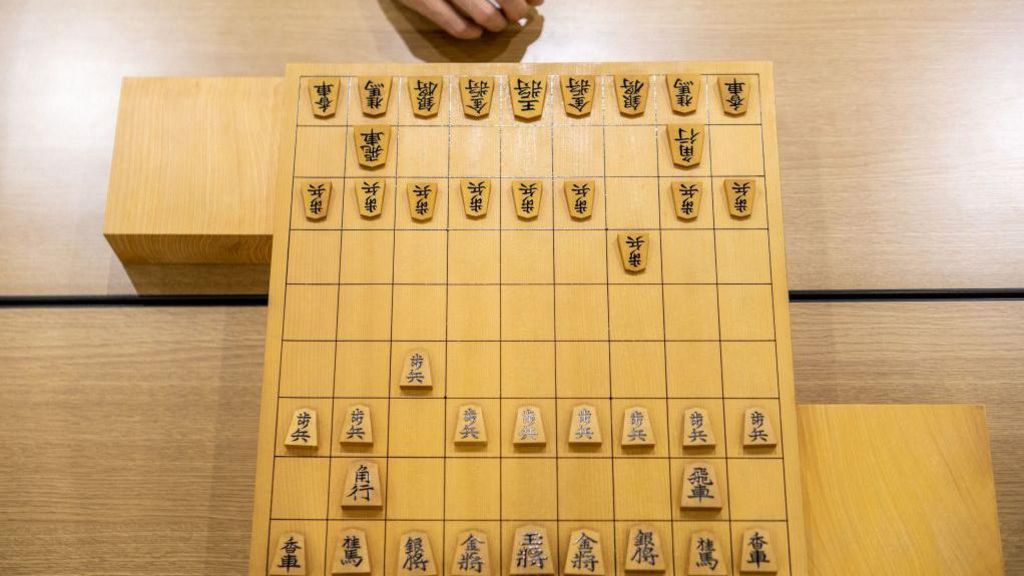
    Japan’s professional shogi community is confronting a significant gender equity controversy following public criticism from one of its most accomplished players regarding pregnancy-related competition bans. Kana Fukuma, a decorated shogi master, has compelled the Japan Shogi Association to apologize and reconsider regulations that effectively force female players to choose between motherhood and their professional careers.

    The current framework mandates that pregnant competitors must withdraw from title matches during a 14-week period surrounding their expected delivery date—spanning six weeks before through eight weeks after childbirth. This policy results in automatic forfeiture of all tournaments and potential titles during this mandatory absence, creating what Fukuma characterizes as a system that “significantly restricts reproductive rights” for professional players.

    At a Wednesday news conference, the 33-year-old player—who has competed professionally since 2003—shared her personal struggle: “I hesitated to have a child while pursuing my career in shogi, which is everything to me.” Before welcoming her first child in December 2024, Fukuma was compelled to withdraw from multiple tournaments due to pregnancy-related health considerations.

    In a formal request submitted Tuesday, Fukuma proposed specific reforms: adjusting match schedules or venues for pregnant players, permitting competition during pregnancy when medically advisable, and guaranteeing that titles remain protected during maternity leave. The association has responded by committing to review the regulations after consulting medical experts and evaluating both player safety and competitive fairness.

    The controversy has ignited vigorous discussion across Japanese social media platforms, with critics labeling the current rules as fundamentally misogynistic. Comparative discussions have emerged referencing more accommodating policies in international professional sports, such as tennis’s “protected rankings” system that enables athletes returning from extended absences—including maternity leave—to compete in major tournaments based on their pre-leave standings.

    This development occurs against the backdrop of Japan’s ongoing national concerns about demographic decline and gender equality in traditional institutions, positioning the shogi association’s response as a potentially significant indicator of evolving attitudes toward working mothers in the country’s professional spheres.

  • The Philippines tests ‘transition credits’ to cut coal use in novel experiment

    The Philippines tests ‘transition credits’ to cut coal use in novel experiment

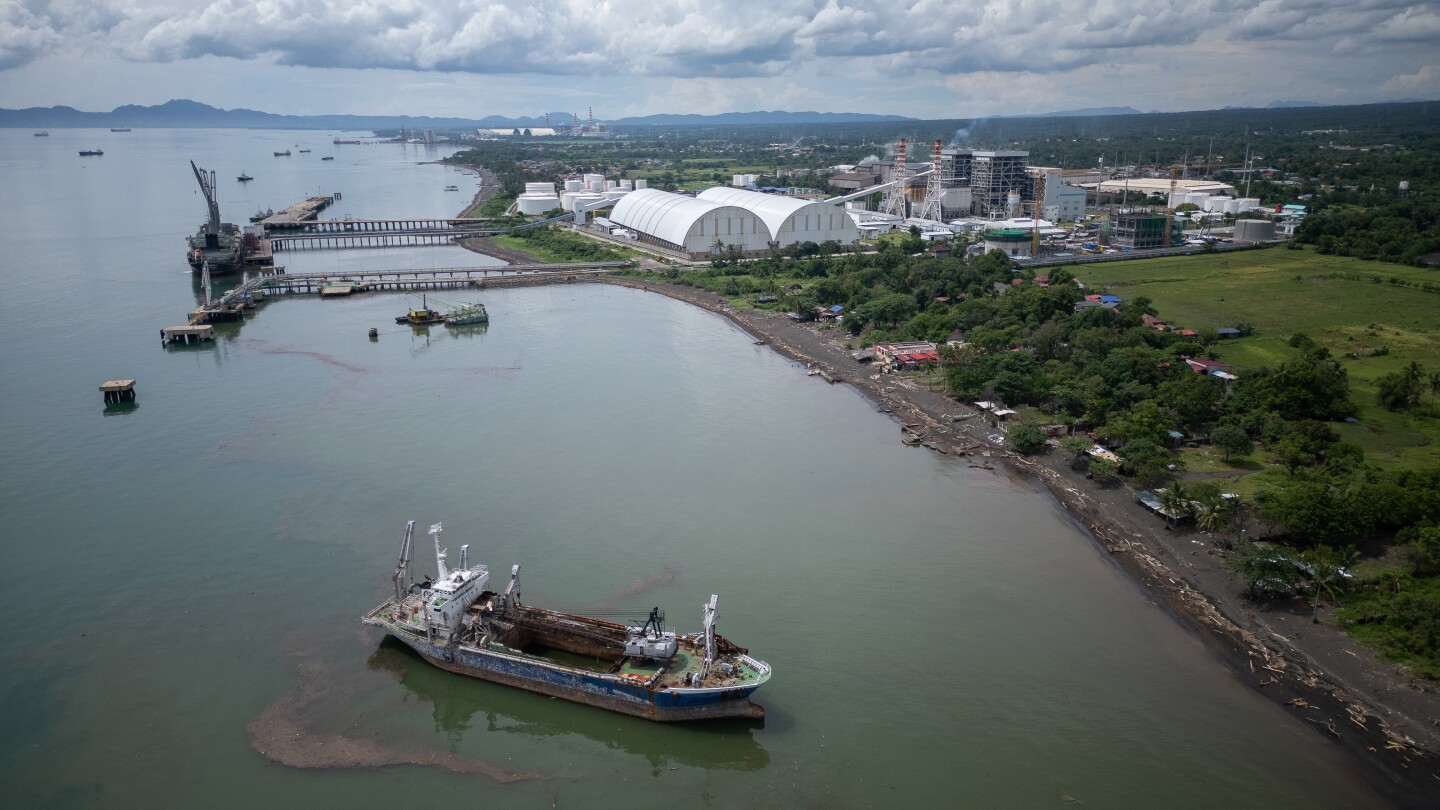
    The Philippines has embarked on a groundbreaking experiment with a novel form of carbon financing designed to accelerate the retirement of coal-fired power plants. Dubbed ‘transition credits,’ this innovative mechanism aims to create financial value from preventing future greenhouse gas emissions, channeling funds toward converting fossil fuel infrastructure into renewable energy facilities.

    At the forefront of this initiative is the 270-megawatt South Luzon Thermal Energy Corp. power plant in Calaca City, where proponents envision demonstrating how carbon markets can fund energy transition. The concept, developed by The Rockefeller Foundation, has garnered support from major corporations including Japan’s Mitsubishi Corp., with potential applications across approximately 60 coal plants throughout the Asia-Pacific region.

    Transition credits differ fundamentally from conventional carbon credits by monetizing emissions that would have occurred without intervention. This approach specifically targets Southeast Asia’s coal dependency problem—the region ranks as the world’s third-largest coal consumer after China and India, with electricity demand projected to double by 2050 according to International Energy Agency forecasts.

    Proponents argue these credits could unlock approximately $110 billion in public and private capital by 2030, providing crucial financing for energy transitions in developing economies. ‘If successful, this creates a playbook for coal asset owners worldwide,’ stated Irene Maranan of ACEN Corp., which committed to retiring the Calaca plant by 2040—decades ahead of its typical lifespan.

    However, the initiative faces substantial skepticism from climate policy experts and environmental advocates. Critics point to longstanding integrity issues within carbon markets, including greenwashing accusations, miscalculated emissions reductions, and human rights concerns in previous offset projects. Energy transition analyst Patrick McCully characterized transition credits as ‘old wine in a new bottle,’ warning they could divert resources from direct renewable energy development.

    The debate unfolds against urgent climate realities: the world likely overshoots the 1.5°C warming threshold while Southeast Asia’s emissions continue rising. As the Philippines tests this controversial financial instrument, the global community watches to see whether innovative carbon markets can genuinely accelerate decarbonization or merely create another distraction from concrete climate action.

  • US freedom ranking drops to ‘obstructed’ for 2025

    US freedom ranking drops to ‘obstructed’ for 2025

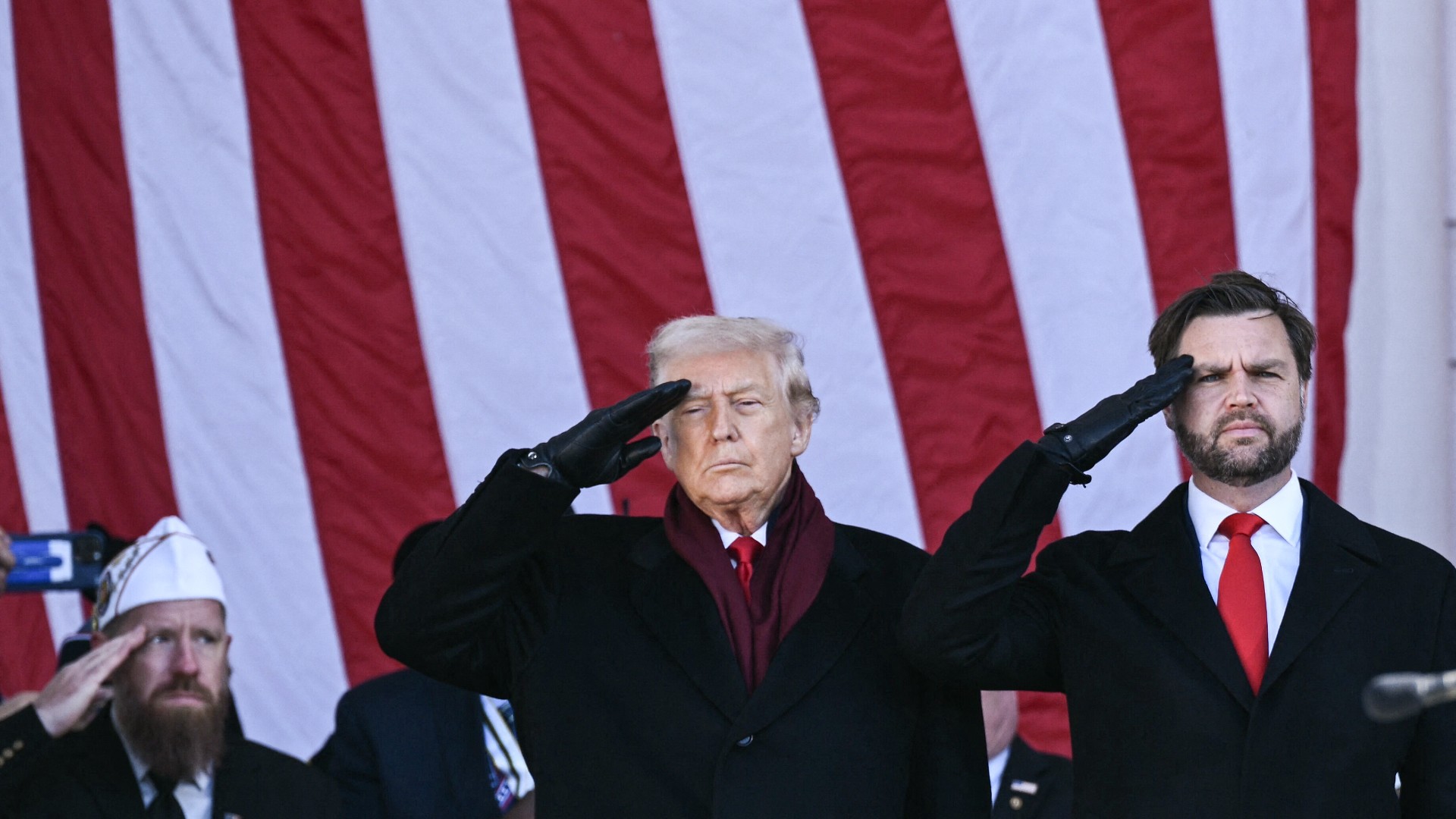
    The United States has experienced a significant decline in civic freedoms, according to the latest annual assessment by the Civicus Monitor. The Johannesburg-based research organization downgraded the nation’s rating to “obstructed” status, placing it alongside countries like Gabon, Mauritania, and Senegal in terms of civil liberties protection.

    The comprehensive People Power Under Attack report evaluates civic space conditions worldwide based on data gathered from civil society organizations and human rights groups. This year’s findings reveal a concerning trend of deteriorating democratic institutions in the US, particularly following the return of President Donald Trump to office.

    Key factors contributing to the downgrade include the suppression of Palestine solidarity activism, aggressive Immigration and Customs Enforcement (ICE) operations targeting immigrant communities, and increasing press censorship. The report documents a pattern of militarized responses to large-scale protests and systematic efforts to undermine democratic norms through executive actions.

    Notably, the assessment highlights widespread censorship measures, including the cancellation of major talk shows, funding reductions for independent media outlets, and restricted White House press access. Judicial harassment and political interference have created a challenging environment for free expression and assembly.

    Globally, fourteen other countries faced similar downgrades, with Argentina, France, Germany, Italy, and Israel among those moved to either “obstructed” or “repressed” categories. Switzerland declined from “open” to “narrowed,” while Burundi, Oman, and Sudan received the lowest possible classification as “closed” societies.

    The crackdown on Palestine solidarity efforts emerged as a particularly significant factor in the global rankings. The report details disproportionate measures against academic institutions, including disciplinary actions against students and faculty, funding freezes, and suspension of student organizations.

    Additionally, the assessment criticizes US sanctions against International Criminal Court officials, Palestinian human rights organizations, and UN Special Rapporteur Francesca Albanese. The report concludes with recommendations for governments worldwide to create enabling environments for civil society, recognize minority group needs, and investigate law enforcement excesses.

  • Trump administration issued ultimatum to ICC: Report

    Trump administration issued ultimatum to ICC: Report

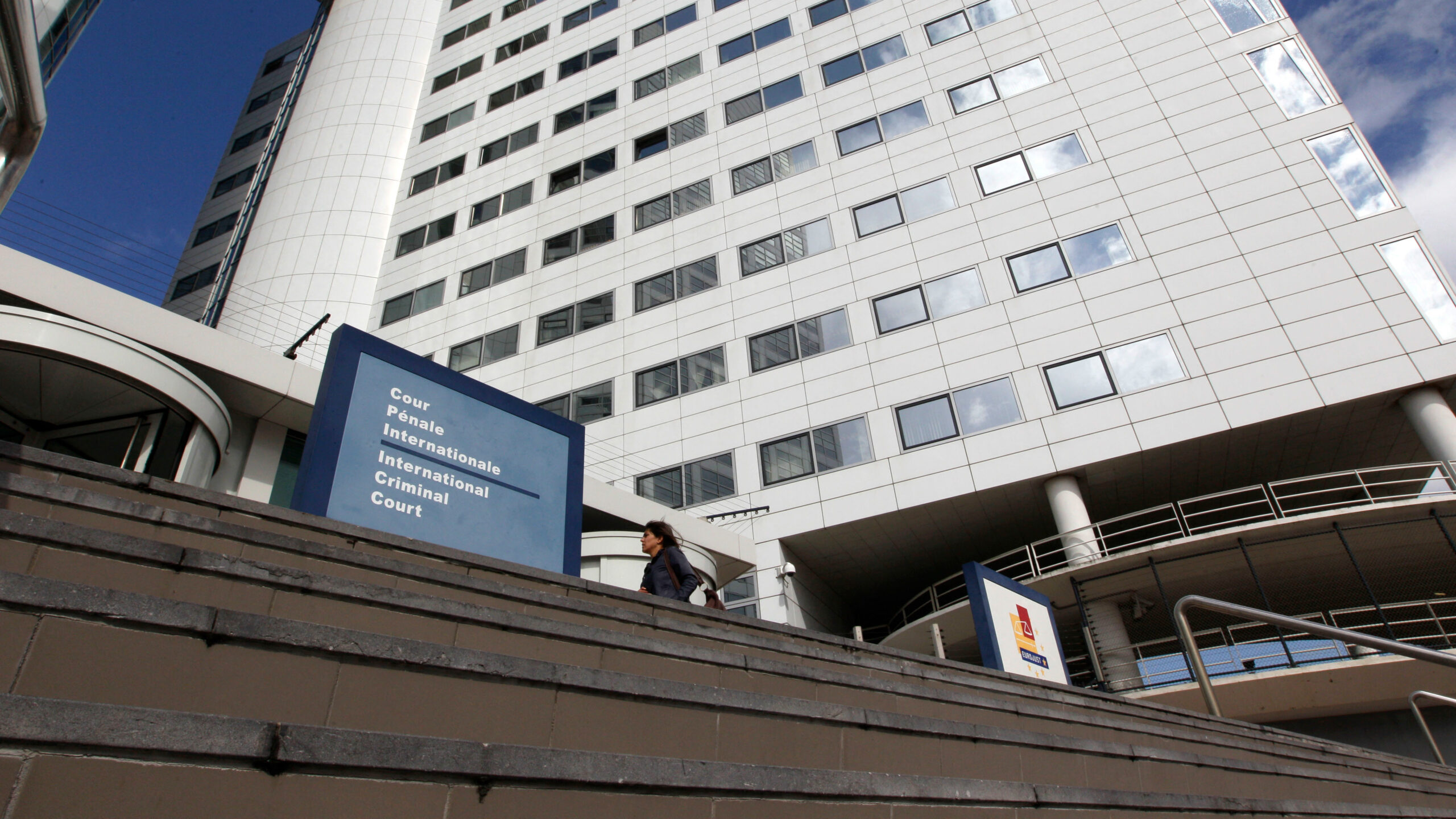
    The Trump administration has issued a stark ultimatum to the International Criminal Court, demanding fundamental changes to its founding treaty and the termination of specific investigations under threat of additional sanctions, according to multiple diplomatic sources.

    Recent reports indicate that U.S. officials have pressured the ICC to amend the Rome Statute to prevent investigations against President Donald Trump, senior administration members, and Israeli politicians. These demands specifically target ongoing probes into the Gaza conflict—recognized as genocide by UN experts and scholars—and potential war crimes by U.S. forces in Afghanistan.

    The pressure campaign has intensified through diplomatic channels, with the U.S. allegedly conditioning the lifting of existing sanctions on the ICC’s compliance with these demands. Additionally, Washington has called upon member states to support treaty amendments that would grant immunity to citizens of non-signatory nations, a move that would effectively shield American and Israeli officials from prosecution.

    This development occurs amidst unprecedented challenges to the ICC’s authority. The court currently faces multiple pressures, including Israeli legal challenges to its jurisdiction in Palestine and a separate complaint questioning the prosecutor’s impartiality. Meanwhile, ICC judges already face sanctions for their work on the Afghanistan investigation, which has notably shifted focus away from U.S. nationals since 2021.

    The Assembly of States Parties meeting last week became a focal point for these tensions, with diplomats confirming that U.S. representatives attempted to leverage sanctions relief to influence the court’s investigative priorities. The proposed treaty changes would also impact other investigations, including those concerning alleged Russian war crimes in Ukraine, as Russia is also a non-member state.

    ICC prosecutor Karim Khan, currently on voluntary leave pending a UN investigation into impartiality allegations, has been a specific target of U.S. sanctions since February, alongside deputy prosecutors, judges, and Palestinian organizations.

  • Big tech bets big on AI – but can India keep pace in the global race?

    Big tech bets big on AI – but can India keep pace in the global race?

    Global technology leaders Amazon and Microsoft have committed unprecedented investments exceeding $50 billion in India’s artificial intelligence ecosystem, signaling confidence in the nation’s digital future. Microsoft CEO Satya Nadella announced a historic $17.5 billion commitment—the company’s largest Asian investment—to develop India’s AI infrastructure and sovereign capabilities. Amazon followed with a $35 billion pledge through 2030, dedicating substantial portions to AI advancement.

    This investment surge arrives as financial institutions identify India as a strategic counterbalance to overheated AI markets. Jefferies analyst Christopher Wood characterizes Indian equities as a ‘reverse AI trade’ that could outperform global markets if the current AI bubble bursts. HSBC similarly positions India as a diversification hedge against concentrated AI valuations, particularly as foreign capital has favored Korean and Taiwanese tech stocks throughout 2024.

    India demonstrates significant AI potential despite resource disparities. The nation ranks among global leaders in AI talent concentration—boosting 2.5 times more skilled professionals than the worldwide average—and maintains top-five status for AI startup funding according to the Stanford AI Index. However, challenges persist: India’s $1.25 billion sovereign AI program pales beside France’s $117 billion or Saudi Arabia’s $100 billion initiatives, while infrastructure gaps and talent retention issues complicate development.

    The United Nations Conference on Trade and Development notes India outperforms its economic development stage in AI readiness, alongside Brazil and the Philippines. Domestic innovation focuses on practical applications rather than competing directly in large language model development. Maharashtra’s AI app MahaVISTAAR exemplifies this approach, delivering agricultural guidance in Marathi to over 15 million farmers.

    Peak XV Partners Managing Director Shailendra Singh observes: ‘AI will democratize entrepreneurship over the next decade, creating massive downstream effects across India and Asia-Pacific.’ This optimism reflects in doubled AI startup investments year-over-year, though $1.16 billion in private funding remains dwarfed by America’s $100 billion and China’s $10 billion.

    Concerns persist regarding AI’s disruptive impact on India’s cornerstone IT services sector. Jefferies warns billion-dollar IT firms face significant vulnerability as AI transforms traditional business functions, with slowing growth, stock underperformance, and stagnant wages already emerging.

  • Exiled Hong Kong activist target of sexually explicit harassment campaign

    Exiled Hong Kong activist target of sexually explicit harassment campaign

    A prominent Hong Kong pro-democracy activist residing in the United Kingdom has become the victim of an extensive harassment operation involving fabricated explicit materials. Carmen Lau, a 30-year-old exile who sought political asylum in Britain four years ago, reported that her neighbors in Maidenhead, Kent received malicious letters containing artificially generated pornographic imagery bearing her likeness.

    The correspondence, which originated from Macau according to postal markings, featured digitally manipulated photographs that superimposed Ms. Lau’s facial features onto explicit content, accompanied by text falsely presenting her as offering sexual services. The activist characterized the materials as ‘deeply unpleasant’ and expressed particular concern about the weaponization of artificial intelligence technology for gendered harassment campaigns.

    This incident represents an escalation of previous intimidation attempts against Ms. Lau. Last year, multiple neighbors received bounty letters purportedly from Hong Kong police authorities offering £95,000 for her capture and delivery to Chinese diplomatic facilities in London.

    Local Member of Parliament Joshua Reynolds (Liberal Democrat) has formally escalated the matter to both the Home Office and Foreign Office, demanding governmental action and accountability from Chinese authorities. Mr. Reynolds emphasized that targeting UK residents through such methods constitutes unacceptable behavior that requires diplomatic confrontation.

    The UK government has reiterated its stance against transnational repression, with officials previously condemning Hong Kong’s issuance of arrest warrants and bounties targeting political exiles. A government spokesperson affirmed that the security of Hong Kongers in Britain remains a priority, while law enforcement agencies have initiated investigations into the malicious correspondence.

  • Coca-Cola names a company veteran as its new CEO

    Coca-Cola names a company veteran as its new CEO

    In a significant corporate leadership announcement, Coca-Cola revealed Wednesday that Chief Operating Officer Henrique Braun will ascend to the chief executive role effective March 31, 2026. This carefully orchestrated transition will see current Chairman and CEO James Quincey move into the executive chairman position, ensuring continuity in the beverage giant’s strategic direction.

    The 57-year-old Braun brings three decades of extensive company experience to his future role, having most recently served as COO since earlier this year. His comprehensive career at Coca-Cola includes leadership positions across multiple international markets including Brazil, Latin America, Greater China and South Korea. Braun’s diverse expertise spans supply chain management, new business development, marketing innovation, and bottling operations management.

    Born in California and raised in Brazil, Braun’s educational background includes an agricultural engineering degree from the University Federal of Rio de Janeiro, complemented by a master of science degree from Michigan State University and an MBA from Georgia State University.

    David Weinberg, Coca-Cola’s lead independent director, praised outgoing CEO Quincey as a transformative leader who will maintain an active role in the business. During Quincey’s nine-year tenure, the company expanded its portfolio with over 10 additional billion-dollar brands including BodyArmor and Fairlife, while strategically entering the alcoholic beverage market with Topo Chico Hard Seltzer in 2021.

    Quincey’s leadership included a significant 2020 restructuring that streamlined operations by reducing the company’s brand portfolio by half and implementing workforce reductions. This strategic move aimed to focus investments on high-growth products such as Simply and Minute Maid juices.

    As this leadership transition unfolds, Coca-Cola faces ongoing challenges including subdued consumer demand in key markets like the United States and Europe, along with increasing scrutiny of product ingredients. Responding to market pressures, the company recently announced plans to introduce a cane sugar version of its flagship cola, moving away from high-fructose corn syrup.

    Weinberg expressed board confidence in Braun’s ability to leverage the company’s strengths and identify global growth opportunities. Market reaction remained neutral following the announcement, with Coca-Cola shares holding steady in after-hours trading.