作者: admin

  • Rising maternal malnutrition in Gaza drives up newborn mortality

    Rising maternal malnutrition in Gaza drives up newborn mortality

    A devastating humanitarian crisis is unfolding in Gaza’s maternity wards, where newborn mortality rates have skyrocketed by 75% according to alarming new data from the United Nations Children’s Fund (UNICEF). The agency’s comprehensive assessment reveals that between July and September, neonatal facilities recorded approximately 47 infant deaths monthly—a dramatic increase from the pre-conflict monthly average of 27 documented throughout 2022.

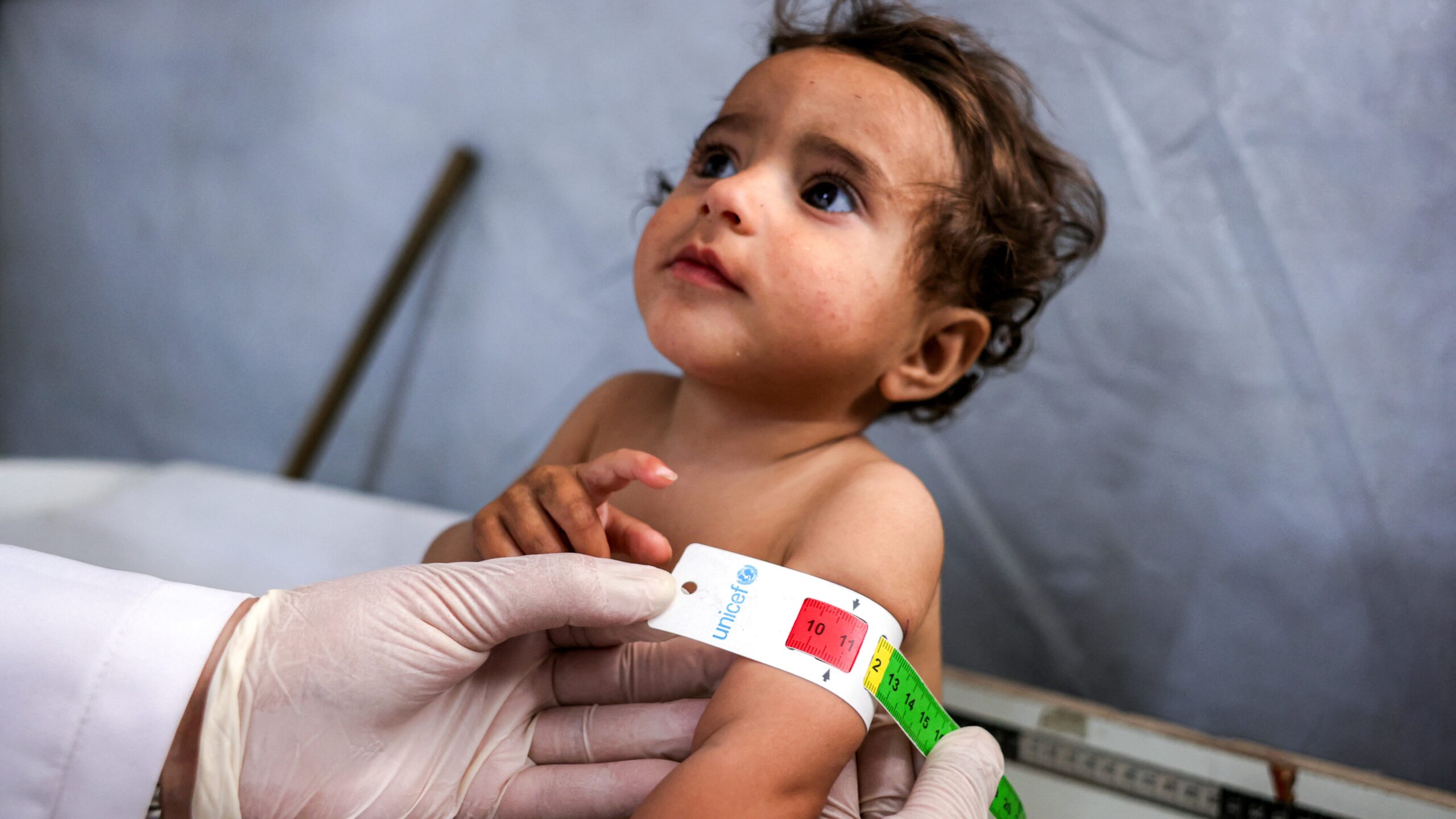
    The nutritional crisis affecting pregnant women has created a cascading health emergency. UNICEF’s Tuesday briefing disclosed that 38% of screened pregnant women received diagnoses of acute malnutrition, with at least 8,300 expectant and breastfeeding women requiring emergency nutritional treatment in October alone. This maternal health catastrophe has directly impacted newborn outcomes, with the number of underweight infants (below 2.5 kilograms) nearly doubling from 250 monthly cases in 2022 to approximately 460 currently.

    Medical professionals emphasize the grave implications of low birth weight, as these vulnerable infants face mortality risks 20 times higher than those born at healthy weights. UNICEF communications manager Tess Ingram provided firsthand testimony from Gaza’s hospitals, describing newborns weighing less than one kilogram struggling for survival. ‘The unmistakable pattern of malnourished mothers giving birth to premature or underweight infants represents a preventable tragedy,’ Ingram stated, noting that this suffering ‘could have been prevented if international humanitarian law had been respected.’

    The healthcare collapse exacerbates the crisis, with Israeli authorities repeatedly blocking medical delegations and restricting aid shipments. Despite ceasefire agreements, only 14,534 aid trucks have entered Gaza since October—less than half of the 37,200 trucks required for basic humanitarian relief. This systematic obstruction has contributed to over 450 documented deaths from starvation and dehydration, including more than 154 children.

    UNICEF officials report that 9,300 children across Gaza were identified as acutely malnourished in October, creating a generational health crisis that will likely result in lifelong complications for survivors. The agency continues urgent appeals for unimpeded humanitarian access, particularly for nutritional support targeting pregnant women and essential medical equipment for neonatal intensive care units.

  • US seized ‘very large’ tanker near Venezuela, Trump says

    US seized ‘very large’ tanker near Venezuela, Trump says

    In a dramatic escalation of tensions, United States military forces have intercepted and seized a massive oil tanker off the Venezuelan coast, an operation personally confirmed by President Donald Trump. The seizure occurred amidst a substantial US naval deployment in the Caribbean region that Caracas has characterized as preparation for regime change.

    US Attorney General Pam Bondi released operational footage showing special forces troops rappelling from helicopters onto the vessel’s deck before securing the ship’s bridge with raised rifles. President Trump described the captured tanker as ‘very large—the largest one ever seized’ during remarks to reporters at a White House business roundtable.

    The Justice Department identified the vessel as part of an ‘illicit oil shipping network’ allegedly transporting sanctioned petroleum from both Venezuela and Iran. US media reports indicate the tanker was destined for Cuba before being intercepted by Coast Guard personnel.

    Venezuela’s foreign ministry issued a fierce condemnation, denouncing the operation as ‘blatant theft and an act of international piracy’ that was publicly celebrated by the US president. The incident occurs alongside heightened political tensions involving Venezuelan opposition leader Maria Corina Machado, who recently accepted the Nobel Peace Prize in Oslo while in hiding from Maduro’s government.

    The Trump administration has intensified pressure on Caracas in recent months, deploying warships and conducting lethal strikes against more than twenty alleged drug trafficking vessels in the region. Washington has formally designated Maduro’s government as a ‘narco-terrorist’ organization and accused him of stealing the 2024 presidential election.

    Venezuela has responded by swearing in thousands of new soldiers and accusing the United States of attempting to seize control of its substantial oil reserves through military aggression disguised as counter-narcotics operations.

  • University of Michigan head football coach fired ‘with cause’, school says

    University of Michigan head football coach fired ‘with cause’, school says

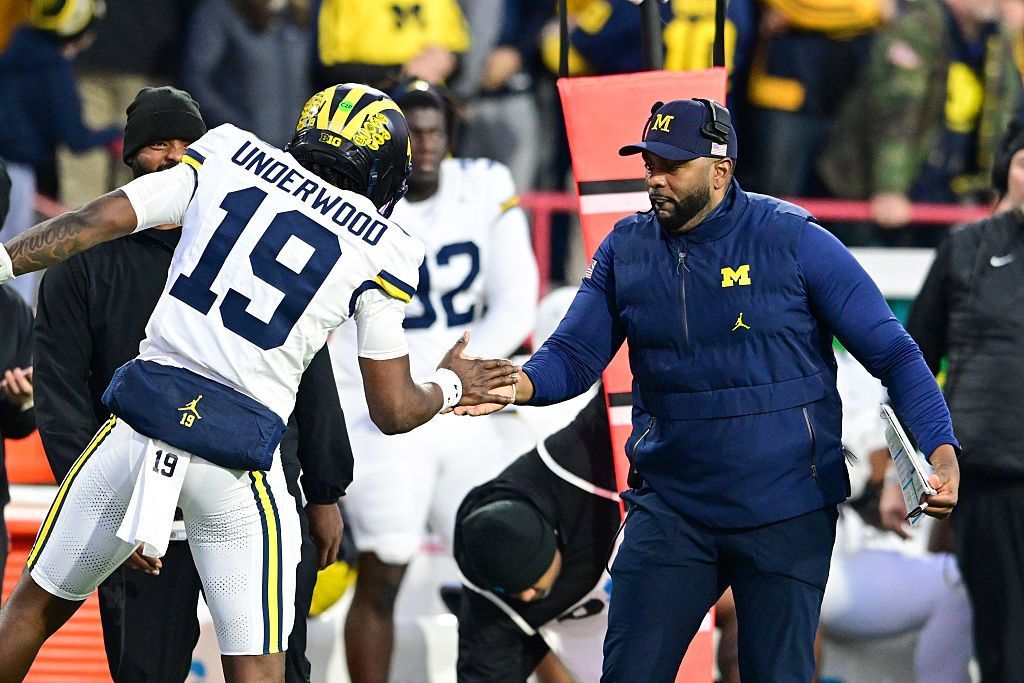
    The University of Michigan has terminated head football coach Sherrone Moore effective immediately after an internal investigation uncovered credible evidence of an inappropriate relationship with a staff member, the institution announced Wednesday. The dismissal represents a severe breach of university policy and underscores the ongoing turbulence within college sports’ high-stakes environment.

    In a stunning parallel development, Moore was detained by police in Pittsfield Township on the same day following allegations of assault. According to law enforcement statements obtained by ESPN, officers responded to reports of an incident at approximately 16:10 EST. The neighboring Saline Police Department assisted in locating and detaining the 39-year-old coach, who was subsequently transferred to Pittsfield authorities for potential charges.

    Moore’s termination arrives during a critical period for college football, coinciding with both the College Football Playoff preparations and the recent seismic coaching shift that saw Lane Kiffin depart the University of Mississippi for a $91 million contract at Louisiana State University. Moore was slated to lead the Michigan Wolverines in their anticipated December 31 rivalry game against the University of Texas in the Cheez-It Citrus Bowl.

    Athletic Director Warde Manuel emphasized the university’s zero-tolerance stance toward policy violations in an official statement provided to the BBC. The university has appointed associate head coach Biff Poggi as Moore’s immediate replacement.

    Currently detained at a Washtenaw County jail pending prosecutor review, Moore remains unavailable for comment. Specific details regarding both the inappropriate relationship and assault allegations have not been disclosed publicly. Family members have not responded to media inquiries regarding the situation.

    Moore’s coaching trajectory at Michigan began in 2018 as tight-end coach. He temporarily assumed head coaching responsibilities during three games in the 2023 season while then-coach Jim Harbaugh served a suspension, achieving victories in all three contests before securing the permanent head coach position following Harbaugh’s departure to the NFL.

  • South Africa’s batters restore some pride in 51-run win against India in 2nd T20

    South Africa’s batters restore some pride in 51-run win against India in 2nd T20

    In a remarkable reversal of fortune, South Africa’s cricket team delivered a commanding performance to defeat India by 51 runs in the second T20 international at New Chandigarh on Thursday. The victory levels the five-match series at 1-1, erasing memories of their disastrous opening match collapse.

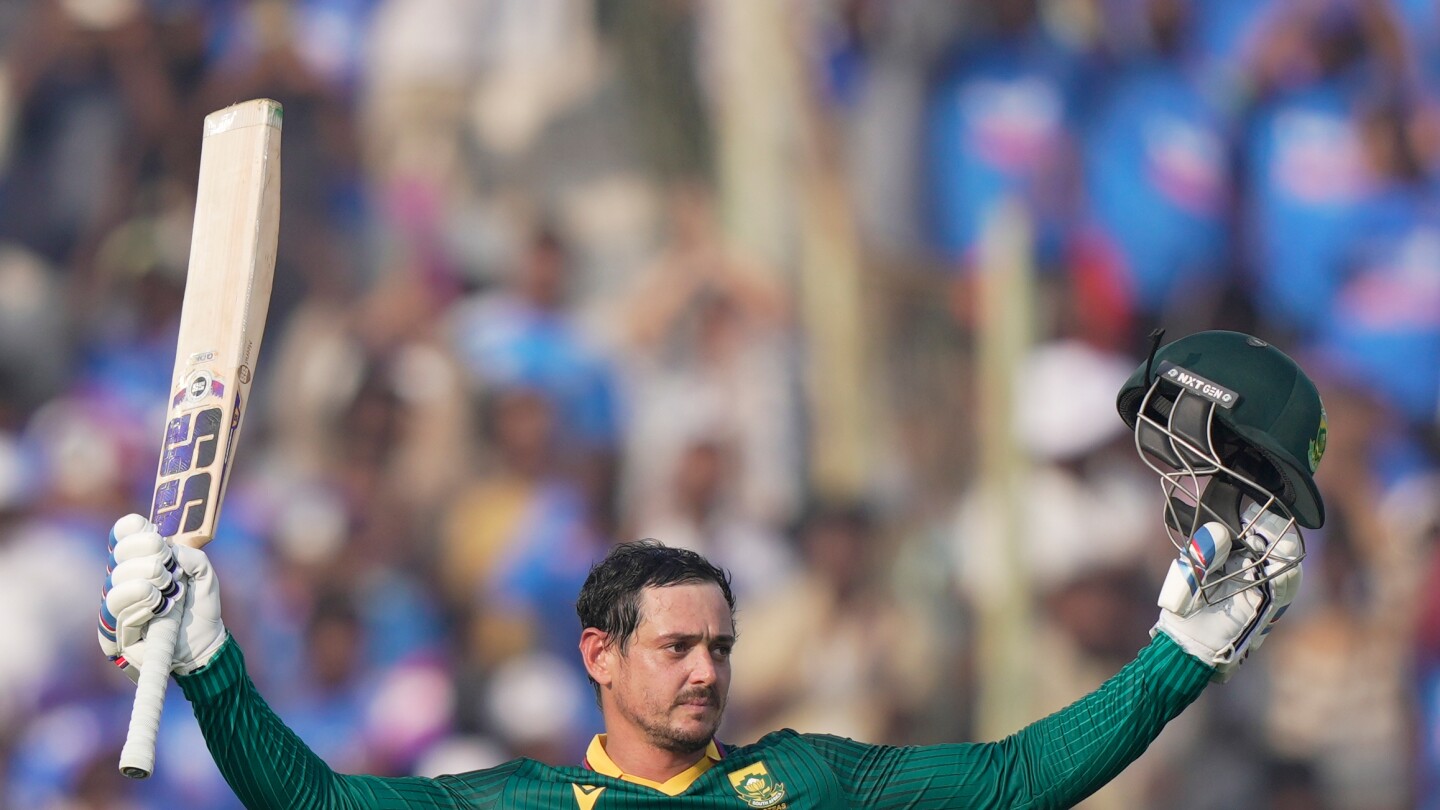
    After being asked to bat first, the Proteas posted an imposing 213-4, spearheaded by Quinton de Kock’s explosive 90 runs from just 46 deliveries. The opener’s blistering innings featured seven sixes and five boundaries before his dismissal via a precision run-out executed by Indian wicketkeeper Jitesh Sharma.

    The South African innings gained tremendous momentum in the final stages, accumulating 49 runs across the last three overs. Donovan Ferreira’s unbeaten 30 from 16 balls proved particularly damaging, including two massive sixes against Indian pace spearhead Jasprit Bumrah in the final over. David Miller contributed a quickfire 20 not out from 12 deliveries to bolster the total.

    India’s response faltered early, finding themselves at 81-4 after ten overs despite Tilak Varma’s valiant 62 from 34 balls. The bowling attack, led by medium-fast bowler Ottneil Baartman’s career-best 4-24, systematically dismantled the Indian batting lineup, restricting the hosts to 162 all out in 19.1 overs.

    The match represented a stunning turnaround for South Africa, who made three strategic changes following their record-low 74 all out in the series opener. India maintained an unchanged lineup from their 101-run victory in the first match.

    The teams now prepare for Sunday’s crucial third T20 in Dharamsala, with both sides using the series as vital preparation for February’s T20 World Cup in India, where the hosts enter as defending champions after their dramatic final victory over South Africa earlier this year.

  • Ethiopia arrests ‘indecently’ dressed TikTok stars after awards ceremony

    Ethiopia arrests ‘indecently’ dressed TikTok stars after awards ceremony

    Ethiopian authorities have detained a sixth prominent TikTok creator amid a widening crackdown on social media influencers accused of violating the country’s cultural norms through their attire at a public event. The latest arrest targets Adonay Berhane, a 25-year-old motivational content creator with nearly four million followers who recently received “TikToker of the Year” honors at the very ceremony now embroiled in controversy.

    The arrests have sparked intense debate across Ethiopian social media platforms, creating a clear division between proponents of creative expression and defenders of traditional values. Those detained include Wongelawit Gebre Endrias (known online as Evan), a fashion influencer who attended the event braless beneath an oversized blazer, and Yohannes Mekonnen (Jahnny), a dancer who carried a man-bag while accepting his video production award.

    Federal police confirm all six influencers remain under investigation for allegedly promoting behavior that undermines public morality. Authorities have expressed particular concern about the growing influence of international digital trends on Ethiopian youth, warning of further action against anyone perceived to be violating the nation’s cultural values or promoting what they term “shallow culture.

    The government has maintained official silence on the matter, while family members have expressed shock at the detentions. Adonay’s mother, Abeba Gebru, described her son as an “example to Ethiopian youth” and her personal “backbone” in comments to BBC Tigrinya.

    This incident highlights the escalating tension between Ethiopia’s rapidly expanding digital landscape—with over eight million social media users—and its deep-rooted cultural conservatism. The case represents a significant test case for how traditional societies navigate the globalizing influence of social media platforms and their content creators.

  • Huge undersea wall dating from 5000 BC found in France

    Huge undersea wall dating from 5000 BC found in France

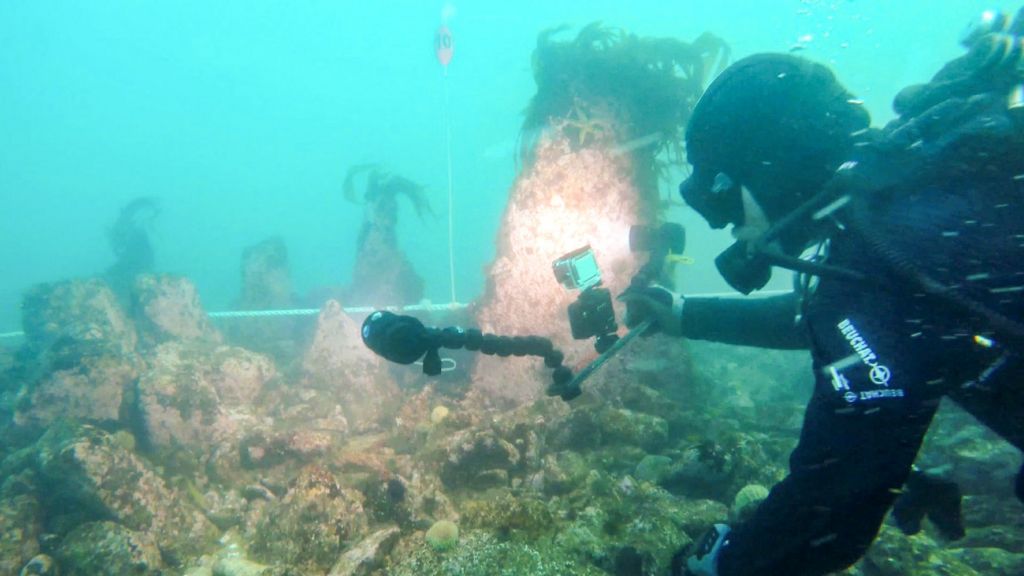
    French marine archaeologists have uncovered a monumental submerged structure off the coast of Brittany, revealing sophisticated engineering from a prehistoric society that vanished beneath rising seas approximately 7,000 years ago. The massive 120-meter (394-foot) wall, constructed around 5,000 BC, represents the largest underwater construction ever discovered in France and may provide the historical basis for ancient Breton legends of sunken cities.

    The structure, located off the Ile de Sein at Brittany’s western extremity, now rests under nine meters of water but originally stood at the shoreline between high and low tide marks. With an average width of 20 meters and height of 2 meters, the wall features an impressive construction technique involving large granite standing stones arranged in two parallel lines that protrude above the main structure. These monoliths were strategically placed on bedrock before being surrounded by carefully arranged slabs and smaller stones, creating a durable design that has withstood millennia of marine conditions.

    Archaeologists propose two primary theories for the wall’s function: an elaborate fish-trapping system or a protective dyke against rising sea levels. If used for fishing, the protruding monoliths would have supported a network of sticks and branches that captured fish as tides receded. The sheer scale of the construction—weighing approximately 3,300 tonnes—indicates it was built by a substantial, organized community with advanced technical capabilities for its time.

    The discovery emerged after local geologist Yves Fouquet identified anomalous features on underwater depth charts created with advanced radar technology. Subsequent archaeological investigations in 2022 confirmed the artificial nature of the structure, though researchers had to wait until winter when seaweed coverage diminished to properly map the site.

    Notably, the wall’s construction predates the famous Neolithic menhirs that dot the Brittany landscape, suggesting possible knowledge transfer between older Mesolithic hunter-gatherers and incoming Neolithic agricultural populations. According to archaeologist Yvan Pailler, this finding challenges previous assumptions about the technological capabilities of prehistoric societies.

    In a paper published in the International Journal of Nautical Archaeology, researchers speculate that such submerged sites may have inspired local legends of sunken cities, particularly the myth of Ys believed to lie in the nearby Bay of Douarnenez. The rapid sea level rise that submerged this developed territory likely left a profound cultural memory that persisted through generations, eventually evolving into the mythological narratives that endure in Breton folklore today.

  • In stunning reversal for Europe, Greek finance minister elected as Eurogroup president

    In stunning reversal for Europe, Greek finance minister elected as Eurogroup president

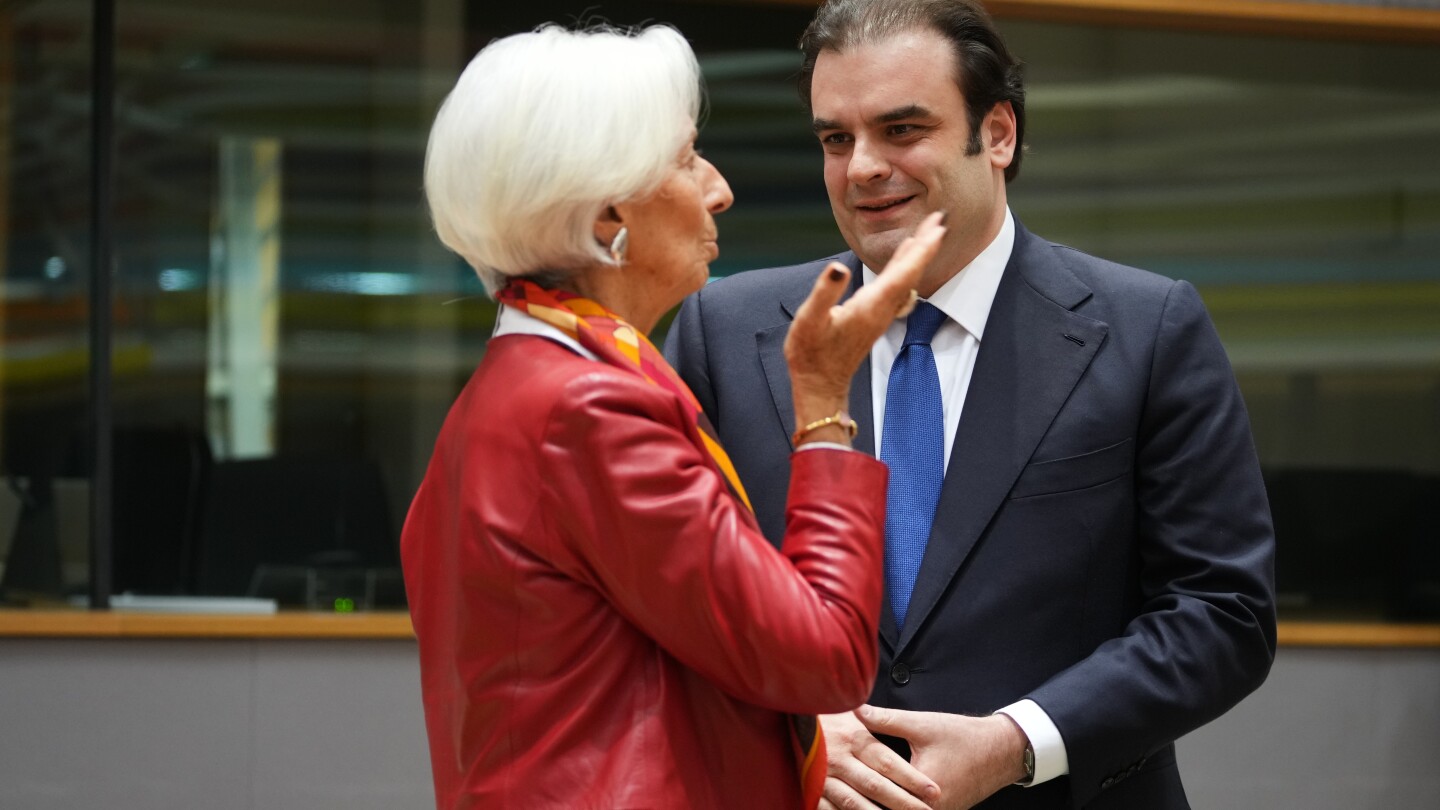
    In a stunning reversal of fortune that underscores one of Europe’s most dramatic economic transformations, Greek Finance Minister Kyriakos Pierrakakis has been elected to lead the powerful Eurogroup forum. This development marks a symbolic full-circle moment for a nation that just a decade ago teetered on the brink of eurozone expulsion during its devastating financial crisis.

    The Eurogroup, comprising finance ministers from the 20 European Union member states utilizing the euro currency, serves as the principal coordinating body for economic policy across the euro area. Its president wields considerable influence in shaping financial policies across member nations, with their pronouncements carrying significant weight in international markets.

    Greek Prime Minister Kyriakos Mitsotakis hailed the appointment as “a day of pride for the country, for the government and for all the citizens,” characterizing it as “the most emphatic recognition of our country’s positive course.” He notably referenced the nation’s precarious position exactly ten years prior, when shuttered banks and potential euro exit loomed large.

    At 42, Pierrakakis represents a new generation of European leadership and is widely regarded as a rising star within Greece’s center-right New Democracy party. Before assuming the finance portfolio in March, he served as education minister and previously as digital governance minister from 2019-2023, where he implemented sweeping bureaucratic reforms and digitized numerous public services.

    Reflecting on Greece’s journey, Pierrakakis acknowledged during his Brussels press conference that debates a decade ago centered on potential Greek exit from the eurozone. “And yet, Greece withstood,” he stated, attributing this resilience to “the collective strength of the people” and “European solidarity, of receiving help at the most dire of times.”

    The newly elected president committed to maintaining the Eurogroup as “a body of unity and shared purpose,” focusing on common currency stability, shared economic interests, and the broader European project grounded in core EU values.

    Greece’s ascent from fiscal pariah to economic model represents one of modern Europe’s most remarkable turnarounds. During the crisis years beginning in late 2009, successive Eurogroup presidents made regular visits to Athens, with every carefully scrutinized utterance potentially signaling the nation’s fate. Tense encounters, particularly the infamous 2015 exchange between then-president Jeroen Dijsselbloem and flamboyant Greek Finance Minister Yanis Varoufakis, highlighted the country’s strained relations with creditors.

    The crisis years brought profound hardship: years of fiscal mismanagement led to exclusion from international bond markets, necessitating three international bailouts totaling billions of euros from the so-called ‘troika’ (International Monetary Fund, European Central Bank, and European Commission). Austerity measures triggered a economic contraction of 25%, unemployment peaking at 28% (nearly 60% among youth), slashed wages and pensions, increased homelessness, and widespread social unrest.

    The situation deteriorated to such an extent that by June 2015, Greece implemented capital controls to prevent bank runs, rationing ATM withdrawals and restricting financial flows. Days later, the nation became the first developed country to default on IMF debts, with banking restrictions remaining until 2019.

    Today, Europe’s former financial outcast has emerged as one of its best budget performers. Major ratings agencies have restored Greek bonds to investment grade, with the country among only six EU members recording a 2024 budget surplus. Government revenues have exceeded targets through August, enabling a recently announced €1.6 billion tax relief package.

    Despite this progress, challenges persist. Many citizens grapple with rising living costs, while protesting farmers currently block highways nationwide, angered by production expenses, low wholesale prices, and delayed EU subsidy payments following a corruption scandal.

    Pierrakakis secured the presidency over Belgian Finance Minister Vincent Van Peteghem, commencing his two-and-a-half-year term with his first scheduled Eurogroup meeting on January 19.

  • Heart project launched to save young lives in Laos

    Heart project launched to save young lives in Laos

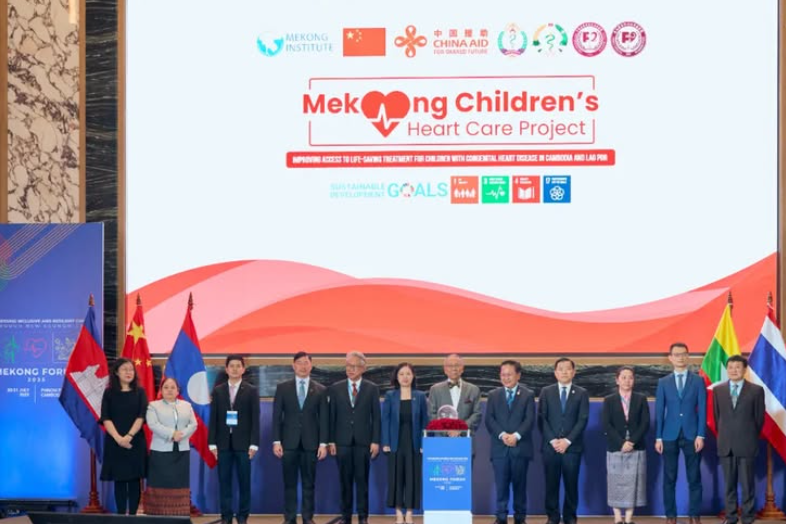
    VIENTIANE, LAOS – A transformative healthcare partnership officially commenced operations on Thursday with the national launch of the Mekong Children’s Heart Care Project (2025-2027). This ambitious tripartite collaboration brings together Laos’ Ministry of Health, the Mekong Institute, and China’s prestigious Fuwai Hospital under the Chinese Academy of Medical Sciences.

    Financed through China’s Global Development and South-South Cooperation Fund, this initiative represents a concrete implementation of the Global Development Initiative. The program specifically targets congenital heart disease, which remains a leading cause of childhood mortality across Laos and Cambodia.

    The comprehensive project framework encompasses multiple strategic components: establishing national-level screening systems, introducing advanced diagnostic and treatment technologies, and substantially enhancing the professional capabilities of healthcare providers in both nations. Over its two-year implementation period, the initiative aims to achieve measurable impact through screening at least 10,000 children nationwide, providing complete treatment cycles for no fewer than 30 diagnosed patients, and training over 110 medical professionals.

    Additional capacity-building measures include specialized fellowship programs at Fuwai Hospital for Lao medical specialists, complemented by the donation of critical medical equipment including ultrasound machines and essential supplies.

    Khampasong Theppanya, Director-General of Laos’ Department of Health and Rehabilitation, emphasized the project’s dual significance: “This initiative delivers urgent care to children with congenital heart conditions, particularly those in remote regions, while simultaneously strengthening our national healthcare infrastructure through professional development and evidence-based policy formation.”

    The director-general further acknowledged China’s substantial support, noting that it “reflects China’s profound commitment to our enduring bilateral friendship and its sustained dedication to advancing Laos’ healthcare sector.”

    Suriyan Vichitlekarn, Executive Director of the Mekong Institute, characterized the project as a milestone in regional cooperation that “fortifies Lao PDR’s technical capacity while providing joint support for Cambodia, ultimately benefiting local communities and fostering more equitable healthcare systems throughout the Mekong region.”

    Duo Lin, Fuwai Hospital’s representative and project liaison, confirmed the initiative’s alignment with both China’s Belt and Road Initiative and the United Nations 2030 Agenda for Sustainable Development, particularly objectives targeting reduced mortality among children under five and adolescents.

  • Watch: Canadians and Americans on a social media ban for everyone under 16

    Watch: Canadians and Americans on a social media ban for everyone under 16

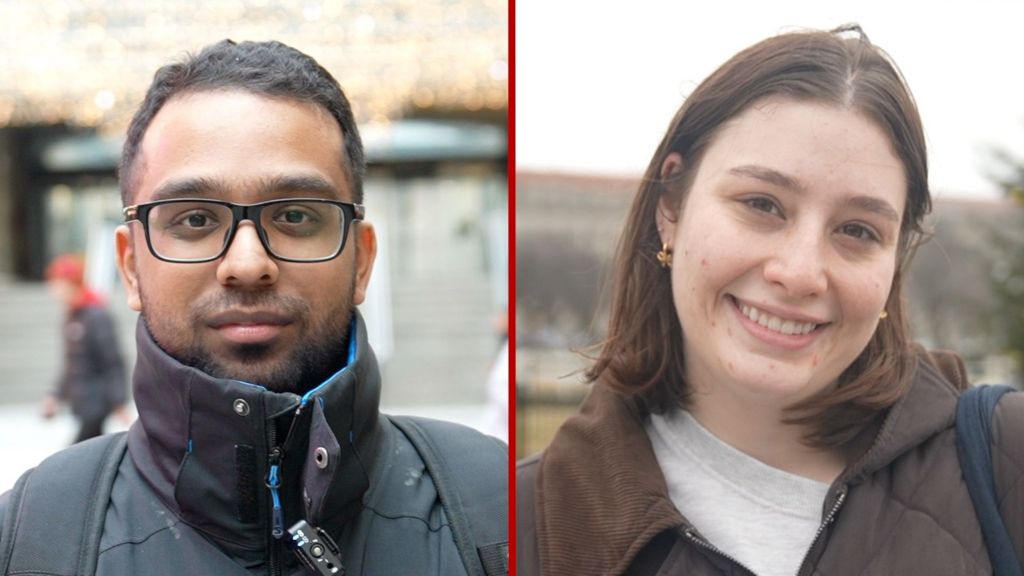
    A recent BBC street interview project in Toronto and Washington D.C. has revealed significant public skepticism regarding the potential implementation of an Australian-style social media ban for users under 16 in North America. The interviews captured diverse perspectives from Canadian and American citizens who expressed reservations about the practicality and effectiveness of such age-restrictive measures in their countries.

    The Australian proposal, which has sparked international debate, seeks to prohibit children under 16 from accessing social media platforms through stringent age verification requirements. However, North American respondents highlighted numerous implementation challenges, including technological bypass methods, privacy concerns surrounding age verification processes, and the practical difficulties of enforcement across diverse digital platforms.

    Many interviewees emphasized alternative approaches to youth digital safety, suggesting that comprehensive digital literacy education, parental guidance programs, and platform-level safety features might prove more effective than outright bans. The general consensus indicated that while protecting children from online harms remains a priority, restrictive age-based bans might create more problems than solutions in the North American context.

    The research reveals a growing transatlantic dialogue about children’s digital rights and safety, with different regions exploring varied regulatory approaches to address the complex challenges of underage social media use in an increasingly connected world.

  • Renji Hospital celebrates two decades of international medical excellence

    Renji Hospital celebrates two decades of international medical excellence

    Shanghai Renji Hospital commemorated two decades of providing world-class international medical services during a special ceremony on December 11, 2025, highlighting its pioneering achievements in pediatric liver transplantation that have transformed lives across borders.

    The celebration featured emotional reunions with former international patients, including a Malaysian woman who received a life-saving liver transplant at the hospital in 2014 when she was just three years old. The patient had been suffering from critical liver cirrhosis caused by biliary atresia, a condition that had exhausted all treatment options in her home country before her family sought help at the Shanghai institution.

    Under the leadership of Dr. Xia Qiang, President of Renji Hospital and esteemed academician of the Chinese Academy of Engineering, the medical team performed a successful living-donor liver transplant that saved the young girl’s life. This breakthrough case marked the beginning of what would become an extensive international pediatric transplant program.

    Over the past two decades, Renji Hospital’s specialized pediatric liver transplant team has treated more than 60 children from multiple countries including Malaysia, the Philippines, and Mongolia. Beyond direct patient care, the hospital has established knowledge transfer partnerships, particularly with Malaysian medical institutions, where Chinese specialists have shared surgical expertise and helped establish local capabilities for performing pediatric living-donor liver transplants.

    The anniversary event not only celebrated past achievements but also launched new initiatives to expand the hospital’s global healthcare mission, reinforcing Shanghai’s growing reputation as a destination for advanced medical treatment and international medical collaboration.