作者: admin

  • Netherlands police face ‘unprecedented’ New Year’s  violence

    Netherlands police face ‘unprecedented’ New Year’s violence

    Amsterdam’s historic Vondelkerk church became the centerpiece of a destructive New Year’s Eve as a massive fire tore through the 19th-century neo-Gothic structure during early morning celebrations. The iconic basilica, designed by renowned architect Pierre Cuypers—whose works include the Rijksmuseum—suffered severe damage with its 50-meter tower collapsing entirely, though authorities indicate the main structure remains intact.

    The church fire coincided with what Dutch police described as ‘unprecedented violence’ nationwide. Police Union head Nine Kooiman reported being directly targeted with fireworks and explosives during her Amsterdam shift. The violence extended beyond the capital with petrol bombs thrown at officers in Breda and street clashes occurring in The Hague’s Transvaal district.

    Tragedy struck elsewhere in the Netherlands as fireworks incidents claimed two lives in Rotterdam—a 17-year-old boy and 38-year-old man. The city’s eye hospital treated 14 patients, including 10 minors, for fireworks-related eye injuries, with two requiring surgical intervention.

    The incidents occurred despite record fireworks spending of €129 million nationally. A ban on unofficial fireworks is scheduled for implementation in 2026, though this year’s celebrations have amplified debates about public safety during holiday festivities.

    Germany faced similar tragedies with two 18-year-olds killed in Bielefeld while detonating homemade fireworks, highlighting the transnational nature of New Year’s safety concerns.
  • Several dozen feared dead in Swiss ski resort bar fire

    Several dozen feared dead in Swiss ski resort bar fire

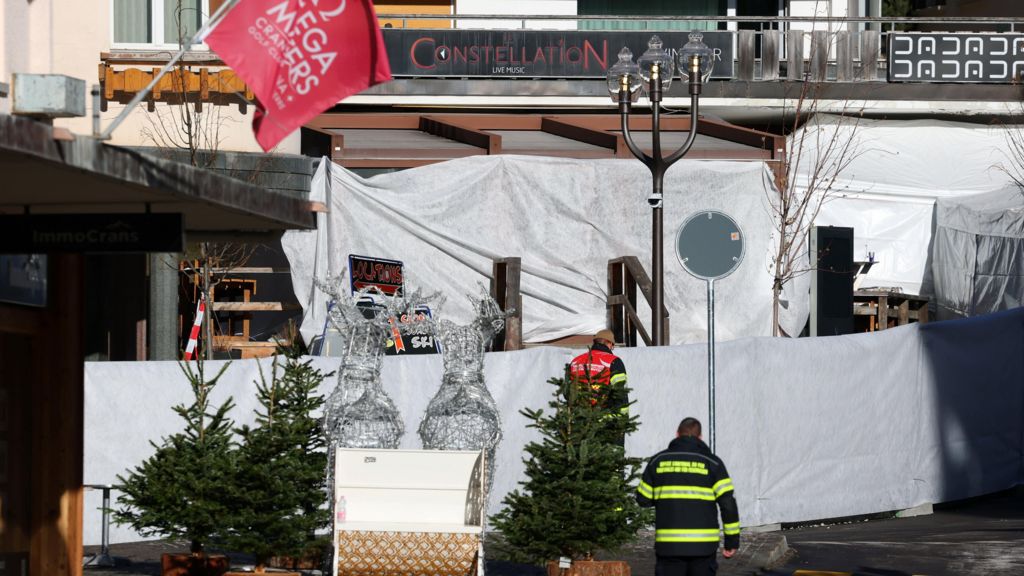
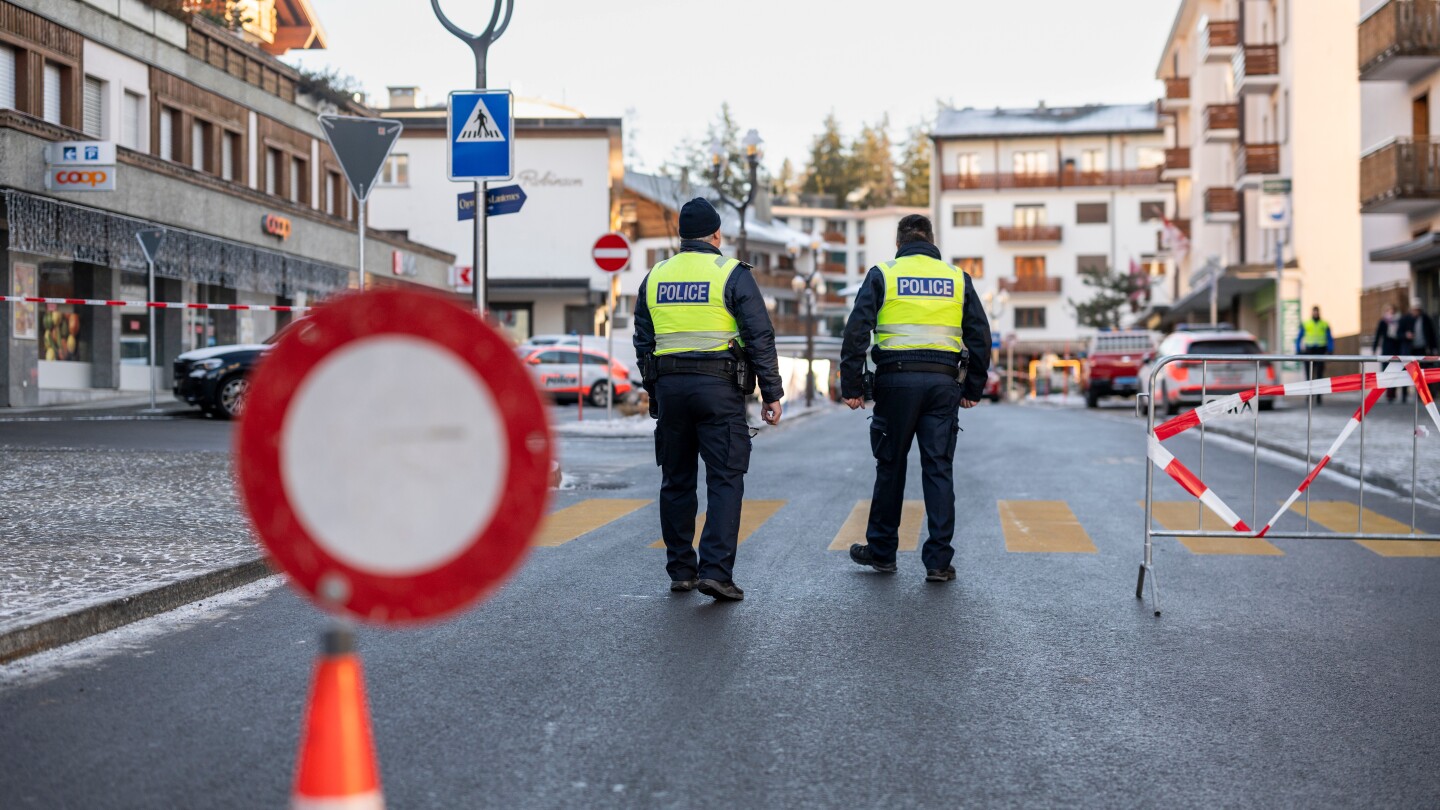
    A catastrophic fire engulfed a popular bar in the Swiss Alps resort of Crans-Montana during New Year’s celebrations, resulting in what authorities describe as a ‘dramatic situation’ with multiple fatalities and injuries. The blaze erupted approximately at 01:30 local time (00:30 GMT) within Le Constellation bar, a decades-old establishment frequented by international tourists.

    Emergency response teams deployed ten helicopters, forty ambulances, and 150 personnel to the Valais region scene. Regional council leader Mathias Reynard confirmed that most of the approximately 100 injured suffered severe burns, overwhelming the local hospital’s intensive care capacity. Officials have initiated ‘significant work’ to identify victims and repatriate remains to families across multiple nationalities, though precise numbers and nationalities remain unconfirmed.

    While initial reports referenced an explosion, investigators have categorically excluded terrorist involvement. Valais canton prosecutor general Beatrice Pilloud emphasized the ongoing investigation focuses on determining the fire’s origin, noting that current evidence suggests a fire-triggered explosion rather than an explosive device. Unconfirmed local media reports suggest pyrotechnics might have contributed to the incident.

    The Italian foreign ministry preliminarily indicated approximately 40 fatalities, though Swiss authorities maintain the ‘several dozen’ estimate without providing specific numbers. The resort district remains closed for forensic investigation, with identification procedures expected to continue for weeks according to diplomatic officials.

    International consular services, including the UK Foreign Office, have expressed condolences and offered support to affected nationals. A dedicated helpline has been established for concerned families: +41 848 112 117.

  • Pope opens 2026 with plea for peace in countries bloodied by war, families wounded by violence

    Pope opens 2026 with plea for peace in countries bloodied by war, families wounded by violence

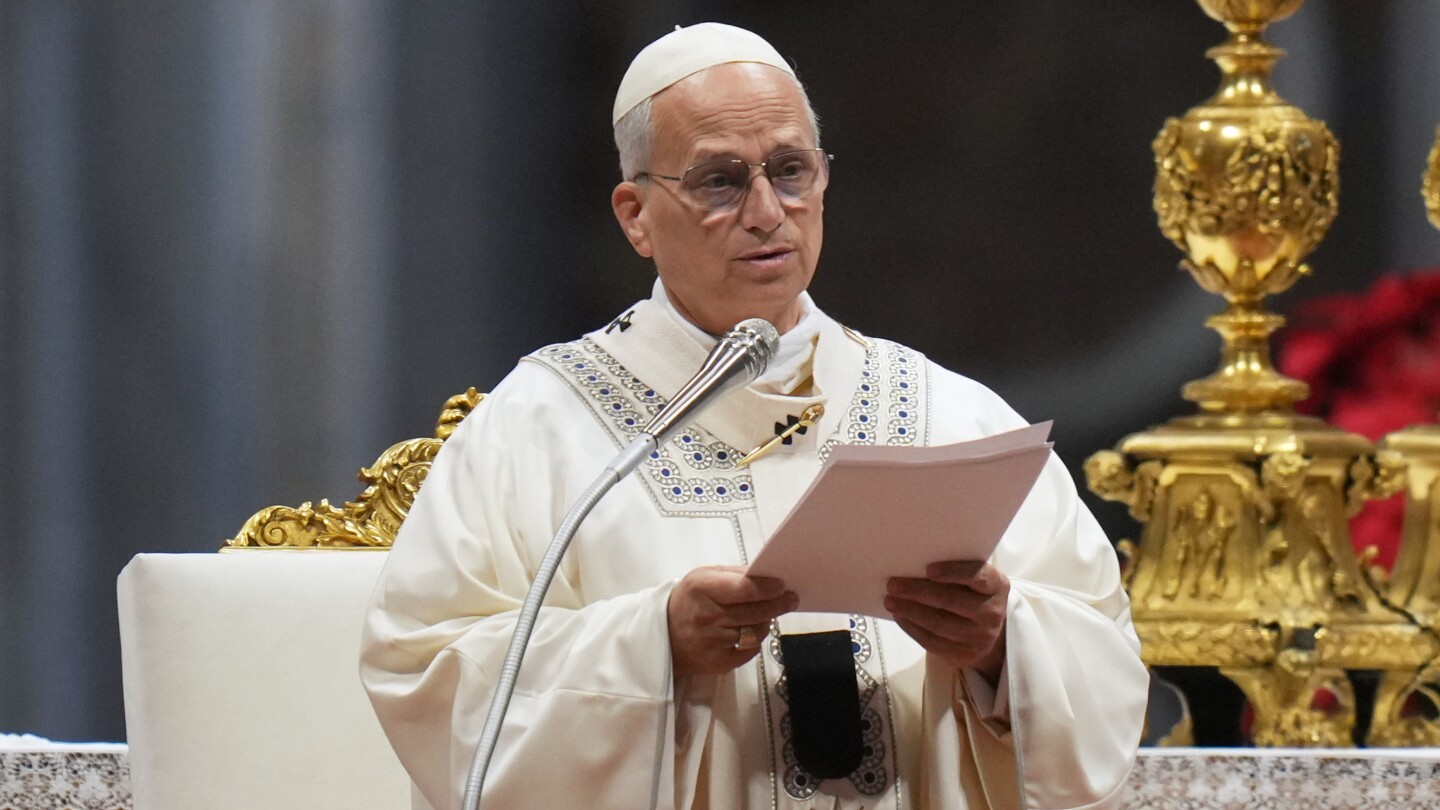
    VATICAN CITY — Commencing the new year with a profound spiritual message, Pope Leo XIV issued a powerful call for global peace during his January 1st address from the Apostolic Palace. Speaking to a packed St. Peter’s Square filled with pilgrims and tourists, the Pontiff specifically referenced nations “bloodied by conflict” and families suffering from domestic violence in his annual peace proclamation.

    The Pope’s address coincided with the Catholic Church’s World Day of Peace observance, marking the first major event of 2026. Following a traditional New Year’s Day Mass in St. Peter’s Basilica, Leo XIV delivered his noon prayer from his studio overlooking the square, using the platform to emphasize dual dimensions of peace—both international and domestic.

    After a brief period of rest following the intensive Christmas season, the Pontiff will resume his duties with the Epiphany celebration on January 6th. This event will also serve as the official conclusion to the 2025 Holy Year, the quarter-century tradition that attracted millions of religious travelers to Rome throughout the past year.

    In a significant administrative development, Pope Leo XIV will convene a comprehensive two-day gathering of the College of Cardinals immediately following the Holy Year closure. This assembly will include both cardinal-electors and those over age 80, representing a revival of the traditional consultative practice largely discontinued during Pope Francis’ papacy. The summit aims to collectively address governance strategies for the worldwide Catholic community of 1.4 billion faithful.

  • Gold prices in Dubai: Residents, investors get richer by Dh200 per gram in 2025

    Gold prices in Dubai: Residents, investors get richer by Dh200 per gram in 2025

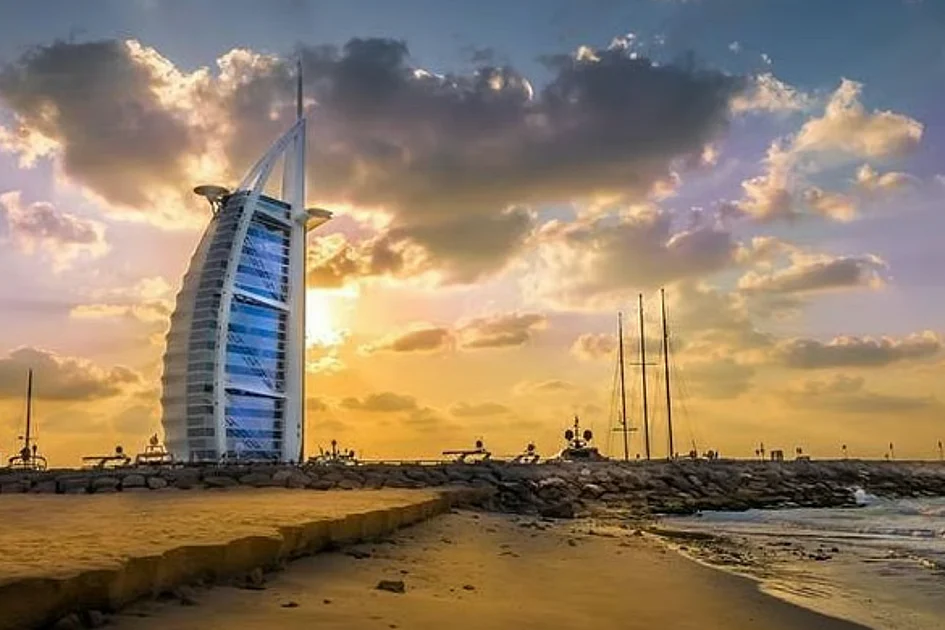
    Dubai’s gold market experienced an extraordinary bull run throughout 2025, delivering substantial wealth gains for residents and investors who entered the market at the year’s commencement. The precious metal’s remarkable performance has established 2025 as a landmark period for commodity investments in the United Arab Emirates.

    Market data reveals that 24-karat gold, the purest form available to consumers, opened the trading year at Dh318 per gram on January 1, 2025, and concluded at Dh520 per gram on December 31, 2025. This represents a staggering increase of Dh202 per gram, translating to a 63.5 percent annual appreciation—one of the most significant yearly gains in recent history.

    The price surge extended across all gold variants traded in the Dubai market. 22-karat gold demonstrated parallel growth, climbing from Dh294.5 to Dh481.5 per gram, while 21-karat gold advanced from Dh285 to Dh461.75 per gram. Even the newly introduced 14-karat variant, launched in late November, recorded a 2.3 percent increase to Dh308.75 per gram despite its limited trading period.

    Financial experts attribute this unprecedented rally to multiple converging factors. Aggressive central bank acquisitions of gold reserves, substantial interest rate reductions by the U.S. Federal Reserve, and escalating geopolitical tensions across the Middle East and other global regions created perfect conditions for gold’s ascent.

    Vijay Valecha, Chief Investment Officer at Century Financial, characterized 2025 as “a landmark period for precious metals,” noting that gold and silver significantly outperformed broader financial markets. The metal demonstrated remarkable consistency throughout the year, posting gains in eleven of twelve months. September emerged as the strongest month with an 11.94 percent surge, followed by substantial advances in January (6.60 percent) and March (9.31 percent). July represented the only negative month with a marginal 0.40 percent decline.

    The investment community responded enthusiastically to gold’s performance, with gold-backed exchange-traded funds (ETFs) recording net inflows of 15.6 million ounces. This substantial institutional and retail investor participation, combined with sustained central bank purchasing, created sustained upward momentum throughout the trading year.

  • UAE weather: Rough seas, fair to partly cloudy skies; fog expected in some areas

    UAE weather: Rough seas, fair to partly cloudy skies; fog expected in some areas

    The United Arab Emirates ushered in the new year under predominantly fair to partly cloudy skies, though meteorological authorities cautioned residents about specific weather phenomena affecting various regions. According to the National Centre of Meteorology (NCM), the nation experienced humid nighttime conditions alongside noticeable maritime disturbances in coastal territories.

    Meteorological officials issued warnings regarding rough sea conditions persisting through New Year’s Eve and into the morning of January 1st, 2026. Fresh northwesterly winds reached velocities of up to 40 kilometers per hour, creating significant wave heights approaching six feet in the Arabian Gulf. The maritime advisory remained effective until 8:00 AM on New Year’s Day, particularly affecting maritime activities and coastal navigation.

    Temperature recordings presented substantial variations across the emirates. Nationwide readings spanned from 11°C to 25°C, with Abu Dhabi recording minimum temperatures of 17°C while Dubai documented slightly warmer overnight lows of 18°C. Maximum temperatures reached 23°C in the capital city, with both Sharjah and Dubai experiencing highs of 24°C.

    The most striking temperature measurement emerged from Ras Al Khaimah’s elevated terrain, where Jebel Jais recorded the nation’s lowest temperature at 3.5°C on December 31st, 2025. This significant temperature drop highlights the considerable climatic diversity within the UAE’s geographical landscape.

    Looking forward, meteorological projections indicate rising humidity levels across coastal and internal regions during Friday morning hours. These conditions create favorable circumstances for fog or mist formation, potentially affecting visibility and transportation networks. Authorities continue monitoring these developments and advise residents to remain updated through official channels.

  • Russia says Ukrainian drone strike kills 24 in occupied Ukraine as tensions grow amid peace talks

    Russia says Ukrainian drone strike kills 24 in occupied Ukraine as tensions grow amid peace talks

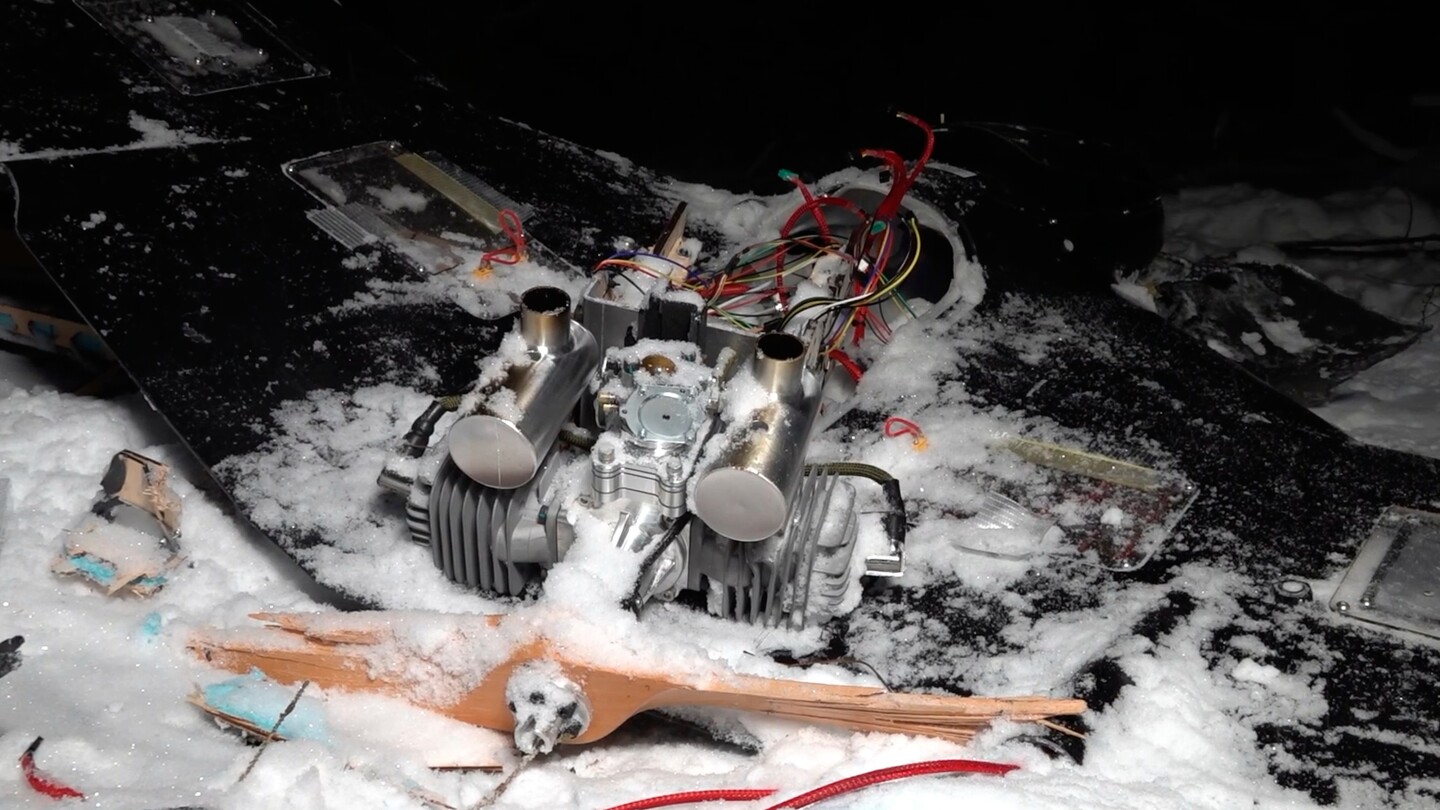
    A deadly drone attack struck a Russian-occupied village in Ukraine’s Kherson region during New Year celebrations, resulting in 24 fatalities and over 50 injuries according to Moscow-installed officials. The assault targeted a cafe and hotel in the coastal town of Khorly, with one drone reportedly carrying incendiary materials that ignited a significant blaze.

    Russian-appointed administrator Vladimir Saldo detailed the incident via Telegram, though Ukrainian authorities have not immediately acknowledged the strike. The Associated Press could not independently verify the attack claims.

    The incident has drawn strong condemnation from Russian officials, with Federation Council Chair Valentina Matviyenko asserting the attack reinforces Moscow’s determination to achieve its military objectives in Ukraine. This development occurs alongside Moscow’s allegations that Ukraine targeted one of President Vladimir Putin’s official residences earlier this week—a claim Kyiv has dismissed as fabricated.

    Amid escalating violence, diplomatic efforts continue to advance. Ukrainian President Volodymyr Zelenskyy revealed in his New Year’s address that a peace agreement is approximately 90% complete, though critical territorial disputes remain unresolved. International mediators, including Trump envoy Steve Witkoff, report productive discussions with European and Ukrainian counterparts regarding security guarantees and conflict resolution mechanisms.

    Meanwhile, Russia launched extensive drone attacks against Ukraine’s Odesa region, targeting civilian infrastructure in multiple waves. Ukrainian air defenses reportedly intercepted 176 of 205 drones, with damage to residential buildings but no casualties reported. The ongoing exchanges highlight the intensifying nature of the conflict despite ongoing peace negotiations.

  • What we know about the Switzerland ski resort fire

    What we know about the Switzerland ski resort fire

    A catastrophic fire has engulfed a popular alpine nightclub in Switzerland’s Crans-Montana ski resort during New Year’s celebrations, resulting in one of Europe’s deadliest nightlife disasters in recent history. The blaze erupted at approximately 01:30 local time (00:30 GMT) on January 1, 2026, at Le Constellation bar, a well-established venue known for attracting both locals and international tourists.

    Swiss authorities have confirmed a devastating human toll, with preliminary estimates indicating approximately forty fatalities and over one hundred individuals sustaining injuries, predominantly severe burns. The scale of the emergency required an unprecedented response, including the deployment of ten medical helicopters, forty ambulances, and 150 emergency personnel to the scene. Medical facilities in the Valais region reported their intensive care units at full capacity as they struggled to treat the influx of critically injured patients.

    Chief Prosecutor Beatrice Pilloud has categorically ruled out criminal intent, stating the incident is being treated as a tragic accident with “no question of any attack.” Initial police reports mentioning a possible explosion have been revised, with investigators now focusing on accidental causes, including speculation about pyrotechnics potentially triggering the blaze. The exact ignition source remains undetermined as forensic experts continue their examination.

    The international dimension of the tragedy emerged as authorities confirmed victims hailed from multiple nationalities, reflecting Crans-Montana’s status as a premium winter destination during the peak holiday season. The UK Embassy and Italian Foreign Ministry both acknowledged the incident, with Rome officially citing Swiss police casualty figures. A dedicated helpline (+41 848 112 117) has been established for concerned families seeking information about loved ones.

    Le Constellation, described as a spacious but unpretentious establishment capable of accommodating up to 300 patrons, featured a dual-level layout with a football viewing area upstairs and a large dance floor and bar downstairs. The timing proved particularly tragic as the venue would typically be filled to capacity with revelers celebrating the new year, though the exact attendance at the time of the incident remains unknown.

    Regional Police Commander Frédéric Gisler detailed the emergency response, noting that the first responders arrived rapidly after smoke was detected emanating from the building. The operation has now transitioned to the complex process of victim identification and family notification, with Swiss authorities pledging to return remains to families as swiftly as possible.

  • Cash machines in Bulgaria issue euros for the first time after joining the currency union

    Cash machines in Bulgaria issue euros for the first time after joining the currency union

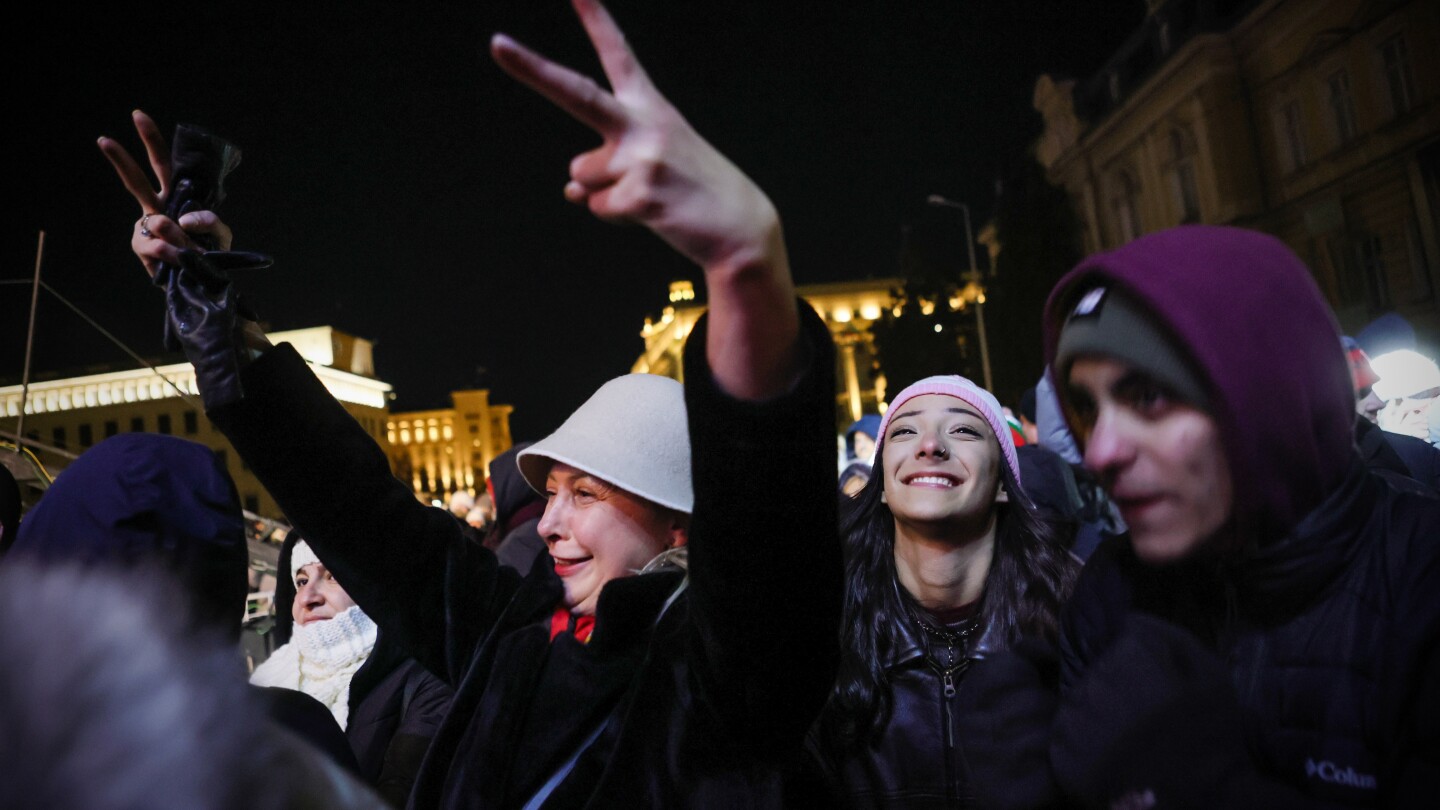
    SOFIA, Bulgaria — Bulgaria marked a significant economic milestone Thursday as it formally adopted the euro, becoming the 21st member of the European single-currency union. For the first time, Bulgarian citizens withdrew euro banknotes from ATMs across the capital city, initiating the transition from their national currency, the lev.

    While the lev will remain in circulation for cash transactions throughout January, all change will be exclusively provided in euros. This monetary integration represents the latest step in Bulgaria’s economic evolution since joining the European Union in 2007 as one of its most economically challenged members. The transition underscores the nation’s continued integration into European structures following its shift from a Soviet-style command economy to market democracy after 1989.

    The historic currency adoption occurs against a backdrop of political instability. The conservative-led government resigned earlier this month following widespread anti-corruption protests, leaving the country without an approved budget for the upcoming year. This political vacuum has hampered critical reforms and delayed access to EU support funds.

    Public sentiment remains mixed, with many citizens expressing concerns about potential price increases and economic uncertainty. Nationalist and pro-Russian factions have amplified these fears, suggesting the euro adoption could erode national identity and exacerbate poverty. Despite these challenges, Bulgaria successfully reduced inflation to 2.7% this year to meet EU convergence criteria, following Croatia’s similar transition in 2023.

  • A look at some of the worst fires in bars, nightclubs and music venues

    A look at some of the worst fires in bars, nightclubs and music venues

    A devastating fire erupted at a bar in the Swiss ski resort of Crans-Montana during New Year’s celebrations, resulting in dozens of presumed fatalities and approximately 100 injuries according to official reports. The tragedy has drawn attention to a global pattern of similar nightlife venue disasters spanning decades.

    The incident echoes multiple historical catastrophes including the 2025 Pulse club fire in North Macedonia that killed 63 revelers due to pyrotechnic flames, and Istanbul’s 2024 Masquerade nightclub blaze that claimed 29 lives during renovations. Other notable tragedies include Spain’s 2023 Murcia nightclub complex fire (13 deaths), Indonesia’s 2022 Sorong nightclub incident (19 deaths), and Cameroon’s Liv’s Nightclub explosion (17 fatalities).

    Historical precedents reveal disturbing similarities in safety failures. The 2016 Oakland Ghost Ship warehouse fire killed 36 people trapped in illegally constructed spaces, while Romania’s 2015 Colectiv nightclub pyrotechnics disaster caused 64 deaths. Brazil’s 2013 Kiss nightclub tragedy claimed over 200 lives due to toxic fumes from burning soundproofing foam.

    Further examination shows recurring patterns: Russia’s 2009 Lame Horse fire (152 deaths) from indoor fireworks, Thailand’s 2009 Santika club blaze (67 deaths) post-countdown celebrations, and China’s 2008 King of Dancers incident (44 deaths) combining fireworks and stampedes. Argentina’s 2004 Cromagnon Republic fire (194 deaths) involved flammable ceiling foam ignition, mirroring the 2003 Station nightclub disaster in Rhode Island (100 deaths) where band fireworks ignited toxic foam.

    The chronology extends to earlier decades including the 1942 Cocoanut Grove fire in Boston (492 deaths) that revolutionized US fire safety codes, and Mississippi’s 1940 Rhythm Night Club tragedy (209 deaths) where boarded windows prevented escape. This historical context underscores persistent safety challenges in entertainment venues worldwide despite technological advancements and regulatory improvements.

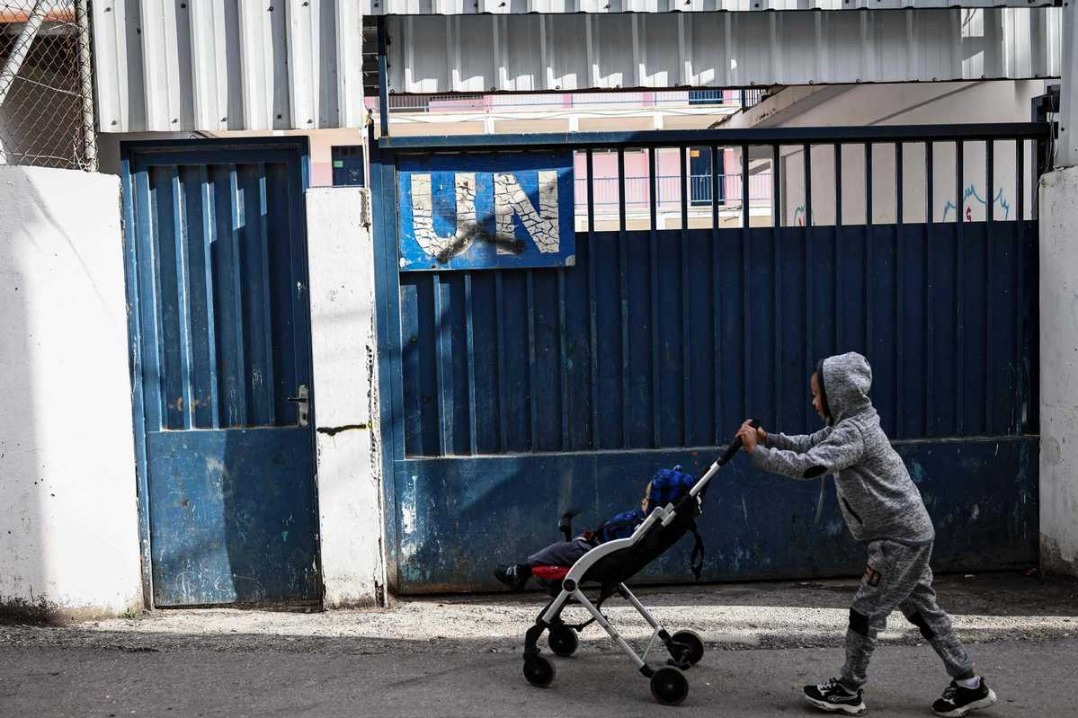
  • UN faces turbulent year amid conflicts and calls for reform

    UN faces turbulent year amid conflicts and calls for reform

    The United Nations headquarters in New York witnessed a year of profound turbulence as the organization grappled with escalating global conflicts, deepening humanitarian emergencies, and intensifying geopolitical fractures. The multilateral system faced unprecedented strain throughout 2025, testing the institution’s capacity to maintain international peace and security.

    The Palestinian situation emerged as a dominant concern, culminating in the 80th UN General Assembly’s adoption of the ‘New York Declaration’ on September 12. This resolution, crafted through Franco-Saudi collaboration and supported by 142 nations, demanded an immediate ceasefire, prisoner releases, and the establishment of a sovereign Palestinian state. This diplomatic achievement coincided with a wave of recognitions, with the UK, Canada, Australia, and numerous other states formally acknowledging Palestinian statehood. By late September, an overwhelming 157 of 193 member states had extended recognition.

    November marked a significant breakthrough when the Security Council finally endorsed a US-proposed Gaza ceasefire plan after two years of deadlock. The resolution authorized an International Stabilization Force to support reconstruction efforts, representing a notable shift from previous American vetoes that had blocked similar measures. China’s UN ambassador Fu Cong emphasized the urgency, stating: ‘Gaza already faces famine with rapidly spreading disease. As a permanent member, the US must support the council’s duties rather than undermine UN authority.’

    The organization simultaneously confronted internal challenges, including a deepening liquidity crisis exacerbated by reduced contributions from the United States and other Western donors. President Donald Trump’s extended General Assembly speech criticized the UN’s operational framework, accusing the organization of funding migratory assaults on Western nations.

    Structural reform gained momentum with the December launch of the Group of Friends of Global Governance, comprising 43 founding members. China championed reforms that would enhance developing nations’ representation and reflect contemporary geopolitical realities. Ambassador Fu articulated this vision: ‘We must uphold the UN Charter’s principles, advance international relations democratization, and strengthen developing countries’ voice in global affairs.’

    The reform debate intensified when China opposed Japan’s Security Council aspirations, with Fu declaring Japan ‘totally unqualified’ following Prime Minister Takaichi’s comments regarding a potential ‘Taiwan contingency.’ China subsequently submitted formal objections to the Secretary-General reaffirming Taiwan as China’s internal affair.

    As the year concluded amidst ongoing conflicts, Secretary-General António Guterres delivered a poignant New Year’s message urging global leaders to ‘choose people and planet over pain,’ acknowledging that ‘chaos and uncertainty surround us’ as the world stands at a critical crossroads.