作者: admin

  • Venezuela says oil exports continue normally despite Trump ‘blockade’

    Venezuela says oil exports continue normally despite Trump ‘blockade’

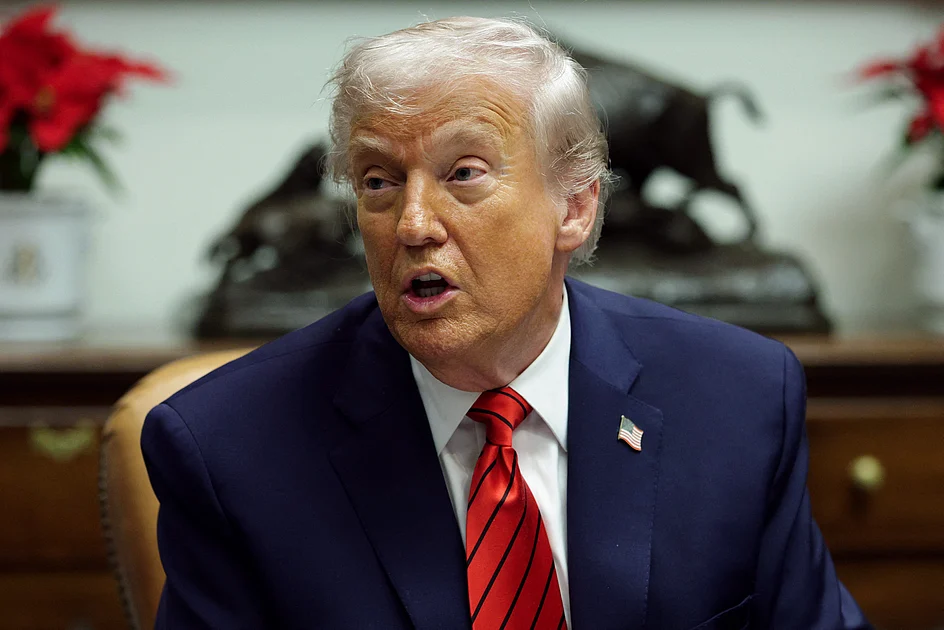
    Venezuela has issued a firm response to President Donald Trump’s announcement of a comprehensive naval blockade, asserting that its crucial oil export operations remain unaffected. The state-owned petroleum company PDVSA released an official statement confirming that “export operations for crude and byproducts continue normally” and that tankers associated with its operations maintain regular sailing schedules.

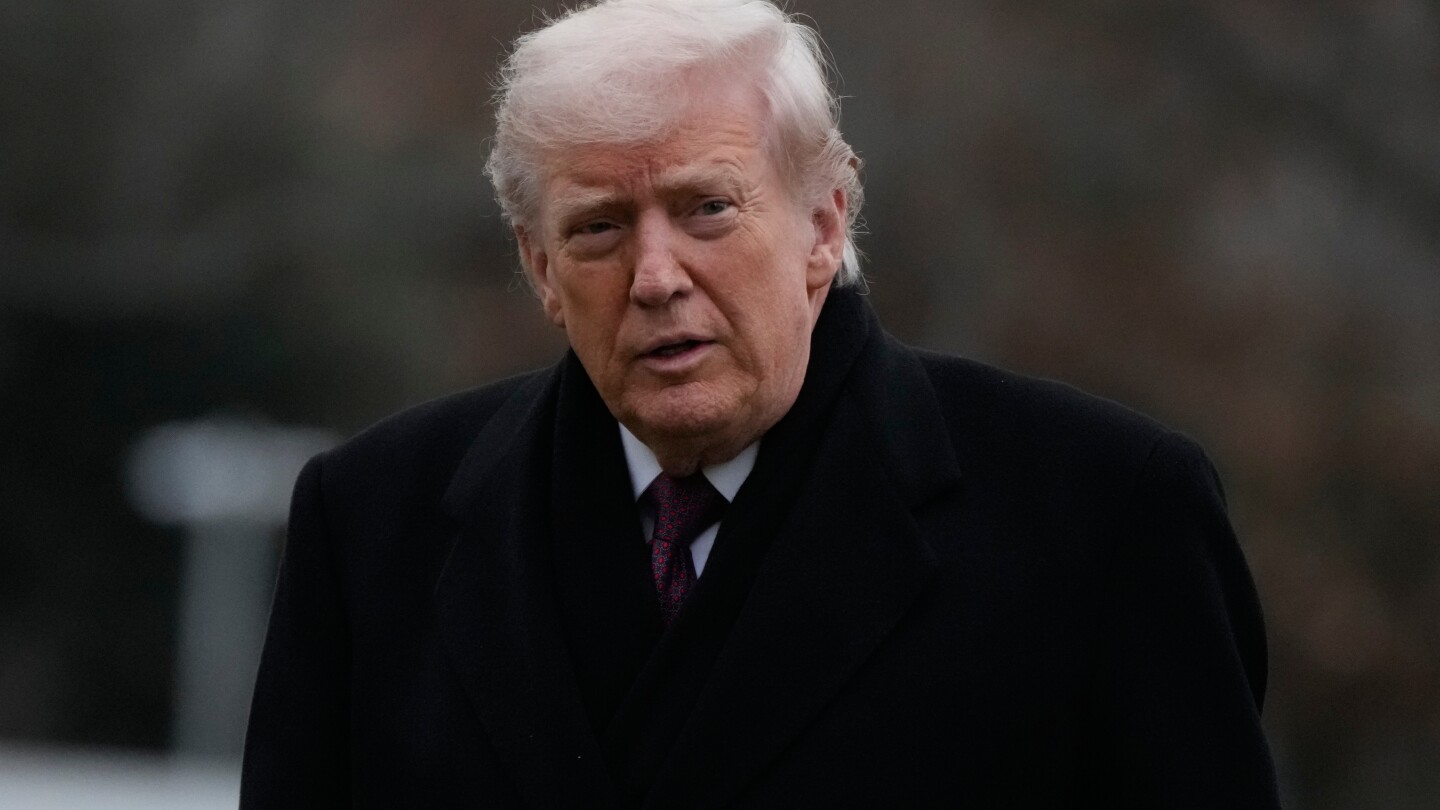
    The declaration comes directly following President Trump’s Tuesday proclamation instituting what he described as “a total and complete blockade of all sanctioned oil tankers going into and out of Venezuela.” The US President emphasized the substantial military presence deployed to the Caribbean region, notably referencing the world’s largest aircraft carrier, and stated that “Venezuela is completely surrounded by the largest Armada ever assembled in the History of South America.”

    Despite these aggressive maneuvers, Venezuela’s military establishment, which continues to support President Nicolas Maduro’s government, declared it remains “not intimidated” by the show of force. PDVSA further emphasized that historical attempts to disrupt their operations have consistently failed to diminish either their operational capabilities or the determination of their workforce.

    The ongoing confrontation highlights the critical importance of petroleum exports to Venezuela’s struggling economy, which has faced severe challenges under previous sanctions and international pressure. The current standoff represents a significant escalation in the geopolitical tension between the two nations, with potential implications for global energy markets and regional stability in South America.

  • Indian scientists predict how bird flu could spread to humans

    Indian scientists predict how bird flu could spread to humans

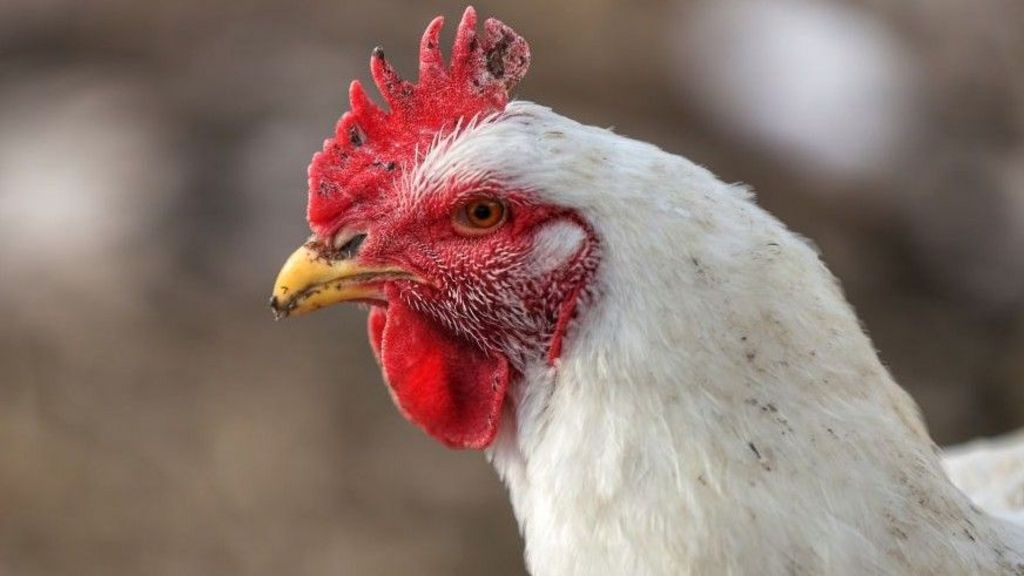
    A groundbreaking simulation study from Indian researchers reveals the critical timing required to contain a potential H5N1 avian influenza pandemic before it spirals out of control. The peer-reviewed modeling, published in BMC Public Health Journal, utilizes real-world data and computer simulations to map how an outbreak might unfold in human populations.

    Professor Gautam Menon of Ashoka University, who co-authored the research with Philip Cherian, emphasizes that while ‘the threat of an H5N1 pandemic in humans is a genuine one, we can hope to forestall it through better surveillance and a more nimble public-health response.’

    The study employed BharatSim, an open-source simulation platform originally developed for COVID-19 modeling, to create a synthetic community replicating a typical village in India’s poultry-intensive Namakkal district. This computer-generated population of 9,667 residents included realistic household structures, workplaces, and market spaces where infected birds were introduced to simulate real-world exposure scenarios.

    The research demonstrates that pandemic containment depends overwhelmingly on timing. According to the model, isolating infected individuals and quarantining households can effectively stop transmission at the secondary stage. However, once tertiary infections emerge (contacts of contacts), the outbreak becomes virtually uncontrollable without implementing drastic measures such as lockdowns.

    The findings present public health authorities with a challenging trade-off: implementing quarantine too early may increase household transmission among confined family members, while acting too late renders containment measures largely ineffective.

    While targeted vaccination raises the threshold at which the virus can sustain itself, it provides limited protection against immediate household transmission. Bird culling remains effective only when implemented before the virus jumps to human populations.

    Virologist Dr. Seema Lakdawala of Emory University notes important caveats, pointing out that the model ‘assumes a very efficient transmission of influenza viruses,’ while actual transmission dynamics are more complex and strain-dependent. Emerging research indicates that only a subset of infected individuals typically shed infectious influenza virus into the air—a super-spreader phenomenon well-documented in COVID-19 but less characterized for influenza.

    Despite these complexities, health authorities have advantages compared to previous pandemics. Dr. Lakdawala suggests that established influenza defenses—including licensed antivirals effective against H5N1 strains and stockpiled candidate vaccines—could potentially make an H5N1 pandemic more comparable to the 2009 swine flu outbreak than COVID-19 in terms of disruption.

    The World Health Organization has documented 990 human H5N1 cases across 25 countries from 2003 to August 2025, with a concerning 48% fatality rate. In the United States alone, the virus has impacted over 180 million birds, spread to more than 1,000 dairy herds across 18 states, and infected at least 70 people, primarily farmworkers, resulting in several hospitalizations and one fatality.

  • Thiago Silva and Fluminense terminate contract, defender eyes move to Europe

    Thiago Silva and Fluminense terminate contract, defender eyes move to Europe

    In a significant development for international football, seasoned defender Thiago Silva has prematurely terminated his contract with Brazilian club Fluminense, sparking speculation about a potential return to European competition. The Rio de Janeiro-based team officially confirmed the mutual separation on Wednesday, cutting short the 41-year-old’s tenure by six months.

    The accomplished center-back, whose distinguished career includes celebrated spells with European powerhouses AC Milan, Paris Saint-Germain, and Chelsea, originally rejoined his former club in May of last year. Fluminense’s official communiqué praised Silva’s contribution, highlighting his ‘legacy of dedication and profound affection’ for the institution where he previously played between 2006 and 2008.

    This unexpected departure follows intriguing comments from Chelsea legend John Terry, who publicly expressed his desire to see Silva return to Stamford Bridge. In a TikTok video broadcast earlier this week, Terry emphasized the defender’s strong London connections, noting that Silva’s two children are currently enrolled in Chelsea’s youth academy and suggesting the family would likely spend Christmas in the English capital.

    The timing of this move appears strategically motivated by Silva’s aspirations to represent Brazil in the upcoming World Cup. Despite his age, the defender remained instrumental for Fluminense throughout the season, helping the team reach the Club World Cup semifinals in July and maintaining his starting position for most of their campaign.

    With an impressive international pedigree that includes participation in four consecutive World Cups and victories in both the 2013 Confederations Cup and 2019 Copa América, Silva’s potential return to European football could significantly impact both club dynamics and Brazil’s defensive preparations for global competition.

  • Trump demands Venezuela pay for seized US oil assets after calling for ‘blockade’

    Trump demands Venezuela pay for seized US oil assets after calling for ‘blockade’

    WASHINGTON — President Donald Trump intensified pressure on Venezuela’s socialist government Wednesday by demanding the return of U.S. oil assets nationalized under previous administrations, framing his newly announced naval blockade as justified response to what he termed “illegal seizure” of American energy investments.

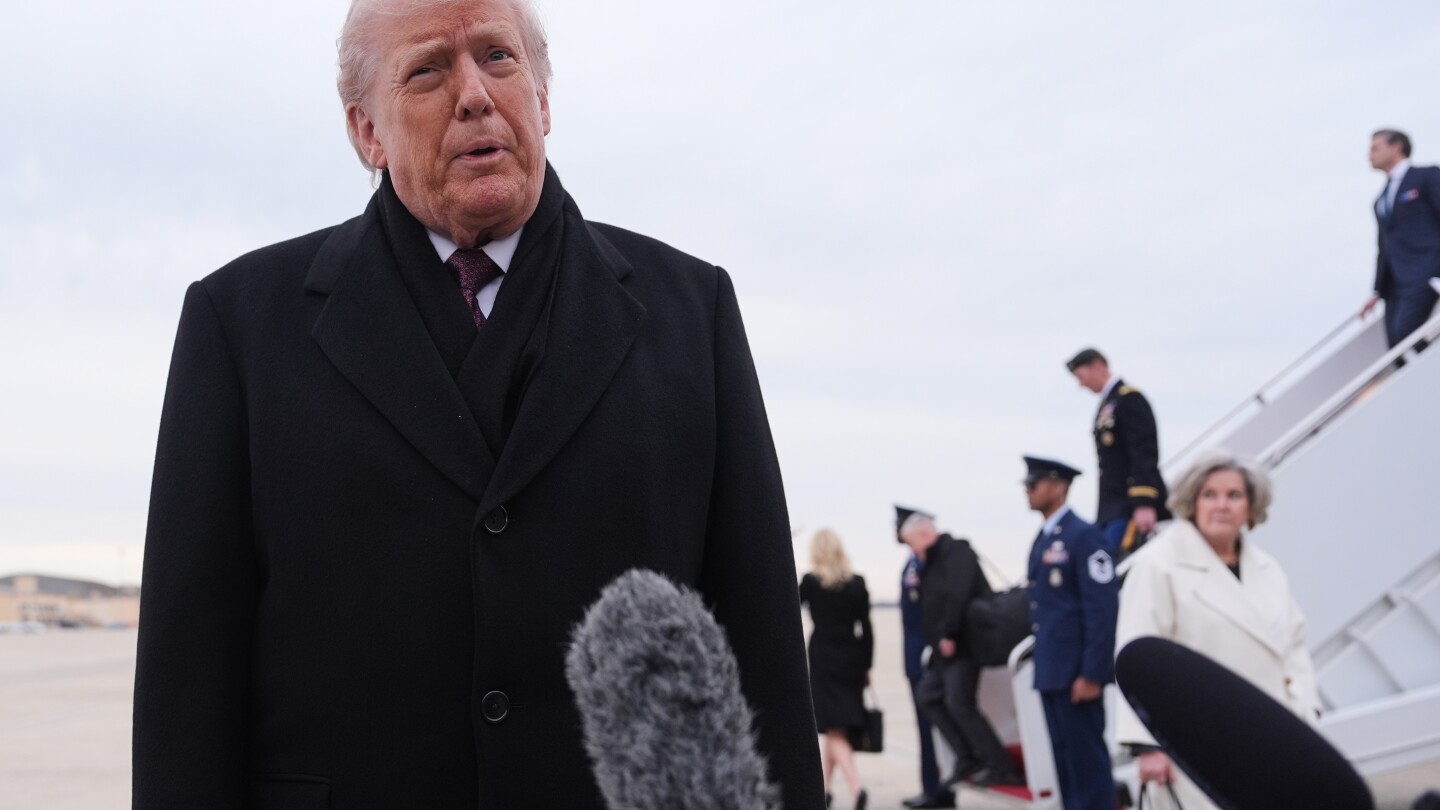
    The President explicitly connected Venezuela’s past appropriation of oil facilities to his current sanctions enforcement strategy, stating tankers violating U.S. restrictions would be intercepted. “They took all of our energy rights. They illegally took it,” Trump told reporters, referencing nationalization efforts that began in the 1970s and expanded under Hugo Chávez and Nicolás Maduro. “We want it back.”

    This economic confrontation unfolds alongside narcotics allegations, with Trump asserting Venezuelan oil revenues fund drug trafficking operations targeting the United States. The administration’s multifaceted pressure campaign has recently included:
    – Military seizures of sanctioned oil tankers near Venezuela’s coast
    – Coordinated strikes against suspected drug trafficking vessels
    – Consideration of potential land-based military options
    – Diplomatic efforts to isolate Maduro’s government internationally

    Stephen Miller, Trump’s deputy chief of staff, amplified the rhetoric by labeling Venezuela’s nationalization program “the largest recorded theft of American wealth and property” in a social media post, claiming expropriated assets subsequently funded terrorism and narcotics proliferation.

    The historical context traces to incomplete compensation for nationalized assets, notably a 2014 international arbitration ruling ordering Venezuela to pay $1.6 billion to ExxonMobil. While Chevron maintains limited operations under U.S. waiver, most American energy interests remain unresolved.

    Venezuela responded through diplomatic channels, with Foreign Minister Yván Gil denouncing tanker seizures as “piracy” in a letter to the U.N. Security Council obtained by The Associated Press. The communication demanded return of “kidnapped crew” and confiscated oil while seeking formal condemnation of U.S. actions.

    Notably, administration officials clarified Trump’s reference to designating Venezuela as a foreign terrorist organization should be treated as rhetorical rather than literal policy, though the Justice Department had previously indicted Maduro on narcoterrorism charges.

    Military analysts observe that interdiction operations and targeted seizures represent lower-risk alternatives to direct military confrontation while maintaining economic pressure on Caracas. The evolving situation continues to test international law boundaries regarding maritime sanctions enforcement and asset recovery claims.

  • Amazon holds talks to invest in OpenAI, source says

    Amazon holds talks to invest in OpenAI, source says

    Amazon.com Inc. is currently engaged in high-stakes negotiations to secure a substantial investment in OpenAI, the pioneering artificial intelligence research laboratory behind ChatGPT. According to sources familiar with the matter, this potential strategic partnership could value OpenAI at an extraordinary $500 billion valuation, signaling a seismic shift in the AI industry’s competitive landscape.

    The discussions, while characterized as “very fluid” by anonymous insiders, potentially involve an investment approaching $10 billion from the e-commerce and cloud computing giant. This development emerges as OpenAI prepares for what could become a landmark initial public offering, with previous Reuters reports suggesting the company might target a staggering $1 trillion valuation.

    This potential Amazon-OpenAI collaboration represents a significant evolution in OpenAI’s corporate structure following its transformative restructuring with Microsoft, which holds a 27% stake in the AI firm. The Microsoft partnership previously established OpenAI as a public benefit corporation controlled by a non-profit entity, effectively removing traditional constraints on capital raising and computing resource acquisition.

    Industry analysts note that the Amazon investment could facilitate OpenAI’s broader access to cutting-edge hardware, particularly Amazon’s proprietary Trainium chips that directly compete with Nvidia and Google’s AI accelerator technologies. Additionally, the negotiations reportedly include discussions about OpenAI providing an enterprise version of ChatGPT to Amazon, though specific details regarding integration with Amazon’s existing AI-powered shopping features remain undisclosed.

    The potential Amazon financing might also catalyze a comprehensive fundraising round involving additional investors, according to industry reports. This development underscores OpenAI’s remarkable transition from its non-profit origins to becoming one of the most valuable and strategically significant technology companies in the AI revolution.

  • Dan Bongino stepping down as FBI deputy director

    Dan Bongino stepping down as FBI deputy director

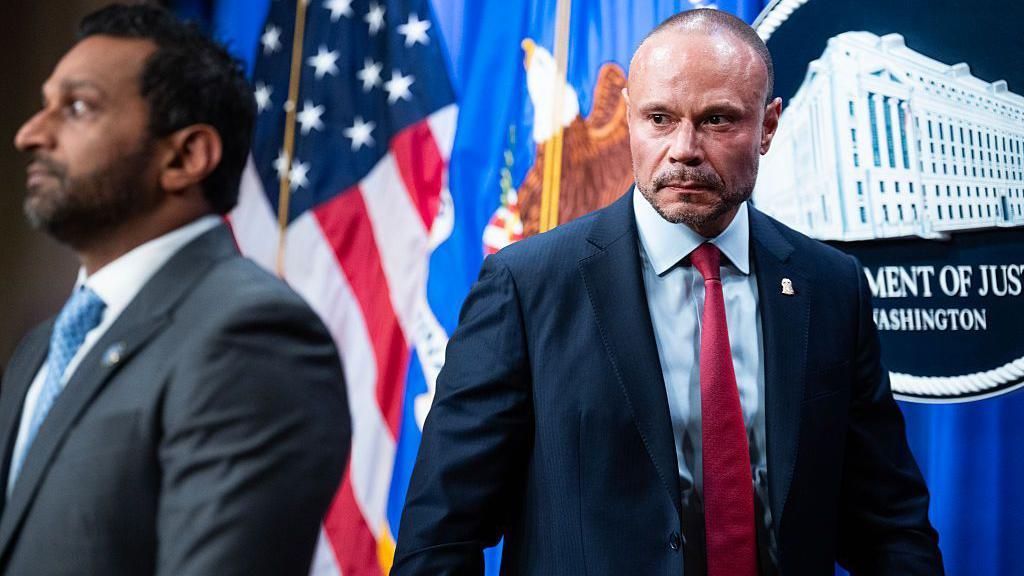
    In a significant development within U.S. law enforcement leadership, Dan Bongino confirmed his departure as Deputy Director of the Federal Bureau of Investigation effective January 2025. The controversial appointee made his announcement via social media platform X on Wednesday, expressing gratitude to former President Donald Trump, Attorney General Pam Bondi, and Director Kash Patel for the opportunity to serve.

    Bongino’s appointment in February 2024 marked a departure from tradition, as he became the first political commentator and podcast host to assume the role typically reserved for career law enforcement professionals. His background includes service as a New York City police officer and U.S. Secret Service agent before transitioning to media, where he cultivated a substantial conservative following through his podcast and regular media appearances.

    The announcement followed public praise from former President Trump, who acknowledged Bongino’s performance while noting his desire to return to broadcasting. Bongino’s tenure was not without controversy, as his appointment faced opposition from the FBI Agents Association, representing approximately 14,000 current and former agents who questioned his qualifications for the high-level position.

    Internal tensions surfaced in July 2024 when CBS News reported a contentious meeting between Bongino and Attorney General Bondi regarding the government’s handling of the Jeffrey Epstein case files. Despite these challenges, Bongino’s departure statement emphasized his appreciation for the opportunity to serve with purpose and extended thanks to the American public for the privilege of service.

    The transition comes at a critical juncture for the FBI, which continues to navigate complex political and operational challenges. The departure of a politically appointed senior official typically triggers a reassessment of leadership structure and priorities within the bureau.

  • Former Pak PM Imran Khan’s sons worry, describe ‘awful’ jail conditions

    Former Pak PM Imran Khan’s sons worry, describe ‘awful’ jail conditions

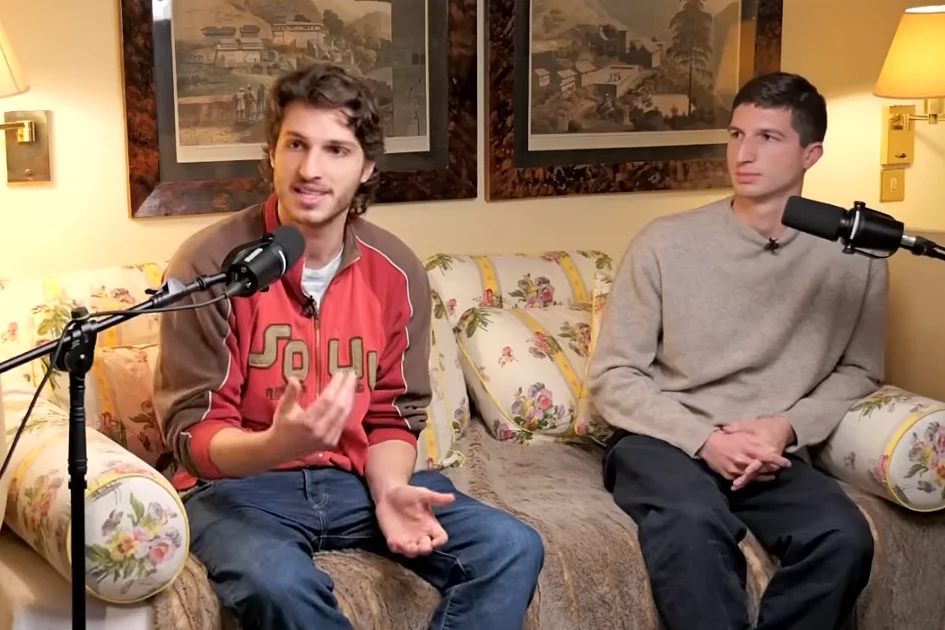
    The sons of former Pakistani Prime Minister Imran Khan have issued a grave warning about their father’s deteriorating prison conditions, describing his confinement as tantamount to psychological torture. In an exclusive Sky News interview, Kasim Khan and Sulaiman Isa Khan revealed they haven’t spoken to their father in seven months and fear they “might never see him again.”

    The brothers detailed what they characterized as “awful” detention circumstances, including prolonged solitary confinement in a small, dimly lit cell with intermittent electricity and questionable water quality. Sulaiman specifically noted that such facilities have historically been used for inmates on death row, labeling it a “death cell” that falls dramatically below international standards for prisoner treatment.

    Their concerns echo those of United Nations Special Rapporteur on Torture Alice Jill Edwards, who recently warned that Khan’s conditions could constitute inhuman or degrading treatment under international law. Edwards emphasized that extended isolation beyond 15 days represents psychological torture and urged Pakistani authorities to immediately lift the solitary confinement measures.

    The sons plan to visit their father in January pending visa approvals, though they approach the journey with apprehension despite prior safety guarantees from Pakistan’s Defense Minister. Beyond personal visits, they intend to lobby international bodies in Brussels and Geneva, arguing that their father’s case differs significantly from typical political imprisonments due to its duration and severity.

    Khan, ousted from power in a 2022 no-confidence vote after previously enjoying military support, faces multiple corruption charges that he denies. His supporters maintain that the charges are politically motivated and part of a broader campaign against his Tehreek-e-Insaf party following his accusations that army leadership orchestrated his downfall.

  • World’s largest ice and snow theme park opens, igniting China’s winter tourism fever

    World’s largest ice and snow theme park opens, igniting China’s winter tourism fever

    HARBIN, China — Defying frigid temperatures, thousands of winter enthusiasts converged Wednesday at the newly opened Harbin Ice-Snow World, marking the spectacular launch of the world’s largest ice and snow theme park’s most ambitious season to date. Spanning an unprecedented 1.2 million square meters, this year’s edition presents a breathtaking fusion of artistic ice craftsmanship and immersive entertainment experiences.

    Among the first visitors was He Rui, who journeyed over 3,000 kilometers from Guizhou province to experience the park’s legendary Super Ice Slides. ‘After years of anticipation, the reality exceeded all expectations,’ He remarked, visibly exhilarated after descending the 521-meter ice track.

    The 2025-2026 season introduces groundbreaking attractions including a magnificent central tower sculpted in the form of a mountain embraced by snowflakes, symbolizing China’s burgeoning ice-snow economy. Artistic creations range from meticulous replicas of China’s Yellow Crane Tower and Baroque-style architectural marvels to international icons like Belgium’s Manneken-Pis statue. Modern technological achievements are represented through detailed models of aircraft carriers and submersibles.

    ‘We’ve created an unparalleled synthesis of Eastern and Western artistic traditions,’ stated Guo Hongwei, Chairman of Harbin Ice and Snow World Co Ltd. ‘Our expanded entertainment offerings now include singing competitions, dance performances, and fantastical indoor productions.’

    Visitor comfort receives significant enhancement with a 5,000-square-meter climate-controlled dome providing warm respite, complimentary hot beverages, and multilingual guided services. International accessibility improves with streamlined payment systems accepting overseas bank cards.

    The park’s opening festivities featured traditional dance and drum performances, with ceremonial distribution of ‘First-day Ice’—frozen artifacts collected during Harbin’s ice-cutting festival, believed to convey good fortune according to local customs.

    Harbin’s transformation into China’s premier winter destination continues generating substantial economic impact. Last season recorded 3.56 million visits to Ice-Snow World alone, contributing to Heilongjiang Province’s 266.17 billion yuan ice-snow economy. National ambitions target sector growth reaching 1.5 trillion yuan by 2030.

    Complementing the main attraction, Harbin simultaneously launches its Sun Island Snow Expo across 1.5 million square meters and an Ice-Snow Carnival along the frozen Songhua River, collectively featuring approximately 260 snow sculptures and 60 specialized winter activity zones.

    China’s cultural tourism authorities emphasize developing high-quality winter tourism products during the 15th Five-Year Plan period (2026-2030), with nationwide initiatives including specialized student programs and substantial tourism vouchers attracting global visitors to China’s winter wonderlands.

  • Trump’s expanded travel ban hits Africa the hardest but reactions are muted

    Trump’s expanded travel ban hits Africa the hardest but reactions are muted

    ZIMBABWE (AP) — The Trump administration’s significant expansion of travel restrictions has placed Africa at the epicenter of its immigration policy, with twenty additional nations added to the prohibited list. Despite affecting approximately 1.5 billion people across the continent, official responses remained measured Wednesday as governments assessed the implications of the sweeping measures.

    The newly announced restrictions build upon June’s limitations but represent a more comprehensive and punitive approach than those implemented during Trump’s initial presidency. Unlike the previous Muslim-majority focused bans reversed in 2021, the current policy cites security vulnerabilities, documentation deficiencies, and visa overstay concerns as justification.

    Notably, four African nations—Burkai Faso, Mali, Niger, and South Sudan—joined the complete prohibition list alongside Syria and Palestinian Authority document holders. Sierra Leone and Laos, previously under partial restrictions, now face comprehensive bans. Twelve of the fifteen countries subjected to partial restrictions are African, including Nigeria, Senegal, Zimbabwe, and Ivory Coast, complemented by Antigua and Barbuda, Dominica, and Tonga.

    The African Union, through spokesman Nuur Mohamu, reiterated its call for balanced, evidence-based border protection that acknowledges the longstanding partnership between the U.S. and African nations. The 55-member organization warned of potential damage to educational exchanges, commercial engagement, and diplomatic relations cultivated over decades.

    Reactions from affected governments varied from diplomatic engagement to cautious silence. Sierra Leone’s government expressed commitment to addressing U.S. immigration concerns through constructive dialogue, while Malian officials declined immediate comment, reflecting the cautious stance adopted by many administrations.

    Analysts and citizens alike criticized the measures as disproportionately affecting African nations. Ramlah Ibrahim Nok, a business lawyer in Abuja, noted the unfairness of blanket restrictions that fail to distinguish between legitimate travelers and violators. Beverly Ochieng of Control Risks Group predicted the policy would create “incoherent, unpredictable and challenging” relations between the U.S. and African countries, potentially driving partnerships toward Washington’s rivals like Russia and China.

    The timing raises additional concerns regarding the 2026 FIFA World Cup, jointly hosted by the U.S., Canada, and Mexico. Sports enthusiasts expressed uncertainty about fan attendance despite anticipated exemptions for players and staff.

    In South Sudan, human rights activist Rajab Mohandis interpreted the ban as diplomatic punishment for the government’s slow implementation of the 2018 peace agreement that ended a devastating civil war.

    Across Africa, the expanded travel restrictions have sparked concerns about economic impact, diplomatic relations, and the future of people-to-people exchanges between the continent and the United States.

  • Watch: Moment Nick Reiner is arrested after being seen in convenience store

    Watch: Moment Nick Reiner is arrested after being seen in convenience store

    Newly released surveillance footage has revealed the critical moments leading to the arrest of Nick Reiner, a 32-year-old individual now at the center of a devastating family tragedy investigation. The visual evidence depicts Reiner moving aimlessly through a convenience store shortly before law enforcement officials took him into custody regarding the deaths of his parents, Rob and Michele Reiner.

    The footage, which has become pivotal to the ongoing investigation, shows Reiner exhibiting unusual behavior while browsing store aisles, providing investigators with crucial pre-arrest behavioral evidence. Law enforcement agencies have confirmed this arrest connects directly to the suspicious deaths of the suspect’s parents, though specific details regarding motives or circumstances remain undisclosed as the investigation continues.

    Authorities have emphasized the importance of this visual evidence in establishing timeline continuity while refusing to comment on whether Reiner was making purchases or merely occupying the commercial space before his apprehension. The arrest occurred without incident according to police reports, though the emotional weight of the situation has deeply affected the local community where the Reiner family was known.

    Criminal psychologists examining the case suggest that such public footage often provides invaluable insights into suspect behavior patterns prior to formal charges being filed. The judicial process continues to unfold as prosecutors prepare their case based on accumulating evidence beyond the surveillance material.