作者: admin

  • China launches Lijian 1 Y9 carrier rocket

    China launches Lijian 1 Y9 carrier rocket

    On November 9, 2025, China achieved another milestone in its space exploration endeavors with the successful launch of the Lijian 1 Y9 carrier rocket. The rocket, which carried two technical experiment satellites, took off at 11:32 am Beijing Time from the Dongfeng commercial space innovation pilot zone, located near the Jiuquan Satellite Launch Center in Northwest China. The mission was executed flawlessly, with the satellites being deployed into their designated orbits as planned. This launch underscores China’s growing capabilities in space technology and its commitment to advancing scientific research and innovation. The Lijian 1 Y9 rocket is part of China’s broader strategy to enhance its presence in the global space industry, leveraging cutting-edge technology and fostering international collaboration. The successful mission also highlights the country’s ability to conduct complex space operations with precision and efficiency, further solidifying its position as a key player in the global space race.

  • Dozens missing after migrant boat sinks near Malaysia-Thailand border

    Dozens missing after migrant boat sinks near Malaysia-Thailand border

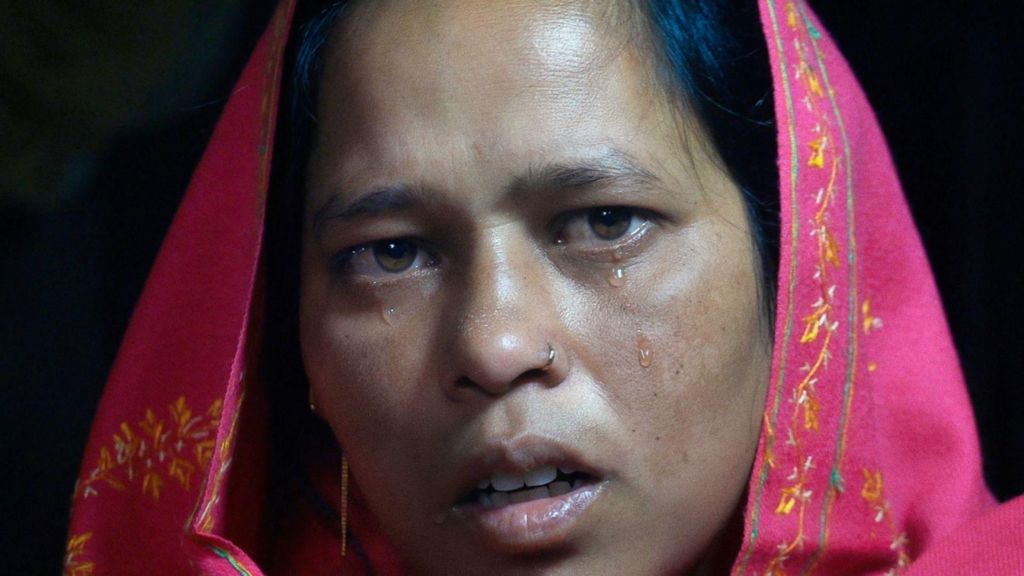
    A tragic maritime incident has unfolded near the border between Thailand and Malaysia, leaving dozens of migrants missing and one confirmed dead. The Malaysian Coast Guard reported that a boat carrying migrants capsized on Thursday near Ko Tarutao, a southern Thai island. So far, ten individuals have been rescued, and the body of a Rohingya woman was discovered floating in the waters. Authorities suspect the victims were part of a larger group of approximately 300 migrants who had traveled on a bigger vessel before transferring to smaller boats as they neared Malaysia. Among those rescued near Langkawi, a Malaysian resort, were three Myanmar nationals, two Rohingya men, and one Bangladeshi man, according to Malaysia’s state-run agency Bernama, citing a police chief. The search for additional survivors continues as maritime officials work tirelessly in the area. The Rohingya community, predominantly Muslim, has been fleeing Myanmar in large numbers in recent years to escape persecution. Additionally, the dire conditions in refugee camps in Bangladesh have forced many to embark on perilous journeys aboard overcrowded vessels, hoping for a better life in Malaysia. Reports indicate that many of these migrants paid upwards of $3,000 for their passage, highlighting the desperation and risks involved in their quest for safety and stability.

  • UAE weather: 9.8°C lowest temperature recorded in Al Ain on Nov 9, says NCM

    UAE weather: 9.8°C lowest temperature recorded in Al Ain on Nov 9, says NCM

    The United Arab Emirates (UAE) has officially entered its winter season, marked by a significant drop in temperatures. On November 9, 2025, the National Centre of Meteorology (NCM) reported that the mercury plummeted to 9.8°C in Al Ain’s Raknah area at 6:30 AM, marking the lowest temperature recorded in the country so far this year. This reading underscores the transition from the scorching summer months to the cooler winter period, which typically spans from November to March. During this season, daytime temperatures in most regions range between 15°C and 25°C, offering a refreshing change from the intense heat. Historically, the UAE has experienced even colder conditions, with the lowest temperature ever recorded being -5.7°C on February 3, 2017, at Jebel Jais, the nation’s highest peak in Ras Al Khaimah. Earlier this year, on January 4, 2025, Jebel Jais recorded a low of 1.9°C, just a day after hitting 2.2°C. As winter progresses, residents and visitors alike can expect milder weather, providing a welcome respite and opportunities to enjoy outdoor activities.

  • One photo that captures tenderness amid chaos in the Philippines as Typhoon Fung-wong hits

    One photo that captures tenderness amid chaos in the Philippines as Typhoon Fung-wong hits

    In the midst of the chaos brought by Super Typhoon Fung-wong, Judy Bertuso, 63, sits inside a bright orange tent on the floor of a basketball court in Quezon City, Philippines. With deliberate tenderness, she feeds porridge to her 65-year-old husband, Apollo, who is recovering from a stroke. The translucent plastic walls of the tent frame his frail figure as he sits in a wheelchair. Judy, dressed in a wrinkled T-shirt and shorts, moves with a quiet exhaustion, her actions reflecting a lifetime of mutual care and devotion. The couple had evacuated their creekside home the day before, fearing a repeat of the flooding they experienced during heavy rains in October. When warnings urged residents to seek higher ground ahead of the storm, they heeded the call without hesitation. Fung-wong, the most powerful typhoon to threaten the Philippines this year, unleashed winds of up to 185 kilometers per hour (115 mph) and gusts reaching 230 kph (143 mph), battering the northeastern coast and displacing over a million people. Inside the shelter, rows of bright tents house dozens of families. The wind howls outside, but within the walls, the hum of quiet conversations and the laughter of children create a semblance of normalcy. Amid the uncertainty, Judy’s steady hand trembles slightly as she feeds Apollo, a silent testament to the enduring power of care and resilience in the face of nature’s fury.

  • AI trust issues: Why ChatGPT’s confidence can mislead users

    AI trust issues: Why ChatGPT’s confidence can mislead users

    As ChatGPT continues to revolutionize the way we work, learn, and create, a growing concern has emerged: users are placing too much trust in this AI-powered tool. While its ability to generate text with remarkable speed and confidence has made it a global favorite, experts warn that this very confidence can be misleading. From factual inaccuracies to privacy risks, the pitfalls of over-reliance on ChatGPT are becoming increasingly apparent across various sectors. Sam Altman, CEO of OpenAI, has openly acknowledged that the AI ‘hallucinates,’ producing information that sounds credible but may be entirely fabricated. This poses a significant challenge, particularly in education and research, where the chatbot has been known to cite non-existent sources or generate false data. The Times of India has reported that educators are concerned about the erosion of critical thinking skills and the spread of misinformation due to unchecked AI use. Beyond accuracy, privacy is another critical issue. Users often share sensitive information with ChatGPT, unaware that their data could be stored or used to train future models. In one notable incident, developers inadvertently leaked internal company data while using the chatbot to debug code. As businesses increasingly integrate AI tools, many are now implementing strict policies to prevent the unintentional sharing of confidential information. Analysts also emphasize that certain tasks, such as medical or legal advice, financial forecasting, and ethical decision-making, should never be entrusted to ChatGPT without human oversight. While some schools have banned the tool outright, many educators advocate for a more balanced approach, focusing on AI literacy and responsible use. The key, experts agree, is to treat ChatGPT as a starting point rather than a definitive source. As the technology evolves, the human touch remains indispensable in distinguishing fact from fiction and ensuring that AI serves as a tool for enhancement, not replacement.

  • Syrian president arrives in US for landmark visit, to meet Trump at White House

    Syrian president arrives in US for landmark visit, to meet Trump at White House

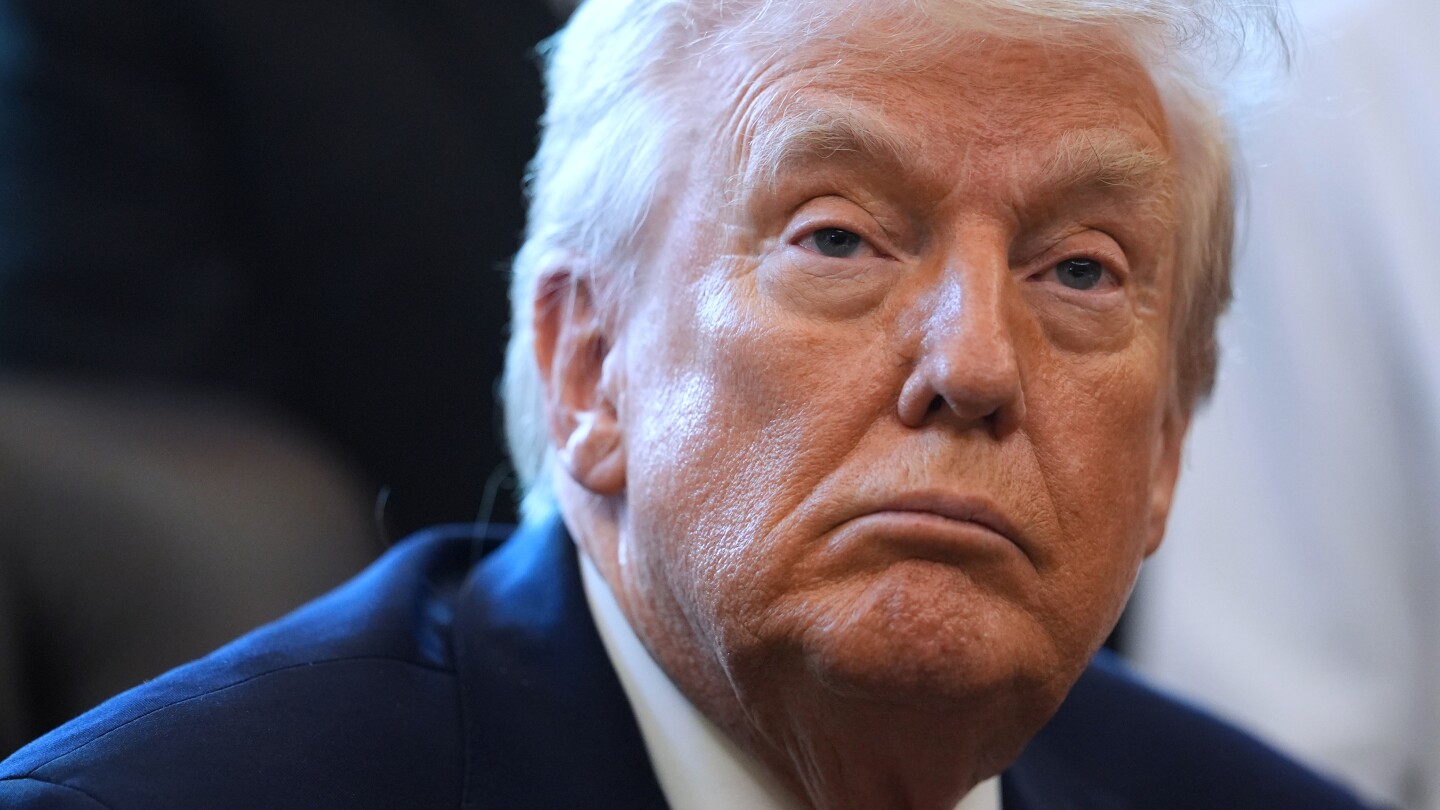
    In a groundbreaking diplomatic move, Syrian President Ahmed al-Sharaa arrived in the United States on Saturday, marking the first official visit by a Syrian leader since the country’s independence in 1946. This historic trip follows the US State Department’s decision to remove Sharaa from its terrorism blacklist, signaling a significant shift in bilateral relations. Sharaa is scheduled to meet with US President Donald Trump at the White House on Monday, where discussions are expected to focus on Syria’s reconstruction efforts after 13 years of devastating civil war. The World Bank estimates the cost of rebuilding Syria at a staggering $216 billion, highlighting the immense challenges ahead. The visit also underscores Syria’s efforts to shed its violent past and present a more moderate image to the international community. US envoy to Syria, Tom Barrack, hinted at the possibility of Syria joining the US-led coalition against the Islamic State (IS), further cementing this new era of cooperation. The removal of UN sanctions against Sharaa earlier this week and the delisting of his former group, Hayat Tahrir al-Sham (HTS), from the US terrorism list in July, are seen as pivotal steps in this diplomatic thaw. Analysts view this visit as a symbolic moment for Sharaa, who has transitioned from a militant leader to a global statesman, and a testament to the US commitment to supporting Syria’s new leadership.

  • Uganda president admits Kenyan activists were arrested and held in ‘the fridge’

    Uganda president admits Kenyan activists were arrested and held in ‘the fridge’

    Ugandan President Yoweri Museveni has publicly acknowledged the arrest of two Kenyan activists, Bob Njagi and Nicholas Oyoo, who were missing for five weeks. The activists were reportedly abducted by masked uniformed men after attending a political event in support of Ugandan opposition leader Bobi Wine. Their release was confirmed on Saturday, following weeks of denial by Ugandan authorities. Museveni, in a live interview, referred to the duo as ‘experts in riots’ and claimed they were ‘put in the fridge for some days.’ He attributed their release to pressure from ‘some Kenyan leaders.’ The activists were greeted by supporters upon their return to Nairobi, where Njagi recounted the harrowing 38-day ordeal, stating they feared for their lives. Kenya’s Foreign Minister, Musalia Mudavadi, highlighted the role of sustained diplomatic efforts in securing their freedom. Activist groups, including Vocal Africa, the Law Society of Kenya, and Amnesty International, praised the release as a step toward safeguarding human rights in the East African Community. This incident underscores ongoing concerns about the suppression of dissent in the region, with similar cases of enforced disappearances and detentions reported in recent years. Bobi Wine, Museveni’s political rival, accused the Ugandan government of targeting the activists for their association with him. The case has reignited debates about the collaboration of East African governments in curbing opposition voices.

  • UK sends military experts and equipment to Belgium after drone sightings near airports

    UK sends military experts and equipment to Belgium after drone sightings near airports

    In response to a surge in drone sightings near critical Belgian airports, the United Kingdom has pledged to send military personnel and specialized equipment to assist Belgium. The decision was announced by Air Chief Marshal Richard Knighton, head of the UK armed forces, following a formal request from Belgian authorities. Recent drone incursions have forced temporary closures at Brussels’ main international airport and Liege, one of Europe’s largest cargo hubs. Additionally, unidentified drones have been spotted near a military base housing US nuclear weapons, raising concerns over national security. Knighton emphasized that while the source of the drones remains unknown, the UK is committed to providing its expertise and resources to address the issue. The deployment of UK assets has already commenced. Belgian Defense Minister Theo Francken speculated that some incidents may be part of a sophisticated espionage operation, ruling out amateur involvement. Belgium, home to NATO and EU headquarters, as well as a major financial clearinghouse holding billions in frozen Russian assets, has become a focal point of geopolitical tensions. While many EU nations advocate using these assets to support Ukraine, Belgium has resisted such measures. The drone incidents have underscored the growing security challenges facing Europe, with Russia often implicated in similar occurrences across the continent.

  • Philippines: Fun-wong becomes super typhoon ahead of late-night landfall

    Philippines: Fun-wong becomes super typhoon ahead of late-night landfall

    Super Typhoon Fung-wong, a formidable storm with a radius nearly encompassing the entire Philippines, intensified to super typhoon status on Sunday, poised for a late-night landfall. The storm, packing sustained winds of 185 kilometers per hour and gusts reaching 230 kph, is expected to unleash over 200 millimeters of rainfall, triggering widespread flooding and potential river basin overflows, according to government meteorologist Benison Estareja. Catanduanes, a small island likely to bear the brunt of the typhoon, has already experienced fierce winds and storm surges, with waves crashing over coastal streets. Residents, bracing for the storm’s impact, have resorted to traditional methods of securing their homes, such as strapping down roofs with ropes. In Sorsogon, southern Luzon, some sought refuge in churches, while rescuers in Aurora province urged coastal residents to evacuate to higher ground. The arrival of Fung-wong comes just days after Typhoon Kalmaegi wreaked havoc across the Philippines, claiming 204 lives and leaving 109 missing. Search and rescue operations for Kalmaegi’s victims were suspended due to the impending threat of Fung-wong. Scientists attribute the increasing intensity of such storms to human-driven climate change, which warms oceans and amplifies rainfall potential. The back-to-back typhoons underscore the growing vulnerability of the Philippines to extreme weather events.

  • King Charles III leads Britain’s Remembrance Sunday ceremony for war dead

    King Charles III leads Britain’s Remembrance Sunday ceremony for war dead

    Under clear skies in London, King Charles III presided over Britain’s annual Remembrance Sunday ceremony, honoring the nation’s war dead. The event, held near the iconic Cenotaph war memorial, saw thousands of military personnel, veterans, and civilians gather in solemn tribute. At precisely 11 a.m., marked by the tolling of Big Ben, the crowd observed a poignant two-minute silence, punctuated by an artillery blast and the haunting notes of “The Last Post” played by Royal Marines buglers. The 76-year-old monarch, adorned in the uniform of an army field marshal, laid a wreath of red poppies at the base of the Cenotaph, a monument erected over a century ago to commemorate those who perished in World War I and subsequent conflicts. The ceremony, held annually on the Sunday closest to November 11, the anniversary of the end of World War I, is replicated across Britain and at UK military bases worldwide. Prince William, heir to the throne, followed his father in laying a wreath, inscribed with the words “the glorious dead.” Other members of the royal family, including Prince Edward, participated, though notably absent was the former Prince Andrew, who was stripped of his titles last month due to his association with convicted sex offender Jeffrey Epstein. Prime Minister Keir Starmer, political leaders, and diplomats from Commonwealth nations also paid their respects. Queen Camilla and the Princess of Wales observed the ceremony from a balcony. The red poppy, a symbol of remembrance inspired by the World War I poem “In Flanders Fields,” adorned wreaths and lapels, serving as a poignant reminder of the sacrifices made.