作者: admin

  • GCC set for stronger growth in 2026 as economies gain momentum

    GCC set for stronger growth in 2026 as economies gain momentum

    The Gulf Cooperation Council (GCC) economies are positioned for a notable growth acceleration in 2026, with projections indicating a robust expansion despite persistent challenges in global oil markets. According to the latest analysis from Oxford Economics, regional GDP growth is forecast to reach 4.4% in 2026, marking a significant improvement from the anticipated 4% growth in 2025.

    This optimistic outlook follows two years of subdued performance characterized by oil production constraints and volatile global economic conditions. The projected acceleration signals a fundamental strengthening across Gulf economies, driven primarily by resilient non-energy sectors, vigorous consumer activity, and gradually recovering hydrocarbon output.

    Consumer spending has emerged as a cornerstone of the region’s economic resilience. Favorable conditions including low inflation, tight labor markets, and growing disposable incomes are creating powerful tailwinds for household expenditure. With unemployment rates hovering at record lows and continued foreign investment inflows supporting diversification initiatives, consumer-led economic activity is expected to dominate the regional growth narrative throughout 2026.

    Financial sector dynamics are further supporting this expansion. GCC central banks, maintaining their dollar peg policies, are anticipated to mirror expected Federal Reserve rate cuts, thereby reducing borrowing costs across the region. This monetary environment is likely to sustain elevated credit growth while encouraging both household spending and business investment.

    The hydrocarbon sector presents a more complex picture. OPEC+ production constraints are expected to persist through the first half of 2026 amid elevated global inventories and softer oil prices, potentially dipping below $60 per barrel early in the year. This temporary limitation may particularly affect economies with higher dependence on oil extraction. However, analysts project a production rebound in the latter half of 2026 as inventory levels normalize and global demand strengthens. Qatar stands out as a regional exception, with substantial expansions in liquefied natural gas production expected to drive exceptional economic performance.

    Fiscal policies across the GCC are demonstrating strategic divergence in response to evolving revenue conditions. Saudi Arabia has outlined a 2026 budget featuring a 6% reduction in capital expenditure as part of deficit reduction efforts. Conversely, more diversified economies including the UAE are pursuing expansionary fiscal measures, with the federation’s 2026 budget envisioning a substantial 29% increase in both spending and revenues, reflecting confidence in non-oil sector performance and commitment to long-term economic transformation.

    Despite near-term risks associated with oil price volatility and global demand uncertainties, the GCC’s economic foundation appears increasingly solid. The convergence of consumer resilience, non-energy sector vitality, improving hydrocarbon dynamics, and strategic fiscal management suggests the region is entering one of its most balanced growth phases in recent years, with clear upward momentum in overall economic expansion.

  • XDC Network hosts ADFW leaders’ as institutions accelerate blockchain adoption

    XDC Network hosts ADFW leaders’ as institutions accelerate blockchain adoption

    Abu Dhabi has emerged as the epicenter for institutional blockchain integration as XDC Network, in collaboration with Zodia Markets, convened an exclusive gathering of financial titans during Abu Dhabi Finance Week (ADFW). The private luncheon, titled “Capital OnChain,” assembled senior representatives from Citi, State Street, Coinbase, Circle, Galaxy, Bitgo, Standard Chartered, and other leading institutions to advance strategic dialogues on distributed ledger technology.

    The closed-door forum facilitated candid discussions on three critical industry priorities: enhancing cross-border settlement efficiency, overcoming institutional adoption barriers, and developing frameworks for real-world asset tokenization. This high-level convergence signals a significant acceleration in blending traditional finance with blockchain infrastructure.

    Atul Khekade, Co-Founder of XDC Network, emphasized the transformative momentum: “The integration of distributed ledger technology into global capital markets requires precisely this type of collaborative environment where major institutions and blockchain innovators can forge essential partnerships.”

    Hosted by Abu Dhabi Global Market (ADGM), ADFW has rapidly established itself as a cornerstone of global financial leadership, attracting institutions managing over $42 trillion in assets. The event featured participation from regulatory bodies including VARA, alongside prominent market participants such as Brevan Howard, Further Ventures, DRW, Selini Capital, and 3iQ Corp.

    Industry participants highlighted the UAE’s evolution into a global digital asset hub, underpinned by ADGM’s clear regulatory frameworks and strong governmental support for financial innovation. The discussions reflected a growing institutional shift toward on-chain finance solutions that promise enhanced operational efficiency, reduced costs, and innovative financial product development.

    The consensus among attendees confirmed that such exclusive forums are instrumental in accelerating blockchain adoption within traditional finance, positioning infrastructure platforms like XDC Network as foundational elements in the evolving digital asset ecosystem.

  • Ajman Bank launches digital extension scheme to boost smart services

    Ajman Bank launches digital extension scheme to boost smart services

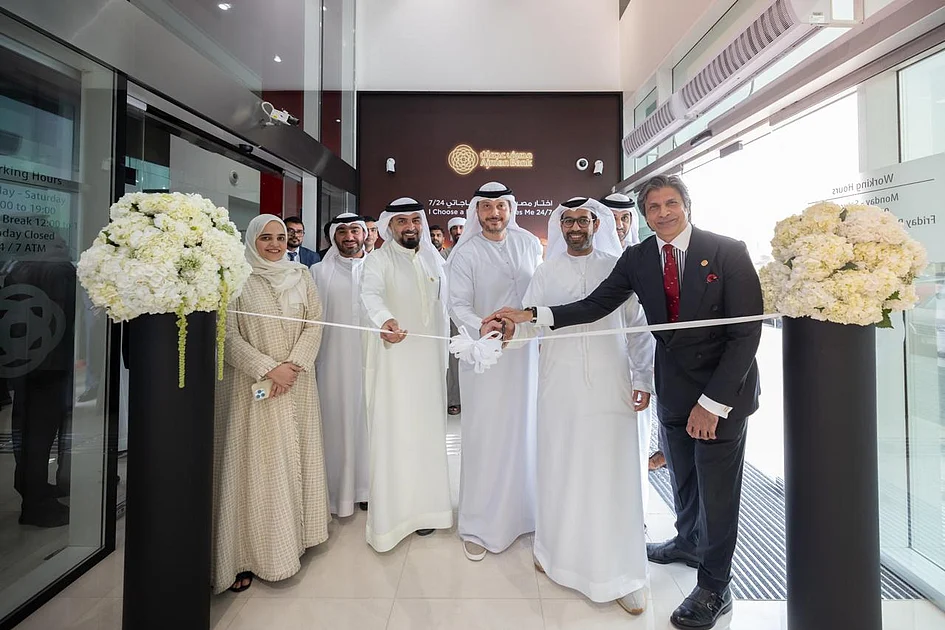
    Ajman Bank has inaugurated a groundbreaking Digital Extension initiative, marking a significant advancement in its portfolio of intelligent, customer-focused financial services. This innovative platform is engineered to deliver seamless access to essential banking operations through a technologically sophisticated environment, enhancing both efficiency and convenience while upholding rigorous standards of service quality and Shariah compliance.

    The Digital Extension facilitates instantaneous account openings via iPad-enabled onboarding systems, provides smart digital assistance, and enables customers to execute numerous critical banking transactions digitally. Available services encompass IBAN certificate issuance, liability and clearance certificates, reference letters, detailed bank statements, and SWIFT message confirmations. Additionally, customers can digitally update personal information including email addresses and mobile numbers, and submit postponement requests through a fully streamlined digital process.

    Faizal Kundil, Head of Consumer Banking at Ajman Bank, emphasized the practical implications of this development: ‘This launch signifies a tangible evolution in our service delivery methodology. We are dedicated to simplifying routine banking, minimizing processing durations, and ensuring customers can conduct essential transactions with maximum efficiency, all while maintaining robust governance, security, and Shariah compliance.’

    The initiative incorporates automation and intelligent technologies to navigate customers through their banking requirements, resulting in accelerated turnaround times, improved consistency, and an elevated overall experience. This digital expansion complements the bank’s physical branch network while supporting its comprehensive transformation strategy across digital services and operational frameworks.

    Mohammed Mardas, Head of Distribution at Ajman Bank, noted the paradigm shift in retail banking: ‘Contemporary customers demand immediacy, transparency, and autonomy whether opening accounts, requesting documentation, or managing daily banking activities. By integrating instant account opening, intelligent digital assistance, and an extensive array of self-service transactions, we empower customers to complete crucial procedures seamlessly, eliminating reliance on physical counters or manual processing.’

    This strategic move reflects Ajman Bank’s commitment to modernizing service delivery mechanisms and responding to dynamically evolving customer expectations regarding speed, accessibility, and user experience.

  • UAE launches first electronic system to settle blood money claims

    UAE launches first electronic system to settle blood money claims

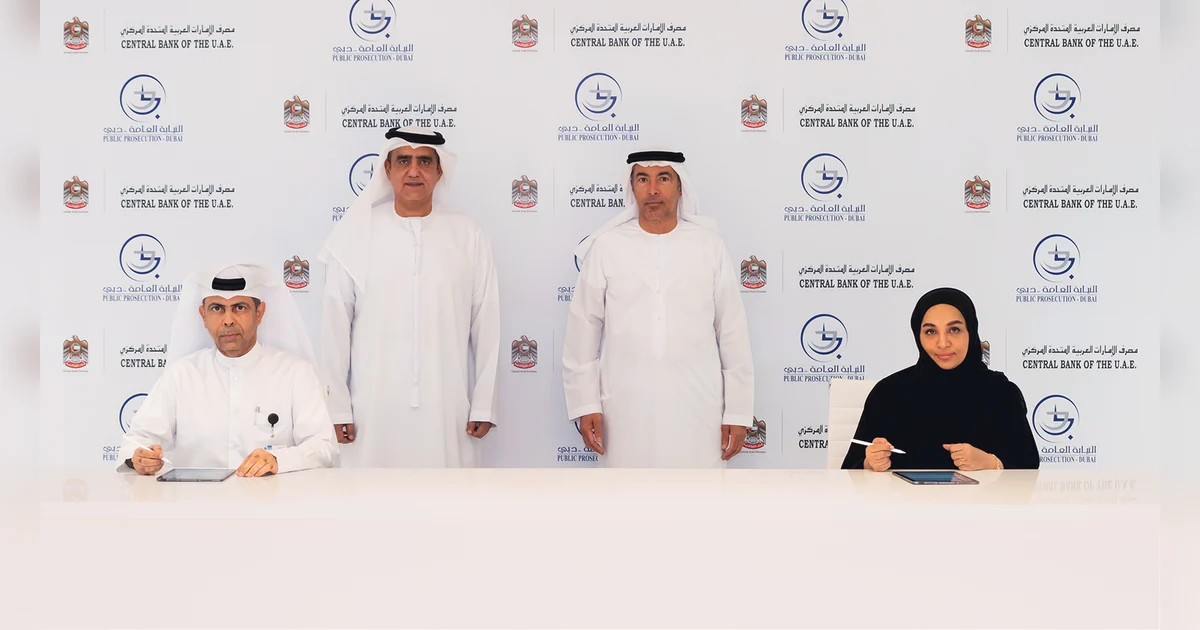
    The United Arab Emirates has entered a new era of judicial efficiency with the groundbreaking launch of an electronic system dedicated to processing blood money claims. This innovative platform represents a collaborative effort between the Central Bank of the UAE (CBUAE) and Dubai Public Prosecution (DPP), marking a significant milestone in the nation’s digital transformation journey.

    The newly implemented system establishes automated procedures and electronic integration between DPP and licensed insurance companies through CBUAE’s digital infrastructure. This technological advancement directly supports the government’s ‘Zero Bureaucracy’ initiative by streamlining previously complex administrative processes.

    During a formal ceremony attended by Khaled Mohamed Balama, Governor of CBUAE, and Essam Issa Alhumaidan, Attorney-General of Dubai, both institutions solidified their cooperation through a Memorandum of Understanding. The agreement was officially signed by Fatma Abdullah Aljabri, Assistant Governor for Financial Crime, Market Conduct and Consumer Protection, and Counselor Salah Boufrousha Alfalasi, Senior Advocate General and Head of Traffic Prosecution in Dubai.

    Officials emphasized that this pioneering project enhances service quality, improves customer experience, and strengthens consumer protection mechanisms. The system ensures seamless settlement of blood money claims while promoting stronger coordination between financial regulators, insurance providers, and judicial authorities.

    Ms. Aljabri stated that this initiative demonstrates CBUAE’s unwavering commitment to financial service development and digital transformation, aligning with broader objectives to eliminate bureaucratic barriers within the financial sector. Meanwhile, Counselor Alfalasi highlighted the project as a successful model of inter-agency cooperation that establishes robust foundations for accelerating procedures through advanced digital solutions.

  • EU leaders agree on 90 billion euro loan to Ukraine

    EU leaders agree on 90 billion euro loan to Ukraine

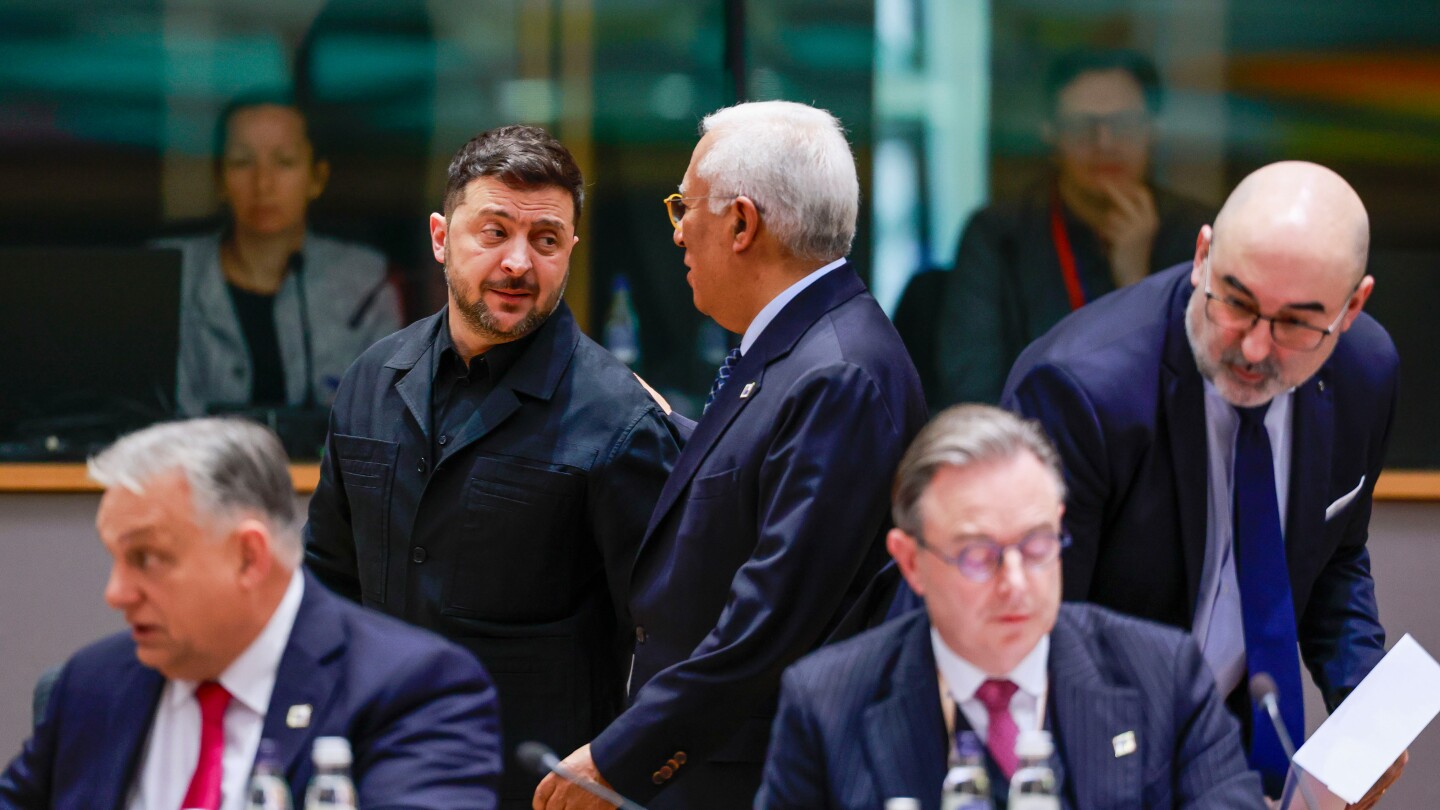
    BRUSSELS — In a decisive move to bolster Ukraine’s resilience, European Union leaders have unanimously approved a monumental financial assistance package totaling €90 billion (approximately $106 billion) for the 2026-27 period. The breakthrough agreement, announced by EU Council President Antonio Costa in the early hours of Friday, follows marathon negotiations that extended through Thursday night.

    The substantial aid package, structured as interest-free loans, is designed to address Ukraine’s pressing military requirements and economic stabilization needs amid ongoing conflict. President Costa confirmed the historic decision through social media, declaring “We committed, we delivered,” though specific mechanisms for fund allocation remain undisclosed.

    Critical to the agreement was addressing security concerns raised by Belgium, which sought assurances against potential retaliation from Russia for supporting the Ukrainian loan package. Diplomatic sources indicate that EU leaders provided substantial guarantees to alleviate these concerns, demonstrating the complex geopolitical calculations underlying the decision.

    This financial commitment represents the EU’s most significant demonstration of support for Ukraine since the conflict began, underscoring the bloc’s strategic determination to maintain Ukrainian sovereignty and economic viability. The agreement signals continued European unity in responding to Russian aggression while establishing a financial framework for Ukraine’s medium-term stability.

  • NGOs condemn UN agreement with Saudi security chief implicated in Khashoggi murder

    NGOs condemn UN agreement with Saudi security chief implicated in Khashoggi murder

    Human rights organizations Alqst and MENA Rights Group have formally protested to the United Nations regarding its counterterrorism office’s controversial partnership agreement with Saudi Arabia’s security apparatus, led by an official implicated in the assassination of journalist Jamal Khashoggi.

    In a letter addressed to Alexandre Zouev, the UN’s acting undersecretary general for counterterrorism, the groups expressed “profound alarm” over the memorandum of understanding signed between the UN Counter-Terrorism Centre (UNCCT) and Saudi Arabia’s Presidency of State Security (PSS) during Zouev’s recent visit to Riyadh.

    The agreement was signed with PSS chief Abdulaziz al-Howairini, whom a UN investigation by former Special Rapporteur Agnes Callamard directly linked to the 2018 Istanbul consulate murder of the Washington Post columnist. US intelligence agencies believe Crown Prince Mohammed bin Salman authorized the assassination.

    Callamard’s definitive report documented how Saudi state security officials coordinated all aspects of the operation, including private jet travel and accommodations for the assassination team. Additional reporting by The Guardian in December 2021 placed Howairini at luxury Riyadh villas housing individuals charged with Khashoggi’s murder.

    The rights organizations revealed they had previously urged Zouev’s office to adhere to UN principles and international law before finalizing any agreement, receiving only generic responses that ignored their specific concerns. Three weeks later, the UN signed the partnership despite its own human rights due diligence policy requiring assessment of potential support to security forces implicated in violations.

    Tanya Boulakovski of MENA Rights Group stated the agreement “formalizes a partnership with a state security apparatus responsible for widely documented human rights abuses, including arbitrary detention, torture, and enforced disappearance of peaceful dissidents.”

    Saudi Arabia has repeatedly been accused of weaponizing counterterrorism legislation to suppress dissent through executions, torture, and political imprisonment. UN human rights experts have extensively documented these violations across multiple committees and special rapporteurs.

    In a concerning development, Saudi Arabia was additionally selected to chair a new working group on “countering terrorist travel” despite its systematic use of travel bans against human rights defenders and their families, as exemplified by women’s rights activist Loujain al-Hathloul and her parents.

  • Australia announces gun buyback scheme in wake of Bondi attack

    Australia announces gun buyback scheme in wake of Bondi attack

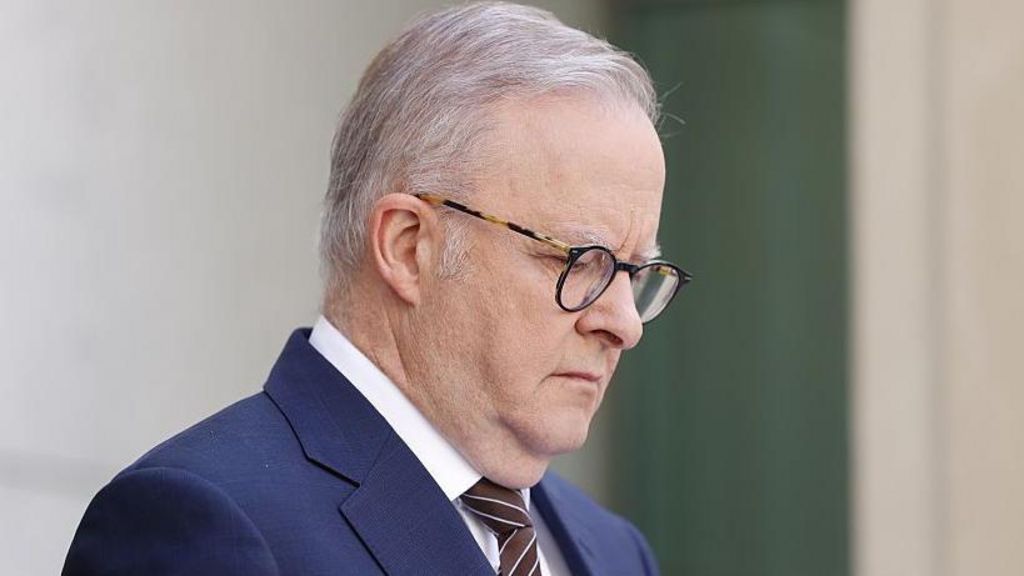
    In response to the nation’s deadliest mass shooting in decades, the Australian government has initiated a comprehensive firearm buyback program—the most significant since the landmark Port Arthur massacre of 1996. Prime Minister Anthony Albanese announced the scheme following Sunday’s terrorist attack at Bondi Beach, where two assailants motivated by Islamic State ideology opened fire at a Jewish festival, killing 15 people and injuring dozens.

    The attack has been formally declared a terrorist incident by authorities, who identified the perpetrators as a father-son duo. Naveed Akram, 24, faces 59 criminal charges including 15 counts of murder and one count of committing a terrorist act. His father Sajid was killed during the confrontation with law enforcement.

    Revealing concerning statistics, Prime Minister Albanese stated that Australia now hosts over 4 million firearms—exceeding the number present during the Port Arthur tragedy that claimed 35 lives. ‘We know that one of these terrorists held a firearm licence and possessed six guns, despite residing in suburban Sydney,’ Albanese emphasized. ‘There’s no legitimate reason why someone in that situation needed that many firearms.’

    The security situation intensified on Thursday when counter-terrorism officers apprehended seven men in Sydney’s Liverpool suburb who had traveled from Victoria and were known to police. NSW Police Deputy Commissioner David Hudson indicated that while Bondi Beach was among locations the group might have visited, no specific malicious intent had been established. Authorities utilized rarely invoked national security powers to intercept the group preemptively, discovering only a knife during the operation.

    The national cabinet—comprising federal, state, and territory leaders—has unanimously agreed to strengthen gun control measures in the attack’s aftermath, signaling a renewed commitment to Australia’s traditionally strict firearm regulations.

  • Dubai: How the iconic Meydan prepares for big races

    Dubai: How the iconic Meydan prepares for big races

    As the first light of dawn breaks over Dubai, the Meydan Racecourse awakens to a symphony of rhythmic hoofbeats and the quiet hum of meticulous preparation. Each morning at 6 AM, this iconic sporting venue transforms into a theater of precision where champions are forged through an elaborate ballet of human dedication and equine athleticism.

    The morning tranquility is punctuated by the powerful strides of thoroughbreds circling the track, their breathing creating steam clouds in the cool morning air. Close behind, tractors perform a crucial maintenance ritual—smoothing the sand surface to erase hoof imprints and create optimal racing conditions. According to Mohamed Abbas Youssef, Racecourse Facility Manager, this daily resurfacing eliminates potential obstacles, allowing horses to achieve maximum performance without compromising safety.

    From a modest viewing deck typically reserved for VIPs, observers can witness the intimate details of training sessions—the visible exertion of muscles, the focused intensity in the animals’ eyes, and the distinctive sound of their heavy breathing resembling human exertion at peak performance.

    The preparation regimen begins far earlier than most realize. Veteran horse trainer Julio Olascoaga starts his day at 2:45 AM, a full hour before the first equine athletes arrive. His responsibilities encompass comprehensive fitness management—designing exercise programs, monitoring nutritional intake, and conducting physical assessments to determine race readiness.

    With 35 horses currently under his supervision, Olascoaga organizes them into five training groups. These athletes train daily with only one rest day per week, undergoing high-intensity “fast work” sessions every 7-10 days to evaluate competitive readiness. All training concludes by 8:30 AM to avoid Dubai’s intensifying heat and humidity.

    The international character of the Dubai Racing Carnival brings additional complexity to scheduling. “We accommodate horses from Europe, America, and South America,” Olascoaga explains. “International arrivals typically come pre-conditioned, requiring mainly maintenance training alongside our local Meydan thoroughbreds.”

    While the racing season officially runs from November through March to capitalize on cooler temperatures, the preparation cycle begins much earlier—typically in early July—demonstrating the extensive lead time required to develop championship-caliber performers. This hidden world of dawn preparations represents the unsung foundation upon which the glamour of international horse racing is built.

  • US sanctions two ICC judges for rejecting Israel’s appeal against Gaza investigation

    US sanctions two ICC judges for rejecting Israel’s appeal against Gaza investigation

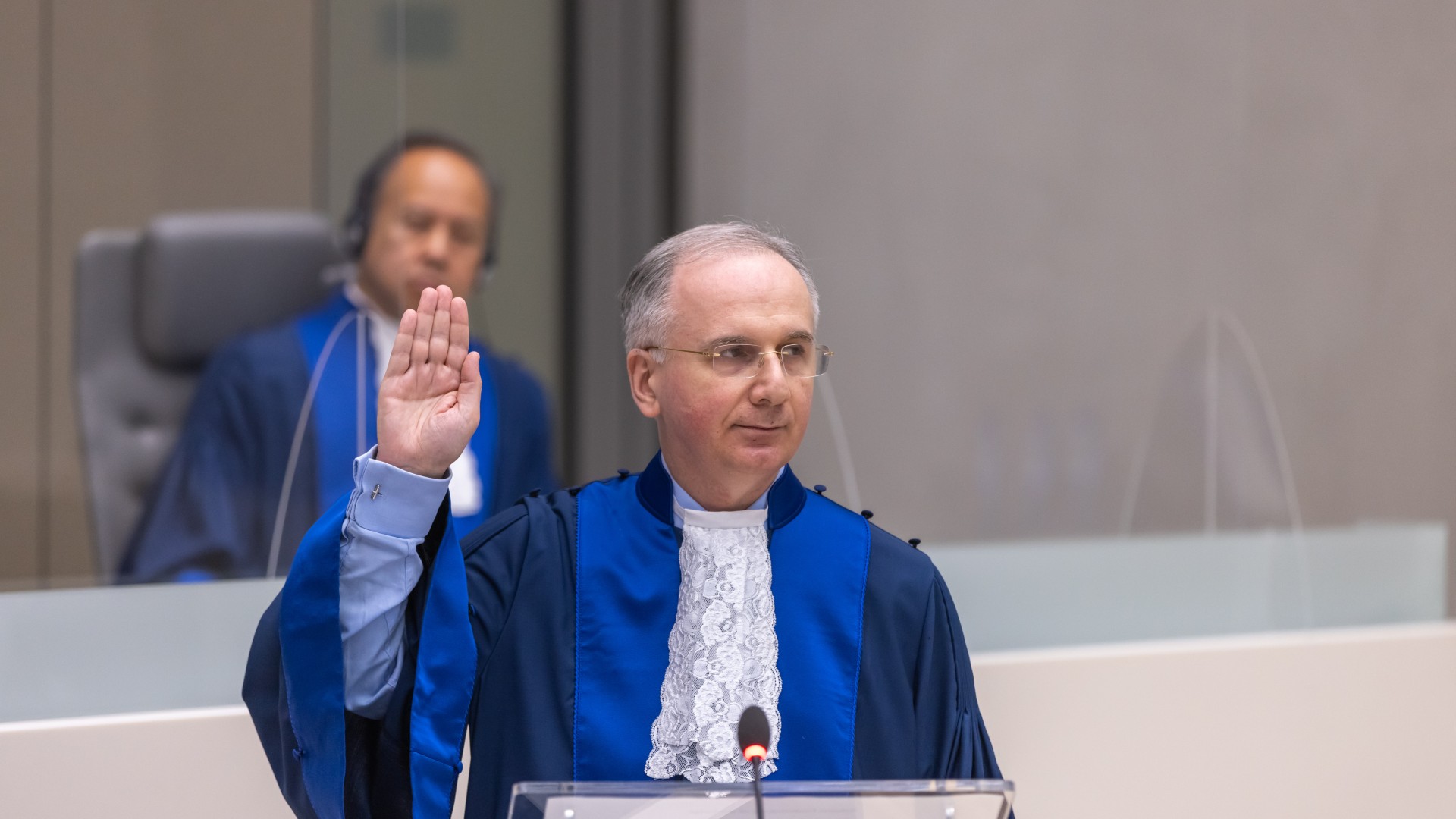
    The United States has intensified its confrontation with the International Criminal Court by imposing sanctions on two additional judges involved in the Gaza war crimes investigation. Judges Gocha Lordkipanidze of Georgia and Erdenebalsuren Damdin of Mongolia, both members of the ICC’s appeals chamber, were targeted following their recent decision to reject Israel’s appeal against the investigation into alleged crimes in Gaza post-October 2023.

    This development marks a significant escalation in the ongoing standoff between the Trump administration and the international judicial body. The sanctioned judges were part of the majority that dismissed Israel’s arguments challenging the validity of the investigation that previously resulted in arrest warrants for Israeli Prime Minister Benjamin Netanyahu and former Defence Minister Yoav Gallant in November 2024.

    US Secretary of State Marco Rubio issued a statement condemning what he characterized as “politicized actions targeting Israel” that “set a dangerous precedent for all nations.” The statement emphasized Washington’s rejection of the court’s jurisdiction over US and Israeli nationals and promised “significant and tangible consequences” for what it termed ICC “lawfare and overreach.”

    The sanctions have created substantial practical difficulties for affected officials, including frozen assets, travel bans, and exclusion from global financial systems. Peruvian judge Luz del Carmen Ibanez Carranza, previously sanctioned for her role in the Afghanistan investigation, revealed the personal impact including inability to use credit cards, banking systems utilizing US dollars, or money transfer services like Western Union.

    Despite these measures, ICC officials remain resolute. Judge Carranza stated that the sanctions have actually strengthened judicial solidarity, noting that “we are more united than ever” in maintaining their independence and continuing their duties.

    The legal foundation of the investigation traces back to Palestine’s 2018 referral, with the ICC initiating formal proceedings in 2021. Since November 2023, seven additional nations—South Africa, Bangladesh, Comoros, Bolivia, Djibouti, Chile, and Mexico—have filed separate referrals supporting the investigation.

    Israel’s appeal centered on procedural arguments, claiming the prosecutor should have issued fresh notifications after the new referrals pursuant to Article 18(1) of the Rome Statute. The appeals chamber unanimously determined that the original 2021 notification adequately covered subsequent developments, including post-October 2023 events, making additional notifications unnecessary.

    The ICC has implemented confidential countermeasures to protect its operations from sanction impacts, though specific details remain undisclosed to preserve their effectiveness. With these latest sanctions, all but one member of the appeals chamber (Judge Tomoko Akane of Japan) now face US restrictions, creating unprecedented challenges for international justice mechanisms.

  • TikTok owner signs deal to sell US business

    TikTok owner signs deal to sell US business

    In a monumental resolution to years of geopolitical tension, TikTok’s Chinese parent company ByteDance has formally agreed to divest the majority of its U.S. operations to a consortium of American and global investors. The arrangement, detailed in an internal memo from CEO Shou Zi Chew to staff on Thursday, culminates extensive negotiations prompted by longstanding national security concerns in Washington.

    The newly formed joint venture will see ByteDance’s ownership drop to 19.9%, effectively transferring control to U.S. entities. Technology giant Oracle, investment firm Silver Lake, and Abu Dhabi-based strategic investment company MGX will each acquire 15% stakes. The remaining 30.1% will be distributed among existing ByteDance investor affiliates, creating a diversified ownership structure that satisfies regulatory requirements.

    This agreement aligns with preliminary terms disclosed in September 2024, when President Donald Trump intervened to postpone enforcement of legislation that would have prohibited the application’s operations without a sale. The original ban, enacted during the Biden administration in April 2024, was scheduled to take effect on January 20, 2025, but faced multiple administrative delays to facilitate negotiation progress.

    A critical component involves Oracle’s licensing of TikTok’s proprietary recommendation algorithm, ensuring operational continuity while addressing security apprehensions regarding foreign control over user data and content dissemination mechanisms. The White House has acknowledged this technological arrangement as vital to protecting national interests.

    The transaction is scheduled for formal closure on January 22, 2025, preserving platform access for TikTok’s extensive American user base of over 170 million. Company leadership emphasizes that this resolution safeguards both national security priorities and the application’s role in global digital community building.

    International diplomatic engagement played a role in the outcome, with President Trump noting direct communication with Chinese President Xi Jinping, who reportedly endorsed the ownership transition. Neither the White House nor Oracle provided additional commentary when solicited for response.