作者: admin

  • Brazilian president warns armed intervention in Venezuela would be ‘humanitarian catastrophe’

    Brazilian president warns armed intervention in Venezuela would be ‘humanitarian catastrophe’

    Brazilian President Luiz Inacio Lula da Silva issued a stark warning against potential armed intervention in Venezuela during his address at the 67th Summit of Heads of State of Mercosur and Associated States on Saturday. The Latin American leader characterized military action as potentially triggering “a humanitarian catastrophe” for the hemisphere while establishing a dangerous global precedent.

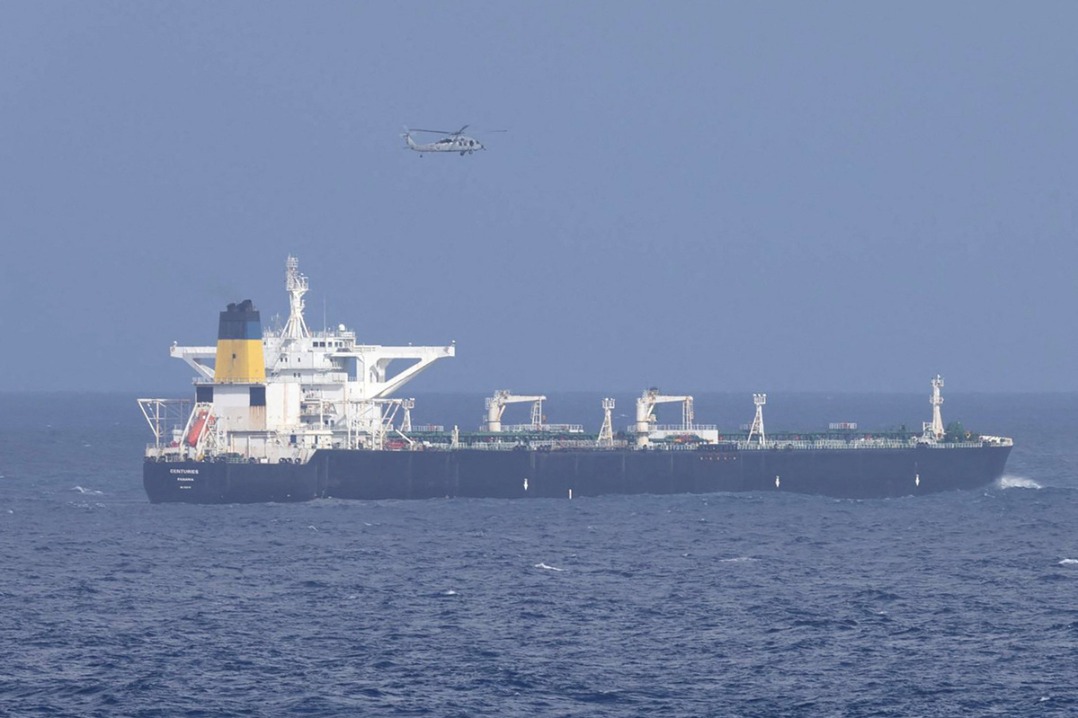
    President Lula directly referenced recent United States military maneuvers and economic sanctions against Venezuela, including the naval blockade operations intercepting oil tankers bound for Venezuelan ports. The Brazilian leader expressed profound concern over what he described as “the military presence of an extra-regional power” in Latin American affairs, emphasizing that regional prosperity and peace constitute the only acceptable doctrine for South American nations.

    Lula revealed details of a recent diplomatic exchange with US President Donald Trump, during which he advocated for negotiated solutions as fundamentally “more effective and less costly” than military confrontation. This diplomatic overture occurs alongside the Trump administration’s formal designation of Venezuelan President Nicolas Maduro’s government as “a foreign terrorist organization” and its enforcement of comprehensive oil embargo measures.

    The Brazilian president’s statements reflect growing regional unease, with multiple Latin American nations and regional blocs voicing opposition to unilateral actions against Venezuela. These entities have increasingly called upon the United Nations and broader international community to facilitate diplomatic dialogue and peaceful conflict resolution, challenging the current escalation of military and economic pressure tactics.
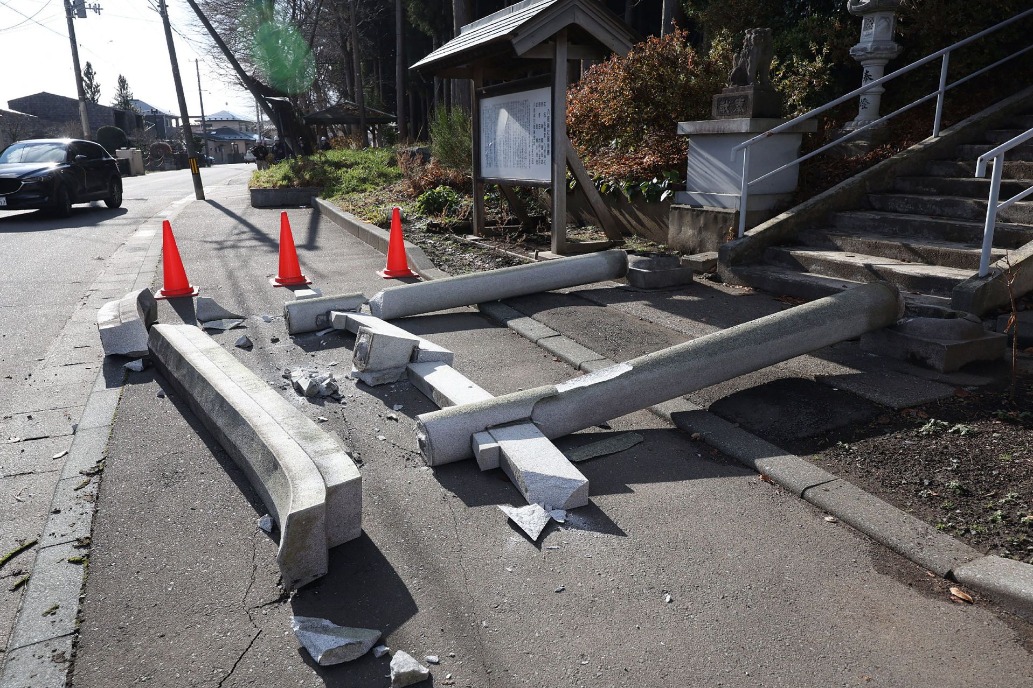

  • 5.5-magnitude quake hits off Japan’s Aomori Prefecture

    5.5-magnitude quake hits off Japan’s Aomori Prefecture

    A moderate earthquake registering 5.5 magnitude struck off the coast of Japan’s Aomori Prefecture on Sunday morning, according to the Japan Meteorological Agency (JMA). The seismic event occurred at 10:29 am local time, with its epicenter positioned approximately 50 kilometers beneath the Pacific Ocean floor at coordinates 40.7 degrees north latitude and 142.3 degrees east longitude.

    The tremblor registered a 4 on Japan’s seismic intensity scale, which peaks at 7, indicating noticeable shaking capable of awakening sleepers and causing objects to rattle significantly. Despite the substantial magnitude, meteorological authorities confirmed no tsunami advisory would be issued following comprehensive assessment of oceanic data.

    This seismic activity comes amid heightened geological sensitivity in the region. Just thirteen days prior to this event, a much more powerful 7.5 magnitude earthquake had rattled northern and northeastern Japan on December 8th. That significant temblor had prompted Japanese authorities to issue a week-long alert regarding potential aftershocks and subsequent seismic events, which was only lifted the previous Monday.

    JMA officials, while not issuing new alerts following Sunday’s quake, continued to emphasize the importance of earthquake preparedness and urged residents throughout the affected regions to maintain vigilance. The agency reiterated standard safety protocols, including taking cover during shaking and being aware of potential hazards even from moderate quakes.

    Northern Japan’s Pacific coastline remains one of the world’s most seismically active regions due to its position along the Pacific Ring of Fire, where several tectonic plates converge and frequently interact.

  • Élysée Palace silver steward arrested for stealing thousands of euros’ worth of silverware

    Élysée Palace silver steward arrested for stealing thousands of euros’ worth of silverware

    PARIS — Three individuals will face trial next February following a sophisticated investigation into the theft of valuable silverware and table service items from the official residence of French President Emmanuel Macron. The Paris prosecutor’s office confirmed the case involves a silver steward employed at the Élysée Palace who allegedly orchestrated the theft of heritage items valued between €15,000-€40,000 ($17,500-$47,000).

    The investigation commenced when the palace’s head steward reported numerous missing items from the presidential collection. Authorities from the Sèvres Manufactory, the official supplier of Élysée tableware, subsequently identified several distinctive pieces being offered on online auction platforms. This discovery prompted an internal review that revealed suspicious inventory records maintained by one silver steward, suggesting premeditation for additional thefts.

    Forensic examination of the suspect’s digital footprint uncovered a relationship with the manager of an online tableware sales company. On the steward’s Vinted account, investigators discovered a plate marked “French Air Force” and exclusive Sèvres Manufactory ashtrays not available commercially. A comprehensive search of the primary suspect’s personal locker, vehicle, and residence yielded approximately 100 stolen objects, including copper saucepans, Sèvres porcelain, a René Lalique statuette, and Baccarat champagne coupes.

    The steward and their accomplice were apprehended on Tuesday, while authorities identified a third individual as the exclusive receiver of the stolen goods. All recovered items have been returned to the Élysée Palace collection.

    The three defendants appeared before court on Thursday facing charges of jointly stealing movable property classified as national heritage—an offense carrying penalties of up to 10 years imprisonment and €150,000 fines—along with aggravated handling of stolen goods. The court postponed the trial to February 26 and imposed strict judicial supervision measures, including contact bans between defendants, prohibition from auction venues, and suspension from professional activities.

  • Marco wins! Schwarz scores World Cup giant slalom victory with favored Marco Odermatt sixth

    Marco wins! Schwarz scores World Cup giant slalom victory with favored Marco Odermatt sixth

    ALTA BADIA, Italy — In a stunning reversal of expectations at the World Cup giant slalom, Austrian skier Marco Schwarz triumphed over the heavily favored Marco Odermatt on the challenging Gran Risa course. The victory marks a significant comeback for Schwarz, who spent nearly a year recovering from injury since his previous World Cup win in December 2023.

    Schwarz, starting with bib number 1, maintained his first-run advantage to secure a wire-to-wire victory, finishing 0.18 seconds ahead of Brazilian contender Lucas Pinheiro Braathen. The emotional win concluded with Schwarz embracing Austrian teammate Stefan Brennsteiner, who claimed third place.

    The outcome proved particularly surprising given Odermatt’s dominance at Alta Badia, where the Swiss skier had won five of the previous six giant slalom events. Odermatt finished a distant sixth, trailing Schwarz by 0.82 seconds and showing visible frustration upon crossing the finish line. Speculation emerged that fatigue from Odermatt’s demanding three-day speed racing program in nearby Val Gardena may have contributed to the uncharacteristic performance.

    Despite the setback, Odermatt maintains a substantial lead in the season-long overall standings, holding more than double the points of second-placed Schwarz as he pursues his sixth consecutive title.

    The race also marked several notable developments: Pinheiro Braathen’s strong performance continued his successful transition from representing Norway to Brazil, while Russian skier Aleksander Andrienko made his return to men’s World Cup competition after nearly four years of absence due to sanctions related to the Ukraine conflict. Andrienko competed with neutral status but failed to qualify for the second run.

    Additionally, the event saw the absence of Olympic contender Alexander Steen Olsen, who underwent season-ending knee surgery, removing a potential challenger to Odermatt’s giant slalom supremacy.

  • ‘Our tents flew off:’ 33 camel trekkers brave rain, strong winds as they reach Dubai

    ‘Our tents flew off:’ 33 camel trekkers brave rain, strong winds as they reach Dubai

    A team of 33 determined trekkers has triumphantly completed an extraordinary 1,000-kilometer camel expedition across the United Arab Emirates, overcoming severe weather conditions that tested their physical and mental endurance. The three-week journey, among the longest camel treks ever recorded in the region, culminated in Dubai despite confronting torrential rains and powerful desert winds that disrupted their campsites.

    During the final leg of their arduous adventure, participants faced unprecedented challenges as heavy precipitation transformed arid landscapes into flooded terrain. Sleeping bags became saturated, tents were destabilized by gale-force winds, and some shelter structures were completely blown away. Huo Xiaozhe, a seven-year veteran of the annual trek from China’s Henan province, described the conditions as the most demanding she had encountered. ‘Our tents and sleeping bags were completely drenched. One night, we remained awake throughout, conversing until morning instead of attempting to sleep,’ she recounted.

    Remarkably, the camels demonstrated exceptional adaptability throughout the meteorological turmoil. According to multiple participants, the animals maintained composure despite the tempestuous conditions. ‘The camels were undisturbed the entire time. They managed the rainfall more effectively than humans,’ Huo observed. David, a Colombian expatriate and experienced rider, noted the species’ innate desert survival capabilities: ‘They seal their nostrils to prevent sand intrusion, and their eyes possess natural protective mechanisms. My camel remained tranquil even during the most intense storm periods.’

    The expedition showcased diverse Emirati landscapes, traversing from northwestern coastal regions with pristine white sands and azure waters to deep desert territories near Saudi and Omani borders, including the formidable Empty Quarter. Dr. Rachel Stratton, another participant, expressed astonishment at the geographical variety: ‘Each day presented distinctly different scenery. For a single nation to contain such landscape diversity is genuinely remarkable.’

    Organizational improvements were particularly evident compared to previous years, according to David Berney, a Spanish expatriate residing in the UAE who participated in earlier treks. ‘Four years ago, we were still developing management protocols for such expeditions. Current operations are significantly more streamlined and professionally coordinated,’ he noted. The 2025 route was intentionally extended to approximately double previous distances, deliberately testing the endurance limits of both human participants and their camel companions.

    Despite the hardships, all trekkers expressed profound satisfaction upon completion, with many already anticipating future editions. The journey not only demonstrated human resilience and camel capabilities but also revealed rarely witnessed aspects of the UAE’s protected desert wilderness areas that remain inaccessible to most visitors.

  • Why is Afcon taking place in December?

    Why is Afcon taking place in December?

    In a significant scheduling shift, the 2025 Africa Cup of Nations (AFCON) will now take place from December 21, 2025, to January 18, 2026, across six Moroccan cities: Rabat, Casablanca, Marrakech, Agadir, Tangier, and Fez. This marks the first time the tournament will commence in December rather than its traditional January-February timeframe.

    The rescheduling decision primarily stems from FIFA’s expanded Club World Cup, which occupies the summer 2025 calendar slot originally intended for AFCON. While the move avoids direct scheduling conflicts with UEFA’s Champions League and Europa League (resuming January 20 and 22, 2026), it has created substantial preparation challenges. Players will be released from their clubs on December 15, leaving national teams with merely one week for pre-tournament preparations—a timeframe that has drawn sharp criticism from coaches.

    Angola’s coach Patrice Beaumelle characterized the situation as “nonsense,” stating that proper team preparation is impossible within “just two or three sessions.” This compressed timeline contrasts with Morocco’s original summer hosting vision, which aimed to boost tourism and showcase infrastructure ahead of its co-hosting role for the 2030 World Cup with Spain and Portugal.

    Historically, AFCON’s winter scheduling accommodates Africa’s diverse climate patterns, avoiding rainy seasons and extreme heat that characterize summer months in many host nations. The tournament has been held primarily in January-February since the 2019 edition in Egypt, with the 2023 Ivory Coast tournament similarly moved from summer 2022 due to weather concerns.

    In a parallel development, Confederation of African Football president Patrice Motsepe announced on December 20 that AFCON will transition from its traditional biennial format to a quadrennial cycle starting in 2028. This structural change aligns AFCON with other major international tournaments and follows proposals by FIFA president Gianni Infantino, who previously suggested September-November scheduling to minimize club conflicts.

  • Bazball revolution falters for England in the Ashes, but it’s not the end of the system

    Bazball revolution falters for England in the Ashes, but it’s not the end of the system

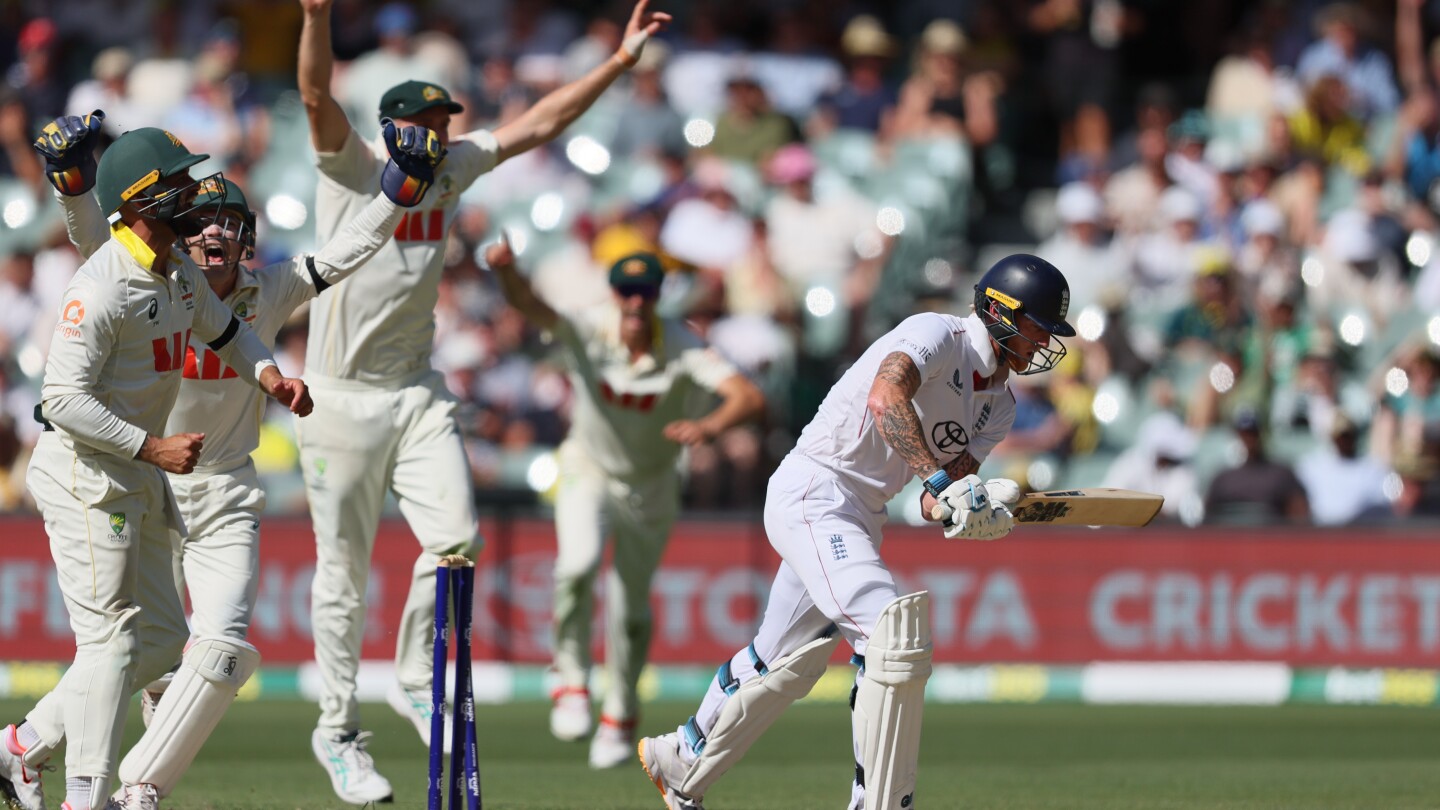
    England’s revolutionary ‘Bazball’ approach to Test cricket has encountered its sternest examination during the ongoing Ashes series in Australia, with coach Brendon McCullum acknowledging strategic missteps in preparation while maintaining commitment to the aggressive philosophy.

    The touring side arrived with ambitious expectations to deploy their attack-oriented methodology against Australia’s traditional, pragmatic cricket. However, after merely one internal warmup match against second-string English players, the limitations of their preparation became apparent as Australia secured the series victory with two Tests remaining.

    McCullum conceded to TNT Sport that retrospective analysis of the 3-0 deficit suggested room for improvement in preparatory approaches. The coaching staff accepted responsibility for potentially inadequate planning while emphasizing the continued validity of their core strategy.

    The turning point emerged following consecutive eight-wicket defeats in Perth and Brisbane, prompting McCullum to alter training intensity. The squad received unexpected respite at Noosa, Australia’s premier beach resort, which subsequently yielded improved performance—England reached the fifth day of a Test match for the first time during the Adelaide encounter.

    Despite this tactical adjustment, England’s bowling attack struggled with consistency on Australia’s hard, bouncy pitches, while top-order batters frequently succumbed to questionable shot selection. Fielding deficiencies, including dropped catches, contrasted sharply with Australia’s exceptional fielding standards.

    McCullum observed that players became ‘stuck’ in their determination to execute the aggressive approach, potentially inhibiting natural talent and skill expression. The third Test demonstrated that when players balanced their attacking instincts with situational awareness, performance notably improved.

    Both McCullum and captain Ben Stokes emphasized the importance of marrying individual scoring methods with the mentality required for international success. They maintain confidence in their team’s exciting potential despite the series outcome, viewing the remaining matches as opportunities to restore pride and extract valuable lessons from the challenging tour.

  • 9 killed, 10 wounded in South African pub shooting

    9 killed, 10 wounded in South African pub shooting

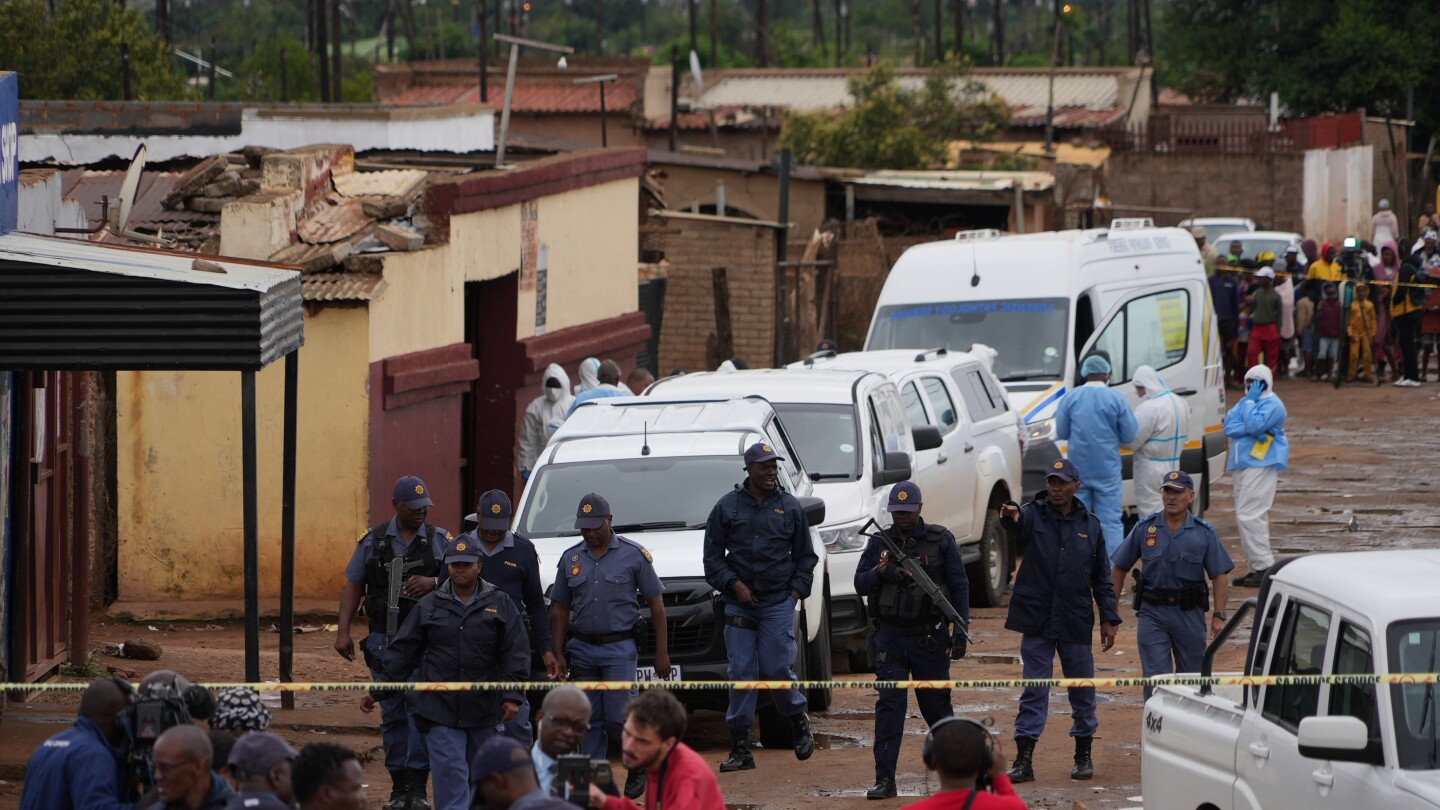
    JOHANNESBURG — A brutal shooting attack at a township tavern has claimed nine lives and left at least ten others wounded, marking South Africa’s second major mass shooting incident within three weeks. The violence erupted shortly before 1 a.m. Sunday in Bekkersdal township, approximately 46 kilometers west of Johannesburg.

    According to police reports, approximately twelve unidentified assailants arrived in a white minibus and silver sedan before opening indiscriminate fire on patrons at the KwaNoxolo tavern. The gunmen continued their random shooting spree while fleeing the scene, with some victims being targeted on adjacent streets.

    Provincial Police Commissioner Maj. Gen. Fred Kekana confirmed to SABC television that among the deceased was a driver working for an online car-hailing service who had been waiting outside the establishment. The attack has prompted an intensive manhunt led by Gauteng Serious and Violent Crime Investigations in coordination with the Crime Detection Tracing Unit.

    This tragedy represents the latest in a series of tavern shootings that have plagued South Africa in recent years. Earlier this month, a similar attack at an unlicensed bar near the national capital resulted in twelve fatalities and thirteen injuries. In 2022, another Johannesburg township witnessed sixteen deaths in a single shooting incident, while four people were killed the same day in a separate provincial bar shooting.

    South Africa continues to grapple with one of the world’s highest homicide rates, recording nearly 26,000 killings in 2024 alone—averaging more than seventy deaths daily. Firearms remain the predominant weapon in these homicides, with authorities noting that despite relatively stringent gun control laws, illegal weapons fuel the ongoing violence across the nation of 62 million people.

  • Trio ejected as Eagles beat Commanders to win title

    Trio ejected as Eagles beat Commanders to win title

    In a heated divisional showdown marked by on-field altercations, the Philadelphia Eagles secured their second consecutive NFC East championship with a 29-18 victory over the Washington Commanders. The game descended into chaos during the fourth quarter when a massive brawl erupted between the teams, resulting in the ejections of three players—Washington’s Javon Kinlaw and Quan Martin, alongside Philadelphia’s Tyler Steen—all penalized for unnecessary roughness.

    The incident ignited immediately after Eagles running back Saquon Barkley converted a two-point attempt that extended Philadelphia’s lead to 29-10. Barkley, who delivered a stellar performance with 132 rushing yards and one touchdown, acknowledged the longstanding rivalry between the franchises. “It’s chippy out there. We have a lot of history with this team,” Barkley stated. “This team doesn’t like us, and we don’t like them either. But we have to keep it football.”

    Quarterback Jalen Hurts complemented Barkley’s ground game by completing 22 of 30 passes for 185 yards and two touchdowns. This critical win elevates the Eagles to a 10-5 record, marking their first back-to-back division title since their four-year reign ended in 2004. “Back-to-back division champs hasn’t been done in 20 years, so that’s big,” Barkley emphasized. “I love the way we finished. We stood together and most importantly got the win.”

    The victory guarantees Philadelphia a home game to open the playoffs, while the Commanders have been eliminated from postseason contention.

    In other NFL action, the Chicago Bears kept their playoff hopes alive with a dramatic 22-16 overtime triumph against the Green Bay Packers. Trailing 16-6 with just over five minutes remaining in regulation, the Bears mounted a stunning comeback. Kicker Cairo Santos connected on a field goal, followed by quarterback Caleb Williams’ touchdown pass to Jahdae Walker with 24 seconds left, forcing overtime. Williams then delivered the game-winning 46-yard touchdown pass to DJ Moore, improving Chicago’s record to 11-4 and securing the NFC North division lead, while Green Bay falls to 9-5.

  • Long March 5 rocket deploys tech demo satellite into space

    Long March 5 rocket deploys tech demo satellite into space

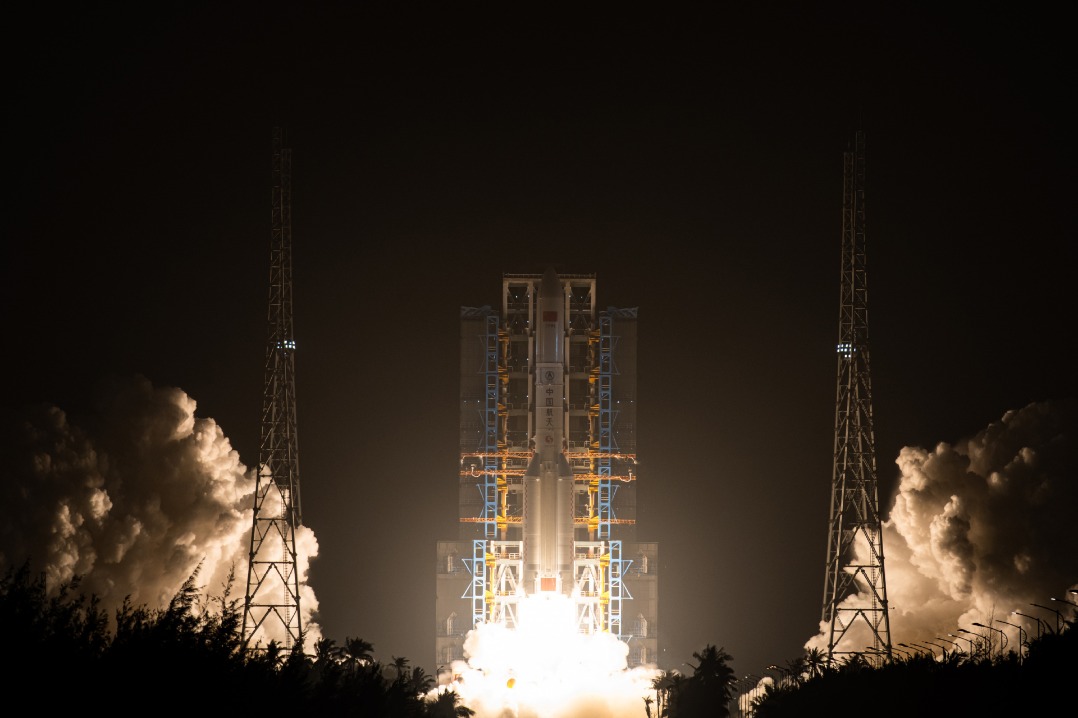
    China Aerospace Science and Technology Corporation (CASC) has successfully launched a modified Long March 5 heavy-lift carrier rocket from the Wenchang Space Launch Center in Hainan province. The Saturday evening launch at 8:30 pm local time deployed the Communications Technology Demonstrator 23 satellite into its designated orbit, marking another milestone in China’s ambitious space program.

    The mission featured a specially configured Long March 5 rocket with an extended fairing measuring 18.5 meters tall—significantly larger than the standard 12.3-meter fairing typically used. This modification resulted in an overall rocket height of 63.2 meters, establishing it as China’s tallest rocket configuration to date. The extended fairing design provides enhanced payload capacity for larger satellites and experimental equipment.

    Developed by the China Academy of Space Technology, a CASC subsidiary, the Communications Technology Demonstrator 23 satellite is designed to validate advanced multi-band high-speed satellite communications technologies. This demonstration mission represents significant progress in China’s satellite communications capabilities, potentially enabling faster data transmission and more robust space-based networking systems.

    This launch constitutes the 88th space mission conducted by China and the 618th flight of the Long March rocket series. Specifically, it represents the 17th mission for the Long March 5 family, which ranks among the world’s most powerful operational launch vehicles. The successful deployment demonstrates China’s growing expertise in heavy-lift launch capabilities and advanced satellite technology development.