作者: admin

  • Turkey demands more than 2,000 years in jail for popular Istanbul mayor

    Turkey demands more than 2,000 years in jail for popular Istanbul mayor

    Ekrem Imamoglu, the prominent mayor of Istanbul and a key political opponent of President Recep Tayyip Erdogan, has been held in pre-trial detention since March 2025 on allegations of corruption. The Istanbul prosecutor has charged Imamoglu with 142 corruption-related offenses, which could result in a prison sentence ranging from 828 to 2,352 years. The charges include 12 counts of bribery, seven counts of money laundering, and seven counts of fraud against public institutions, with estimated losses to the Turkish state amounting to 160 billion lira (£2.9 billion; $3.8 billion).

    Imamoglu, a member of the secular Republican People’s Party (CHP), denies all allegations and claims the charges are politically motivated, aimed at undermining his potential candidacy in the 2028 presidential elections. The prosecutor has also accused 401 others of being part of a criminal network allegedly led by Imamoglu. Of these, 105 are currently in detention.

    The mayor’s arrest in March sparked widespread protests, leading to hundreds of arrests and a police crackdown. Since then, he has been held in Marmara prison on the outskirts of Istanbul. In addition to the corruption case, Imamoglu faces charges of espionage and forging his university diploma, which has since been annulled. This disqualification could prevent him from running for the presidency in 2028.

    CHP leader Özgür Özel has vehemently defended Imamoglu, accusing the government of fabricating charges to silence a political rival. ‘His crime is to run for the next presidency of this country. He has no other crime!’ Özel declared during a parliamentary meeting. Imamoglu, who was re-elected as mayor in April 2024 with a significant margin, is also appealing earlier jail sentences for insulting the Istanbul prosecutor and criticizing election officials.

    The espionage case, initiated two weeks ago, alleges that Imamoglu shared data of Istanbul residents in exchange for international funding. Imamoglu has dismissed these claims as ‘nonsense,’ while his supporters argue that the charges are part of a broader effort to stifle dissent and maintain political control.

  • Winter scenery across China

    Winter scenery across China

    China Daily Information Co (CDIC) holds exclusive rights to all content published on its platform, including text, photos, and multimedia materials. Unauthorized republication or use of this content in any form is strictly prohibited without prior written consent from CDIC. The site recommends using browsers with a resolution of 1024*768 or higher for optimal viewing. Additionally, CDIC has obtained the necessary license for online multimedia publishing (License Number: 0108263) and is officially registered (Registration Number: 130349). The platform also offers various services such as advertising opportunities, job offers, and expatriate employment resources. Users can stay connected with CDIC through its social media channels for updates and engagement.

  • Iraq kicks off parliamentary elections

    Iraq kicks off parliamentary elections

    Iraq launched its parliamentary elections on Tuesday, November 11, 2025, as millions of citizens headed to the polls to elect a new 329-member Council of Representatives. The voting process, which began at 7:00 am local time (0400 GMT) and concluded at 6:00 pm (1500 GMT), was facilitated through 8,703 polling centers across the country. Over 20 million registered voters were eligible to participate in this pivotal democratic exercise, according to the Independent High Electoral Commission. The elections were conducted under a mandatory election silence period, enforced for security reasons, reflecting the nation’s fragile political climate. This marks the sixth parliamentary election since the 2003 US-led invasion, with the 2021 elections having been marred by violent clashes and prolonged political gridlock. Iraqi Prime Minister Mohammed Shia’ al-Sudani, in a televised address on Friday, emphasized the significance of this election, describing it as the most critical since 2003 and a determinant of Iraq’s future for the next two decades. The polling is seen as a litmus test for Iraq’s stability and democratic progress.

  • Deluxe Holiday Homes: Setting new standards for Dubai’s regulated holiday-rental market

    Deluxe Holiday Homes: Setting new standards for Dubai’s regulated holiday-rental market

    Dubai’s hospitality sector is undergoing a transformative phase, marked by stringent regulations, cutting-edge technology, and an emphasis on trust. At the forefront of this evolution is Deluxe Holiday Homes, a homegrown company that has redefined the short-term rental landscape, setting new benchmarks for innovation and compliance. Established in 2015 by Artyom Meltonyan, the company has grown from a modest real estate venture into a dominant player in the UAE’s vacation rental market, managing over 800 apartments and villas with a dedicated team of 265 professionals in the UAE and 45 specialists in Armenia. Deluxe Holiday Homes has earned its reputation through unwavering professionalism, reliability, and exceptional service. The company’s impressive track record includes more than 56,000 bookings, 830,000 nights, and 54,580 check-ins, generating cumulative revenues exceeding Dh500 million. These milestones underscore its operational excellence and strong market position. Deluxe Holiday Homes’ success is rooted in its ability to foster trust among guests and property owners through transparency, innovation, and strict adherence to regulatory standards. By leveraging hospitality expertise and data-driven strategies, the company continues to elevate guest satisfaction and property performance. Its contributions to Dubai’s hospitality sector have been widely recognized, including the prestigious title of Best Vacation Rental Company at the World Travel Awards 2025 and accolades from the Department of Economy and Tourism (DET) during the Holiday Homes 10th Anniversary Appreciation Ceremony. The company’s growth aligns with Dubai’s progressive regulatory framework, particularly Decree No. 41 of 2013, which established a foundation for a transparent and well-regulated holiday-home market. Deluxe Holiday Homes has been a proactive advocate for these measures, ensuring compliance with DET’s requirements and setting industry standards. Embracing Dubai’s digital transformation, the company has integrated smart solutions such as Keyless Smart Locks and DET’s QR Code Verification System to enhance safety and convenience for guests. Additionally, biometric and digital ID verification processes support Dubai’s vision of seamless travel experiences. Deluxe Holiday Homes is also expanding its luxury offerings, featuring exclusive residences in Dubai and Al Dana Island villas in Fujairah, catering to the evolving preferences of global travelers. With a decade of leadership and a clear vision for sustainable growth, Deluxe Holiday Homes embodies Dubai’s commitment to innovation, trust, and excellence in hospitality.

  • UN, partners feed over 1 mln people in Gaza since ceasefire: senior official

    UN, partners feed over 1 mln people in Gaza since ceasefire: senior official

    In a significant humanitarian effort, the United Nations and its partners have successfully provided food to over 1 million people in the Gaza Strip since the ceasefire between Israel and Hamas took effect one month ago. Tom Fletcher, UN Under-Secretary-General for Humanitarian Affairs, emphasized the ongoing commitment to saving lives and addressing critical needs in the region. Since the ceasefire on October 10, 2025, essential services have been restored, including the reopening of nutrition sites, increased hospital capacity, road clearance, and the resumption of vital immunization programs. Additionally, water lines have been repaired, and winter clothing, blankets, and mental health services have been distributed. Despite these efforts, challenges persist, including bureaucratic hurdles, limited access, and sporadic security incidents. UN teams continue to coordinate movements with Israeli authorities, though obstacles remain. Over the weekend, reports of shelling and navy fire were noted, albeit at reduced levels compared to pre-ceasefire conditions. The UN has also launched a catch-up campaign for routine immunization and nutrition, targeting 44,000 children who missed earlier vaccinations. Water trucking services have been expanded to 2,000 locations across Gaza, ensuring access to clean water for many.

  • Traditional acai berry dishes surprise visitors to Brazil climate summit, no sugar added

    Traditional acai berry dishes surprise visitors to Brazil climate summit, no sugar added

    BELEM, Brazil — Visitors attending the COP30 United Nations climate summit in Belem, Brazil, are discovering a different side of the globally popular acai berry. Unlike the sweetened, frozen versions commonly found in smoothies and breakfast bowls worldwide, the traditional acai bowls served by local vendors in Belem are unadulterated and sugar-free, staying true to their Amazonian roots. This authentic preparation, often served at room temperature as a thick liquid made from whole berries and a bit of water, has been a challenging experience for some international visitors accustomed to the sweeter, dessert-like versions. Catherine Bernard, a 70-year-old visitor from France, expressed her preference for the creamy, sweetened acai while acknowledging the cultural significance of the traditional dish. ‘Maybe if we add a little honey, some banana,’ she suggested. For the Indigenous communities of the Amazon, acai is not a dessert but a staple food, often serving as the main course of a meal. Tainá Marajoara, an activist and restaurant owner, emphasized the importance of protecting acai trees in the rainforest to maintain their quality. ‘Acai is also the blood running in the forest,’ she said. The traditional acai bowl, priced at 25 Brazilian reais ($5) at Marajoara’s COP30 pavilion restaurant, contrasts with the industrialized, sweetened versions popularized in the 1990s by surfers and jiujitsu fighters in Rio de Janeiro. Nearly all acai consumed in the U.S. originates from Brazil, with the state of Para accounting for 90% of the country’s production. However, U.S. consumers face uncertainty due to a 50% tariff imposed by former President Donald Trump on Brazilian exports. The harvesting of acai is a physically demanding job, with workers climbing tall trees to collect the berries. A full crate of acai sells for around $50 at local markets, but prices could drop if U.S. sales decline. Environmental challenges, such as erosion in coastal Amazon areas, are affecting the taste and quality of some acai berries, making them saltier and less vibrant. Marajoara and others advocate for greater environmental protection to preserve the acai trees and the rainforest ecosystem. ‘For acai to be healthy, the rainforest needs to be healthy too,’ she concluded.

  • Death toll from 2 powerful storms in Philippines rises to 250

    Death toll from 2 powerful storms in Philippines rises to 250

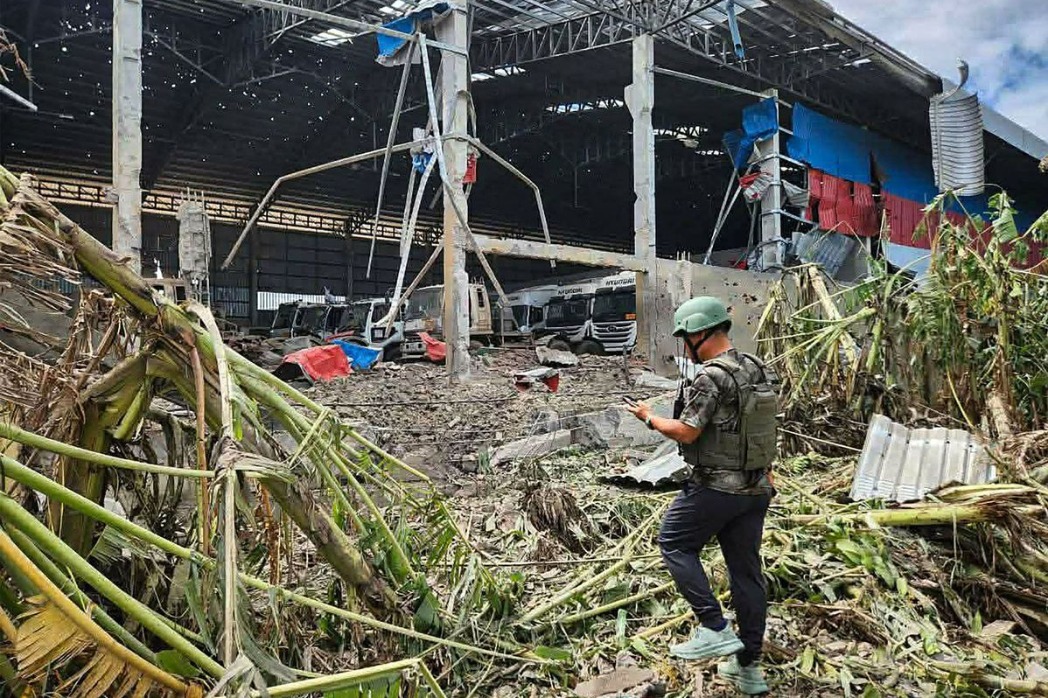
    The Philippines is facing a humanitarian crisis as the death toll from two consecutive powerful storms has surged to 250, with millions displaced and widespread destruction reported. Authorities confirmed the grim statistics on Tuesday, highlighting the severe impact of Typhoon Kalmaegi and Super Typhoon Fung-wong. Typhoon Kalmaegi, which struck on November 4, unleashed catastrophic flooding and mudslides in the central Philippines, resulting in 232 fatalities and leaving 112 individuals unaccounted for. The hardest-hit region was Cebu province, which is still recovering from a devastating magnitude 6.9 earthquake that occurred on September 30. Meanwhile, Super Typhoon Fung-wong, which made landfall on Luzon Island on Sunday, claimed at least 18 lives. The dual storms have caused unprecedented damage, destroying homes, agricultural lands, and critical infrastructure such as roads and bridges. Fung-wong marks the 21st tropical cyclone to hit the Philippines this year, exceeding the nation’s annual average of 20 storms. The scale of the disaster has overwhelmed local authorities, who are now focused on rescue and relief operations to assist the millions affected by these calamities.

  • Delhi blast: Red fort to be closed for 3 days; security officials arrive for meeting

    Delhi blast: Red fort to be closed for 3 days; security officials arrive for meeting

    In the wake of a recent explosion in Delhi, authorities have announced the temporary closure of the iconic Red Fort for three days. The decision comes as a precautionary measure to ensure public safety and facilitate thorough security assessments. High-ranking security officials have convened an emergency meeting to discuss the incident and strategize on enhancing protective measures across the city. The blast, which occurred in a densely populated area, has raised concerns about potential threats to national security. While details of the explosion remain under investigation, the government has urged citizens to remain vigilant and report any suspicious activities. The Red Fort, a UNESCO World Heritage Site and a symbol of India’s rich history, attracts thousands of visitors daily, making its security a top priority. The closure is expected to impact tourism and local businesses, but officials emphasize that public safety takes precedence. This incident underscores the ongoing challenges in maintaining security in urban centers and highlights the need for robust counter-terrorism strategies.

  • Saudi King calls for rain prayer across Kingdom on November 13

    Saudi King calls for rain prayer across Kingdom on November 13

    In a significant spiritual initiative, Saudi King Salman bin Abdul Aziz has urged citizens across the Kingdom to participate in a special rain-seeking prayer, known as Salat Al-Istisqa, on Thursday, November 13. This call comes as part of a broader regional effort to address prolonged drought conditions and seek divine intervention for much-needed rainfall. The prayer, deeply rooted in Islamic tradition, involves two rak‘ahs (units of prayer) where worshippers repent and beseech God for mercy and relief. It is traditionally followed by a khutbah (sermon) in which the imam emphasizes repentance, charity, and acts of kindness, encouraging the community to seek forgiveness and ease the hardships of others. The Saudi Royal Court issued a statement highlighting the importance of increasing voluntary acts of worship, such as giving charity and performing extra prayers, in the hope of divine relief. This spiritual appeal is not isolated to Saudi Arabia. Neighbouring Kuwait witnessed a similar initiative on November 8, with dozens participating in rain prayers across 125 mosques nationwide. The United Arab Emirates also held a rain prayer on October 17, following a call from President Sheikh Mohamed bin Zayed. These collective efforts underscore the region’s reliance on spiritual practices to address environmental challenges and foster communal solidarity.

  • COP30: The Amazon calls for climate action

    COP30: The Amazon calls for climate action

    The 30th UN Climate Change Conference (COP30) commenced on November 10, 2025, in Belém, Brazil, marking a pivotal moment in the global fight against climate change. Hosted at the gateway to the Amazon rainforest, the summit brings together leaders from nearly 200 countries to accelerate efforts on emissions reduction, renewable energy, and climate justice. This year’s conference holds particular significance as it returns to Brazil, the birthplace of the UN Framework Convention on Climate Change (UNFCCC) signed at the 1992 Rio Earth Summit. COP30 is not just another diplomatic gathering but a reckoning with unmet promises and a call for concrete action. Brazil’s presidency has emphasized the need to deliver on past commitments, including phasing out fossil fuels, scaling up renewable energy, and mobilizing climate finance for developing economies. The summit is expected to acknowledge the world’s failure to stay below the 1.5°C threshold, a critical tipping point for catastrophic climate impacts. COP30 also highlights the importance of protecting natural ecosystems, with a focus on inclusion, equity, and environmental justice. The event’s agenda is structured around six key themes: emissions reduction, adaptation, climate finance, renewable energy, biodiversity preservation, and climate justice. Thematic days will delve into topics such as cities, infrastructure, health, energy transition, and food systems, with a closing emphasis on the role of science and technology in driving climate solutions. Participants include representatives from governments, NGOs, academia, and civil society, with a strong presence from the Global South, including the BASIC group (Brazil, South Africa, India, and China). As the first COP held in the Amazon, COP30 symbolizes the urgent need to protect the planet’s vital ecosystems and ensure a sustainable future for all.