作者: admin

  • Grim inflation reading for cash-strapped mortgage holders

    Grim inflation reading for cash-strapped mortgage holders

    Fresh economic data from the Australian Bureau of Statistics has delivered a significant blow to financially strained homeowners, indicating a potential resurgence in interest rates. The latest quarterly inflation figures, considered crucial for monetary policy direction, have exceeded economist projections and market expectations.

    The core inflation metric closely monitored by the Reserve Bank of Australia – the trimmed mean inflation rate – reached 0.9% for the December quarter, bringing the annual rate to 3.3%. This represents an increase from the previous reading of 3.2%, moving further away from the RBA’s target band of 2-3%. Meanwhile, the headline inflation rate, which includes more volatile items, climbed to 3.8% annually from 3.4% in November.

    Market reactions were immediate and decisive, with traders increasing the probability of a February rate hike from 60% to 70% following the data release. Housing costs emerged as the primary driver of inflation, surging by 5.5% annually, while food and non-alcoholic beverages increased by 3.4%.

    Financial institutions have responded to the stronger-than-expected data with revised forecasts. ANZ joined Commonwealth Bank and National Australia Bank in predicting a rate increase when the RBA meets next Tuesday. ANZ’s head of Australian economics, Adam Boyton, characterized the anticipated hike as a single ‘insurance’ tightening rather than the beginning of a series of increases.

    Investment experts expressed concern over the persistent inflationary pressures. Russell Chesler of VanEck described the figures as ‘uncomfortably high,’ noting that inflation is not moving decisively toward the RBA’s target range. With unemployment remaining low at 4.1% and property prices continuing to rise, market participants are now questioning not if rates will increase, but when and by how much.

    The RBA governing board will convene on February 5-6, with Governor Michele Bullock scheduled to announce the official cash rate decision at 2:30 PM on Tuesday. Economists had previously indicated that a trimmed mean inflation reading of 0.8% or lower would have likely spared mortgage holders from additional financial pressure.
  • Iran warns against ‘instability’ after US naval strike group arrives

    Iran warns against ‘instability’ after US naval strike group arrives

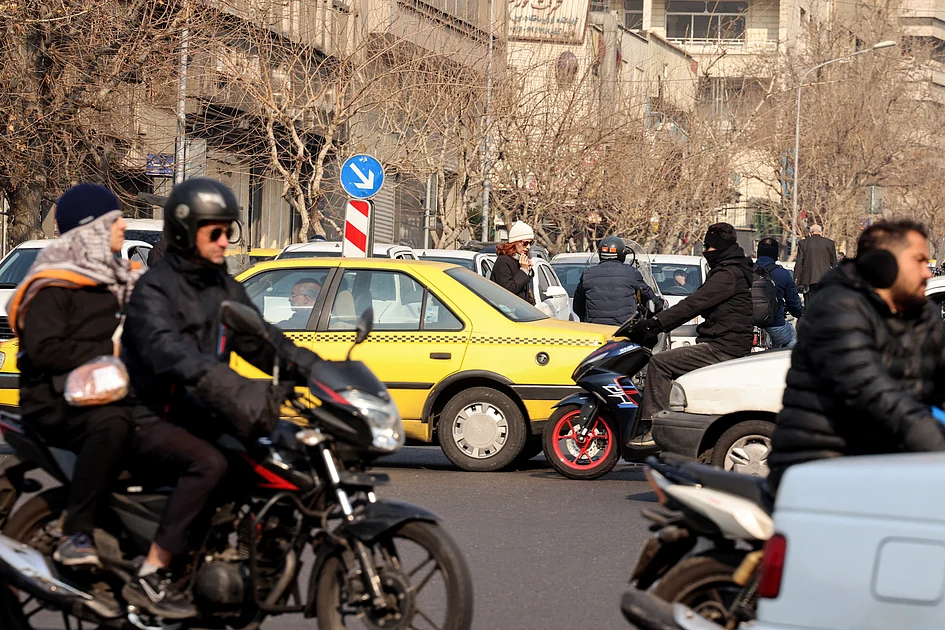
    Tensions between Tehran and Washington have intensified significantly following the strategic positioning of a US naval strike group in Middle Eastern waters. Iranian President Masoud Pezeshkian issued a stern warning on Tuesday, asserting that American military threats would only generate regional instability rather than achieve their intended objectives.

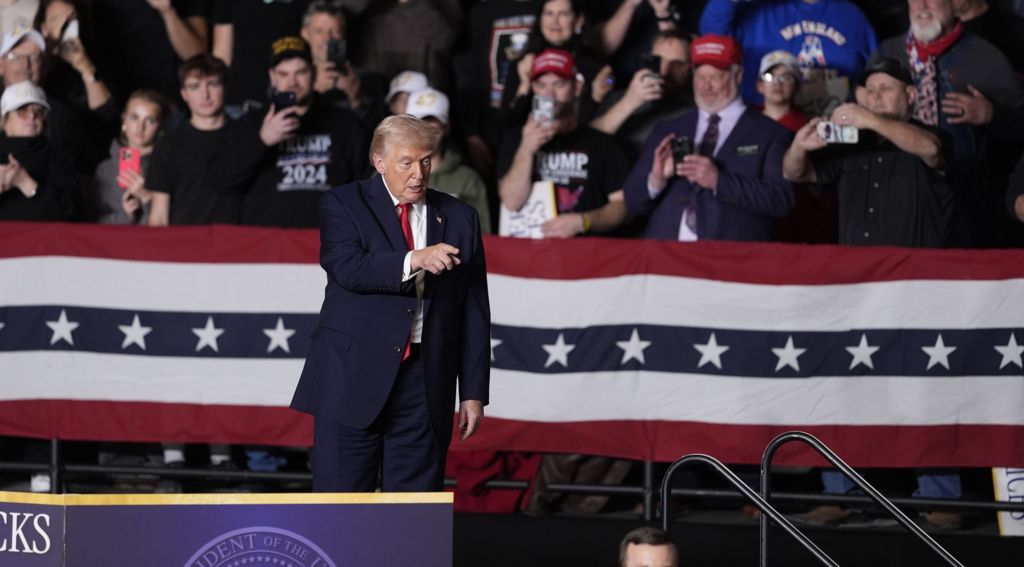
    The escalation comes amid ongoing protests within Iran that have prompted a severe government crackdown. While US President Donald Trump has deployed the USS Abraham Lincoln carrier group to the region, he has simultaneously indicated openness to diplomatic engagement, noting that Iranian officials have ‘called on numerous occasions’ seeking negotiation.

    Iran’s Revolutionary Guards delivered a pointed message to neighboring nations, cautioning that any country permitting its territory, airspace, or waters to be used against Iran would be considered hostile. This warning from Mohammad Akbarzadeh, political deputy of the IRGC naval forces, underscores Tehran’s heightened security concerns.

    Analysts suggest the Trump administration is considering multiple intervention options, ranging from targeted military strikes to leadership-focused operations aimed at undermining Iran’s clerical establishment. US intelligence assessments reportedly indicate the Iranian government’s hold on power may be at its weakest point since the 1979 revolution.

    Human rights organizations report a devastating toll from the government’s response to protests, with confirmed fatalities exceeding 6,000 and arrests surpassing 41,000. The extensive internet blackout imposed by Iranian authorities has complicated accurate documentation of casualties and repression.

    The situation remains volatile with both military posturing and diplomatic channels operating simultaneously, creating a complex landscape of confrontation and potential negotiation in the strategically critical region.

  • Exclusive: Blair meeting with Gaza committee stresses no role in politics, disarmament

    Exclusive: Blair meeting with Gaza committee stresses no role in politics, disarmament

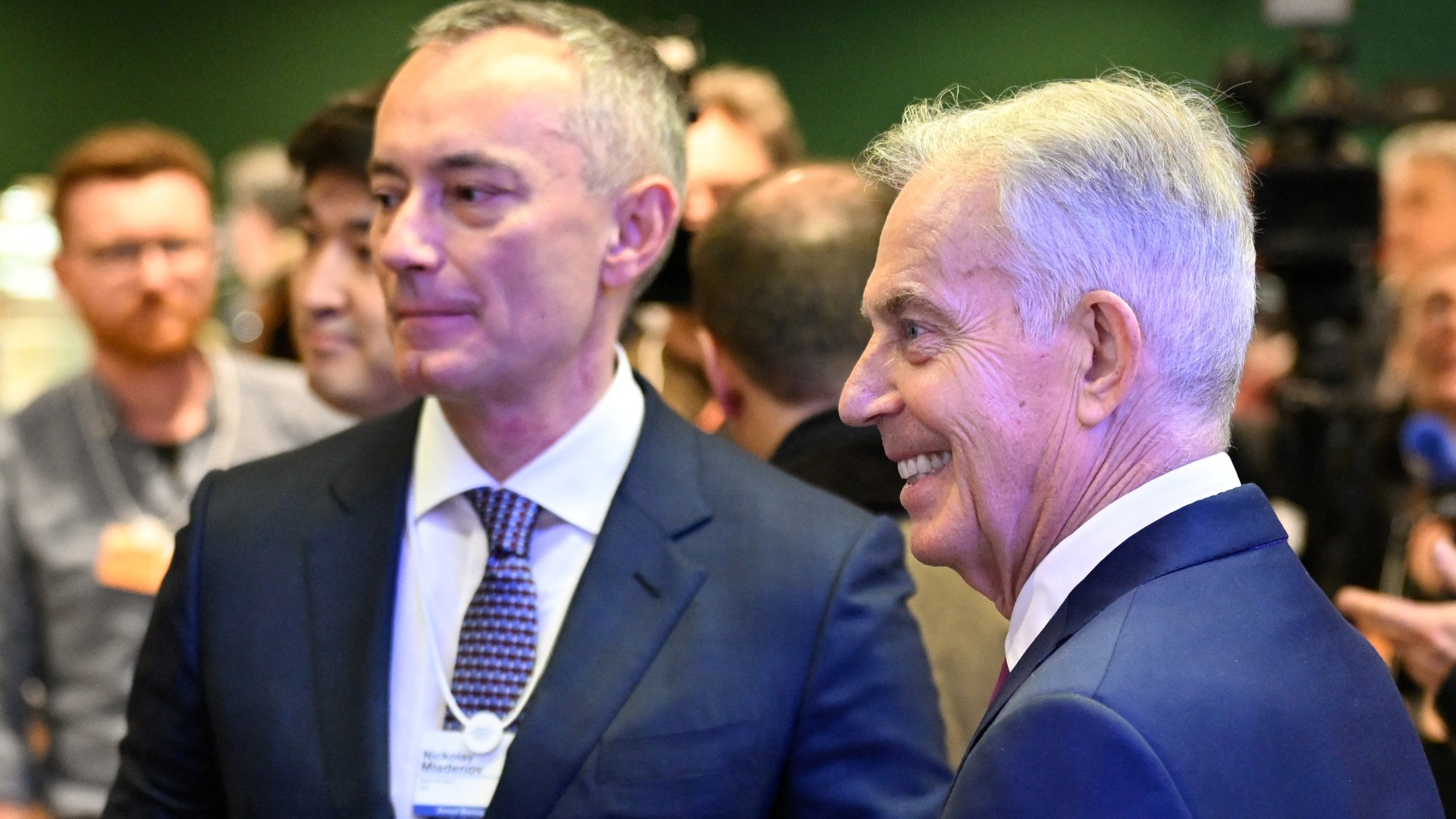
    In a significant diplomatic engagement, former British Prime Minister Tony Blair met with the newly formed National Committee for the Administration of Gaza (NCAG) on Monday, delivering a clear mandate for the technocratic body to concentrate exclusively on service provision while explicitly avoiding political and security matters.

    Blair, serving on the executive board of the U.S.-appointed ‘Board of Peace,’ emphasized during the meeting that the NCAG’s role is strictly humanitarian and administrative. According to Palestinian sources briefed on the discussions, Blair acknowledged the committee’s challenging task but stressed that international support exists for its success, provided it remains focused on civilian services rather than political issues or the disarmament of armed groups.

    The NCAG, comprising 15 Palestinians and led by former Planning Deputy Minister Dr. Ali Shaath, represents a cornerstone of the ceasefire agreement ending the Israeli genocide in Gaza. Blair and Shaath reportedly agreed that the committee would have no involvement in weapons-related matters, with Shaath explicitly stating: ‘Don’t involve us in the issue of weapons.’

    Despite high-level discussions, concrete operational details remain unresolved. Committee members raised pressing concerns about funding mechanisms and border crossing operations, to which Blair could not provide specific answers. He suggested the committee could utilize existing civil servants in Gaza while acknowledging many might not remain in their positions due to the wartime conditions.

    The meeting also addressed coordination with international bodies, with Blair announcing that U.S.-appointed Gaza representative Nickolay Mladenov would meet with the committee in Cairo on Wednesday. Mladenov will serve as the crucial liaison between the Board of Peace and the NCAG.

    Parallel diplomatic efforts are underway, with Turkish and Moroccan officials offering support including field hospitals and medical supplies. However, European Union representatives similarly failed to provide specific commitments during separate meetings with Shaath, particularly regarding funding through World Bank mechanisms or police training programs.

    According to assessments from U.S. sources, NCAG members could potentially enter Gaza as early as next week, though security arrangements through the Al-Shurafa Company are still being organized without a permanent headquarters yet established.

  • Iran-aligned militias threaten retaliatory strikes, but will they follow through?

    Iran-aligned militias threaten retaliatory strikes, but will they follow through?

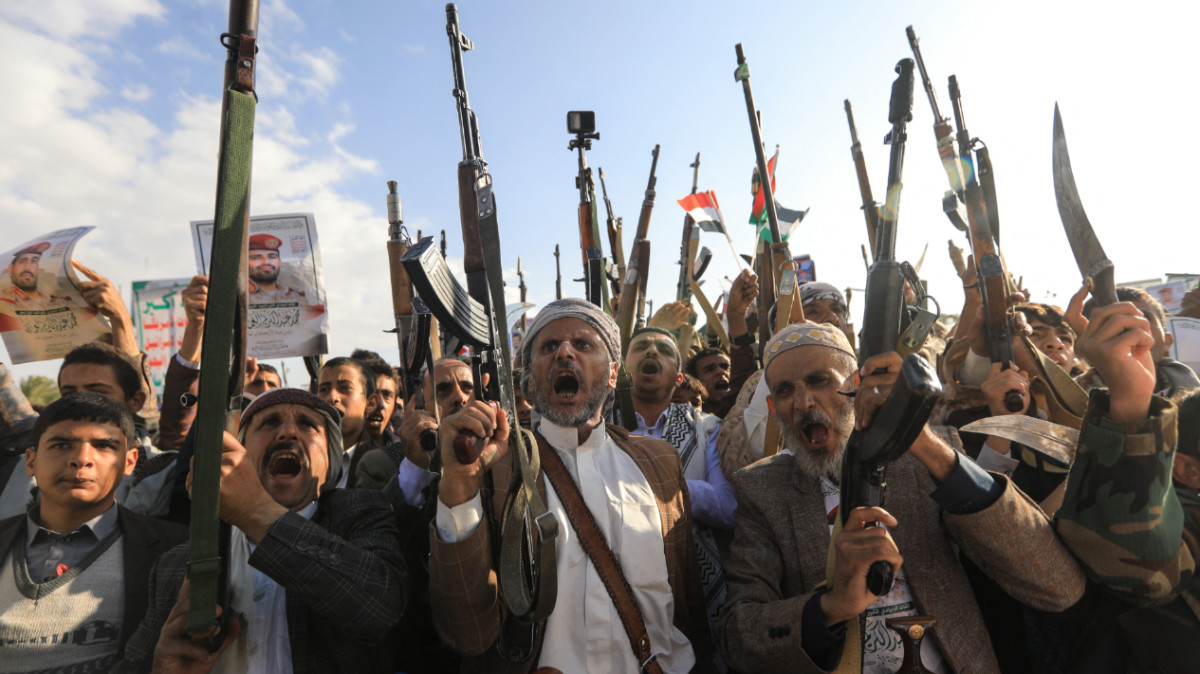
    Iran-aligned paramilitary forces across the Middle East have issued stark warnings of potential retaliation against any American military action targeting the Islamic Republic. The escalating tensions emerge as the Trump administration deliberates possible precision strikes against Iranian officials deemed responsible for protester casualties.

    In Iraq, Kataib Hezbollah leader Abu Hussein al-Hamidawi declared readiness for “total war” in a Sunday statement, threatening that enemies “will taste every form of deadly suffering” and promising to eliminate all US presence from the region. Simultaneously, Yemen’s Houthi movement released a provocative video暗示 the resumption of maritime attacks in the Red Sea, captioned simply “Soon.”

    The geopolitical landscape reflects heightened vulnerability for US forces, with approximately 40,000 American troops stationed throughout the Middle East. Critical bases in Iraq, Syria, and particularly Gulf states like Kuwait, Qatar, UAE, Bahrain, and Saudi Arabia represent potential flashpoints. Several Arab governments have actively lobbied against US military action, fearing regional escalation.

    Military preparedness indicators show significant US mobilization, including the redeployment of the Abraham Lincoln aircraft carrier strike group from the South China Sea to the Middle East, accompanied by F-35 and F/A-18 fighter squadrons. Open-source intelligence also reveals F-15 warplane reinforcements at Jordan’s Muwaffaq Salti Air Base.

    The current tensions recall earlier confrontations in 2025, when direct conflict occurred between the US, Israel, and Iran, including US bombing of Iranian nuclear facilities. The January 2024 drone strike in Jordan that killed three US soldiers remains a recent precedent for militia capabilities.

    Regional dynamics have shifted substantially since the 2023 Hamas-led attack on Israel and subsequent Gaza conflict. Iranian proxy networks have experienced significant transformations, with Lebanese Hezbollah particularly degraded following the assassination of leader Hassan Nasrallah and subsequent disarmament agreements. This has elevated the strategic importance of Iraqi militias like Kataib Hezbollah within Iran’s regional strategy.

    The so-called “axis of resistance” exhibits varying degrees of independence from Tehran, with Iraq’s Popular Mobilization Forces integrated into state structures, Hezbollah maintaining political influence in Lebanon, and the Houthis operating with considerable autonomy in Yemen. The Houthis have emerged particularly strengthened from recent conflicts, having maintained missile capabilities against Israel despite a May 2025 truce with the US.

    Current administration discussions have been characterized as “chaotic” amid concerns about potential escalation consequences, reflecting the complex calculations surrounding any military action against Iran and its regional network.

  • Republicans criticise immigration force but steer clear of Trump attacks

    Republicans criticise immigration force but steer clear of Trump attacks

    A significant fracture is emerging within the Republican Party as lawmakers grapple with the political fallout from a controversial immigration enforcement operation in Minneapolis that resulted in the fatal shootings of two U.S. citizens. While maintaining support for President Trump’s broader immigration agenda, prominent Republican senators are increasingly expressing criticism toward the implementation tactics and leadership of Department of Homeland Security agencies.

    The tension highlights the party’s delicate balancing act heading into midterm elections: supporting popular immigration policies while responding to public outrage over specific enforcement actions. Several Republican senators have called for increased oversight and accountability, with North Carolina Senator Thom Tillis demanding the resignation of DHS Secretary Kristi Noem, stating she has proven ‘way out of her depth.’

    Despite these criticisms, most Republicans have avoided direct condemnation of President Trump himself. Instead, lawmakers have focused their concerns on operational execution rather than policy fundamentals. The party remains largely supportive of the administration’s immigration objectives, having approved approximately $45 billion for border security and interior enforcement last year.

    The situation has created unusual alliances, with both moderate Republicans and some Trump allies expressing concerns about the shootings. Senators including Rand Paul (KY) and Lisa Murkowski (AK) have called for congressional hearings, while Representative Andrew Garbarino (NY) supports a full investigation into the incidents.

    In response to growing pressure, the administration has moderated its rhetoric and taken steps to de-escalate tensions. President Trump dispatched border tsar Tom Homan to assume control of Operation Metro Surge in Minneapolis, replacing top Border Patrol official Gregory Bovino. The president has also engaged in discussions with Minnesota Democratic leaders Governor Tim Walz and Mayor Jacob Frey, acknowledging the unsustainable nature of the current situation.

    The political implications continue to evolve as Senate Democrats threaten to block spending packages containing additional DHS funding, potentially triggering a government shutdown. This development may force Republicans to more vigorously defend the administration’s immigration policies, potentially overshadowing calls for investigation into the Minneapolis shootings.

  • UPS to cut 30,000 jobs as it moves away from Amazon

    UPS to cut 30,000 jobs as it moves away from Amazon

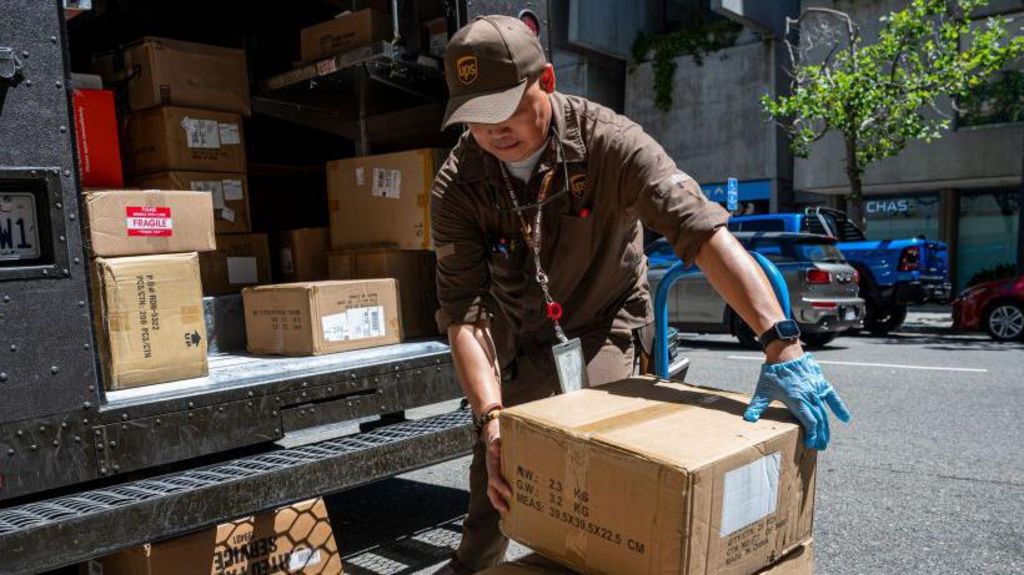
    In a major corporate restructuring move, global logistics leader United Parcel Service (UPS) has announced plans to eliminate up to 30,000 positions throughout 2026. This workforce reduction forms part of the company’s continued strategic disengagement from Amazon, which it identifies as significantly detrimental to profit margins.

    The job reductions will be implemented through voluntary buyout packages offered to full-time drivers and through natural attrition by not refilling voluntarily vacated positions. This decision comes despite UPS reporting robust earnings of $24.5 billion for the fourth quarter of 2025 and projecting an unexpected revenue increase to $89.7 billion for the upcoming year.

    This initiative represents the latest phase in a comprehensive turnaround strategy initiated last year, designed to systematically decrease UPS’s reliance on Amazon. Instead, the company is pivoting toward serving more profitable client sectors, particularly healthcare companies. This strategic reorientation previously resulted in 48,000 job cuts and the shuttering of 93 facilities throughout 2025, with an additional 24 facilities scheduled for closure in the first half of 2026.

    Chief Executive Carol Tome characterized this process as the ‘final six months of our Amazon accelerated glide down plan,’ noting the company intends to reduce Amazon parcel volume by an additional one million pieces daily while simultaneously reconfiguring its delivery network.

    In a separate safety-related decision, UPS confirmed the permanent retirement of its entire MD-11 cargo plane fleet following November’s fatal crash in Louisville, Kentucky. These aircraft, representing approximately 9% of the company’s total fleet, had remained grounded since the incident.

    The market responded neutrally to these announcements, with UPS shares closing marginally higher in Tuesday’s New York trading session. This corporate restructuring occurs against the backdrop of Amazon’s dramatic expansion of its proprietary delivery infrastructure, which has substantially eroded the market dominance traditionally held by UPS, FedEx, and the US Postal Service.

    According to industry data, Amazon executed 6.3 billion deliveries within the United States during 2024, surpassing both UPS and FedEx in volume. Projections from Pitney Bowes’ parcel shipping index indicate Amazon is positioned to overtake USPS in total US delivery volumes by 2028.

  • William Swale: Diabetic driver involved in horror Daylesford crash that killed five compelled to answer questions

    William Swale: Diabetic driver involved in horror Daylesford crash that killed five compelled to answer questions

    A Victorian coroner has ruled that William Swale, the driver responsible for a catastrophic vehicle collision that claimed five lives, must provide testimony at an upcoming coronial inquest. The decision comes despite Swale’s attempt to avoid giving evidence on self-incrimination grounds.

    The tragic incident occurred on November 5, 2023, during the Melbourne Cup long weekend, when Swale’s BMW X5 veered into the outdoor dining area of the Royal Daylesford Hotel. The collision resulted in the deaths of three adults and two children from two visiting families: Pratibha Sharma, 44; her daughter Anvi, 9; her husband Jatin Kumar, 30; their friend Vivek Bhatia, 38; and his son Vihann, 11. Six additional individuals sustained injuries in the horrific crash.

    Medical evidence presented during previous legal proceedings revealed that Swale, who has lived with type-1 diabetes for three decades, was experiencing dangerously low blood sugar levels at the time of the accident. Emergency responders reported finding him in an altered state of consciousness and largely incomprehensible immediately following the collision.

    Although Swale initially faced 14 criminal charges, including five counts of culpable driving causing death, Magistrate Guillaume Bailin dismissed all charges in September 2024. The magistrate determined prosecutors had failed to disprove that Swale was already experiencing a severe hypoglycemic event when he resumed driving after a brief stop in Daylesford.

    Coroner Dimitra Dubrow emphasized the compelling public interest in understanding the complete circumstances surrounding the tragedy. “Numerous questions remain unanswered,” Dubrow stated in her Wednesday ruling. “These relate to how Mr. Swale was able to become severely hypoglycemic notwithstanding continuous glucose monitoring.”

    To facilitate Swale’s testimony, the coroner will grant him a certificate preventing his inquest evidence from being used against him in future proceedings. While acknowledging the theoretical possibility of future criminal proceedings, Dubrow characterized the likelihood of prosecutors using his testimony for a differently framed case as “relatively low.”

    The inquest, scheduled to commence on March 10, will examine critical safety considerations including protective measures for hotel patrons and safe driving protocols for individuals managing type-1 diabetes.

  • From Australia to Europe, countries move to curb children’s social media access

    From Australia to Europe, countries move to curb children’s social media access

    In an unprecedented global movement, nations across the world are implementing stringent age-based restrictions on social media access for minors. Australia has emerged as the pioneering nation, enacting a landmark legislation in November 2024 that effectively bans children under 16 from accessing major platforms including TikTok, YouTube, Instagram, and Facebook since December 10, 2025. This radical approach imposes severe penalties of up to A$49.5 million ($34.3 million) for non-compliant companies.

    The Australian model has triggered a domino effect across continents. Britain’s Prime Minister Keir Starmer announced on January 20 that the government is considering similar restrictions, though specific age thresholds remain undefined. France’s National Assembly approved legislation on January 26 to ban social media for under-15s, while Denmark is moving to prohibit access for children under 15 with parental exemptions possible from age 13. Malaysia has declared intentions to implement bans for users under 16 starting 2026.

    European nations are adopting varied approaches. Germany requires parental consent for minors aged 13-16, Italy mandates parental approval for those under 14, and Norway proposes raising the consent age from 13 to 15. The European Parliament has advocated for a harmonized EU digital age limit of 16 for social media access, though this resolution remains non-binding.

    Asian responses demonstrate regional diversity. China has implemented a comprehensive ‘minor mode’ program with device-level restrictions and app-specific screen time limitations based on age. India’s tourist state Goa is evaluating restrictions mirroring Australia’s approach, signaling potential nationwide implications.

    The United States maintains its Children’s Online Privacy Protection Act prohibiting data collection from children under 13 without parental consent, though state-level initiatives for broader restrictions have faced legal challenges on free speech grounds.

    Despite tech industry self-regulation requiring users to be at least 13, child protection advocates argue these measures prove insufficient. Official European data reveals significant numbers of children under 13 maintain active social media accounts, highlighting the enforcement challenges facing these new regulatory frameworks.

  • Israel President Isaac Herzog to meet with Jewish, federal leaders in Australia visit

    Israel President Isaac Herzog to meet with Jewish, federal leaders in Australia visit

    Israeli President Isaac Herzog’s upcoming official visit to Australia has generated both diplomatic anticipation and significant controversy, with pro-Palestinian groups organizing nationwide protests against the high-profile trip. The presidential office confirmed on Wednesday that Herzog will embark on a five-day diplomatic mission beginning February 8, 2026, featuring high-level meetings with Australian political leadership and Jewish community representatives.

    The visit, extended by Prime Minister Anthony Albanese following the Bondi Beach terrorist attack that claimed fifteen lives, will include solemn meetings with victims’ families and survivors of the December 14 tragedy. Herzog’s itinerary encompasses discussions with Governor-General Sam Mostyn, Prime Minister Albanese, and cross-party political leaders, alongside engagements with Australian Jewish communities to express international solidarity.

    Accompanying the President will be a delegation comprising World Zionist Organization chairman Yaakov Hagoel and Jewish Agency for Israel chairman Major-General Doron Almog, underscoring the visit’s significance for Israeli-Australian relations.

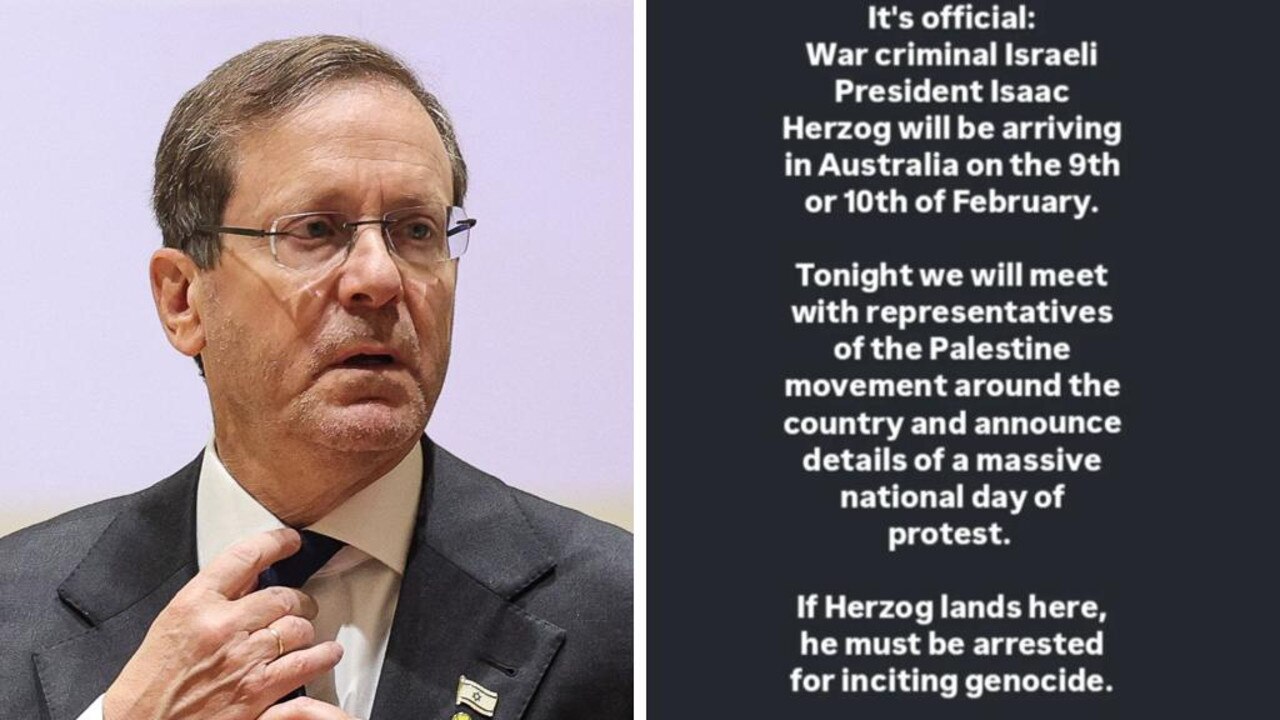
    However, the diplomatic mission faces substantial opposition from pro-Palestinian organizations alleging Herzog’s involvement in inciting genocide in Gaza, where casualties have exceeded 70,000 since Hamas’s October 2023 offensive. These allegations reference a United Nations Human Rights High Commissioner investigation that identified both Herzog and Israeli Prime Minister Benjamin Netanyahu as having potentially incited genocidal actions—claims Herzog has denied as taken out of context.

    The Sydney-based Palestine Action Group has announced coordination meetings to plan a “massive national day of protest,” demanding Herzog’s arrest upon arrival for alleged war crimes. Concurrently, the left-wing Jewish Council of Australia has urged rescinding the invitation, accusing the government of exploiting Jewish trauma for political purposes.

    Despite the controversy, Australian Jewish organizations including the Executive Council of Australian Jewry and Zionist Federation of Australia have welcomed the visit, anticipating it will provide meaningful comfort to attack victims’ families while strengthening bilateral ties between the nations.

  • Amazon launches fresh grocery delivery in Sydney with Harris Farm Market

    Amazon launches fresh grocery delivery in Sydney with Harris Farm Market

    In a strategic maneuver poised to challenge Australia’s entrenched supermarket duopoly, Amazon has forged a groundbreaking partnership with premium grocer Harris Farm Markets to launch its inaugural fresh food delivery service in the Australian market. This expansion beyond non-perishables represents Amazon’s most significant grocery sector incursion to date, directly competing with Coles and Woolworths’ established online services.

    The service debuts across 80 Sydney suburbs including Double Bay, Lakemba, Rhodes and Rockdale, offering approximately 55,000 grocery items alongside Harris Farm’s premium produce and artisan products. All orders will be fulfilled through Harris Farm’s Leichhardt facility and delivered within precise two-hour windows via Amazon Flex’s network of delivery partners.

    Arno Lenior, Amazon Prime APAC director, emphasized the customer-driven nature of this expansion: ‘Everyday Essentials represents one of our fastest growing categories in Australia. We’re thrilled to integrate Harris Farm’s exceptional range, enabling customers to complete their entire grocery shopping on our platform with same-day delivery availability.’

    The pricing structure eliminates service and bag fees, with Prime members receiving free shipping on orders exceeding $100, while non-Prime members qualify for free delivery on orders over $200. This market entry occurs as both Coles and Woolworths intensify their investments in digital logistics, including artificial intelligence implementations for order management and customer demand forecasting.

    Harris Farm Markets co-CEO Angus Harris characterized the alliance as synergistic: ‘Amazon shares our customer-first philosophy, and their logistical capabilities enable us to reliably deliver our quality products to more households while maintaining competitiveness without compromising our value proposition.’