作者: admin

  • Celebrate festive season with Ghraoui Chocolate’s indulgent Christmas Collection

    Celebrate festive season with Ghraoui Chocolate’s indulgent Christmas Collection

    Ghraoui Chocolate, the renowned confectionery house with a legacy dating back to 1805, has launched an exclusive Christmas Collection designed to elevate festive celebrations through artisanal craftsmanship. This limited-edition assortment merges centuries-old Damascene sweet-making traditions with European artistry, offering sophisticated options for holiday gifting and table presentations.

    The collection features meticulously crafted chocolate figures including Tiny Santa with caramelised praline filling, Tiny Snowman with crushed mixed nuts, and various Santa-themed creations in premium milk chocolate. Each piece is wrapped in deep winter-toned packaging adorned with hand-painted-style ornaments, pine branches, and delicate blossoms, complemented by red bows and gold accents that evoke seasonal elegance.

    Beyond the chocolate offerings, Ghraoui presents traditional fruit treats including Ghouta and Pâtes de Fruits that recall historical luxury confectionery. The range spans from Apricot Chewcake to Fruit Rouges, featuring velvety pralines, nut-studded delights, and vibrant fruit infusions—all crafted without artificial additives.

    The collection’s bespoke packaging includes embroidered boxes with Christmas decorations, seasonal sleeves, and curated hampers. Ghraoui ensures seamless delivery across the UAE, Kuwait, Bahrain, Qatar, and Saudi Arabia, making premium gifting accessible throughout the region during the festive season.

  • Wall St Week Ahead: A Santa rally? Investors hope for year-end gains to cap strong 2025

    Wall St Week Ahead: A Santa rally? Investors hope for year-end gains to cap strong 2025

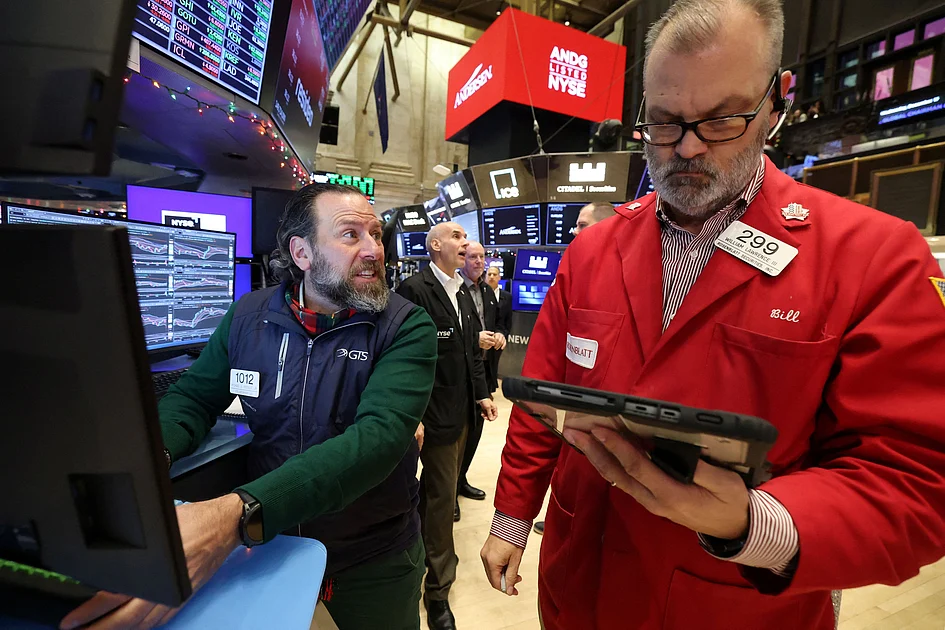
    Wall Street investors anticipating traditional year-end market gains are navigating unexpected turbulence as December’s performance defies historical patterns. Despite heading toward double-digit percentage gains for 2025, the S&P 500 has registered modest declines this month, contrasting with its typical strong December performance.

    Market volatility in recent weeks has been driven by two primary factors: increasing scrutiny of massive corporate investments in artificial intelligence infrastructure and evolving expectations regarding Federal Reserve interest rate policies for 2026. Technology stocks, particularly those tied to AI development, faced pressure following concerns about Oracle’s data-center project, while encouraging inflation data provided temporary relief.

    According to Angelo Kourkafas, senior global investment strategist at Edward Jones, recent economic indicators reinforce expectations that the Fed will maintain a rate-cutting bias. While profit-taking after a strong year may create selling pressure, Kourkafas suggests the latest data ‘likely provide a green light for the Santa Claus rally to take place this year.’

    Historical data from the Stock Trader’s Almanac shows that since 1950, the S&P 500 has averaged a 1.3% gain during the period encompassing the last five trading days of the year and the first two January sessions. This year’s critical window runs from December 24 through January 5.

    Investors have been processing a backlog of economic data delayed by the recent 43-day federal government shutdown. November employment figures revealed rebounding job growth alongside a 4.6% unemployment rate—the highest level in over four years. Concurrently, consumer price index data indicated milder-than-expected inflation growth, though analysts caution about potential distortions from delayed data collection and seasonal retail discounts.

    The Federal Reserve has implemented rate cuts at three consecutive meetings, leaving market participants to decipher economic signals for clues about future monetary policy adjustments in 2026.

    Trevor Slaven, global head of asset allocation at Barings, notes the particular challenge of interpreting shutdown-affected data: ‘There’s this unsettled argument between the direction of travel for these major central banks, the direction of travel for inflation at a time when it does look like there’s more softness in the labor market data.’

    While AI-driven stocks have propelled market gains throughout 2025—with the S&P 500 achieving over 15% growth—recent skepticism about returns on massive infrastructure investments has tempered enthusiasm for technology sectors. This development is particularly significant given technology’s substantial weighting in major indexes.

    Mark Luschini, chief investment strategist at Janney Montgomery Scott, observes that ‘skepticism around the AI spend is becoming more prominent,’ contributing to pressure on cap-weighted indexes. However, previously lagging sectors including transportation, financial services, and small-cap stocks have demonstrated strength in December, providing market stability amid technology sector volatility.

    Kourkafas concludes that while money has rotated away from technology, ‘other areas have stepped up and have helped keep markets mostly range-bound,’ suggesting a broader market participation beyond the AI narrative that dominated most of 2025.

  • Adnoc secures landmark structured financing of up to $11 billion for Hail and Ghasha Gas Development

    Adnoc secures landmark structured financing of up to $11 billion for Hail and Ghasha Gas Development

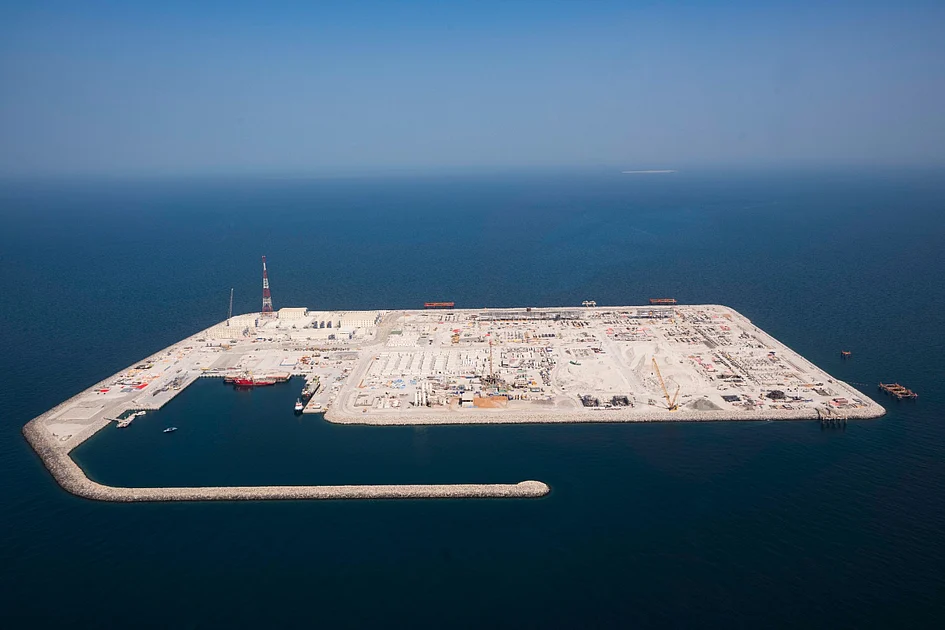
    Abu Dhabi National Oil Company (ADNOC), in collaboration with energy partners Eni and PTT Exploration and Production, has achieved a groundbreaking financial milestone with the successful closure of an $11 billion structured financing arrangement. This transformative transaction specifically targets the midstream development of the Hail and Ghasha natural gas fields, situated within the broader Ghasha Concession offshore Abu Dhabi.

    The financing model represents a significant innovation in energy project funding, being structured as non-recourse financing—an unprecedented approach for a project of this magnitude and technical complexity. This arrangement enables ADNOC to realize upfront value for future gas production while maintaining strategic and operational control over the assets. The transaction has attracted exceptional demand from more than 20 leading global and regional financial institutions, demonstrating strong market confidence in ADNOC’s development strategy.

    Beyond its financial engineering, the Hail and Ghasha project represents an environmental milestone as the world’s first offshore gas development designed to operate with net-zero emissions. The project incorporates advanced carbon capture technology capable of sequestering 1.5 million tonnes of carbon dioxide annually—equivalent to removing more than 300,000 vehicles from roadways each year. Upon completion, the concession is projected to produce approximately 1.8 billion standard cubic feet of natural gas per day, significantly contributing to the UAE’s energy strategy and global gas markets.

    Dr. Sultan Ahmed Al Jaber, UAE Minister of Industry and Advanced Technology and ADNOC Managing Director, emphasized the transaction’s strategic importance: “This landmark achievement reinforces our successful track record of global energy partnerships while unlocking capital to advance one of the world’s most ambitious offshore gas developments. The project remains on course to generate substantial value for ADNOC, our partners, and the nation while delivering important new gas resources to our customers.”

    The financing structure establishes a replicable model for future large-scale greenfield energy projects, combining robust long-term cash flows from high-quality assets with strong contractual protections. This transaction continues ADNOC’s series of pioneering infrastructure partnerships, following previous successful midstream arrangements including a $4.9 billion oil pipeline partnership and a $10.1 billion gas pipeline agreement with leading global infrastructure investors.

  • Power returns to most of 130,000 homes, firms in San Francisco after massive blackout

    Power returns to most of 130,000 homes, firms in San Francisco after massive blackout

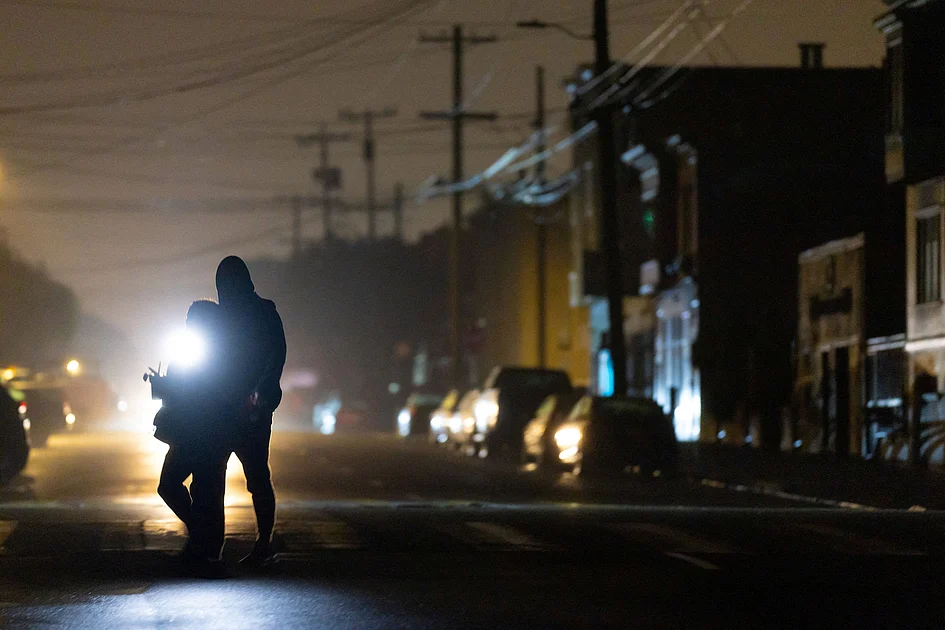
    San Francisco emerged from a significant citywide power disruption that left approximately 130,000 residences and businesses without electricity for several hours during one of the busiest shopping weekends before Christmas. Utility provider Pacific Gas & Electric Company confirmed through an official statement on social media platform X that service had been successfully restored to about 110,000 customers by 7:30 AM local time on Sunday, with ongoing efforts to address the remaining 21,000 affected connections.

    The extensive blackout originated from a substantial fire at a critical substation facility, causing what company representatives described as ‘significant and extensive’ damage. ‘The repairs and safe restoration will be complex,’ the utility noted, indicating they had mobilized additional engineering and electrical crews to accelerate recovery operations.

    With the city’s population exceeding 800,000, the outage created widespread disruptions across the metropolitan area. Public transportation systems experienced delays while numerous traffic signals ceased functioning, requiring police personnel to manually direct vehicles at key intersections. The automated vehicle service Waymo preemptively suspended its self-driving ride-hailing operations as a safety precaution.

    Adding to the challenging circumstances, dense fog settled over parts of the city, creating reduced visibility conditions alongside the power emergency. Numerous retail establishments faced forced closures during what would typically be their highest revenue period, transforming normally vibrant commercial districts into unusually quiet areas. Local merchants reported devastating financial impacts from the unexpected loss of last-minute Christmas shoppers, with one home goods store manager describing the timing as particularly catastrophic for business operations.

    Mayor Daniel Lurie acknowledged the severity of the situation in a video statement released from the city’s emergency operations center, recognizing the particular hardship created by the timing during holiday celebrations and economic activities.

  • Passenger bus crash in Indonesia kills at least 16 people, official says

    Passenger bus crash in Indonesia kills at least 16 people, official says

    A devastating bus accident on Indonesia’s primary island of Java has resulted in significant casualties, with authorities confirming at least 16 fatalities. The tragedy occurred in the early hours of Monday on the Krapyak toll way in Semarang city, Central Java.

    The inter-province passenger bus, transporting 34 individuals from the capital Jakarta to the historic royal city of Yogyakarta, reportedly lost control while negotiating a curved exit ramp. According to Budiono, a senior official from Indonesia’s Search and Rescue Agency who typically uses a single name according to local custom, the vehicle collided with a concrete barrier before overturning onto its side.

    The violent impact of the crash ejected multiple passengers and pinned them against the interior structure of the bus, complicating rescue efforts. Emergency response teams, including police and specialized rescue personnel, arrived at the scene approximately 40 minutes after the incident occurred.

    Initial recovery operations confirmed six fatalities at the accident site, while ten additional passengers succumbed to their injuries during transport to medical facilities or while undergoing emergency treatment. Medical authorities reported that 18 survivors were admitted to two nearby hospitals, with five patients in critical condition and thirteen sustaining serious injuries.

    Indonesian television broadcasts depicted the aftermath scene, showing the distinctive yellow bus lying on its side surrounded by emergency responders, law enforcement personnel, and bystanders. Ambulances were visible transporting both the injured and deceased from the location as investigation into the precise causes of the accident continues.

  • Another 130 abducted schoolchildren released in Nigeria

    Another 130 abducted schoolchildren released in Nigeria

    Nigerian authorities have successfully secured the liberation of the remaining 130 students and staff members who were abducted during a mass kidnapping at St Mary’s Catholic boarding school in Papiri, central Nigeria. The federal government heralded this development as a “moment of triumph and relief” following one of the country’s most severe school abduction crises.

    The incident began on November 21st when armed assailants stormed the educational facility, initially seizing more than 250 children and staff members. Earlier this month, approximately 100 children were released in a preliminary breakthrough, though confusion persisted regarding the exact number of captives remaining.

    Presidential spokesperson Bayo Onanuga confirmed Sunday that the total number of freed students has reached 230. Official communications posted on government social media channels emphasized that “not a single pupil is left in captivity” from the November incident.

    The resolution of this crisis comes amidst growing security concerns across northern and central Nigeria, where educational institutions and religious centers have increasingly become targets for criminal elements. Just days before the St Mary’s abduction, similar attacks occurred at Christ Apostolic Church in Kwara state (resulting in 38 kidnappings) and Government Girls’ Secondary School in Kebbi state (where 25 Muslim students were taken). All victims from those prior incidents have since been freed.

    While government officials have not disclosed operational details regarding the rescue methodology or potential ransom payments, neighboring Nasarawa state governor Abdullahi Sule previously acknowledged the federal government’s crucial involvement in these sensitive negotiations, citing security reasons for the confidentiality.

    The Christian Association of Nigeria reported that approximately 50 students managed to escape during the initial abduction event. The recently freed students are expected to arrive in Minna, the capital of Niger state, on Monday, with official photographs already showing children smiling and waving following their release.

    President Bola Ahmed Tinubu reiterated on December 9th that his administration remains committed to collaborating with state governments to enhance school security and create safer learning environments throughout Nigeria.

  • UAE: Macron announces new French aircraft carrier

    UAE: Macron announces new French aircraft carrier

    French President Emmanuel Macron has officially authorized the construction of France’s next-generation nuclear-powered aircraft carrier during his visit to French troops in the United Arab Emirates on Sunday. This strategic decision comes despite significant budgetary challenges facing the European Union’s second-largest economy.

    The new vessel will replace France’s current flagship, the nuclear-powered Charles de Gaulle, which entered service in 2001 after more than a decade of construction. The Charles de Gaulle remains the only nuclear-powered aircraft carrier outside the US Navy.

    Macron announced the move during his Christmas visit with French forces stationed in the UAE, stating, ‘In line with the last two military programming laws, and after a thorough and comprehensive review, I have decided to equip France with a new aircraft carrier.’ He emphasized the geopolitical necessity of the project, adding, ‘In an age of predators, we must be strong in order to be feared.’

    The new carrier represents a substantial upgrade in capabilities, displacing nearly 80,000 tonnes and measuring approximately 310 meters in length—significantly larger than the Charles de Gaulle’s 42,000 tonnes and 261-meter frame. It will accommodate a crew of 2,000 and carry up to 30 fighter jets.

    The announcement comes amid criticism from French military officials, including General Fabien Mandon, who questioned whether resources should be prioritized toward more immediate concerns given rising tensions with Russia. The project’s launch will enable the signing of all necessary contracts to advance construction.

    While the French carrier will still be smaller than the US Navy’s 11 supercarriers (each displacing over 100,000 tons), it will join an elite group of large carriers operated only by China and Britain’s Royal Navy, though both nations use conventional power sources.

    Macron’s UAE visit also focused on strengthening bilateral ties, particularly regarding cooperation against drug trafficking. The French president met with UAE President Mohamed bin Zayed Al Nahyan to discuss enhancing their strategic partnership, especially concerning ‘stability in the Middle East.’ The UAE remains a significant purchaser of French military equipment, and Paris is reportedly considering Abu Dhabi’s potential involvement in its troubled future fighter jet program following Germany’s anticipated withdrawal.

  • Cricket: Ashes defeat heralds end of England’s Bazball era

    Cricket: Ashes defeat heralds end of England’s Bazball era

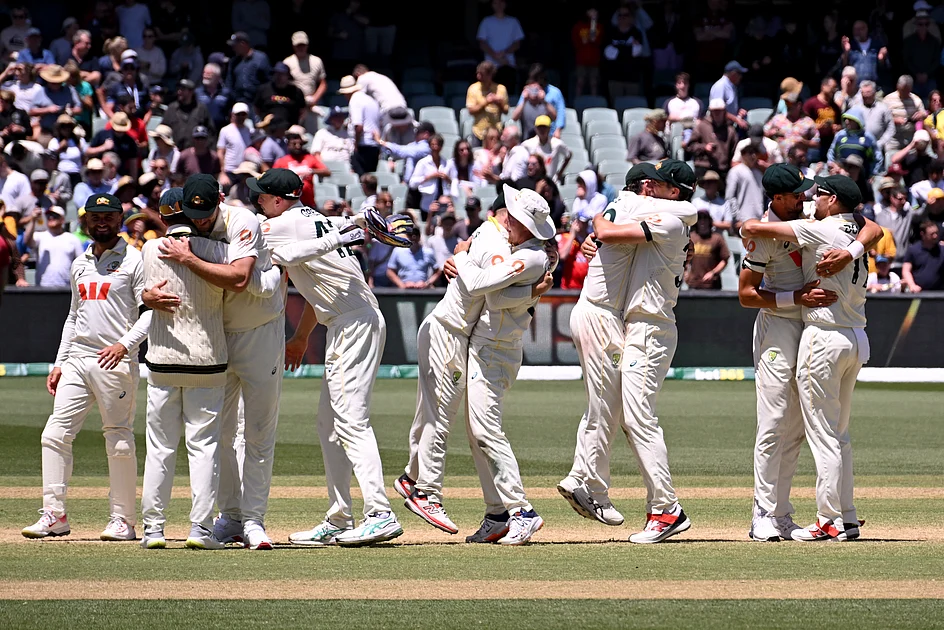
    England’s much-hyped Bazball era has met its dramatic demise on Australian soil, collapsing in a harrowing 3-0 Ashes defeat that marks one of the most crushing failures in modern cricket history. The revolutionary approach championed by coach Brendon McCullum and captain Ben Stokes—which had revitalized English cricket for three years—proved catastrophically inadequate against the world’s top-ranked test nation.

    The series loss, sealed by Sunday’s 82-run defeat at Adelaide Oval, exposes the profound miscalculations in England’s preparation and execution. Their casual build-up, including minimal match practice between Tests and an extended break at the beach resort of Noosa Heads, now appears as hubris rather than strategic innovation. Despite pre-series promises that this tour would differ from previous Australian failures, England’s planning proved fundamentally flawed.

    Critical examination reveals failures across all dimensions: batting, bowling, and fielding. The team squandered a golden opportunity against an aging Australian side missing key players including captain Pat Cummins for two Tests, Josh Hazlewood for the series, and Steve Smith in Adelaide. Instead of becoming the first touring team to win the Ashes in Australia since 2010-11, England now face the humbler goal of simply winning a single Test match in the country for the first time in 15 years.

    While glimpses of competitiveness emerged—such as Zak Crawley’s patient 85 in the fourth innings and Will Jacks’ resilient 47 off 137 balls—most batsmen demonstrated an alarming inability to adapt to Australian conditions. Ollie Pope’s struggles and Harry Brook’s dismissal attempting a reverse-sweep against Nathan Lyon exemplified the team’s rigid adherence to their high-risk philosophy despite changing match situations.

    The post-mortem will undoubtedly question whether McCullum’s ‘run toward the danger’ philosophy can survive this comprehensive failure. While the captain and coach may argue for retooling rather than abandonment, the Ashes defeat suggests Bazball’s freewheeling spirit may have reached its logical conclusion against disciplined opposition.

  • Why Croatia’s capital wants to hold Europe’s best Christmas market

    Why Croatia’s capital wants to hold Europe’s best Christmas market

    Zagreb’s acclaimed Christmas market has emerged as a transformative economic engine for Croatia, strategically repositioning the Balkan nation from a seasonal summer destination to a year-round tourism hub. The capital’s Zagreb Advent event, recognized as Europe’s best Christmas market for three consecutive years (2015-2017), has become the centerpiece of Croatia’s ambitious tourism diversification strategy.

    Croatia’s tourism sector, accounting for over 20% of the national economy, has historically relied heavily on summer visitors drawn to the Adriatic coast. Tourism Minister Tonci Glavina emphasizes the strategic shift: ‘We are developing as a year-round tourism destination – we are not a summer destination anymore. Croatia has achieved significant development beyond just sun and sea.’

    Zagreb Advent represents a multi-venue urban transformation that engulfs the city center throughout December. Unlike single-location markets elsewhere, Zagreb’s offering features distinct thematic areas with unique decorations and content. The experience encompasses traditional seasonal staples like sausages and mulled wine alongside multiple music stages, craft stalls, traditional Croatian food vendors, art installations, and a massive ice rink.

    The economic impact has been substantial. Overnight stays in December more than doubled from 100,198 in 2014 to 245,352 in 2024, generating approximately €100 million in economic activity. Marketing efforts have expanded from neighboring countries to international campaigns in London tube stations and Milan buses, with special trains bringing visitors from Slovenia and Hungary.

    Despite its success, Zagreb remains a newcomer compared to European Christmas market heavyweights. Cologne’s market anticipates four million visitors with €229 million economic impact, while Vienna attracts 2.8 million and Strasbourg two million. Dresden’s market, dating to 1434, highlights Zagreb’s relatively brief 11-year history.

    Academic experts like Marko Peric, Dean of Tourism at the University of Rijeka, acknowledge the ‘unusually high’ December arrivals but caution that Croatia must further develop its off-season offerings. Minister Glavina points to promising trends, including 5% growth in June and September arrivals and a 10% year-on-year increase in early December visitors, indicating successful shoulder season development.

    The strategy exemplifies sustainable tourism transformation, balancing peak season stability with expanded shoulder season offerings while promoting lesser-known destinations across Croatia.

  • Duffy takes 5-42 as New Zealand bowls out the West Indies for 138 to win the 3rd test by 323 runs

    Duffy takes 5-42 as New Zealand bowls out the West Indies for 138 to win the 3rd test by 323 runs

    New Zealand secured a commanding 323-run victory against the West Indies in the third test at Mount Maunganui, concluding the three-match series with a 2-0 triumph. The decisive win came after the hosts bowled out the visitors for a mere 138 runs on a challenging fifth-day pitch that showed significant deterioration.

    Jacob Duffy emerged as the series hero, claiming 5-42 in the final innings and surpassing Richard Hadlee’s longstanding New Zealand record of 80 wickets in a calendar year. The pace bowler finished the series with 23 wickets at an impressive average of 15.4, including three five-wicket hauls. His remarkable consistency and endurance saw him bowl over 154 overs throughout the three tests, earning him the Player of the Series honor.

    The match witnessed extraordinary batting performances from New Zealand’s openers. Devon Conway scored 227 and 100 across both innings, while Tom Latham contributed 137 and 101, marking the first instance in test history where both openers scored centuries in each innings of a match. Their partnership totaled 515 runs, setting a new record for opening pairs. Conway also became the tenth test player and first New Zealander to achieve both a double-century and century in the same match.

    Both teams competed with significantly depleted pace attacks throughout the series. The West Indies missed Shamar Joseph and Alzarri Joseph, while New Zealand overcame injuries to Matt Henry, Will O’Rourke, Ben Sears, Kyle Jamieson, Nathan Smith, and Blair Tickner.

    The final day’s play began with West Indies openers Brandon King (67) and John Campbell (16) showing resilience, but their dismissals within five balls triggered a collapse that saw five wickets fall before lunch. Duffy’s aggressive bowling proved particularly effective on the deteriorating pitch, with several deliveries lifting uncomfortably and creating challenges for the batsmen.

    Despite the loss, the West Indies demonstrated competitive spirit throughout the series, notably drawing the first test after batting 163.3 overs to reach 457-6 in pursuit of 531 runs—the highest fourth-innings score since tests were limited to five days.