作者: admin

  • India and New Zealand finalize a free trade agreement, eyeing growth as global uncertainties persist

    India and New Zealand finalize a free trade agreement, eyeing growth as global uncertainties persist

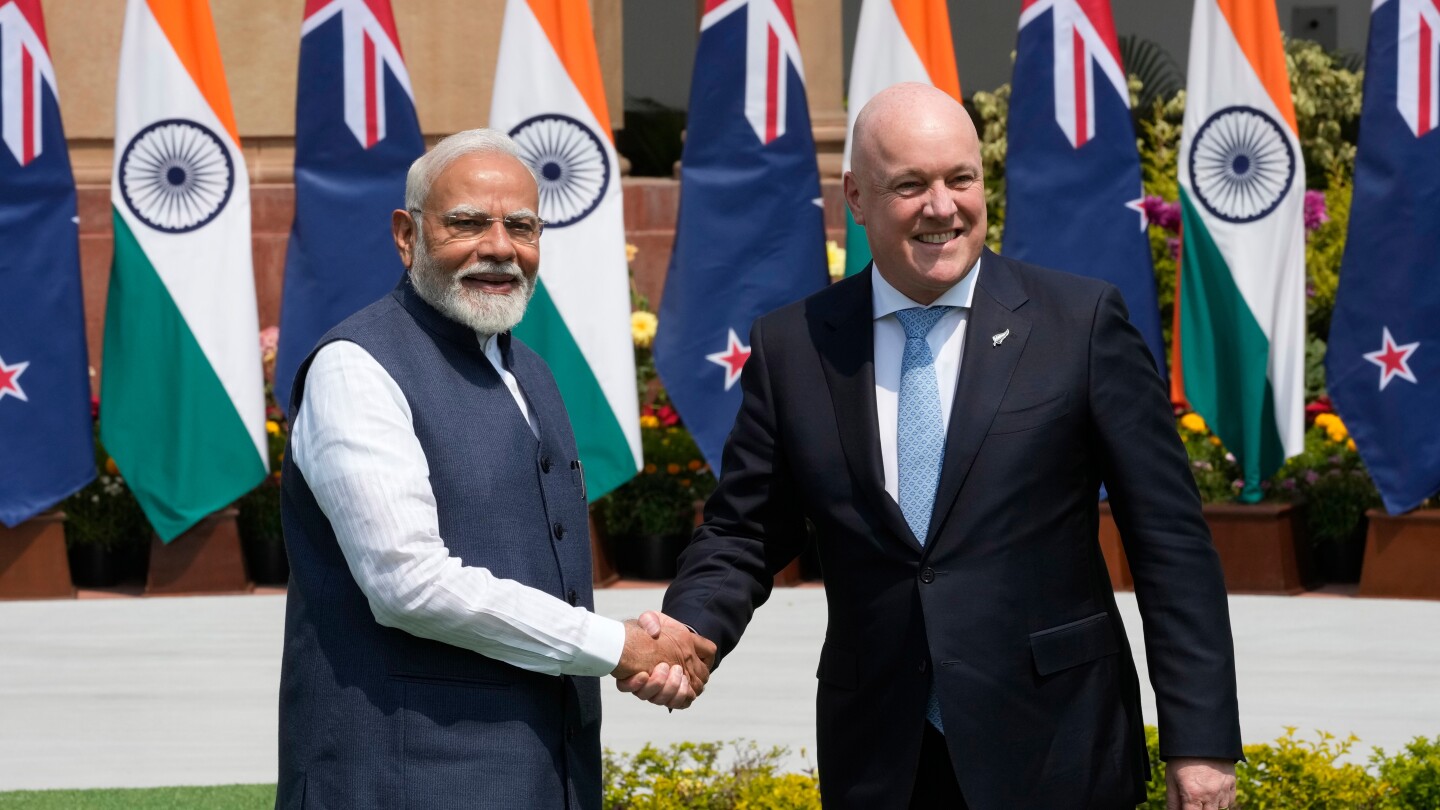
    In a strategic move to bolster economic resilience against mounting global trade volatilities, India and New Zealand have finalized negotiations for an extensive free trade agreement. The pact, concluded after nine months of intensive discussions, represents a significant milestone in bilateral relations between the two nations.

    The agreement establishes a framework for reciprocal tariff reductions, regulatory harmonization, and enhanced cooperation across multiple sectors including goods, services, and investments. India secures zero-duty export access for all its commodities entering New Zealand, while Wellington obtains phased duty concessions covering approximately 70% of New Delhi’s tariff lines, encompassing 95% of its exports.

    Key beneficiaries from the Indian side include textiles, apparel, engineering goods, leather and footwear, and marine products. New Zealand anticipates substantial gains in horticulture, wood exports, and sheep wool industries. Notably, India has excluded sensitive agricultural products including dairy items (milk, cream, whey, yogurt, cheese), goat meat, onions, and almonds from the agreement due to domestic considerations.

    The partnership extends beyond merchandise trade, with New Zealand committing $20 billion in investments over 15 years to strengthen economic ties. Current bilateral trade encompassing goods and services stands at $2.4 billion annually, with both governments targeting a doubling of this volume within approximately five years.

    Prime Minister Christopher Luxon of New Zealand projected that exports to India would increase by $1.1 to $1.3 billion annually over the next twenty years, emphasizing that enhanced trade translates to more employment opportunities, higher wages, and expanded prospects for New Zealand workers. Indian Prime Minister Narendra Modi’s office characterized the agreement as a catalyst for greater trade, investment, innovation, and mutual prosperity.

    The formal signing ceremony is scheduled for the first quarter of 2025 following legal verification of the negotiated text, according to India’s chief negotiator Petal Dhillon.

  • Australian move to fast-track new gun and protest laws after Bondi shooting draws criticism

    Australian move to fast-track new gun and protest laws after Bondi shooting draws criticism

    The New South Wales government has enacted comprehensive security legislation in response to the Bondi Junction shootings, triggering intense debate between civil liberties advocates and proponents of public safety. Premier Chris Minns recalled parliament to fast-track measures addressing firearm restrictions, protest regulations, and hate speech prohibitions.

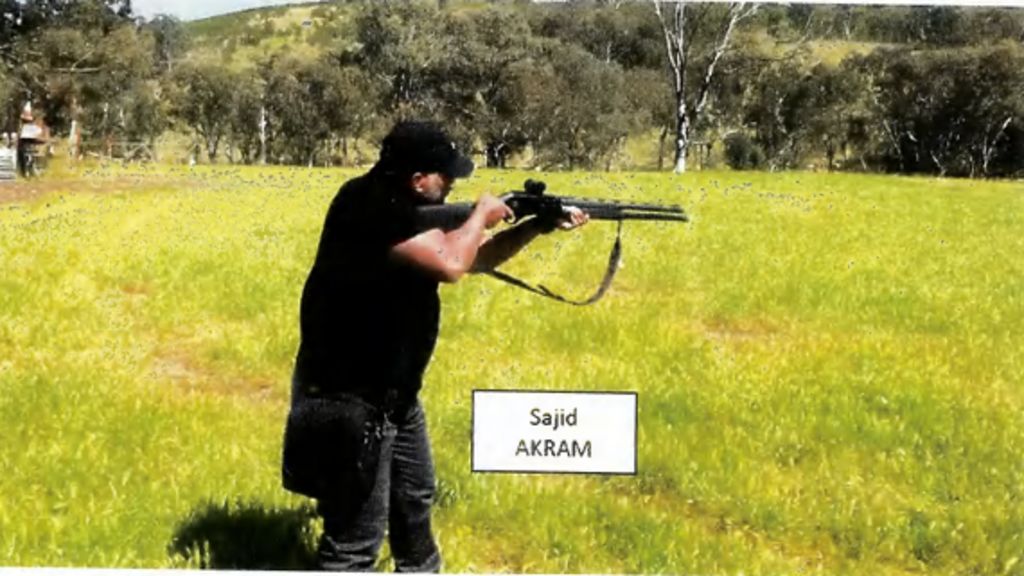
    The legislative package introduces significant changes to firearm ownership, limiting most license holders to four weapons while permitting farmers and sport shooters to possess up to ten. The reform follows revelations that Bondi attacker Sajid Akram owned six registered firearms. License renewal periods will shorten from five to two years, with additional reviews planned for permissible firearm categories.

    Protest regulations have been substantially enhanced, granting police authority to restrict demonstrations near worship sites and remove face coverings from individuals suspected of even minor offenses. The government has also prohibited the phrase ‘globalise the intifada,’ which Premier Minns characterized as ‘an invitation to violence’ that fosters social division.

    Civil liberties organizations have condemned the measures as democratic erosion. NSW Council for Civil Liberties president Timothy Roberts argued these laws contradict Supreme Court rulings on political communication freedoms, stating they ‘oppress some parts of our community’ rather than promoting healing.

    Conversely, Jewish community representatives welcomed the reforms. NSW Jewish Board of Deputies president David Ossip described the hate speech provisions as a ‘watershed moment,’ emphasizing that protest rights shouldn’t extend to concealing identities or inciting violence.

    The political response reflects deep divisions, with Shooters, Fishers and Farmers party representative Mark Banasiak claiming licensed owners are being ‘punished for agency failings,’ while Walter Mikac—whose family perished in Australia’s deadliest mass shooting—applauded the ‘community safety first’ approach.

  • Western intelligence suspects Russia is developing new weapon to target Musk’s Starlink satellites

    Western intelligence suspects Russia is developing new weapon to target Musk’s Starlink satellites

    According to intelligence assessments from two NATO-member agencies, Russia is reportedly advancing development of a revolutionary anti-satellite weapon system designed to counter Elon Musk’s Starlink constellation. The alleged system would deploy expansive clouds of high-density metallic pellets in orbital pathways, potentially incapacitating multiple satellites simultaneously through destructive shrapnel impacts.

    This unconventional approach differs fundamentally from Russia’s 2021 missile test that destroyed a single defunct satellite. The new weapon concept aims to create orbital denial zones by saturating specific altitudes with hundreds of thousands of millimeter-scale projectiles. Intelligence officials, who shared findings with The Associated Press under condition of anonymity, indicate this development represents Moscow’s attempt to counter Western space capabilities that have provided critical advantages to Ukrainian forces.

    However, space security experts express significant skepticism regarding both the technical feasibility and strategic rationale of such a system. Victoria Samson of the Secure World Foundation questioned the plausibility of deployment, noting the catastrophic collateral damage that would affect all spacefaring nations, including Russia and its ally China. The weapon’s indiscriminate nature could render entire orbital regimes unusable for decades, potentially damaging Russia’s own satellite infrastructure and the International Space Station.

    Brigadier General Christopher Horner, commander of Canada’s Space Division, acknowledged that while he hasn’t been briefed on such a system, previous reports of Russian space-based nuclear weapons development make the concept “not implausible.” The Kremlin has previously denied developing orbital weapons and has called for UN measures to prevent weaponization of space.

    The intelligence findings suggest the pellet-based approach offers plausible deniability advantages, as the small projectiles might evade detection systems. Yet analysts note that attribution would likely occur once satellites began failing simultaneously. The system remains in developmental stages according to intelligence assessments, with deployment timelines considered too sensitive to disclose.

    Strategic analysts suggest the weapon concept might serve dual purposes: as an experimental capability and as psychological deterrence. The mere threat of orbital chaos could potentially constrain Western space operations without actual deployment. However, most experts conclude that Russia’s substantial investments in space capabilities make deliberate creation of uncontrollable orbital debris fields strategically counterproductive.

  • WSJ’s parent firm on trial in Hong Kong, accused of dismissing reporter over union role

    WSJ’s parent firm on trial in Hong Kong, accused of dismissing reporter over union role

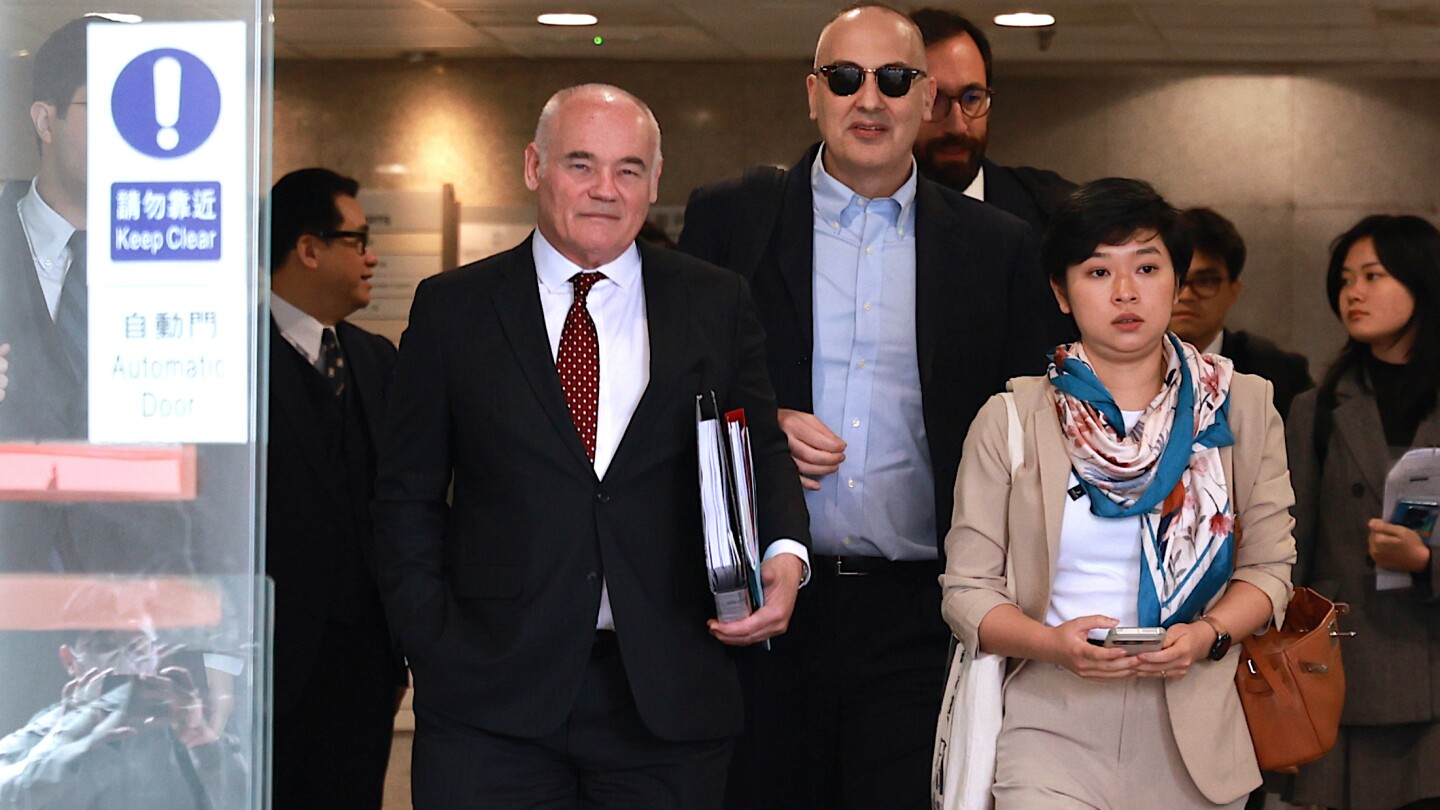
    A landmark employment case unfolding in Hong Kong’s court system has drawn international attention to press freedom and workers’ rights in the territory. Former Wall Street Journal reporter Selina Cheng commenced testimony Monday against her former employer, alleging unlawful termination due to her union activities.

    Cheng, who previously served as chairperson of the Hong Kong Journalists Association, initiated a private prosecution against Dow Jones Publishing Co. (Asia) Inc. following her dismissal in July 2024. She contends that her termination resulted from her refusal to comply with supervisory instructions to withdraw from union leadership elections, contradicting the company’s stated rationale of organizational restructuring.

    Dow Jones faces dual charges under Hong Kong’s Employment Ordinance, both carrying potential fines of HK$100,000 (approximately $12,850) per violation. The first charge alleges the company prevented or deterred union participation, while the second claims the organization penalized an employee for exercising union rights.

    The proceedings took a contentious turn when company representative Benson Tsoi accused Cheng of acting in bad faith, presenting email evidence suggesting she had sought a HK$3 million settlement or reinstatement with formal apology. Tsoi argued these communications demonstrated an attempt to leverage the judicial process despite Cheng’s previous assertions to the Labor Tribunal regarding out-of-court settlement intentions.

    This case emerges against a backdrop of significant media environment changes in Hong Kong. The territory, once celebrated as Asia’s bastion of press freedom, has experienced notable restrictions following Beijing’s implementation of the national security law in 2020. Several prominent media outlets including Apple Daily and Stand News have ceased operations following arrests of senior staff, while multiple journalists have faced convictions under various legal provisions.

    Hong Kong’s standing in Reporters Without Borders’ World Press Freedom Index has dramatically declined from 80th position in 2021 to 140th out of 180 countries and territories in the most recent assessment, reflecting the challenging environment facing journalists in the city.

  • Maldon’s Zimbabwe striker Bonne set for Salah Afcon tie

    Maldon’s Zimbabwe striker Bonne set for Salah Afcon tie

    In a remarkable footballing odyssey, Macauley Bonne is poised to bridge an extraordinary competitive divide as he prepares to represent Zimbabwe at the Africa Cup of Nations while playing his club football for eighth-tier English side Maldon & Tiptree. The 30-year-old striker, whose career has spanned Championship clubs including Charlton Athletic and Queens Park Rangers, now finds himself potentially sharing the pitch with global superstars like Mohamed Salah and Omar Marmoush.

    The emotional significance of this call-up resonates deeply with Bonne, who made his goalscoring debut for Zimbabwe eleven years ago but has accumulated just four additional caps since. His selection comes under new head coach Mario Marinica, who took charge of The Warriors in November following the team’s reinstatement after a FIFA-imposed ban for governmental interference. That suspension caused Zimbabwe to miss the previous AFCON tournament, where Ivory Coast ultimately triumphed in 2024.

    Bonne’s journey to international competition contrasts starkly with his most recent domestic appearance—a substitute appearance before 152 spectators in Maldon & Tiptree’s 1-0 victory against Redbridge in the Isthmian League North Division. The striker believes his unprecedented path from non-league football to international tournament may represent a footballing first. ‘I don’t think it’s ever been done, has it?’ Bonne mused, suggesting his story deserves cinematic treatment.

    The Zimbabwean squad features several England-based players including Wolves midfielder Tawanda Chirewa and Plymouth Argyle defender Brendan Galloway. Drawn in a challenging group alongside seven-time champions Egypt, South Africa, and Angola, Zimbabwe faces a difficult opening match against Egypt’s star-studded lineup.

    Bonne acknowledges the personal sacrifices involved—being away from family during Christmas—but maintains fierce determination to capitalize on this long-awaited opportunity after previous setbacks including passport issues, COVID restrictions, and selection disappointments. While not expecting immediate inclusion in the starting lineup, the striker aims to contribute meaningful minutes and potentially find the net in what he describes as a ‘now or never’ moment for his international career.

  • Asian shares advance, yen slips after AI stocks push higher on Wall Street

    Asian shares advance, yen slips after AI stocks push higher on Wall Street

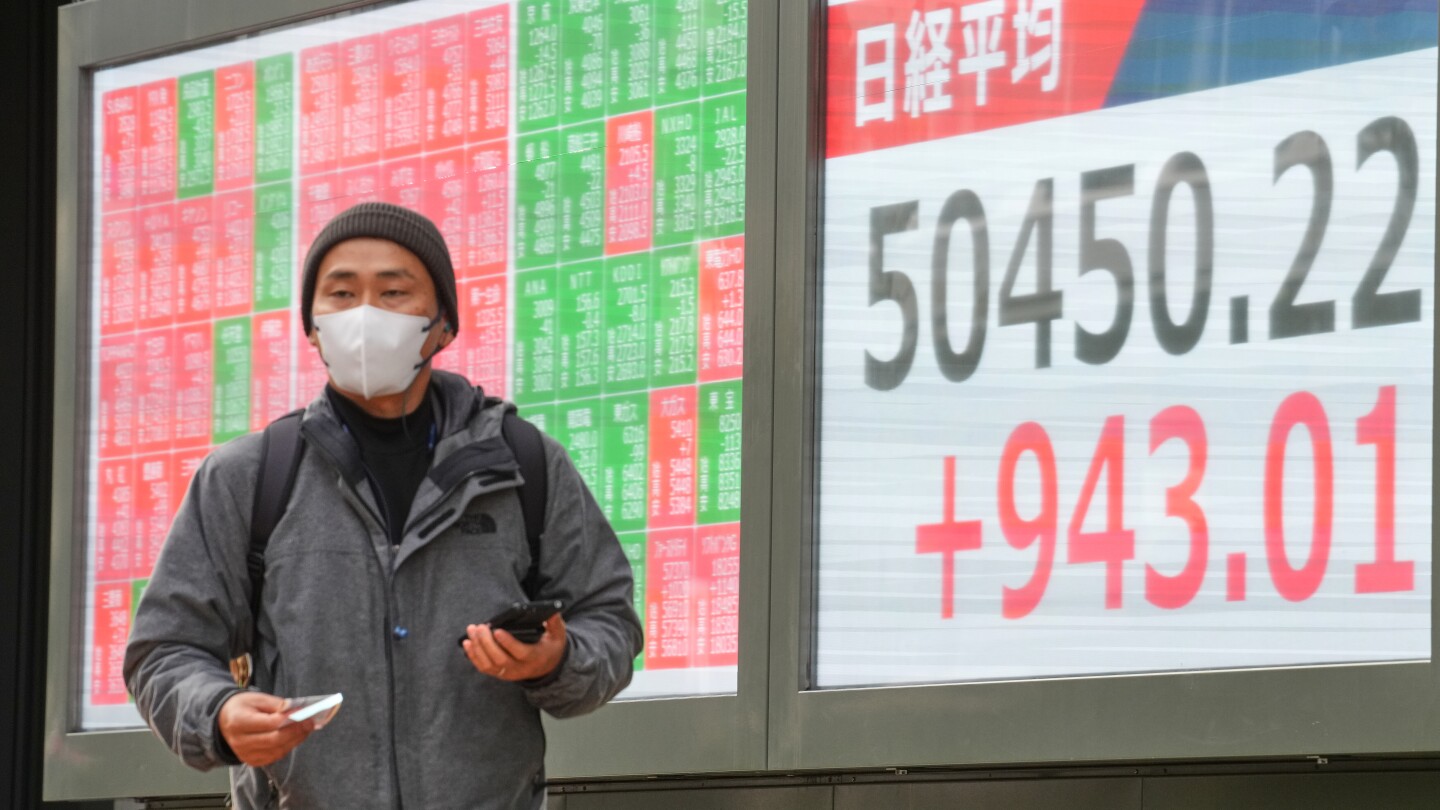
    Asian equities opened the trading week with robust gains, propelled by a powerful rebound in artificial intelligence stocks that originated on Wall Street. This surge created a ripple effect across Pacific markets, with Japan’s Nikkei 225 index leading the charge with a substantial 1.9% advance to 50,455.07 points.

    The semiconductor sector emerged as the primary catalyst for this upward momentum. Tokyo Electron, a major chip manufacturing equipment producer, witnessed an impressive 6.7% climb, while Advantest, specializing in chip testing technology, recorded a 4.7% gain. This performance mirrored the recovery pattern established by U.S. tech giants, particularly Nvidia, which had surged 3.9% in the previous trading session.

    In a significant monetary policy development, the Bank of Japan’s decision to elevate its key interest rate to a three-decade high produced unexpected currency effects. Contrary to conventional economic theory, the yen weakened substantially against the dollar, trading at 157.32 yen per dollar. This depreciation prompted intervention warnings from Japan’s top foreign exchange official, Atsushi Mimura, who indicated readiness to address excessive currency fluctuations.

    Chinese markets demonstrated moderate positivity, with the Shanghai Composite advancing 0.7% to 3,915.84 and Hong Kong’s Hang Seng index rising 0.2% to 25,751.93. The People’s Bank of China maintained stability by keeping its benchmark loan prime rates unchanged.

    Regional performances varied, with South Korea’s Kospi gaining 1.8%, Taiwan’s Taiex rising 1.6% (boosted by TSMC’s 2.1% increase), and Australia’s S&P/ASX 200 climbing 0.9%. Market analysts attributed this constructive bias to the combination of Wall Street’s solid rebound and persistent bullish sentiment regarding year-end market trajectories.

    Meanwhile, underlying economic concerns persisted beneath the market optimism. The University of Michigan’s consumer sentiment survey revealed only marginal improvement from November levels, remaining significantly below year-ago readings. Persistent inflation pressures, a cooling job market, and weakening retail sales continue to challenge economic momentum, compounded by ongoing trade tensions between the United States and key international partners.

  • Alleged Bondi gunmen threw ‘tennis ball bomb’, new documents allege

    Alleged Bondi gunmen threw ‘tennis ball bomb’, new documents allege

    Newly unsealed court documents have exposed the meticulous preparation and extremist motivations behind the deadly terrorist attack at a Hanukkah celebration on Bondi Beach. The alleged perpetrators, 24-year-old Naveed Akram and his father Sajid Akram, who was killed during the incident, reportedly recorded a video manifesto in October featuring Islamic State group imagery and detailed explanations of their intent.

    Police evidence indicates the attackers employed four undetonated explosive devices during their assault on December 14, including an improvised ‘tennis ball bomb.’ Surveillance footage captured the pair conducting reconnaissance missions at the beach two days prior to the attack, with additional CCTV showing them transporting ‘long and bulky items wrapped in blankets’ from their rented accommodation in Campsie hours before the violence unfolded.

    According to investigative reports, these concealed items included three firearms, multiple homemade explosive devices, and two Islamic State flags. The attackers allegedly positioned these flags on their vehicle’s interior windows before proceeding to a footbridge where they initiated their assault. Despite throwing three pipe bombs and the tennis ball device during their approach, none of the explosives detonated, though authorities confirmed they were functionally viable.

    Digital evidence recovered from Naveed Akram’s mobile device contained footage showing both individuals engaged in tactical firearms training in rural New South Wales, further demonstrating their extensive preparation. The accused, currently hospitalized with abdominal gunshot wounds inflicted by responding officers, faces fifteen murder charges among numerous other offenses. A temporary suppression order protecting survivor identities was partially lifted Monday following media petitions, though most names remain redacted from public documents.

  • Ukraine is leveraging its powerful – and cheap – new drone killers for air defense

    Ukraine is leveraging its powerful – and cheap – new drone killers for air defense

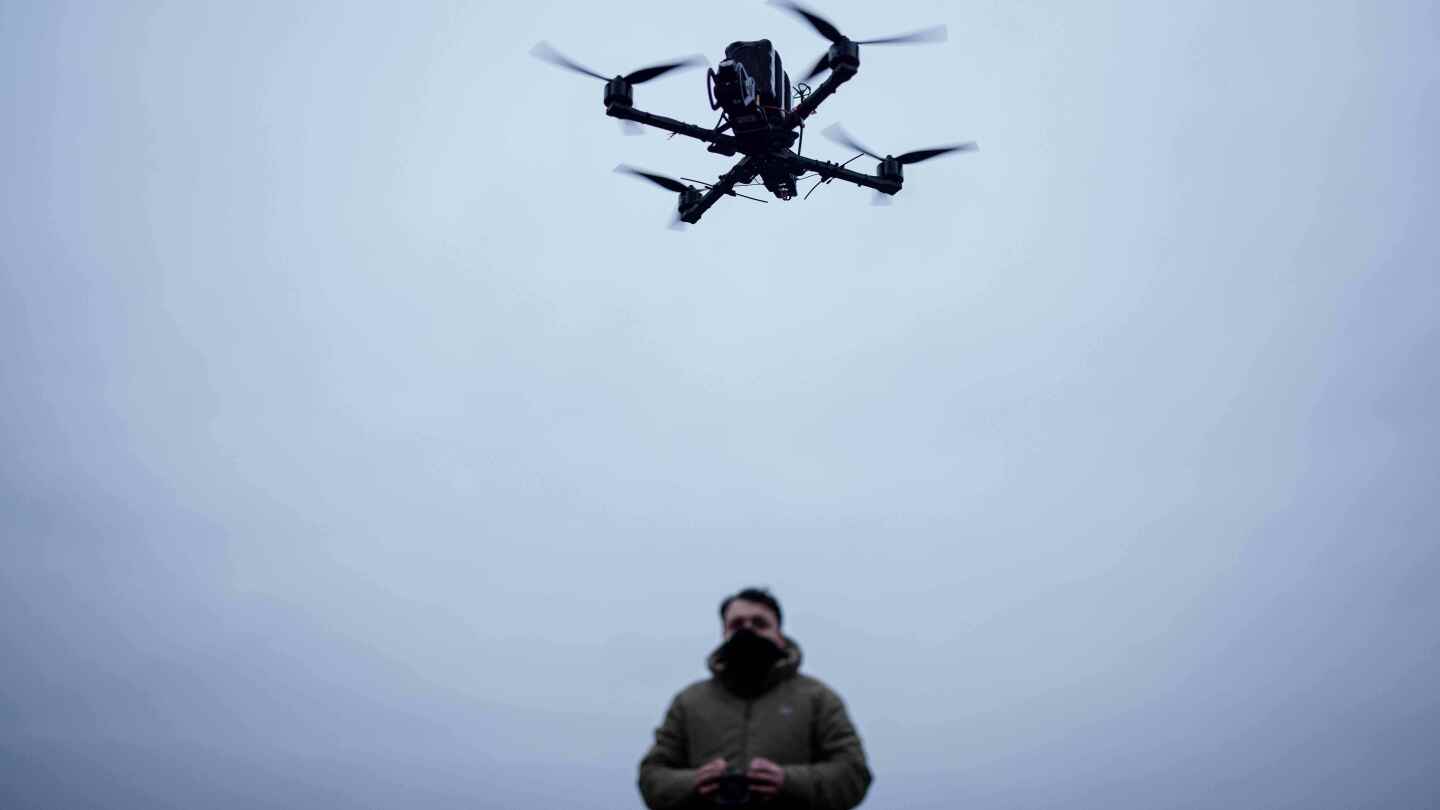
    On the frozen Ukrainian terrain, elite drone-hunting teams deploy cutting-edge technology against Russia’s evolving aerial threats. Under the crackling ice, specialists assemble sophisticated monitoring equipment and prepare a revolutionary domestic weapon system—the Sting interceptor, resembling a flying thermos—that represents Ukraine’s innovative response to nightly attacks on urban centers and critical infrastructure.

    This tactical evolution stems from military necessity: Ukrainian defense strategists have completely rewritten air defense doctrine by developing affordable drone-killing solutions costing as little as $1,000 per unit. According to a commander identified only by the call sign “Loi” under Ukrainian military protocol, these interceptors effectively counter Russia’s increasingly sophisticated suicide drones that now operate at higher altitudes with enhanced speed. “Every destroyed target is something that did not hit our homes, our families, our power plants,” Loi stated, emphasizing their continuous operational readiness: “The enemy does not sleep, and neither do we.”

    The rapid development cycle—from prototype to mass production within months during 2025—demonstrates Ukraine’s remarkable adaptive capabilities. Startup companies like Wild Hornets (producing the Sting model) and General Cherry (developing the Bullet interceptor) have pioneered these systems that can surge in speed before colliding with enemy drones. These are operated by pilots monitoring screens or using first-person-view goggles, creating a new paradigm in aerial warfare.

    Economic considerations prove fundamental to this strategy. Andrii Lavrenovych of General Cherry’s strategic council revealed that the destroyed Russian drones cost between $10,000 and $300,000, meaning Ukraine inflicts substantial economic damage with each successful interception. Russia primarily employs Iranian-designed Shahed suicide drones with numerous variants featuring jammers, cameras, and turbojet engines, creating an ongoing innovation race between the two nations. “In some areas they are one step ahead. In others, we invent an innovative solution, and they suffer from it,” Lavrenovych noted.

    Defense analyst Federico Borsari from the Center for European Policy Analysis in Washington confirmed these interceptors’ strategic value: “Cheap interceptor drones have become so important, and so quickly, that we can consider them a cornerstone of modern counter-unmanned aerial systems. They realign the cost and scale equation of air defense.” However, Borsari cautioned against viewing them as standalone solutions, emphasizing their dependence on sensors, rapid command systems, and skilled operators within a layered defense framework that includes multimillion-dollar missiles and traditional antiaircraft weapons.

    The conflict has accelerated drone production scaling on both sides, with NATO and Ukrainian defense planners anticipating continued escalation through 2026. This urgency has propelled European initiatives to establish a comprehensive “drone wall” along eastern borders—a networked system designed to detect, track, and intercept drones over two years, potentially incorporating Ukrainian-style interceptors as central components.

    Future developments include expanded coproduction agreements between Ukrainian drone manufacturers and Western firms, merging battle-tested designs and valuable combat data with Western production capabilities and funding. This collaboration will increase output while integrating Ukraine into NATO-member supply chains. Lavrenovych also predicts increased automation: “Our mobile groups shouldn’t have to approach the front line, where they become targets. Drones must become fully autonomous robots with artificial intelligence—as scary as that may sound—to help our soldiers survive.”

  • US and Ukraine call Miami talks productive despite no breakthrough

    US and Ukraine call Miami talks productive despite no breakthrough

    High-level diplomatic negotiations between United States, Ukrainian, and Russian representatives concluded in Miami with participants characterizing the discussions as “productive and constructive,” though significant obstacles to ending the nearly four-year conflict remain unresolved.

    Special Envoy Steve Witkoff, appointed by former President Donald Trump, and Ukrainian lead negotiator Rustem Umerov issued a joint statement following three days of intensive meetings with European allies. The discussions centered on aligning positions regarding a comprehensive 20-point peace framework, multilateral security guarantees, a specific US security assurance package for Ukraine, and an economic recovery plan aimed at ensuring long-term stability.

    Concurrently, separate negotiations occurred between American officials and Russian envoy Kirill Dmitriev in southern Florida. Witkoff confirmed these parallel discussions with Russian representatives, including Trump’s son-in-law Jared Kushner, were similarly constructive, noting that “Russia remains fully committed to achieving peace in Ukraine.”

    The Miami meetings represent the latest development in intensified diplomatic efforts triggered by the recent leak of a 28-point US peace proposal that initially alarmed Ukrainian and European officials due to perceived concessions favoring Russia. Despite the positive rhetoric, fundamental disagreements persist, particularly regarding Moscow’s insistence on retaining control of captured Ukrainian territories.

    This diplomatic activity unfolds against a backdrop of continued military operations. Russian authorities reported Ukrainian drone attacks damaging two vessels and port infrastructure in the Krasnodar region, resulting in significant fires though without crew casualties.

    Meanwhile, US intelligence assessments, corroborated by six sources familiar with the matter, indicate Russian President Vladimir Putin maintains ambitions to control all of Ukraine and potentially reclaim former Soviet territories in Europe. This contrasts with Putin’s recent BBC interview statements suggesting Russia seeks peaceful relations if treated with “respect and recognition of our interests.”

  • South East Asian bloc to seek end to Thailand-Cambodia fighting

    South East Asian bloc to seek end to Thailand-Cambodia fighting

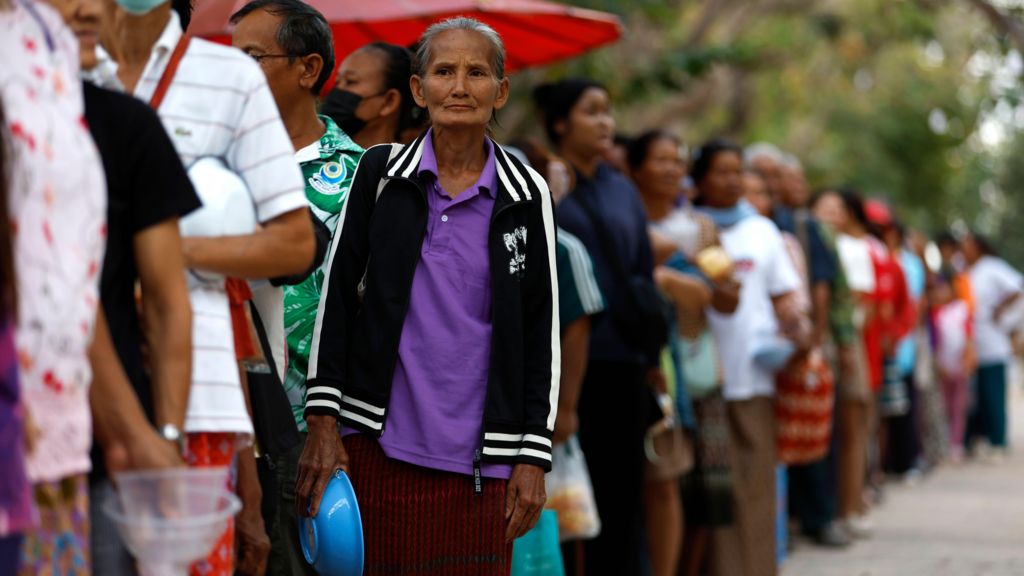
    Southeast Asian diplomats are gathering in Kuala Lumpur for urgent negotiations on Monday aimed at de-escalating violent border clashes between Thailand and Cambodia that have resulted in significant casualties and mass displacement. The emergency meeting marks the first direct dialogue between the conflicting nations since hostilities resumed on December 8th, with both countries mutually accusing each other of initiating the renewed combat.

    The border conflict, with historical roots tracing back over a century to the French colonial demarcation of Indochina, has recently intensified through artillery exchanges across the 800-kilometer frontier and Thai airstrikes targeting Cambodian positions. Current estimates indicate at least 41 fatalities and approximately 900,000 displaced persons from both nations, creating a severe humanitarian crisis.

    Malaysian Prime Minister Anwar Ibrahim, who previously mediated the July ceasefire alongside U.S. President Donald Trump, expressed cautious optimism regarding the diplomatic initiative. “Our duty is to present the facts, but more importantly, to press upon them that it is imperative for them to secure peace,” Ibrahim stated last week.

    Cambodia has articulated its commitment to restoring “peace, stability and good neighbourly relations” through peaceful resolution mechanisms. Conversely, Thailand has established preconditions for substantive negotiations, demanding Cambodia first declare a ceasefire and demonstrate “genuine and sustained” cessation of hostilities.

    The international community has intensified diplomatic engagement, with both United States and Chinese officials actively mediating. U.S. Secretary of State Marco Rubio held discussions with Thai counterparts, expressing hope for a new ceasefire agreement within days. Simultaneously, China’s Special Envoy for Asian Affairs Deng Xijun visited Phnom Penh, reaffirming Beijing’s commitment to facilitating constructive dialogue between the neighboring nations.