作者: admin

  • ‘Homecoming Across the Seas’: A song bridging homeland and the world

    ‘Homecoming Across the Seas’: A song bridging homeland and the world

    A groundbreaking musical composition titled “Homecoming Across the Seas” is creating cultural waves this Spring Festival season, serving as an artistic bridge between Chinese traditions and global audiences. The innovative piece seamlessly blends Eastern cultural symbols with Western landmarks, creating a harmonious dialogue between civilizations through the universal language of music.

    Crafted through the collaborative efforts of lyricists Huang Yichuan and Xie Hua, with musical composition by Fan Xin and Huang Yichuan, the song features performances by an international ensemble including members of the “Belt and Road” Band. The artistic collective represents diverse cultural backgrounds, featuring talents such as Zhang Zhongxu, Huang Siyu, Nepal’s Nishad Kumar Pokharel, Algeria’s Majd Bentalha, Yemen’s Salma Saybari, and Liberia’s David Yekeh.

    The composition masterfully incorporates traditional Chinese imagery including red lanterns, the Yangtze River, and blue-and-white porcelain, while simultaneously referencing global landmarks like the Eiffel Tower and London Eye. These elements are not merely symbolic decorations but represent genuine cultural exchange and mutual understanding. The song demonstrates how Tai Chi movements can harmonize with coffee aromas, and how lion dances can animate classical European architecture.

    Particularly poignant is the chorus line: “The blood of the Yellow River pulses through the veins of the four seas, the Great Wall embraces the Earth in its day-and-night watch,” which extends familial connections into shared human experiences. The modern rap segments creatively converge traditional Chinese New Year customs with contemporary global scenes. A deeply moving French phrase, “Maman, je suis de retour” (Mother, I have returned), resonates powerfully with overseas Chinese communities, touching the emotional core of diaspora experiences.

    Beyond depicting festive reunion scenes, “Homecoming Across the Seas” embodies China’s growing cultural confidence and openness to global exchange. The composition demonstrates how the Spring Festival has evolved from a traditional Chinese celebration into a universal emotional language that transcends geographical boundaries. The work stands as both a warm cultural encounter and a collective love letter to the spring season, celebrating shared humanity through artistic expression.

  • Tears of joy as Nigerian families reunite with kidnapped schoolchildren

    Tears of joy as Nigerian families reunite with kidnapped schoolchildren

    PAPIRI, Nigeria — An emotionally charged Christmas reunion unfolded in north-central Nigeria as families embraced 130 students and educators freed after a month-long captivity in one of the nation’s most extensive mass abductions. The released individuals, comprising schoolchildren and teachers from St. Mary’s Catholic School, returned to Niger state’s Papiri community late Wednesday, representing the final group liberated since the November 21 attack. The scene witnessed tearful mothers clutching their children, villagers lifting youngsters skyward with beaming faces, and thorough examinations ensuring the returnees’ physical wellbeing. Yusuf Timothy, father of freed student Rejoice, expressed profound relief: “This Christmas, since we are celebrating with our children, we are so glad. And this Christmas will be different from the others.” Rita Marcus, reunited with her son through flowing tears, simply repeated: “I am happy, I am happy. This happiness, it is too much.”

    The incident highlights Nigeria’s escalating security crisis involving ransom-driven school kidnappings in Africa’s most populous nation. Authorities initially reported 303 students and 12 teachers seized in the Niger state attack, later revising the figure to 230 while confirming all had been released without elaboration on negotiation details. Most abducted children ranged from 10 to 17 years old, according to school records. Student Onyeka Chieme recounted to The Associated Press how gunmen threatened to shoot captives during the assault. The psychological toll on families was severe, with Timothy describing suspended lives: “Sometimes even though I’m asleep with my wife, if we wake up, we will start thinking. We will start crying. When are we going to see our child?”

  • UAE: 16-year-old follows in father’s footsteps, completes 600km camel trek

    UAE: 16-year-old follows in father’s footsteps, completes 600km camel trek

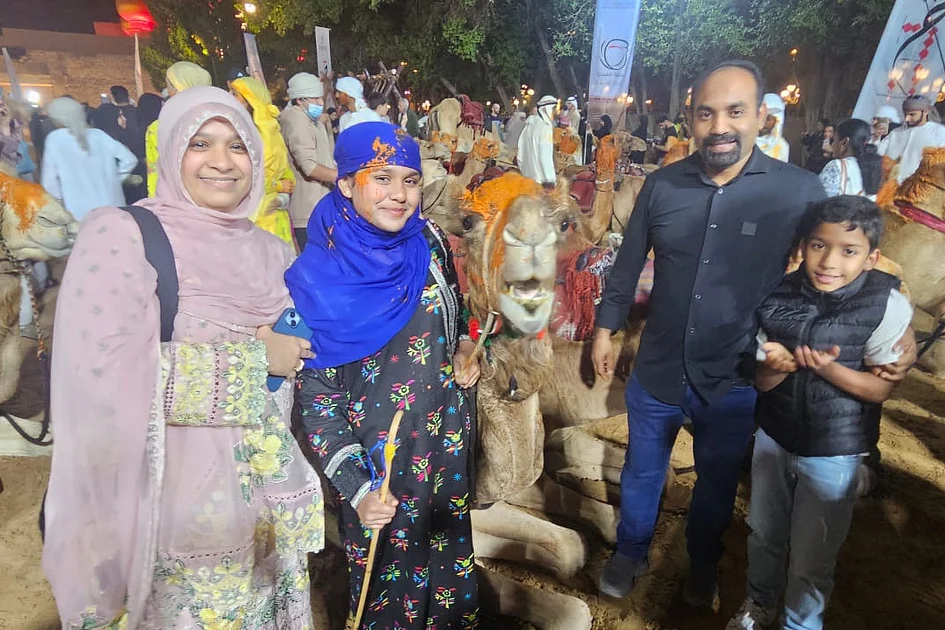
    In an extraordinary display of determination and familial legacy, 16-year-old Sarah Shajahan has successfully completed a grueling 600-kilometer camel trek across the United Arab Emirates desert, retracing the footsteps of her father’s journey from nearly a decade earlier. The adolescent adventurer transformed childhood bedtime stories into tangible reality during this winter’s demanding expedition.

    Sarah emerged as one of the youngest participants in this year’s camel caravan, joining dozens of seasoned trekkers navigating extensive desert routes. While some competitors undertook the full 1,000-kilometer challenge, Sarah conquered a significant 600-kilometer segment, enduring extended riding periods, frigid nighttime temperatures, and unpredictable harsh weather conditions.

    “This ambition grew organically from hearing my father’s experiences,” Sarah revealed. “Reaching participation age, I felt compelled to undertake this personal challenge.”

    Her father, Shajahan, who completed the same trek nine years prior, emphasized that Sarah’s motivation emerged independently. “There was no parental pressure whatsoever. She developed this inspiration naturally through exposure to my expedition photographs and regular riding excursions where I always included my children,” he noted, particularly praising her fearlessness around the majestic animals.

    Sarah’s journey to the desert began with formal applications and rigorous selection processes earlier this year. Training commenced in May, with September trials determining her qualification on the second attempt. During the actual trek, she bonded with a camel named Ataraiya, having trained with the animal four times during the week preceding the expedition.

    Despite meteorological challenges including unexpected sandstorms and rainfall that drenched equipment and disrupted sleep, Sarah maintained remarkable composure. “The experience proved less daunting than anticipated, largely due to my camel’s cooperative temperament,” she observed.

    Beyond physical achievement, her father contextualized the trek as profound life education. “This transcends mere hobbyism. It represents immersion in traditional desert living, connection with animals, and experiential understanding of ancestral travel methods,” he explained. “Participants engage with multinational companions and local Emiratis, experiencing ancient lifestyles that often evolve into spiritual journeys.”

    While Shajahan views his own prior completion as personal accomplishment, he perceives his daughter’s achievement differently: “For me, it represented closure. For Sarah, this signifies merely the commencement of her journey.”

    Notably, the teenager returned to normalcy without seeking social media validation, surprising her father given contemporary youth trends. The experience has ignited new aspirations, with Sarah expressing interest in future camel racing competitions. Nine years after witnessing her father’s return from the desert, the now-accomplished trekker has created her own legacy of quiet confidence and cultural connection.

  • Trump’s transactional realism meets imperial overreach

    Trump’s transactional realism meets imperial overreach

    As 2025 concludes, Donald Trump’s presidency has crafted a foreign policy doctrine that resists conventional classification. Campaigning on an “America First” platform and opposing prolonged military engagements, Trump has paradoxically embraced a strategy of selective interventionism—merging realpolitik, transactional diplomacy, and occasional imperial overreach under the guise of restraint.

    Notable achievements highlight the efficacy of strategic pressure. The Gaza ceasefire, finalized in October 2025, stands as the administration’s foremost diplomatic triumph. By leveraging alliances with Arab states and exerting simultaneous pressure on Israel and Hamas, Trump secured a cessation of hostilities that eluded his predecessor. The 20-point peace plan, though its long-term sustainability remains uncertain, halted immediate violence. Similarly, the reorientation of U.S. focus toward the Western Hemisphere—elevated as a priority in the 2025 National Security Strategy—addressed decades of regional neglect, acknowledging that instability in neighboring nations poses more direct threats than distant conflicts.

    However, these successes are undermined by profound inconsistencies and dangerous overreach. The Ukraine peace process exemplifies this incoherence. The deployment of Jared Kushner and real estate developer Steve Witkoff for negotiations with Putin—labeled as “personal diplomacy” by supporters but criticized as cronyism—resulted in initial proposals so favorable to Russia that Ukrainian analysts deemed them tantamount to capitulation. Despite revisions, the initiative flounders as military gains continue.

    Alarming rhetoric on Gaza further exposed policy chaos. Trump’s February suggestion of U.S. annexation and Palestinian expulsion—later walked back by subordinates—drew comparisons to ethnic cleansing and revealed a decision-making process devoid of strategic coherence. The administration’s embrace of the “Trump Corollary” to the Monroe Doctrine intensified concerns, deploying military assets to the Caribbean and designating drug cartels as terrorist organizations to justify interventionism in Latin America.

    China policy reduced great-power competition to economic transactions, ignoring security implications, while treatment of European allies mixed reasonable demands for defense spending with gratuitous provocations on domestic issues like immigration and far-right politics. These actions accelerated European moves toward strategic autonomy, counterproductively undermining alliance structures.

    Ultimately, Trump’s foreign policy demonstrates a grasp of realist principles—prioritizing interests over ideology, valuing transactional deals—but fails to apply them wisely. The pursuit of hemispheric hegemony without entanglement, burden-sharing amid alienation, and economic warfare with strategic accommodation proves fundamentally incompatible. Despite sound instincts on burden-sharing and regional focus, undisciplined execution generates chaos, risking new commitments while alienating essential allies.

  • Ho Ho No! Santa pulled over for speeding in Ohio

    Ho Ho No! Santa pulled over for speeding in Ohio

    A festive journey took an unexpected turn in Fulton County, Ohio, when local law enforcement intercepted a most unusual speeding violation. A couple fully attired as Santa and Mrs. Claus was brought to a halt by a sheriff’s deputy during a routine traffic patrol, creating a scene more fitting for a holiday comedy than a traffic log.

    The incident, which occurred in the lead-up to the Christmas season, saw the iconic red suits and white beards fail to grant diplomatic immunity from road traffic regulations. While specific details regarding the vehicle’s speed and the precise location were not immediately disclosed by the Fulton County Sheriff’s Office, the stop was confirmed as a legitimate enforcement action.

    This whimsical encounter highlights a recurring seasonal phenomenon where holiday cheer occasionally intersects with law enforcement duties. Similar incidents have been documented across various jurisdictions, where individuals in festive regalia are reminded that traffic laws remain in full effect regardless of one’s mythical status or charitable intentions. The episode serves as a lighthearted yet firm reminder to all motorists—whether on a sleigh or in a sedan—to prioritize road safety during the bustling holiday period.

  • Chronic water shortages dampen holiday mood in Tanzania’s biggest city

    Chronic water shortages dampen holiday mood in Tanzania’s biggest city

    Dar es Salaam, Tanzania’s bustling economic center with over six million residents, is grappling with an unprecedented water shortage that has cast a shadow over Christmas festivities. The city’s water distribution system has collapsed to the point where households receive water only once weekly, with some enduring weeks-long waits between supplies.

    The crisis stems from a prolonged drought following the May rainy season conclusion, drastically reducing water levels in the Ruvu River—which provides approximately 70% of the city’s drinking water. Compounding the problem are leaking distribution pipes and skyrocketing demand in one of Africa’s fastest-growing urban centers, whose population has more than doubled in two decades.

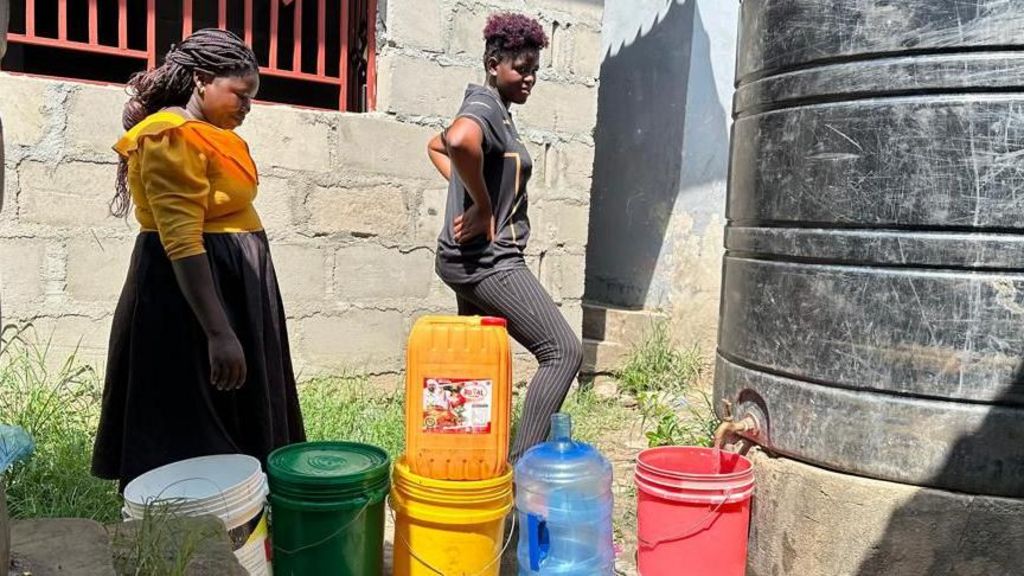
    Residents have developed coping mechanisms that include stacking plastic containers outside homes ready for deployment when taps briefly flow, typically during late nighttime hours. Many depend on private vendors who extract water from boreholes and tanks, though prices have surged from $4 to $10 per 1,000 liters—creating severe financial strain for low-income families.

    Cedric Ndosi from Madale district expresses his holiday concerns: ‘Christmas is here without tap water. We must purchase water for cooking from shops and from trucks for bathing, creating unexpected expenses where we previously allocated funds for celebrations.’

    The crisis disproportionately affects women and small businesses. Food vendors, salon operators, and car wash services have reduced operating hours or increased prices. Furaha Awadhi, a mother of two in Tegeta, confirms the price hikes have fundamentally altered household economics.

    Government officials acknowledge the severity while proposing long-term solutions. Water Minister Juma Aweso revealed plans for dam construction to aggregate freshwater from multiple sources and increased borehole drilling investments to climate-proof the city’s water supply.

    The Dar es Salaam Water and Sanitation Authority has issued apologies and conservation appeals, though critics demand improved communication, transparent rationing schedules, and accelerated infrastructure projects. As temperatures hover around 33°C (91°F), some residents like Joyce Fredrick are temporarily relocating to cooler regions with better water access, clinging to hope that next year will bring improvement to Tanzania’s parched economic capital.

  • Watch: Huge fireball as tanker explodes on Italian motorway

    Watch: Huge fireball as tanker explodes on Italian motorway

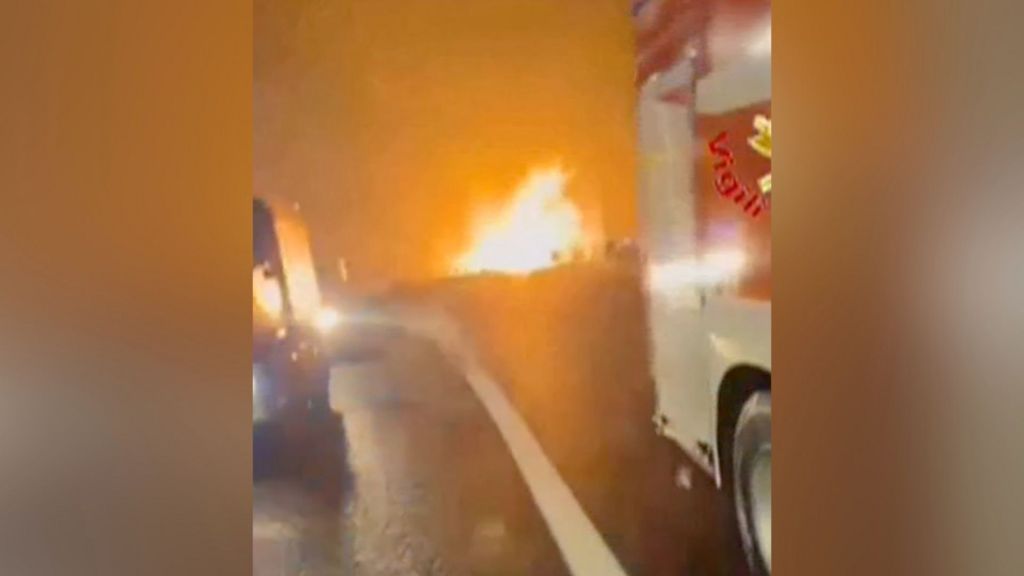
    A dramatic and intense explosion involving a fuel tanker occurred on a motorway in Italy, creating a massive fireball that illuminated the sky. The incident, which unfolded following an initial traffic collision, prompted an immediate and large-scale emergency response. Authorities had successfully executed a precautionary evacuation of the surrounding area prior to the detonation, a critical safety measure that ensured no injuries were reported from the blast itself.

    The explosion caused significant disruption, leading to the complete closure of the affected highway section to facilitate emergency operations and subsequent investigation. Specialized firefighting teams were deployed to combat the intense blaze, which posed considerable challenges due to the nature of the fuel fire. The incident highlights the severe dangers associated with transporting hazardous materials and underscores the effectiveness of coordinated emergency protocols in preventing civilian casualties. An investigation into the precise cause of the initial crash and the subsequent explosion is ongoing.

  • Ramadan 2026 in UAE: Muslims prepare for holy month as Rajab begins

    Ramadan 2026 in UAE: Muslims prepare for holy month as Rajab begins

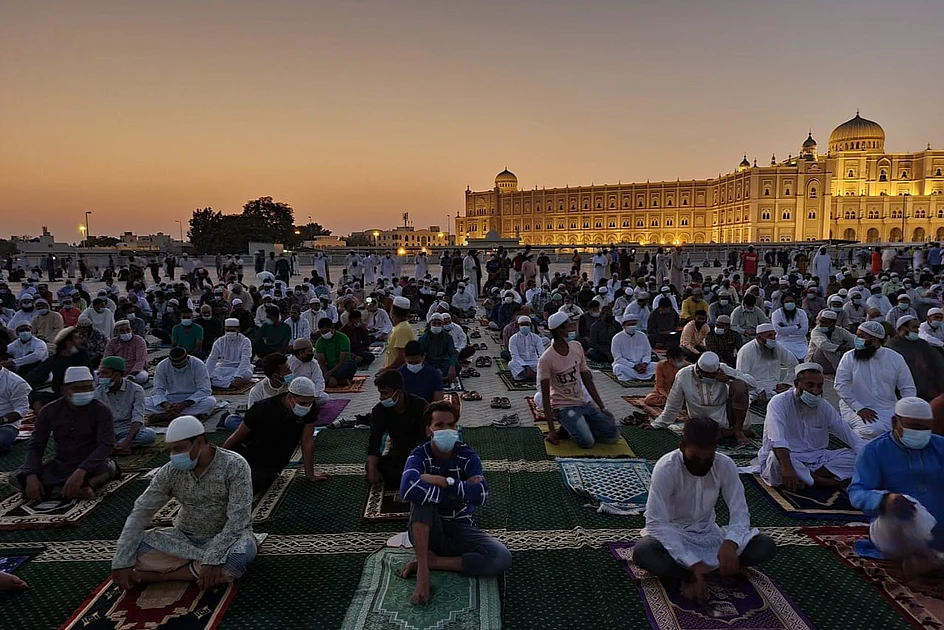
    As the sacred month of Rajab dawns across the United Arab Emirates, Muslim communities worldwide are initiating spiritual preparations for the approaching Ramadan season. Sheikh Nasser Al Hammadi of Sharjah Islamic Affairs delivered crucial guidance during a live Instagram lecture on Tuesday, emphasizing the significance of this preparatory period within the Islamic calendar.

    Sheikh Al Hammadi clarified that Rajab constitutes one of the four venerated months (Al-Ashhur Al-Hurum) in the Hijri calendar, alongside Dhul Qa’dah, Dhul Hijjah, and Muharram. These months hold distinctive spiritual status where righteous deeds yield amplified rewards and transgressions carry heightened consequences. The scholar described Rajab as an agricultural metaphor: “It resembles a farmer who commences by planting seeds, subsequently irrigating them, then nurturing the crop until harvest time” – representing spiritual groundwork for Sha’ban and ultimately Ramadan.

    Regarding worship practices, Sheikh Al Hammadi underscored that no exclusive rituals are designated for Rajab. Instead, Muslims should intensify general acts of devotion throughout the month while maintaining annual consistency. He referenced prophetic traditions indicating that even Muhammad (PBUH) never completed a full month of fasting outside Ramadan, and that Caliph Umar ibn Al-Khattab (RA) discouraged complete Rajab fasting to prevent resemblance to Ramadan.

    The Islamic authority issued specific cautions against introducing non-authenticated practices, particularly warning against innovations like Salat Al-Raghaib or specialized Umrah rituals exclusively for Rajab. He emphasized that worship foundations must derive exclusively from established Quranic principles and Sunnah teachings: “Muslims should not engage in any act of worship, add to it, or single it out, except based on what has been established in Islamic law.” This guidance aims to preserve religious authenticity while enabling meaningful spiritual preparation during Islam’s sacred months.

  • EU warns of possible action after the US bars 5 Europeans accused of censorship

    EU warns of possible action after the US bars 5 Europeans accused of censorship

    BRUSSELS — The European Union has issued a stern warning to the United States following the State Department’s imposition of travel restrictions on five European digital policy figures, including former EU Commissioner Thierry Breton. The move has ignited a significant diplomatic confrontation over digital sovereignty and content moderation policies.

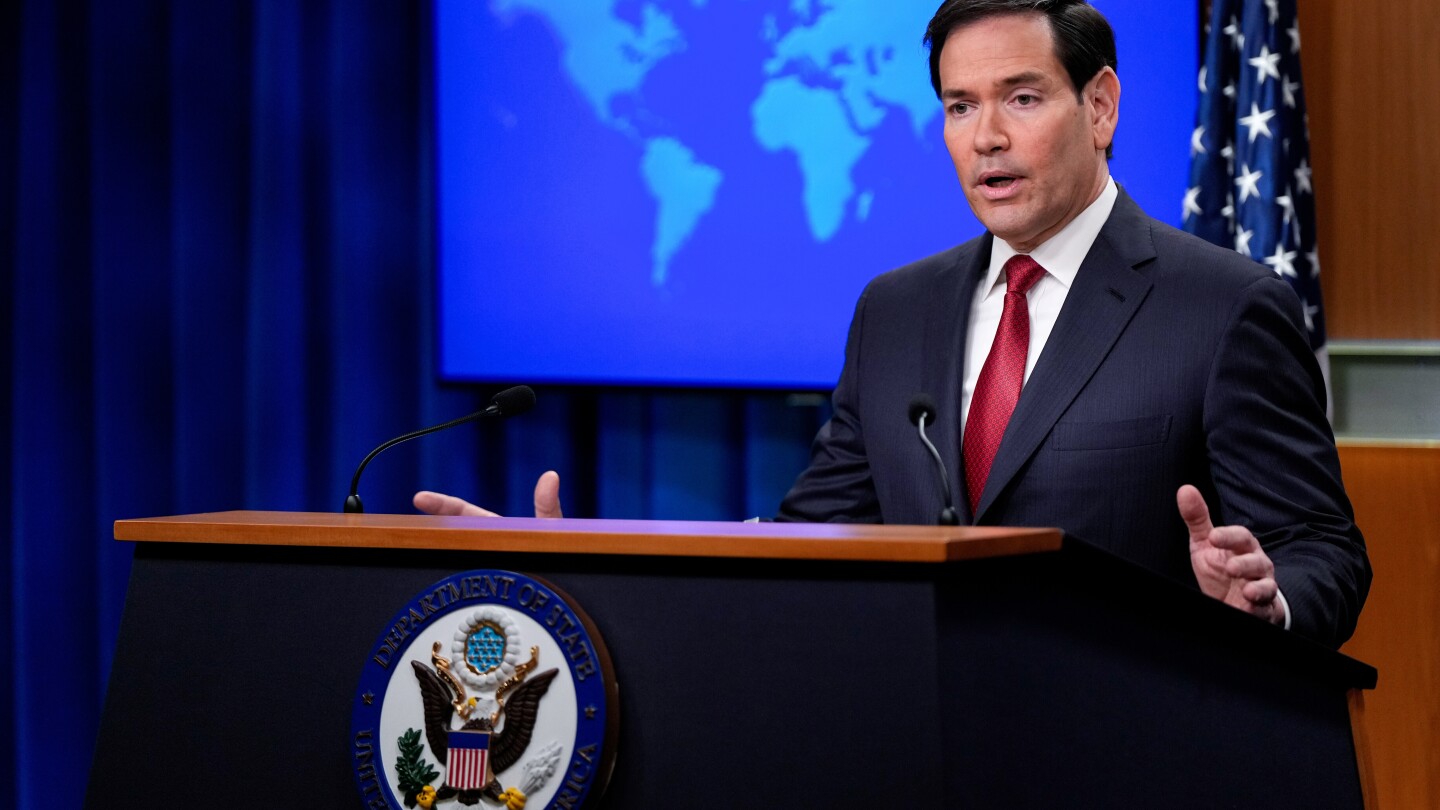
    The U.S. government, through Secretary of State Marco Rubio, characterized the banned individuals as ‘radical activists’ and representatives of ‘weaponized’ non-governmental organizations allegedly pressuring American tech companies to censor U.S. viewpoints. The targeted Europeans include prominent figures from digital rights organizations and the architect of the EU’s Digital Services Act.

    In an official statement, the European Commission strongly condemned the travel restrictions as unjustified measures and demanded immediate clarification from U.S. authorities. The EU executive branch emphasized its readiness to ‘respond swiftly and decisively’ to protect its regulatory autonomy against what it perceives as extraterritorial intimidation tactics.

    French President Emmanuel Macron joined the condemnation, labeling the visa bans as coercive tactics aimed at undermining Europe’s digital sovereignty. Macron emphasized that the EU’s digital regulations were established through democratic processes involving all member states and the European Parliament, designed to ensure fair competition without targeting any specific nation.

    The conflict stems from a new U.S. visa policy implemented in May that restricts entry for foreigners accused of facilitating censorship of protected speech. The banned individuals include Imran Ahmed (Centre for Countering Digital Hate), Josephine Ballon and Anna-Lena von Hodenberg (HateAid), and Clare Melford (Global Disinformation Index), alongside Breton.

    Breton, who previously clashed with Elon Musk over content moderation policies, responded by noting that all 27 EU member countries unanimously supported the Digital Services Act in 2022. The legislation establishes comprehensive requirements for online platforms to address harmful or illegal content while maintaining a level playing field for all companies operating in the European digital market.

  • Xinjiang to introduce football classes across all schools

    Xinjiang to introduce football classes across all schools

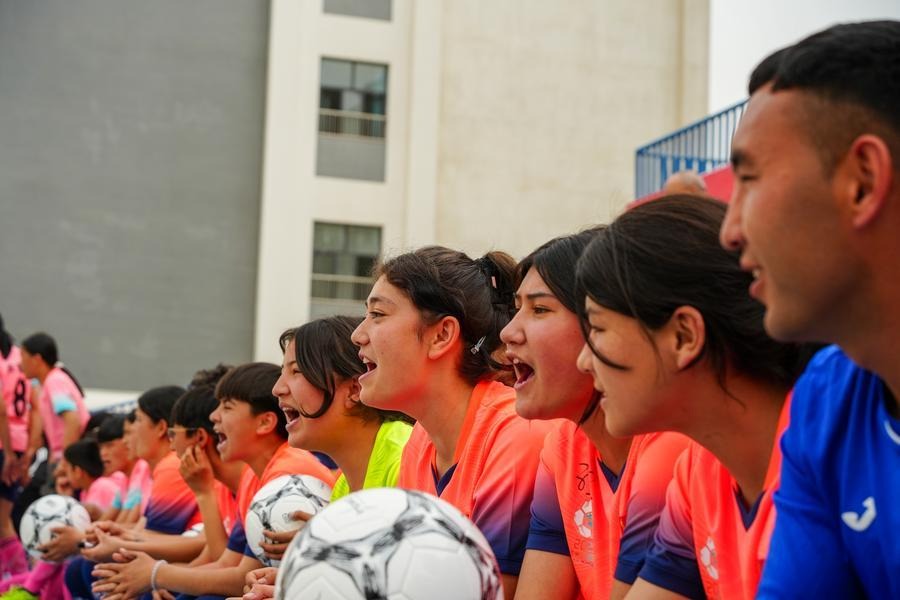
    Northwest China’s Xinjiang Uygur Autonomous Region has unveiled an ambitious educational initiative to integrate football into physical education curricula across all academic institutions. The comprehensive policy framework, developed through interdepartmental collaboration, aims to cultivate athletic talent while promoting sports participation among students.

    The strategic implementation plan establishes football-focused schools that will dedicate no less than one-third of physical education hours to football instruction and training. This institutional approach forms part of a broader vision to construct an integrated talent development pipeline connecting vocational schools, universities, football academies, and professional clubs.

    Xinjiang’s rich football heritage provides fertile ground for this expansion. With 4,595 football fields recorded by 2024, the region boasts one of China’s highest per capita rates of football infrastructure. The existing network of campus leagues will continue operations alongside newly expanded weekend competitions designed to increase regular student participation.

    Addressing historical challenges in coaching capacity, the initiative includes measures to enhance training protocols, improve recruitment strategies, and elevate compensation packages for football instructors. Educational institutions will expand specialized programs while actively recruiting retired professional players to bolster teaching ranks.

    The region has emerged as a significant talent source for Chinese football, producing national team players including striker Behram Abduweili and defender Umidjan Yusup. This new systematic approach to youth football development promises to strengthen both regional sports culture and China’s national football pipeline.